

Newly built home sales grew while existing pending sales plummeted in May
CNBC's Diana Olick reports on the health of the housing market.
Source link
Newly built home sales grew while existing pending sales plummeted in May Read More »
CNBC's Diana Olick reports on the health of the housing market.
Source link
Newly built home sales grew while existing pending sales plummeted in May Read More »

Entrepreneur meeting with business team in conference room
To succeed as an entrepreneur today, you need to take in a constant influx of information. But you also need to know when to lock it down and listen to nothing but your own internal voice. The model of the highly disciplined, overscheduled overachiever just isn’t functional when technology means ’round-the-clock access to you and your energy.
Sure, you sometimes need to put in long, grueling hours to succeed. But if you don’t take breaks, the constant stress will burn you out, which serves nobody. To invest in yourself as a leader, emphasize balance over a high-speed, pressure-cooker lifestyle. Some of these tips may seem a bit counterintuitive, but they’ll boost your odds of long-term success.
First things first: Get. Enough. Sleep. The idea that successful entrepreneurs never rest is a myth the business world needs to stop perpetuating, for everyone’s sake.
As reported in KillerStartups, researcher and author Thomas Corley found that 89% of self-made millionaires get at minimum seven hours of sleep per night. Without proper rest, your brain can’t make the kinds of high-stakes decisions successful leaders face every day.
And if you want to improve your sleep quality, and virtually other metric of your health and happiness, get some exercise. Successful leaders share the habit of engaging in at least 30 minutes of cardio a day. Like sleep, exercise improves your cognitive function so you can make the best decisions for your business.
Nutrition likewise has a powerful impact on your leadership skills — and a domino effect on everything else in your life. Your diet can make or break your mental acuity. It’s crucial to feed yourself well if you want to steer your company to success.
Once you’ve got those Maslow needs covered, it’s time to think bigger. What are your long-term financial and personal goals, and what does success mean to you?
According to Corley, you need to make sure all your goals are truly yours. Yes, you need to be focused on building your business and saving for the future. But don’t fall into the trap of trying to measure up to others or, worse, trying to please your parents.
In his research, Corley found that pursuing one’s own dreams and goals resulted in the greatest long-term happiness and wealth accumulation. In other words, being happy —both at and outside of work — can actually earn you more money.
So look for what brings you joy and motivates you to perform at your best. It could be the adrenaline of achieving greater market share or having the flexibility to spend more time with your loved ones. It doesn’t matter what your objectives are. You’ll still go further in business if you’re chasing goals that light you up.
On that note, if what makes you happiest isn’t always what pays, that’s OK. Make time for hobbies, passion projects, travel, and anything else that feels intuitively, holistically good.
You may tell yourself you don’t have time, between exercising, eating right, and putting in long hours at work. But don’t convince yourself that every minute of your time should be “productively.” You’ll only burn out, causing both you and your company to suffer.
By contrast, throwing yourself into your hobbies actually makes you a better entrepreneur. A hobby can be the inspiration for a new innovative offering or business practice. It can also help you build connections with other successful, highly motivated people.
As an entrepreneur, you know that your lifestyle takes a certain kind of spark that not everyone has. The kinds of people who prioritize interesting, creative lives tend to be the most successful. Be one of them, and in the process, you’ll meet people who can help you learn, grow, and network.
There’s really only one way to make sure you can manage any or all of the above. You need to be extremely protective of your time. This doesn’t necessarily mean implementing rigid time management methods — though if they work for you, feel free to continue using them.
What it definitely means is being super clear on your priorities and giving a firm “no” to anything or anyone that interferes. Plan your day not around how many hours you work, but around the actions that make you most functional and effective.
Many successful leaders have neurodivergences like ADHD that make traditional time-blocking ineffective. Instead of working 9 to 5, some capitalize on late night or early-morning periods of hyperfocus to get creative work done. Then they use traditional work hours for lower-priority tasks or self-care.
Protecting your time can take a million different forms. Maybe it’s marking yourself “busy” on your calendar, turning your phone off, and wearing noise-canceling headphones. Or perhaps it’s delegating tasks to junior workers, then locking your office door and meditating for 20 minutes. It’s not the method that matters; it’s finding the way that works best for you.
The life of an entrepreneur hasn’t gotten any easier. That’s why it’s more important than ever to find internal sources of stability and resilience. A successful business needs a firm, steady hand to guide it. So take care of yourself first, and give yourself the fuel you need to make your company soar.
4 Habits To Help Entrepreneurs Achieve Business Success Read More »

A recent report published by the National Association of Realtors reveals that the housing shortage and affordability crisis in the U.S. would be alleviated if there were sufficient homes available for buyers at all income levels. Currently, 51% of American households have an income of $75,000 or less, meaning they can only afford houses that are priced at $250,000 or lower. Data shows that of the 1.1 million homes listed for sale, only 25% are listed within that price range. To balance the market, the report indicates that there needs to be an additional 319,460 listings priced under $250,000.
The top five cities that have large supply shortages of affordable homes include El Paso, Texas; Boise, Idaho; Spokane, Washington; Cape Coral, Florida; and Lakeland, Florida. Conversely, Youngstown, Ohio-Pennsylvania is a region where buyers with an income of $75,000 can purchase 72% of the listings, exceeding the balanced market target rate of 66%.
The report also highlights that black Americans are the most behind on reaching equilibrium, with two-thirds earning $75,000 or less and can only afford 22% of the home listings. Whereas for white Americans in the same income bracket, 48% can afford to buy 22% of the listings. Overall, the report stresses the need for more affordable housing options to tackle the affordability crisis across all income brackets and racial and ethnic groups.
Given the data, it’s pretty clear that many prospective investors will need to add additional income from somewhere to get in the game. Whether you’re a novice investor looking to enter the real estate market or you’re planning to add to your real estate portfolio, here are some personal finance tips to help you reach your goals faster.
We know that owning real estate will help you grow your financial nest egg. But how can you get there if you’re in the median income bracket? Well, earning additional income will help you save for a down payment faster. That way, you aren’t relying solely on your full-time job. Plus, it can help you access higher-priced listings.
The easiest way to choose is basing it on your passion or talent. Offering dog walking services, tutoring, or selling household items are simple gigs to get you started. It provides flexibility as you can set your own hours and go at your own pace. You can take a side hustle as far as you’d like, even potentially turning it into a full-fledged business. The most important step is getting started.
A simple way to keep track of your savings goals is to create a dedicated savings account. For example, if you need to save up to $50,000 for a down payment, then having a separate savings account will make it easier for you to monitor your progress.
Once you have opened a savings account, you can automate your savings by making regular transfers (such as bi-weekly or monthly) from your checking account to your savings account. Money savings apps such as Acorns, Current, and Stash can help you reach your goal faster. Also, you can use a high-yield savings account, such as one that offers 5% interest, giving you an added boost to your savings.
If you don’t need the money for a few years, you can consider investing it in the stock market. This way, your hard-earned money can benefit from compound interest. The longer your time horizon, the more time you have to ride the wave of the stock market. That said, there are always risks involved when investing your money, so be sure to assess your risk tolerance before you buy any funds.
Note that this isn’t a get-rich-quick scenario, either. Stocks should be used as an addition to your real estate portfolio for diversification.
Furthermore, depending on what state you live in, there may be government programs that help first-time homebuyers with a variety of real estate costs, such as closing costs, down payments, and reduced interest rates.
For example, Ohio Housing Finance Agency lenders (Ohio), SONYMA lenders (New York), TDHCA lenders (Texas), and Nevada Housing Division lenders (Nevada) have different types of loans and programs that you can apply for. To find out what’s available to you, check out the listing here.
As you know, every housing market differs and can be drastically more or less expensive than the other. You may consider moving or investing out-of-state. If you move, this could reduce your cost of living and tax bills. It also means you’ll be eligible for that state’s homebuyer programs after you’ve lived there for a certain amount of time. If you choose to invest out of state, note that you’ll have a harder time getting access to programs like that, if at all.
If buying a property is out of reach at the moment, you can look to other people and form partnerships. Whether it’s your significant other, family member, friend, or business partner, this gives you the ability to leverage their expertise, funds, and/or abilities. Of course, it’s wise to choose someone reliable and willing to follow the terms of your arrangement.
By joining forces, you can fast-track your way to getting in on an investment.
When a seller has accepted your offer, you’ll need to secure a mortgage with your lender. Having a good credit score is important because it directly affects your interest rate.
First, obtain a copy of your credit report and credit score. They are available through agencies such as Equifax, Experian, and TransUnion. The credit score ranges from 300 to 850: 800 to 850 is excellent, 740 to 799 is very good, and 670 to 739 is good. 580 to 669 is considered fair, while 300 to 579 is poor. You’ll want to maintain a higher score so that you can get the best mortgage interest rate possible.
You can improve your score by having a low credit utilization ratio, paying your credit card bills in full and on time, and limiting the number of times you apply for credit. Be sure to review your report, and if you find any errors (it happens more often than you think), be sure to report it back to the credit bureau and ask to have it corrected.
Although income earners in the lower brackets face higher barriers to entry into the housing market, there are creative ways to get your foot in the door. Of course, it won’t happen overnight, but if you build the foundational habits and follow these seven personal finance tips, you’ll be on your way to achieving your real estate goals.
Early financial freedom is possible.
Building wealth is always possible, even while working full-time, earning a median income, and paying off debt. Set for Life gives young professionals the action plan they need to conquer their financial goals and achieve early financial independence.
Note By BiggerPockets: These are opinions written by the author and do not necessarily represent the opinions of BiggerPockets.
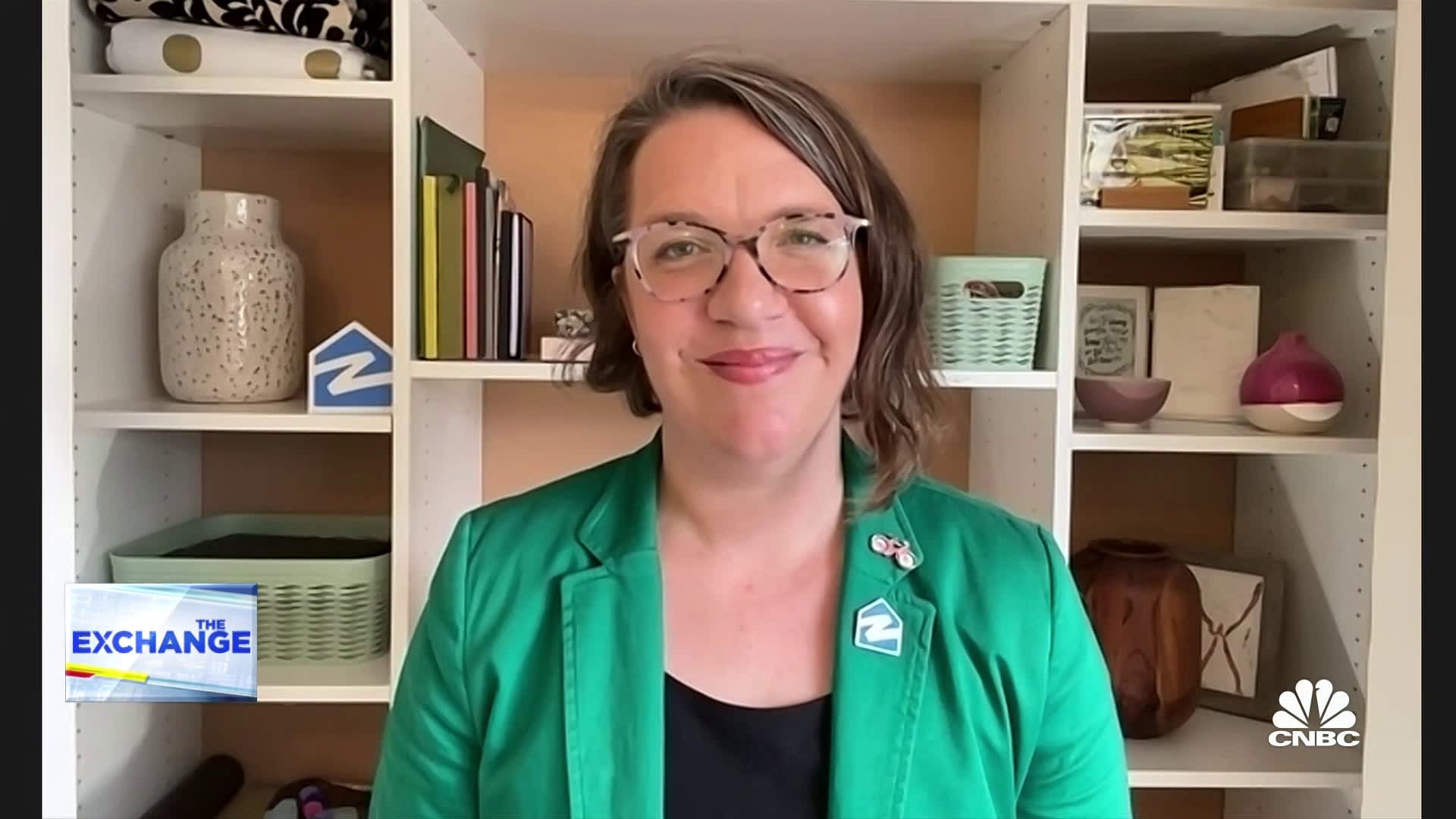
Skylar Olsen, chief economist at Zillow, joins ‘Squawk on the Street’ to discuss why existing homeowners aren’t buying other existing homes, why there isn’t more movement in the housing market, and more.

Are you a victim of quiet quitting in your workplace?
The last couple years introduced us to a bunch of new concepts in the post-COVID workforce. The first was the Great Resignation, with an estimated 20% of workers planning to quit their jobs in 2022. And more recently, Quiet Quitting, where workers don’t actually quit their jobs, but instead, put in the bare minimum of work required to keep their employers happy, without putting in a minute of extra effort. To me, these are both problems with the employers, not the employees. Because if employees were actually happy, respected and engaged in their jobs, they wouldn’t feel the need to quit their jobs, either outright or in mindset while still employed. This post will help us diagnose if you have any problems that need fixing in your business, to help stem this tide.
A Couple Unhappy Workforces as a Case Study
Let’s look at a couple industries where quitting seems to be at an all-time high: K-12 education and restaurants. These are two industries I know well, with my wife a 2nd grade teacher and me owning a business serving the restaurant industry. In both of these industries, it is pretty clear to me why people are quitting; they are being asked to work their tails off with very little reward, where it is so much easier for them to switch industries and make materially more money elsewhere. Not to mention how dysfunctional these types of businesses can be, without a lot of ways for their new ideas to be heard or acted upon, where businesses are being mismanaged, oftentimes with a lot of bureaucracy. Why would anyone want to work in that environment? Anyone that does is because they feel they have no other options based on their skillsets or because it is simply their passion project giving back to their communities, without making compensation or job satisfaction their ultimate drivers. Which is not a great position to be in, for the employee or the employer.
Reality Check
So, how do we fix this? We start with common sense that 20% of workers are not resigning the workforce overall, they are resigning YOU!! There must be something you are doing that they are unhappy with that needs to be resolved. That could be something like low compensation levels, their mundane day-to-day tasks, your company culture, lack of upward career mobility, a bad boss, lack of job flexibility or whatever. So, if you are experiencing high levels of employee turnover or engagement, it is time to look in the mirror and start auditing everything you are doing, with a post-COVID mindset of what employees are looking for. Let’s dig into that a little bit deeper.
Study Compensation Levels
Going back to our case study above, can restaurant workers really make a living wage at $15 per hour? That is only $30,000 per year, in a world where inflation is off the charts. After tax, that is only around $2,000 per month. Let’s say half of that goes to covering their rent, and that leaves the other half, or $33 per day, to cover all their other living expenses. That math simply doesn’t work. Not to mention, they have to be on the job in person, when all their other friends are getting more flexible jobs that allow them to work from home.
And the same thing for the teachers. They are teaching our kids and setting up the future of our country. It disgusts me that movie stars and sports athletes are making $25MM per year, and teachers’ starting pay is around $50,000 for doing a TON of work, dealing with hostile parents, and working in dysfunctional workplaces where the rules keep changing each year. Enough already, teachers need to be better respected and a material bump in pay to justify those working conditions. We as a society need to better value the roles they are playing, and all chip in with slightly higher real estate tax bills.
So, what does this mean for you? Stop thinking of your industry in a vacuum, and stop using historical pay levels as a baseline benchmark. You may need a drastic salary increase to retain and attract new talent in today’s market. And employees will seek out work in other industries, if they are unhappy with the compensation levels in your business or industry. So, when studying average pay by role, do so across industries. And I didn’t talk about studying benefits packages here, but you should do that, as well, to make sure you are in line with the market. A good benefits management company can help you benchmark yourself versus other employers.
If you determine you cannot profitably afford market rate salary increases, you may have a material problem on your hands. But hopefully, raising your prices, to better afford market rate salaries, will help you fund these increases. God knows my restaurant bills have been going way up, as restaurants are paying their staffs more in an effort to try to retain them. But if price increases are not digestible by your customers, you may need to face the hard fact your business model may be broken, and may not survive without a material change in the model metrics.
Study Job Flexibility
Thanks to COVID, everyone prefers a more flexible job environment, starting with the option to work from home. So, don’t be stuck in the Stone Age, requiring everyone to be in the office every day. That will allow the staff more flexibility to save on commuting time, parking costs, gas costs, car costs, etc. and enables them to be closer to their families for taking care of their kids or attending their local school events or other appointments they may have. You don’t need to “see them”, to know if they are doing a good job. You will see their success in the data coming from their work (e.g., sales results, tasks completed).
Study Company Culture
If your staff are grumbling behind your back that they work in a “toxic work environment”, you have a major problem on your hands, and need to “plug the hole” before the whole “bucket” drains empty. Survey your staff, either directly or through an HR consultant. Ask what they like and don’t like about the business, and then lean into your strengths and repair your weaknesses. Be sure to calculate your net promoter score of your employees, not just your customers, and shoot to keep that number at 8.5/10 or higher.
Study Management
You may love one of your managers, sucking up to you as their boss, but their direct reporting employees may hate them. Be sure to complete 360 degree reviews of your employees, so they have a chance to speak openly about their boss, at the same time their performance is being reviewed. Nothing will get a person looking for the door faster than being micromanaged, disrespected or verbally abused by a bad manager. So, you may need to part with someone you like, for the greater good.
Study Career Paths
People want to stay in companies where they can see upward mobility in their careers. They will give you a couple years in their current role, but what comes next? Is your company growing, to create new layers of management for them to grow into? If so, great. But if not, the employees may get bored and decide to find a new challenge. So, put plans in place, for each role of the company, where they can easily get visibility into how their responsibilities and compensation will increase over time, to give them “hooks” to want to stay working with you over the long run.
Study Day-to-Day Tasks
Nobody wants to work in a job they don’t enjoy. So, ask yourself: would you enjoy that job? If not, figure out what it would take to make that job more enjoyable. If it is eight hours a day of mundane, brain numbing tasks, figure out how best to make the role more stimulating—maybe sharing mundane tasks across a broader team that is doing more strategic tasks for most of their work.
Closing Thoughts
So, this concept of the Great Resignation and Quit Quitting is really hogwash to me, as the focus is on the employees, not the employers. These people need to work to pay their bills. You just need to figure out how they will want to work for YOU, and not be looking for the door looking to work for someone else that better values, respects, challenges and motivates them. After doing this internal self-study, if the mirror is not broken, keep up the great work. If you are staring at a bunch of broken glass, it is time to start fresh and rethink everything you are doing.
—
George Deeb is a Partner at Red Rocket Ventures and author of 101 Startup Lessons-An Entrepreneur’s Handbook.
Are Your Employees Quitting Or Disengaged? Look In The Mirror For Answers! Read More »

When building wealth, there is no shortage of investment opportunities. Stocks, bonds, mutual funds, ETFs, precious metals, and more all play a role. However, many of the world’s great fortunes are based on real estate investing. Let’s examine why real estate is a good investment and how you might build significant wealth.
Cash flow, passive income, tax breaks–the list goes on. Here are just a few of the reasons why real estate is a good investment:
As a real estate investor, you can generate a steady cash flow if your investment properties have tenants. Calculate your cash flow by deducting your mortgage payments, property taxes, insurance, and maintenance expenses from the gross rent.
A long-term investment in real estate can bring great returns. Solid appreciation over time means you can sell the property for a substantial profit. Of course, there is no guarantee that an individual property will generate big returns but remember the real estate mantra: Location, location, location.
The long-term security of real estate can make it a great investment. You are not just waiting for your real estate investment to appreciate. Instead, you are renting out the property and earning money every month.
One of the top reasons that real estate is a good investment involves its tax advantages. As per the IRS, various real estate expenses are deductible, including:
Real estate is an essential part of a diversified investment portfolio. Your real estate portfolio might remain relatively robust when the stock market tumbles during an economic downturn. When investing in real estate, consider portfolio diversification into different real estate types for further security during tough times. Besides single-family residential real estate, there are opportunities in commercial properties, apartment buildings, and other income-producing properties.
Investment real estate can create a reliable source of passive income. If you engage the services of a property manager, there is little you have to do daily. Instead, you can enjoy passive income from your tenant’s monthly rent checks.
Rental property investors do not usually pay cash for properties. Instead, they use real estate leverage and borrow most of the money from banks or mortgage lenders.
Many investors bought their first investment property by taking out a Home Equity Line of Credit (HELOC) on their primary residence. Most lenders allow homeowners to borrow up to 80 percent of their dwelling’s worth.
Real estate investing offers some protection against inflation. Inflation raises the price of goods, but it also raises wages. Since wage growth is tied to rental prices, you can increase the rent on your rental properties once current leases expire.
Owning real estate is a great investment for building capital. When you sell properties that have increased in value, the cash is the capital you’ve built. The key to building capital in real estate is choosing properties likely to increase in value and biding your time until they appreciate sufficiently. It’s key to building long-term wealth.
Do you want to be your own boss and have more control over your destiny? That’s an attractive component of investing in real estate, although this fulfillment comes with greater responsibilities. As a landlord, you also play a vital role in your community.
In general, real estate is a good investment over time. However, risks are involved, and it is possible to lose money. By knowing these risks, you can take steps to avoid them.
You expect to receive rental income from your investment properties. That income also goes toward paying your mortgage and other property expenses. What happens if you experience a long-term vacancy? Tenants break contracts and can leave you hanging. Are you prepared to not receive rental income from a dwelling unit for a few months or more?
Remember that investment properties are illiquid except for real estate investment trusts. If you need to obtain cash quickly, that’s a problem.
Investment properties require upkeep and maintenance, and these are considerable expenses. You must budget for ordinary and major repairs, such as roof replacement, HVAC repair, or plumbing issues. Properties are also subject to fire, flooding, and natural disasters. Make sure you have adequate insurance in case of such a calamity.
As a landlord, the last thing you want are tenants who don’t pay their rent or cause problems. Mitigate some management risks by carefully screening potential tenants for your rental property. That includes running a background check, obtaining their credit report, and rental history.
Investing in real estate investing is inextricably tied to interest rates. These rates affect home value, with lower rates bringing higher demand and rising interest rates dampening buyer enthusiasm. Higher rates are inevitably an issue for the real estate investor, but that doesn’t necessarily mean you should avoid buying property in a high-interest-rate environment.
For example, look into adjustable-rate mortgages when rates are rising so that you can make lower monthly payments during the period the rate is in place. Another option is choosing a longer-term, interest-only mortgage. The latter only works if you can refinance at a lower rate should rates fall. Even though interest rates are high now compared to recent years, they are still historically low. Be prepared for them to remain relatively high for the near future.
If possible, take advantage of buying down the interest rate with cash.
The economic cycle consists of ups and downs, and recessions are part of the latter. The Great Recession of 2008 certainly had a huge negative impact on real estate. Still, the real estate market and home values eventually came roaring back. With real estate investing, you need to take the long-term perspective.
Property prices for single-family homes are historically high. The risk here is that you could buy an income property at the top of the market and wait a long time for significant appreciation. Of course, when house prices are historically high, fewer potential homeowners can purchase them. That makes the demand for rentals even higher.
Seasoned real estate investors know how to reduce their risks. Here are some tips on preventing some of the issues arising with real estate investing:
When it comes to real estate investments, conducting your due diligence is imperative. You must know your costs and crunch the numbers to ensure the investment makes sense.
If the property already has tenants, familiarize yourself with the terms of the lease, its length, and the rent roll. Verify that all lease information is accurate. For example, you could discover that tenants receive discounts for certain items, meaning the rent paid is less than expected.
Get the expense history of the building from the owner or property manager so that you can make comparisons with similar properties and determine your cash flow.
Before you buy a property, have it professionally inspected. Pay a visit to the municipality’s building department and check out any permits for work on the property. Does the description of the property match the reality of the property? If a house has two bathrooms but only one is listed, that’s a red flag. The owner may have added that second bathroom without permits. The town may require illegal work to be ripped out.
When investing, it’s always wise to avoid putting all your eggs in one basket. That’s where diversification comes in. Putting money in different asset categories can protect you from some of the risks of real estate investing.
For instance, if your real estate portfolio consists only of residential properties, consider investing in commercial property or industrial sites for diversification. One of the easiest ways to diversify your real estate portfolio is via a real estate investment trust or REIT.
It is impossible to overestimate the importance of hiring a qualified property manager to oversee your real estate investments. You can likely handle most property management tasks if you’re a handy person with a rental property or two in your local area. Expand your investment properties outside your geographic area or buy numerous multi-family units; the DIY approach is seldom viable.
The real estate market is not static. Change is a constant. You want to know towns’ good and not-so-good areas for investment purposes but also look for opportunities in less-than-stellar areas ripe for upscaling.
Follow local media to stay abreast of current conditions affecting the housing market. That may involve regional job market health, zoning changes, property taxes, and environmental problems. Keep track of local crime rates and other issues affecting property values.
The National Association of Realtors produces Local Market Reports to help you understand the data. The latest information on foreclosures, housing inventory, prices, and sales is necessary for investment property and management.
As an asset class, real estate often rises with inflation. Historically, real estate has proved a good inflation hedge. Along with the ability to increase rents, investors can benefit from a long-term fixed-rate mortgage. Your rental income is rising, and your property’s value should increase over time, yet you are not making a higher monthly mortgage payment.
Join the Community
Our massive community of over 2+ million members makes BiggerPockets the largest online community of real estate investors, ever. Learn about investment strategies, analyze properties, and connect with a community that will help you achieve your goals. Join FREE. What are you waiting for?
Note By BiggerPockets: These are opinions written by the author and do not necessarily represent the opinions of BiggerPockets.

Sarah Mancuso, JLL Regional Leasing Lead, joins ‘Tech Check’ to talk the San Francisco real estate market and why things may not be as dire as they seem for the Bay Area.

What are your customers ready to buy—beyond Taylor Swift tickets? That’s the Holy Grail for many small business owners, and it’s probably different from what interested them a year or two ago.
Online polling tools can make it easier to take the pulse of the marketplace. For insight on how to use polling effectively, I spoke with John Li, co-founder of PickFu, which he describes as a digital focus group, for ideas on how small business owners can learn what their customers want. “It’s about connecting with your audience and asking them for direct feedback,” he says.
Polling customers directly can offer insight that may be hard to find any other way, according to … [+]
Li suggested three main ways of doing that: open-ended testing, comparative testing (such as A/B testing of book covers and titles), and click testing, where you put up an image and use a heat map to see where people click.
When Thrasio, the largest aggregator of Amazon-based e-commerce shops, acquired Angry Orange, a commercial-grade pet deodorizing concentrate in 2018, the four-year-old brand was generating $2 million in annual revenue, according to a case study PickFu drafted. The creative team decided to overhaul the look of the brand, starting with the bottle. Using polling of 800 people on PickFu, the company arrived at a bright orange design that polling respondents said stood out. After the relaunch on Amazon, the brand sold 180 more bottles than the day before. Annual revenue is now $23 million.
Polling isn’t the answer to every marketing challenge. “You can’t detect when people are lying to themselves or a poll,” says Li. But the tools do help to reduce inaccuracy by using machine learning to filter out panelists who are not paying attention.”
Can’t Figure Out What Customers Want To Buy? Maybe It’s Time To Try Digital Polling Read More »

This article is presented by RentRedi. Read our editorial guidelines for more information.
When it comes to managing your tenants and properties, you want to ensure that you’re doing so efficiently. Not only does it help your business stay organized, but it also helps foster a good working relationship with your renters.
Fortunately, you’re not alone when it comes to managing your real estate business. Using property management software can be an advantage when it comes to cultivating a good landlord-tenant relationship and streamlining how you manage your properties.
Finding and screening tenants is a crucial step in managing rental properties. So, you want to make sure that you’re doing it properly. Luckily, property management software can help you manage the process every step of the way—from prescreening to applications to full background reports.
When you use in-app prequalifications, applications, and tenant screenings, the information is collected and stored in a central location. Background checks done with property management software will provide you with credit, criminal, and eviction reports. Then, you can dive into each application and decide which renters are fully qualified for your rental property based on your requirements for credit score, income, pets, etc.
If you have more than one tenant, it’s difficult to keep track of who lives where, who’s paid what, and who owes money. Using property management software is a great asset when it comes to building a tenant database that manages all this information for you so you’re able to access it at a glance.
Another benefit is lease and document storage for tenants. You can use property management software to upload electronic documents and store them in the app so that they are easily on hand at all times, especially if you’re using cloud-based software. Property management software also enables you to send these documents to the tenants electronically so they are able to store them in their tenant app as well.
This helps your business stay orderly, so you can keep focused on managing your rentals and not tracking down tenant information or searching for paper leases.
When it comes to onboarding your tenants, go over the property and lease rules to make sure your tenants understand their responsibilities for your rental.
Of course, when the tenant signs the lease you might assume they’ve read it over. However, it’s still a good idea to sit down with the tenant and go over any specific duties they might have, like mowing the lawn or making sure the trash is taken out on garbage day. Talking over the property rules and agreements with your tenants ensures both parties understand who is responsible for the different aspects of maintaining the property.
Additionally, going over these responsibilities is a great way to show them you’re communicative while also building a professional relationship with your renters.
Too often, landlord-tenant relationships become fraught with tension when miscommunications occur. Thankfully, property management software can be a great asset when it comes to making certain that communication occurs with your tenant after you’ve gone over the initial onboarding process with them. Typically, property management technology comes with features you can use to notify your tenants—like push (in-app) or email notifications.
These notifications are helpful for conveying necessary information to your renters. For example, if a tenant submits a repair request for a water leak, you can use property management software to send an in-app and email notification to the tenant when maintenance will be by to fix the issue. You can also use the software to send notifications like automatic rent reminders so that you can reduce the likelihood of your tenants forgetting to pay rent on time.
Collecting rent can be chaotic and challenging. You may have one tenant who wants to pay with cash, another with a check, and still another with an app. Fortunately, property management software can handle all rent-paying preferences. Yes, even cash-paying tenants!
Property management software can have partnerships with businesses like Chime that enable them to create accounts and deposit cash at many in-person locations, then submit the payment via their tenant app. Additionally, you can also offer your tenants the ability to pay with ACH and card so that you’re covered when it comes to all types of payments.
Some property management software comes with features like credit reporting that enable renters to report their on-time rent payments to credit bureaus. This helps them build and improve their credit score, which is important for many renters in today’s society.
This can be a great incentive for tenants to pay their rent on time and also shows that you are able to offer progressive features that tenants wouldn’t otherwise have access to outside of using the property management system.
Another important benefit that property management software can offer tenants is renters insurance. Many tenants don’t feel the need to buy renters insurance because they mistakenly believe that your landlord insurance covers damages and theft of their personal belongings and liability issues.
However, it’s important to explain that renters insurance is what tenants need to protect their belongings and personal liability for their rental. Fortunately, property management software can enable renters to purchase renters insurance directly in the app, making it a snap to get coverage for their belongings.
Another major hurdle that the landlord-tenant relationship face is maintenance. When tenants notice an issue, they’ll want a way to easily communicate with you about how to resolve it. Property management software is effective in that it provides a way for tenants to submit their maintenance requests via an app straight to you. Then, you can determine the next steps for fixing the repair.
From your end, you can easily assign the repair to maintenance personnel or handle the repair yourself and use the notification features mentioned above to let the tenant know when they can expect the issue to be resolved.
By utilizing technology to manage your rentals, you not only streamline and organize your business, but you also offer your tenants plenty of benefits for using the technology as well. Property management software can also be used to make your tenant’s renting experience better. This can include different options for paying their rent, credit reporting, renters insurance, and maintenance requests.
Overall, property management software is an effective solution you can use to manage your tenants and real estate portfolio. Even better? RentRedi has property management software that is offered for free to BiggerPockets Pro members, who can sign up right from their Pro page. Manage an unlimited number of tenants and properties, collect rent, screen tenants, list properties, sign leases, and handle repairs—all from one app. If you’re not a BiggerPockets Pro member, sign up for all the additional content, advice, and products you can use to manage your entire real estate experience.
Get started using RentRedi today!

RentRedi is a modern, end-to-end property management software transforming the real estate and rental property industry.
RentRedi provides over 15,000+ landlords with simple and effortless web and mobile apps for online rent collection, tenant screening, listings to Zillow and Realtor.com, signing leases, maintenance & accounting management, and unlimited properties, tenants, and teammates
For tenants, RentRedi’s easy-to-use mobile app allows them to pay rent, set up auto-pay, report rent payments to TransUnion, prequalify & sign leases, and submit maintenance requests.
Note By BiggerPockets: These are opinions written by the author and do not necessarily represent the opinions of BiggerPockets.
9 Ways Your Property Management Tool Can Improve Your Business Read More »

Nancy Watkins, Milliman Principal and Consulting actuary, and Carmen Balber, Consumer Watchdog executive director, join ‘Last Call’ to discuss insurance agencies reconsidering policies in disaster prone states like Florida and California.
Home insurers reconsider policies in Florida and California due to severe weather Read More »

