September 2025

This Is a Rare Chance to Save More Than 70% on QuickBooks Desktop Pro Plus 2024

This Is a Rare Chance to Save More Than 70% on QuickBooks Desktop Pro Plus 2024


Disclosure: Our goal is to feature products and services that we think you’ll find interesting and useful. If you purchase them, Entrepreneur may get a small share of the revenue from the sale from our commerce partners.

Wearing about a dozen hats at once is part of the job for business owners. From sales to payroll to paying vendors, there’s always another number that needs crunching. That’s why many small businesses, freelancers, and accountants swear by QuickBooks® Desktop Pro Plus—and now you can get the 2024 edition with a lifetime license for just $199.97 (MSRP $699), through October 5.

This isn’t just bookkeeping software. QuickBooks Pro Plus 2024 is an all-in-one financial management hub designed to keep your business organized and efficient. You can handle invoices, expenses, sales orders, purchase orders, and payroll tracking from one dashboard. Need deeper insights? Generate professional reports, analyze job costing, or manage inventory without juggling spreadsheets.

Business leaders know that every saved dollar counts. With this lifetime deal, you’re not stuck with subscription fees eating into your bottom line. Pay once, own it forever, and focus on growth instead of recurring costs.

Some standout features include:

  • Enhanced reporting tools to make smarter decisions.
  • Bank feed imports for easier reconciliations.
  • Fixed asset management to track value and depreciation.
  • Time tracking for accurate payroll and project costing.
  • Customer and vendor management to keep relationships running smoothly.

Setup is simple, updates are included, and it integrates seamlessly with Excel or older QuickBooks versions, making migration a painless process. And because it’s officially downloaded from Intuit, you get the latest build with multilingual support and long-term reliability.

For business owners, freelancers, and finance teams, this is more than a discount—it’s peace of mind. Lifetime QuickBooks means you can focus on scaling your company, not renewing software.

Pick up a lifetime QuickBooks Pro Plus 2024 license for one user for just $199.97 through October 5.

Intuit® QuickBooks® Desktop Pro Plus 2024 (1 User) for Windows: Lifetime License

See Deal

StackSocial prices subject to change.

Wearing about a dozen hats at once is part of the job for business owners. From sales to payroll to paying vendors, there’s always another number that needs crunching. That’s why many small businesses, freelancers, and accountants swear by QuickBooks® Desktop Pro Plus—and now you can get the 2024 edition with a lifetime license for just $199.97 (MSRP $699), through October 5.

This isn’t just bookkeeping software. QuickBooks Pro Plus 2024 is an all-in-one financial management hub designed to keep your business organized and efficient. You can handle invoices, expenses, sales orders, purchase orders, and payroll tracking from one dashboard. Need deeper insights? Generate professional reports, analyze job costing, or manage inventory without juggling spreadsheets.

Business leaders know that every saved dollar counts. With this lifetime deal, you’re not stuck with subscription fees eating into your bottom line. Pay once, own it forever, and focus on growth instead of recurring costs.

The rest of this article is locked.

Join Entrepreneur+ today for access.


Source link

This Is a Rare Chance to Save More Than 70% on QuickBooks Desktop Pro Plus 2024 Read More »

Even Time-Strapped Business Owners Can Share an Engaging Reading Experience with Their Kids

Even Time-Strapped Business Owners Can Share an Engaging Reading Experience with Their Kids


Disclosure: Our goal is to feature products and services that we think you’ll find interesting and useful. If you purchase them, Entrepreneur may get a small share of the revenue from the sale from our commerce partners.

As a business owner, balancing a 60-hour work week with family time is already hard enough without screens getting in the way. If you’re looking for a meaningful way to connect with your kids, Readmio makes story time feel like something special again.

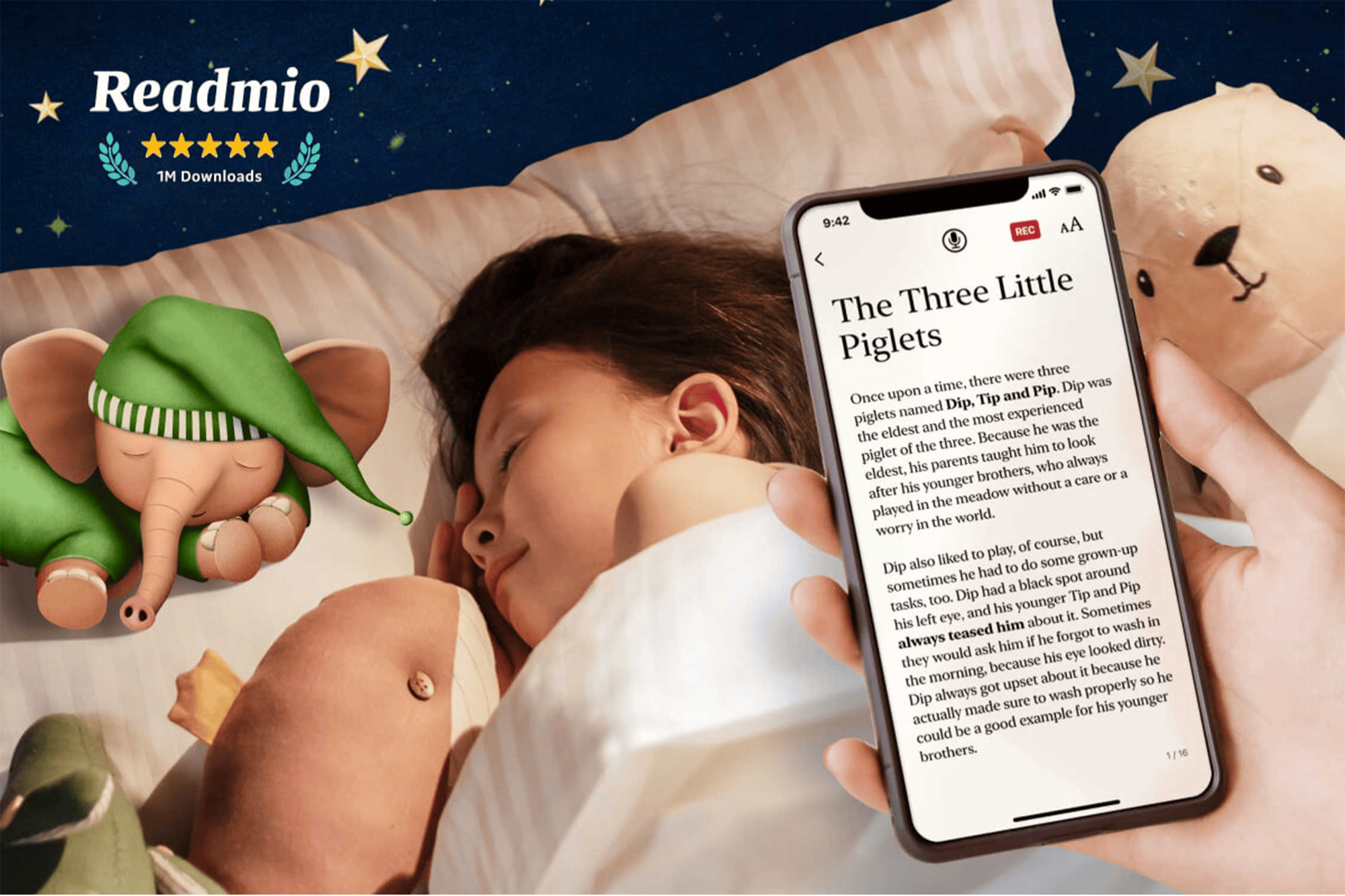
Readmio is a mobile reading app that turns your voice into the centerpiece of the story. As you read aloud, the app adds sound effects and music that respond in real time. When the story says the wolf growled or the wind blew, you’ll actually hear it. The result is an experience that feels more immersive than a regular book, without relying on screens or flashy visuals to keep your child engaged. It’s also on sale right now.

Add some magic to story time

The Readmio Premium Plan gives you lifetime access to more than 800 interactive stories, with new ones added every week. There are fairy tales, folk stories, science adventures, bedtime favorites, and even empathy-themed stories. Stories are sorted by age group and topic, so it’s easy to find something your child will enjoy. You can also download stories to read offline, which is great for travel or evening routines.

The app includes more than just stories. It also offers printable worksheets, coloring pages, and comprehension quizzes to reinforce learning. If your child prefers hands-on activities or needs help staying focused, these extras can make story time even more rewarding.

For parents who want to stay connected to their kids without defaulting to screen time, Readmio is a simple and creative way to build that habit. All it takes is your voice, a phone, and a few minutes together.

Right now, you can get a Readmio Premium Lifetime Plan for only $39.99 (reg. $159).

Readmio Premium Plan: Lifetime Subscription

See Deal

StackSocial prices subject to change.

As a business owner, balancing a 60-hour work week with family time is already hard enough without screens getting in the way. If you’re looking for a meaningful way to connect with your kids, Readmio makes story time feel like something special again.

Readmio is a mobile reading app that turns your voice into the centerpiece of the story. As you read aloud, the app adds sound effects and music that respond in real time. When the story says the wolf growled or the wind blew, you’ll actually hear it. The result is an experience that feels more immersive than a regular book, without relying on screens or flashy visuals to keep your child engaged. It’s also on sale right now.

Add some magic to story time

The rest of this article is locked.

Join Entrepreneur+ today for access.


Source link

Even Time-Strapped Business Owners Can Share an Engaging Reading Experience with Their Kids Read More »

Turnover Is Costing You More Than You Think — Here’s the Fix

Turnover Is Costing You More Than You Think — Here’s the Fix


Opinions expressed by Entrepreneur contributors are their own.

When you ask founders where the vast majority of their money goes, what are they going to say? Typically, they will cite some mix of customer acquisition, product development and office upgrades. One area that often goes unmentioned (and is frequently overlooked during lean times) is how businesses treat and invest in their people.

Benefits, employee development and culture initiatives are often viewed as “nice-to-have” budget add-ons. Still, in reality, they’re some of the most innovative ways a company can optimize its productivity and performance. When strategically applied, perks like peer mentorship, half-day Fridays, and paid conference access can directly boost engagement and retention — not just morale.

Related: I Transformed My Company With Employee Ownership — Here’s Why You Should Too

For example, Adobe’s ‘Kickbox’ program, which provides employees with time and resources to test creative ideas, has led to measurable increases in innovation pipeline contributions. This program essentially provides employees with an entrepreneur’s mindset and resources, allowing them to uniquely transform a company from the inside out.

This isn’t just about perks, it’s about systems. While programs like Adobe’s Kickbox exemplify the power of culture-driven innovation, the real competitive edge comes when culture is treated not as a collection of feel-good initiatives, but as a measurable, strategic system. Culture isn’t effective when it’s aspirational; it’s effective when it’s operational. That’s where many founders miss the mark; they underestimate how much poor culture costs and how much great culture can yield.

Related: Why Smart Entrepreneurs Are Betting Big on Biohacking

How a systematic approach to culture boosts profitability

Before diving into tactics, it’s essential to understand the cost of neglecting culture and how a systematic approach can flip it into a profit center. Labor costs extend far beyond salaries; they are deeply influenced by infrastructure, including benefits, training, leadership development and retention strategies. These components aren’t merely perks mentioned briefly during onboarding; they have a direct impact on your bottom line. In fact, according to SHRM survey data, replacing a single employee can cost anywhere from 50% to 60% of their annual salary.

Related: How Cultural Understanding and Adaptation Drive Business Success

For example, if an employee earns $60,000 a year, it might cost the company $30,000–$36,000 just to replace them. This makes high turnover incredibly expensive for the business in the long run, making it one of the strongest financial arguments for investing in culture, retention and internal development. In short, turnover isn’t just an inconvenience; it poses a significant threat to the company’s bottom line.

Let’s use a concrete example. Chick-fil-A has higher revenues per store than McDonald’s, Starbucks or Subway while maintaining the lowest marketing budget among the three franchises. Business insiders want to know: what is their secret sauce? In all seriousness, Chick-fil-A has shown how a single company can start from the top and systematically redefine its internal culture. This culture consistently demonstrated a high standard of excellence in every step of the process, whether it was training, expectations or leadership development. Culture is not a hidden business trick; it’s a strict, staff-wide policy.

In essence, culture has to be operational to scale. Values that do not materialize into systems (KPIs, performance feedback, advancement process) become noise and nothing else, as their existence is of no benefit to both present and potential employees. In fact, studies show that organizations with strong employee engagement are 21% more profitable.

Relying solely on star leaders is risky; a culture that leans heavily into its internal systems, including and supporting its employees in a way that is clearly intentional, achieves a type of success that is easily repeatable. Research from major companies worldwide indicates that organizations tightly aligned in terms of strategy and culture are 2.2 times more likely to outperform their peers in EBITDA (earnings before interest, taxes, depreciation, and amortization) growth.

When companies operationalize culture into measurable, repeatable systems rather than relying solely on charismatic leaders, they create a scalable framework for sustained performance, profitability and growth.

Implementing a sustainable culture

Most founders assess profitability primarily through customer acquisition costs, margins or product-market fit. Yet, intentionally developing a systematic organizational culture can significantly strengthen financial performance by directly reducing employee turnover, improving productivity and ensuring operational consistency. Investing in culture undoubtedly gives businesses a measurable advantage: lower replacement and training expenses, increased productivity from each employee, and predictable processes that enhance long-term scalability and profitability.

David Royce, founder of Aptive Environmental, offers a compelling example of how cultural infrastructure can drive profitability. Before Aptive scaled to become one of the fastest-growing pest control companies in the U.S., Royce bootstrapped his first business with $300,000 earned between college semesters. That early discipline shaped a founder’s playbook he has followed ever since: start lean, prove the model, reinvest profits and stay independent — avoiding outside capital to maintain long-term control.

Related: 7 Easy Habits That Will Make Your Business More Sustainable (And Save You Money)

At Aptive, that playbook included building a culture that could scale. Rather than treating culture as an abstract ideal or motivational add-on, Royce approached it like any other operational system. He invested heavily in elite sales training, gamified performance tracking, and merit-based advancement initiatives that measurably increased productivity and retention. The result: a culture that doesn’t just inspire, it self-replicates. Royce’s insight is clear: like logistics or CRM software, culture must be built, budgeted and operationalized if it’s going to support real growth.

The bottom line

A well-integrated company culture reduces churn, boosts productivity, and safeguards your profitability. Building a clearly defined, marketable workplace culture can significantly impact your long-term success. Here’s how you can start immediately:

1. Quantify your churn costs

Identify exactly how much turnover is costing your business. Once you have a clear number, directly reinvest a percentage of these savings into structured onboarding, continuous training, and robust retention programs explicitly designed to reduce turnover.

2. Develop a culture blueprint

Don’t leave culture to chance or individual management styles. Document your core values, and develop standardized, repeatable processes — including KPIs, recognition frameworks and clear career advancement paths—to ensure your culture is consistently reinforced throughout your organization.

3. Integrate culture into financial planning

Treat leadership development, internal communications, and performance measurement as essential, fixed investments — not optional expenditures. By budgeting consistently for these initiatives, you pave the way for streamlined operations, improved scalability, and sustainable growth.

Remember: Culture compounds when intentionally cultivated. Founders who prioritize culture early set themselves up for sustainable profitability and scalable success.



Source link

Turnover Is Costing You More Than You Think — Here’s the Fix Read More »

Anthropic CEO Warns That AI Will ‘Likely’ Replace Jobs

Anthropic CEO Warns That AI Will ‘Likely’ Replace Jobs


The leadership at Anthropic, a leading AI startup that raised billions of dollars earlier this month, is cautioning the world that AI is “likely” to take over jobs.

At the Axios AI + DC Summit on Wednesday, Anthropic Cofounders Dario Amodei and Jack Clark, who also serve as CEO and Head of Policy, respectively, said that AI’s potential to cause work displacement is picking up rapidly — and the situation is dire enough to warrant a warning.

“As with most things, when an exponential is moving very quickly, you can’t be sure,” Amodei said at the event. “I think it is likely enough to happen that we felt there was a need to warn the world about it and to speak honestly.”

Related: An AI Company With a Popular Writing Tool Tells Candidates They Can’t Use It on the Job Application

Amodei said that government intervention may be necessary to support individuals whose occupations are displaced by AI, and Clark emphasized that Anthropic predicts a substantial “scale of disruption” in society due to AI within the next five years.

“You need some kind of policy response,” Clark said.

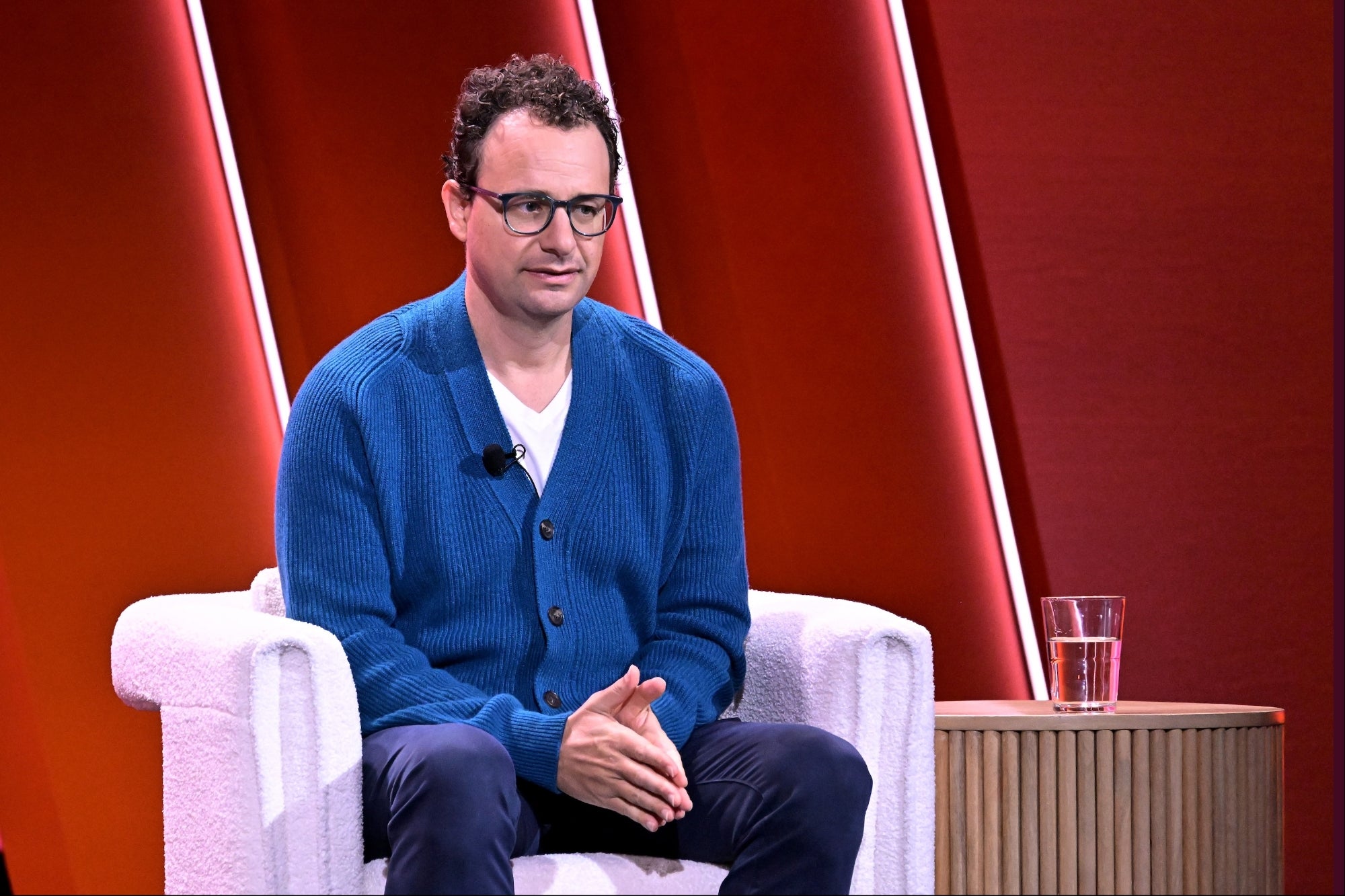
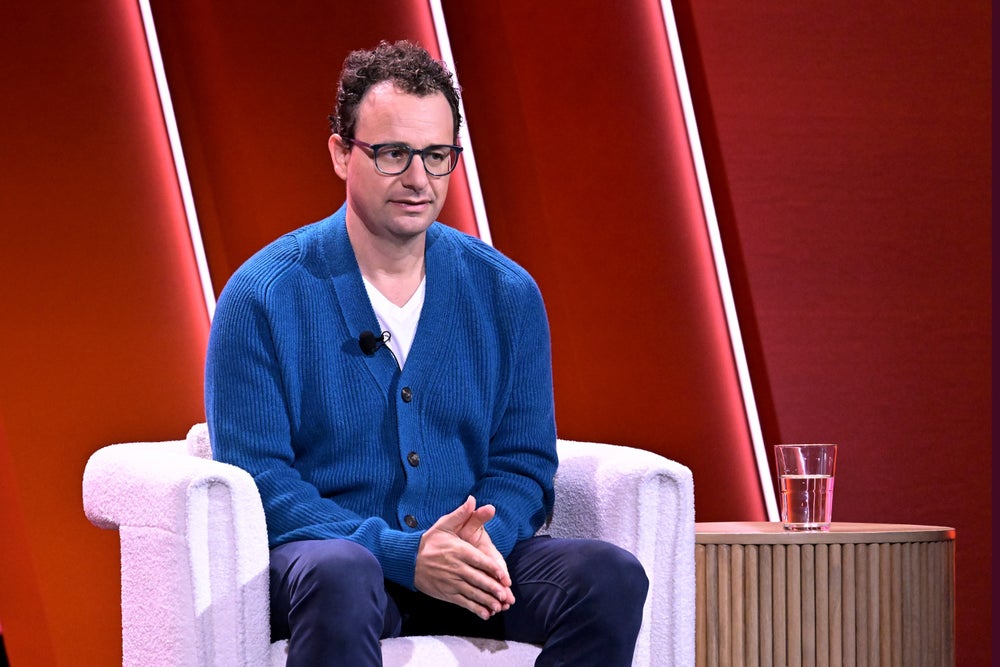
Anthropic co-founder and CEO Dario Amodei. Photo by Chance Yeh/Getty Images for HubSpot

Anthropic raised $13 billion earlier this month at a $183 billion valuation. The AI startup released a report earlier this week that suggested that AI has the “potential” to displace workers. The majority of businesses using its chatbot, Claude, were automating tasks instead of helping people accomplish them. Claude had 30 million monthly active users globally as of the second quarter of this year.

“Given clear automation patterns in business deployment, this may also bring disruption in labor markets,” the report stated.

Related: The ‘Godfather of AI’ Says Artificial Intelligence Needs Programming With ‘Maternal Instincts’ or Humans Could End Up Being ‘Controlled’

Amodei, meanwhile, has spoken about AI’s potential to replace human work before. In March, he stated that AI would take over writing code for companies within the next year. In May, he predicted that AI would wipe out half of all entry-level, white-collar jobs within the next five years, causing unemployment to rise to 20%.

And he’s not alone in issuing warnings. Geoffrey Hinton, known as the Godfather of AI due to his pioneering work in creating the technology, said in June that AI is going to “replace everybody” in white-collar jobs. A person and an AI assistant will take over the work of ten people, he predicted.

Hinton suggested paralegals and call center representatives will be some of the first roles replaced. He added that it would take AI some time to become skilled at physical labor, so “a good bet would be to be a plumber.”

The leadership at Anthropic, a leading AI startup that raised billions of dollars earlier this month, is cautioning the world that AI is “likely” to take over jobs.

At the Axios AI + DC Summit on Wednesday, Anthropic Cofounders Dario Amodei and Jack Clark, who also serve as CEO and Head of Policy, respectively, said that AI’s potential to cause work displacement is picking up rapidly — and the situation is dire enough to warrant a warning.

“As with most things, when an exponential is moving very quickly, you can’t be sure,” Amodei said at the event. “I think it is likely enough to happen that we felt there was a need to warn the world about it and to speak honestly.”

The rest of this article is locked.

Join Entrepreneur+ today for access.


Source link

Anthropic CEO Warns That AI Will ‘Likely’ Replace Jobs Read More »

How Costco’s Extended Hours Impact Warehouse Foot Traffic

How Costco’s Extended Hours Impact Warehouse Foot Traffic


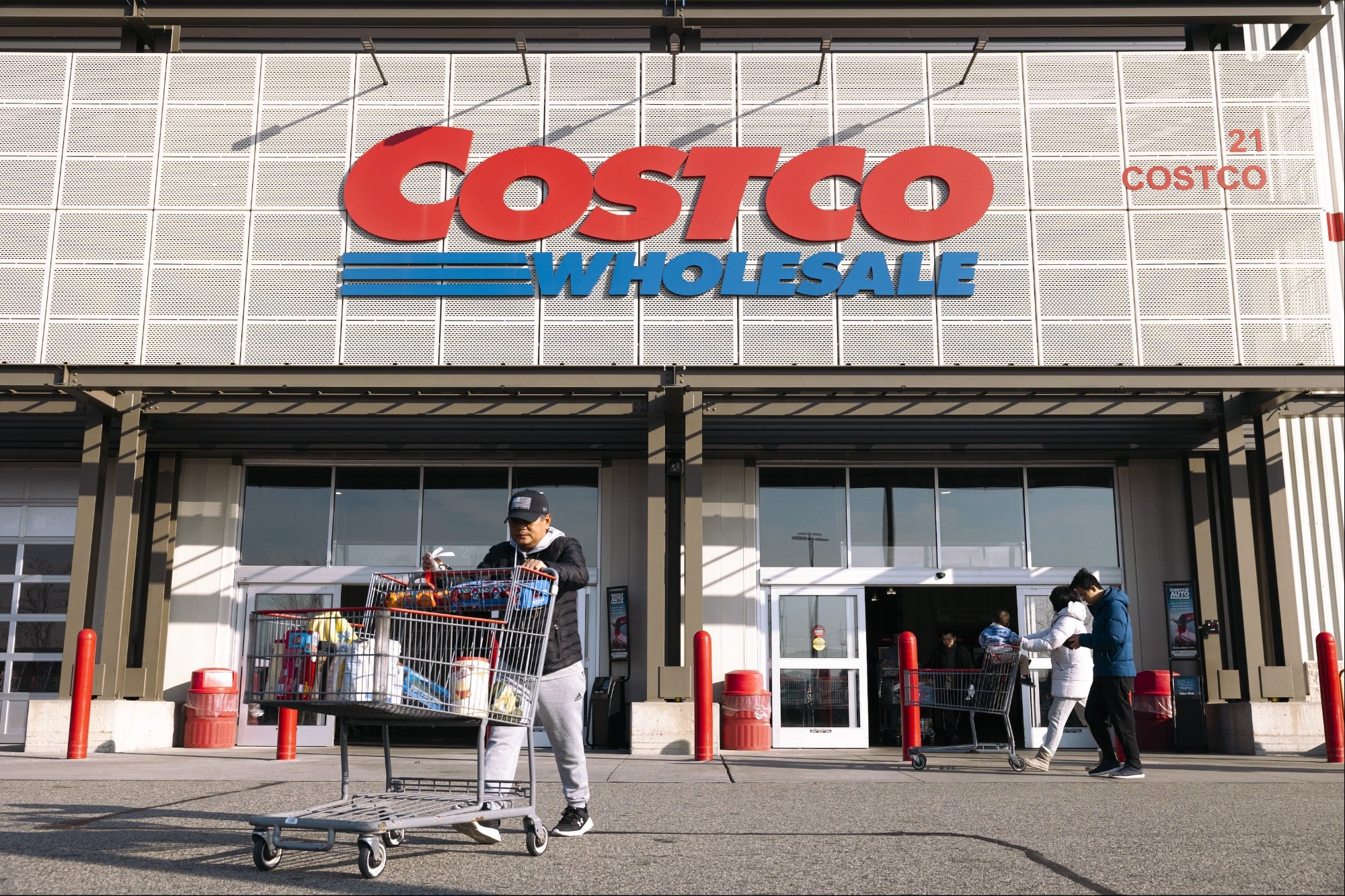
In June, Costco extended its hours at some stores for Executive members, adding an hour in the morning from 9 a.m. to 10 a.m. on weekdays and Sundays and a half hour from 9 a.m. to 9:30 a.m. on Saturdays. By September, the perk applied to Executive members at all Costco stores.

Now, according to a new report released on Thursday from analytics company Placer.ai, the move has resulted in measurable effects in foot traffic for the wholesale giant, “likely improving the shopping experience for members overall” by creating “a more balanced flow of visitors.”

Costco’s earlier hours have shifted visits to earlier in the day while decreasing foot traffic during peak hours (which are typically weekday evenings from 4 p.m. to 7 p.m., according to House Beautiful).

Related: These Luxury Items Are Flying Off the Shelves at Costco, According to the Company’s Longtime Chairman

“By extending special hours to Executive members, Costco not only rewards high-value customers, but also reduces congestion during traditional peaks,” the report reads.

Costco’s latest quarterly report, released in late May for the third quarter ending May 11, showed that sales momentum was strong for the company. Net sales increased 8% to $61.96 billion, up from $57.39 billion the previous year. The warehouse chain reports its fourth quarter earnings on Sept. 25.

An Executive membership at Costco costs $130 per year. The Business and Gold Star memberships are each priced at $65 annually.

Memberships are a prime revenue source for Costco, allowing the company to keep prices low by offsetting operating costs. Costco made about $4.8 billion in membership sales during the 2024 fiscal year ending September 1, 2024, up from $4.6 billion in 2023. In 2024, membership fees comprised close to 65% of Costco’s overall $7.4 billion net income for the year.

Related: Costco’s CEO Says This Product Is the ‘Most Important Item We Sell’

The company had nearly 137 million cardholders in 2024, with a 90% renewal rate, per the company’s 2024 annual report. Close to half of that count (47%) were Executive members.

Costco has 905 warehouses globally, including 624 in the U.S. and Puerto Rico, according to the quarterly report.

Related: Here’s How Much a Costco Gold Bar Purchased in 2024 Is Worth Today

In June, Costco extended its hours at some stores for Executive members, adding an hour in the morning from 9 a.m. to 10 a.m. on weekdays and Sundays and a half hour from 9 a.m. to 9:30 a.m. on Saturdays. By September, the perk applied to Executive members at all Costco stores.

Now, according to a new report released on Thursday from analytics company Placer.ai, the move has resulted in measurable effects in foot traffic for the wholesale giant, “likely improving the shopping experience for members overall” by creating “a more balanced flow of visitors.”

Costco’s earlier hours have shifted visits to earlier in the day while decreasing foot traffic during peak hours (which are typically weekday evenings from 4 p.m. to 7 p.m., according to House Beautiful).

The rest of this article is locked.

Join Entrepreneur+ today for access.


Source link

How Costco’s Extended Hours Impact Warehouse Foot Traffic Read More »

Don’t Run From Failure — Run Toward It. Here’s Why.

Don’t Run From Failure — Run Toward It. Here’s Why.


Opinions expressed by Entrepreneur contributors are their own.

We’re trained to avoid failure like it’s a contagious disease.

At school, failing wasn’t just about getting a bad grade — it was about getting labeled. If you didn’t pass, you weren’t just “behind,” you were branded. Pulled into extra classes, singled out in front of your peers and whispered about in the hallways. It can feel like public shame dressed up as education.

When you grow up in that kind of system, what you learn fast is: Don’t mess up. Don’t take risks. Don’t give anyone a reason to think less of you. And the biggest lesson? Stay in your lane.

The problem is that that mindset doesn’t prepare you for the real world — especially if you want to lead, build or create anything meaningful. Because here’s the truth: If you’re afraid to fail, you’ll never truly succeed.

Related: Want to Be a Successful Entrepreneur? Fail.

The fear that holds us back

Fear of failure isn’t just about the actual mistake — it’s about the imagined fallout.

  • What will people think?
  • Will they see me as incompetent? Reckless? Stupid?
  • Will this cost me my reputation, my relationships, my livelihood?

And because those fears feel heavy and real, we avoid taking the shot. We stay where it’s “safe,” never realizing that “safe” is just a slow, quiet way to fail anyway.

As leaders, that fear can be deadly. It keeps us from innovating, from hiring bold talent, from experimenting with new products or ideas. It makes us reactive instead of proactive. And when the market shifts — as it always does — the leaders who’ve been too scared to risk anything are the ones left scrambling.

How I learned to get comfortable with losing

The real turning point for me wasn’t some massive success — it was being okay with losing. But that didn’t happen overnight.

When I started my business, I brought that school-based fear of failure right along with me. I worried about how my decisions would look. I avoided risks that felt “too visible.” I overworked myself trying to make sure nothing went wrong — and when something inevitably did, I beat myself up for weeks.

But here’s what changed everything: I realized failure without feedback is just a loss. But failure with insight? That’s an investment.

When you stop seeing failure as a verdict and start treating it as raw material, it becomes the most valuable thing you have.

Over the last eight years, I’ve:

  • Mismanaged people and learned how to lead better.
  • Made bad hires and learned how to recruit with sharper instincts.
  • Invested in projects that flopped and learned where my market actually is.
  • Lost more money (and time) than I’d like to admit — and learned exactly how to make it back (and more).

None of those lessons came from the times things went perfectly. Every single one was purchased with the currency of failure.

Related: 4 Key Strategies to Help Entrepreneurs Cope With Failure

How school got it wrong

Part of why this mindset is so hard to adopt is that it’s almost the opposite of what we were trained to believe.

Our education system rewards perfection and punishes missteps. You’re graded on what you got right, not on how many creative attempts you made. You’re celebrated for the A, not for the questions you dared to ask or the risks you took to get there.

And that’s fine if your career goal is “ace tests forever.” But in real life, success is about trying, adapting and trying again — fast. It’s about iteration, not immaculate execution on the first go.

If you’ve ever wondered why so many talented people never reach their potential, this is it. They’ve been conditioned to fear the first step because they’ve been conditioned to fear the stumble.

The leader’s advantage: Failing faster

Here’s the mindset shift that’s changed everything for me: Don’t run from failure — run toward it.

When you take a calculated risk and it doesn’t work out, you gain information your competitors don’t have. You see where the potholes are. You understand the dynamics of your market or your team in a way you simply can’t from the sidelines.

Failure speeds up your feedback loop. And in business, speed of learning is a competitive advantage.

When I stopped worrying about how failure looked and started focusing on what it taught, I moved faster. My team moved faster. We became more willing to experiment, to test ideas, to pivot quickly.

And here’s the irony: The more comfortable I got with failing, the less I actually failed in ways that mattered. Why? Because the lessons compound. The insight you gain from one mistake prevents five more down the line.

Turning failure into fuel

If you’re looking for practical ways to reframe failure, here’s what’s worked for me:

  1. Separate the event from your identity. Failing at something doesn’t make you a failure. It makes you a human who’s gathering data.
  2. Ask better post-mortem questions. Instead of “Why did I mess up?” ask “What specifically did I learn, and how will I apply it next time?”
  3. Take the hit, then take the action. Feel the sting, but don’t camp there. Apply the lesson as quickly as possible so it becomes forward motion.
  4. Make it visible for your team. When leaders are open about their own missteps, it gives everyone else permission to try without fear.

Related: How to Turn Failures Into Wins As an Entrepreneur

The real goal

At the end of the day, the point isn’t to fail for failure’s sake. The point is to strip failure of its power over you so you can move without hesitation.

If there’s one mindset that’s been critical to my success, it’s this: Be okay with failing — because the lesson you learn is worth more than the hit you take.

The faster you embrace that truth, the faster you’ll grow — not just as a leader, but as a human being who’s willing to show up, take the shot and trust that even if you miss, you’re still moving forward.

We’re trained to avoid failure like it’s a contagious disease.

At school, failing wasn’t just about getting a bad grade — it was about getting labeled. If you didn’t pass, you weren’t just “behind,” you were branded. Pulled into extra classes, singled out in front of your peers and whispered about in the hallways. It can feel like public shame dressed up as education.

When you grow up in that kind of system, what you learn fast is: Don’t mess up. Don’t take risks. Don’t give anyone a reason to think less of you. And the biggest lesson? Stay in your lane.

The rest of this article is locked.

Join Entrepreneur+ today for access.


Source link

Don’t Run From Failure — Run Toward It. Here’s Why. Read More »

Bank of America and Amazon Are Increasing Worker Pay

Bank of America and Amazon Are Increasing Worker Pay


A major U.S. bank, with over $2.6 billion in assets, just raised its minimum wage.

Bank of America announced on Wednesday that it would raise its minimum pay for its full- and part-time U.S. hourly workers to $25 an hour. The change will take effect next month, pushing the minimum salary for full-time U.S. employees to over $50,000 annually.

This pay increase is the final phase of a plan announced in 2017 to boost the bank’s base pay from $15 an hour to $25 an hour by 2025. (Employees have been making $24 an hour since October 2024.) With the raise to $25 an hour, the starting salary for full-time U.S. workers will have increased by more than $20,000 since 2017.

Related: Bank of America Is Cracking Down on Overwork for Junior Bankers and Capping Hours to ‘Only’ 80 a Week. Here’s Why.

“[The raise] gives a teammate a chance to join our company, spend their whole career here, and support their families,” Bank of America CEO Brian Moynihan told Bloomberg.

Moynihan emphasized that the higher minimum wage minimized turnover, causing the rate of departing employees to drop from 20% in 2017 to around 10% this year. Customer attrition, or a loss of customers, has also dropped, he stated.

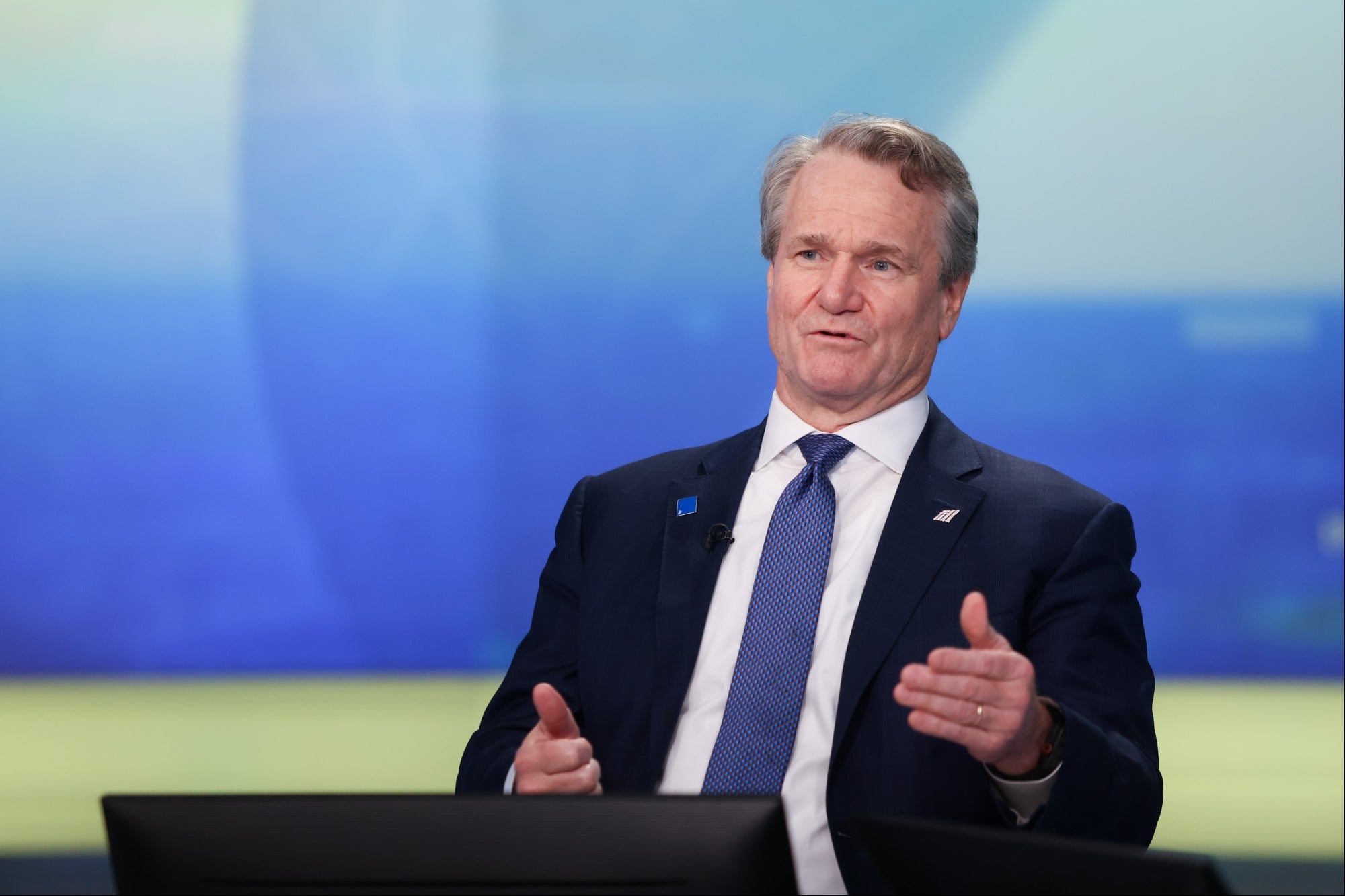
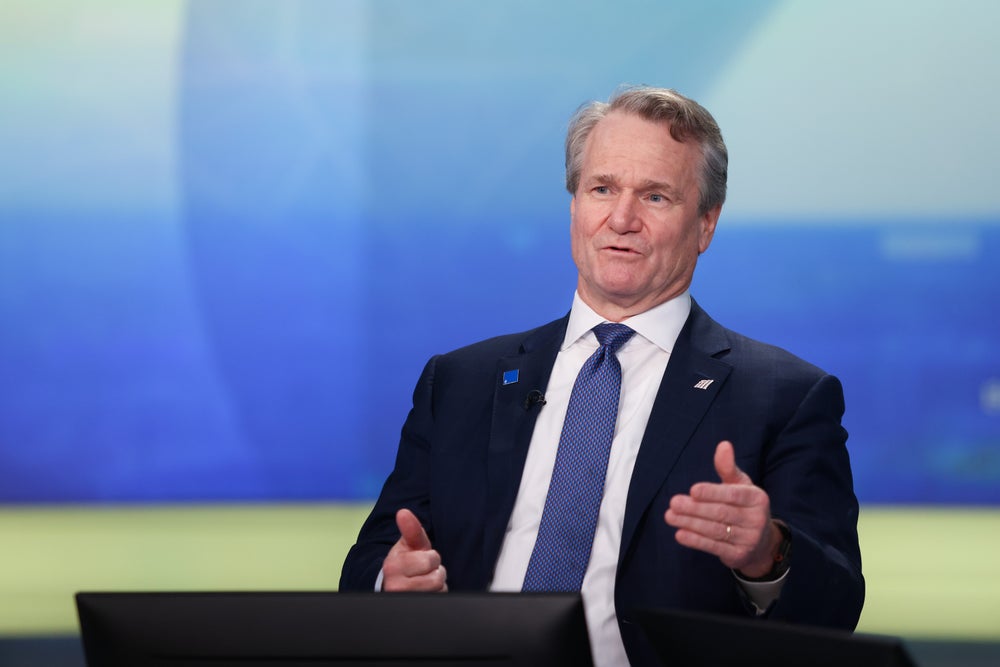
Bank of America CEO Brian Moynihan. Photographer: Betty Laura Zapata/Bloomberg via Getty Images


As Bank of America adopts new technologies like AI, it has reduced its number of employees across some departments, Moynihan told Bloomberg. The goal is to put more dollars in the pockets of the employees who remain and “re-skilling them,” he said.

Bank of America had about 213,000 employees as of July, according to its newsroom.

Related: Here’s What’s Considered ‘Middle Income’ in the U.S. Today, According to Bank of America Data

Amazon Is Raising Pay

Amazon also announced this week that it would increase its average hourly pay to more than $23 per hour. The retail giant is investing more than $1 billion to increase wages and decrease the cost of healthcare plans for its employees.

Full-time employees will have their pay increase by an average of $1,600 per year.

Meanwhile, Amazon’s entry-level healthcare plan will cost $5 per week and $5 for co-pays beginning next year. Amazon stated that the change is a 34% reduction in weekly contribution costs.

Amazon employed 1.55 million people globally as of the end of last year.

Related: Amazon Tells Thousands of Employees to Relocate or Resign

A major U.S. bank, with over $2.6 billion in assets, just raised its minimum wage.

Bank of America announced on Wednesday that it would raise its minimum pay for its full- and part-time U.S. hourly workers to $25 an hour. The change will take effect next month, pushing the minimum salary for full-time U.S. employees to over $50,000 annually.

This pay increase is the final phase of a plan announced in 2017 to boost the bank’s base pay from $15 an hour to $25 an hour by 2025. (Employees have been making $24 an hour since October 2024.) With the raise to $25 an hour, the starting salary for full-time U.S. workers will have increased by more than $20,000 since 2017.

The rest of this article is locked.

Join Entrepreneur+ today for access.


Source link

Bank of America and Amazon Are Increasing Worker Pay Read More »

CEO’s ‘Powerful’ Business Change Leads to 8-Figure Revenue

CEO’s ‘Powerful’ Business Change Leads to 8-Figure Revenue


“It’s always been my dream to be a CEO of a fashion brand,” Ginny Seymour, CEO of contemporary women’s fashion brand Aligne, tells Entrepreneur.

Image Credit: Courtesy of Aligne. CEO Ginny Seymour.


A fashion industry veteran who started her career as a contemporary buyer at Saks Fifth Avenue, Seymour had an opportunity to realize that goal with Aligne, originally founded by Dalbir Bains as a wholesale women’s fashion brand in London in 2020.

Seymour envisioned a new era for Aligne — the brand could fill a white space she saw in modern women’s clothing: the need for design-led, wearable pieces at an accessible price point, delivered with an omnichannel approach.

Related: 5 Things I Wish Someone Had Told Me Before I Became a CEO

Seymour set out to make it happen, essentially “refounding” the company. She joined the business as managing director in 2022, relaunched Aligne under her vision in 2023 and was officially named CEO in 2024.

Image Credit: Courtesy of Aligne

“I felt partners [had to be] a huge part of the story.”

During her first several years as CEO, Seymour focused on Aligne’s community building online and “design handwriting,” then branched out from a direct-to-consumer strategy to an omnichannel approach with U.S. retail partners.

In fact, despite being a London-founded brand, Aligne sees a larger part of its business unfolding in the U.S., Seymour says.

The CEO even recently relocated from London to New York to support the U.S. office and team as the brand continues its expansion.

“ We’re still based in the UK, so I travel back and forth,” Seymour says. “London to me is our creative hub; it’s part of our DNA being a British brand. That’s super important to me and something we don’t want to lose. So we’re very much creatively driven out of London, but commercially driven out of the U.S.”

Image Credit: Courtesy of Aligne

Related: ‘We Got So Many DMs’: This 27-Year-Old Revamped Her Parents’ Decades-Old Business and Grew Direct-to-Consumer Sales From $60,000 to Over $500,000

As a still relatively young British brand, Aligne gains validation with a U.S. audience through retailers that have loyal customer bases.

“In  the UK, it’s easier to be direct-to-consumer only because the UK is much smaller and more attainable,” Seymour says. “But in the U.S., to resonate as the next contemporary brand that people should be looking at, I felt partners [had to be] a huge part of the story.”

Aligne recently launched with Nordstrom, a retailer Seymour says she’d always hoped to partner with one day, after the company direct-messaged her to express its interest in the brand. Aligne is also available at Anthropologie.

Image Credit: Courtesy of Aligne

Related: Her Self-Funded Brand Hit $25 Million Revenue Last Year — And 3 Secrets Keep It Growing Alongside Her ‘Mischievous’ Second Venture: ‘Entrepreneurship Is a Mind Game’

“There’s less visibility [into] the analytics and who your customer is. You have to really listen.”

Despite the long-term goal to expand in retail, Seymour first prioritized understanding Aligne as a brand and its relationship to customers before tackling those partnerships, appreciating how important that strategy is for sustainable success.

Whether you’re refounding a business that already exists or starting one from scratch, knowing who your customer is — and quickly — will make or break its growth.  ”And that’s easier said than done,” the CEO notes. “There are so many factors. With every iOS update, there’s less visibility [into] the analytics and who your customer is. You have to really listen.”

Aligne’s target customers are “confident, working” women, and acknowledging what those consumers wanted in a clothing line helped guide the brand’s design shift and the direction of its collection, Seymour says.

Related: This Is the Real Secret to Exceeding Your Customer’s Expectations

Dialing into that customer base is paying off. Aligne ended its fiscal year in July 2025 with 56% year-over-year revenue growth and revenue approaching eight figures.

Most of Aligne’s pieces are priced between $100 and $300. Although Seymour recognizes why some brands evolve into the “premium contemporary” space amid rising costs and tariff challenges, she says the company is committed to its accessible price point.

Image Credit: Courtesy of Aligne

“I quickly had to learn where I didn’t want to lean and how to make sure to get the support.”

Being a CEO is a lot harder than Seymour thought it would be when she was 20 years old, she admits. But she appreciates how the job has allowed her to draw on her experience as a buyer, which demanded a “balance of art and science” much like the executive role does.

“[There might be a] week that I’m so artistic and designing the concept and the line, and there’s other days where I’m definitely leaning into the science,” Seymour says. “But I quickly had to learn where I didn’t want to lean and how to make sure to get the support in those areas because a CEO wears so many hats.”

Related: I Founded a $1.7 Billion Startup for Small Businesses — Here’s the Secret Every Entrepreneur Should Know

One of the biggest lessons Seymour’s learned during her tenure as CEO so far is the value in listening to her instincts — even when it’s difficult. Over the first couple of months of the company’s refounding, Seymour sometimes hesitated to say what she wanted, then didn’t get the results that she desired.

“Three months in, I had this moment where I brought the team together and was much clearer about what I wanted,” Seymour says. “That brought them more on the journey with me, and it solidified us as a team and our values. If you have an idea and you’re building your own business, trusting your gut and not being scared to say it is powerful.”

“It’s always been my dream to be a CEO of a fashion brand,” Ginny Seymour, CEO of contemporary women’s fashion brand Aligne, tells Entrepreneur.

Image Credit: Courtesy of Aligne. CEO Ginny Seymour.

A fashion industry veteran who started her career as a contemporary buyer at Saks Fifth Avenue, Seymour had an opportunity to realize that goal with Aligne, originally founded by Dalbir Bains as a wholesale women’s fashion brand in London in 2020.

The rest of this article is locked.

Join Entrepreneur+ today for access.


Source link

CEO’s ‘Powerful’ Business Change Leads to 8-Figure Revenue Read More »

How Pana Food Truck Started Selling Arepas

How Pana Food Truck Started Selling Arepas


Opinions expressed by Entrepreneur contributors are their own.

German Sierra, founder of Pana Food Truck in Santa Cruz, California, never imagined his craving for a childhood comfort food would lead him to build a thriving business with a loyal following and the distinction of Yelp’s Top 100 Food Trucks.

“My brother and I came to the United States in 2016 [from Venezuela],” he says. “There weren’t any arepas. We actually eat arepas every day in Venezuela, so we needed them. My brother was like, ‘Hey, why don’t we make some arepas and take them to the streets, and maybe people will buy them?'”

Armed with foil-wrapped arepas and homemade Venezuelan juices, the brothers set up outside a supermarket. They didn’t sell a single one. A police officer stopped them, asking for a permit they didn’t know they needed. Instead of giving up, Sierra gave the food away and kept searching for a way forward.

Related: They Built Their First Restaurant With Their ‘Bare Hands.’ Now They Have 380 Locations.

“Sometimes there’s a little miscommunication between entities. Sometimes the health department will [have] different rules than the city,” Sierra says, describing the challenges he faced trying to get his business off the ground. “There are specific places to park. You cannot park everywhere because there’s gonna be competition with restaurants.”

As a business with one core offering, Sierra had to sell the value of arepas to customers who had never heard of them.

“It was hard in the beginning — and [is] still hard — to convince people why we don’t have other dishes,” Sierra says. “We wanted to focus on arepas [so] there is no confusion of what we sell, and it’s memorable.”

Small adjustments, like listing arepas as “chicken” or “beef” on the menu, helped introduce the dish to American diners and reduce confusion without losing cultural authenticity. “When customers come, they want 30-second decisions — no half an hour figuring out the menu and what to get,” Sierra says.

Related: He Grew His Small Business to a $25 Million Operation By Following These 5 Principles

As word spread, Sierra focused on making connections with customers, pairing education about the food with free samples to encourage repeat visits. Early on, he recognized that an excellent customer experience made people more likely to choose Pana over another restaurant.

“I didn’t wanna be just in the food truck business,” he says. “I want to be in the heart-warming business, because the food makes your heart warm. That’s the emotion I want to create every time.”

Now celebrating six years in business, Pana continues to grow while staying true to its roots. In 2025, Sierra and his wife, Gabriella Ramirez, opened their first brick-and-mortar restaurant in downtown Santa Cruz. “It wasn’t an overnight success, and we’re still growing and improving,” Sierra says. “We are just a baby, and there’s so much that we can change and improve.”

For Sierra, every arepa is a chance to share a piece of home, and to build what he calls “an arepa empire, one arepa at a time.”

Related: These Brothers Turned a 2-Man Operation Into One of the Most Trusted Companies in Their Area. Here’s How.

After turning a craving for arepas into one of Yelp’s Top 100 Food Trucks of 2025 and opening a brick-and-mortar, Sierra’s advice for current and future business owners is clear:

  • Start small but stay consistent. Break overwhelming challenges into smaller steps and commit to showing up for your customers every day.
  • Adapt to your audience while staying authentic. Customer education can help your audience understand new offerings and grow goodwill in your community.
  • Lead with generosity. Warm service and meaningful interactions matter just as much as what’s on the menu. Customers return not only for flavor, but also for connection.
  • Think about the big picture. For Sierra, selling arepas was never just about food — it was about creating heart-warming experiences. Any platform, whether it’s a food truck or restaurant, can be a vehicle to share your mission.
  • Play the long game. Building something meaningful takes time, patience and passion. If your business isn’t an immediate success, research the steps you’ll need to take to achieve smaller goals that get you closer to your vision.

Watch the episode above to hear directly from German Sierra, and subscribe to Behind the Review for more from new business owners and reviewers every Wednesday.

Editorial contributions by Jiah Choe and Kristi Lindahl


Source link

How Pana Food Truck Started Selling Arepas Read More »

Expand Your Global Reach With Babbel’s 14-Language Platform

Expand Your Global Reach With Babbel’s 14-Language Platform


Disclosure: Our goal is to feature products and services that we think you’ll find interesting and useful. If you purchase them, Entrepreneur may get a small share of the revenue from the sale from our commerce partners.

Global business today moves at the speed of conversation — but some professionals may be held back by language barriers. From negotiating with international partners to connecting with clients across borders, communication can make or break opportunities. That’s why business-minded learners are turning to Babbel, the #1-selling language learning app trusted by millions worldwide.

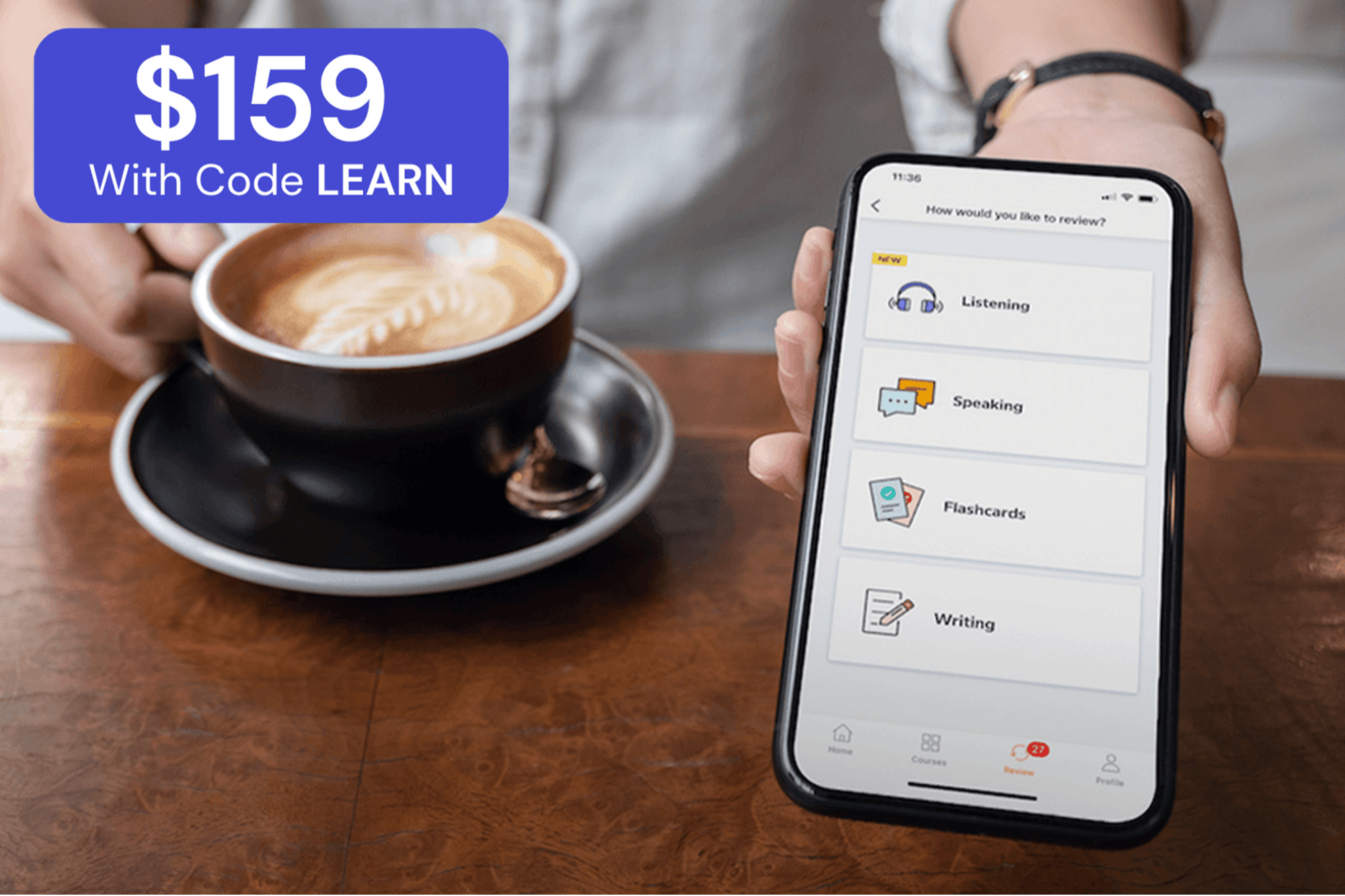
With a Babbel Language Learning lifetime subscription, you’ll gain access to all 14 languages for $159 with promo code LEARN until October 2. This isn’t a monthly expense that disappears into your budget; it’s a one-time investment in your professional development.

Babbel is built around real-world conversations, not rote memorization. Developed by over 100 expert linguists, the app’s lessons cover practical topics like dining with clients, navigating airports, and conducting business meetings. Lessons take only 10–15 minutes, so they fit neatly into a packed professional schedule. Offline access makes it possible to keep learning during flights or commutes, and speech-recognition technology helps refine pronunciation so you sound confident in front of international colleagues.

Unlike trendier apps that gamify vocabulary, Babbel was highlighted by The Economist for its focus on building genuine conversational skills. From beginner to advanced, it adapts to your level and reinforces progress with personalized review sessions, so the lessons actually stick.

For entrepreneurs expanding internationally, or professionals aiming to broaden their skill-set, Babbel offers more than education — it offers leverage in the global marketplace. With this lifetime subscription, you’re not just learning words; you’re preparing for real opportunities.

The offer is valid for new users in the U.S. only, and redemption must be completed via web browser.

Until October 2, you can secure lifetime access to Babbel Language Learning for $159 with promo code LEARN — a small price for a career-long advantage.

StackSocial prices subject to change.

Global business today moves at the speed of conversation — but some professionals may be held back by language barriers. From negotiating with international partners to connecting with clients across borders, communication can make or break opportunities. That’s why business-minded learners are turning to Babbel, the #1-selling language learning app trusted by millions worldwide.

With a Babbel Language Learning lifetime subscription, you’ll gain access to all 14 languages for $159 with promo code LEARN until October 2. This isn’t a monthly expense that disappears into your budget; it’s a one-time investment in your professional development.

Babbel is built around real-world conversations, not rote memorization. Developed by over 100 expert linguists, the app’s lessons cover practical topics like dining with clients, navigating airports, and conducting business meetings. Lessons take only 10–15 minutes, so they fit neatly into a packed professional schedule. Offline access makes it possible to keep learning during flights or commutes, and speech-recognition technology helps refine pronunciation so you sound confident in front of international colleagues.

The rest of this article is locked.

Join Entrepreneur+ today for access.


Source link

Expand Your Global Reach With Babbel’s 14-Language Platform Read More »