Richard

REITS offer enormous opportunity, says Gilman Hill’s Jenny Harrington

REITS offer enormous opportunity, says Gilman Hill’s Jenny Harrington


Source link

REITS offer enormous opportunity, says Gilman Hill’s Jenny Harrington Read More »

Did High Interest Rates Kill Off House Flippers?

Did High Interest Rates Kill Off House Flippers?


House flipping was almost a guaranteed win in 2020 and 2021. With home prices steadily rising and interest rates dropping, throwing on a new coat of paint was often enough to make a six-figure profit on what would otherwise be a basic home. House flippers got accustomed to doing quick jobs while walking away with almost unbelievable returns. But, many of them got overconfident. Now with the housing market in a correction and the US on the edge of a recession, flippers find themselves with inventory no one wants to buy.

But, this isn’t the case for every flipper. The time-tested expert investors knew that this would happen, and as a result, they’re still making a killing on their flips. Some of these flippers are joining us on the show today. As always, we’ve got Seattle-based superstar, James Dainard to give his multiple-decade-long take on house flipping. And, joining as new guests are Dominique Gunderson, New Orleans-based flipper, and Leka Devatha, luxury flipper and one of James’ favorite buyers!

These three house flippers operate in very different ways. James touches on multi-million-dollar luxury flips and multifamilies, Leka focuses more on high-end yet still affordable flips and Dominique provides high-quality housing at a reasonable price for residential buyers down south. These are three flippers who have NOT let the market change their business plans, and because of some smart moves (which they share on today’s episode), they’re still sitting pretty and getting deals done, even as the market starts to slide.

Dave:
What’s up everyone? Welcome to On the Market, we are here for a very special show, we’re doing a flipper roundup. If you’ve been listening to a bunch of our shows, we’ve been doing a couple of these panel shows with one or two of the OG regular panel, but bringing in some experts based on the specific strategy that we’re talking about. And we’re going to be doing that for flipping today, which is going to be a really awesome show. We just had a great conversation with Leka and Dominique and of course for our flipping, we had to bring in James. James, what’s going on man?

James:
Oh, just enjoying the sunny weather today. I’m excited, I was just in flipping in Seattle where I was getting rained and just, it was freezing cold, wet and now I’m in sunny California.

Dave:
That sounds lovely, that’s actually what I’m doing, I was in Amsterdam. Amsterdam and Seattle have the same weather, but Jane and I decided to just get out of town and now we’re in Portugal and it’s so sunny and beautiful, it’s lovely.

James:
I’d rather be in Portugal, that sounds amazing.

Dave:
I forgot to ask Kathy, I wanted to figure out what she’s doing there with the Golden Visa thing, but we’re working and so and then just eating a lot, but it’s been great. But before we get into the flipping show, which is awesome, you are friends with Leka, so you know her, but we have Dominique Gunderson who first time I’m meeting her, incredibly talented young flipper, great conversation, but I corralled you into joining us beforehand because we just saw some data drop two hours ago, three hours ago, about October inflation numbers. And I felt like they were pretty encouraging.

James:
That was great, when I woke up this morning and I saw that hit my phone, I was like, “Oh, thank you.” Because it’s not just the data numbers, it was the prediction, finally. They’ve been predicting wrong for six months and they keep over pushing and pushing. It’s the first time I think that what? Inflation came out at what? A 0.4 increase and they were anticipating 0.6, is that correct?

Dave:
Yep. Exactly.

James:
And they were a hundred percent wrong last month, they predicted 0.3 and it came in at 0.6, so it’s a step in the right direction of what’s going on.

Dave:
Totally. Yeah, and last month, so September data that we got in October was a pretty big step back. It felt like, here we go, things were not getting better, but if you look historically, the July numbers were pretty good, the August numbers were pretty good, those September numbers were scary and now we’re back down to pretty good numbers. And so what happened, just to recap for people is inflation last month was at 8.2% year over year, now it’s down to 7.7%, which is the lowest it’s been since January, so that’s really good.
And then the core inflation rate, which is really what the Fed cares about, it strips out energy and food costs because they’re volatile. And that went down from 6.6 to 6.3%, so we’re not out of the woods by any measure, but after last month, having that scary bump up, it’s good to see that overall the trajectory seems to be that inflation is heading down.

James:
Yeah. It definitely makes you feel be… I mean last month I was like, “Man, is this ever going to work?” I’m like, “Are we really stuck with this for 10 years?” And so just watching that trend for this month is great, great news. Definitely made my morning better.

Dave:
Oh totally. Yeah. And just so people know, the way it works, what we’re talking about, 7.7%, 6.6%, that’s a year over year data, so we’re comparing October 2022 to October 2021. And the interesting thing is inflation was bad in 2021, but it really started getting bad around this time last year. And so in all likelihood, even if inflation in an absolute basis keeps going up, the year over year number which is what the Fed cares about, what we should care about, is probably going to keep going down. If you look at it just mathematically, not even policy changes, nothing, just mathematically it is very likely that it’s going to keep going down slowly, but I think this is a sign that we will probably start to see more normal numbers. We’ll probably start to see the Fed instead of raising it to 75, maybe they’ll cut it down to 50 basis points in December. And hopefully this is-

James:
Don’t jinx us.

Dave:
It’s not a victory, but it’s hopefully maybe a turning point in the battle against inflation, still a long way to go, but hopefully this shows that we’re heading in the right direction.

James:
Yeah. And at least you can… we just want to get to stabilized. If it’s high, that’s okay, we want to get things stabilized out and moving in the right direction. This is not an overnight fix, but it’s showing that we’re taking the right steps and that things are getting better.

Dave:
Absolutely. All right well, we’ll you all posted as we hear more, but now we have to wait another month, but I was pretty jazzed about this, I’m such a nerd, but I was very excited about it. All right, well, let’s bring in the rest of our panel for this conversation about flipping in 2023, but first we’re going to take a quick break.
All right, for our flipper roundup, we have a great, mostly new panel with us today. First we have Leka Devatha, how are you Leka? What’s going on?

Leka:
I’m doing great. I just saw inflation numbers come in and I’m a little bit optimistic at the core index numbers going down just a smidget, but there’s so much in the news, it’s some exciting stuff, some not so exciting stuff, so I’m just peachy, thanks for asking.

Dave:
When you talk about inflation, you’re speaking my love language, so I appreciate that, but can you tell us a little bit about your flipping credentials and what your experience with it is?

Leka:
Boy, I started flipping back in 2014, so almost a decade ago, all in the Greater Seattle market. I have mainly done full gut remodels, so everything that is structural engineering, just massive reconstruction of homes. I don’t touch the cosmetic stuff, it’s just not fun for me. And true story is that I’ve bought 90% of my inventory from your other co-host James Dainard.

Dave:
Oh.

Leka:
I absolutely have enjoyed, loved working with him and his team. It’s just been such a great partnership, I’ve learned a lot from them and they’ve just given me this landscape to go do some crazy projects and have always had my back. So having that amazing team by my side and then having an amazing contractor team, I’ve been able to do about 75 massive remodels in this area.

James:
I can vouch for that, she’s done some major… I’ve sold her some total turd boxes and she puts them back together. Oh yeah, I mean there’s definitely been a few [inaudible 00:07:24] in there.

Dave:
I was going to ask what happened in the other 10% of the business? You’re just letting that get away.

Leka:
It was before I knew him.

Dave:
Oh, okay.

James:
Yes, they always say 10% of the deals you buy are bad, well-

Leka:
That’s just a [inaudible 00:07:39]. He’s so right though, he’s so right.

Dave:
Yeah, the list of all your failed flips have come from a different provider.

Leka:
And I’m like, “James, what do I do?” He’s like, “Don’t [inaudible 00:07:53] them anymore.”

Dave:
Nice. Well, we also have Dominique Gunderson joining us. Dominique, can you tell the On The Market listeners a little bit about yourself?

Dominique:
Yeah, absolutely. Thanks so much for having me, super excited to have this conversation that’s super relevant today with flipping and what’s going on with the market in that space. I got my start in real estate right after I graduated high school at 17, that was back in 2015. I worked just kind of doing some real estate agent mentoring type stuff for the first little bit and then I jumped into investing. When I was 19, I started wholesaling in Los Angeles where I grew up. Did that for a little bit, about a year and a half. I wholesaled 40 deals and got super comfortable with the process and how to close escrow and do deals. And so that was when I branched out and started my own company out of state in New Orleans, which is where I flip today, and started that in 2019 and have been flipping there ever since. Just kind of started slowly and learning and then have been just hustling and scaling over the last couple of years. And now I’m doing usually about seven or eight flips at a time.

Dave:
Wow, that’s incredible. Definitely doesn’t sound like you’re scaling slowly, to me that’s very, very impressive. Just out of curiosity, why New Orleans?

Dominique:
New Orleans is where my dad lives, so it was a super accessible out of state market for me. And when I decided to start my own company and go out of state, I was still living in Los Angeles at the time, so I was definitely looking for a more accessible, cheaper, lower barrier to entry type of market. And I think one of the biggest things you can do right when picking an out-of-state market is picking a place where you have someone trusted on the ground that can really, even if they’re not in real estate, just show you the basics of streets, neighborhoods, zip codes, what’s going on, having local connections, stuff like that, so that was my major driver for picking that market.

Dave:
Awesome, that’s great. I love that city, it’s just a very fun, delicious place to go. Well, James, everyone knows you but can you remind everyone listening what your flipping credentials are?

James:
Yeah. We definitely like to flip stuff up the Pacific Northwest, so we’ve been active investors since 2005. Been flipping homes throughout from 2005 all the way up until today. Right now I think with our company, we’ve completed about 3000 flip transactions with our clients and ourselves, and then we personally have… we’re coming up on definitely the thousand mark. I’ve lost count, to be honest, how many houses we’ve tore apart at that point, but we’re active guys in Seattle. I think right now we have about 25 to 30 million in active projects with flips and development going on, all short term investments. So we’re active people, always buying different types of stuff and figuring out how to slap them back together.

Dave:
Well, thank you all for being here, I appreciate this is going to be a lot of fun show. I admitted to you all before we started recording that I’ve never flipped a house so if anyone listening to this is thinking like, “Oh Dave’s doing such a good job pretending and dumbing this down.” It’s no, I’m actually just that dumb about flipping houses, so I’m going to ask a lot of silly questions here for you guys, hopefully, everyone else learns something here. But James, can you just tell us a little bit and start sort of set the scene here for where we are with flipping right now. What are the market conditions that are driving the flipping industry right now? And how do they compare to some of your previous experience in the industry?

James:
Yeah, so right now what we’re seeing is we just came off the biggest bull run in appreciation that we’ve ever seen. The last 24 months have been absolutely absurd with the amount of appreciation, I think we’ve seen what? We’re up 35% from 2019 or 2020 roughly in appreciation, so we’ve seen this rapid increase and what that’s done is because it became so profitable. Flipping has always been a very high risk business, you’re buying something on a short term yield, you’re buying something that also needs a lot of repairs, there’s a lot of unknown factors in it and you’re buying at a discount and you have to put the right plan together. But over the last two years what we’ve seen is this rapid amount of appreciation to where a lot of investors have gotten into the market with flipping because what became very high risk and very hard became somewhat easy over the last 24 months.
And so what we’ve seen is the cost of capital has increased roughly 45 to 50%, and what that’s done is it’s slowing the market down. The fed kept their rate at zero for the last two years and we all got the reward out of it. As cost of money’s cheaper, things go up in value, and so as the cost of money has gone up substantially or the fastest we’ve ever seen over the last 90 days, we’re starting to see things starting to decline back and normalize out with pricing. And so right now what that means is as the Fed increases rates and as the rates increase, it becomes an even riskier playing field to be playing in right now. And in the flipping community, we are seeing people get caught where they were buying a lot of property, they’re rolling their profits in, they’re going into bigger properties and it has now became a lot harder to control.
So why is it harder to control? Inflation is still going up or is still higher, so costs are hard to track right now, so people are typically going over budget. The market is cooling down and there’s a lot of uncertainty in the market which is starting to confuse the consumer buyers and there’s less people looking for deals, which means you’re going to hang onto your flips longer at this point as well. And so what we’re seeing is the market’s starting to come down, things are taking longer to sell and we’re in this correction mode to where we’re trying to get to stabilization, but it does make flipping very risky right now because you have to kind of time and really predict the market well with the forecasting. And so I think you’re seeing a lot of shock in the market because a lot of new flippers have not gone through downturns in the market. And since we’ve been doing this since 2005, we’ve seen ups, downs, we’ve seen crashes, we’ve seen things level out, and it’s all about pivoting and changing up your plan.
But unless you go through those types of cycles, you don’t really know what the next steps are, right? In the last 12 months we’ve done a l… or the last four to five months, we’ve done a lot of pivoting in what we’re doing and how we’re running our construction sites, how we’re evaluating things, we learned that from flipping in 2008, because in 2008 when we went through the same type of market correction and pullback and well, not the same type but we are seeing a drastic pullback, that’s where we had to kind of learn how to evaluate properties, look at things a little bit differently and change up all of our plans. And I don’t think right now what we’re going through is the same as 2008, but the impact in the short term is about the same because we’ve seen about home pricing, at least in our market, come down about 20 to 25% from peak pricing in a very short amount of time which can cause damage, and that’s where all the risk is coming from.

Dave:
Dominique, are you seeing something similar in your market or your margins getting impacted or how has the recent shift in market dynamics impacted your business?

Dominique:
Yeah, it’s super similar to what James was saying specifically with investors and flippers. I am seeing so many properties that I either passed on six months ago because I didn’t think the margins would work if the market shifted and went down or even deals that I bought and just decided to wholesale because I knew I couldn’t make the margins work and other flippers picked those up and I can see where they ran their numbers and how they projected for spending X amount and selling for X amount that it would work, and putting it up for that price and it’s just not working. And there’s long days on market and tons of price reductions, especially in the flipping space. It’s super common right now in the New Orleans market, just people who didn’t expect us to be in the place we are right now, maybe even expected things to continue to go up and were shooting for slightly higher than that past sold comp or equal to that past sold comp.
And I mean the main reason why I would pass on those deals six months ago is because I was expecting to actually shoot for lower than that last sold comp. And that’s kind of how I’m running my numbers even still right now, and I have been for the past six months just kind of anticipating this. But so many people that aren’t in that head space and aren’t doing that yet, they’re definitely paying for it right now. Whether it’s when they actually sell losing money or even just paying holding costs for three extra months because they priced way too high and they’re just sitting on the market.

Dave:
And are you able to preserve your margins then and just because you’re buying the right deals or in these type of times you sort of accept lower margins but keep moving forward because you have to do something?

Dominique:
For me I’ve kept to my margins pretty strong, just passed on a lot more deals, really narrowed in on my buy box and I’m only buying in specific neighborhoods and zip codes that I know that have high demand. On the resale side, I’m only buying in the entry level price point right now. So when my product comes out finished and renovated, I want it to be one of the cheapest, nicely renovated homes on the market. So for me in my market that’s kind of in the 200K and under price point, on the resale. So I’ve really just narrowed down my buy box, specific location, specific price, specific type of asset. And so I’ve just passed on a lot more deals that I didn’t think would work with overinflated projected margins.

Dave:
That makes sense, and sounds like you’re adapting well. I see Leka just getting excited about the idea of $200,000 flips over there.

Leka:
That’s the cost of my rehab.

Dave:
Yeah. What is the price point of your average project Leka?

Leka:
So the acquisition price is between, I want to say 500 to 700K, now it’s 750 maybe sometimes. And then the cost of rehab is between 150 and 225, 250 just depending on how extensive it is, whether it’s full permitted all new everything is more like 200, 250. And then with holding costs and all of your property taxes and buying and selling costs, it’s about a million on an average to do a median price point flip in my market.

Dave:
Wow. And what do you target selling those for?

Leka:
Before we would list it for say 1.1, 1.2 and then get 2, 300K over ask. Obviously, that’s not the goal now, my goal now is to deliver above market qualities for under market pricing.

Dave:
Mm-hmm.

Leka:
So then still charge a premium, but then the minute the buyer walks in, there has to be this wow factor like, “Okay, yes I’m paying 6%, 7% in interest, but this is the house that is worth that.” And so I treat every flip as if it was my own primary residence. I’m still able to keep my costs low because I’ve worked with the same team for five years and then we kind of understand each other. I also bring on my contractors as my bridge financers, so they’re also part of the deal, they get a portion of the profit when we do sell the flip.
And so because of all that I’m able to keep my costs low and still offer all these crazy sizzle features and I design them to the tee so that it doesn’t have to be expensive, but it’s a little accent wall here, a little wallpaper there, some wainscoting, something cool and different like ceiling sconces next to the master bed. These are just cool features that not most flippers do, so when they walk into a project or a house, I want them to feel like, “This is my home, I need this home.”

Dave:
I like that term, sizzle features.

Leka:
Sizzle features.

Dave:
That’s a good term. Is that an industry standard? Or is that just what you-

Leka:
It is. It is. It is a total industry standard, when you flip your first home, Dave.

Dave:
I’m never flipping a home, it’s too much work, I’m too lazy.

Leka:
It is too much work.

James:
And what Leka just talked about is really important right now in the market as you’re flipping, right? The rates are going up, I mean actually what Dom also talked about, there was two major things that they just discussed, which is really important for flippers. A, knowing your buy box right now, and sticking to what you’re good at. When you have rates that are volatile, that means that the market’s volatile, it’s a higher risk. So if you know what you want to buy and you know how to execute that plan, that’s where you can mitigate your risk in the flipping. And then knowing what you are flipping, like what Leka is talking about, where her average price point on her flips right now, or I mean I’m her broker so I kind of know the nu… it’s 1,000,050 to 115.

Leka:
Yeah.

James:
And that is a market that has kind of became expensive with the cost of money, right? It is a lot more to service that debt, so adding in those little extra flavors is how you get those deals clicked out. And just kind of that, the little sizzle features are very, very important right now to get that pri… you got to give people a reason to buy in that price point.

Leka:
Right.

James:
Whereas, Dom is flipping in the lower price points, which is a lower risk because you can stabilize it, you can keep it, you can do… she’s buying what she knows, where she knows and also there’s multiple exit strategies. Whereas, in Leka’s market or our market, there’s not a whole lot of exit strategies, it is your selling that property. [inaudible 00:22:22]. And that is the riskier factor, but there is the huge margins that come with that risk at that point.

Dave:
Leka, you mentioned that you were able to control costs, which seems like a pretty big accomplishment over the last couple of years because material prices for pretty much everything have just skyrocketed. Is that starting to slow down? Are you starting to see better or more, at least more predictable pricing for materials?

Leka:
Yes and no. I’m just ordering cabinets for 15 units right now for a 12 unit apartment building and then two luxury flips and all the cabinets are basically back ordered till mid to late December. So then will I step in and pay a little extra to get them in first week of December? Yes, so there’s that. There’s still kind of a lack of inventory with regards to just basic stuff like garage doors, appliances, so if I have to pay a little extra to get those things then I will pay it just to get my project done and on the market as quickly as possible before the Fed raises interest rates, another 75 [inaudible 00:23:38], so yes and no. Lumber has definitely come down, but then I do flips, I don’t do new construction so we don’t use that much lumber for framing. So it’s kind of a wash for me.

Dave:
Dominique, what about you? I think it seems like the two issues… well, flipping over the last couple of years has had some tailwinds, which is the appreciation, but the two headwinds seemed like both material costs and labor was just super expensive and difficult to come by. Are you still facing some of those challenges? Or what are you seeing?

Dominique:
I would say pretty similar to what Leka said, I have also been working with pretty much the same team of contractors since I started and they kind of manage all of my projects. So labor wise it hasn’t changed that much, we have a really good set of both managing level and then subs that I haven’t seen huge differences in their availability or their price points as far as labor goes, but materials I would say a little bit different than what Leka said just because we are in that basic entry level kind of more simple price point as far as the renovations go. So we use a lot of materials from Home Depot and Lowe’s and Floor and Decor and some of those larger box stores, so inventory is typically easier to come by and there hasn’t been crazy amounts of back order.
But at the same time I mean if you look at early 2020 pricing on materials compared to now, it’s still so much higher. I’d say anywhere from 30 to even up to 50% higher on certain objects. Just a toilet, I always used to pay $89 for toilets at Home Depot and now they’re a $119 or bathtubs, same thing, it’s like they were a $120, now they’re $220. So you’re definitely still seeing those higher prices, but again, I mean with inflation that’s gone up over the last couple of years, it’s kind of expected. We haven’t really dropped back down to that 2019, 2020 level yet, so…

Dave:
That’s an interesting point that sort of the lower end finishes are more readily available. You’re using a regular toilet, I’m sure James and Leka use those Japanese toilets that when you walk in they-

Leka:
[inaudible 00:26:06] toilet.

Dave:
Yeah, they say hello to you and they warm up and do all this stuff. Actually a friend of mine released an apartment with one of those recently and his landlord came in and got it from… he retroactively, he was like, “I miss my toilet.” [inaudible 00:26:25] just put in a regular toilet, and he is like, “I can’t use just a regular toilet anymore.”

Leka:
Oh my God. I mean heated seats, come on.

Dave:
It sounds nice, I admit. So I’m curious James, I’m sure you talk to a lot of people who are aspiring flippers. What do you think the market is like or what advice do you give to people who are considering flipping or maybe starting to flip in this type of market? Would you recommend it?

James:
Yeah, I mean I think if you make a decision in any kind of business, if your goal is to grow your capital right now, flipping is actually still a really good business. It’s a very high risk business but I really don’t think it’s much different now than it’s been historically, it’s always been a high risk business. When we’re looking at these flip deals, we’re looking at making 30, 40 and 50% cash on cash returns in a six month basis, right? That is an extremely high return. That comes with an inherent amount of risk though, and if you have to move and you really need to perfect your business to get going. And so if you’re a new investor, you can get into the market, and actually to be honest, there’s a lot better buys right now.
I mean where we learned how to flip homes was in 2008 when the market… we would predict, we would run values on a property and let’s say it was worth 500 grand, by the time we went to sell that we were factoring that we were going to sell that at 430, we were knocking 10 to 20% in a very short amount of time to get the values down. So if you’re a new investor, you can definitely get in the market, there’s actually way better walk-in margins right now that can actually help you. You’re walking into a lot better deal, which is going to kind of mitigate the risk down, but you want to take the right steps like what Dominique’s talking about is buying the right type of deal.
If you want to get into a flip, buy a low risk deal. What is a low risk deal? Well, that is a cheap price point where there’s multiple exit strategies. For some reason if you buy that property, you renovate it and it looks awesome, but the market is not moving right, you can still refinance it, stabilize it, wait for the market to calm down and then sell it later or maybe just keep it as a bur down the road. And that’s the first thing I’d be looking at is lower risk deals which require lower capital.
The second thing is you want to make sure that you understand the construction cost, because what we are in is we are in the inflationary period where costs are still well above where they were two years ago, but they are coming backwards. But you have to kind of know that right now to kind of really watch and see what you can get your pricing down because the public knowledge isn’t that the pricing is coming down, it’s guys and girls that are actively in the market working with people and kind of reading the trends there. I’ve seen at least a 10 to 15% drop in construction pricing in the last 45 days, but we’re also getting that price adjustment off construction because we’re changing our plans up, we’re not just accepting the answer that’s given to us. If I’m getting high flooring costs, we have to floor 5,000 square feet at an apartment building we’re renovating right now.
My people in my office are calling all the different flooring companies to find out what they have on overstock and clearance because they did buy up too much product. And so it’s up to the investor to execute that plan and really create the value. If I go get the quote from my flooring company, it’s still going to be 30% higher than it was two years ago, but now what we’re doing is we’re chasing down the product and we’re going to have to find that good deal, and that’s always how flipping has been. When we were flipping in 2015, it was, how do we get our faucets cheaper? How do we get our handles cheaper? And going and actually finding the solution rather than just getting it. And so if you’re a newer investor, buy the right deals, buy something low risk, low that you can sell it, you can keep it, that will make it to where you’re not going to get clipped.
If you’re buying an expensive property and you go to refinance it and you’re losing a thousand to 2000 a month because the loan balance is too high, that’s a hard property to keep. In addition to the lower price points, you’re less susceptible to big hits, right? If I’m flipping a house that’s a million dollars and the values come down 10%, that’s a hundred thousand dollars I have to deal with inside my [inaudible 00:30:50]. If I’m flipping a house that’s $200,000 and it comes down 10%, that’s 20 grand. I can absorb that, that’s not going to bankrupt me at that point. And so just you can get in the market, you just want to buy the right type of deals. In 2008 there was nobody really buying flips and we were not experienced flippers but we were buying constantly. And so we were brand new people flipping the most amount of houses, but we had to figure it out. We had to have a good lender, good construction team and a very padded up [inaudible 00:31:18] to where we just knew the deal would work every which way.
Every deal has a stress test, you can put the value on it, and then what we’re doing right now in riskier markets is if we see the value is today is a million bucks, we’re going to knock 5% of the value off that. If we think our construction costs are going to be a hundred grand, we’re going to add 10% to that deal. If we think we’re going to keep it for five months, we’re going to put seven months of debt cost on there, and that’s how you stress test your deal. And if you can pad that all the way through and the deal still makes money, then that’s something that I’m going to consider.

Dave:
Yeah, I mean that makes a lot of sense James, and it’s excellent advice. It sounds like you have been a very experienced flipper for many years and it sounds so logical when you say these things, but Leka, I’m curious, do you think these, are they achievable for new investors? It all makes so much sense, but do you think, does it take time to learn the skills that James is talking about?

Leka:
I was doing this analysis just a couple of days ago and what I saw was my hard money costs, so if I were to buy a deal, the same deal that I bought earlier this year, if I were to buy that same deal today, just my hard money costs are 25% more. And with prices for flipped homes coming down with the target, right? The market target that is ever changing and with… yes, there’s a lot more labor now than there was a year ago because there’s a lot fewer people actually flipping and investing in real estate and actually reconstructing. So there’s a lot more general contractors available, there’s a lot more labor, but if you don’t know what you’re doing, it is very stressful, it is very high risk. So yes, you can still flip, you can still buy homes and I’m also seeing homes… before, earlier this year, I would see about four deals come to my inbox every day, most of which I would pass on. Today I’m seeing 15 to 20 deals coming my way.
So now what I’m doing is I’m like, “Okay, this house is just a flip, but this house can be a rooming house or a midterm rental or a short term rental, this house I can add an ADU three years down the line if I wanted to just hold it as a rental property and not fix it up right now, so when the interest rates come down, I’ll fix it up, I’ll subdivide lots, I’ll change zoning variances.” I am looking at it through a different lens, which is very hard for a new investor to do. So what I am encouraging all the newer investors to do is go partner with more experienced flippers. Flippers like James, who has been through many market cycles, right?
I started flipping in 2014 and while I started was pretty slow, but then as I… 2015, 2016, 2017, it was peachy, right? It was amazing. And then 2018 we saw [inaudible 00:34:24], and then 2019, 20, 21, boy, I have made more money than I could have dreamed of, right? And so I have seen that cycle that has set me up really well for right now that even if I have to offload properties at a discount or at a loss, just getting the money that I put into it is enough of a liquidity factor for me to go out and buy some killer deals in 2023.
For a newer investor, if they were to partner with someone like James or myself or Dom and then just shadow us and see, okay, how are we pivoting? How are we being flexible? How are we constructing? How are we designing these projects to sell for a profit, not a loss. I think that is much better use of their time and money than going out and buying their own project and maybe taking a huge loss hit.

Dave:
Yeah, that’s great advice, taking the time to learn right now, especially if you learn in these adverse conditions when market conditions improve, you’re just going to be set up for success for the long term. But something that always struck me about flipping, especially in challenging markets is if you do it enough, the probability is that you’re going to make a lot of money over the long run, right? But on any one deal you could lose money, right? I don’t know if any of you want to share, but you do lose money on some deals, right?

Leka:
Ah, never.

Dave:
[inaudible 00:35:55].

Leka:
If someone that has done as many deals as us says they have never lost money, run in the other direction because that is a lie, that is a [inaudible 00:36:05] lie. Yes, a hundred percent. You do as many deals as you do and for no rhyme or reason you can lose massive amounts of money on a deal. It could just be that you got hit with a crazy inspector in the city that makes you do 37 inspections on your project, basically [inaudible 00:36:24] away all your profit. It could be that Amazon announced a head tax and everyone stopped buying real estate and then you just had to sell your property for a loss in a very hot market in a very hot neighborhood. It could be that you overspent on finishes, it could be that you just bought the wrong house at the wrong time, it could be so many factors. But yes, I have lost, the most money I have lost on a deal is $65,000. My own flip, it was flip number 37, so it’s not like I had just started flipping homes, I had quite a bit of experience, so yeah.

Dave:
Well, thank you for sharing that, but I think that’s what worries me personally about flipping or getting started in adverse conditions is if you’re putting a lot of your own capital into it and it’s all of your money, right? It would be scary, and if that bad luck happened to you on your first deal, if you don’t have the ability to absorb the loss, that’s a little bit scary, I’m just telling you why I don’t flip houses now.

James:
And that’s a bad business plan, you should never put any of your money in any one asset class. You need to break it up, and that’s where people get caught. I mean it is a real thing when things come down quickly, we lost 380 grand on a house.

Dave:
Yeah. Whoa, jeez.

James:
That’s a big number.

Dave:
Yeah. Wow.

James:
And luckily we could pay for it, but because we were rolling all our profits for two years. Like I said, bull run, we were making a lot of money for two years. So good news is we made a lot more than we lost, but it can happen very quick. And in 2008 I got wiped out, I went from… I thought I was rich, I was 23, I had saved up 450, 500 grand wholesaling, saving every penny I could, re-investing. And in six months I had 20 grand left.

Dave:
Ooh.

James:
And it was very, very rapid and it can hurt. High risk, high reward, and so yes, do not put all your money into one thing. Take your time, spread it out, start with one. We all started with one and then we start learning the systems and then go in and if you don’t have all the money to… or if you’re putting every dollar into that project, then look at investing with someone else because then you can give portions, you can spread it out, you can get in different markets.

Dave:
Totally. Yeah, you wouldn’t buy just one stock or if you’re a tech investor, you wouldn’t just put it all in one startup in hope, you would spread that around a little bit.

Leka:
Yeah.

Dave:
Even within real estate. Dominique it sounds like you have sort of gone into a couple of different strategies yourself, you’re wholesaling, you’re flipping, is your plan to continue to be primarily a flipper?

Dominique:
That’s a good question, I would say in the immediate future, because I have good systems in place and we’re buying deals and it’s still working. I want to keep the flipping going at sort of the volume or maybe a little bit more than we’re already doing. But I’m definitely starting to shift a little bit, I flipped for the last couple of years mainly just to kind of get experience, get started, save capital, really learn and kind of master the different neighborhoods in the market that I’m investing in. But now I’m definitely starting to shift and starting to make offers and prospect more into small multi-family deals, apartment buildings, things that I can still renovate and flip but not necessarily have to sell right away, maybe keep it for five to seven years and then sell. Maybe sell right away if that makes sense, but just kind of scaling up doing bigger deals under one roof.
But definitely still kind of what James and Leka were saying, there’s still a way to flip and make money. People are doing it, the people that know what they’re doing are still buying deals, are realizing that this is actually the time better than the last couple of years to buy a lot, there’s way more opportunity right now, there’s way less people buying, prices are coming down. So I’m going to keep it up, I mean I’m going to keep buying flips and flipping houses in my buy box that I know that works. And also just kind of backtracking a little bit, something I wanted to add just for newer investors that are trying to get into flipping and analyzing the risk if they can pull it off in this market, I would say one of the best things to do to start is to become the absolute expert on your market, specifically the zip codes or neighborhoods that you want to buy in.
You should know every house that’s on the market pending, that’s recently sold, how long it took, how far over or under ask price people are getting? That’s easy, you can go on Redfin, Zillow and do that research and figure those numbers out, but I think that’s one of the best things you can do if you’re getting started because that’s where you’re going to get hit, if you don’t know those numbers on the resale. If you’re still in April of this year running your numbers, you’re going to lose money. You have to know, you have to be up to date on what’s going on right now and judging by that what’s going to continue to happen in the next three to six months.

Leka:
I have to piggyback on that, that is such great advice. That’s all I did the first six months I started wanting to invest in real estate, that’s all I did. And that kind of laid this foundation that I still have today. When I buy a house in a market, you can ask me about any other house that’s for sale, that went pending, or that’s sold and I’ll tell you about it. My broker called me yesterday and she’s like, “This house sold for 1,000,060.” And I was like, “I know why.” I walked it, it was a piece of [inaudible 00:42:11] flip, it was bad finishes, it didn’t have a garage, it was a choppy floor plan, I know exactly why that house sold for a certain price and that’s why my house is worth a lot more. And this is something I honestly learned from James when I first started because I would ask him about any house because I would do seven, eight flips and he would do 50 flips.
So I would ask him about any house in any market and he’s like, “Oh yeah, and the house next door, and the house opposite, and the house on this other street.” He just knew what houses, and why they sold. And then what happens is your brokers can’t BS you, your wholesalers can’t BS you, your contractor can’t BS you because all the numbers are right there in front of you. And then the people that you are selling brokers, right? The people that are bringing in buyers, when they bring in a buyer, you always want to… in whatever market, if you are the seller, you want to be selling from a position of strength, not a position of failure or loss because that’s when you make… you just give up all your money, you just give up all your equity and your profits. So I always go in like, “I have my numbers, I know why this house is worth as much as it is.”

Dave:
That’s awesome advice. Yeah, I think just there’s no real shortcut to understanding your market, you have to just spend time in it. I mean when I first got started I would just… you’d just be driving around and see an open house, you’d just pull off the road and just go in it, even if you had absolutely no intention to buy it at all, just to learn about the houses. And I feel like that’s been gone the last few years, there was no open houses, people were just… things were going so quickly. So this is a really good time with things sitting on the market longer for you to go and just see more properties and just get that practice, get more repetition that Leka is talking about, so you can really understand it. And then eventually you can become the Will Hunting of house flipping like James where he is got all of the pictures of houses and the red string that connects them all his office. [inaudible 00:44:15]. Yeah. Yeah, exactly.

James:
I’m the janitor in the back, yeah [inaudible 00:44:23].

Dave:
No, no, you’re the genius who comes in on the chalkboard and solves all the problems at night.

James:
[inaudible 00:44:30].

Dave:
Well, yeah. Well, Leka, I wanted to ask you, what are you sort of looking forward to in the next year? Do you see any market dynamics changing or do you think we’re sort in for more of the same over the next couple of months at least?

Leka:
The truth is that I don’t know. I mean don’t know, what I do is I try to be flexible and versatile with what I buy. I’m also doing multi-family syndications, I am leasing out my office building that I just renovated, so I want to diversify as much as possible. So you know how people say, “If you’re flipping homes, just stick to that.” “If you are buying multifamily, just do syndications.” I think that’s bad advice, I think as long as there’s a common thread, my common thread is that I only play in one market, in the Tri-County Greater Seattle market. And because I do that, it doesn’t matter if I’m buying self storage or apartment building or office building or single family flip or a multi-family [inaudible 00:45:35], I know my market, I have my systems in place, I have my contractors in place, I have property managers, I have mentors, and so I have my network and your network can solve massive problems.
So going into next year, I’m looking at a frat house next to Washington State University where it’s already hitting 1% rule and it’s only rented 50% and they want to sell it at one third of the dollar. So I’m like, “Okay, that’s a really good buy in any market.” So why would I not go research that? Or look at midterm rentals? We have such a shortage and a lack of midterm rentals, we have lots of short term rentals which might convert to midterm, so that could be an inventory problem, but right now there’s such a lack of midterm rental opportunities that I’m like, “Okay, if I’m renovating a 12 unit apartment building, why not put one unit on midterm rentals, see how it goes?” So constantly even just playing with my portfolio that I own now and seeing how I can increase profits on my own portfolio, but also going forward, how can I buy more versatile properties?

Dave:
That’s such good advice, I love that advice because I feel like there’s these people who say, “Only do one thing.” Or “Just specialize.” But what you’re describing is so interesting, you can become an expert either sort of horizontally, you pick a strategy and then you can use that across the country or you just vertically integrate in one market and you’re just like, “I know Seattle so well that any property I can make work because I have the network.” I think that’s very, very good advice and really helpful for people trying to figure out how to scale. There is definitely more than one way to do it.

Leka:
Yeah.

Dave:
What about you, Dominique? Is there anything you’re expecting or you said you’re going to go into some smaller multi-families, but are you seeing anything in the market that you think might impact your strategy or anything that you’re looking forward to, think will be big opportunities in the next year?

Dominique:
I personally still see a lot of opportunity in the single family space, in the kind of outskirt neighborhoods of New Orleans. I’ve always seen opportunity there and I think that I’m continuing to see it. The reason being is just because there’s a lot of people in that market that are renters. And so you have a lot of people that are kind of in that space where they’re trying to transition from rent to own, just getting qualified, first time home buyer maybe using an FHA or VA loan, so what are they likely to buy? And that’s kind of looking at the population of the greater area. What I’ve always tried to focus on is I see that there’s a lot of demand in that lower end, first time home buyer, single family home type of space. I mean most likely these people aren’t going to be buying a duplex or something like that.
They’re looking for that entry level, what is nice? What can I take pride of ownership in? Type of property, and there’s just a lot of inventory in the kind of outskirt neighborhoods of New Orleans. There’s a lot of single family homes, there’s a lot of tract home type streets and stuff, so that’s what I think is still a lot of opportunity in that market. Kind of [inaudible 00:49:04] staying outside of the city, there’s a bit less regulations, stuff like that. That’s where I’m going to probably continue to play, and yeah, like I said, some smaller multi-family stuff as well, but I think I’ll still be heavier on the single family stuff for the next couple of years.

Dave:
Nice. All right, great. What about you, James? Any last piece of advice for people who are interested in flipping heading into next year?

James:
No, I think don’t be afraid of flipping, I mean I know we’re not. I mean the reason being is the margins are still big, the returns are still really high, if you can make 40, 50%, that’s a good thing to be looking at. I mean that’s how we grown our whole portfolio is flipping properties, taking the returns of 40, 50%, stacking them away, buying more, right? So we’re always going to be buying, but right now it is risky, do not buy more than outside your SCIs. Do not put all your money into a deal, keep 50% off to the side to kind of work whatever… if you got to come up with some cash, you want to make sure the cash is there, but buying with multiple exit strategies is key. If you’re looking at a deal, make sure that you know what you can do with that deal. Is there multiple channels? The more channels you have, the less risky that deal is.
And that’s why I definitely don’t agree with people saying, “Just do one thing.” The more things you know how to do, the less risky real estate is, so learn. I mean the fact that Leka or Dominique they’re value add investors, they can take that skillset and go and get into every type of market, but if you’re a new investor, learn the skillset, which is increasing the value on the plan, know how to execute that plan and then start expanding out. Don’t go all in right now, take baby steps, work with other people and just be cautious, but just make sure the deal checks out, make sure that deal stress tests, add in the extra contingencies and then you can get going, but there is really good buys right now. I mean screaming buys and so if you sit too long on the sideline, you’re going to miss these buy opportunities.

Dave:
All right, great. Well, thank you all, we do have to start wrapping up. This is super helpful for complete noobs like me, and hopefully everyone listening got some value out of this. James, if people want to connect with you, where should they do that?

James:
Best way to do that is probably on Instagram @jdainflips or you can go check out jamesdainard.com, we do a lot of value add construction talks, learning about ripping houses apart.

Dave:
Oh yeah. Leka, what about you?

Leka:
I’m on Instagram, Leka_Devatha or on LinkedIn, just Leka Devatha, or you can check out my website, rehabithomes.com, and same, we just have a lot of value add stuff that we do and we’re always talking about it.

Dave:
Great. And Dominique, what about you?

Dominique:
Instagram is great, I’m @dom_flips_nola and yeah, same I’m there for messages, answering questions, putting out content about our flips and stuff, so yeah.

Dave:
All right, great. And I’m Dave Meyer, you can find me on Instagram where I’m @thedatadeli where I talk mostly about sandwiches. Dominique, I meant to say my favorite sandwiches in the whole world is in New Orleans. Have you ever been to Cochon Butcher?

Dominique:
I don’t know if I have, but I’ve definitely heard of it. And I have heard of the amazing sandwiches, a lot of people have told me that, Downtown New Orleans.

Dave:
[inaudible 00:52:22] I’m sending you a gift card to Cochon Butcher, you have to go there, it’s so good. All right. Well, I could talk about that all day, but we do have to go. Thank you all so much for joining us and thank everyone for listening, we hope you enjoyed the show. If you did, share it with a friend and give us a five star review on either Spotify or Apple, and we’ll see you next time for On The Market.
On The Market is created by me, Dave Meyer and Kailyn Bennett, produced by Kailyn Bennett, editing by Joel Esparza and Onyx Media, researched by Pooja Jindal, and a big thanks to the entire BiggerPockets team. The content on the show On The Market are opinions only, all listeners should independently verify data points, opinions, and investment strategies.


Note By BiggerPockets: These are opinions written by the author and do not necessarily represent the opinions of BiggerPockets.


Source link

Did High Interest Rates Kill Off House Flippers? Read More »

Billionaire Advice that Made a Farm Boy a Fortune in Self-Storage

Billionaire Advice that Made a Farm Boy a Fortune in Self-Storage


How much billionaire advice have you gotten? Ever decided to look up the wealthiest people in your area and give them a call? What type of tips could they give you for success? What business ideas would they push you to try? And how would your life change? Instead of speculating, at a young age, Andrew J. Abernathey tried out this strategy, and much to his surprise, he got the billionaire mentor he always dreamed of.

Before that, Andrew was just a simple farm boy. You know how it goes: tending to the field, ordering supplies, and trading futures at ten years old. Yep, you read that right. Andrew was making trading calls on grain prices at only ten years old, a skill that his father helped teach him. At fourteen, Andrew decided to put some money in the stock market, and a year later, walked away with an $80,000 profit. And like all young boys, he knew exactly what he wanted to spend his money on—a million-dollar apartment complex!

Picking up on a pattern? Andrew has been making incredible moves at almost unbelievably young ages. But we haven’t even touched on the most incredible part of his journey yet. In this episode, you’ll hear how Andrew made wild real estate profits at sixteen, met his billionaire mentor by offering him some pie, and went on to build hundreds of millions in self-storage. It’s all true, and it’s all coming up in this episode!

David:
This is the BiggerPockets Podcast show 695.

Andrew:
But between 10 and 14, I was really getting into books and really obsessed with Warren Buffett. And when the market crashed, it was all over the news. And that’s when I was like 14, like what’s the stock market? I mean, I was already doing grain and I was doing other things. And so I went and just threw $4,000 into Ford at 99 cents. Bank of America at $3, just bought a bunch of random stuff. And that’s $4,000 between 14 years old and about 15, 16. So like a year and a half went to $80,000.

David:
What’s going on everyone? This is David Greene, your host of the BiggerPockets Real Estate Podcast, the biggest, the best, and the baddest real estate podcast in the world. Here today with an amazing show that is sure to blow your mind with my co-host, Henry Washington. In today’s show, Henry and I interview future billionaire, Andrew Abernathey out of North Dakota of all places who is building a business and real estate empire based on sound principles and smart business choices. And we share all of it with you today. Henry, what are you thinking after just talking to Andrew?

Henry:
Oh, no, I think this was a phenomenal conversation. Man, it reinforced a lot about… Well, for me especially, I got into this business to improve the lives of my family and he was a beneficiary of some fantastic financial knowledge imparted on him by his parents at a very young age. And it was imparted on him in a way that it actually stuck and he started to implement it at a young age. And the lessons that he learned then have just created this stair step that he’s used to build this real estate empire that he has now. And it started with this foundation when he was probably younger than most people would think you would want to start educating some people on advanced financial topics. And so it just reinforced to me that I should probably spend more time talking to my kids about the intricacies of what I’m doing and not just showing them through my actions.

David:
Yeah, that’s a great point. I mean, we’re going to get into that more in the interview, but I like what you said about his stair step because Andrew just got started early with a great foundation and never stopped climbing. He just keeps going. Every time he hits a new level, he says, “Okay. What would be the next step?” It’s always very practical and even simple in some ways, and anybody can follow that path. Now, not everybody’s going to go into want to climb to the levels that Andrew’s at, but everyone can be climbing higher than where they are right now. Today’s quick tip is very simple. Consider bringing your kids into your world in ways that you might think they’re not ready for. Andrew tells a story about being 10 years old and being introduced into stocks and 14 years old buying his first property. And that sounds crazy to hear right now, but when you consider the mentorship that he had from the people that were in his life and his father, it actually doesn’t sound that crazy. And he makes a really good point too.
He always looks for people’s passion and he only hires people that are passionate about what their job is to do. If you’ve got kids that are passionate about business, that like looking at spreadsheets or they like looking at CRMs or they like being involved when you’re meeting new people and networking, bring them along with you. Kids don’t like it when you make them do something that they don’t enjoy, but if they enjoy it, they probably want to be a bigger part of your life. And for some of them that could be real estate.
And before we get to Andrew, if you’ve got a quick second, please go give us a five star review wherever you listen to podcast. We want to stay the biggest, the best and the baddest podcast in the world. We can’t do it without your help. You, us, we are in a relationship together and we need your support just like you need ours and bringing you this information. So if you could just go to wherever you listen to the podcast, Apple Podcast, Spotify, Stitcher, whatever it is, and leave us a five star review. We really appreciate it. All right. Let’s get to Andrew. Andrew Abernathy, welcome to the BiggerPockets Podcast. How are you today?

Andrew:
I’m good. I appreciate letting me on. I’m excited.

David:
Yeah. Well, thank you for joining us. We’re excited too, because you have an incredible story. I don’t want to beat around the bush. Okay. Take me back to the first time that you decided that you were going to make money through investing. Okay. Where were you, what were you thinking about, and how old were you?

Andrew:
Oh, good question. Yeah, I was the ripe old age of 10 years old, family farm in North Dakota. And my dad noticed I enjoyed numbers. I was a little bit of a nerd and he started having me doing the marketing on the family farm, selling grain futures, puts calls, all the goods.

David:
Okay. So you knew what puts and calls were at 10 years old? We need to unpack this.

Andrew:
I learned it at that point.

Henry:
Did you just say you were 10 years old and you talked to your dad and then started trading puts and calls? When the kids in my neighborhood are thinking about making money, there’s a stand outside and they’re selling some random lemonade juice from inside the house. But you started trading stocks, puts and calls? I need a little more information there.

Andrew:
Little more detail. Yes. So I love numbers. When I was before 10, like six, seven, I would take stuff from one sibling’s room and sell it to another, right? So just always obsessed with it. Dad’s like, “Hey, I’ll give you $5 an hour if you want to do the marketing.” And I thought I was doing it all on my own and making the calls to the brokers. Found out later on, my dad was calling the broker after like making sure they were good trades and stuff. But just the learning experience was phenomenal.

David:
Why don’t you unpack what a put and a call is for everyone listening who doesn’t know what the heck we’re talking about here?

Andrew:
Yeah. I mean, basically it’s buying on paper, right? So you either write it or you don’t. So if you’re buying a put, you expect the markets to go down. If you buy a call, you expect it to go up, you pay a premium to have the option. If the market does the opposite of what you thought, you’re out to your premium. That’s it. And if it does the opposite of what you thought past your premium cost, you make profits. So some guys actually write the paper, there’s a lot more risk on that end. We were just trying, so we had a few hundred thousand bushels of commodities on the farm at all time. And then we would buy some on paper and sell it on paper too. So we were dealing with both concrete grain and also paper grain.

David:
So you were basically speculating what the market’s going to do?

Andrew:
Pretty much. Yeah. And the nice thing is what we always did is the opposite, so it’s almost like an insurance policy, right? So I said, “I’m going to buy a put on this so if it goes down, that must mean that there’s a lot of crop in out there, which means that we have it.” And if it’s a drought, it means the crop’s going to go up, which means we’re not going to have it. So we’ll make money on the paper. So it’s basically an insurance policy on what we were growing in the fields because usually it’s the opposite of what we would produce.

Henry:
So you were hedging?

David:
And you were being taught how to hedge at a very young age by your dad, is that right? Was he your first mentor?

Andrew:
Correct. For sure, 100%.

David:
All right. Now this is cool because the family business is a farm, right? It’s funny that you mentioned Warren Buffett because you’re in North Dakota and he’s in Omaha, Nebraska. And this is probably not cool to admit, but in my head that’s like the same thing because I’m in California and we don’t know-

Andrew:
It’s Midwest,

David:
… how the Midwest works. That’s exactly right. Omaha and Fargo. I might have thought that’s just a different name for the same city. I’m Joking. I’m not that-

Andrew:
I’ve heard that before. That’s all good.

David:
There’s something about very, very powerful minds that come out of these places. So that’s what we’re trying to dive into today. So here’s what I’m curious about. I’m imagining that your dad has a strong emotional connection or relationship with the family business that’s a farm. So he’s constantly thinking like any good owner or investor would be, “How do I protect myself from the downside while maximizing the upside?” And that’s where you’re being taught these concepts like puts and calls and insurance policies and hedging and all this stuff at 10 years old.
Tell us what those of us who did not grow up on a farm don’t know about farms. Like the business side of this, because when we picture farming, it’s like, oh, you get up in the morning and you milk a cow and you got a John Deere tractor somewhere in the front yard that you sit on your grandpa’s lap and he’s got his coffee and you’re listening to George Strait as you’re plowing a field or something. I have a feeling that there’s a whole lot more entrepreneurialship and numbers that go into it. Can you share with us that are ignorant of how farming works a little more what that lifestyle is?

Andrew:
First off, I love George Strait. You got that part right. But yeah, so my dad always said back in when we started back in the early 1900, it was whoever could just work the hardest, right? That was farming. It was just 99% hard work. And then in the ’50s and the ’60s then it was like, “All right. You really got to be really good at business, but also 70% work still hard.” And nowadays, and I’m not saying farmers don’t work hard. They do, but what I’m trying to say is 90% of the money now is made in the office, right? It’s a globalized economy. It’s become more globalized as technology has come around.
So yeah, I mean, you’re in the field, you have to be a mechanic, you have to know how to market, you have to know how to pick which crops you’re going to put in. You have to know how to negotiate with vendors on input costs. I mean, you basically have to wear 17 hats. It’s one of the most unique things ever. And it’s really cyclical. I mean, it’s one of those businesses where you’re really reliant on weather and cyclicality. So you’re literally putting all your money out, going to hedge as best you can and hope the weather doesn’t mess it up. So when we were young, news was always on the weather and my dad was pretty good, but his mood was dependent.

David:
It’s so crazy. You’ve got all this money invested into this asset that you have no control over, the main thing which is weather, which is probably the most volatile thing in nature, right?

Andrew:
Yeah.

David:
You think about the market can shift with real estate investing or the economy can shift, nothing changes as unpredictably or wildly as the weather and that’s the baseline that you’ve built this entire thing on. What does that do to someone mentally to have to live with that level of uncertainty when they have this much money invested into an enterprise?

Andrew:
Well, though are some of the first… And that leads me some of the first books that I was reading in 10 to 13 was human nature because I think every dollar behind it has a person, everything’s human related. So that all leads to that point is I learned how to manage emotions and I learned the different mental states you have to be in, right? I mean, you can’t control the weather. If you’re stressed about something, focus on things that you can control and your stress lowers. And I had to learn that at a young age with weather and prices of crops and all of that. I mean, you can’t control it. It is what it is.

Henry:
So I imagine that’s where the hedging really came in for your father in teaching you, because if you’re reliant on something as unpredictable as weather, then you darn sure better be playing both sides in the event that the weather doesn’t do what you need it to do, that you’re not just out all of your money, that you hedged against it and then hopefully maybe you break even?

Andrew:
Yeah, you try to have as much upside as possible with protecting your downside. And also vertical integration was something I was introduced to early. My dad started selling fertilizer, drive fertilizer and hydris. Anything that he could do, he started selling seed. Anything to cut our costs down on our input costs, anything that we could do in-house.

David:
Because that’s how one of the ways that you protected your downside, right?

Andrew:
Correct.

David:
Now, I don’t want to gloss over this. This is actually wildly intelligent. This is what business is, for people that are in their business, they understand it is all about maximizing upside while protecting downside. In fact, it makes me think a lot about poker. One of the things you learn… And I’m not a super good poker player, I play once every four years, but I play enough to understand how the game works. It’s not about winning more hands, it’s about when you win, how big was the pot that you won. Okay. You could lose 20 hands in a row and win one big one and you’re now in the best position on the table. That’s what business is. And I think a lot of analysis paralysis comes because people are looking to eliminate risk. And if they see risk, they’re like, “Oh, I don’t want to do it.”
Whereas the successful athletes, entrepreneurs, business people, they know you don’t eliminate risk. Their confidence comes from their ability to reduce it while maximizing the upside, because if I can hit a home run on a couple deals, I’m not afraid of taking an L on a couple other ones. And it separates you from the power of the fear where you’re like, “Oh, God, if I lose everything and I can’t lose.” I see you smiling. It sounds like this is something you got introduced to at a young age. Can you tell me, am I on the right path here with how your brain works?

Andrew:
100%. And it’s Warren Buffett would say the best thing about investing is it’s a sport where you have more than three strikes. In baseball, if you strike out three times, you’re out. Well in investing, you can watch 1,000 deals fly by before you take a swing. So you always try to take calculated risks, stay in your circle of competence, the basic stuff. I’m more of a baby boomer than a millennial, I tell you that much. But no, you’re absolutely correct.

David:
Yeah, that’s just something I want everyone to notice because you had a huge advantage getting taught these lessons at 10 years old when your brain is forming. And I can only imagine how comfortable you got with this concept of risk and how to manage it versus you at your whole life, and no one really gets introduced to risk on purpose when they’re young. You go sit in class and you get good grades by just memorizing what you’re told and waiting for a bell to tell you where to go, right?
You just follow rules and to succeed. And then you get out of school and you get into this what we call the real world, and no one cares. And following rules doesn’t get you wealthy. It can actually keep you trapped. And so you have to learn how to do the stuff that you’re thinking and I think it’s amazing that you learn this. And I hope more parents are teaching their kids how to do this at a higher level than just the lemonade stand that we typically expose kids to. Now, you also learned a little bit about managing money, right? So my understanding is you were making $5 an hour when you were young. Tell me what this work agreement was that you had and what you did with that money.

Andrew:
Yeah. So 10 years old, I mean, I was not only marketing grain, but I was running grain cart combine in the field and I was getting $5 an hour. And during harvest and springs work, I’d be taken out at lunch, my brother and I from school. And so we were getting 12, 13, 14, 15 hour days in during the busy times of the year. And then I was cleaning equipment at the local John Deere dealership for seven, 25 an hour. I was flying out to Rehoboth Beach, Delaware, working at a Chinese restaurant in a bed and breakfast for cash onto the table. I mean, anything that I could do to get cash. And anyways, by 14 I saved up $6,000. I actually only had $4,000 left because I bought a go-kart for $2,000, a red go-kart. I mean, can’t really blame me, I was 14. But-

David:
Of course.

Andrew:
… the $4,000 I had left is actually when I entered the investment market. I wanted to have my money work for me and that’s when it all began.

David:
I’m falling in love with North Dakota right now. You guys have John Deere dealerships.

Henry:
John Deere-

Andrew:
It was the worst job. I mean, a great dealership, but cleaning combine sucks. I mean, oh, my God.

David:
I think of a dealership like a Porsche dealership or equipment.

Andrew:
Yeah, mostly equipment. They were possible the same as a Porsche. But yeah.

David:
So they have the showroom tractor, like the big-

Andrew:
Oh, yeah.

David:
… shiny cool one that has all of the cool attachments that you could buy with. That’s like what they’re upselling you, right?

Andrew:
My job with waxing that thing, making it pretty.

David:
If this was a transformer, it would turn into this. That’s really funny.

Andrew:
Only $500,000.

David:
Yes, you got to take a huge loan out to get the John Deere $4,000 that can… It’s got this rating of it can do this many square feet of hoeing in a certain period of time. This is hilarious to me being in California and not exposed to that. So you got exposed to hard work managing money, learning a lot of cool business principles at a very young age. At what point did you transition into actual real estate investing as opposed to go-kart investing?

Andrew:
I love it. So actually, so the market crashed when I was 14. It was about March 2009 is my 14th birthday. And fortunately that was only a few days after the bottom of the market. Again, lucky didn’t know, but between 10 and 14 I was really getting into books and really obsessed with Warren Buffett. And when the market crashed, it was all over the news and that’s when I was like 14, “What’s the stock market?” I mean, I was already doing grain and I was doing other things. And so I went and just threw $4,000 into Ford at 99 cents, Bank of America at $3, just bought a bunch of random stuff. And that $4,000 between 14 years old and about 15, 16. So a year and a half went to $80,000.

Henry:
Geez.

Andrew:
And that’s when I took it out and got into real estate.

David:
Henry, you had a strong reaction to that. Tell me what you’re thinking.

Henry:
Yeah. Yeah. So I think what’s going to happen is a lot of people are going to hear this story and first they’re going to make some assumptions, right? They’re going to make some assumptions that you were some rich well-off kid whose dad just gave you a bunch of money to play with. That’s not the case, right? Your parents taught you about financial education and then you went and worked your butt off to save money and then you were smart enough to… Yeah, have some fun, but then put those principles to work by investing. But then you also had the good fortune of entering the market at a good time. And some people will see that as luck. And sure there’s some element of luck to the timing, but had you not done all those things before, had you not positioned yourself to be able to jump into the market at the time you did, you wouldn’t have done it, right?
And so it’s not just all luck that you jumped into the stock market at that time. It was the culmination of all the lessons you had learned previously, all the information that your father had passed onto you and then you actually applying it and implementing it and you still had to have some discipline to go ahead and be able to take the money you worked hard for. And as a 14 year old, think I can’t spend all of it. Right? That’s super powerful And I want people to understand that when they hear this story because you get a lot of naysayers, it’s like “Ah, well his parents did it for”, that is not the case at what’s happening here. And you didn’t get lucky by entering the market at that time. You had put in the work, you had put in the effort, you had put in the discipline to be able to be ready to invest when you did. And it just so happened to be a really good time. So I think that’s super cool and I want to make sure people really understand that.

Andrew:
I appreciate that. Yeah, success is when preparation and opportunity meet. I spent four years preparing and looking for opportunities in 2009 and opportunity came up and I jumped on it.

David:
There’s something else I’d like to dive into with this with you being 10 years old, 10 years old, 14 years old.

Andrew:
Yeah.

David:
Either you’re some kind of savant Doogie Howser esque. Do you know who Doogie Howser is actually?

Andrew:
Yeah, that’s actually my nickname from my friends.

David:
You look a little like him.

Andrew:
Yeah, they call me Doogie.

David:
Neil Patrick Harris, right? That’s the actor’s name from How I Met Your Mother. He was in this really old TV show where he was a doctor at 14 years old or something like that. And the movie or the show would portray the challenges he faced as a young kid. And I remember at the end of every show, he’d be like typing on his computer because computers weren’t very common when I was really little talking about what he learned in journaling. But he was this pheno, either you’re that or teenagers and preteens are capable of more than what we think. That’s what I started thinking about, right? We typically take kids, send them to school, say whatever your teacher teaches you, whatever curriculum they have is all that you have to do. I’m not responsible for educating or training my kid, I just go to work and do my own thing.
I put them through the system and I hope that they turn out well. But I just think some kids can understand deeper concepts than what we think. If you’re at 10 years old able to understand puts and calls and you’re watching your dad playing on the computer and he’s talking you through the logic of how he’s looking at this or you’re learning how to take apart complex machinery and clean it and put it back together when your brain’s being formed, it’s learning mechanical aptitude and how several pieces fit together, which is actually a very important thing if you understand how the economy works. And we’ve already talked about mitigating risk and increasing reward. It sort of sets this example that young children and teenagers are actually capable of dealing with some adult level stuff if you introduce it to them in the right way. I see you smiling at this comment. Is this something you also believe? Is this something you plan on training your kids in when you get them?

Andrew:
Yeah, 100%. And I just want to add, I’m a big believer in passion. I hire based on passion and I think kids should be directed on passion. What I mean by that is… There’s six kids in my family and I remember as a kid we’d sit around the dinner table and my dad would throw out topics, random topics, farming topics, money topics, whatever it may be. And whoever’s head turned the kid wise, and you could see their eyes would change, spark and their voice would change, you could tell they were intrigued. And then he would spend one on one time with them on that topic because his belief was I want to help my kids find their passion at an early age and do what I can to help them down that road.
Because if you do something that you’re passionate about, the odds of you succeeding are much higher. So for example, one of my sister is a doctor, one works at the church, one’s a teacher, my brother farms, I’m in finance. My point is we all followed our passion and we’re all wildly successful at all of our fields. And it’s not about the money, right? I mean, luckily what I do is makes money, but my sister, she’s an amazing teacher and finances are different. So we were taught to follow passion, not money. And I think that kids have so much ability if the parents can do that.

David:
So we had started to get into how you started investing in real estate. The market had crashed. You said you were 14 years old and you got your first property, is that right?

Andrew:
Yeah. So yeah, I turned the $4,000 $80,000 and I realized I wanted to be in real estate. This is funny story. So I go and I grab the $80,000. So my brother and I were renting my grandma… Grandpa’s and my dad’s equipment in custom combining in South Dakota trying to make some extra money. I mean, there’s a lot of little things that I was doing during this time. And anyways, when we were driving back through Bismark, the state capital North Dakota, three hours south of where we lived, I was 15, 16, I saw this apartment for sale. It was a 16 plex, two buildings, $1.2 million. Nice old couple. I called him up like, “Hey, like to buy your building.” “Great.” So I sell my stocks, I put $20,000 earnest down nonrefundable. And I go back to Mohall, my small town of 800.
And I go to my buddy’s dad, he’s a banker and I’m like, “Hey, I need a $1.2 million loan, here’s $80,000 down payment.” And I’m like 15, 16. He’s like, “Andrew, that’s awesome, but you need another $300,000 and a balance sheet.” And that’s when I was like, “Well crap, now I got to raise money. How do I do that?” So I went and printed off Warren Buffett’s original 1956 partnership agreement and whited the names out, because I couldn’t afford a lawyer. And I went to Crosby, a local town and I convinced someone to invest $300,000 in the project with me.

Henry:
Okay.

Andrew:
So I’m going to stop there.

Henry:
So first of all, here’s my first takeaway. You turned $4,000 into $80,000 and your first thought is not let’s run it back in the stock market, but let me pull it out and go invest in some real estate that I have never done a transaction in before. And so what spurred that thought versus just continuing to invest in the thing that you had success in?

Andrew:
Yeah. So I went and I thought real estate was going to be a good play. So anyways, I mean, stocks are great. There’s a control issue, there’s the leverage issue. And Charlie Munger when you read that he actually got in with Warren later on, but they were friends and they say the quickest way to make money is in real estate, but at some point there is a diminishing returns. Once you get billions and billions and billions, there’s diminishing returns due to scalability.
So I knew that the quickest way to get a jumpstart was real estate. So that’s why I wanted to get into real estate. And then I’m also a history buff. And in 1980 the oil boom hit for the first time in North Dakota and real estate markets were flying up in the ’80s. Williston went first, mine at second, Bismarck third. Well, in 2000… Well this is probably 2010, when I did these apartments, Williston was inflated because the Bakken hit. And Minot was 90% inflated and Bismarck was sitting there like nothing’s going on. So I’m like, “I got to buy some real estate in Bismarck. I mean, if history repeats itself, that’s the place to be.

Henry:
Man, that’s super cool, because it sounds like you did a ton of research, right? Then trusted that research and then acted on it. So you take this $80,000 and you see and you’re like, “Oh, there’s an apartment building in this town where I feel like they’re going to have an appreciation pretty soon.” And then you go and you put $20,000 down nonrefundable before you have the rest of the money, which-

Andrew:
That’s risky.

Henry:
Which forced you because you put yourself in a position where you had to go find it, you had to go raise the money. And so there wasn’t this thought of “I can’t do this”, there was a thought of, “I absolutely have to do this”, right? Which is I’m sure what made that transition necessary is I think the word I want to use there. And so then you thought, “Okay. I’ll go ask people with money.” And I think you used the word, “I convinced a guy”.

Andrew:
It’s convinced is the right word.

Henry:
To loan on this project. So go into the details there, what does convinced mean? What were you, 15, 16?

Andrew:
Yes, 16 I think now.

Henry:
How did this 16 year old convinced this wealthy… What was he? A farmer to invest in your real estate deal that you just drove by and saw on the side of the road?

Andrew:
I made it a no-brainer. I mean, I literally went to him and said, “Hey, I’m going to throw an $80,000, you throw in $300. I’ll work for free. And the first $80,000 we lose if we do can be mine.” So I’m first out of the money if something happens. So the guy sitting there, like, “Well geez.” I mean, how do you turn that down, right? I mean, it’s hard real estate. He’s going to do all his work for free. $80,000 is first money out. Pretty good cushion.

Henry:
Yeah. Yeah, that is a pretty good cushion. That’s a creative way to think about the solution. I talk to people all the time about borrowing money. So I’ll talk to different private money lenders about borrowing money and it’s similar to me. I’m trying to make this a no-brainer for you. How can I creatively structure this to make it seem like, “Hey, if anybody’s going to lose here, it’s not going to be you, it’s going to be me because I’m going to make you whole.” Right? And you can get creative when you’re using private money to be able to do that. I think that’s super cool.

Andrew:
Exactly.

David:
And how old were you? Remind me when you’re putting this deal together.

Andrew:
I was about 16.

David:
Okay. 16 years old. Now, did you have your dad or anybody else advising you like, “Hey, here’s how you should structure this or here’s how you should present it”?

Andrew:
No, because I mean all the family did was farmland. So when I went and did this apartment thing, it was actually a foreign concept really. I mean, I was really just going off reading and I watched some Harvard classes on YouTube and learned some stuff. But yeah, no. So anyways, we got the apartments, 16. I felt like the history was going to repeat itself. And again, I hate to use the word locking call what you want. It happened, I mean, the Bakken formation hit in a city. So I bought these apartments. There was six apartments right next to this middle school in Bismarck. We owned the two right in the middle. And I got a call from the city saying, “Hey, we need to buy your apartments. We’re doing an addition because of all the kids coming in from this oil boom.”
And they said, “We’ll give you $1.5 million.” And I said, “No, no, I’m good.” And this was like six, seven months after we bought them for one too. And then anyways they bought the other ones, they tore them down. We were the last man standing. Finally, I accepted an offer. I think it was about $2 million. So 15 to 16 months we owned them. I was a junior going into my senior year in high school. After paying the loan off, we had $1 million from that original $380,000 roughly a little over.

David:
Yeah. Speechless here. I mean, I’m just trying to think of what I could even compare this to you, like how you hit this many grand slams your first time.

Andrew:
I know, it was weird. I have some losses later, so don’t worry about that.

David:
Okay. I was about to ask, have you lost yet?

Andrew:
Yes.

David:
Because without any losses, you might just be floating in space with any form of… I don’t know what the word I’m looking for here. There’s no framework to put this in. So I’m glad to hear that you’ve lost in some way. Not that [inaudible 00:28:52]

Andrew:
I got my tissue kicked in 2017, so we’re good there.

David:
Okay. And that brings some balance to the force and gives you… Probably makes you succeed even more.

Andrew:
But the nice thing is when I went back to this guy that gave me the $300,000 he’s like, “Andrew, that was impressive. How about this-”

Henry:
Do it again.

Andrew:
Yeah. He said, “There’s $1 million here, give me $500,000. You keep $500,000.” Even though I was supposed to only get like $200,000 or whatever that number was, $250,000. So he gave me $500,000 of the million and then he is like, “And keep my $500,000 and I want you to invest it and charge me this time.” So that’s how that was left off.

David:
What kind of people are in North Dakota that they’re willingly giving up their profit? You’re going to have a rush of people, like I want to raise money out there. Now I’m guessing this person probably knew you knew your family, right?

Andrew:
Yeah. I mean, farming communities, again, I found an opportunity and I bounced on. I mean, farmers are very niche. You are a farmer, you’re not, they’re very… Some guy coming in from New York could never raise money. It’s just they’re very a niche thing I guess.

David:
So I know at one point you had some success, but you said that you weren’t really being fulfilled. What was that like to win this big, that young?

Andrew:
Yeah. That is tough, right? Because it’s like a drug. I mean, you get these hits and then… Because I’m a big believer in slow and steady wins the race, but you get these grand slams and you get these highs and then all of a sudden normal life doesn’t feel that exciting, and I mean that in the best way. Not like I was depressed or anything, but you know what I mean. Gosh, you get those highs before you’re 18. Like gosh, that’s a high benchmark.

David:
Yeah. So what were you going through? What were you feeling when you actually had that happen?

Andrew:
I mean, the toughest thing too was not being really normal. My siblings were all really good in school and popular and good at sports, and I really wasn’t any of that. And so I think just being different was tough. But again, looking back now I’m blessed. I’m so glad. But in the moment, it is tough to not really know who you are.

David:
So what did you do when you decided you were going to niche down? How did that decision come to fruition?

Andrew:
Well, when I went to Fargo and I decided I didn’t want to farm, so my brother and I are partners in the farm, but I’m not an active involvement, and that was my big decision to tell my dad. And that’s tough in the farming community to go tell your dad that you don’t want to farm and you’re one of the two sons, but he was very understanding. And that’s when I figured out that I need to raise so much money to follow my dream, right? Because that’s my answer is just follow my dream, be me and don’t pretend I have to farm. Because up until 2013 I felt like I just had to farm. This was going to be a side hobby when really my hobby is what I love the most. So that’s really how I just jumped into it two feet.

David:
So did you end up going to college?

Andrew:
I did for about two semesters and then I dropped out. So my dad called me. So when I was a year into college, I already had a $15 million raised because I kept raising money. And my dad called me and said, “Andrew, you either need to give the money back and go to college and I don’t blame you because I went to college and I had fun. Or you need to get out of college and manage this money because these people that invested in you deserve your full attention.” He said, “Make a decision. I don’t judge you either way.” Well, I decided to drop out and here I am.

Henry:
You didn’t figure you’d make a $500,000 net from getting your first job out of college?

Andrew:
Correct. Yeah, I figured pass that.

David:
So what was your real estate investing like during those times?

Andrew:
Well, that was actually my confusing years a little bit. So I went and raised a blank check fund where I basically could invest and do anything I wanted. So I raised about $15 million and I went and bought an equipment dealership in Great Falls, Montana, Warren Buffett play. I bought insurance company out of Alabama that was on the Nasdaq and actually I became the largest shareholder through stock purchases and I had to change the laws in Alabama to become a board member when I was only 23 at the time. And then I bought some HUD building commercial… That was the point, right? Those are my last years. Everything I was doing was working, except for the helicopter company. I lost my butt on, lost 15% of our portfolio, but we don’t need to talk about that right now. But anyways, everything was working. But that’s when I called Gary, I did my cold call and that changed my life.

Henry:
So what do you mean? So everything was working, you were seeing the success you were hoping for, you had raised the money and then you thought, “I need to call somebody and get some help.”?

Andrew:
Yeah, I wanted to call Gary because when I look at billionaires, I read something once that billionaires are created on focus and its wealth is preserved on diversification. So I looked at people in even Fargo, Ronnie Offutt, John Deere dealerships, Harold-Newman-Signs, they all became very successful on one thing. They were the best at it. So I cold called Gary Tharaldson, he’s a North Dakota billionaire. I actually called the top 10 wealthiest people in the state. He was the only one that really called me back and gave me any time, which I’ll take the richest one I guess.
And I called his secretary, said he is not in, I just called his office because he didn’t know me from Adam. I mean, I grew up six hours away from here in a small farm. He didn’t know who I was. And she’s like, “Yeah, yeah, he’ll give you a callback.” And I’m like, “Okay. Sure. Yeah, okay. Sounds good.” So I leave my number and my name and a month later I get a call from this Vegas number and I pick it up. I thought it was the telemarketer. I was about to be like, “Don’t ever call me again.” But before I could say that, this old raspy voice comes in, it’s like, “Hey, this is Gary Tharaldson giving you a call.” And I’m like, “Oh, Gary.” Right? That hit, I’m just speechless. And then that’s when we talked for like 45 minutes.

Henry:
So what do you say in that… You cold called him, he called you back and you’re in shock. And then what is it you say to keep the man on the phone?

Andrew:
I think I blacked out because I was so shocked. It’s like when you ask your wife to marry you, but I said things just like, I like, “Hey, I’m from a small town.” I knew a lot about him. I creeped on him a lot. Similar things, “Here’s what I’ve done. I’m in Fargo, I’d love to just have some pie.” And Gary’s the guy that I later on learned, loves to share his story and he loves young people that have ambition. I was the perfect person to tutor for him. I mean, it was great. Match made in heaven.

Henry:
That’s perfect. It’s super cool. The reason I was asking those questions is one of the marketing methods that I like to use, and especially that I encourage younger investors to use is network marketing. So sending out marketing with the intention of making a connection and networking with somebody more so than the intention of buying their property. Because when you can network with… And I specifically tell them, you look for older people who have a handful of properties who have owned them for years. And the idea is that you connect with these mom and pops, right? And then you have lunch or coffee instead of saying, “Hey, I want to buy your place.” You say, “Hey, I want to talk to you about real estate.” Because that group just is wildly passionate sometimes about younger investors going down the same path and you’re able to build this strong relationship.
And then they always know all the people, they always know old so and so down the road, who’s got this business or this thing, they’re looking at selling or got this opportunity and you can go learn this. And they’re so connected and you can gain so much just from those networking relationships. And I think 100% totally agree with you that there’s a lot of people who are older who have been around the block. And you can use your youth as an advantage because you have the drive and the hustle. They see a lot of themselves in you at that age. And you can use that to your advantage, not in a bad way, not taking advantage of anybody, but you can use building that relationship to your advantage greatly. And then the idea is that when you get there, you do the same thing. You give it back to somebody who’s got that same ambition.

Andrew:
Exactly. And that’s what they love. When you get older and you make a lot of money, normally the thing that they want is to leave something behind a legacy. And they want someone that wants to learn, they want somebody to want to listen to their story really.

David:
Well, they want to feel significant. And that creates significant. So they know if you can learn from my story and the lessons I went through and you don’t have to go through the same, then that it’s a rewarding feeling for someone. It’s hard when we’re in the grind or the struggle for money or building mode. It’s hard to even conceive of what it would be like to not have money on your mind. And I don’t mean money is in greed. I mean, once you build a decent amount of wealth, I’m sure this is probably where you’re at, Andrew, you seem like someone who’s halfway into offense. How do I build, how do I scale? And that’s my next question for you. But then you’re halfway into defense. How do I protect what I’ve already got? How do I not lose it? And so not all of money is about greed and yachts and super cars and trying to look cool.
A lot of it is just, “Okay. I’ve got responsibility for all of these people that work for me and people that have invested in my company and my family that leans on me and I don’t want to lose what I’ve already created.” And so it just occupies a lot of the space in your head. And you get to a certain point of wealth, like your mental, you’re a billionaire where… I mean, if you think about being a billionaire, no one actually knows what their net worth is when they’re a billionaire because it’s not being measured in money in a bank. It’s various companies that are worth different things. And all of that’s fluctuating as far as stock values and the reports of what revenue was for that quarter. It’s like billionaires, it’s very tricky to know how much money they actually even have. They have so much of it that it doesn’t mean the same thing to them that it does to us.
There’s not a connection anymore between buying something and having a price you paid for it. So obviously their mind’s going to be focused on different things. And I think it’s fascinating to see if I didn’t have to worry about money, which most of us will spend our entire lives on earth without having that luxury, what do I think about? And it sounds like what this person was thinking about was legacy and significance and wanting to feel like their life mattered and shared something. What were some of the biggest lessons that you took from those conversations with Gary?

Andrew:
Yeah, I’m glad you said that. So we started, he said, “Yeah, let’s meet up.” So every week we were meeting up having pie at the Village Inn in Fargo. And we started just talking. And I actually, when we first met, I asked him to invest in me. And he’s like, “No. I’m like, “Oh, okay.” So then I’m like, this is more of a mentorship, sounds good. But what I learned was he saw me, we talked business, him make mistakes, all that. And his model was very simple. In the 1980s, Gary wanted to print an asset. He said, “Billionaires, no matter what they’re in their manufacturers.” What he means by that, he’s like, “I was in the hotel business, but I manufactured hotels. I printed hotels.” He opened a new hotel every eight days in his peak. He built 500 hotels and only sold 100 of them to continue to build.
But he also vertically integrated. He was the best in the business. He didn’t touch anything but hotels. He used the Marriott brands for branding. He owned the construction, he owned the wiring company, he was the realtor, he was the best at it. And that’s what he taught me. So when I was doing all these things and making money here and there, and then I went and invested 15% of our portfolio in a helicopter company for all things and it went bankrupt and we lost 15% for the first time. Our share value actually dropped some and it wasn’t a kill the business investment, but it was a good drop. And I was at [inaudible 00:40:28] and I told Gary about it and he looked at me and said, “Andrew, you’re good at a lot of things, but you’re not great at anything.” And that sunk in. And that was when I knew that I needed to figure out who I actually was instead of just dabbling in a lot of things.

David:
So how did you make the decision of what you wanted to be great at?

Andrew:
Yeah, good question. So I asked that question to Gary, “Well, what do I do?” There’s so many ideas. He said, “Andrew, everybody in the world thinks that there’s the idea. They wait around until they’re 50 until the idea pops up.” He said, “There actually isn’t the idea.” He said, “There’s millions of ideas, you just got to pick one, focus on it, put your blinders up and make it the idea.” So I took that and I said, “Okay.”
So the next week I came back and I had two asset classes I had interest in. One was self storage because it reminded me a lot of the hotels in the ’80s, it’s very fragmented. And at that time in 2017, public storage, the Marriott of storage for the first time was allowing people to use their brand just like Marriott did in 1982. And so storage was one of them and assisted living was one. And Gary just said, “Which one feels better to you?” And I said, “I’m a simple farm boy. So I like storage, there’s no toilets, there’s very little people involved. It’s simple, it’s scalable.” And he said, “Sounds good, let’s do it.” So we jumped on his plane, went out, met with Public Storage and Extra Space and started discussing third party management agreements. We were one of the first 50 to sign up.

David:
Okay. So that makes some sense why you’d want to get into self storage. What was the benefit of signing up with a company that was going to let you use their brand?

Andrew:
So Gary’s big model, so he pays Marriott 12% and he still has to run the hotels. So he’s got 3,000 employees today for his hotels and he pays Marriott 12% for the name. Public Storage and Extra Space and Life Storage, they just started this model in 2017 for the first time in history and they were only charging 4% to 6% of revenue, and they would manage the facility and brand it and use their algorithms. So Gary said, “I’m a big believer in being the best developer and owner there is. Let the people that have been doing it for 50 years that have built a brand that have $2 million views on their pages a day, that have the algorithms, let them do all the management for that. I mean, we’re not making much money. And second off, what do you want to do? Don’t swim against the tide. You’re going to go try to recreate their algorithms. What’s the point? Just be the best owner and developer you can be and own the rest of the process.”

David:
So that’s what ultimately you became great at was owning real estate and developing it. So tell me, from the perspective of becoming a billionaire, what are some things that you want to focus on within the project or the asset class or the business that you’re taking on?

Andrew:
So what we do now, so fast forward, we’ve raised… Because Gary did finally invest by the way. So that’s nice. So we’ve raised about $120 million in cash and then we go and leverage, Gary and I are the only personal guarantees on the loan. So his PGs on the loan, so is mine. So we’ve got about $1 billion in projects in the works here over the next five years. All self storage. So next year we got $100 million in Arizona breaking ground. So Abernathey Holdings, which is Gary and I and a hundred other people, I still own control. The other 100 people have thrown in anywhere from $300,000 to $5 million each. We own the construction company, we own the equipment dealership, we own the garage door dealership and we own the asset. So each building we builds about $13 million. The bank needs $5 million down. Gary throws in two and a half million cash. Abernathy Holdings throws in two and a half million cash, but we get to pocket $1 million from our vertical profits. So really we’re making 40% return before the doors even open on our projects.

Henry:
I like that you point out about how you’re making money before the doors open because a lot of what I’ve heard about building self storage is that you’re not making a profit until year three, maybe year five. And so how are you deciding where it makes sense to do this? And then how long does it actually take from the doors open to when you’re actually seeing a profit on your income statement?

Andrew:
So we try to focus on recycling cash. So it’s cool that we’ve raised $120 million in cash. But the problem is if… I mean, my goal someday and my team’s going to listen to this and laugh because I’m the dreamer, but it’s like I’d like to be building $1 billion a year in storage. Right now we’re at the $100 million, I’d like to be doing $1 billion a year. Well, in order to be doing $1 billion a year, you need a lot of cash. So my goal is to recycle the money as quick as possible. So with our current model, if we own 50% of the property and we have a syndication partner that owns 50%, we owe two and a half down. Syndication partner owns two and a half. But if Abernathy Holdings, me and my investors own 100% of the verticals and have exclusivity to do it, our profits actually take half that out.
Like I said, we get 40% to 50% of our money back before the doors open. The first step of recycling. Now the rest of it right now, we get out at stabilization. So to answer your question on the timeline, so when we find a site in Arizona, we have our own internal land crew about four guides. All they do is look for land, they find a site, they put an offer in, they spend about 12 months in titling it. And we do this whole process in cash. We’ll buy the lot, usually a million an acre in Arizona and then we’ll spend a quarter million or so on entitlement process. Lawyers, architects, engineers, things like that. Takes about 12 months shovel ready. And then we hand it to our in-house construction company. We have our own superintendents, project managers, they go and build it.
And in Arizona, that takes about 12 months at CO. That property that we built for 12 is worth about $17 million. So you had value creation plus, like I said, we got 40% of our cash back on what we paid our own companies to do the work at market rates. And now average in the industry is about three years to stabilize after doors open due to our lot selection, we’re about half that. So this whole process start to finish in Arizona’s three and a half years, we’re looking to get into California, that’ll be longer and cost more, but the upsides higher as well. So to me, what my focus on is recycling capital because if you can recycle your capital quick, then your upsides, your upsides is not as capital intensive, right?

David:
Yes. I mean, this is a very, very, very complex and grandiose per method in a sense. You’re building an asset, you’re stabilizing it, you’re getting the money out, you’re paying off your investors and then you’re saying, “Hey, I got another place to put your money to repeat this process.”

Andrew:
But the cool thing actually is Abernathy Holdings is like Berkshire Hathaway. So we haven’t done dividends in 10 years. So the company that I raised money for 10 years ago, we talked about this is the same entity and the same investors, it’s just the business as morphed into a different model. So it’s cool and unique too.

David:
You mentioned vertical integration quite often you talk about the verticals. What does that mean within the context of self storage?

Andrew:
So only as much of the process as possible. So for an example, Henry Ford, he used to require the people that sent him parts to manufacture to build his cars. He required them to send them in wood boxes, not cardboard because he would then use the wood boxes to put the floors in the cars. So he’d get it for free and then he would burn the extra and sell it for charcoal. I mean, again, he’s vertically integrated as much as he can and you create a product, sell the byproduct. So in storage, for me, I want to own as much of the process as possible, but I also don’t want a lot of headcount because again, employees are tough. Think it’s going to get harder and people, that’s where mistakes happen. There’s a lot of friction there. So for example, we’re our own garage door dealer because there’s about $150,000 of upside to be the dealer.
And it takes one person that’s already hired to push the paper. Pretty good. Net income per head. We’re our own construction company save about $700,000 of building and we’ve got one in a quarter guys per building because of project manager splits. And we are our own equipment dealership. We ship our own equipment site to site. We rent from ourselves. Very simple. You just move equipment once a year. Verticals that we do not do, thought about making our own signs, 50% margin. But now you’re in the manufacturing business, you got materials, parts, you got to ship them, you got labor, you got heads. That’s an example of a vertical we didn’t do. So that’s what I mean by that is we’re bringing as much as we can in house, but I really don’t want to have more than 50 people in my organization.

Henry:
So that was going to be my next question is about how many employees do you have and why haven’t you looked into verticals that have to do with lighting and locks and all the other ancillary parts of the business?

Andrew:
So we have 50 people. Everybody in our storage facilities are actually public storage employees. But we do pay through them through an expense. So I don’t include them, but we have 50 staff. We open to a supply construction supply company. So we do bulk order some materials to get discounts. We also negotiate with architects and engineers to get maybe 30% discounts. So things that we haven’t brought in house for various reasons we put on our negotiating hats or into our bulk ordering hats.

David:
So how are you structuring your companies or your deals so that everybody wins? Because I’ve noticed that’s come up a few times as you’re speaking.

Andrew:
So there’s three people that I’ve followed the model, Warren Buffett, Gary Tharaldson’s simplicity approach, and then Trammell Crow, he was a big developer in the ’80s. He had a partnership approach. So Jesus had 12 disciples. I’ve got six guys because I’m not as good as Jesus. So I have six people that I talk to on a regular basis. And it’s a Warren Buffett style. So we have a guy that has been in equipment for 20 years and he’s passionate about it, I mean he dreams about equipment, he runs that arm, that’s his job. He’s got his people, he runs it the way he wants. Him and I talk, that’s it. We have a guy that runs a development arm. He’s passionate about storage, he dreams about it. This passion is the focal point of our business. He has his people, so on and so forth. So I am the dumbest one in every room and I’m proud of it.
I bring the money to the table. I’m really good at connecting people and I’ve got the energy and the excitement and the dream and the vision. So what I’ve done is I’ve surrounded myself with smarter people in their said field. And then what we’ve also done is we give ownership to each and every said person through shares in the holding company. So a guy that came to us back in 16, he’s now a millionaire and he started with $0. I’m a big believer that the best ROI I’ve ever made for myself and our investors is actually giving more to our employees. They do most of the work. And if I have to give up 15% of every building, so be it. My goal is to make 1,000 millionaires and I’m only a handful in. So a lot of years left.

David:
All right, Andrew. So starting from scratch, somebody who wants to start a small business, maybe they don’t want to be a billionaire, but they would like some advice for how to structure creating a business. Maybe they’re good at buying rental properties, they’ve got one or two or three, maybe they’re a real estate agent that wants to grow their team or they’re a construction worker who wants to start his own business. What advice do you have for people who are in the trade and they want to actually scale into running a business?

Andrew:
No, I love it. Well, again, make sure you have the passion, but if you’re already in the trade, you probably already do and follow the lead. And again, there’s 1,000 ways to do it. So just because I did it this way doesn’t mean it’s the only way. But again, make a deal with someone. Make it a no loss deal for them, just like I did on my first deal. Work for free, work your butt off for equity, whatever it may be, do that and don’t be afraid to call. Don’t be afraid to ask questions. It’s a numbers game. Call 20 people to do a deal with you and you hope to get one that, and I know it sounds simple and generic, but that’s the biggest thing is you just got to get out there, start making calls, bring a deal. Don’t take no for an answer and have good energy. I can’t tell you how many billionaires have told me that my energy and excitement and attitude is a really big reason that they’re attracted. So just make sure you have a really good energy and excitement.

David:
Henry, you look like you’re deep in thought. Anything you want to add before we move into the famous four?

Henry:
Yeah, no, I mean, I totally agree. The energy is huge because people feed off every energy and you want to help people who are excited about what they’re doing because you get to feed off that excitement. And so energy’s big. I often, throughout the day today, I wasn’t feeling like I was a bundle of energy and I knew that I had some phone calls I wanted to be excited about and so I do… I watched a couple of funny videos, something that’s going to get me laughing. Get those positive vibes going to help me build that energy because it’s important.
I think too many times we will get caught up in the negative energy or just say, that’s my mood for the day. I’m having a bad day. And you don’t understand how much of an impact that can have on you as a business. So being intentional about keeping your energy up, there are some things you can do to control that. But I really, really enjoyed this conversation and I love the outlook that you have on life. I love that you took some lessons at a very young age and actually put them into action. I wish I was as smart as you. I wish I was as disciplined as you when I was 15 or 16 years old. I don’t know that I would’ve reinvested $500,000 if it fell in my lap as a junior in high school.

Andrew:
I appreciate that. Yeah, it’s the funny thing is I don’t know any different, been since I was 10. Everybody’s always laugh. I don’t remember when I was nine, so I mean I just always been like this I guess.

David:
All right, we’re going to move on to the last summit ever show. This is the famous four.

Speaker 4:
Famous four

David:
And this segment of the show, Henry and I will fire questions off at you. They’re the same four questions we ask every guest every week. I’m excited to hear your answers. So Andrew, first question, what is your favorite real estate related book?

Andrew:
So I would say the Trammell Crow building an Empire is a great one, it’s very expensive, but it’s classic learning how to grow through partners, partnerships. Gary Tharaldson actually has a book about his life, Secrets of Success: Gary Tharaldson, it’s a red book with his face on the cover. And then another one I like is Shoe Dog. It’s about Phil Knight’s story. I just love all his attitude and all the things that he overcame. So I’m going to throw those three out.

Henry:
Perfect. I’m not even going to ask you the second question because it’s about what’s your favorite business book and I think you just gave us some great ones.

Andrew:
Yeah.

Henry:
So what are your hobbies?

Andrew:
Good question. I got beautiful three boys under five, an amazing wife. So I hang out with them a lot. We’re going to Disneyland actually next week. So I’m jacked. I would say golf. Yeah, hang with family. I’m pretty simple. I mean, business is my hobby too, so that takes most of my time.

David:
I got to ask you, I’ve been considering golf, I never really wanted to do it was never exciting. But I went to top golf one time in Scottsdale and it was actually fun. What’s your advice for me on if I should take golf as a competitive perfectionist? That’s why I never did it because it’s very frustrating and I just don’t like sucking at anything or not being good at it.

Andrew:
I have never been so angry and broke so many things and when I started golfing it was so bad and to me it was a challenge to manage my emotions because I’ve been learning that it was probably the toughest emotional management I’ve ever had, because I’m just like you. So am I glad I did it. Yes, I’m actually pretty good now, but it was the worst couple years of my life, but it was worth it and I think it was actually a pretty good life lesson really for managing my emotions.

David:
I had this theory about golf that it’s one of the most insane things in the world to do. If you didn’t know what golf was and someone said, we’re going to put a hole this big 300 yards,

Andrew:
Like an alien comes like-

David:
Yeah, that’s exactly right. If you’re an alien and you came and you said, so you’re just going to put a whole, like imagine going to the desert, so we’re going to put a whole 300 yards somewhere else. You’re going to get this tiny ball and you’re going to get this stick and you got to hit it and try to get it there in three to four tries. You’d say, “That is impossible.” It could not happen. And it’s like amazing that human beings have both designed the equipment and practiced it to the point where this is even a thing that can happen. It’s like a miracle. Every time I see a person playing golf and we just talk about it like, oh, it’s just golf.

Andrew:
What I love though is it makes someone hang out with me for four hours. So it’s perfect. We can cover off topics. I mean-

David:
They’re going to be investing with you by the time they get done there.

Andrew:
Guarantee, my success rate. Oh gosh, got to be 99% at that game, the full deal.

Henry:
Do it, David, do it. I took it up recently. I love it. I’m terrible at it, but it’s so much fun.

David:
Okay.

Henry:
And there’s so much, so many life lessons that you learn playing golf.

Andrew:
Let’s play in Scottsdale here. We’ll go out.

David:
That’s a good point. I mean that’s Scottsdale is the Mecca.

Henry:
I will gladly embarrass myself in front of you.

David:
All right, my last question. In your opinion, what separates successful investors from those who give up fail or never get started?

Andrew:
Focus. Ignoring all of the shiny objects out there, all the deals, especially with our intention spans, as you know, books are getting shorter, all of that. So long term investment, a big believer in it focusing and being the best at something and ignoring everything. That was the hardest part for me is ignoring all the other good deals I could have done. And then just attitude giving up. I mean, gosh, is that even an option? So I just think it’s mindset, attitude and open to distractions.

Henry:
All right. And the last question is, tell people where they can find out more about you.

Andrew:
Yeah, I’m on Facebook, Andrew J. Abernathy, Instagram and I have a personal website, andrewabernathy.com. And then abernathyholdingsco.com is our company page. So any of those work?

David:
Absolutely. Henry, where can people find out more about you?

Henry:
You can find me on Instagram. I am @thehenrywashington on Instagram. What about you, sir?

David:
I am @davidgreene24, just about everywhere, including YouTube. Andrew, this has been fantastic. My mind is still spinning at some of the things that you’re working with. You are clearly the Doogie Howser of real estate and I can’t believe that we haven’t had you on the podcast before. Now, is there anything you want to share with our audience before we let you get out of here?

Andrew:
Just, I love it. It’s an honor and I’d love to be back if it ever works out. So there’s nothing better than just sharing my story and talking to great people like you guys.

David:
Awesome. Well, thank you for that. And if you have enjoyed this episode, please go leave us a five star review wherever you are listening to this podcast. Whether it be Apple Podcast, Spotify, Stitcher, whatever it is that’s your favorite flavor, please leave us a review there and then if you’re listening on YouTube, subscribe to the channel. All right guys, this has been fantastic. I really appreciate your time. Andrew, we will have you on again. This is David Greene for Henry [inaudible 00:59:38] savant Washington signing up.


Help us reach new listeners on iTunes by leaving us a rating and review! It takes just 30 seconds and instructions can be found here. Thanks! We really appreciate it!

Interested in learning more about today’s sponsors or becoming a BiggerPockets partner yourself? Check out our sponsor page!

Note By BiggerPockets: These are opinions written by the author and do not necessarily represent the opinions of BiggerPockets.
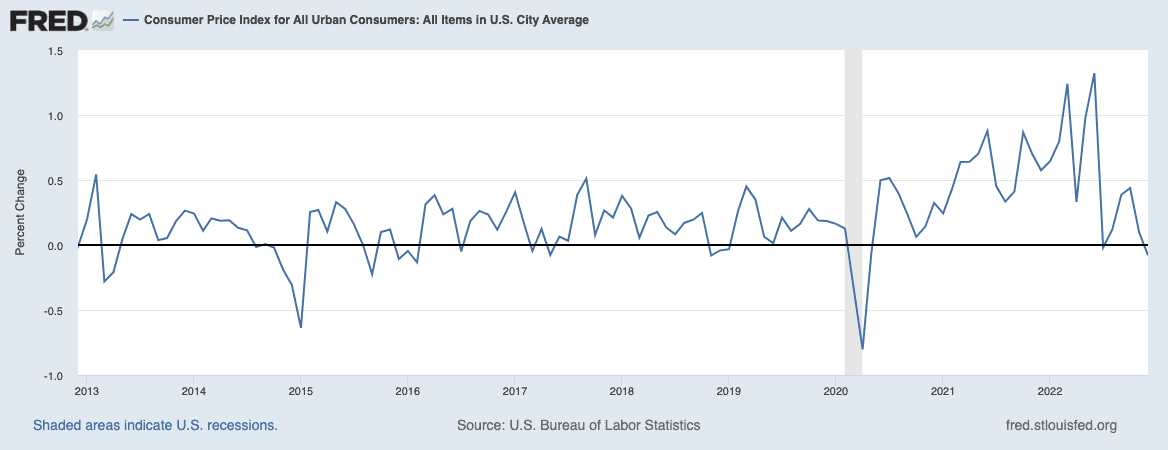


Source link

Billionaire Advice that Made a Farm Boy a Fortune in Self-Storage Read More »

How to Read Your Property Insurance Policy

How to Read Your Property Insurance Policy


15% ROI”,”imageURL”:”https:\/\/www.biggerpockets.com\/blog\/wp-content\/uploads\/2021\/05\/large_Extra_large_logo-1.jpg”,”imageAlt”:””,”title”:”SFR, MF & New Builds!”,”body”:”Invest in the best markets to maximize Cash Flow, Appreciation & Equity with a team of professional investors!”,”linkURL”:”https:\/\/renttoretirement.com\/”,”linkTitle”:”Contact us to learn more!”,”id”:”60b8f8de7b0c5″,”impressionCount”:”308903″,”dailyImpressionCount”:”1002″,”impressionLimit”:”350000″,”dailyImpressionLimit”:”1040″},{“sponsor”:”The Entrust Group”,”description”:”Self-Directed IRAs”,”imageURL”:”https:\/\/www.biggerpockets.com\/blog\/wp-content\/uploads\/2021\/11\/TEG-Logo-512×512-1.png”,”imageAlt”:””,”title”:”Spring Into investing”,”body”:”Using your retirement funds. Get your step-by-step guide and learn how to use an old 401(k) or existing IRA to invest in real estate.\r\n”,”linkURL”:”https:\/\/www.theentrustgroup.com\/real-estate-ira-report-bp-awareness-lp?utm_campaign=5%20Steps%20to%20Investing%20in%20Real%20Estate%20with%20a%20SDIRA%20Report&utm_source=Bigger_Pockets&utm_medium=April_2022_Blog_Ads”,”linkTitle”:”Get Your Free Download”,”id”:”61952968628d5″,”impressionCount”:”530889″,”dailyImpressionCount”:”626″,”impressionLimit”:”600000″,”dailyImpressionLimit”:”1662″},{“sponsor”:”SimpliSafe Home Security”,”description”:”Trusted by 4M+ Americans”,”imageURL”:”https:\/\/www.biggerpockets.com\/blog\/wp-content\/uploads\/2022\/09\/yard_sign_100x100.png”,”imageAlt”:””,”title”:”Security that saves you $”,”body”:”24\/7 protection against break-ins, floods, and fires. SimpliSafe users may even save up to 15%\r\non home insurance.”,”linkURL”:”https:\/\/simplisafe.com\/pockets?utm_medium=podcast&utm_source=biggerpockets&utm_campa ign=2022_blogpost”,”linkTitle”:”Protect your asset today!”,”id”:”624347af8d01a”,”impressionCount”:”168730″,”dailyImpressionCount”:”655″,”impressionLimit”:”200000″,”dailyImpressionLimit”:”2222″},{“sponsor”:”Delta Build Services, Inc.”,”description”:”New Construction in SWFL!”,”imageURL”:”https:\/\/www.biggerpockets.com\/blog\/wp-content\/uploads\/2022\/04\/Image-4-14-22-at-11.59-AM.jpg”,”imageAlt”:””,”title”:”Build To Rent”,”body”:”Tired of the Money Pits and aging \u201cturnkey\u201d properties? Invest with confidence, Build To\r\nRent is the way to go!”,”linkURL”:”https:\/\/deltabuildservicesinc.com\/floor-plans-elevations”,”linkTitle”:”Look at our floor plans!”,”id”:”6258570a45e3e”,”impressionCount”:”151683″,”dailyImpressionCount”:”529″,”impressionLimit”:”160000″,”dailyImpressionLimit”:”2163″},{“sponsor”:”RentRedi”,”description”:”Choose The Right Tenant”,”imageURL”:”https:\/\/www.biggerpockets.com\/blog\/wp-content\/uploads\/2022\/05\/rentredi-logo-512×512-1.png”,”imageAlt”:””,”title”:”Best App for Rentals”,”body”:”Protect your rental property investment. Find & screen tenants: get full credit, criminal, and eviction reports.”,”linkURL”:”http:\/\/www.rentredi.com\/?utm_source=biggerpockets&utm_medium=paid&utm_campaign=BP_Blog.05.02.22&utm_content=button&utm_term=findtenants”,”linkTitle”:”Get Started Today!”,”id”:”62740e9d48a85″,”impressionCount”:”136349″,”dailyImpressionCount”:”514″,”impressionLimit”:”150000″,”dailyImpressionLimit”:”5556″},{“sponsor”:”Avail”,”description”:”#1 Tool for Landlords”,”imageURL”:”https:\/\/www.biggerpockets.com\/blog\/wp-content\/uploads\/2022\/06\/512×512-Logo.png”,”imageAlt”:””,”title”:”Hassle-Free Landlording”,”body”:”One tool for all your rental management needs — find & screen tenants, sign leases, collect rent, and more.”,”linkURL”:”https:\/\/www.avail.co\/?ref=biggerpockets&source=biggerpockets&utm_medium=blog+forum+ad&utm_campaign=homepage&utm_channel=sponsorship&utm_content=biggerpockets+forum+ad+fy23+1h”,”linkTitle”:”Start for FREE Today”,”id”:”62bc8a7c568d3″,”impressionCount”:”89639″,”dailyImpressionCount”:”514″,”impressionLimit”:0,”dailyImpressionLimit”:”1087″},{“sponsor”:”Steadily”,”description”:”Easy landlord insurance”,”imageURL”:”https:\/\/www.biggerpockets.com\/blog\/wp-content\/uploads\/2022\/06\/facebook-business-page-picture.png”,”imageAlt”:””,”title”:”Rated 4.8 Out of 5 Stars”,”body”:”Quotes online in minutes. Single-family, fix n\u2019 flips, short-term rentals, and more. Great prices and discounts.”,”linkURL”:”http:\/\/www.steadily.com\/?utm_source=blog&utm_medium=ad&utm_campaign=biggerpockets “,”linkTitle”:”Get a Quote”,”id”:”62bdc3f8a48b4″,”impressionCount”:”86118″,”dailyImpressionCount”:”573″,”impressionLimit”:”300000″,”dailyImpressionLimit”:”1627″},{“sponsor”:”MoFin Lending”,”description”:”Direct Hard Money Lender”,”imageURL”:”https:\/\/www.biggerpockets.com\/blog\/wp-content\/uploads\/2022\/06\/mf-logo@05x.png”,”imageAlt”:””,”title”:”Flip, Rehab & Rental Loans”,”body”:”Fast funding for your next flip, BRRRR, or rental with MoFin! Close quickly, low rates\/fees,\r\nsimple process!”,”linkURL”:”https:\/\/mofinloans.com\/scenario-builder?utm_source=biggerpockets&utm_medium=cpc&utm_campaign=bp_blog_july2022″,”linkTitle”:”Get a Quote-EASILY!”,”id”:”62be4cadcfe65″,”impressionCount”:”91700″,”dailyImpressionCount”:”518″,”impressionLimit”:”100000″,”dailyImpressionLimit”:”3334″},{“sponsor”:”REI Nation”,”description”:”Premier Turnkey Investing”,”imageURL”:”https:\/\/www.biggerpockets.com\/blog\/wp-content\/uploads\/2022\/07\/REI-Nation-Updated-Logo.png”,”imageAlt”:””,”title”:”Fearful of Today\u2019s Market?”,”body”:”Don\u2019t be! REI Nation is your experienced partner to weather today\u2019s economic conditions and come out on top.”,”linkURL”:”https:\/\/hubs.ly\/Q01gKqxt0 “,”linkTitle”:”Get to know us”,”id”:”62d04e6b05177″,”impressionCount”:”84254″,”dailyImpressionCount”:”421″,”impressionLimit”:”195000″,”dailyImpressionLimit”:”6360″},{“sponsor”:”Zen Business”,”description”:”Start your own real estate business”,”imageURL”:”https:\/\/www.biggerpockets.com\/blog\/wp-content\/uploads\/2022\/07\/512×512-1-300×300-1.png”,”imageAlt”:””,”title”:”Form Your Real Estate LLC or Fast Business Formation”,”body”:”Form an LLC with us, then run your real estate business on our platform. BiggerPockets members get a discount. “,”linkURL”:”https:\/\/www.zenbusiness.com\/p\/biggerpockets\/?utm_campaign=partner-paid&utm_source=biggerpockets&utm_medium=partner&utm_content=podcast”,”linkTitle”:”Form your LLC now”,”id”:”62e2b26eee2e2″,”impressionCount”:”66520″,”dailyImpressionCount”:”418″,”impressionLimit”:”80000″,”dailyImpressionLimit”:”2581″},{“sponsor”:”Marko Rubel “,”description”:”New Investor Program”,”imageURL”:”https:\/\/www.biggerpockets.com\/blog\/wp-content\/uploads\/2022\/07\/DisplayAds_Kit_BiggerPockets_MR.png”,”imageAlt”:””,”title”:”Funding Problem\u2014Solved!”,”body”:”Get houses as low as 1% down, below-market interest rates, no bank hassles. Available on county-by-county basis.\r\n”,”linkURL”:”https:\/\/kit.realestatemoney.com\/start-bp\/?utm_medium=blog&utm_source=bigger-pockets&utm_campaign=kit”,”linkTitle”:”Check House Availability”,”id”:”62e32b6ebdfc7″,”impressionCount”:”116177″,”dailyImpressionCount”:”503″,”impressionLimit”:”200000″,”dailyImpressionLimit”:”1858″},{“sponsor”:”Follow Up Boss”,”description”:”Real estate CRM”,”imageURL”:”https:\/\/www.biggerpockets.com\/blog\/wp-content\/uploads\/2022\/08\/FUB-Logo-512×512-transparent-bg.png”,”imageAlt”:””,”title”:”#1 CRM for top producers”,”body”:”Organize your leads & contacts, find opportunities, and automate follow up. Track everything and coach smarter!”,”linkURL”:”https:\/\/pages.followupboss.com\/bigger-pockets\/%20″,”linkTitle”:”30-Day Free Trial”,”id”:”630953c691886″,”impressionCount”:”56458″,”dailyImpressionCount”:”535″,”impressionLimit”:”150000″,”dailyImpressionLimit”:”1230″},{“sponsor”:”Walker & Dunlop”,”description”:”Loan Quotes in Minutes”,”imageURL”:”https:\/\/www.biggerpockets.com\/blog\/wp-content\/uploads\/2022\/09\/WD-Square-Logo5.png”,”imageAlt”:””,”title”:”Skip the Bank”,”body”:”Financing $1M – $15M multifamily loans? Competitive terms, more certain execution, no strings to personal assets”,”linkURL”:”https:\/\/explore.walkerdunlop.com\/better-than-banks\/bigger-pockets\/blog\/quote”,”linkTitle”:”Learn More”,”id”:”6318ec1aeffc3″,”impressionCount”:”66462″,”dailyImpressionCount”:”606″,”impressionLimit”:”200000″,”dailyImpressionLimit”:”2334″},{“sponsor”:”Nada”,”description”:”New way to own real estate”,”imageURL”:”https:\/\/www.biggerpockets.com\/blog\/wp-content\/uploads\/2022\/10\/Nada-512-logos_Artboard-2.png”,”imageAlt”:””,”title”:”Start investing today”,”body”:”Cityfunds makes it possible for any investor to buy & sell fractions of a\r\ncity\u2019s real estate market with just $250″,”linkURL”:”http:\/\/www.nada.co\/biggerpockets”,”linkTitle”:”Get the Nada Finance App”,”id”:”6348763e299ad”,”impressionCount”:”20524″,”dailyImpressionCount”:”577″,”impressionLimit”:”89181″,”dailyImpressionLimit”:”2121″},{“sponsor”:”Kiavi NMLS ID #1125207″,”description”:”Hard Money the Easy Way”,”imageURL”:”https:\/\/www.biggerpockets.com\/blog\/wp-content\/uploads\/2022\/11\/kiavi_logo_for_bigger_pockets.png”,”imageAlt”:””,”title”:”Reliable Capital for REIs”,”body”:”Scale your real estate investment portfolio with high leverage, quick-to-close loans, and an easy lending platform.”,”linkURL”:”https:\/\/www.kiavi.com\/biggerpockets?utm_source=biggerpockets&utm_medium=content%20partner&utm_campaign=blog&m_mdm=content%20partner&m_src=biggerpockets&m_cpn=blog&m_prd=direct&m_fs=lead&m_ct=html&m_t=promo&m_cta=get%20started “,”linkTitle”:”Get Started with Kiavi”,”id”:”636d70737a1ed”,”impressionCount”:”16338″,”dailyImpressionCount”:”581″,”impressionLimit”:”50000″,”dailyImpressionLimit”:”1087″}])” class=”sm:grid sm:grid-cols-2 sm:gap-8 lg:block”>


Source link

How to Read Your Property Insurance Policy Read More »

Mortgage rates fall for the third straight week, but demand still drops further

Mortgage rates fall for the third straight week, but demand still drops further


A For Sale sign appears in front of a house on Oak Street in Patchogue, New York, on May 17, 2022.

Steve Pfost | Newsday | Getty Images

Mortgage rates soared over 7% just a month ago, but since then they have fallen more than half a percentage point. Still, mortgage loan application volume decreased 0.8% last week compared with the previous week, according to the Mortgage Bankers Association’s seasonally adjusted index.

The results also include an adjustment for the observance of the Thanksgiving holiday.

The average contract interest rate for 30-year fixed-rate mortgages with conforming loan balances ($647,200 or less) decreased to 6.49% from 6.67%, with points remaining at 0.68 (including the origination fee) for loans with a 20% down payment.

The weakness continues to be in refinance demand, which dropped 13% from the previous week and was 86% lower than the same week one year ago. Strange, given that roughly 100,000 more current borrowers could now benefit from a refinance with the latest rate drop, according to Black Knight.

Mortgage applications to purchase a home gained 4% from the previous week but demand was 41% lower than the same week one year ago. Sales of existing homes continue to drop, while newly built home sales are benefiting from builder concessions, specifically deals in which the builder buys down the mortgage rate.

“The economy here and abroad is weakening, which should lead to slower inflation and allow the Fed to slow the pace of rate hikes. Purchase activity increased slightly after adjusting for the Thanksgiving holiday, but the decline in rates was still not enough to bring back refinance activity,” noted Joel Kan, an MBA economist.

The adjustable-rate mortgage share of application activity increased slightly to 9%, which is lower than the roughly 12% range a month ago, when rates were higher. The ARM share, however, was about 3% at the start of this year, when the 30-year fixed rate hovered near a record low. ARM’s offer lower interest rates but higher risk.

Mortgage rates haven’t moved much to start this week, but by the end of the week that could change, as the highly anticipated monthly employment report is set for release. Any unanticipated swing in either direction will have a direct effect on mortgage rates.


Source link

Mortgage rates fall for the third straight week, but demand still drops further Read More »

Which Charities Will Use Your Money Wisely?

Which Charities Will Use Your Money Wisely?


For the past decade, Giving Tuesday has been a way for everyday Americans to donate their money, or time, to charities and causes that help collectively make the world a better place. Whether it’s a little or a lot, we’re encouraged to give what we can to bridge the gap between those that have so little and many of us that have so much. But how do you know a charity or organization is using your donation accordingly? How can you spot-check to see if your dollars are being used for those in dire need?

We brought on Elie Hassenfeld, GiveWell co-founder and CEO, to help us navigate the tricky subject of giving to worthwhile charities. Elie knows a thing or two about validating which charities are worth donating to. At GiveWell, he spends his days researching thousands of charities for hundreds of millions of donatable dollars, helping those of us that are too busy to find a home for the donations that we are willing to give.

In just six tips, Elie will give you the framework for finding a worthwhile charity or organization to give to, so you know that your dollar is being stretched the farthest it can. We also touch on whether or not high administration costs are a red flag, whether it’s better to give goods rather than money, and how to truly measure an organization’s impact to see how many lives they’re saving or improving with each dollar donated. If you’re still on the fence about where to give this Giving Tuesday, head over to GiveWell.org to know your dollar is making a difference! 

Mindy:
Welcome to the Bigger Pockets Money podcast, bonus Giving Tuesday edition where we interview the founder and CEO of GiveWell, Elie Hassenfeld, and talk about maximizing the impact of your charitable donation.

Elie:
I think it’s also really important to be open-minded about what you’ll support. If you’ve already focused in on a single organization and you don’t want to consider any others, you just have fewer opportunities and fewer options of what you might find. And the more flexible you can be, the better. Once you’ve got to the organizations that you want to consider, I think it’s a great idea to press them a bit for how do they know their program works? Or maybe a better question is, how would they know if it weren’t working?

Mindy:
Hello. Hello. Hello. My name is Mindy Jensen, and with me as always is my very generous cohost, Scott Trench.

Scott:
Thank you to my very charitable cohost, Mindy Jensen.

Mindy:
Scott and I are here to make financial independence less scary, less just for somebody else to introduce you to every money story because we truly believe financial freedom is attainable for everyone, no matter when or where you are starting.

Scott:
That’s right. Whether you want to retire early and travel the world, go on to make big time investments in assets like real estate, start your own business, or give generously to the highest possible impact cause we’ll help you reach your financial goals and get money out of the way so you can launch yourself towards your dreams.

Mindy:
Scott, today is the 10th anniversary of Giving Tuesday, an idea that was formed in 2012 as a day that encourages people to do something good. Every act of generosity counts, and everyone has something to contribute toward building the better world we all want to live in. Today we’re speaking with the CEO of GiveWell, an organization that is devoted to researching charities to find the highest impact evidence-based charities. And during the show, Elie gives some great tips for doing your own research, but he also has this whole organization that does the research for you. I don’t know about you, Scott, but I’m busy. Are you busy now that you have a baby? Or is life just all sunshines and rainbows, because you got all this time in the world?

Scott:
Used to have free time.

Mindy:
Have two, you’ll have so much more free time. But Elie shares some tips for doing research on your own as well. I think this is such a great show. Number one, be proactive. Don’t necessarily respond to solicitations for money when somebody reaches out to you and says, “Hey, would you give me some money?” Look for ways that you want to impact your local charities, your local environment, a concept that you want to support. Their big one is malaria. They are committed to combating malaria. Don’t wait for the malaria charities to reach out to you. Go out and look for charities that support the kind of research that you’re looking for.
Be open-minded about what you want to support. That goes against what I just said about look for specific charities. Be open-minded about the kind of charities you will support. Press the organization about their successes and how they will know when their system isn’t working. That’s a really good tip.
Number four, what will you do with additional funding? That’s a great question to ask them, because if they don’t have an answer why should you give them additional funding? Find somebody who has a great answer. Give money rather than goods, and give with no strengths attached.

Scott:
Yeah. I think those are a great framework that Elie provided for us. We’ll get into that of course as we get going. I do want to highlight one issue that we discussed around finding a local charity, or something that is directly in line with a mission you might want to support, is hard work. I would equate it to finding a real estate investment property. You got to go and do a lot of research to find one good deal. You maybe analyze 15 or 20 or 50 or 100 properties before you’re going to find a really good one that’s going to produce a really good ROI.
I think the same may be true in the charitable giving space, to find an organization that is actually providing a good impact per dollar invested in them in a cause that you want to support. I think there’s a process. My recommendation for folks this holiday season is to begin that process in the local community. Give or not give this year. But go out and find something that you’re aligned with that you feel like is doing really good work.
And then also consider giving with an organization like GiveWell that has done research at the aggregate level to find the most effective way to send the next dollar you invested. You can either give directly to GiveWell, or you can give to an organization that they’ve uncovered as a highly effective organization. And you can give the dollars directly to the organization. This holiday season I plan to do both. I plan to give to an organization that I have worked with for a long time and that I found through a process that’s very similar to what Elie recommended. I also plan to give to GiveWell and allow them to allocate those dollars to the next best opportunities to save lives.

Mindy:
I think that’s awesome, Scott. Shall we start the show?

Scott:
Let’s do it.

Mindy:
Okay. Before we bring in Elie, let’s take a quick break. And we’re back. Elie Hassenfeld is the CEO of GiveWell, a nonprofit dedicated to finding outstanding giving opportunities. Elie, welcome to the Bigger Pockets Money podcast.

Elie:
Oh, it’s great to be here. Thanks so much.

Mindy:
I’m so excited to talk to you today.

Elie:
Yeah. Well, I’m excited to be here and share some of what we’re doing.

Scott:
Awesome. Well, Elie, would you mind giving us an overview of giving an investor, or how you like to think about the challenge? I know that as an investor, I want to make sure that any donations that I’m going to give are going to actually have the impact that I want them to have. Is there a process? Or maybe you could help frame the art of giving effectively in a way that would be helpful here?

Elie:
Yeah. I’ll start real high level and can dig in as far as you want. At the big picture level, GiveWell tries to maximize the impact that donations are having, so what we look at is metrics that we think will show that someone’s giving is doing as much good as possible. For example, when we do research on charities we look at things like how much does this organization have to spend to save the life of someone in need? Metrics that are the ones that we’re focused on.
Just to give a little bit of context on what GiveWell does and how we focus on the world of charitable giving, because it’s really large, we focus on organizations that are helping people in some of the poorest parts of the world. So that often means working on diseases in Africa, or reducing poverty in Africa. The metrics we use, the research we do is focused on trying to achieve those outcomes that are ultimately fairly measurable and can demonstrate that the donations are going real far.

Scott:
What is the key metric that you guys are looking at?

Elie:
I wouldn’t say there’s any metric that is the be all and end all, so to speak. We largely look at organizations that are improving health, and there we’re mostly looking at organizations that avert death. So we’ll say how much does it cost to avert the death of someone who otherwise wouldn’t have died? And then on the other hand, how much does it cost to increase someone’s income by a certain amount, reducing poverty? There’s a lot of other things that someone could look at, and I don’t want to give off the impression that those are the only metrics, but at least as a starting point those are two of the high level outcome that we’re really focused on.

Scott:
Awesome. Could you give us an example of disparities between groups, two groups that might claim to both help people but might have very different economic outputs in terms of that aid?

Elie:
Yeah. I think there’s a lot of different types of comparisons that one could make, but I’ll start just comparing a group working overseas to one working at home, just to give a sense of why we’re so focused on overseas giving. Just as a quick historical note, when GiveWell got started we weren’t just focused overseas, we also looked at groups working in the United States. But after seeing how far a dollar goes overseas, we decided to focus entirely on overseas organizations.
To dive into it, one of the organizations we’ve recommended for a long time is a group called Malaria Consortium. One of the programs they provide is preventative medicine that, if you give it to children over the course of the malaria season, it reduces cases of malaria by a huge amount. Malaria’s still a really big problem. It’s not something that we talk a lot about in the US, but roughly speaking, 1,000 children every day are dying from malaria globally. This is a really big problem.
We estimate that it costs around $5,000 to save a life from malaria. At the same time, if you look at an organization working in the US on a program like education it might cost $1,000 to $2,000 per student per year to put a child through a better charter school education program. I want to be clear, those are great programs too. They’re doing a lot of good. But when we compare $5,000 to save a life against, let’s say, $2,000 for a year of schooling it seems to me that the former, the death averting charity, is doing more with the funds that it’s receiving.

Scott:
Awesome. Can you walk us through the mechanism by which one would avert malaria deaths?

Elie:
Yeah. I’ll give a slightly different example, because I think it’s a little bit easier to understand. I’m going to talk about another organization called Against Malaria Foundation, which we also recommend. They fund the distribution of insecticide treated nets. These nets are valuable, because they protect against and kill the mosquitoes that transmit malaria. Mosquitoes tend to bite most frequently in the evening hours when these nets are up and they’re covering the people who are sleeping. It prevents cases of malaria, and then subsequent deaths from malaria. We know that this is the case both from many randomized control trials, so the gold standard of evidence that demonstrates that a program is working, many randomized control trials over the years that show that distributing nets results in fewer cases and fewer deaths. And then also ongoing data collection and surveys that demonstrate that when nets are distributed the people who get them don’t always but mostly tend to use them, they use them consistently, and it leads to falling malaria cases over time.

Scott:
So would it be fair to say that you have done an exhaustive amount of research in trying to figure out how to stretch a dollar to its absolute most benefit to society using a metric of human lives saved, or death subverted, if you want to invert it for this? And that putting on these nets for folks that are sleeping in Africa, for children in particular, is the best bang for your buck that you’ve been able to validate fully or close to it? Is that another way of putting this?

Elie:
Yeah. i would say that nets in Africa is one of the four or five best things that we’ve been able to find to date. One of those things that you could donate to tomorrow with more money to groups that are running these programs will be able to do more of it. Nets aren’t the only ones of the ones that we recommend. There’s programs that encourage parents to bring their children for childhood immunizations, distributing vitamin A supplementation to kids who are vitamin A deficient, which also reduces deaths in childhood, other malaria programs. And then a program that we recommend focused on deworming, which is treating children for parasitic infections. And of all the groups that we’ve looked at in GiveWell’s 15 year history, those are the ones that we see as having the best bang for your buck today.

Scott:
Walk us through GiveWell’s process for actually validating those things. Have you been on the ground and seen these operations? Do you do analyses of the companies? How do you actually feel confident in giving us the numbers you’ve given us?

Elie:
There’s a few different parts of our process. I’d say it starts with trying to cast a wide net and making sure that we’ve found all the organizations that we could consider. We’ll get information on organizations from tax forms. Every large registered charity has to file a tax form with the IRS, that’s publicly available data. I myself have gone through thousands of those, just trying to get them into our pipeline. Have also been through thousands of organizations’ websites as a starting point.
The next thing that we’re trying to do is figure out which programs are having a big effect. A program might be distributing malaria nets. Most charitable organizations don’t have the resources or the capability to assess their own programs and determine how well they’re working. Often the demonstration that their programs are working comes from academic evidence. There’s a whole field of experts who’ve been working for years trying to determine what programs will improve public health the most in low income countries, or what programs will reduce poverty the most in low income countries. We are not reinventing the wheel, we’re leaning on this giant body of academic evidence to determine the programs that we want to prioritize.
We have this big list of organizations, big list of programs. We’re looking for the programs that have the biggest effect. And then we filter down the organizations to the ones that are implementing those great programs. At that point we need to talk to the organizations themselves, and that involves both getting information from them on their budget, meaning how much does it cost for them to deliver a malaria net using this example. Also, how do they know that when they’re delivering the nets they’re actually reaching the intended recipients that people use them over time, that they’re replacing them when they wear out? Again, in our example, nets, they wear out. We use all of that to arrive at an estimate of how much it costs for an organization to deliver a net, and subsequently how much it costs the organization to avert the death from something like malaria.
And then we also do site visits where we’ll go to the organizations and visit them on the ground, see things in person. Aside from, I don’t know, the high level 50,000 foot view of the organization actually being there and seeing things in person as a way of both gut checking what we’re getting in paper, but also really seeing things on the ground, which often raises new questions that we hadn’t thought of before.

Scott:
Let’s say that folks do want to make an impact here in the US, or even in their local community, is there a toolkit that you would suggest, or that Google provides, on how to do that effectively?

Elie:
Yeah. The honest answer is, I think it’s real hard, because it’s difficult to do this work in one’s spare time. We’d love to just run through the main tips that I’d give people to keep in mind as they’re trying to make these decisions. I think the number one most important tip is be proactive. And by that I mean, you should go out and you should try to find the organizations that you’re interested in rather than just responding to solicitations that come in the mail or over the phone. You’ll do much better if you take that first step rather than waiting for someone to come to you. I think it’s also really important to be open-minded about what you’ll support. If you’ve already focused in on a single organization and you don’t want to consider any others, you just have fewer opportunities and fewer options of what you might find. And the more flexible you can be, the better.
Once you’ve got to the organizations that you want to consider, I think it’s a great idea to press them a bit for how do they know their program works? Or maybe a better question is, how would they know if it weren’t working? You often will not get a good answer to this question, and I think that’s telling. But for the organizations that have great answers, I think that takes some work, but it’s a really great way to know that they’re worthy of support.
A question I love is, what will you do with additional funding? Ask them essentially, “Hey, I’m a donor. I’m planning to give you more. What do you think is going to be different because I gave you money rather than you’re not getting the money?” And that that’s great both because it gives you a sense of what they might do, but also gives you the opportunity to come back a year later and check in and see how things went. Whether they went relative to plan, whether they’re on track. And if not, why?
And then finally, when you actually do give, strong recommendation is to give money rather than goods. And then give with no strings attached. And by that I mean, once you found an organization that can answer these questions well trust that they know more than you do about their space. Donors can really make mistakes when they want their funds to support programs instead of overhead. And that can really cripple charities and their ability to build the type of strong sustainable organizations that are necessary to tackle some of the problems that they face.

Scott:
I think that’s fantastic. To give an example, my personal life, I think it’s important to give time and money to organizations in the local community because of what I do that work with financial literacy and financial empowerment, helping people escape poverty in those types of situations. It’s a process. I must have volunteered with five or 10 different organizations that each didn’t align necessarily… Either I didn’t feel that the donations were effective in resolving… Giving someone 200 bucks in a time of crisis, for example, with one organization is great work, not an argument with it. It just wasn’t aligned with my values of teach a man to fish and help that person lead their own journey out of poverty. And then other organizations have one off events.
It just took me several years to find an organization that actually had a process and a social ROI as they calculated that I believed was having an effective impact, and to give money and time to that organization as opposed to some of the other ones. It’s like finding a real estate deal. We talk about it, it’s a lot of work that goes into finding these things, unless you’re willing to invest in the stock market or one of these things that are index funds or something. Would be fair to say that GiveWell is the index fund easy button automatic option, you’re going to probably have a good bang for your buck in terms of a good impact through your organization?

Elie:
Yeah. I love that analogy, because I think it’s right. I think a lot of the people that GiveWell serves are folks who come to the end of the year, they want to give generously and they don’t know what to do. They’re not going to spend the time to find the opportunity on their own, so GiveWell’s the place they can give and feel confident that their donation is doing a lot of good, it’s having a lot of impact.

Mindy:
On your top charities list, I love this, you have a phrase, “Donate based on evidence not marketing.” I think that so many people, I don’t want to say get sucked in because that sounds mean, but I’m sure I’ve gotten sucked into marketing as well. Marketing is there to give you money. I’m wondering what money is being spent on marketing that could be directed towards the actual charitable work if they would just do that. I think it’s very interesting that two of your top four charities are malaria charities. I can’t believe that malaria still exists. It’s 2022. Why have we not found a cure for malaria yet?

Elie:
Well, I think with malaria, we know it works. Unfortunately, the people that it affects are just some of the poorest people in the world. It’s really a case where for those of us who are fortunate enough to live in a high income country, we don’t even imagine what it’s like to not have the ability to purchase a $5 malaria net, and a $5 malaria net can be the difference between life and death at that age. That’s really what we’re about, trying to say let’s reward organizations and donate to organizations based on the impact that they have rather than their success in marketing.
I think all too often in the charitable world, basically because… There’s this weird fact about charities that the ultimate beneficiary of their activity, it’s not the customer, it’s not the person who’s paying the money the way it is with when we buy a product at the store, if we don’t like it we won’t buy it again, but with the charity it’s the donors who pay the money. Ultimately, nonprofits are aiming to serve those donors. They serve them by making them feel good about their donations, not necessarily by demonstrating impact. And that’s why I think some of the organizations we have on our list just tend to be less successful at marketing, but we think some of the best in the world at the impact that they create.

Scott:
Now, the way it works for your company is you go to givewell.org, and then it looks like your preference is for folks to donate to your flagship fund. And then presumably you allocate those donated dollars to the highest and best use charities that according to that year’s calculations or analysis?

Elie:
Yeah. Our number one choice is that people give to us and we reallocate, but I want to be very clear, we’re perfectly happy for someone to come to our website and go right to any of these organizations and donate. The website and all the information there is free of charge. If anyone is wondering why should I send my money through this third party, go ahead, donate right to these organizations. That would be amazing.
The reason we like when people donate through us is it just allows us to aggregate up donations and then give to the organizations that have the biggest needs at any point in time. We’re in close contact with them, we know what their needs are, we know where they plan to go next. By having the funds aggregated, we can be a little bit more efficient in the reallocation. We don’t take any cut of those donations, any fees on the donations so 100% just goes through to the charities. But like I said, we’re perfectly happy for people to also to go directly and that’s why all that info is up there free of charge.

Scott:
I know that this is a myth, or incorrect, but I want to pose the question anyways. Playing devil’s advocate here. I’m a potential donor and I’ve heard somewhere, can’t remember exactly the place where it is, that you shouldn’t donate to organizations that have marketing budgets, or that have high amounts of overhead. You want your donation to go directly to the person that you’re serving with that. You’ve touched on this earlier where no, don’t give them stipulations with that. Why is that a bad idea? What is healthy in the context of expenses that are not directly related to the mission of the charity, like salaries?

Elie:
Yeah. The bottom line is charities are like any other business where you need to spend on overhead and fundraising or marketing in order to survive as an entity. So what could that overhead spending mean? It means paying people salaries that enable you to recruit talented people. It means investing in technological infrastructure so you can work efficiently. When donors try to starve organizations of that sort of funding, it leads organizations that are maybe able to direct a little bit more money in the short term, but certainly less successful in the long term. I think that just tends to be a big mistake.
Instead of focusing on overhead, there’s something that’s much better to focus on, which is how much impact do they have? You can just focus on the thing you care about directly. One of the examples I always loved is no one would ever say decide whether or not to invest in Apple stock based on how much it spends on overhead. That doesn’t even make any sense. That’s not how we would think about it. We’re trying to think about how valuable the stock is relative to its future, or what it will be in the future. That’s a much better way to assess that opportunity than to think about something like how much did it spend on servers and is that too much? We really don’t focus on it at all. I think it’s a mistake to.
Even more practically just the numbers themselves, it can vary a lot based on the nature of the activity an organization does. So if you have one organization that’s collecting a lot of in kind donations, so let’s say products that they’re distributing out, they’ll have a really low overhead number because they’re largely a regranter. And another organization that relies more heavily on people might have a higher number. I think it’s hard to say as a rule of thumb what’s good versus bad. And I said, I think if you went to organizations and asked them the sorts of questions that I laid out earlier, you’d avoid the ones that are scams and you’d end up focusing on ones that are really effective.

Mindy:
Are there any red flags that I should be looking out for when I am doing my own research?

Elie:
I think first and foremost, yeah, I mean I think you will avoid a lot of the worst outcomes by being proactive in the first place. If you’re starting and you’re saying I’m trying to find, let’s say, the best organizations in my community and, I don’t know, you go online or you talk to friends and family to get some recommendations, that’s a much better place to start than the group that’s calling you on the phone that you’re responding to reactively. That goes really far. Yeah. That’s basically it. I think you should ask questions, and if you get good answers you should feel pretty good. You’ll never know for sure, but that’s a great place to start.

Scott:
I also love what would you do with another 50, 100, some number that’s large enough that is actually meaningful, 50, $100,000 in charitable gifts. It’s amazing how many organizations I ask that question to who have no idea what they would do, what the next 50 or $100,000. That’s really important because I intend, hopefully over the course of my life, to give a significant amount of money. And if I give to somebody who doesn’t have a plan, that’s a problem as well. I loved all of your questions there. I think that those are the key elements.
You want to have a cause you want to support, find organizations, don’t let them come to you, that you want to support with them. Be open-minded, because they can take you on a path that’s not exactly where you wanted to go, that’s much more effective because these people are doing it full time, and many of them are very, very good at it. Let them run with the donation, I think is how you articulated that. And get them to talk about what they’ve done and why they know it’s working or why they know it isn’t working. I love that it’s not live saves, it’s death subverted. I love the way your mind works on some of these problems. I think that’s right. And then what are you going to do as you scale the vision, or as you scale toward that vision? What will the next incremental dollar get us in terms of impact or good? That’s giving like an investor, I think.

Elie:
Yeah, totally. I think one distinction I want to draw, which I think is somewhat challenging here. I do think that there’s a difference between what someone can do on their own in a relatively small amount of time versus what we’re trying to do at GiveWell with our full-time staff. I think these tips work really well to go from I don’t know really where to start to get you somewhere, but it’s just real hard to make progress on your own.
The place that I really saw that was in the way that what led my co-founder and me to found GiveWell 15 years ago. We were in this position. We were working in the finance sector. We wanted to give to charity. We evolved. We were proactive, open-minded. We asked organizations for their case effectiveness. But after going through that for a few months, we largely found that we were getting marketing materials more than substantive answers on how do the organizations know that their programs are working. It was really that frustration that led us to found GiveWell and just try to create this resource that we hoped other people in a similar position would be able to use. So instead of having to reinvent the wheel, they could rely on us to decide where to give.

Mindy:
A moment ago you said that GiveWell takes no percentage of the proceeds from the donations, 100% of what’s donated to GiveWell goes to the charities. How do you fund your research?

Elie:
We have donors who are really interested in supporting our operations directly, so they give to us, that funds our salaries. Therefore, the donations that other donors are making are going right to the charities themselves. For those donors that are supporting us, I think their mindset is it’s a good deal to support this GiveWell research project that is then creating this resource that enables tens of thousands of donors every year to give more effectively than they otherwise would’ve.

Scott:
Seems like a pretty effective donation for them.

Elie:
Yeah. Well, I hope so. We’re doing our best.

Mindy:
Okay. Now cheeky follow up question, Elie. What would GiveWell do with an extra 50 or $100,000 donated directly to them?

Elie:
We get donations of two kinds. One is unrestricted, so that means donations that we could spend on our operations if we had a use for it. The other is money that we talked about before that goes to one of our funds and we can send directly to organizations we support. If we got extra money into our unrestricted fund, right now we would just be passing it along to other organizations. That’s because where we currently are, at the amount of funding we’ve raised and the amount of savings that we have, we think the best use of that money is sending it on to another organization that is going to put it directly to use and help people immediately.
To give some context, we expect to raise about $600 million in 2022, but we’ve found $900 million worth of outstanding giving opportunities. One of our big focuses is trying to close as much of that $300 million funding gap as we can. So if we took in extra money that could be used for GiveWell operations or could be sent along, we’re sending it along because that just helps us move down the path towards closing more of that gap that we need to and helping more people in need.

Scott:
That’s an incredible amount of money.

Mindy:
Yeah. That makes me feel really good about GiveWell, because I did a bike ride once where, I went the next year, but the year before I went the organization hired some charitable company to run it and they took 90% of the donations to put the ride on. It just seemed like such a waste. Why don’t I just give you the 10% directly and then not do the ride? But the ride was what I wanted to do. It seemed like it was such a letdown to see that. And then the next year they didn’t use the same company. There’s a lot of companies out there that don’t do that, that would take all of the money given to you unrestricted and just keep it. I really like that you guys don’t.

Elie:
One of our aims is to be very transparent with the outside world. The one thing we say is, our business is your business. To that end, we have this policy that I just mentioned where at a certain threshold we are just not going to keep money for ourselves, we’re going to grant it out. We don’t want to build up a big GiveWell endowment. That doesn’t make sense. We want to keep doing great research over time and donors should keep supporting us. And if they don’t believe that we are, then they should stop. We shouldn’t be able to keep going after that.
Similarly, we put our board documents online. You can certainly see our tax forms and our audited financials, but you can read the materials we share with our board. We put them up on our website for anyone to see because we think that so often in charity there’s not enough transparency. With more transparency comes trust and can enable people to understand why we’re doing what we’re doing and believe that you have all the information you need to decide whether or not you want to trust us.

Scott:
Who’s on staff at GiveWell besides yourself?

Elie:
It’s people from eclectic backgrounds. We have people who are with advanced degrees in economics on the research team, people with fundraising background on the outreach team. I think one common thread between many of our staff, and now Give Well’s been around for 15 years, is often our staff were donors before they ever came to apply to a job at GiveWell. Often the common thread is that they were very excited about the idea of research driven, transparent, charitable giving. They started donating, and then eventually found their way to working for us. That’s been a great pipeline of folks coming to join the team over the years.

Scott:
What else should we know about GiveWell, or the organization? Look, we have transparency, we’ve got a great thesis here, we’re going to optimize for human life or social good here and we’re going to find quantitative ways to back that up and be highly confident in that. We’re going to do this to the tune of $600 million, maybe $900 million soon. We’ll see how long it takes you to get there. What you just came in with was this swagger, “Hey, people believe in us so much that they take care of all that. So every incremental dollar that a person listening to this might give goes straight to the next best marginal opportunity to do good as best as we can determine with that.” What else should we know? Is there anything else that we should know about GiveWell before we conclude here?

Elie:
Yeah. I think maybe the single most important thing to know about GiveWell is something along the lines of, you don’t have to take my word for it. One of our core values is transparency. To that end, pretty much everything we talked about in this conversation, you could go to our website, you could read about, you could find the footnotes that support the claim, the academic paper that the footnotes come from, the documents or the notes from the conversation with the charity.
The reason that we want to do it that way is in the charitable world it’s just all too easy for someone to tell a nice story and get donors behind them, and then have it all fall apart. So we say forget the story. I mean, the story’s nice. Ultimately what drives me to do the work I do is emotion. But then at the end of the day, I also want to be able to see the spreadsheet, see the cold hard facts and make a reasoned decision. What we want to do to the outside world to say to anyone who wants to, look at what we do. If you agree with it, great. And if you disagree with it, then you’re in a position to know because we’ve put that information out there.

Scott:
I love it. One thing that I’ll call out that you haven’t discussed here is this concept of the mistakes that GiveWell has made, which I think is a great effort, a great putting a pin in the comment around transparency. Could you walk us through a couple of those big mistakes that you are highlighting on here and why you’ve chosen to put that into your navigation bar on your platform?

Elie:
Yeah. It comes back to the same thing that often people pretend that they’ve never gotten anything wrong. That’s just obviously crazy. We all make mistakes all the time. We think it would be much better, especially in the non-profit sector, if organizations were just public about the things they got wrong, because that would enable not only the organization to learn, but also other organizations to learn from them. We’ve made all sorts of mistakes that are on that page.
Early on in GiveWell’s history, so this is talking 15 years ago, we marketed ourselves too aggressively. We wanted to put that out there so people would know. We’ve also just made silly spreadsheet errors that have led us to send some funds to one organization over another. In the scheme of things, it adds up to a small percentage of our overall giving, but we think it’s really important to be transparent with the public, and then also to ensure that internally we have a culture that learns from mistakes.
We have that public page internally at GiveWell. We use Slack as the internal IM client we use. We have a mistakes channel there where people can just say they got things wrong. We think it’s going to lead to a much better culture, one that’s focused on learning and getting better rather than one that’s trying to avoid error if we are open about the fact that we made mistakes so we can all learn and improve.

Scott:
Let me ask you one more question here. Not to put you on the spot too hard, but a very notable former billionaire was really into this concept of effective altruism. This sounds a lot like effective altruism, this concept. Could you describe what effective altruism is for those interested, how this relates and why we should still continue to do the work that is in GiveWell’s mission here?

Elie:
Yeah. I’d say that effective altruism is a set of ideas that say let’s use reason and evidence to try to do as much good with our time and our money. GiveWell subscribes to that in the sense that we’re trying to use our reason and our evidence to identify ways of helping people in low income countries as much as possible today. I think that the principles that we followed and the process that we followed has led us to find some really great organizations that have helped a ton of people in our history.

Scott:
Love it. I think that effective altruism is a fantastic concept, and that in spite of the problems have gone on with FTX and Sam Bankman and all that good stuff, a silver lining hopefully is that more people become aware of this concept, because it is very powerful to think about how do I give effectively across the course of my life in a way that has the maximum impact for society and to do that with a quantitative based approach. That’s something that I think I was really excited to talk to you about, and obviously most people that are practicing this are doing so with good intent. Well, anything else you want to share with us before we go, Elie?

Elie:
No. Thanks so much for having me. It’s been great to have this conversation. I hope it helps.

Mindy:
Thank you, Elie. I appreciate your time today. Give us the website again one more time.

Elie:
Yeah, we’re at www.givewell.org.

Mindy:
All right. Thank you so much for your time and we will talk to you soon.

Elie:
Sounds great. You too. Thank you so much.

Mindy:
All right, Scott, that was Elie Hassenfeld from givewell.org. That was a lot of fun. The one thing we didn’t talk about is talking about your charitable giving with your employer, seeing if your employer has a match of any kind when you are getting ready to make a contribution, especially towards the end of the year. I know that Bigger Pockets has a donation matching program. If you are considering giving on Giving Tuesday reach out to your HR department and ask them if they do any match. That is another way to make your dollars go farther.

Scott:
Yeah, absolutely. After the show we were asking Elie, how many lives do you think you’ve saved with GiveWell? I think he estimated it at 150,000 across all of the money that they’ve raised. Yeah, sure, some of the donations might have gone to saving lives anyways, but the marginal increase, the number of lives saved by funneling those funds to the most effective organization, is probably 100,000 thousand easily people saved. It’s just really, really good work. What an impressive guy. What an impressive organization. The scale is remarkable. I hope he continues to do this work for a long time. I hope people follow suit.
I want to give one more plug here. We talked about GiveWell for a lot of this show, but I want to talk for a moment about an organization that Bigger Pockets has partnered with, a little closer to home here. This organization’s called Cross Purpose, and it’s an organization that I have volunteered at personally for about seven years, on and off over the past seven years and have donated to personally. Cross Purpose is a career development program. It takes folks that are often living at around the poverty line. It’s mission is to abolish poverty, and it does that through a career development program that involves six months of career development, a skills based program that teaches leaders how to put together a resume, do interviewing skills, and then a specific career track that can range from electrician to administrative assistant to medical assistant to CDL, its commercial driving license for truck drivers, and beyond.
Graduates of the program go on to make $20 an hour on average and have successful careers many of them. I’ve gotten to know a handful of these graduates and I’ve seen the impact of the program. They rigorously track the social ROI that they’re generating and estimate about a five to one impact on every dollar invested in terms of the taxes paid, the reduction in government benefits that the leaders that participate in the program will receive for those who go on to graduate. I really have been impressed with the program, really have witnessed the scale of it over the last couple of years, and am really excited to see where it goes. So highly encourage everyone to check out Cross Purpose as another option for giving this holiday season.

Mindy:
I want to reiterate those tips again from Elie for doing your own research. Be proactive. Don’t respond to solicitations. Go out and do your own research based on charities that you want to support, causes that you want to support. Be open-minded about what you want to support. Press the organization about their successes and how they will know their system isn’t working. Ask them what will you do with additional funding. Give money rather than goods, and give with no strings attached. All right, Scott. I had a lot of fun with this episode today. I love the concept of Giving Tuesday. I think this is a fantastic organization. Givewell.org is the name of the organization.
That wraps up this bonus episode of the Bigger Pockets Money podcast. Thank you so much for listening. From the Bigger Pockets Money podcast, he is Scott Trench and I am Mindy Jensen quoting Yoda saying, “Live long and prosper.”


Help us reach new listeners on iTunes by leaving us a rating and review! It takes just 30 seconds. Thanks! We really appreciate it!

Interested in learning more about today’s sponsors or becoming a BiggerPockets partner yourself? Check out our sponsor page!

Note By BiggerPockets: These are opinions written by the author and do not necessarily represent the opinions of BiggerPockets.
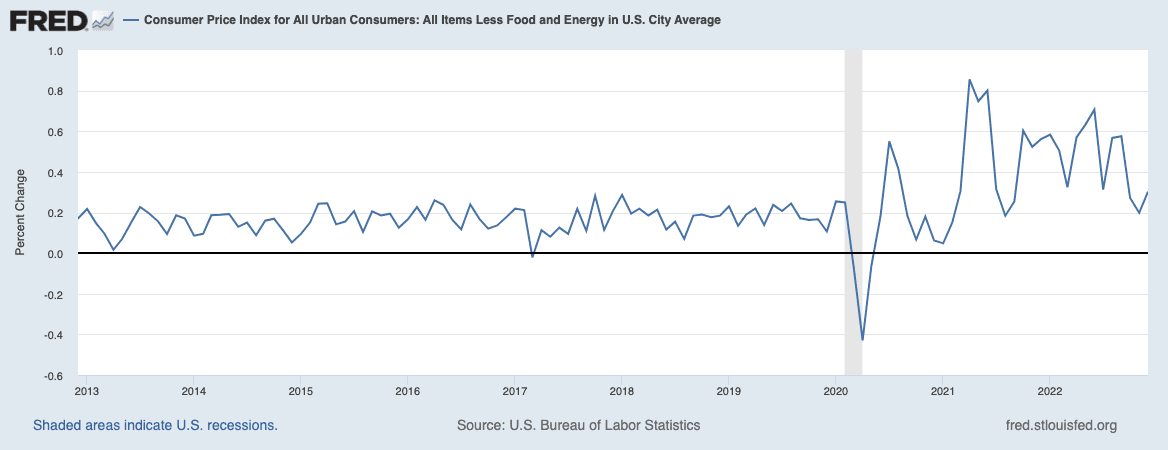


Source link

Which Charities Will Use Your Money Wisely? Read More »

How to Reach Financial Freedom in 2023

How to Reach Financial Freedom in 2023


Small multifamily investing is one of the easiest, fastest ways to find financial freedom. We’re not talking about any “get rich quick” promises or risky businesses—thousands of real estate investors have used small multifamily rental properties to live the life of their dreams. And today, we want to help you do the same. We’ve got our multifamily millionaire, Dave Meyer,  here to share the tools of the trade! Dave was able to reach financial independence in only a few years, thanks to a small portfolio of multifamily rental properties!

Even if you’re an absolute beginner in real estate, without any properties or experience, small multifamily can be one of the easiest ways to start investing. With low money down options, the ability to house hack, and big cash flow opportunities, any investor can start, or scale, a real estate portfolio with a duplex, triplex, or quadplex. And Dave will walk you through every step of the journey. From finding deals to analyzing them, financing them, and doing it again, this step-by-step process is simple to follow, and can be done in a matter of weeks or months!

So, if you’re ready to build a life you love, have the financial autonomy you’ve always dreamed of, and start investing today, hit play on this episode! And, if you’re interested in using the top-tier tools Dave shows in this video, sign up for BiggerPockets Pro today! Make sure you stick around until the end of this episode—Dave will be giving away a BIG discount with a bundle of bonuses!

David:
This is the BiggerPockets Podcast, show 694.

Dave:
I spend all day looking at different asset classes, looking at different types of investments, and I still believe, and to my core, I truly, truly believe that real estate offers the greatest chance to build long-term wealth out of any asset class. That includes crypto, that includes stock market because it is proven, millions of people have been using real estate to build wealth and to find financial freedom over the last several decades. I know it’s possible because I’ve lived it and I’ve seen thousands of people do it as well. And we’re going to talk about one of the best strategies for real estate investing that in my opinion, works in pretty much any type of market conditions.

David:
What’s going on everyone? This is David Greene, your host of the BiggerPockets Podcast, here today with a special episode. In today’s show, we will all be learning from Dave Meyer as he breaks down the fantastic system of investing in small, multifamily real estate to kickoff or supercharge your current portfolio. Now, if you haven’t heard much about multifamily real estate, you’re going to love it. This is probably the absolute best method that you can learn for finding cash flowing real estate. And Dave’s going to do more than just teach you about small multifamily. He’s actually going to walk you through how to analyze them, how to find the highest cash-on-cash return you could get, and how to use the BiggerPockets offers to start scale and manage that portfolio. You will understand the detailed process for finding, analyzing, and buying small multifamily properties to help you achieve your financial goals.
Now before we begin, Dave, today’s quick tip is I’m going to challenge you to ask yourself how could small multifamily fit into your current portfolio? For many people, this is where they get started because it’s probably the easiest and most forgiving asset class of all the ones that I know. Others get into this as house hacking because it’s one of the easiest and simplest ways to get a house hack and get in for very low money down. For other people that have maybe a short term rental portfolio, adding something like this to your portfolio can help mitigate some of the risk and kind of smooth out the fluctuations in revenue that you get when you’re a short term or a medium term rental investor. Same can be true of land flipping, wholesaling, other things that are a little more volatile. Small multifamily is a very solid foundation that can kind of act as a base if your portfolio is a little too acidic.
So ask yourself, how could small multifamily fit into what I’m doing and would this be something that would benefit me? And if you’re not house hacking, you definitely need to start here. All right, and one last thing before we bring in, Dave, if you guys decide that you’d like to become a BiggerPockets Pro member, which will help you analyze these properties, manage these properties, get you access to exclusive content and more, use the code multi. All you have to do is go to BiggerPockets.com/Pro, P-R-O, and type in the code multi to get 20% off your first year of an annual membership, as well as all the perks that I described and Dave will probably talk about a little bit later in the podcast as well. Those who do upgrade to a Pro membership using the code multi will not only get 20% off the first year of their annual membership, they will also get a free copy of the Multifamily Millionaire Volume 1, a book written by Brandon Turner that’s going to teach you even more about how to do this. All right, Dave, you’re on.

Dave:
Hey, everyone. Welcome to today’s webinar, How to Buy Small Multifamily Properties. My name’s Dave Meyer, I’m going to be your host today walking you through this really exciting webinar that’s going to help you figure out how to achieve financial freedom or really pursue any financial goals that you have through the power of real estate, specifically buying small multifamily properties. So welcome all of you for being here. This is a big step. If you’re new to real estate, congratulations on, even just attending is a big step in your journey towards financial freedom. So thank you all for coming. We’re going to have a lot of fun today, at least I think this is a lot of fun and I’m excited to share everything I’ve learned over my 12-year real estate investing career with all of you today. Before we jump into today’s topic, I do want to address the elephant in the room because this is something I hear about quite frequently and it’s something that’s worth addressing.
Can you still even invest in real estate today? I know that’s probably on a lot of your minds [inaudible 00:04:11] The answer though is yes, and I know that seems like a very definitive answer, but I spend all day looking at different asset classes, looking at different types of investments, and I still believe, and to my core, I truly, truly believe that real estate offers the greatest chance to build long-term wealth out of any asset class. That includes crypto, that includes stock market because it is proven, millions of people have been using real estate to build wealth and to find financial freedom over the last several decades, BiggerPockets has been helping literally hundreds of thousands, if not millions of people find financial freedom through real estate. I know it’s possible because I’ve lived it and I’ve seen thousands of people do it as well.
So the answer is yes, and we’re going to talk about one of the best strategies for real estate investing that in my opinion, works in pretty much any type of market conditions. So right now, now is the time to sharpen your acts, to learn the skills that you need to be a successful real estate investor. We’re going to talk all about this over the course of today’s webinar, but the things that you need to know are not hard. They require work, but all you need to do is learn a system. It’s just a process that has been proven that thousands of people have done before that you can learn. I’m going to teach it to you today that you can learn, apply to your own life and reach those financial goals that you’re looking for. So if you’re wondering exactly who belongs at this webinar, the answer I think is pretty much anyone.
But if you’re wondering if this is the right webinar for you, here are the four types of audiences that I think this webinar is perfectly suited for. First, if you don’t know anything about real estate investing and you’re just getting ready to dip your toe in the water, don’t know exactly what you want to do. Don’t know what strategy you’re considering. Today’s webinar is going to be perfect for you. Maybe you’re already looking to buy your first small multifamily investment, you know that this asset class is something that you’re interested in, but you just don’t know where to start. Great, we’re going to address that today. Third, maybe you’ve done single family deals or you have a primary residence that you’re thinking about renting out, or you already have rent [inaudible 00:06:21] you’ve heard about small rent, multifamily, you’re interested and now you want to learn more. We got something for you.
And lastly, if you’re already investing in multifamily, but you need a way to streamline your business, remember I just said this is all about processes. We’re going to talk a lot about processes that are going to help you scale your business and reach that financial goal that you are striving for. One thing of housekeeping, we do have a free worksheet for you to follow along. So go to BiggerPockets.com/MultiWorksheet that is completely free. It’s going to help you remember things that I talk about. We’re going to cover a lot of really important materials today, so you can write down everything, you can reference them back later. And personally, I find that when I write things down, I remember them better the first time. So that’s the idea behind this. You can go check that out. Again, BiggerPockets.com/MultiWorksheet, totally free. So go check that out.
What are we talking about today? I know we’ve talked a little bit about this already, but we’re talking about using specifically duplexes, triplexes, and fourplexes to find financial freedom and why just two, three or four units? That’s important. We’re going to talk about that later, but that’s what I consider small multifamily properties is something that is either a duplex, triplex or fourplex, and it is, in my opinion, the best way to get started pursuing that financial freedom, which is really what we’re here to talk about, right? We want to use duplexes, we want to use small multifamily to achieve something, right? No one wants to buy a duplex or a triplex just for the sake of buying it. I don’t think anyone growing up was like, “oh, I can’t wait to be a landlord.” What really motivates people and me, and why I think, I’m guessing why most of you are here today is because there’s something more.
There’s something more about your life that you want to pursue, and financial freedom is the key to unlocking that. And this is going to mean something different to all of us. To me, it’s a lot about travel. It’s about being able to go on adventures and spend time with my friends and family. To you, it might be about spending more time at a faith organization or giving back or whatever it is that you want to do. I don’t think it’s because you really just love owning property. It’s because what rental property investing specifically, small multifamily investing can unlock for you is so very powerful. It’s the freedom that we all yearn for personally, I believe it’s the freedom we all deserve. And so [inaudible 00:08:46] we’re going to talk about today, how to use these simple strategies and processes to get you to that financial freedom that you want.
We’re going to cover a lot today, so I won’t get into too much of this right now, but we’re going to go through gifts. I’ll tell you a little bit about myself and BiggerPockets and why I am qualified to lead this webinar right now. And then we’re going to get into the processes that you can follow to achieve the financial freedom, get to that unit count that you’re looking for, the passive income that you’re looking for. We’re going to get into all that today. We’re also going to give you some tools and we have a ton of bonuses to give away at the end of the webinar, so definitely stick around to the end because you’re going to want all of this free stuff that we’re giving away. Honestly, it’s worth hundreds if not thousands of dollars. So just for watching this webinar we’re giving it away. So you might as well check that out.
So at the end of the day, why you’re here is because you’re going to be, you’re going to understand by the end of this webinar the detailed process. Again, I’m going to talk a lot about that today. It’s about process and systems, the detailed process for finding, analyzing, and buying, of course, small multifamily properties to help you achieve your financial goals. I hope that sounds good to you guys because that to me is super motivating. All you have to do is learn a little bit of a process and you can be on your way to achieving your financial goals by the end, in the next hour, hour and 15 minutes. So, oh, we also have some bonuses before we jump into that. Again, like I said, we’re going to give those away at the end. So stick around to the end. We have a deal finding master class, we have a low money down class, we have discounts on some of our books and products, you’re going to want to check that out. So stick around to the end.
If you don’t know who BiggerPockets is and you just happen to be on this webinar or maybe you know us through the podcast and nothing else, BiggerPockets is a one stop shop for real estate investors. We have blogs, forums, you might be familiar with our podcast. It’s super popular. We have webinars and most of these tools honestly are free and they’re designed, all of them are designed to help you use real estate to pursue your own financial goals. I work full-time at BiggerPockets if you don’t know me, why I and my colleagues at BiggerPockets go to work every day, that is what motivates us is to help you find your financial freedom. Every employee at BiggerPockets pretty much is pursuing financial freedom through real estate. I am a success story of BiggerPockets and that’s why we’re so passionate about sharing our knowledge, processes with all of you.
Here are three things that at BiggerPockets we truly believe, and I think and I hope you internalize as we talk through this today. Number one, real estate works when you work it. This is not a get rich quick scheme. No matter what some people on Instagram or on YouTube might tell you, real estate is not a quick, get quick, oh wow, I can’t say that. It is not a get rich quick scheme and no one’s going to hand you passive income or financial freedom. If it was easy and it was that easy, everyone would do it. You have to put work into it. So that is one thing to remember. Real estate works when you work it. And the second thing we believe is that it’s actually pretty simple. So while it’s going to take some work, this is not complicated. There’s no calculus, there’s no difficult math here.
The systems I’m going to show you today are relatively simple. All you need to do is practice and get good at them and implement them and you’re going to be well on your way to financial freedom. Lastly, anyone can do this. This is something that we believe, but actually it’s more than something we believe. It’s something that we know because we’ve seen it so many times. BiggerPockets has been around for 18 years now. I’ve worked there for six-and-a-half and I’ve seen thousands of people who knew nothing about real estate, just like you might be feeling right now. Maybe you are experienced, but people who have started from no knowledge of real estate and have come out financially free. So we know that everyone here can do this. About me and why I’m here leading this. My name is Dave Meyer. I’ve been a real estate investor for 12 years.
I started when I was 23 years old right out of college. About six years ago, I was really interested in working full time in real estate. I had been working in software, got a job at BiggerPockets. I’ve had a bunch of different roles there. But now I am the vice president of data and analytics. I do have a master’s degree in business analytics, so that makes sense. And I do all sorts of things at BiggerPockets. I do internal data. But on top of that, the thing that I’m super passionate about in addition to educating people on webinars is I’m the host of our newest podcasts called On The Market where we give out all sorts of information about data, trends and news that impact the world of real estate investing. So you should definitely check that out. It’s super cool. You can find on Apple, Spotify, YouTube, any of that.
I also, if you haven’t figured out already, I’m sort of into data and analysis and deal analysis, which we’ll talk about in a little bit. So I have a new book with J Scott on deal analysis and most importantly, I was once a newbie to real estate investing just like you. It was 12 years ago. I had no idea what I was doing, but I got into small multifamily investing right off the bat and it has been absolutely life changing. Want to share that all with you today. Also, if you follow me on Instagram, you probably know that I am a sandwich enthusiast. You can follow me on Instagram where I’m giving out data about real estate investing, about personal finance, about the economy all the time. You can find me at the data deli. All right, in addition to all those things I just said, mostly I’m a real estate investor.
That’s what I’m super passionate about and that’s why I’m here today. My first deal was actually a small multifamily. This is why this topic of this webinar so near and dear to my heart is because this changed my life and I know that it can change yours as well. And I’m super excited to share this with you. I bought this property. This is the actual property I bought in Denver. Man, the grass looks pretty bad. I took this picture when I was relandscaping, but it looked better, I swear, when I was actually done with this project. But it was four units in Denver, Colorado and I did actually sell it a couple years ago, but before I did I was generating 2,500 bucks a month in cashflow, which is incredible. The only reason I sold it is because I had a bunch of partners on this deal, which we’re going to talk about in a little bit and we were just ready to part ways.
It actually worked out really great for everyone. But that’s how I got started. My second deal was also a small multifamily. I house hacked in this one. So if you see those three small windows on the second floor there, I lived there for several years while being the landlord taking care of this property and it was actually just down the block from this other one that I was just showing you. They’re one block apart. So I was able to manage all seven of those units while I was working at BiggerPockets in grad school. It was an amazing learning experience. Still own this one and it is generating about 2,500 bucks a month in cashflow, which is a ton of money. So hopefully you can see that these small multifamilies, just seven units, if I had kept the other one generating $5,000 a month in cashflow, I know everyone out there would be excited to have that level of cashflow.
Of course this takes time, this takes effort, but I just want to show you that it doesn’t take that much to get to financial freedom if you find the right deals and you learn the right process. Wow, I got ahead of myself. So it doesn’t take that many small multifamily properties to achieve financial freedom. That is entirely what I want to convey right now is that did those seven units get me to financial freedom? Not exactly. $5,000 a month is not exactly where I want to get to, but I quit my job in 2014. I was trying to figure out what to do and it allowed me to go on a trip and to figure out what I wanted to do. It actually paid for my graduate school. I got all of my graduate school paid while I was going through because of these properties.
It allows me to take risk and because I learned the systems that I was doing over time, it has allowed me to actually achieve financial freedom, not just these two properties, but over time it has gotten me there. It just takes the right properties, just takes the right properties and systems. And one other thing, time, it does take time. You’re going to have to invest some effort into this. You’re not going to get 50 units in small multifamilies in your first year, but if you put in effort over the next couple of years, you definitely could get there. So let’s just talk for a minute about why specifically small multifamily properties are such a powerful wealth building tool. First reason is cashflow. Listen, multifamily properties are built for investors. No developer builds a multifamily specifically for someone’s dream home. That’s typically not, at least in the US, what someone’s dream home is, these are meant for investors and they are meant as investments.
So they are designed to generate more cashflow and they generally do. So I think multifamily, if you’re a cashflow investor as a lot of people are, especially in the beginning, you probably want to be, multifamily is a great, great way to generate cashflow. They tend to generate better cashflow numbers than single families. Second, and this is super, super important, is residential financing. So at the top of the show I mentioned that we are specifically talking about duplexes, triplexes and quadplexes. And this residential financing piece is exactly why. If you buy something that is four units or less, it is considered a residential property and you can get a residential loan. This means that you’re going to maybe be able to put down less money. It means you’re going to get a better interest rate, which means your properties are cheaper and it is going to be a whole lot easier on you just in general to get a loan.
You’re probably not going to have a balloon payment at the end of your property. So there’s all sorts of reasons. This is super beneficial, especially just when you’re getting started, but you can basically get a regular mortgage. Third, there is just less competition and recently the market has been relatively competitive and so you see more competition in areas where there are more buyers. 80% of homes that are bought are just by people looking for shelter, looking for their home. And so single family homes have by far the most competition. Small multifamilies, less competition because it’s people like you and me, it’s investors who are looking for that. On the other side, you also have competition for the big properties, BlackRock. These private equity firms or even just regular syndicators you find on BiggerPockets are all competing for these 30, 50, 100 unit deals. But the small multifamily is a perfect niche for people who are getting started where there is not as much competition as in the single family space or in the large commercial space.
Lastly, house hacking. I absolutely love house hacking. I did it for several years. If you don’t know what this means, it just means that you live in a property that you’re also renting out. So in the context of small multifamilies, you can buy a duplex and rent out the other side or you can do what I did, rent out a triplex, live in one and rent out two others. Or you can do it in a quad as well. And the reason I love this is one again, residential financing. You can get owner occupant financing if you are house hacking, which in some cases means you can put as little as 3.5% down on an FHA loan. We’ll talk about that more in just a minute. But it also lowers your interest rate. Owner occupants loans get lower interest rates, which is super important. So these are four reasons that I think small multifamily are so valuable.
You get more cashflow, you get better loans, there’s less competition and you are going to learn a lot. That’s actually one thing I meant to mention about house hacking that I love is that if you live on the property, you are going to learn so, so much about property management that it’s going to help you for the rest of your investing career. Even if you want to hire a property manager in the future, you’re still going to get so much out of living in that property and being the property manager, even if just for a year or two that you are going to be such a better real estate investor for the rest of your career. I think it’s super, super valuable. So hopefully I’ve convinced you that this is a great asset class. I personally love small multifamily. It’s still probably the thing I try to invest in most.
So how can these small multifamily duplexes, triplexes and quads give you financial freedom? Well, ask yourself, what is financial freedom? It’s different for everyone, but what do you actually need to pay your bills? What do you actually need to be financially free in the most basic sense to pay all of your bills? Is it 5,000? [inaudible 00:21:20] I think that’s a pretty good number, I think for most people. For me it was about 5,000. I said I’m not financially free of 5,000 because I want more than just paying my bills. But just think about this is the level one financial freedom to get to the point where you can pay all of your bills with passive income. If you could get just a $100 in cashflow per unit, which really isn’t that good, all you would need is 50 units. And I know that sounds like a lot, but once you learn a system, it’s really not that much.
What about if you could generate $200 a unit, then all you need is 25. If you’re buying quads or you’re buying fours, that’s only six or seven different properties. If you buy one a year that gets $200 per unit, then you’re financially free. And if you’re thinking, I want to do it faster than five or seven years, I understand you can try and do that, but think about how different your life would be even just going slowly and conservatively starting right now. If you put in a dedicated effort for five to seven years, just 200 bucks per unit, that’s not even that hard. You can get to financial freedom and is really not that challenging. And the thing that I think is really important about these small multifamilies is it’s actually a stepping stone to get to an even more important and more powerful wealth building tool, which is large multifamily investments.
I invest in large multifamily properties right now, not as an operator but as an investor. So a lot of people go and buy 300 units and they need investors and I invest a lot of these, but I learned how to underwrite these deals and I learned how to pick good deals because I understand how property management works. I understand what dealing with tenants in multifamilies is like and if you want to either be an LP in syndications like I am or maybe you want to buy and actually operate these ones, learning the ropes on these small multifamilies is an incredibly, it’s a lower risk and easier way to get into this line of investing and to learn as much as possible. If someone came to me and was like, “Hey, I want to, I’m buying a 100 units, will you invest? I never bought a multifamily deal.” I’m probably not going to do that.
But if someone came to me and said, “Hey, I’ve been investing in small multifamilies for the last five years and now I’m ready to take the jump to a 50 unit.” I would listen. I would listen to that person because they have learned over time how to make their systems work. And that’s what I as an investor really care about. So one question I get often when talking about these things is where do you actually find these deals, right? Because deals are always hard to come by. That’s makes sense, right? Because all the good ones, the obvious ones are going to get snapped up. So as an investor you might need to put in a little bit of work, but we can talk about this. There are plenty of places to find deals. Every experienced investor I know is still finding deals right now in any type of environment.
So the first one I know is going to be controversial, but the MLS, you can find deals on the MLS. It is a 100% true. So many people overlook the power of just getting a real estate agent. I talk to investors and they’re like, “oh, there are no deals on the MLS.” I’m like, “well, have you talked to an agent?” And they’ll say, “no, but I heard that there’s no deals.” What are you doing? You got to actually go and try before you can make that determination. So you can find a good investor-friendly agent who understands what you’re looking for. On BiggerPockets, that’s completely for free, BiggerPockets.com/agent or ask people in your community for a good investor friendly agent. But the trick is to find an agent that really understands investing. Ideally someone who invests themself.
So I understand some of you might be early agents and you might not like what I’m about to say, but if you’re a new investor, you’re trying to learn your market, find an investor who is experienced, find one who is responsive, find someone who, when you ask the question, where would you invest, has a thoughtful answer that’s not just like, “oh, anywhere in Denver is good.” You don’t want to hear that. You want to know the details about what neighborhoods are seeing, infrastructure investment or where rents are going up the fastest.
You want to look for those tidbits of information with an agent and they are likely to be able to help you find a deal even on the MLS is a 100% true. The second trick I have for the MLS is look for value add opportunity. So one thing I really like to do is look for zoning favorability. So for example, maybe you find a single family home that can be turned into a small multifamily or maybe you find a duplex that has a basement that’s unfinished and you can turn it into a triplex. Those types of things, you have to look at the zoning, are really huge opportunities for investors and most people are too lazy to figure that out.
So that’s something I love to do. You can also just look for opportunities where maybe it’s a duplex and there’s again an unfinished basement and you can add a third bedroom or fourth bedroom that’s going to increase your rent and make it a better deal. So look for those hidden potential opportunities. Most people, again, most people who are looking on the MLS are not thinking about this as an investment. They’re thinking about it as their primary home. You have to think about it as an investor and find those hidden opportunities. If you can’t find something on the MLS, which might be true for some people, you can go off market. Driving for deals is probably the best way to go off market. I’ve done this successfully in the past and basically what it means is going around a neighborhood and finding all the properties that you would like to buy and then you just contact the owners and see if they’re willing to sell it.
This is a numbers game. If you send out a 1000 letters or if you call a 1000 potential sellers, you might get 20 of them to respond to you. Maybe 5 of them will entertain an offer that you can analyze and maybe you’ll close on 1, but you’ll probably get a really good deal because again, real estate works when you work it. And so if you put in the work, you’re likely to find better deals. So just an example of how this works. A couple years ago I went to this community planning meeting. Those are great ways to find out what’s happening in a city by the way. Went to this community planning meeting, found out that a park was being built in a neighborhood. I already was kind of interested [inaudible 00:27:29] They were shutting down the street, turning into this amazing park and I was like, “man, I got to get in that neighborhood.”
So I biked around. I like to bike for dollars because I just, I like biking first of all, but I think you go slower. You get to get the sense of the neighborhood a little better. So I wrote down a bunch of properties that I was interested. I wound up calling a few people, got someone to accept an offer, and I actually wound up living in that house for three years while the park was under construction. No one wanted to live there on the construction. I was willing to live there, saw the value go through the roof. Now I’m renting it out, making great cashflow and the equity in that property has gone up a ton. But if I had just waited until the park was done and someone was willing to sell and it was obvious I would’ve paid like 200 grand more for that property.
So this is just an example of if you put in that extra work, you’re going to be able to find deals. Another trick that Brandon Turner actually talks about that I think is a really good trick is going on Craigslist and Facebook and find out who is listing properties in your neighborhood and contact them. Those are the property owners. If there’s someone with a duplex who is listing both sides or just one, just go see if they’re willing to sell. And you have to be professional about it. You have to know your numbers, which we’re going to talk about a little bit, but you can approach these potential sellers and see if they’re ready to sell their property. It’s another great way to find deals. We also have a marketplace on BiggerPockets completely for free. People are posting off market and on market deals there, so you can go check that out.
And direct mail, which is similar to driving for deals. It’s basically you find the owner of a property and send them pieces of mail. There’s a website called DealMachine. I’m not affiliated with them at all, but it’s a super useful tool. I also have this tool called ListSource. Again, not affiliated with them and just want to show you how this works. But basically you can build a list of potential owners. So if you wanted to pick a geography, you could say like, let’s say we want to just look at area code and we wanted to just look at Colorado for example. I don’t know, 303, that’s the Denver area code. So we just wanted anyone who has that 303, you can look at the type of property that it is, you can check which mortgages. So maybe you just want people who own for cash if you’re looking for seller financing, that’s a really good way to do it.
Or you can look at the demographics of the area. You can see if anything’s in foreclosure. So you just build a list like this. I’m not going to actually go through it right now. This is not the main point of this webinar, but you can go through, build a list, you have to purchase this. So I’m not going to actually do it right now, but then you just mail these people. You can say, “I want every duplex, every triplex, every quadplex in Denver. I’m going to send every single one of them a piece of mail.” And again, this is a [inaudible 00:30:20] You’re not going to get a lot of letters back, but you can find great deals that way. So now that we’ve talked about the first step of the process, which is finding the deal, then we have to talk about how do you finance that.
So just as an overview, we’re going to talk about finding the deal, financing the deal, then analyzing the deal. Those are the three steps that you need to be able to do. So we’ve talked about the first one. Let’s talk about financing a duplex, triplex or fourplex. The first one I’ve already talked about a little bit, which is an FHA loan. This is an opportunity to put as little as 3.5% down, but it is an owner-occupied loan. So you have to live in the property for at least a year. But think about that. You can get a quadplex, you could buy four units and put as little as 3.5% down. This is traditionally done as a house hack, right? Because you have to be living in a property. And so this is an extremely, extremely good way for people who don’t have a lot of capital to put into their first deal to get into small multifamily investing.
Highly recommend looking into an FHA loan. Second is conventional. This is when you put down, it’s just a regular mortgage, right? You put down 20%. Normally when you’re an investor, if you’re not going to live in the property, you have to put down 25 or maybe 30% on a loan. But again, it is still a residential loan and you’re going to get a pretty good interest rate and pretty good terms, no balloon payments or anything like that, and a conventional mortgage. So that’s really good. Next, partnerships. I love partnerships and people overlook this all the time. Everyone wants to own a 100% of their first deal. But I got to tell you something, most investors do not get started that way. And a lot of the experienced investors still look for partnerships on many or even all of their deals. I’ll tell you [inaudible 00:32:08] my first deal, I showed you that quadplex.
I was waiting tables. I had no money. Literally all the money I had was in my bedside table and I found a deal and I found a great deal that was going to cashflow and I convinced three other people to go in on it with me. So we were each going to put in a quarter of the down payment, but I didn’t have that. It was like $26,000. I did not have anywhere, I didn’t have $2,600. So there was no way I was going to be able to do that. Luckily, I brought on even one more partner and I got a family member to lend me that $26,000 with 6% interest. So it was another loan I had to pay off, but that got me into my first deal. And sure, yeah, I would love to have owned a 100% of that deal. I’d probably still own that, be making 2,500 bucks a month.
But it got me into real estate. It made me a ton of money by the way. It got me into real estate. I learned the ropes and I think it is such a valuable tool of partnerships. Still today I do most of my deals with partnerships. So don’t overlook this. If you need help getting into your first deal, find someone who is willing to put in the money and you’re willing to put in the time. Next is seller financing. This is when someone who owns a property free and clear, they don’t have any mortgage or loan against it is willing to sell you the property. But instead of getting a lump sum, they’re willing to take monthly payments in exchange for the property. So think of it as like if you were to sell your uncle your car and you owned the car free and clear, you didn’t have a loan against it and your uncle said, “I don’t have the 10 grand for this car, but I’ll pay you a 1000 bucks a month with some interest.”
You say, “okay, that’s pretty good.” So that’s basically what it is. He would get the deed to the car, he would own the car, but if he stopped making payments, there’s recourse for me to get it back. That’s the exact same thing with seller financing. And if you’re wondering why someone would do that, it’s because they want passive income just like you or me. Imagine you’re in your 50s, 60s, 70s, getting ready to retire, and you own this property for 30 years. You don’t need to own it, you’re not going to live there anymore. You’re ready to move, but you want some income every single month. So maybe you sell it to an investor and say, “send me a check for a 1000 bucks. Send me a check for 2000 bucks every single month with some interest on it and you can have this property.” So that’s a great way, again, if you don’t have a lot of cash to get into these types of deals.
The last is BRRRR investing. There’s so much information about BRRRR. Actually, one of the discounts and giveaways we have today, if you wind up going Pro today, we have a discount for that too. Is a class on BRRRR investing. I won’t get too much into it, but what BRRRR means is basically it’s like flipping a house, but instead of at the end of the renovation selling it, you just keep it and rent it out. So you find a fixer upper, you fix it up, you rent it out for a higher price, and then you refinance, which allows you to pull your money out of that deal and then recycle it into another one. So say you only had a 100 grand, that’s a lot of money, but say you had a 100 grand and you want to build this huge portfolio. You can buy one property, invest that money into it, rehab it, get that cashflow going, and then you can refinance and take out some of that money and put it into your next deal.
It’s a way of just keep using the same amount of money time and time again to get into that deal. If you want to learn more about that on BiggerPockets, we have books, we have all sorts of information about BRRRR that you can check out. But another really good way, if you don’t have a ton of capital and want to build a 50 unit, a 100 unit portfolio, that you can start doing that. So that’s step two of the process. So hopefully right now you already understand what you’re, you have some idea, right, of how you are going to get leads, like how are you going to find properties? Are you going to find an agent? Are you going to drive for dollars? Are you going to go on Facebook? You could do all three of those, but you need to have deal flow coming in so that you’re looking at a lot of properties.
Next. By now, you should have at least some idea of how you’re going to finance this. So maybe you’re thinking, “oh, I’m going to house hack, so an FHA loan could be a great option for me,” or “I don’t have money. I’m going to look for a partner who’s going to help me with my down payment. And then we’re going to get a conventional mortgage.” You don’t have to have it all figured out right now. You just have to have an idea of what you want to do to get to the next step. And the next step to me is the most important. Obviously I’m a data analyst, so I think it’s the most important, but pretty much every real estate investor agrees that deal analysis is the single most important part of being a real estate investor. After all, you have to be able to run the numbers and know when a deal is good so you can take advantage of good opportunities.
And you have to know when a deal is bad, maybe even more important so you don’t waste your money on opportunities that are not so good. So that brings up the question, how do you actually do this? How do you analyze a duplex, triplex or fourplex? Well, it’s got to be super complicated, right? We [inaudible 00:37:08] do this by hand. So I went to graduate school to get a master’s degree. And only by doing that am I able to analyze small multifamily properties. I learned all these complex techniques and it takes hours to do every time. I’m completely kidding, by the way, that is absolutely not true. I don’t need any training at all because there are tools that help you do this. Everything is already been done before, guys. We’re not reinventing the wheel. There are analysis tools that are going to help you know and honestly, in five minutes or less, whether a deal is good or not.
And I know that sounds crazy and at first it’s going to take you longer. It might take you 30 minutes on your first analysis, then 25, then 20. But by the time you’ve run, let’s say 25, maybe 30 deals, you’re going to be doing this under five minutes. I promise you it is super easy. BiggerPockets has these tools that are called our real estate investment calculators that are going to help you do this. And I am actually going to do this today. We’re going to walk through a deal. I’m going to go find one on the internet and we’re going to do the analysis right here and show you exactly how this is done. And listen, this is the most empowering part of real estate investing. If you learn to be able to say, “I know for sure that this is a good deal or this is not a good deal.”
All the fear that you’re feeling or you might be feeling, I should say, is going to dissipate because you will know the math behind each of these deals. And I just want to show you that I have been running deals constantly. I use this every day. Look at all these deals that I’ve been using. This is actually my tool of preference, even though I know how to do this by hand. I do know how to do this by hand, but I don’t because I don’t need to. I have a BiggerPockets Pro account and I can run as many calculator reports as I want. Okay, with that, let’s get to the deal analysis. We’re actually just going to jump right into this and I’m going to find a deal on BiggerPockets.com and we’re going to just walk through how to use the BiggerPockets calculator. And I’m going to just switch my screens here.
And while I’m doing that, I just want to make sure that you guys understand or I want to share, I should say, that I find that deal analysis and running these numbers is the most empowering part of real estate investing because it allows you to see that there are formulas, there is math behind each deal that tells you with a pretty high degree of confidence whether you’re going to make money, how much you’re going to make. And you get to see the whole deal right in front of you. And of course you have to put in good numbers and we’re going to talk all about that right now. But if you put in the right numbers and you use a tool like the calculator, it takes a lot of the fear. It takes a lot of the risk out of it. So I’m excited to show you guys this. All right, so I’m just coming here to the BiggerPockets, find a deal tab.
I click on real estate listings and it brings up all these listings. And I’m going to go and sort by property types since we’re talking about, we can do duplex. Let’s look for a quadplex. That’ll be fun. Let’s do a bigger one. My first deal is a quadplex. So we’ll talk about quadplex. All right. Ooh, this one looks nice right here. 400 for a quadplex. It looks like they’re all two bed, one bath in Des Moines. All right. I mean, that seems like a good one, but now I just want, now I love just scrolling. So now I’m going to just scroll and look at everything, but we have a limited amount of time, so I’m just going to do this. Let’s just do this Des Moines, Iowa one. Let’s go see what we have to say. So it tells us, this is great. It actually tells us the current rent, each of these at 850.
We can see what the cash-on-cash return is, but we’re going to run the numbers ourselves to see what’s really going on here. There’s actually some pictures, which is nice. All right, looks like [inaudible 00:40:51] a little bit of work, but yeah, that carpet, whoa, big stain. All right, I like it. This is the kind of deal we kind of like, right? I mean opportunity to add value. That’s always what a real estate investor is looking for. So I’m going to quickly just actually screenshot this so that I have, oops, let me just do that again so I can put this into our calculator report. So now that I got our deal, I’m just going to copy and paste the address here because that’s the first step we’re going to do. So then we come over here to our rental property calculator. You get the point of what I’m doing here.
So that was what I was doing yesterday. So I’m just going to put this image here just so we have something. You can add as many images as you want. So if you want to keep track of the properties that you’re analyzing, which you should, I’m not going to do that now because I don’t want to run out of time as you can do that. So that’s it. Just put it in property information, put in image. And now next we’re moving on to purchase. So what was the purchase price here? One, let’s just round up. We’ll say that, let’s just assume that we can get it, again, for purchase price. Guys, I’m not doing a full analysis here. I want to show you how to do this. So if you have different assumptions and you’re saying, “oh, I think I can buy that for 5% over asking,” you can go do that after this.
My whole point is just to show you how this calculator works and the value that it provides. So I’m going to just assume we can get this for the purchase price. Closing costs, uhoh, right? We don’t know what this is going to cost, right? Well, luckily, BiggerPockets has built in all these help tools that are going to help you analyze a deal. So I won’t make you read all of this, but it says if unsure, 1.5% of the purchase price is a good number to begin with. So let’s just use that. 1.5% of this would be about 2,400 bucks. Let’s just round up, let’s just say 2,500 bucks for closing costs. Again, the way to actually know this is to go and talk to a lender. Because we just talked about step two of the process is learning about financing, talking to a lender, no cost way to learn this stuff.
Let’s just say that we’re going to rehab this property a little bit. It actually looks like it’s in pretty good shape, but let’s say that rather than 165, let’s say we could get it up to 190. Let’s say we can add a little forced appreciation to this baby, another 25 grand. And let’s say that’s going to cost us, I don’t know, 1250, let’s just say that, well, not 125,000, $12,500. So I’m making this up guys. I just want to show you that all the things that you can do, but this probably makes sense. If you put about $12,000 into this, you probably could increase the value of the property a lot. And that’s what we’re going to do next. Let’s go to our loan detail. So again, if you want to do a house hack, you can put as little as 3.5% down. You can learn more about what to put in this.
Maybe you’re making a cash purchase, but for me as an investor, I typically put 25 or 30% down. So I’m just going to put 25% down. Right now, I’m going to say the interest rate is about 5.5% and I’m going to say points charged as zero and my loan term is 30. I love [inaudible 00:43:58] a 30-year fixed rate mortgage. If you can lock in an interest rate, no worries about it. I absolutely love doing that. There are good times to get an adjustable rate mortgage. Not going to talk too much about that today, but I love that. So I’m going to just assume this is a 30-year fixed rate mortgage with 25% down. So I know I’m cruising through this everyone, but this is how easy it is. This is why it takes me five minutes, and I know you’ll have to think about this a little more than I am, but check this out.
All I’ve put in is an address which I copy and pasted. Same with this purchase price. I used an estimate for closing costs, ARV and repair costs, and now I’m just putting into basic loan information that you can find on the internet in like five minutes. So next we’re going to get to income. And this one actually is a little bit trickier. And what we need to do is figure out what this can rent for. And if you are a BiggerPockets Pro member, which I am going to give you a code to a discount and it’s amazing value, honestly, it’s crazy what we’re giving away. You can get this tool that estimates rent for you. So I’m just going to do this. This was in Milwaukee, so I just come over here. It’s under the tool section. You go tools, rent estimator.
So I just type in the address again and it asks me, what it is, remember, so is the three one, yeah, six two. So there are three ones. So I’m going to search for this address. [inaudible 00:45:18] Awesome. So now we can see that the median rent in this area is 900 bucks a month. Confidence here is high. It’s not very high. So sometimes it is very high. So there is a shadow of doubt here. But the amazing thing about this tool is that it shows you the distribution of rents. So you can see that a lot, the median here and the mode is probably around 944. We also see the distribution that some people skew higher. If you want to actually look at some of the listings, you can see all the things that are going on down here. So over here we’re seeing things that are 950, [inaudible 00:45:54] 1195, 1095. So actually when I’m looking at these comps, I’m starting to think maybe I can get more than 900.
A lot of these things look a three one for 1055, a three one for 1150, a three one for 1050. So using this 900 a month is a pretty modest conservative estimate and I like that personally. I am a conservative investor, especially in a market I don’t know, I’m not super familiar with Milwaukee, so I’m going to be conservative and say 900 bucks a month for each. So that is 1800 bucks aside. So hopefully you see how useful this tool is. If you are analyzing a lot of deals as you should be and you want to figure out what rent is. All you need to do, you type in information and it tells you with a high degree of confidence that this is going to rent for roughly 900 bucks a month. And if you buy this deal or you’re ready to buy a deal, you might want to call some property managers in the area, just go on Craigslist, see what things are renting in that area just to double check.
But for your deal analysis for trying to whittle down your funnel, this is an incredible tool that will help you. So let’s just say 1800 bucks, which is exactly what we think it’s going to be. Next we have expenses. So property taxes, I think I saw that it was about 3,500 in this area and insurance 200. So these are things that I just know you can look at the property tax on any one of them. And then insurance, insurance is kind of one of the harder ones to figure out. You can’t just Google what the average insurance is in your neighborhood and that can be super helpful. So let’s actually just do that. Let’s just do average homeowners insurance Milwaukee, let’s see what we got.
Okay, the average cost of homeowner insurance is about 1370, but that’s probably for a single family. So I’m actually going to double this for the duplex and make it 2740. That’s doubling it. So I’m going to just do 2740 here for the annual insurance. If you want to talk to an insurance broker, of course you can do that. You’ll get better at this. So repairs and maintenance, I like to say about 8% for repairs and maintenance. 150 a month, that seems about right. Vacancy, I do a 5% vacancy. Vacancy rates right now are at all time lows. So I think this is conservative, but important to be conservative in my mind, especially when you’re first getting started, you don’t want to get into a bad deal for your first deal or really anytime. And I think that really comes down to being conservative when you’re underwriting and analyzing your deals.
Capital expenditures is another one that people really struggle with. I like to put about 8 to 10%. Let’s just put 8% here as well. Again, you can make up your own. It depends on what the property is, but what capital expenditure is it’s like repairs and maintenance, but it’s for the big thing. So think about every 20 to 30 years you’re going to need a new roof or you’re going to need a new boiler or a water heater or maybe you want to renovate the whole thing. Capital expenditures is basically saving up for those big expenses. And the reason we keep it separate is one, because you want to probably keep it in a reserve account [inaudible 00:49:00] not take it out and use it for something else, you want to save it. So when you have those big expenses, you have some capital there. And two, the IRS actually treats capital expenditures more favorably and so you want to keep track of that stuff.
So I’m going to put 8% there. So totals for repair, maintenance, capital expenditures, about 15% total. You might want to do more, you might want to do less, I don’t know. Management fees, I’m going to put at zero because I want to encourage you all to self-manage your first deals. I think it’s super important. I know this is a big debate in real estate investing, but I personally believe that self-managing for the first couple of deals is super important because you learn so much. Once you’ve done it for a year or two, pass it off to a property manager, you’re better off spending your time looking for deals, building systems like we’re talking about. But at the beginning I think it’s super important and will help with your cashflow as well. Next we have to talk about utilities. And utilities is something personally I like to pass on to the tenants and that’s not possible with every property.
It’s not possible in every city, but in most places it is. If they’re metered separately for electricity and gas and water, you can actually do that. And I highly encourage you to do this. It’s better for everyone. You don’t have to guess what their usage is going to be and tenants just pay for what they actually use, which seems like the fairest system to me and it’s not a headache for you as a landlord. So I encourage that. And when I underwrite my deals knowing that I’m going to do that, I usually put zero for electricity and gas. Water, I’m going to just put 25% because you usually have to pay a sewer fee as the owner. HOA, I personally hate HOAs. I know some people are not as afraid of them, but I don’t like to invest in deals where there are HOAs. In fact, with my single family or short term rental that I have, I specifically look for unincorporated towns, there’s no HOA and that’s worked out great.
So I’m not a huge fan. Some people are, but that’s just me. So I’m going to do nothing. And then garbage, you probably pay for, let’s just say it’s 25 bucks a month. So that’s it. That is all we need to do. We have now put in everything we need to do as an investor to analyze a deal. And I know I went quickly, but I got to tell you, if I was doing this by myself and wasn’t explaining this, I would’ve done this in a third of the time. I probably would do it in four minutes. And that’s super important, not because it’s a speed game, but when you get a lot of deal flow coming in, which you need to do, you need to be talking to an agent, you need to be driving for dollars, those type of things.
You might look at 5, 10 deals a week and you want to be able to do this relatively quickly. So that’s important here. Okay, let’s look at this deal. So if we did this deal, we’d be getting $150 a month, not bad. Cash-on-cash return of 3%, which I know a lot of people are thinking, “oh, that’s not so good.” But personally I actually target 3 to 5% cash-on-cash return as long as it’s in a high appreciation area. Some people look for 8. I know Brandon looks for 8, so this one might work for me, might not work for Brandon, but that’s actually not the end of this analysis. I’m glad this came out right here because one thing I want to stress to you, especially when you’re looking at these types of deals is there is a number at which any property works.
And so with the inputs that we have used so far, it’s a 3.12% cash-on-cash return. For me, I might consider doing that. For you, you might not. That’s okay. But you can also do something really cool here on the BiggerPockets calculators, which is you can adjust your expectations. So let’s say that instead of that 900 bucks a month, which is I think pretty conservative given the comps we looked at, let’s just say that it was a 1000 bucks a month. That’s not so different. We saw a lot of places that were getting a 1000 bucks a month or we’ll just do 1980 here. What about now? Okay, now it’s a 6.2% return. So this is the time where you go and call a property manager and figure out how do I get those $900 rents to a $1000 rents because then I can do this deal.
Or maybe we made some just sort of off the cuff assumptions about this, that if we put in $12,500 we can increase rent. Maybe that actually gets us, we saw a couple places that were 1050 remember. Maybe we want to get up to the 1050 range if we increase this. Now we’re at 8%. All of a sudden Brandon’s buying this deal. So my point here is one, BiggerPockets calculators are super helpful because you can adjust your expectations. Maybe instead of raising rent, you just want to lower the purchase price. Maybe you’re like, “okay, I can live with that cash-on-cash return, but I actually think this is worth 155 instead of 165. Okay, now it’s a 7.5%.” If you’re trying to do this by hand, this would take forever. I know how to do this by hand and it would take a long time to make all these adjustments.
This is what’s so great about the BiggerPockets calculator and all of a sudden I’m really liking this deal, 20% annualized return, which to me is what I really care about. I like cashflow, but I care more about the total annualized return. 20%, sign me up for that. That’s not even with a lot of appreciation. So hopefully you could see why this is so helpful. In addition to just cashflow and annualized return, we also get all sorts of information here about how our expenses break down, what our NOI is, cap rates, super expenses, important stuff. And I think this to me is what I really pay attention to is what the long term outlook is. I am inherently a long term buy and hold investor. And so when I see things like a five year, 20% annualized return, sign me up. Honestly, I just picked a random deal off the internet, but sign me up for 20% annualized return.
Just so you know, the stock market return is about 7, 8, 9% per year. So that is almost triple that. And you are doing this just on a random deal that I just found off the internet. Before we break out of this, I just want to show you a couple more features of the calculators that are super helpful. If you just hit this share button, you can enable report sharing and post your deal to the BiggerPockets forum and get free input and feedback about your deal from investors on BiggerPockets completely for free. So if you’re brand new and you’re wondering, you want someone to help you check your numbers, check your deal, just go do this, you can hide the address so no one can go steal it from you. Although I don’t think people in the BiggerPockets community would do that, but you can go do that.
You could also generate a PDF, which I think is super, super important here and something that people should be doing, which is generating a PDF so that if you want to go find a partner, right? When I first found a partner, I was like, “Hey, I have this deal, I think it’s going to be good.” And people are like, “what are you talking about? How much money am I going to make? What is the risk?” And if I had this tool, it would’ve been so much more helpful. So if you’re going to go out and raise money for a deal, bring them this spreadsheet that has all this information about what returns that they can expect, what assumptions you made in your underwriting. It will show them how much money and what type and quality of investment it can make and that’s going to help convince them if it’s a good deal to invest in your deal.
Same thing goes for financing. If you go to a bank and you want financing, bringing this type of information is going to be helpful to you. The last thing is maybe your significant other is not on board or partner or someone who you want to convince. This type of professional, visually appealing analysis that breaks down step by step, how good or hopefully good your deal is going to be really helpful to you in your investing career. Okay, so that is the BiggerPockets calculator and the third step in the process. So we talked about finding deals, we’ve talked about financing deals and now we’ve talked about analyzing deals. Listen everyone, if you are here, if you can do this, just those three things, you are going to achieve financial freedom, I promise you. Find deals, finance them, analyze them, that’s all you need to do. I know it sounds complicated, but that’s it.
So now let’s move on to the dangers to watch out for. Real estate investing just like any type of investing does come with risks, so let’s cover them. So you just are really clear about what you might be getting yourself into and how to avoid some of the risks if you are able to. Number one, condition and location. This is a common one. People look for really cheap properties and assume that they are going to cashflow and appreciate like expensive properties. I’m sorry, but that is not how it works. You get what you pay for. So if you look for properties in good condition, in good locations, they’re going to cashflow better than the other ones. They’re also going to be less headache in my opinion. I personally look for properties that are in good condition because I don’t want to deal with the maintenance, I don’t want to deal with things that are falling apart.
I have a full-time job and I just want to find properties that are in good location, good condition. Some people go the other way, but just be aware. You can go and buy, you can find great cashflow, great deals in less good locations, less good condition, but it’s just more work. So it’s just something you have to consider and there is a little more risk there. Second, multi-families are more management. Just the human dynamics of it, there are multiple tenants living in properties. I’ve had people who refuse to pick up their dog’s poop and that pisses off the rest of the tenants and you have to sort of play counselor between them and there’s a little bit more work that you have to do than in single family homes. That’s just the nature of it. But I think the benefits outweigh, but just be aware of that.
Third, again, is you got to do your math. Just because it’s a multifamily doesn’t mean it’s going to do well. You have to be able to run those numbers, you have to be able to analyze deals really, really well. As I just showed you, it’s not that hard, but you have to be able to do it before you pull the trigger. And lastly, fear. I mean to be honest, fear is the biggest risk. And I understand that there is fear. I was really afraid when I did my first deal. I still get a little twinge of excitement and fear when I do a deal. But to me the fear of investing doesn’t even compare close to the fear of working a job that I hate or having financial insecurity for the rest of my life for 40 years. Those are the types of things personally I am afraid of.
So I think the question is what are you more afraid of? Are you afraid of getting into a deal and maybe having to figure out how to deal with a tenant or how to fix something that you’ve never fixed before? Or are you afraid of spending your life doing something that you don’t care about and insecure about money for the rest of your life? So to me fear is a risk and it’s something that you have to be cognizant of, but hopefully it’s something that this type of information, these processes that are proven over and over again can help you overcome. Okay, so I know that if you were new to investing and it can feel like real estate investing is this huge decision and you’re jumping off this cliff and there’s all this risk and you’re doing it by yourself, but as you become a more experienced investor you realize that investing is more like this.
It’s actually more like a hike and better, yeah, it is a hike with your friends. Through BiggerPockets, through your local community, you find a team, you are doing this together. And I think most importantly, at least what gives me the most comfort about investing is that you are just following a system. You are using the tools and the processes that millions of people have used before and you’re just learning to implement them yourself. And at BiggerPockets, we’re all about building those tools, helping you get the education that you need to go on this journey towards financial freedom that I hope is as motivating to you as it is to me. And this is not just theory. I have walked this path myself. I have followed BiggerPockets, I have followed the path of other great investors and I honestly, I’m not making up stuff.
I’m not some genius where I’m like inventing some new business model or something like that. All I’m doing is learning to, all I’ve done is learn to implement the systems and processes that other people have done. And since working at BiggerPockets over the last six or seven years, I have seen tens of thousands of people do the exact same thing. This is not just theory, it is a proven method that we have all seen, done before. But here’s what I know. Regardless of what your reason for being here is, here’s what I know, real estate investing works and it can help you build an incredible life if that’s you want to travel, if you want to spend more time with your friends and family, if you want to see your kids grow up or maybe you just want to get rich. All of these things I know real estate investing can help with.
And our goal at BiggerPockets, hopefully you’ve seen this through this webinar, is to help you reach your financial goals through real estate. That’s what we are here for. We have tons of tools available to help you realize this and we’ve been created some incredible tools in addition to all of our free tools that are designed to help you get there faster and with less pain. So that’s what the Pro membership is all about. I’ve given you guys a lot of information to take into account today, but I want to talk to you quickly about BiggerPockets Pro and the tools that it offers. It is truly and I know I work there, but it is something I use almost every single day in my real estate investing. It is an essential, if not probably the most important part of my real estate investing toolkit.
I use the rent estimator, I use the calculators, I use the lease forms all the time. So I just want to talk to you. If you are ready to take action, this is a good option. If you’re not, that’s okay. If you’re not ready to commit to real estate investing yet, don’t go Pro. But if you are ready to take that next step and to take action on your journey towards financial freedom, Pro could be a really good tool for you. So if you bear with me for a few minutes, let me just explain what it is. Okay, BiggerPockets Pro helps you analyze properties and get to your next deal faster and the whole point of financial freedom is to get there faster, right? When I first started at BiggerPockets, I had done one or two deals I think, and I was sort of on this path for 30 years to get to a good retirement.
I was on a path for a good retirement, but I wanted it faster. Now, six years later, I am financially free and that is what BiggerPockets and Pro can do for you. It can literally shave decades off your retirement age. You could do more deals, you do them faster. So let me just go over the features that can actually help you do this. First, we talked a little bit about the calculators. Of course if you want to analyze deals by hand, you can do that, go ahead. I’m happy to answer any questions for you about that. But it is time consuming and you know are prone to mistakes. Our calculators have gone through years of refinement to help you just figure out the most important part of any deal’s analysis. And if you go pro, you get unlimited access to those deal calculators. Today, actually we only talked about the rental one, but there’s a flipping calculator, there’s a BRRRR calculator, there’s a kind of other tools, depending on what strategies you pursue over the course of your investing career, we have something here.
And the point here is that these calculators help you buy good deals, but they also help you avoid bad deals, which is equally if not more important. Next you get curated articles and video content. I make a lot of this myself. I put out all sorts of data analysis. We license data from some of the top providers in the world. It’s super expensive so most individuals can’t get this kind of data by themselves. But as a BiggerPockets Pro, you get access not only to the data, but my personal analysis of the data that can help you find markets and make really smart decisions. Super, super helpful. We also have a way of showing people that you mean business. And I know this is not as quantifiable or tangible, but so many people, let me just give you an example. So many people reach out to me on BiggerPockets and ask for help and mentorship and one of my first questions to them is like, what have you done to actually start?
Because a lot of people just want information and they’re not ready to take that next step. But if people are actively in the game, I’m happy to help. And the Pro badge is one of the ways to signal to our community at BiggerPockets that you are serious, that you are ready to take action and that you are taking action in pursuing your financial goals. People are much more likely to help you if you have some skin in the game and you’re actually not just kicking the tires a little bit, seeing if this is right for you, you’re actually in the game. And if you are kicking the tires, that’s totally fine. Don’t get me wrong, I’m just saying like the Pro badge does sort of differentiate people who are already doing it. Next we have lawyer approved lease documents. This is so helpful.
When I first got started investing, I was spending thousands of dollars coming up with customized leases, which was so stupid. I mean [inaudible 01:05:44] now on BiggerPockets, all you need to do is click a button and you get all of the legal documents that you need to be a landlord in any state. We update these every year so they keep up with current laws. It is a super helpful tool. Highly recommend using this. I swapped out all of my old leases for these leases and if you are investing across multiple states and cities, this could be even more cost beneficial because you’re getting them for every single state in the US. We also have perks and boot camps. I talked a little bit about boot camps, but they’re 12-week programs designed to give you the accountability and information you need to get to your first deal, get to your next deal.
The people who are going through this, you should read some of the testimonials. They are getting rave reviews. Only pros get to go to the bootcamp. So that is a really big factor in going pro. If you want to be part of one of our really important boot camps, you have to be pro. We also have all these perks. So some of the biggest software companies in real estate, MASH, Fryzer, Foreclosure.com, AirDNA, if you’re into short term rentals, offer discounts to pro. So that can save you hundreds if not thousands of dollars as well. I mean all of these features are super helpful. Oh, the rent estimator too. I showed you a little bit of that, but that is a super valuable tool because finding rent data, it’s actually super hard and this is kind of my job, but finding good accurate rent data is super hard and the rent estimator is a great tool for that.
But you know, all these are features. They’re individual things that you’re going to help you at different points in your real estate investing journey. But there is just one overriding reason to consider Pro. It works. I know that sounds simple, but it really does work. I have seen thousands of people over the course of my time at BiggerPockets use BiggerPockets Pro to become financially free. Let me read you a testimonial from Aaron who is a BiggerPockets Pro member. He says, “the BiggerPockets calculators are my go-to for analyzing potential properties. There’s no way I could analyze the volume of properties I do without being a Pro member. I locked up my first three unit almost a year ago and I’m now selling it for almost a $70,000 profit that will go towards something larger. The BiggerPockets calculators were a huge factor in making sure my numbers were right.”
That’s amazing. That’s exactly the power of Pro that I hope you take away. Or Patrick says, “back in June, I attended one of your webinars, right afterwards I signed up for Pro. In the next couple of weeks I analyzed a bunch of deals. Eventually I found a fourplex, I got it under contract three weeks later after signing up for Pro and a week later closed on another property that was six units. Big thank you to you and the entire team. Final quick tip, sign up for Pro. I made my money back at the closing table.” So again guys, if you’re not ready to get into real estate, if you’re still trying to figure out if this is right for you, Pro is probably not right for you. We don’t want to take your money if you’re not ready to get investing in real estate, it’s simple as that.
But if you are ready to get invested right now, you can use this code multi to save 20% on your Pro annual membership. That is an incredible deal. It’s going to help you out a lot and Pro is going to help you get to that financial freedom. So the question is, how much is BiggerPockets Pro, I’m sure you’ve seen, maybe you are, if you’re interested in real estate investor, you’ve probably seen on Instagram or YouTube, some of these other people who are selling courses or software and it can literally cost $25,000. I’ve seen people who have paid some of the big names in real estate up to a 100 grand. You know what? They’re giving you the same exact tools and the same information. They are just charging crazy amounts for it. But I told you at the beginning of this webinar what BiggerPockets believes and what BiggerPockets believes is that anyone can be a real estate investor.
And not just that anyone can, everyone should pursue their own financial goals through real estate. That is something we firmly believe and we have priced our tools accordingly. Is it worse because it’s cheap? Absolutely not. It is very good software. It is good information that is going to help you. It’s the same thing that anyone else might be giving you. We actually have way more and it’s way, way cheaper. Most people don’t have rent tools or lease forms. Maybe they have a calculator, but it’s probably not as tested, embedded as ours and ours only cost 390 and as I just said, we’re giving you 20% off. So it actually costs 312. It’s actually a great deal. And think about what kind of investment $312 is. If you get even one deal [inaudible 01:10:18] pay for Pro for the rest of your life. So put in 20%, you can use the code multi.
All you have to do is go to BiggerPockets.com/ProUpgrade. Multi webinar, if you want to get access to the calculators, the rent tools, you get the badge, the lease forms, access to the boot camps. That’s all you got to do. But in addition, we’re also giving away a ton of cool stuff. Brandon Turner very generously is giving away Multifamily Millionaire Volume 1, which is all about small multifamily investing. So if you want to do this, why not go Pro right now and get this free book that is literally all about small multifamily investing. That’s a $45 value. We’re going to give that to you for free if you go Pro today. We’re also going to give you an investing with no or low money down workshop worth 200 bucks. David Greene and Brandon Turner put this together. It is so incredibly valuable. This is worth the price of Pro and more, but we’re giving it away for free.
And one of my favorites, this might be the best out of all of the bonuses, finding great deals, masterclass, I know a lot of people get hung up on how to find great deals. Brandon puts together an incredible list of ways that you can find good deals. This is going to get you a deal if you watch this. We put the estimated value on this at $1000. It’s worth so much more if you get one deal, but we’re giving it away for free again. Also, bootcamp access, like we said, this is worth tens of thousands of dollars. I mean most boot camps, most masterminds cost 20 grand, 30 grand, 50 grand. We are giving you access to these boot camps that just cost a couple hundred bucks if you go Pro today. So [inaudible 01:11:57] you’re getting thousands of dollars in bonuses, just go to BiggerPockets.com/ProUpgrade, enter the code multi.
Hopefully it’s a great tool for you, but you know what, if it’s not, we give you your money back. So just go use it. I mean, we’re a 100% refund. We’re not going to ask you any questions. Just email [email protected] if you don’t love it, we’re going to give you a 100% back. It is not a big deal. So just go check it out. If you are ready to get started investing in real estate, this is your tool designed for your next step. So take that next step. If you found out it’s not for you, give your money back. If it is right for you, good for you. You’re going to be on the path for financial freedom. Nothing would make us happier. Okay, well, let me leave you with some parting words from a very smart man, Jim Rohn, who said, “if you really want to do something, you’ll find a way. If you don’t, you’ll find an excuse.”
And I think this is so true about so many people with financial freedom. You say, “I can’t find a deal, I can’t find financing.” But that’s not true. Have you actually adopted the systems that other real estate investors for decades have been using to find deals, to find financing, to analyze deals? Have you done that yet? Because if you haven’t, you’re just finding an excuse, you will find a way. Everyone I know who commits themselves to real estate investing finds a way. So if I can leave you with any parting wisdom from this webinar, that’s it. Start to take action, go to a meetup, find an agent, analyze 50 deals in the next month and get really, really good at it. That’s what you need to do. Figure out what your next step is, figure it out and go do it right now.
Right after this webinar, figure out what your next step. Is it finding an agent? Is it going pro? Is it posting in the forums? Go do it right now. All right, for being here before we go, if you do want the slides, you can get them at BiggerPockets.com/multislides and is a bonus just for showing up that costs nothing. Go do that. And again, before we go, if you want Pro ready to take that next step, go to BiggerPockets.com/ProUpgrade and enter the code multi. Oh, if you are already a Pro and you want this bonuses, we’re just giving out free stuff today, just go to BiggerPockets.com/AlreadyPro. I think I wrote the wrong URLs here, but it is BiggerPockets.com/AlreadyPro. You do have to be a Pro annual just so you know to do that. So if you are Pro monthly, you can go to already Pro and upgrade to annual and get all the bonuses.
But if you are Pro annual, you can get all these amazing bonuses that we were just giving out completely for free. That’s what we do here at BiggerPockets, we are always giving away stuff of tremendous value for free because we want all of you to succeed in real estate investing. All right, that is it for me today. I hope you all enjoyed this webinar, got something valuable out of it or ready to take that next step in real estate investing. If I personally can be any more help to you in your journey, please hit me up on Instagram where I am at the data deli. You can also message me on BiggerPockets. But good luck to you all. Join the BiggerPockets community. Join this movement of people who are finding financial freedom through BiggerPockets. It’s going to change your life. It changed mine. Go out there and have some fun and pursue those goals. All right, I’ll see you guys soon.

David:
And that was our podcast with Dave Meyer, BiggerPockets genius data analyst and real estate investor. I hope that you guys like that. And even more important than that, I hope you considered going Pro. Head over to BiggerPockets.com/Pro and use the code multi to get yourself 20% off as well as a free book and all the other perks that were mentioned. It’s one of the best steps that you can take to getting serious and committed to growing well through real estate. I was a Pro member for a long time. Now I’m a premium member, which is the same idea, but it’s been for real estate agents. But the point is I am committed to the process and I hope that you are as well. Thank you guys very much. Hope you enjoyed this podcast. And if you’ve got some time, listen to another one.


Help us reach new listeners on iTunes by leaving us a rating and review! It takes just 30 seconds and instructions can be found here. Thanks! We really appreciate it!

Interested in learning more about today’s sponsors or becoming a BiggerPockets partner yourself? Check out our sponsor page!

Note By BiggerPockets: These are opinions written by the author and do not necessarily represent the opinions of BiggerPockets.
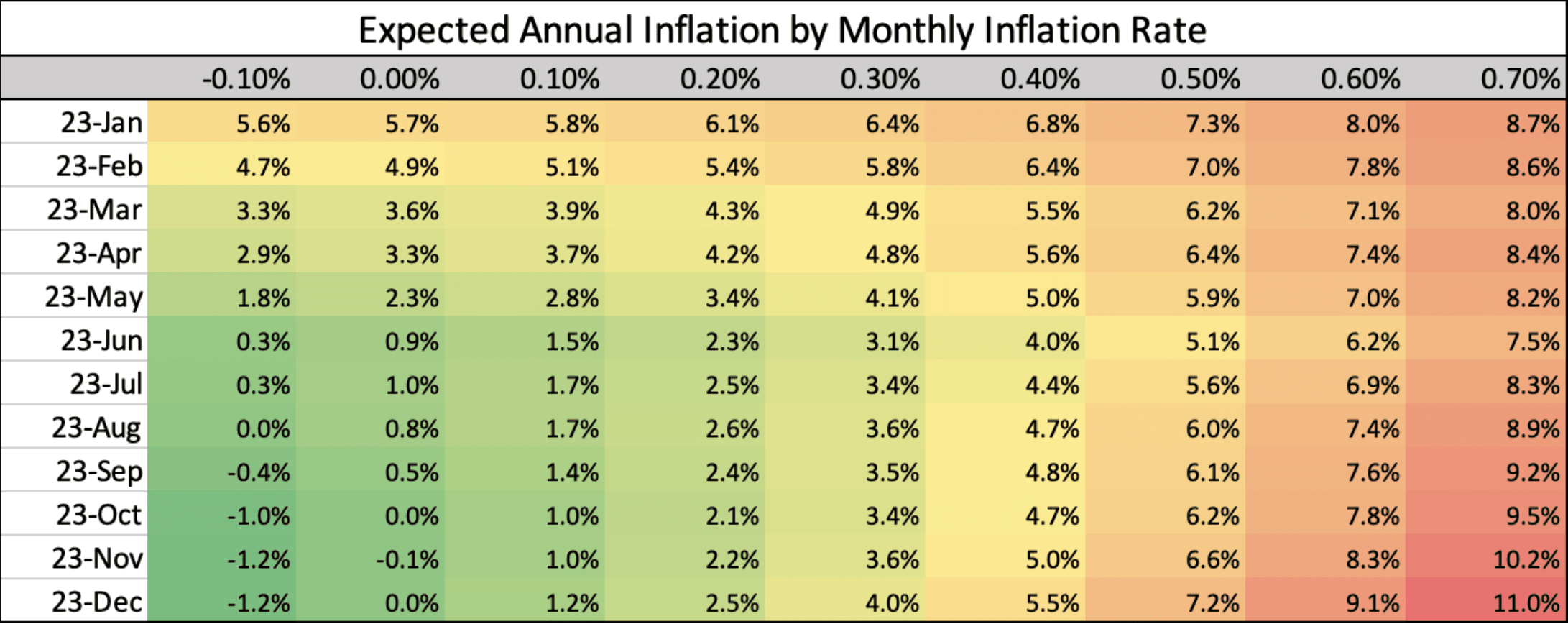


Source link

How to Reach Financial Freedom in 2023 Read More »

The Ticking Time Bomb In Real Estate Is Not Prices—It’s This

The Ticking Time Bomb In Real Estate Is Not Prices—It’s This


15% ROI”,”imageURL”:”https:\/\/www.biggerpockets.com\/blog\/wp-content\/uploads\/2021\/05\/large_Extra_large_logo-1.jpg”,”imageAlt”:””,”title”:”SFR, MF & New Builds!”,”body”:”Invest in the best markets to maximize Cash Flow, Appreciation & Equity with a team of professional investors!”,”linkURL”:”https:\/\/renttoretirement.com\/”,”linkTitle”:”Contact us to learn more!”,”id”:”60b8f8de7b0c5″,”impressionCount”:”306453″,”dailyImpressionCount”:”744″,”impressionLimit”:”350000″,”dailyImpressionLimit”:”1040″},{“sponsor”:”The Entrust Group”,”description”:”Self-Directed IRAs”,”imageURL”:”https:\/\/www.biggerpockets.com\/blog\/wp-content\/uploads\/2021\/11\/TEG-Logo-512×512-1.png”,”imageAlt”:””,”title”:”Spring Into investing”,”body”:”Using your retirement funds. Get your step-by-step guide and learn how to use an old 401(k) or existing IRA to invest in real estate.\r\n”,”linkURL”:”https:\/\/www.theentrustgroup.com\/real-estate-ira-report-bp-awareness-lp?utm_campaign=5%20Steps%20to%20Investing%20in%20Real%20Estate%20with%20a%20SDIRA%20Report&utm_source=Bigger_Pockets&utm_medium=April_2022_Blog_Ads”,”linkTitle”:”Get Your Free Download”,”id”:”61952968628d5″,”impressionCount”:”528017″,”dailyImpressionCount”:”473″,”impressionLimit”:”600000″,”dailyImpressionLimit”:”1662″},{“sponsor”:”Walker & Dunlop”,”description”:” Apartment lending. Simplified.”,”imageURL”:”https:\/\/www.biggerpockets.com\/blog\/wp-content\/uploads\/2022\/03\/WDStacked512.jpg”,”imageAlt”:””,”title”:”Multifamily Property Financing”,”body”:”Are you leaving money on the table? Get the Insider\u0027s Guide.”,”linkURL”:”https:\/\/explore.walkerdunlop.com\/sbl-financing-guide-bp-blog-ad”,”linkTitle”:”Download Now.”,”id”:”6232000fc6ed3″,”impressionCount”:”195155″,”dailyImpressionCount”:”467″,”impressionLimit”:”200000″,”dailyImpressionLimit”:”6500″},{“sponsor”:”SimpliSafe Home Security”,”description”:”Trusted by 4M+ Americans”,”imageURL”:”https:\/\/www.biggerpockets.com\/blog\/wp-content\/uploads\/2022\/09\/yard_sign_100x100.png”,”imageAlt”:””,”title”:”Security that saves you $”,”body”:”24\/7 protection against break-ins, floods, and fires. SimpliSafe users may even save up to 15%\r\non home insurance.”,”linkURL”:”https:\/\/simplisafe.com\/pockets?utm_medium=podcast&utm_source=biggerpockets&utm_campa ign=2022_blogpost”,”linkTitle”:”Protect your asset today!”,”id”:”624347af8d01a”,”impressionCount”:”165440″,”dailyImpressionCount”:”510″,”impressionLimit”:”200000″,”dailyImpressionLimit”:”2222″},{“sponsor”:”Delta Build Services, Inc.”,”description”:”New Construction in SWFL!”,”imageURL”:”https:\/\/www.biggerpockets.com\/blog\/wp-content\/uploads\/2022\/04\/Image-4-14-22-at-11.59-AM.jpg”,”imageAlt”:””,”title”:”Build To Rent”,”body”:”Tired of the Money Pits and aging \u201cturnkey\u201d properties? Invest with confidence, Build To\r\nRent is the way to go!”,”linkURL”:”https:\/\/deltabuildservicesinc.com\/floor-plans-elevations”,”linkTitle”:”Look at our floor plans!”,”id”:”6258570a45e3e”,”impressionCount”:”148589″,”dailyImpressionCount”:”395″,”impressionLimit”:”160000″,”dailyImpressionLimit”:”2163″},{“sponsor”:”RentRedi”,”description”:”Choose The Right Tenant”,”imageURL”:”https:\/\/www.biggerpockets.com\/blog\/wp-content\/uploads\/2022\/05\/rentredi-logo-512×512-1.png”,”imageAlt”:””,”title”:”Best App for Rentals”,”body”:”Protect your rental property investment. Find & screen tenants: get full credit, criminal, and eviction reports.”,”linkURL”:”http:\/\/www.rentredi.com\/?utm_source=biggerpockets&utm_medium=paid&utm_campaign=BP_Blog.05.02.22&utm_content=button&utm_term=findtenants”,”linkTitle”:”Get Started Today!”,”id”:”62740e9d48a85″,”impressionCount”:”132421″,”dailyImpressionCount”:”373″,”impressionLimit”:”150000″,”dailyImpressionLimit”:”5556″},{“sponsor”:”Avail”,”description”:”#1 Tool for Landlords”,”imageURL”:”https:\/\/www.biggerpockets.com\/blog\/wp-content\/uploads\/2022\/06\/512×512-Logo.png”,”imageAlt”:””,”title”:”Hassle-Free Landlording”,”body”:”One tool for all your rental management needs — find & screen tenants, sign leases, collect rent, and more.”,”linkURL”:”https:\/\/www.avail.co\/?ref=biggerpockets&source=biggerpockets&utm_medium=blog+forum+ad&utm_campaign=homepage&utm_channel=sponsorship&utm_content=biggerpockets+forum+ad+fy23+1h”,”linkTitle”:”Start for FREE Today”,”id”:”62bc8a7c568d3″,”impressionCount”:”87636″,”dailyImpressionCount”:”400″,”impressionLimit”:0,”dailyImpressionLimit”:”1087″},{“sponsor”:”Steadily”,”description”:”Easy landlord insurance”,”imageURL”:”https:\/\/www.biggerpockets.com\/blog\/wp-content\/uploads\/2022\/06\/facebook-business-page-picture.png”,”imageAlt”:””,”title”:”Rated 4.8 Out of 5 Stars”,”body”:”Quotes online in minutes. Single-family, fix n\u2019 flips, short-term rentals, and more. Great prices and discounts.”,”linkURL”:”http:\/\/www.steadily.com\/?utm_source=blog&utm_medium=ad&utm_campaign=biggerpockets “,”linkTitle”:”Get a Quote”,”id”:”62bdc3f8a48b4″,”impressionCount”:”83505″,”dailyImpressionCount”:”402″,”impressionLimit”:”300000″,”dailyImpressionLimit”:”1627″},{“sponsor”:”MoFin Lending”,”description”:”Direct Hard Money Lender”,”imageURL”:”https:\/\/www.biggerpockets.com\/blog\/wp-content\/uploads\/2022\/06\/mf-logo@05x.png”,”imageAlt”:””,”title”:”Flip, Rehab & Rental Loans”,”body”:”Fast funding for your next flip, BRRRR, or rental with MoFin! Close quickly, low rates\/fees,\r\nsimple process!”,”linkURL”:”https:\/\/mofinloans.com\/scenario-builder?utm_source=biggerpockets&utm_medium=cpc&utm_campaign=bp_blog_july2022″,”linkTitle”:”Get a Quote-EASILY!”,”id”:”62be4cadcfe65″,”impressionCount”:”88317″,”dailyImpressionCount”:”282″,”impressionLimit”:”100000″,”dailyImpressionLimit”:”3334″},{“sponsor”:”REI Nation”,”description”:”Premier Turnkey Investing”,”imageURL”:”https:\/\/www.biggerpockets.com\/blog\/wp-content\/uploads\/2022\/07\/REI-Nation-Updated-Logo.png”,”imageAlt”:””,”title”:”Fearful of Today\u2019s Market?”,”body”:”Don\u2019t be! REI Nation is your experienced partner to weather today\u2019s economic conditions and come out on top.”,”linkURL”:”https:\/\/hubs.ly\/Q01gKqxt0 “,”linkTitle”:”Get to know us”,”id”:”62d04e6b05177″,”impressionCount”:”81043″,”dailyImpressionCount”:”298″,”impressionLimit”:”195000″,”dailyImpressionLimit”:”6360″},{“sponsor”:”Zen Business”,”description”:”Start your own real estate business”,”imageURL”:”https:\/\/www.biggerpockets.com\/blog\/wp-content\/uploads\/2022\/07\/512×512-1-300×300-1.png”,”imageAlt”:””,”title”:”Form Your Real Estate LLC or Fast Business Formation”,”body”:”Form an LLC with us, then run your real estate business on our platform. BiggerPockets members get a discount. “,”linkURL”:”https:\/\/www.zenbusiness.com\/p\/biggerpockets\/?utm_campaign=partner-paid&utm_source=biggerpockets&utm_medium=partner&utm_content=podcast”,”linkTitle”:”Form your LLC now”,”id”:”62e2b26eee2e2″,”impressionCount”:”63304″,”dailyImpressionCount”:”284″,”impressionLimit”:”80000″,”dailyImpressionLimit”:”2581″},{“sponsor”:”Marko Rubel “,”description”:”New Investor Program”,”imageURL”:”https:\/\/www.biggerpockets.com\/blog\/wp-content\/uploads\/2022\/07\/DisplayAds_Kit_BiggerPockets_MR.png”,”imageAlt”:””,”title”:”Funding Problem\u2014Solved!”,”body”:”Get houses as low as 1% down, below-market interest rates, no bank hassles. Available on county-by-county basis.\r\n”,”linkURL”:”https:\/\/kit.realestatemoney.com\/start-bp\/?utm_medium=blog&utm_source=bigger-pockets&utm_campaign=kit”,”linkTitle”:”Check House Availability”,”id”:”62e32b6ebdfc7″,”impressionCount”:”113493″,”dailyImpressionCount”:”328″,”impressionLimit”:”200000″,”dailyImpressionLimit”:”1858″},{“sponsor”:”Xome”,”description”:”Search & buy real estate”,”imageURL”:”https:\/\/www.biggerpockets.com\/blog\/wp-content\/uploads\/2022\/08\/BiggerPocket_Logo_512x512.png”,”imageAlt”:””,”title”:”Real estate made simple.”,”body”:”Now, you can search, bid, and buy property all in one place\u2014whether you\u2019re a seasoned\r\npro or just starting out.”,”linkURL”:”https:\/\/www.xome.com?utm_medium=referral&utm_source=BiggerPockets&utm_campaign=B P&utm_term=Blog&utm_content=Sept22″,”linkTitle”:”Discover Xome\u00ae”,”id”:”62fe80a3f1190″,”impressionCount”:”49072″,”dailyImpressionCount”:”405″,”impressionLimit”:”50000″,”dailyImpressionLimit”:”1667″},{“sponsor”:”Follow Up Boss”,”description”:”Real estate CRM”,”imageURL”:”https:\/\/www.biggerpockets.com\/blog\/wp-content\/uploads\/2022\/08\/FUB-Logo-512×512-transparent-bg.png”,”imageAlt”:””,”title”:”#1 CRM for top producers”,”body”:”Organize your leads & contacts, find opportunities, and automate follow up. Track everything and coach smarter!”,”linkURL”:”https:\/\/pages.followupboss.com\/bigger-pockets\/%20″,”linkTitle”:”30-Day Free Trial”,”id”:”630953c691886″,”impressionCount”:”54224″,”dailyImpressionCount”:”532″,”impressionLimit”:”150000″,”dailyImpressionLimit”:”1230″},{“sponsor”:”Walker & Dunlop”,”description”:”Loan Quotes in Minutes”,”imageURL”:”https:\/\/www.biggerpockets.com\/blog\/wp-content\/uploads\/2022\/09\/WD-Square-Logo5.png”,”imageAlt”:””,”title”:”Skip the Bank”,”body”:”Financing $1M – $15M multifamily loans? Competitive terms, more certain execution, no strings to personal assets”,”linkURL”:”https:\/\/explore.walkerdunlop.com\/better-than-banks\/bigger-pockets\/blog\/quote”,”linkTitle”:”Learn More”,”id”:”6318ec1aeffc3″,”impressionCount”:”63015″,”dailyImpressionCount”:”467″,”impressionLimit”:”200000″,”dailyImpressionLimit”:”2334″},{“sponsor”:”Nada”,”description”:”New way to own real estate”,”imageURL”:”https:\/\/www.biggerpockets.com\/blog\/wp-content\/uploads\/2022\/10\/Nada-512-logos_Artboard-2.png”,”imageAlt”:””,”title”:”Start investing today”,”body”:”Cityfunds makes it possible for any investor to buy & sell fractions of a\r\ncity\u2019s real estate market with just $250″,”linkURL”:”http:\/\/www.nada.co\/biggerpockets”,”linkTitle”:”Get the Nada Finance App”,”id”:”6348763e299ad”,”impressionCount”:”17351″,”dailyImpressionCount”:”542″,”impressionLimit”:”50000″,”dailyImpressionLimit”:”2273″},{“sponsor”:”Kiavi NMLS ID #1125207″,”description”:”Hard Money the Easy Way”,”imageURL”:”https:\/\/www.biggerpockets.com\/blog\/wp-content\/uploads\/2022\/11\/kiavi_logo_for_bigger_pockets.png”,”imageAlt”:””,”title”:”Reliable Capital for REIs”,”body”:”Scale your real estate investment portfolio with high leverage, quick-to-close loans, and an easy lending platform.”,”linkURL”:”https:\/\/www.kiavi.com\/biggerpockets?utm_source=biggerpockets&utm_medium=content%20partner&utm_campaign=blog&m_mdm=content%20partner&m_src=biggerpockets&m_cpn=blog&m_prd=direct&m_fs=lead&m_ct=html&m_t=promo&m_cta=get%20started “,”linkTitle”:”Get Started with Kiavi”,”id”:”636d70737a1ed”,”impressionCount”:”14101″,”dailyImpressionCount”:”658″,”impressionLimit”:”50000″,”dailyImpressionLimit”:”1087″}])” class=”sm:grid sm:grid-cols-2 sm:gap-8 lg:block”>


Source link

The Ticking Time Bomb In Real Estate Is Not Prices—It’s This Read More »