3 Ways to Boost Short-Term Rental Bookings Any Time of Year
Sponsored
3 Ways to Boost Short-Term Rental Bookings Any Time of Year Read More »
Sponsored
3 Ways to Boost Short-Term Rental Bookings Any Time of Year Read More »
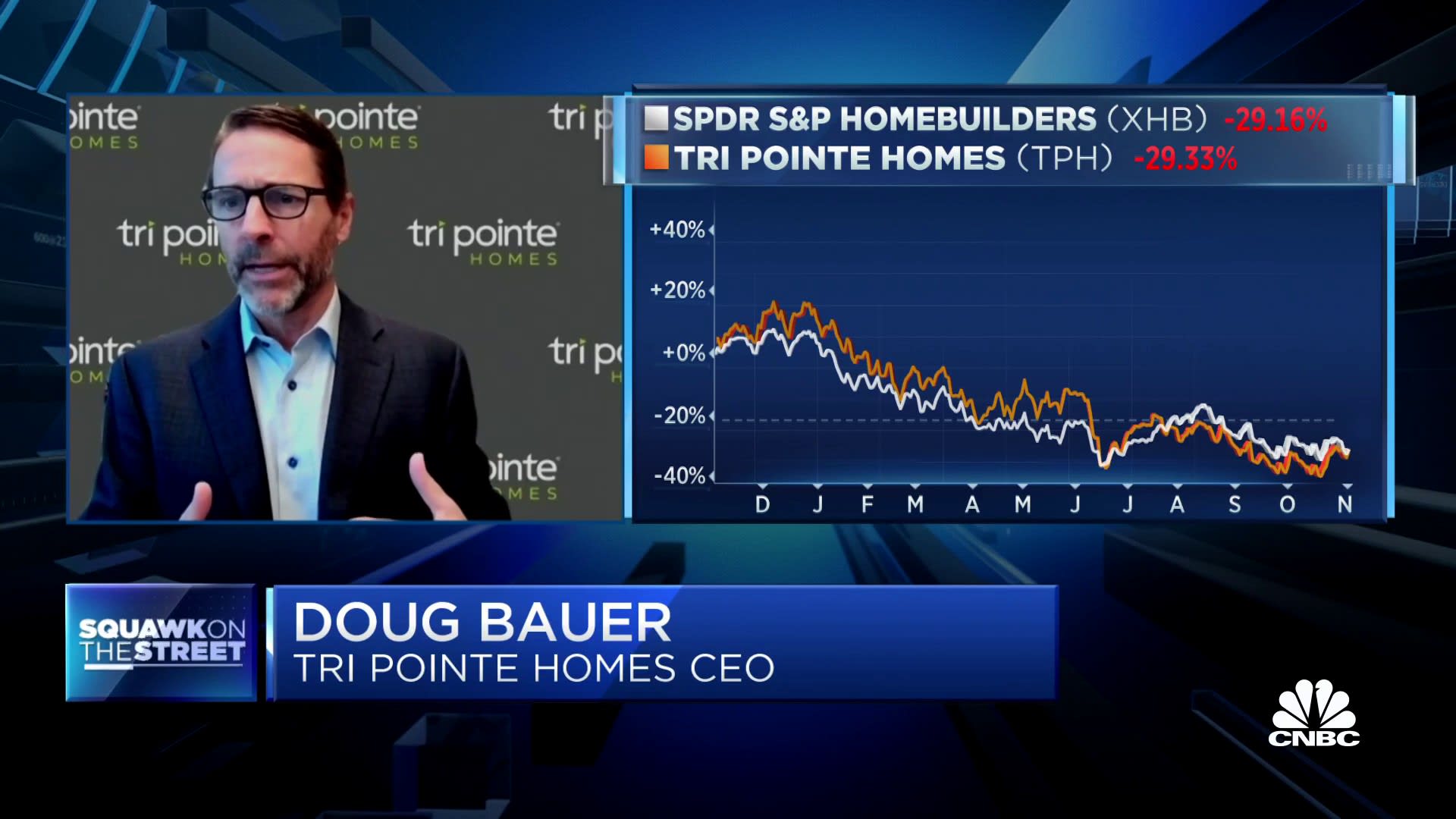
CNBC's Diana Olick joins 'Squawk Box' to break down the latest weekly mortgage demand data from the Mortgage Bankers Association.
Source link
Mortgage refinancing drops to a 22-year low as interest rates rise Read More »
Investing in real estate is a great way to generate passive income, build long-term wealth, and diversify your portfolio. However, there is no such thing as a one size fits all approach to real estate investing. However, this article will outline some of the tried and true methods savvy investors use to increase cash flow and maximize their returns.
Passive income is one of the most appealing benefits of a real estate investment. To generate passive income from your property, you will need to find a solid cash flow market. Cash flow is the profit collected from monthly rent after subtracting all monthly operating expenses.
Ideally, you want a market that offers both positive cash flow and high appreciation to reap the most ROI. However, desirable markets are highly sought after by investors, which means you have to be proactive in your search. Learning to look for areas with the ingredients for strong growth potential will allow you to stay a step ahead of the competition.
Many people prefer to shop close to home when purchasing an investment property. However, limiting yourself to a single market also means limiting your earning potential. Real estate markets vary widely from state to state and even from neighborhood to neighborhood. It’s sometimes necessary to look beyond your geographical boundaries to find a more favorable market.
Don’t let the idea of investing remotely intimidate you. Thanks to the abundance of online resources, it’s easier than ever to purchase and manage an investment property remotely. There are a number of apps that allow you to tour properties and have face-to-face meetings without ever having to leave your home or office.
Determining cash flow potential requires more than simply crunching numbers. First and foremost, you want to lay out a strategy and set incremental goals that align with your long-term vision. A well-defined plan will ensure a more calculated approach to decisions and mitigate the risk of costly mistakes.
Due diligence is the fundamental difference between gambling your money and investing it. Proper due diligence focuses on both the macro and microeconomic factors.
Always start with focusing on the macroeconomics of your target area. This is the “big picture” stuff, such as population growth, employment rate, property taxes, and government policies. By assessing the macroeconomics, you get a better understanding of whether a market is worth looking into further.
After assessing the macro, it’s time to zoom in on a neighborhood or small region. Consider the various elements that could impact the area’s desirability, such as demographics, median household income, proximity to recreation, jobs, shopping, and anything that could impact the quality of life of those living and working in that area.
Assessing all the complexities that affect your target market can seem daunting and time-consuming. Fortunately, much of the information is readily available online. Nearly every city has a website with comprehensive plans, ordinances, special projects, and zoning information. Other online resources, such as social media and community bulletin boards (such as Nextdoor.com), can provide an insider perspective from locals in the area.
Another resource is local real estate agents. An experienced agent familiar with your target area can offer valuable insight that may not be available online. They can also connect you to local businesses and tools you may need.
Looking for an investor-friendly real estate agent? Match with one here!
Although multifamily properties often come with a higher price tag than single-family properties, they are more likely to produce a high ROI. If you want to generate passive income from your rental property, multifamily is by far your best bet.
A multifamily property is any residential property containing multiple units occupied by separate individual households. A unit must provide at least one full bathroom and a kitchen. Units can be contained within a single structure (duplex, triplex) or several buildings within the same complex (apartments, townhomes, condos). The word “family” in this context refers to any household, which includes single tenants, couples, roommates, etc.
It is important to note that a single-family home occupied by multiple tenants does not constitute multifamily housing. Although it may technically house multiple families, it would still be considered a single-family home by definition.
Multifamily properties are excellent investments for many reasons. However, as with any investment, multifamily properties are not for everyone. Here are a few of the pros and cons.
Consistent Cash Flow – Multifamily properties are known for generating reliable cash flow and higher rental income compared to single-family properties.
Tax Breaks – Several tax incentives are available for multifamily properties. Depreciation and operation costs, such as maintenance, property management fees, utilities, advertising, and insurance are considered tax deductions.
Financing – A multifamily property will likely come with a more significant price tag but believe it or not; it’s a lot easier to find a bank to front the bill. Lenders consider multifamily properties a low-risk investment because of their consistent and predictable cash flow, even during periods of high inflation and recession.
Competition – Multifamily properties are highly sought after. Steep competition in a favorable market can drive up the already high price tag on properties. Inflated markets can create a substantial hurdle for new investors trying to enter the multifamily property market.
Cost – Multifamily properties require a significant upfront cost, substantially more than a single-family home. Many banks require a 20% downpayment to finance a multifamily property, which can be a major barrier for investors low on capital.
Demanding – With more tenants comes more responsibility. Taking care of all of the property’s needs, as well as the tenants’ needs, is a full-time job. This is why many landlords choose to outsource the management and maintenance duties to property managers, which come with their own set of costs.
All in all, if you have the resources to cover the high upfront costs and the ability to outsource some of the responsibilities, a multifamily property is a great way to generate passive income and increase your ROI.
Thanks to popular home renovation T.V. shows, many people think property investment is about finding a dumpy fixer-upper and magically transforming it into a dream home. Don’t get me wrong. It is possible to turn a profit on a fixer-upper. However, the trash to treasure approach isn’t practical when it comes to maximizing earning potential.
An obvious appeal to purchasing a fixer-upper as an investment is bargain pricing. It is common for properties that need substantial work to be priced under market value. The initial discount is meant to make up for the cost of repairs and updates that the property will need.
However, it’s easy to underestimate the full magnitude of the project. This is especially true if you do not have the experience or guidance of an expert to help you make informed decisions. Time and time again, fixer-upper projects are abandoned because buyers find themself in over their heads.
Choosing a property that needs major renovations may not be your best choice when it comes to maximizing your ROI, but that doesn’t mean you should avoid renovations altogether. Rather than looking for a diamond in the rough, try finding a property that just needs a little facelift. Sweat equity can increase the value of your property and may even increase your monthly rent. Here are a few minor upgrades that can greatly impact your return:
Having experience with property renovation can be an added benefit when it comes to deciding what property to invest your time in. However, if you don’t have the expertise to make an informed decision, your best bet is to ask a professional. It is better to pay a small fee for a professional opinion than to find yourself in over your head after closing.
When it comes time to start your renovation projects, it’s essential to know your limitations. Although DIY projects can save you money in the short term, if you don’t have the experience or skill to carry out the tasks properly, it can end up costing more than it’s worth.
Putting together the design elements for your property must be done with your potential tenants in mind. Style elements should be neutral and versatile. Although it is possible to incorporate certain unique or creative design features, this should be done with caution and perhaps with professional guidance.
No matter if you are a seasoned landlord or you’re just starting out on your journey, real estate investment is a reliable way to increase wealth and generate additional income. By staying informed on various markets and property types, you open the door to endless opportunities. With calculated risks and intentional action, you will be able to get the most out of your real estate investments.
Stand Out to Over 2M+ Real Estate Investors
Be a featured agent on Agent Finder, a resource that helps investors find the right agent, fast. Instantly match with serious buyers to fuel your pipeline with better leads.
Complete the form in 30 seconds to connect with an Agent Success Manager to get started today.

Note By BiggerPockets: These are opinions written by the author and do not necessarily represent the opinions of BiggerPockets.
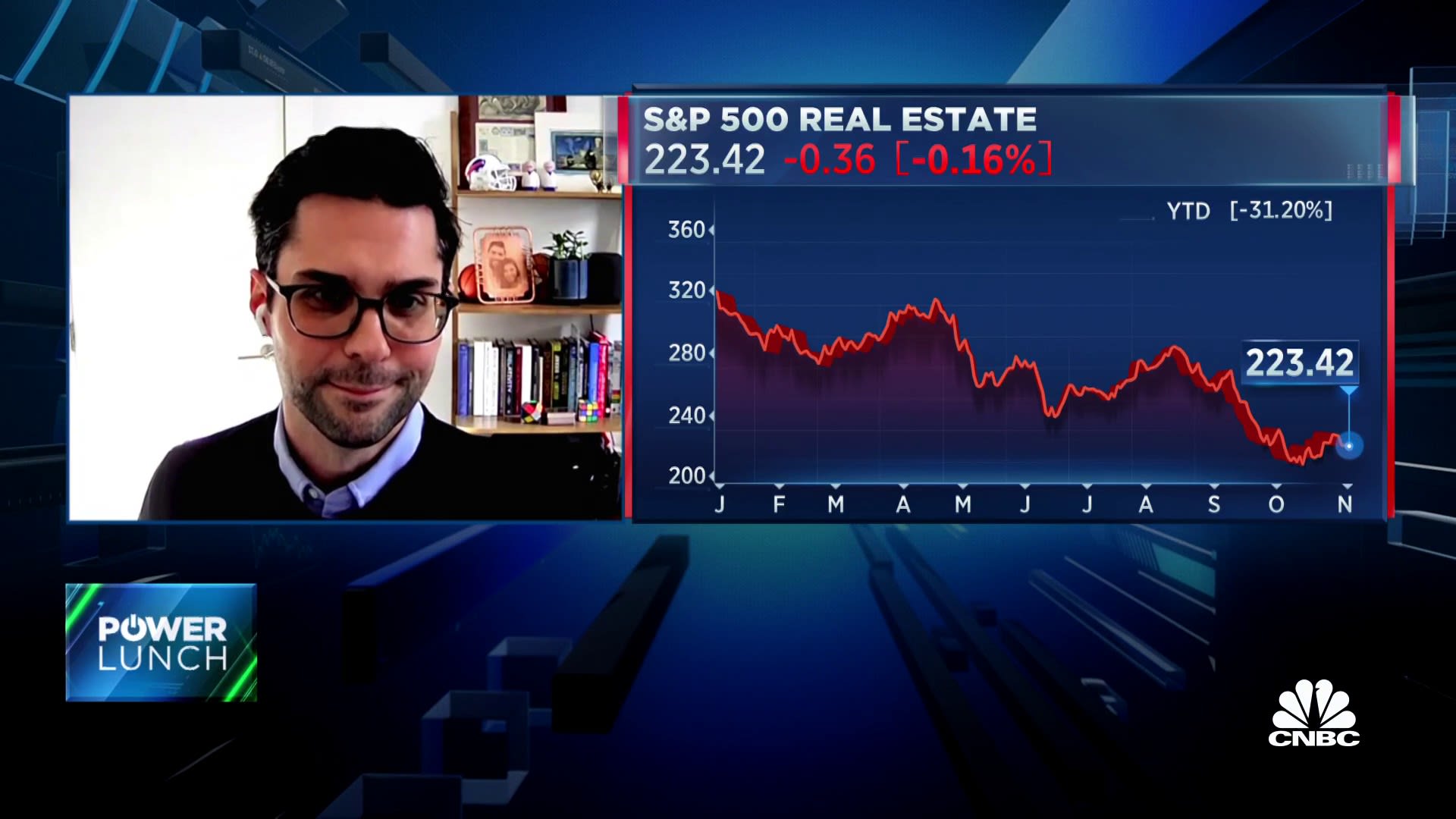
Howard Hughes CEO David O’Reilly joins ‘Power Lunch’ to discuss the impact of rising rates across its residential, commercial and retail properties, the lack of buyer demand, and the conflict between innovation and zoning laws.
Investment properties are hard to find—unless you use the tips Jonathan Greene mentions in today’s episode. If you’re like most real estate investors, you know that in 2022, it can feel like you’re constantly getting nickeled and dimed over every aspect of your offer. The seller wants more money, a quicker closing, refuses to give seller concessions, and acts like their often outdated, structurally unsound property is worth as much as their neighbors’ new construction down the street.
How do you negotiate with these sellers to actually get the deal done at a price that won’t destroy your future profits? Or, maybe a better question to ask is, how do you find deals already on the market, with desperate sellers waiting to accept any offer that comes their way? What if you’re a brand new real estate investor, still looking for your first rental property? How do you get on the same wavelength as a tough seller?
Jonathan Greene is known around the BiggerPockets forums as a millionaire mentor. He left his career as a criminal prosecutor to start profiting from investment properties. Now, he runs an agent team that has built seriously strong negotiation tactics, and Jonathan still invests heavily on the side. He’s walked away from more deals than he can count. But, he’s also won deals that other investors would have no chance at acquiring. Want to repeat how Jonathan did it? You’ll hear it all in this episode!
David:
This is the BiggerPockets podcast show 667.
Jonathan:
One of the things that I’m so intent on with new investors, which I’m sure you guys will agree is if you buy your first property and then you’re going to buy your second property before that first property is at max value, meaning like you fixed everything that’s going to be a high number later. You’re going to eventually get caught on all of them. And if you do that, when there’s a market downturn, you’re going to lose them all.
So, I like people to really fix up that first property. It doesn’t have to be perfect. If you know that HVAC is going to break, you know there’s a big cost coming and you can’t go buy another property, because you’re going to get caught on both of them and not be able to pay for repairs on either at that time.
David:
What’s going on, everyone? This is David Greene, your host of the BiggerPockets Real Estate Podcast, coming at you today from Scottsdale Arizona, where I’m hanging out at the property that Rob and I bought and getting ready for a retreat to cook some other investors. And I got to say it is gorgeous out here as I say every time I’m here and we brought you a gorgeous show. Today, we bring back Jonathan Greene, my long-lost cousin, who we had on episode 584. And we had such a good time that we brought him back for more.
Jonathan is a real estate agent and investor who buys houses for himself to flip, also invest in commercial property. And more importantly, helps other people like you build wealth through real estate. And in today’s show, we talk about the different ways Jonathan does that. A big portion of it is negotiating, how he negotiates for his clients, how you can negotiate for yourself, what is happening in a negotiation, behind the scenes, as well as how to find on-market properties with motivated sellers, how to approach each deal, how to look at a house and see the things that other people are missing and more.
I had a great time today. Rob, what were some of your favorite parts of the show?
Rob:
All of the things you just said. You took all my points, I had them already. And I was like, “Dang it, those were all my favorite points too.”
David:
Yeah. I basically say all the best parts. And then, I give you two seconds to think of what you’re going to say after I just said them.
Rob:
All right. Well, I have something. I also liked that this was a, I mean, I guess this is what you said, dang it, is a negotiation master class. We hear everybody’s point of view here where negotiations are a fickle, fickle beast, because if you’re really, really good at negotiating, then you got to know when to take and then when to give back. You don’t want to nick away at a negotiation so much so that the seller is going to try to get out of every deal that you think that won the battle on. Because you can always lose the war.
So, really fun to talk through all the different, I don’t know, processes and deals that we’ve all gone through. And honestly, it’s always nice to have Mr. Greene back and honestly, I think it’s just a beautiful thing to see too long-lost cousins, reunite and chat and chum it up and chop it out on the pod. Honestly, it brings joy to my heart.
David:
I just thought of an analogy that could fit for the negotiation tension that you’re describing. You don’t want to go too hard. You don’t want to go too soft. It’s to do with fishing. So, when I was a kid, my dad would take me fishing and I would always ask like, because I’m just always in a rush to do everything, “Why can’t I just overpower the fish and just reel it in when it’s on the line?” And he would say, “Because if the fish is swimming away and you are trying to reel in, the line will snap and you’ll lose the fish altogether. At the same time, if you don’t reel in and keep the line tense and there’s too much slack in the line, the hook can come out of the fish’s mouth.”
So, fishermen, when they get a fish on are playing this game where they’re trying to keep tension on the line so the hook doesn’t come out, but not so much the line breaks and negotiating is a lot like that. You want to get every single dollar out of that deal that you can, but you don’t want to push it so far that you actually lose the deal altogether and that fish gets away. What do you think, Rob? How did I do?
Rob:
That’s actually really quite masterful. I was like, “All right, it’s going to be a pretty good analogy.” But that is exactly… dude, you have coached me. You have helped me master this art more than you could ever know. I appreciate it. That’s a good analogy right there. I’m honestly surprised it wasn’t a jujitsu analogy, but fishing, that’s good. That’s left field for me.
David:
I was just thinking all of our hunter, fisherman audiences is screaming in their pickup truck right now. It’s about time. I don’t know about that jujitsu stuff, but I understood that.
Rob:
Oh, that’s good.
David:
Well, we are going to get to the show very quickly. Before we do, today’s quick tip. Consider using the BiggerPockets agent finder to find an agent for yourself, to help with negotiating. Now, when you’re doing this, I recommend looking for an agent that is also an investor, not just an investor-friendly agent, but an agent that owns property in that area that you’re trying to go. Even if they’re not the smoothest, they don’t have the nicest car, their headshot doesn’t look the best. If they own property in the area, they usually have a big advantage over an agent that only represents other clients. Part of the reason that you want to use a high-volume agent is they have a lot of experience. That’s what you’re really going for.
But if your agent has that experience through buying houses for themselves, they don’t have to sell 400 houses a year to get it, so BiggerPockets can help you with their agent finder feature. And the cool thing is the agent will probably be familiar with a lot of the same vernacular and vocabulary that you are using, because they’re in the BiggerPockets ecosystem as well.
Rob, BPCON is coming up. It is only a couple of weeks away. How excited are you for this big event?
Rob:
I’m really, really, really excited. I thought it was going to be like 1000 person conference. And then, I found out it was like a 2000 person conference. And then, I found out that I think we’re sold out. It’s going to be a packed house. So, please approach us. Take selfies with us. Give David a big hug. That’s his favorite thing. He just likes hugging everybody. And come say hi and let’s chat for a bit.
David:
Wow, Rob. Okay. You said a very nice thing about me in the show. So, I’m going to let that slide, but the people will do that. You’ll see me fighting my way through the crowds with people being dragged behind me as they got a leg. And they’re like, “Rob said to love you because no one else does, David, and I need you to know you are loved.”
Rob:
It’s going to be a perfect opportunity for you to finally put that Brazilian jujitsu to use.
David:
That’s hilarious. I’m going to be like John Snow fighting through incredible White Walkers using jujitsu. All right. Without any more ado, let’s bring in Jonathan, and let’s learn something. Jonathan Greene, previous guest on episode 584 of the BiggerPockets podcast, and you did such a good job we had you back on. Welcome and good morning to you.
Jonathan:
Good morning to you guys. Thanks for having me back. I’m excited to be here again.
David:
So, if you haven’t listened to our last show, please go back and check out episode 584, where we got into some really good nuanced conversation with Jonathan about investing over a long period of time, having a sustainable career and really doing real estate, what I would call “the right way”, looking at every property uniquely and trying to figure out what is the highest and best use of this property. What is the story, this property tells, what’s the vision for how you’ll execute it? And one of the concepts that we got into was this idea that real estate is part art and part science.
Now, we all understand the science part. That’s writing numbers using a spreadsheet, calculating things, analyzing, trying to project, but there’s a whole other part of real estate that is more art. And that was fascinating. And we’d like to expand on that with you today, if you don’t mind, Jonathan.
Jonathan:
Yeah. I’d love that. I definitely have a background in negotiation as a prosecutor, so it’ll be interesting to let everybody know what I do in terms of analysis and in terms of my hardline negotiation long term, which I know you guys are familiar with too. So, yeah. I’m excited to get into these topics as well.
David:
Why don’t we start with that? Can you explain how the negotiation element of real estate fits into the art side of the equation?
Jonathan:
Yeah. So, I was a prosecutor for eight years and a criminal defense attorney for two. And I was always doing real estate my whole life, but when I transitioned to real estate as both an agent and more of a full-time investor, I started to look back at my negotiation techniques as a prosecutor. And obviously, you’re familiar, David, with some of these from your background as a police officer and, Rob, obviously in investing, we use these all the time.
But one of the things I think that was most important for me is when I’m negotiating in a real estate deal, the first thing I think of is, well, nobody’s going to prison and there’s no victims, so why am I getting so worked up over this when I spent eight to 10 years, either sending people to prison or trying to make sure they didn’t go there. So, it takes the edge off of it a little bit for me.
And I’ve always had one deal to the next attitude. But I think that incorporating what I know and then using principles from someone like Chris Voss, it really helps me figure out where the pain points in the deal. And a lot of that to me is listening to what the other side’s saying so that I can use the leverage that I have to combat what they’re talking about.
And I think that’s what a lot of new investors miss. They’re just trying to do a dialogue, but they’re missing the points.
Rob:
Do you feel like you were somewhat of a master negotiator coming out of the gate, or do you think that this is a skill that even as someone that was really experienced in your field, it really is something that you have to develop over time? Obviously, some people are going to be more naturally gifted at it, but is art of negotiation, if you will, is that something that anyone can master?
Jonathan:
Yes, definitely. And it’s a great question. And I did come out thinking I would be better than others and I was wrong. My negotiating skills were great, but I was still negotiating like I did as a prosecutor when I started, which is hardline, hardline, and making sure I’m drawing lines in the sand and then pulling, which we’ll talk about later in terms of my offers. But I think I was a little bit, if I’m negotiating that way as if somebody’s life is at stake, they’re going to be really off put on the other side. It’s going to come off as too aggressive.
So, I did have to back down the way I did. And I do think by learning from other people, how they negotiate, and again, reading books, listening to podcasts is definitely a way you can figure out. But like I said, I think each deal is different. So, the way that you negotiate with each person is completely different based on what they’re telling you. And if you’re not listing, you’re going to lose the whole negotiation before you start.
Rob:
100%. I’ve always found that the more hard line you are on it, typically it does not go your way. It’s a game you have to play. And I think this is where egos and pride can get in the way a lot of the time, because you’ll want to drive the car here, but then your realtor who might have a little bit more experience or a little bit more know-how will try to guide you. And you’re like, “Well, hey, let me do it my way.” So, I think this is an equally important aspect of negotiation.
And I’m also wanting to know when you’re working with the realtor on your end, do you feel like that’s truly… is it a negotiation partnership that you should probably see eye to eye with your realtor? Or do you make it so that your realtor takes your lead?
Jonathan:
Yeah. David knows this well, because I’ve been licensed for almost eight, 10 years now, but the one thing I remember when I was not licensed and I was agent, I didn’t think they were being hard enough as I wanted to be because they were trying to protect their relationships. I didn’t really understand that then. Some people try to get me to lowball as an agent and that’s not my thing, so I’m not going to do it. But yeah, I do think that it’s a cooperative partnership. The most important thing I think is if you’re an investor and you’re working with an investor-friendly agent, that agent is there to do the negotiations the way that you want, not the way that they want.
And that was a hard lesson for me to learn. And I definitely a couple of times overstep because I was negotiating hard the way that I thought would work, but they weren’t comfortable with it. And look, most regular home buyers aren’t ready for that. Investors are usually more ready, but they’re not ready for the level that I would do on my own. And I have to recognize that. So, I do think it’s a full partnership and you have to be clear on how you want to get to the deal and then take advice or not.
David:
That is a great point, Jonathan. You can err on either side. You can have an agent that wants to make the client more money than the client wants. So, they’re out there, working the deal they would for themselves. We’re going to get every dollar and if they don’t want it, there’s another house. We’ll go find that one. And sometimes your clients are like, “No, I want that house. I don’t need the extra $1,200.” And then, on the other hand, you’ll get clients that don’t really understand and through no fault of their own, the leverage in deals where you sometimes get a deal at such a great price that the seller realizes halfway through the escrow. I’m giving this thing away, you’re not getting another dime.
And if you do push it, you try to put some leverage on them, the whole thing will snap. So then, sometimes as an agent, you’re trying to protect your client. You don’t want to just come out and say, “You’ve already gotten more than you are going to get.” You’d be very happy because now they feel like you’re not on their side. But sometimes that whole, it doesn’t hurt to ask thing, is not true. Sometimes it does hurt to ask.
Jonathan:
Yeah, I agree with that. I have issues with clients only if I haven’t fully educated them along the way, or if they’re just not going to be compliant to like what you said. I like things to be a good deal for everyone, which doesn’t mean I’m not adequately representing my client as an agent. But to me again, based on my background where it was extremely adversarial, someone’s going to prison or they’re not. Really the best deals we all know are ones where everybody gets along. Because if you don’t and it’s adversarial, you may get through a deal, but everyone’s just going to be trying to screw each other, the whole deal over $1000 or leaving stuff in the house.
So, it’s sometimes hard to get one side, whether it be seller or buyer, to understand that, look, if we don’t all work together, we’re never going to get through this deal. And I think that’s part of where my negotiation tactics changed, where I had to say, “Listen, I need to build my relationships with everybody on the other side. And that includes if I’m an investor, I can’t be too hard. But as an agent, I have to work with the buyer as well.”
Rob:
This is so true. There’s always that phrase. You may win the battle but you’ll lose the war. And this happens all the time when you’re actually negotiating the deal, you keep chipping away, keep chipping away. If I’m a buyer, I just keep chipping away and chipping away at that seller, hoping that they give into the negotiation tactics. And if I’m successful, then the first thing I want to do is like, “Oh my, God, I’m the greatest I did it. I negotiated the heck out of this,” but then they start getting other offers because we’re in this crazy, crazy market. And then, when they have four offers that are above asking, a couple of weeks after we’re in the process.
The moment I start making any more demands, then they start not giving in because they’ve already given everything that they can give. And the moment I try to get my way, then they’re just trying to get out of the deal because maybe I’ll lose my escrow money, but B, they might even just get a better offer than the one that I gave them. This has happened so many times.
So, I think that there really is a fine line to walk there and just making sure that both sides can win. Obviously, you want to win a little bit more, but you don’t want to take it all, I personally feel.
Jonathan:
Yeah. I think if you look at the way deals are structured, like if you’re in an attorney state, you’re going to go through attorney review, that’s going to be a little game of ping pong. But then, we go to where all deals go to die, home inspection. And if you get too hardball in home inspection, that’s where everything goes wrong because someone’s trying to get a credit for doorknobs when you should just be focused on major things. So, like I said, my job, I think as an agent and a counselor for investors is to get them fully prepared before they make an offer.
So, we make tons of videos, tons of content to just make sure that they understand we’re not going on a fishing expedition because the deals that die are because someone’s just asking for too much, or you already know that the seller’s going to be unreasonable. And if it’s fully as is, you need to make sure that your buyer investor knows as is means as is. And I don’t want to go in and make an offer with already the understanding, but I can get out of it if I don’t like it, because we’re saying we’re buying it as is.
And I think that’s where there’s just a lot of nuance in that. And we all have to understand it’s going to be a long-term negotiation. Like you said, it will come back to haunt you later if you press them too early.
David:
I can give you a story of how that just happened to me. I had a deal where we got it a ridiculously good price. And then, after that, I came back and I got even more credits and I knew the seller was getting tense, but I didn’t know how bad it was. And then, I hit a point where we couldn’t get an appraiser out there in time for the appraisal contingency. They were all backed up. So, we needed an extension of two or three days on the appraisal contingency. And they said no. And they had the right to blow up the entire deal, which they were incentivized to do because they had felt screwed at every single step and just thought I was taking advantage. And there is no taking advantage in real estate.
The contract is what the contract is. You get what you get, but their perception matters in the way they’re going to make decisions. And so, I had to pay $2500 to get a three-day extension on my appraisal because otherwise, I was going to lose the whole deal. Now, when you look at, I think I got that house for about $250,000 less than it appraised for, so the 2500 didn’t really matter. But it’s an example of how you can see.
Getting too much on one side and imbalancing the equation can absolutely cause the whole deal to topple and then everyone loses. The sellers got to go back on the market. I’d be out my inspection money, my appraisal money, and all the time that I put into it.
Jonathan:
Yeah. That’s a great example of you knowing when to stop pushing. And I think that’s what some investors don’t. They just want to keep, like, you’re up to 50, relax. I myself as an investor try to give something back. We just closed a property yesterday, my business partner and I Jenny, and we have to redo an entire septic. We put that in. We knew that was going to be part of it, but they didn’t want to even get the certificate of occupancy. And we said, “Well, we’ll pay for it and we’ll put up the smoke detectors, but you’re going to sit there when they come.”
And these are little negotiations that helped us as other little things. Like you said, David, you get into it. Something happens the day before, they couldn’t get a freeze authorization on a HELOC. And we have our demo crews set up and we said, “Well, can we still get in?” And we really, really massage that deal on our end. But I do think like you said, you can get to that point and you have to make a tough decision on when to stop.
Rob:
So, Jonathan, obviously, you are analyzing deals left and right all the time, all over the country, doing deals, galore over here, deal city. That’s what I’m going to nickname you right now. So, can you tell me a little bit about your buy box, if you have one, or is everything the buy box? Help us understand what your buying criteria is.
Jonathan:
Yeah. During the pandemic, I really sold off most everything on purpose to just hold and wait and stockpile the gunpowder as we say, waiting for maybe the next six months to 12 months to see what I think is going to be better leverage for me. And I had a bunch of old properties, but for me, I think the thing that I’ve transitioned to this year and the way that I describe it is I’m always looking for assets. So, I like a lot of different things. I’m interested in self-storage. I’m interested in main street commercial, which we talked about in 584. I like flipping, I buy and hold.
I like Airbnb, but I am always looking for markets where I think there’s appreciation. So, I’ve always been an appreciation investor. I don’t really care about flow. I like it, but I’m not banking my history on the cash flow because I don’t have to use as much leverage. So, I think locally, I know all the markets. So, I’m looking for what I think is a project that I’ll enjoy honestly first. And then, I’m hard running the metrics to see if they work for me. And then, when I’m looking at outward deals for myself in other areas, I’m looking for growing areas that can support that investment proposition.
So, if I’m doing Airbnb, which obviously you guys have great experience with, I’m going to go through areas where I think the regulations are either loosening or never coming so I don’t put myself at a disadvantage. And then, for metro areas, I’ve always said the same thing. I don’t like hot areas, because I feel like I’ve missed the big money. So, I take the hot areas, look three towns out and see if that’s a town that’s going to come up and if they’re starting to do flips in that area.
So, I think because I’ve had most every asset class, I’m never looking for something specific, but I do like some oddities. I love two-bedroom, single families. I think they’re really a good asset because you can buy them for much cheaper than a three-bedroom in a lot of markets, but they’re going to rent out at almost the same amount as a three-bedroom because of the tenancy. And I just think those are smart buys everywhere, during the pandemic that the prices went up a little too high, but that was a big mark.
And again, that’s not a viable opportunity for a lot because families aren’t going to mostly move into a two-bedroom. So, you have a unique house that becomes a very good rental in my opinion, as just like one oddity that I like.
Rob:
Sure. So, you mentioned something that would probably be very confusing to most new investors, but you said when you’re looking at properties and you’re analyzing them, you said, “Well, hey, if the cash flow is there, that’s great. I’m not as concerned with that.” Why is that? What does that mean? Because I know a lot of people, they’re getting into real estate for cash flow. They want monthly cash flow that they can use to supplement their mortgage or their W-2 income or whatever that means. So, why is that not something that’s a direct focus for you at this moment?
Jonathan:
I’m going to explain something that I know everybody needs to hear and they probably don’t want to hear. Cash flow can go away quicker than you’ve ever seen anything in your life. So, if you hear everybody banking on 10 houses and they’re all making $100 a month in cash flow, all you need is one furnace to break in one of your 10 units. And you’re not going to make cash flow for six months. The furnace going to be eight grand. So, to me, I just never focused on that as an entity, I like it but I always want appreciation because to me, appreciation is a present.
It’s like a windfall later that you didn’t expect. I like both, but I’m not greedy. So, I think that the lure for cash flow, if somebody says, “I want to build up a portfolio with X cash flow so I can scale out of my nine to five,” that’s highly dependent on the types of properties that you buy. And new investors are maybe buying C-minus houses to start off with. Those don’t cash flow. You may think they’re going to cash flow until everything starts breaking and then you’re in trouble.
So, one of the things that I’m so intent on with new investors, which I’m sure you guys will agree is if you buy your first property and then you’re going to buy your second property before that first property is at max value, meaning you fixed everything that’s going to be a high number later. You’re going to eventually get caught on all of them. And if you do that when there’s a market downturn, you’re going to lose them all.
So, I like people to really fix up that first property. Doesn’t have to be perfect. If you know that HVAC is going to break, you know there’s a big cost coming and you can’t go buy another property because you’re going to get caught on both of them and not be able to pay for repairs on either at that time.
Rob:
Agree, 100%. I think I have still to this day, not really paid myself from the cash flows of my property. I always just reinvest them. And I think you’re right. I think appreciation, that is the thing that I’ve realized, I’m like, “Oh, my gosh, this is really where the wealth is created.” I know you have a philosophy that’s like, you will either make money on a deal or you will make money on a deal. Do you think you could maybe walk us through what that means? Because obviously, that’s like, well, what do you mean by that?
Jonathan:
Yeah. It was funny. We were talking about it before. So, the way that I look at it, I’m never going to buy a bad deal. I don’t think I’ve ever in my life bought a bad deal. I’ve had losses on real estate. They were all my fault or the market conditions. But I buy really smart because I use analysis and what I would call asset hunting and what we were talking about, art more than science. I know based on my history, what the repair costs are in five minutes, barring a sewer inspection and stuff that’s underground. So, when I look at a deal, I’m much more relaxed because I think I’m either going to make some money, which is the make money or I’m going to make a lot of money.
And when I build my spreadsheet to start, I put it at the lowest possible ARV that if I did everything wrong, I’m still going to get this. And then, usually, I make 50 to 150 more than that. And I like not even adjusting the spreadsheet till we start seeing the comps later and we start seeing our repair costs. And that way, what I’ve always called the spread, my spread is either growing bigger for me because I’m cautious about that. So, I go into every deal knowing I’m going to make money. It’s just a matter of how much.
So, even when everything goes wrong like it has, okay, I break even. And then, I consider it like, well, now I get the deposit money back. So, there’s no loss in it for me. If I can get the deposit back money, even on a break-even, I wish I made more money, but at least I have the deposit money and then I just go get another property.
Rob:
Totally. And plus, if you’re a long-term holder of your property too, then eventually you will make that money. It is obviously very possible to lose money in real estate, but if you’re actually holding it for a long time and you’re investing consistently and you’re building up a portfolio, you may have a few stragglers that aren’t really crushing it for you, but overall your portfolio over time should be able to carry that slack. And I know you’ve been doing this for a bit.
I’m curious as someone who is not Greene in the industry, but really quite the seasoned pro, do you still get any level of analysis paralysis, or do you just feel like, you can really take on any deal that comes your way?
Jonathan:
Well, I don’t want to take on any deal, but I have absolutely zero analysis paralysis and I think it goes back to my history in working for the government. We have 300 cases on our table at a time. You have to make decisions on things right away. So, even with my team on market and off market, I’ve always been somebody who can make decisions and not really worry about it. If it turns out I was wrong, which all of us have the investments that we cherish that we didn’t get, I’m okay with admitting I was wrong.
David:
Jonathan, on that note, do you have a form of a buy box? I’m sure someone with your experience doesn’t hold to just one buy box. You can look at every deal and see something. But is there maybe like 60%, 70% of your deals overall have these things in common that you look for that you can share with us?
Jonathan:
Yeah. Right now, I like flipping, but I took a break during the pandemic because the deals just weren’t good enough. And I think the restraint is one of my strengths. I don’t have to buy something, I like to buy something. So, to me, when I’m looking at flips, which is my entity that I like, it’s always about what somebody else doesn’t see that I can see, which I know we did actually talk about in 584 as well. I think that you guys were talking about the property that you might be at now. I think that I understand the spread better because I’m looking for things like the property I just bought, there’s a septic issue.
So, I know that traditional home buyers aren’t going to buy that. They’re not going to pay 30 grand for septic. So, how am I going to leverage that? So, my buy box includes towns that I think have a big upswing. The price point is not a big part of the buy box. It’s more the spread and how much I can see. And what I found is, we used to be doing, we did a lot of formula deals like that were 300 buy-ins, 60 reno and then 60 profit, which was good. But now we want more profit. So, I did 465 buy-in, 180 reno, but I made 200 profit. So, as we scale into buying in the 400 to 500 range, if we do it the right way and we’re identifying the properties the same way our scale to profit is so much more. And then, we’ll move that even further. If you’re buying in my areas in the 600 range, you’re going to put in 2250 and get out in the 12, 14 range.
So, I think that’s part of the analysis too, but that’s really what I look for right now. And I’m always looking at that hybrid commercial properties because I just think commercial is where it’s at now. There’s so much available that the leverage is huge to buy commercial with commercial mortgages if you want.
David:
So, you’ve got a different buy box for the different assets that you look at. If this is a flip, you said, I want to be right around 400 to 500 with hopefully less than 200 in construction. I want to profit on 150 to 200. Those are gross numbers that someone else can look at and say, “Okay, I can try to find something that fits within that.” And it cuts down on the hesitation of what should I do and the overthinking. And then, like you said, in commercial, I want to be in commercial, I want to be buying it for less than what it’s worth right now because I think the market is soft and I can go in there and get a better deal. So, maybe 20% under market value, you’re going to be excited.
That still functions as a buy box. It doesn’t have to be this much price per square footage in this part of town with this is owning. Sometimes, it’s just the amount of meat on the bone is what you start with. And then, you figure it out from there. So, in your opinion, you work with a lot of new investors. You’re very active on the BiggerPockets forums, helping with people. Why do you think that just the generic standard newbie who stumbles upon this podcast is really excited, likes everything they’re hearing?
Their dreams are flying out of their head. You could see it happening of everything they want to do in life, but they’re stuck in analysis paralysis when it comes to getting started buying their first deal. What do you think is causing that in that demographic I just described?
Jonathan:
So, I’m 100% sure that this is the reason every single time. There may be other factors, but this is it. They haven’t seen enough homes. Most of them haven’t seen any homes when they’re in analysis paralysis or then it just becomes, I’ve seen one or two, and I’ll grant you that it is very hard as a new investor to get a realtor if you’re not licensed to just show you a bunch of homes when you’re barely qualified or using an FHA. A lot of realtors aren’t going to do it. But unless you’ve seen 15 or 20 homes, I don’t know how you’re making offers on homes.
You don’t know anything and you’re going to lose money because you can’t rely on just the realtor that you just met to make sure that they have your best interest at heart. They want to make a good commission so they’re going to tell you, and I’m telling you, I run a team of 40 agents. This is not all agents, but this is common. They want you to pay the most or they may want to tell you, you want to get a property. And if you’re desperate for a property, that agent’s going to become desperate for the commission.
So, desperation is what will kill you, but not seeing enough homes every single time, every time I’m in the forums. And somebody says, “Oh, analysis paralysis. I don’t know what mentor to use.” Or I’ve been researching and running the numbers on so many homes. I ran 100 deals this week and I said, “How many did you see?” And they always say zero. And that to me is everything because we’re talking art versus science and art is, I need to be in the house, I need to understand how a house is constructed.
I need to understand where to look, always in the basement, what I can see, everything else that’s cosmetic. You need to find the things that are going to cost you money or later, which are the hard things to find. And I think if you’re not looking at homes, you’re just not trying hard enough to be completely honest.
David:
What about when you’re looking at a home, starter, brand new, okay, I know I need to go look at homes. Give me a playbook of overall what you think they should be looking for. And then, Rob, I’m going to throw the same question to you.
Jonathan:
Yeah. Again, I look at this question as me being the agent as a guide for a new investor, a new home buyer. I’m going to take them through every single thing that I see in the house. I’m not going to say, this is the kitchen, this is the living room. They know that. I’m going to immediately start what I call future casting, which is helping them prepare for the future. So, if I see something in the ceiling, you guys know this, you see an evidence of a leak in the ceiling. The first thing I’m going to say is, “Hey, look, you see that discoloration on the ceiling, that looks like a leak. But most times, people repair the leak in the ceiling and then they just never paint over it because they’re lazy.
So, I know that looks like an issue, but later it may not be an issue so don’t get too worked up over that.” And I’ll do that through the whole house. But my biggest focus is away from cosmetic issues and onto all the serious issues. Like in New Jersey, a lot of 1900s, 1850-type homes. So, we see a lot of sloping. I can tell the sloping right away. And then, the first question is like, look, sometimes this is settling. And sometimes this is a foundation issue.
In five minutes, when we’re in the basement, we’re going to look at the beams and the structure and see if there really is an issue. And if not, it might not be a structural issue. Can these be repaired? Yes, but they’re not really for first-time novices. And then, we spend a majority of our time, honestly, in the basement where they’re bored because everybody likes to look at the cool cosmetic stuff, but I’m opening every door. I open the electric panel. I’m looking, showing them the hot water heater. If there’s a permit, how old is it? How old is this furnace? Is there any knob-and-tube in here?
And again, a lot of that will fly over their head at the beginning. But then, again, if you’re doing 15 showings before you make an offer, by the time you get to five and then 10 showings, you’re really going to start to understand the lingo. And then, that’s the exact reason why you don’t fall into analysis paralysis because you feel confidence.
Confident people don’t have analysis paralysis because they’re able to go through the data. We probably mind the same amount of data, but like you said, I just know what I want and I’m looking for assets. And if that asset is attractive to me, I’m going to try to buy it but only at the price that I want to buy it for.
David:
Rob, same question. What do you think people should look for when they’re walking a house?
Rob:
When they’re walking a house, oh, man. I guess it depends on the situation, of course, but for me, I think a lot of people tend to… especially in the Airbnb short-term rental space, people are walking it and seeing it for what it isn’t versus what it is. And so, I am always very understanding of what the house is for the price that I’m getting. And so, I understand a lot of the times if I’m buying a house that maybe is a little bit more on the affordable side, a little bit cheaper, and it’s not completely remodeled. What I’m trying to come in and see and analyze is, can I make this place sparkle?
Can I give it a little razzle-dazzle, if you will, with design, with furniture, with furnishings, with the staging? Obviously, what I like it to have, a remodeled bathroom and a remodeled kitchen, sure. But for me, I want to know, can I make a space shine in photographs? Can I really look at a lot of the characters and save a lot of it? Because a lot of people will come in and remodel the character out of homes. And for me, I’m always like, “Oh, that’s such a shame.” But I am doing a lot of long-distance relationships, not really. That’s not true.
I’m doing a lot of long-distance investing. My wife would probably be like, “Excuse me?” I’m doing a lot of long-distance investing. And so, for me, I’m always coaching my realtors to be very thorough with their videos that they’re sending back to me. And I always brief them. I’m like, “Hey, I need you to be very critical of every tiny little thing that you see in the house. I want it to be as if the seller was there in the room, watching you giving me this tour, they would be angry at how petty you were being about all the little things.” And it’s not because I’m using those things to make my decision.
I just really want to know and understand how a house feels. Is there a sag in the floor? Are there walls in a room that are inconsistent? Meaning, some have textured drywall and then another wall is completely smooth. Are there popcorn ceilings? Are the fans updated? Does it smell in there? And I’m really trying to understand the cosmetics because with short-term rentals specifically, I’m not trying to come in and renovate the place. I like to spend less than $15,000 on renovations.
Our Scottsdale place is an exception to this. But typically when I’m going out and buying houses, I like to stay between the $5000 to $10,000 range specifically when I’m buying a house. And so, I just want to make sure that, of all the things that I need to fix up there, it’s very easy cosmetic because I just don’t have six months to renovate a place and then carry out an entire burster, if you will, a burden into an STR.
Because I like to cash flow as quickly as I can on a short-term rental. So, it’s going to depend on the asset class and everything of course, but for me, for where I am in my portfolio, time is everything. And so, I just want to make sure that what I’m buying is not going to require a much heavier lift than maybe swapping out some floors or painting a house.
Jonathan:
Yeah. I just have one follow-up on that, Rob, because I think he made a great point that I know there’s a lot of wholesalers listing and this is really important. When Rob was saying what he wants his realtors to do in the other areas to really find all the things, you hit it perfectly. You want the things that the seller would be annoyed that you’re focusing on. And if you want to be a good wholesaler and you want to turn that into being an investor, you have to take photos of all of that stuff. The best wholesalers are ones that could present us a whole picture as out-of-state or in-state buyers and show us all the things that are wrong with it.
I know what the rest of it is, but if I take the time to drive 45 minutes to something I think is a good deal and then you didn’t show me the structure and there’s 100,000 in structural issues, you just wasted my time and I’m never going to look again. So, Rob’s coaching his realtors to be better, but I think what’s missing, and what we talked about a little bit, it’s more like transparency. If you want to be good at it, you’re never going to win hiding this stuff. Because all of us who are investors, just tell me exactly what it is.
If I know I can trust you, then I’m going to look for it. And I think you can train out-of-state realtors and boots on the ground to look better for you if they’re just looking in the right places.
David:
In your opinion, what are some of the data points that a new investor should know when looking at properties?
Jonathan:
Yeah, the ARV is obviously the most important because you want to know what your biggest potential is if you’re a flip or even if you’re a long-term investor. So, it’s always repair costs really in the middle. And I think that the hardest thing is that almost nobody knows repair costs and it’s very, very hard to learn because you don’t know if people are even giving you the right prices. So, the truth is repair costs only come with experience. And the best way to do that is make friends who are flipping, find out what they paid for to remove a wall, find out what they paid for a full sewer redo. It’s just the really only understandable way to get it.
Obviously, you’re going to look at your taxes and if you’re buying multifamily, you’re going to look at what the insurance and the rent role is for sure. But again, I think that people focus a little too hard sometimes on the numbers and they miss the asset like Rob was saying before. You want to see what’s unique about this property. I love to buy properties that other people don’t understand how they can best use them. Like you said about the one that you bought in California, David, I think.
There’s oddities out there and people just don’t know what to do with them. But understanding the block values I think is really important. One thing I do is always send and look at all the homes’ values on the block. And I think that gives you an idea because you don’t want to be the most expensive house on the block. You want to be safely in the middle and then help them raise that upwards.
Rob:
So, the MLS is one of those places, obviously, we’re going to be going and looking for a deal that is the main place to get deals and there’s going to be houses on MLS popping up every single day. What advice do you have for people that are actually trying to hone in on a specific deal from the MLS? Is that, A, the only place to get a deal or is that where you’re sourcing most of your deals these days?
Jonathan:
Yeah. I buy a lot on the MLS. I’m licensed and run a big team, so I’m always on there. We buy most of our deals on the MLS just because the wholesalers in my area, their prices are too high and we’re not going to pay the spread on that. So, my best tip for MLS, if you’re licensed is this, and if you’re not, tell your agent to look for this, it’s called back on market or BOM. They’re absolutely the gold mine of all properties. People focus on expireds and FSBOs and I don’t really love those, especially now. But back on market means that a house was under contract. They had an agreement and it failed and there’s three different times when a back on market fails.
And it’s very important to identify how many days it was under. This is why. If the deal fails within the first three days, it’s always cold feet. Buyer got cold feet, something happened. They backed out. That’s not a big deal. You don’t know what’s wrong. If it’s about seven to 10 days, it’s always an inspection issue. So, if they say after seven or 10 days that, “Oh, the buyer got cold feet,” it’s probably not true. They did the home inspection. Something happened. One party didn’t agree. So, that raises my eye. But as an investor, I’m excited because I know that that’s going to turn off other first-time home buyers and will help investors.
And then, if you see 30 days or more, that’s always going to be a mortgage failure, commitment didn’t come in. They couldn’t get the mortgage. And those are exceptional deals for buyers, investors because the seller was right at the door, ready to close and ready to get a big pile of cash. And at the last second, the mortgage failed. So, a lot of times, if you just offer what they offered, you can pop right into the deal, everything, paperwork, all set, you can hop on the title and close those deals really quickly. So, back on market is definitely my jam for the MLS.
Rob:
Yeah. I can relate to this one. And honestly, we’re talking about negotiation. We’ll probably get into this here in a second, but David is really quite the negotiator. Most people probably assume this, but I got to see the masterclass in person, I guess, well, virtually on the phone when we bought our Scottsdale place, because the property that we bought out there was on the market for 90 days. And I think it probably fell out of escrow. And we came in with a very aggressive offer. I think it was initially offered at 3.4 and then I think we offered 3,000,050, something like that. So, it was a relatively large reduction.
Plus I think we asked for, I think it was like a $75,000 closing credit and they said, no. They told us to kick rocks. And so, David was like, “Hey, it’s been on the market for 90 days. They’ve fallen out of escrow.” He was like, “Let’s give it a week. Let’s not even respond to them for a week. And we’ll just say, okay, hey, we’ll walk away.” And we did. And we did what he called putting them on ice, if you will. And so, he was like, “Here’s exactly what’s going to happen.” They are going to be annoyed that we came in with this low offer and then they’re going to start perusing Zillow.
And they’re going to start seeing what they could buy with $3 million if they had that large pile of cash. And then, after about a week, they’re going to come back and they’re going to say, “We’re willing to do this deal.” And I was like, “Okay, sure, Mr. Greene, listen, let’s be realistic. They’re probably not going to go with that.” And then, literally, the week later, they were like, “All right, we’ll do it under these terms.” And it was like a slight markup from our initial deal. And I was like, jaw dropped. I was like, “Wow, that is crazy.”
And you’re right, I think this moment comes with the seller where they have this big pile of cash presented to them, and then it goes away. And then, now they start feeling a little bit desperate and that’s what happened here. They probably started looking at what they could buy, where they could retire. What could they do with $3 million? It’s a life-changing amount of money. And that way, when we actually came in with a more reasonable offer, they said, “Yeah, sure. We’ll do it.” And that to me, I was like, “Okay, David Greene is exactly who he says he is, a pro negotiator. It’s true.”
David:
Yeah. You want a Greene negotiating for you. Jonathan was a form of a negotiator in his previous career. Now, he’s negotiating now. And this is one of the reasons why you always hear people say, “You got to get off market. You get all this creative stuff,” And you do see incredible deals come off market. But they come from people with incredible skills that spend an incredible lot of money and time trying to get those deals.
You always forget to work that into the equation that that wholesaler that got that great deal might have spent $120,000 in six months of time to get that opportunity where those of us that are operating on the MLS, just find the soft spots. Man, we can just go in there, grab a fish and come right out with it.
So, since you’re Greene and you’re clearly a great negotiator, what are the skills that you think make someone a great negotiator and how can people start with honing their own skills?
Jonathan:
Good negotiation to me comes from confidence. We talked about it when we were talking about seeing houses and if you don’t have the confidence in your numbers or what you’ve looked at and what the ARV is, you’re going to be a poor negotiator. And the only way that you can attribute or move your confidence to the next level and get that same confidence on the other side with the person you’re trying to buy the house from is by building the relationships. So, I’ve found over the years that the more that I just build one-on-one relationships with sellers, especially when it’s only me in the game, I can soft play that for a year because I’m not in a hurry.
And that usually leads to windfall properties later. Traditionally, my agents, my investor friends always think it’s funny, because I’ll call people for a year and maybe only four or five times will I ever talk about the house. And they always say the same thing, the clients will always say, “Hey, you didn’t even ask me about the house. I’m not ready to sell it. I said, “I know. That’s why I didn’t ask. I figure you’d call me when you’re ready to sell and just tell me what your price is and what I’m doing in terms of negotiation,” as I always want them to lay the price on the table first and never me. Because if I lay the price on the table, what if it’s too high?
What if they were willing to accept less? So, you’ll never ever once in the history, have I ever made an offer first unless it’s in a traditional setting. If it’s off market, I’m always telling them, “Tell me what your number is. If I like your number, I’ll just pay it. I don’t want to negotiate back and forth. That’s boring. If you give me a reasonable number, I’ll buy your house.” And then, they give me a stupid number and I just leave. And I think to be a good negotiator, and I’m sure we’ll talk about this more is you have to be able to walk away.
And that’s the thing that I think the best, that I don’t want the deal, I’d like it, I don’t need the deal. And I like walking away because just like you were just talking about in David’s masterclass on negotiation, sometimes you put an offer down and their ego gets in the way. And they need a week to go lick their wounds and feel bad about themselves and come to the realization that they were never going to get what they thought. And you just don’t bother them during that week.
You just leave them alone and that you wait for them to call you back. And I did the same as you were saying, Rob, was going to happen with David. I won a contest with my best friend and partner in flipping, Jenny, because I did the same thing. I said, “I guarantee you what’s going to happen is they’re going to go take the second offer that’s not ours that’s going to be a market buyer. They’re going to do inspections. It’s going to fail. And then, they’re going to come crawling back. And they did.
But I told them when they came crawling back, that my offer was going to be 10,000 less and they came crawling back. And then, they said, “Well, we want the first offer.” I said, “That’s not how it works. I told you that if you went and used my offer to leverage another, it’s going to be less.” And so, then they walked away again with ego and then it took another three weeks. And then, they crawled back to say, “Okay, we’ll take it now.” And they still tried to ask for more, but we ended up buying that house. And that one, I think I made 200.
Rob:
So, if I’m understanding your route here, Jonathan, just to clarify for me, because you say, “Hey, give me your number. If I like it, I’m going to pay for it.” And then, if they give you a dumb number, you’re like, “Yeah, okay. It’s not even worth it.” If it’s in the wheelhouse, if it’s at least in the wheelhouse, will you negotiate it if it’s maybe a little high but it’s not stupid? You’ll be like, “All right, let’s work through this.” But if they’re so highly-priced and it’s a really dumb number, that’s not even worth nickel and diming them down to the price that you actually want. Is that about right?
Jonathan:
Yeah. I wouldn’t say that I’m mean, but I don’t like to have my time wasted. My time is pretty valuable. So, if I go out there and I have a good conversation and then they throw me a price, I know it’s worth 450 and they say they want 700. I just say, “This was a waste of my time, but thanks, please don’t call me again.” And I just leave. They will call obsessively over weeks and I’ll never answer and never contact them again. But yeah, if they’re in the ballpark, my first question always is how did you arrive at that number? And it’s always, “I just pulled it out of the air.”
So, I’m already prepared with all the comps and I know what’s sold in the neighborhood and what the repair value is. So then, when I say that, “That’s okay, but where did you come from?” And they say, “Nothing.” And I said, “Well, let me tell you where I got my number that I’m looking for.” And then, that’s when I use my number against them. I usually don’t go off my number much. I mean, look, if someone’s nice and they’re negotiating fairly and they want like $5,000, I don’t care at all. That $5,000 is not breaking my renovation.
But I’ll be very clear if I give you what you’re asking for, you’re going to sign right now. We’re going to go into attorney review. There’s no you get me to agree and then use it to leverage other offers. That makes me walk away every time. And again, the strength of negotiating is not letting people screw you around because you’re desperate for the property.
David:
You hit on another good point. And it’s that you need to make room for the emotions when you’re negotiating that when we as the investor come in and we say, “This is our number that works. It’s very logical, rationale. We’re operating out of our neocortex.” The seller is probably light years away from understanding the deal from our perspective at that point. They still have these pie-in-the-sky dreams. My neighbor’s house sold for this much. Well, I need this much because I have to go do whatever. And they think that their needs somehow equates to their asset that they own.
And time does a nice job of marinating emotions. The knee-jerk response, a lot of sellers will give you will change over three to four days of not sleeping so well, because they’re not sure what’s going to go down. So, I love your method that you have this number in your firm and that if they come back to you again later, it’s going to be a little worse. They come back to you again later, it’s going to be a little worse. It eliminates them feeling like they’re in a position to jerk you around. You’re actually the prize. You have the money, you can get them out of this problem that they have, and they’re going to need to play by your rules.
One of the things I’ve heard you mentioning is just urgency in the situation. Can you briefly describe how urgency in your offer makes you more effective?
Jonathan:
Yeah, it’s what you said. And I don’t use it every time. I use it when I think the other side is trying to play games. I’ll put a 24-hour window, but I love to tell people what the number is going down to so that they’re very clear on the terms. So, if I say my offer’s 480 today, if you don’t answer within 24 hours, the offer’s 470. If you ask me after that, the offer’s 460 and I won’t negotiate it. So, these are the terms, you don’t have to like them. You can never call me again. But if you call me after 24 hours, you’re not getting the same offer. There’s no excuses, I had to do this or that.
I don’t care about that because I’m just trying to buy at the right price. And the way that I always describe it to people is this. I’m pushing a pile of money on the table over to you. And most of my offers are cash. So, I’m really pushing a pile of money on… it’s sitting in front of you. If you want it, take it right now. If you don’t want it and you ask me to push the money back, I’m going to push a little bit less back next time because you’re wasting my time.
I’d like to come to a fair agreement, but also, this is just how it works. And again, they may be emotional and I am okay with understanding that, but I’m an investor. I’m not here to hurt your feelings but I’m also not here to waste my time.
Rob:
This reminds me of that iconic scene in the cinematic masterpiece Dodgeball when Ben Stiller is like, “Have you ever seen $50,000 in person?” And he opens a big briefcase and it’s just $100 bills that’s like an inch tall. You should try that. I hear that that actually works all the time too, actually bringing that to the table. It’s got to be in a silver briefcase though.
Jonathan:
I’m doing to work on that.
Rob:
Awesome. So, I got to say urgency for sure is one of those things that, oh, I love to use it and I hate when it’s used against me, because it works, in this market, especially. When you’re talking about looking at MLS deals and they’re like, “All offers due by Monday, end of day.” And it’s like Saturday morning and the house was just listed and I’m just like, “Oh, come on. I can’t even eat my breakfast. I got to go analyze a deal right now.” But it works. It really does work. When there’s a deadline, it causes you to mobilize. It causes you to put pressure on the realtor, it causes you to contact your loan officer and really get all that going.
I can definitely see how that’s a negotiation tactic that can work. That’s something that you do on a personal level, but even as someone who’s representing people as a real estate agent and with your team and everything like that, are there any other types of urgency tactics or strategies that you’re using on a grander level?
Jonathan:
Yeah. It’s really modified because in a seller’s market, you have to know who has the leverage. So, if I’m representing buyers in a seller’s market, I have to know that they have the leverage. And I can’t say, if my clients are like, “Well, I want them to respond by tomorrow.” You’re like, “Look, that doesn’t work right now. You don’t have the control.” So, what you want to do is find out everything that the seller needs and make sure you incorporate that into your offer, whether or not you’re the highest price is whatever you’re willing to do on price. But I always find out if there’s no guidelines, everything that the seller wants, closing date, what things are important, if they need a use and occupancy.
And so, my offers always have everything that’s a seller requested. So, even if it’s less, I’m using that as a tactic. So, on urgency, if they need to close earlier, I’m making sure my clients can close earlier. If they’re doing it on some other level, I’m just trying to match what they want. But I think we’ve been two years in a very, very hot seller’s market. So, it’s very hard as a buyer to use urgency. And I think people try to overuse it and not understand who really has the control, which is sellers. It’s changing now. And I think it’s going to be real nice for us who’ve been wanting to use it and now can use it again.
But you have to remember that, similar to what David said before about maybe they just are emotionally attached. Sellers are still thinking that the prices from three months ago are valid, we have to slowly show them that it’s not by letting them sit on the market a little. And like we said, nothing more than days on market to get a seller start to come around to your offer. And sometimes you can just be nice. And sometimes I use the reverse urgency, which is, look, if you want to use my offer to leverage other offers, go for it, but nobody’s going to close the deal quicker and easier than I am.
So, I’ll leave it out there for a week. But if I don’t hear from you in a week, I’m never going to offer it again.” So, that’s it. I use it modified and that’s to put pressure on, but also be like, “Hey, I’ll give you a week.” So, there’s different versions. Like I said, I’ve used it to hardline, in situations before and now I’m learning to really listen to who’s on the other side, including agent, seller, what they need and then leverage that as best as I can. And if I can use some type of urgency, I will, but it’s been tough when sellers are in control.
Rob:
Yeah. Awesome, man. Well, as we close out, I didn’t want to end the podcast without talking briefly about your 25 Malvern negotiation in Verona. Can you tell us a little bit about that story and all the juicy details there?
Jonathan:
That’s the one that I actually was talking about, but the dynamic was so interesting because it was between not just the agents. Agents had an ego. The sellers were a little bit crazy and they had an ego. So, it was listed for like 599. And it sat on the market for maybe 30 days. We went and saw it. I made an offer of 465 and they were appalled. I mean, just appalled. And this was a good offer or maybe it was. I might have offered higher. I think I offered maybe 475 at the time. And they said, “Oh, well we have other people interested.” And I said,” Who else is interested?” And they said, “Oh, regular first-time buyers.”
And I said, “Come on.” I said the house needs 40,000 in structural minimum. And remember, most real estate agents have no idea about anything renovations. It definitely needed 40,000 in structural. I said, “You’re going to get to inspection. It’s going to fall out.” And then just like you said with David, they said, “No, our client is offended by what you said.” And I said, “Well, I’ll leave it open for today. And then if not, I’m going down to 465.” And that’s when they got even more offended. They ended up taking the other offer. They did the inspections, it went exactly how I said.
And two weeks later again, they called back. And it’s what I was saying before, I said, “Look, it’s 465.” And they were then again, incensed that I wouldn’t give them the 475 that I originally did. So, I said, “Okay, well call me in three weeks when it doesn’t sell again.” And it didn’t sell for three weeks and there were co-agents on the transaction. So, the one that I was dealing with the whole time never called me back, but his wife called me back and said, “Can you please give us the 465?” And I said, “Sure.”
And I made about 180 or 200 on that. And it was a tough renovation, but I was right about the structural. And I was right because I did my due diligence and most people aren’t doing their due diligence.
David:
You were also right with how you foresaw it falling out of contract if they went with the other buyer. And it’s half satisfying and half frustrating when you can see exactly how it’s going to play out and you can’t just get the other side to skip ahead and do it. You have to wait for the painful dominoes to fall before it finally comes to where you knew it was going to come in the first place. But that’s why you want an agent like Jonathan representing you. Because when you’re thinking, “No, no, no, let’s give them the number they want.”
Nope, let’s hang on. Let’s do it this way. And if somehow it does get through inspection, there’s another house we’re going to find. And you just keep that steady pressure. And eventually, you will take these deals down.
Thank you very much, Jonathan. I really appreciate not just for being with us on the podcast today, but for the work you’re putting in on the BiggerPockets forums and helping fight the good fight of others building wealth through real estate every day. Did you have any last words before we let you get out of here?
Jonathan:
No, I always appreciate being on. It’s always a pleasure to talk to you guys. And I was just going to pub my new podcast when you’re ready.
David:
Yeah, yeah. Let’s hear about it. Where can people fight out about you?
Jonathan:
Yeah, spurred on by years of listening to BiggerPockets and loving this, I started my own podcast. It’s called Zen and the Art of Real Estate Investing. As of today, when we’re recording, the ninth episode came out this morning, but it’s about the mindful approach to real estate. And we’ve talked about a lot of that and that includes these type of negotiation techniques, because I think that investors can get so much overwhelm of information.
You can get like 50% say yes, 50% say no, but if you’re mindful about the way that you approach real estate, which is really all the three of us have talked about on this podcast. I think that you’ll just find it a lot easier to get through. If you approach mindful, you’re going to have less analysis paralysis, because you’re going to do the work to get to the right parts.
But again, thanks so much for having me on. I always appreciate being on BiggerPockets. I’ve been around the site for so long and I still enjoy being in the forums, answering questions and taking inbox messages, and returning them when I can.
David:
Well, thank you for what you do. And, Rob, thank you for being here with me today. This was a great show. I appreciate you sharing the wisdom that you did, Jonathan, and we hope to see you again. I’ll let you guys get out of here. This is David Greene for Rob, cool as cucumber, Abasolo. Signing off.
Help us reach new listeners on iTunes by leaving us a rating and review! It takes just 30 seconds and instructions can be found here. Thanks! We really appreciate it!
Interested in learning more about today’s sponsors or becoming a BiggerPockets partner yourself? Check out our sponsor page!
Note By BiggerPockets: These are opinions written by the author and do not necessarily represent the opinions of BiggerPockets.
How to Get Any Seller to Accept Your Offer in 24 Hours (or Less!) Read More »
Steve Pfost | Newsday | Getty Images
Amid higher interest rates and a softening housing market, home buyers are continuing to back out of purchase contracts at an elevated rate.
About 64,000 home-purchase agreements were canceled in August, according to a new report from Redfin. That’s equal to 15.2% of home contracts initiated during the month and similar to the 15.5% canceled in July. A year ago, the share was 12.1%.
If you’re considering joining the ranks of those who walk away from a deal in progress, it’s important to know whether it will cost you to do so. Or, if you haven’t yet signed a contract but are nearing that point, it’s worth determining if you can cancel at some point in a way that doesn’t result in forfeited money.
Typically, buyers provide what’s called an earnest money or “good faith” deposit when an offer is made on a home, although the specifics vary from state to state. The amount is usually 1% to 5% of the purchase price but can run as high as 10% depending on the local market.
The deposit is kept in an escrow account and goes toward your down payment or other closing costs when you finalize the purchase at settlement.

If the seller accepts your offer and you sign a purchase agreement — whether weeks or months before settlement — you can risk losing that deposit if you try to get out of the contract without meeting the terms.
Given the financial risks of a broken contract, it makes sense to ensure the final purchase is contingent upon certain aspects of buying a house. Common contingencies relate to home inspection, appraisal and financing.
For example, if the inspection were to reveal problems with the house that are unacceptable to you, a home inspection contingency generally would mean you can walk away and get your deposit back. Or, if the appraisal were to fall short of the agreed-upon sale price or you cannot secure a mortgage at a rate or terms specified in the contract, you could back out without losing your money.
Be aware, though, that the process and conditions for being able to recoup your deposit differs from state to state, said Erin Sykes, chief economist for Nest Seekers International, a real estate brokerage.
More from Personal Finance:
Car buyers pay 10% above the sticker price, on average
62% of workers reduce savings amid economic worries
Here’s how to prepare for student loan forgiveness
For buyers, the softening market means entering into a contract with contingencies is more likely than it was just a few months ago.
“Buyers are putting contingencies back in [purchase agreements] … and not giving it all away to sellers like they did,” said Stephen Rinaldi, president and founder of Rinaldi Group, a mortgage broker.
There also can be affordability issues causing buyers to walk away, especially in new construction, said Al Bingham, a mortgage loan officer with Momentum Loans in Sandy, Utah.
Basically, with persisting supply chain issues affecting construction, new houses are taking longer to complete. This means that the current interest rate available to a buyer ahead of settlement may be higher now than it was before construction started.
Buyers “are willing to walk away even if they can qualify because the house payments have gone up,” Bingham said. “They just cannot afford it.”
After two years of surging home prices, rising interest rates have hit the brakes on a red-hot housing market. The average fixed rate on a 30-year mortgage was 6.7% as of Friday, up from about 3.3% in early January, according to Mortgage News Daily.
The difference a higher interest rate makes can be stark.
For example, on a $300,000 mortgage at 6.7% over 30 years, monthly payments for principal and interest only would be $1,935. That same loan at 3.3% would result in a payment of $1,313 (a savings of $622). Those amounts do not include other costs that often are wrapped into mortgage payments, including homeowners insurance, property taxes or private mortgage insurance.
“The market shifted really fast,” Rinaldi said. “It went from people offering $40,000 above asking price, waiving inspections, promising their first-born … to not so much, because rates increased so fast.”
Home buyers are canceling purchase contracts. What to know before you do Read More »
Sponsored
Where Do You Find the Money to Finance Short-Term Rentals Read More »

The federal funds rate, which is set by the U.S. central bank, is the interest rate at which banks borrow and lend to one another overnight. Although that’s not the rate consumers pay, the Fed’s moves still affect the borrowing and saving rates they see every day.
This rate hike will correspond with a rise in the prime rate and immediately send financing costs higher for many forms of consumer borrowing. “You are peddling into a progressively stiffer headwind as interest rates rise,” McBride said.
“Credit card rates are the highest since 1996, mortgage rates are the highest since 2008, and auto loans are the highest since 2012.”
On the flip side, higher interest rates also mean savers will earn more money on their deposits and, already, “high-yield savings accounts and certificates of deposit are at levels last seen in 2009,” McBride noted.
• Your credit card rate will rise. Since most credit cards have a variable rate, there’s a direct connection to the Fed’s benchmark. As the federal funds rate rises, the prime rate does, as well, and your credit card rate follows suit within one or two billing cycles.
That means anyone who carries a balance on their credit card will soon have to shell out even more just to cover the interest charges.
Because of this rate hike, consumers with credit card debt will spend an additional $5.3 billion on interest, according to an analysis by WalletHub. Factoring in the rate hikes from from March, May, June, July and September, credit card users will wind up paying around $20.9 billion more in 2022 than they would have otherwise, WalletHub found.
As rates rise, the best thing you can do is pay down high-cost debt — “2022 has been a pretty brutal year for folks with credit card debt, and unfortunately it is likely to get worse before it gets better,” said Matt Schulz, chief credit analyst at LendingTree.
“A 0% balance transfer credit card may be your best weapon in the battle against credit card debt and rising interest rates,” he advised.
Otherwise, consolidate and pay off high-interest credit cards with a lower-interest home equity loan or personal loan, Schulz said.
“You won’t get the 0% rate that you might find with a credit card, but a personal loan can be a good option for refinancing and consolidating loans as rates continue to climb.”
• Mortgage rates are already higher. Adjustable-rate mortgages and home equity lines of credit are also pegged to the prime rate, but 15-year and 30-year mortgage rates are fixed and tied to Treasury yields and the economy. As a result, “today’s rates are at their highest levels since the Great Recession,” said Jacob Channel, senior economist at LendingTree.
Along with the central bank’s vow to stay tough on inflation, the average interest rate on the 30-year fixed-rate mortgage hit 6%, nearly double what it was at the end of 2021.
On a $300,000 loan, a 30-year, fixed-rate mortgage at December’s rate of 3.11% would have meant a monthly payment of about $1,283. Today’s rate of 6.02% brings the monthly payment to $1,803. That’s an extra $520 a month or $6,240 more a year, and $187,200 more over the lifetime of the loan, according to LendingTree.
If you are house shopping, “you shouldn’t worry too much about whether or not rates could eventually come down,” Channel advised.
If rates do fall over the coming years, you may get an opportunity to refinance, he noted. “In other words, you shouldn’t feel like you’ll be locked into today’s rates forever if you decide to buy a home in the near future.”
• Auto loans are more expensive. Even though auto loans are fixed, payments are getting bigger because the price for all cars is rising along with the interest rates on new loans, so if you are planning to buy a car, you’ll shell out more in the months ahead.
The Fed’s latest move could push up the average interest rate on a new car loan past 6%, although consumers with higher credit scores may be able to secure better loan terms.
Paying an annual percentage rate of 6% instead of 5% would cost consumers $1,348 more in interest over the course of a $40,000, 72-month car loan, according to data from Edmunds.
“Auto purchases are large-ticket items where interest rates matter,” said Ivan Drury, Edmunds’ director of insights. “They can make or break a deal, and rapidly rising interest rates could easily push many consumers past their comfort zone for monthly payments.”
• Student loans vary by type. Federal student loan rates are also fixed, so most borrowers won’t be impacted immediately by a rate hike. But if you are about to borrow money for college, the interest rate on federal student loans taken out for the 2022-2023 academic year already rose to 4.99%, up from 3.73% last year and 2.75% in 2020-2021.
If you have a private loan, those loans may be fixed or have a variable rate tied to the Libor, prime or T-bill rates — which means that as the Fed raises rates, borrowers will likely pay more in interest, although how much more will vary by the benchmark.
Currently, average private student loan fixed rates can range from 3.22% to 13.95% and 1.29% to 12.99% for variable rates, according to Bankrate. As with auto loans, they also vary widely based on your credit score.
Of course, anyone with existing education debt should check whether they are eligible for federal student loan forgiveness.
• Savers have to shop around to benefit. The good news is that the interest rates on savings accounts are finally higher after several consecutive rate hikes.
While the Fed has no direct influence on deposit rates, they tend to be correlated to changes in the target federal funds rate, and the savings account rates at some of the largest retail banks, which have been near rock bottom during most of the Covid pandemic, are currently up to 0.13%, on average.
Thanks, in part, to lower overhead expenses, top-yielding online savings account rates are as high as 2.5%, much higher than the average rate from a traditional, brick-and-mortar bank.
As the central bank continues its rate-hiking cycle, these yields will continue to rise, as well. However, they may not increase as much as you would expect, according to Ken Tumin, founder of DepositAccounts.com.
Know your dollar will not pay for as much as it did before.
Natalia Brown
chief client operations officer at National Debt Relief
“Many banks are still flush with deposits and aren’t aggressively raising deposit rates,” Tumin said. In fact, savings account rates today are lower than they were in early 2019 when the federal funds rate was the same, he noted.
Still, because the inflation rate is now higher than all of these rates, any money in savings loses purchasing power over time.
“Know your dollar will not pay for as much as it did before,” said Natalia Brown, the chief client operations officer at National Debt Relief.
“If you are already having trouble keeping your head above water, it’s an opportunity to reassess your finances,” Brown said. But “before taking any additional credit, seek help,” she added.
What another major rate hike by the Federal Reserve means to you Read More »
Student loan debt—the gift that keeps on giving with interest, stress, and the overwhelming feeling that you won’t be able to pay them off. The larger the loan, the heavier the weight on your shoulders, but in today’s episode, we go over how to start lightening your load. Focusing solely on your debt makes it seem like there’s no way out, but financial freedom is always achievable.
Today’s guests, James and Bianca, have $278,000 of student debt between them. This debt has followed them for a while, and their original payoff plan would last for another twenty-four years. Despite their debt, James and Bianca have a strong financial portfolio with ten cash-flowing rental units. They make over $17,000 a month with only $7,300 in expenses. Even with a strong financial foundation, these student loans have loomed over them and kept them from true financial freedom.
Scott and Mindy introduce James and Bianca to ways they could pay off their debt in the next few years and completely shift their mindset on defeating six-figure debt. Instead of having a burden on their backs for another twenty-four years, they could get their time back and be debt-free sooner. After listening to this episode, there’s a good chance you could too!
Mindy:
Welcome to the BiggerPockets Money podcast, show number 338, finance Friday edition, where we interview James and Bianca and talk about large student loan debts, early retirement and real estate investing like always.
James:
One thing is, I’m fearful of creating just a new job for us. Right now we’re doing all the maintenance, we’re doing all the property management, everything, it’s all us. And so it feels like time is tight already. And so I always have this fear of growing and figuring out systems to make sure that we’re not just creating a new job on top of our jobs we already have.
Mindy:
Hello, hello, hello. My name is Mindy Jensen and with me as always is my thoughtful co-host Scott Trench.
Scott:
Thank you, Mindy. Great to be here.
Mindy:
Scott and I are here to make financial independence less scary, less just for somebody else, to introduce you to every money story, because we truly believe financial freedom is attainable for everyone, no matter when or where you are starting.
Scott:
That’s right. Whether you want to retire early and travel the world, go on to make big time investments in assets like real estate, start your own business, or pay off hundreds of thousands of dollars in student loan debt, we’ll help you reach your financial goals and get money out of the way. So you can launch yourself towards those dreams.
Mindy:
Okay, Scott, this is actually one of my favorite episodes ever, and it didn’t start off that way. We have a guest, we have two guests actually, who have quite a bit of student loan debt. When I was first reviewing their numbers, I thought this is a really big problem. As we started talking to them I realized that they have an income based repayment plan, but they make a lot of money. And at first I was like, this is interesting. And then we started talking to them and the whole situation changes, the direction we were going to go in actually gets changed quite a bit. I can hear people saying, I don’t want to listen to income based repayment programs. This is an awesome episode. We went in a completely different direction than what our guests were expecting and really opened their eyes to different opportunities.
Scott:
I think the elephant in the room when it comes to James and Bianca’s financial situation is Bianca’s student loan debt. Now, because she took on so much student loan debt and has a relatively modest income, relative to the size of that debt burden, they actually separate their finances, they feel trapped in their current location and they’re waiting 19 to 24 years for the repayment programs to come in. And they’re worried about an income based problem from a forgiveness perspective after 19 years, some of those loans may be forgiven and because they’re not federal programs, that repayment program may actually count as income for Bianca.
So major long term problems, I think we were able to avoid those entirely based on their financial situation. I hope that this is eye-opening for folks that are in similar situations or who may find themselves in similar situations in a few years.
Mindy:
Scott, I just love this episode, because very soon in the beginning of this show, we change tunes. It’s just a lot of fun. Now from my attorney, the contents of this podcast are informational in nature and are not legal or tax advice, and neither Scott nor I, nor bigger pockets is engaged in the provision of legal tax or any other advice. You should seek your own advice from professional advisors, including lawyers and accountants regarding the legal tax financial implications of any financial decision you contemplate. All right. Let’s bring in Bianca and James. James and Bianca have a fairly good financial situation until you look at the debt.
Bianca was a human chiropractor and took some additional coursework to become an animal chiropractor. She’s sitting on about $278,000 in student loan debt, which has been in forbearance for the last few years, but will go back to about 6.8% interest once the repayment pause is lifted. But back to the good, they have 10 cash flowing rental units across four properties. They spend significantly less than they earn, and their only debt is mortgages and that pesky little student loan thing we talked about. Bianca and James, welcome to the BiggerPockets Money podcast.
Bianca:
Thank you. Thank you for having us.
James:
Thank you for having us.
Mindy:
I’m super excited to talk to you today. Before we jump into that, let’s look at your numbers. You make a whopping $17,310 a month, and this is across both salaries, bonuses, and rental property cash flow. That is a great.
James:
That’s after deductions. Yes.
Mindy:
That’s net income. Their expenses are $7,300. So approximately saving $10,000 a month, which is fabulous. I do see some room for improvement on those expenses. We have a car at 765 a month. That includes gas, insurance, maintenance, registration, all of those things, but it’s still 765 a month. And if we’re going to round up, that’s almost $1,000. Clothing at 250, dogs at $360. Entertainment at 825, gifts 500, groceries 845, healthcare 265, miscellaneous needs 300, personal care 570, travel 2415. I think I see a place we can cut. Utilities 260, for a grant total of $7,300, 7355. Again you’re making $17,000 a month, not a year, a month. So spending $7,000 isn’t such a big deal until we go back to the beginning where we have that $278,000 student loan. I’m not done. I’ve got more things to talk about.
We have that’s 9,955 leftover, which is not really leftover. I think that number can be a bit misleading because you’ve been using it lately to cash flow one of the rehabs on your properties. Investments, we have 401(k) for James at 120,000, HSA at 4,000 traditional IRA at 298,000 Roth IRA at 59,000 after tax brokerage at 368,000, cash savings at 105,000, which normally I would be like, wow, that’s a lot of money in cash, but you do have 10 units over four rental properties. I think that that’s maybe a smidge high instead of grossly high. Subtotal on that is $954,000, which I think is really great allocated, very, very diverse.
Four rental properties total 1.5 million. Hooray for you. Bianca has $7,000 in her Roth IRA, $14,000 in her brokerage account, $5,000 in cash, for a total of $26,000 in total investments. But you put those all together and you have $2.5 million. It seems like you’re doing fairly well. We go back over to the debt side and we have $847,000 in debts, for a grand total of 1.6 million in net worth. So again, it seems like you’re doing fairly well once we don’t look at those student loans. Why is healthcare so expensive? We have a shortage of healthcare and then it’s so expensive to become a healthcare provider. It seems like that’s a self-fulfilling prophecy. Hey, it’s so expensive. We’re not going to allow you to get in there and learn this.
So of course the challenges that I see are the student loans. Clearly if you are allocating so much to that travel fund, you probably like to travel. Bianca and James, what can we help you with today?
James:
Well, I think there’s a couple things and you hit the nail on the head. Obviously the student loans are a big part of what’s out there and and has been weighing on us and how to handle it. We’ve got some ideas based on the program that Bianca’s on for repayment, but also I think that we’re looking at three to four years to try to find a little more flexibility in what we’re doing. I don’t dislike my job, but it’s not something that lights me up every day. It’s not something that I go to work and I just can’t wait to do. And I know that if we look to do something else, it’s going to mean a big step back in salary, right?
Because I’d be leaving the industry that I’m in completely to look for something new, and to be able to do that I want to make sure that we’re in a solid position. I don’t think either of us has a dramatic urge to retire in the next couple years. I don’t think that’s what we’re looking for, but understanding that our income could potentially dramatically decrease if I were to explore something else, we want to make sure we’re in a good position going forward.
Mindy:
Sure. Okay. Let’s talk about this student loan repayment plan.
Bianca:
I’m on an income driven repayment plan. We spoke to some-
James:
Some consultants.
Bianca:
Some consultants, to kind of figure out the best path forward with that. Because obviously it’s quite a lot of debt. Currently on an income driven repayment plan. Started working with them during the pandemic. But basically my income driven repayment plan allows me to pay as little as possible. I’m paying after forbearance ends here, I’ll be paying close to $0 a month or very low. And then after 25 years my debt will be forgiven, but I’ll have to pay income tax on the amount that was forgiven. I’ve been saving for that, putting money away each month and just prepping for that giant tax bill at the end, but still there’s a lot of fear and anxiety around, is that plan going to work? Is this the best plan forward? What should we be doing?
Scott:
How far away is the 25 year forgiveness event?
James:
The loans are split technically between two loans. The first one is about 19 years away and that’s really going to be, I think that one’s the bigger, the bulk of it, it’s the most of it. It’s over 200. There’s about 70 with the interest left for the other one. And that one is additional five years. So looking at it like 24 years.
Scott:
Just to frame what I understand here, the goal here is for James to have flexibility with in a general sense specifically to pursue an entrepreneurial venture, it sounds like in the next couple of years. Is that really the high level goal here? And to deal with the student loans and the context of that?
James:
I think so. I think that that level of flexibility, while also hopefully not taking a huge hit to our lifestyle. We’re looking for whatever that path is to be at least semi location independent too. Because we have family and friends across the country, wouldn’t mind living by for bits of times. We’re also trying to keep that in mind with whatever path we go forward with.
Scott:
Great. And let’s call it some good here. If I were to frame your situation at a high level, let’s pretend that the student loans are just part of your rental property portfolio for a second, right? If you include them in that you’ve got 847 grand in debts against a 1.5 million rental portfolio, that’s not so bad. And your blended interest rate on that is usually 3% for the mortgages and on the 6.8% on the student loans, is that right?
James:
That’s right in exact terms, but there is some caveats to that percentage on the student loans. The program that she’s on, the government offers forgiveness, the negative that occurs each year. So the fact that she’s not paying really anything, and then we have the interest at the end of the year, they actually forgive 50% of that. So really it’s a 3.4% equivalent interest rate, which changes the picture as to what do we do, because we get start getting that interest at low. Is it worth aggressively paying versus possibly saving for the end?
Scott:
Well, even better then in that situation. Bianca, what do you want to do over the next couple of years? Do you have any specific goals around flexibility or outcomes for you?
Bianca:
I would also like some flexibility. I enjoy my work currently, but it is very location dependent and that’s the thing I don’t enjoy about it I guess, because James and I do like to travel a lot. My work does not allow me to just up and leave for extended periods of time unless I really want to impact my business.
Scott:
Awesome. And what happens if you do up and leave from that job, is there any impact on the student loan program?
Bianca:
Yes and no, I guess, because it’s income based. So my income would change drastically. It would drop to zero technically. I’m not sure what would happen if I were just unemployed, what that would do to my income driven repayment plan. But I don’t really want to be unemployed. I like working, even if I wasn’t doing this, I’m a busy body and would want to be doing something.
James:
I think it’d be a lot harder for us to certify that she does not have access to my income or my saved money if she is completely unemployed as well.
Bianca:
And that’s part of what allows my income based repayments to be as low as they are. Is that we’re keeping our finances so separate.
Scott:
That makes sense. I’m calling this out because I think that when I look at your position at a very high level, the student loans are really, they probably feel like a big, the big, I think the story here, but I don’t think are. The story is that you guys are worth 1.6 million, have a cash flowing rental portfolio and save $10,000 a month and have a very responsible debt to equity position across your overall portfolio in a general sense. I think what I’d hope to do at a first point is to free you from this mindset that the student loans are really this crutch that are holding back your financial position.
Here’s several ways to frame it. One is, yes, there are advantages you currently have with this. But in the worst case scenario you have a 6.8% student loan debt that you need to pay off. You can crush that in about two years with your current cash flow situation. So you have a two year debt here from that, and you could also cash out, refinance your rental properties, probably at a similar debt at this point, that level at this point, to pay that off at any point as well. I just want to call those things out because the trade off there of spending 19 years with this as a boogeyman in your financial profile may be fairly steep. Yes, that’s advantageous, but you may not need to do that and you may find that there’s freedom from just being rid of this thing in an earlier time period.
Not to say that’s what we’re going to end up on, I just want to paint that perspective because it’s really not that big of a deal in the context of your financial position. It would be a huge deal to someone else, but when we combine your finances for the purpose of this show, you got a really strong position. What’s your reaction to just that observation?
James:
It comes back, I think for me, the math versus the personal finance side of it, right? Because it’s a weight off your shoulders to think about having it paid off and having it gone, not having it sitting there and worrying about it for the next 19 years to see what happens. But then I sit down and do the math based on what the interest rate is and what we could do with that money and what the opportunity cost is, and I feel like, well, if I could just somehow ignore it and pretend it isn’t there, we may end up in a much better position down the line.
Mindy:
But down the line isn’t five miles down the line, it’s 19 years down the line. How much of your current job do you want to deal with so that you don’t have to pay this off? I was looking at this and I saw $278,000, as a first glance I’m like, that’s a lot of money. And then I’m like, wait a second, you have 10,000 extra dollars every month. And there’s no such thing as extra dollars, but you have 10,000 currently unallocated dollars every month. What is 200,000 divided by 10,000? Because I think that’s not that much. And I did the math on the calculator just to double check myself. That’s 20 months. That’s less than two years. Then you’ve got 17 years to build up the biggest pile of cash you can and you still come out so far ahead without the stress.
You don’t have to do it for 19 years if you don’t want to. Whereas if you go with the income driven repayment plan, you have to do it for 19 years and 24 years for the additional $50,000, which you could then just knock out whatever. But I really would encourage you to sit down with the spreadsheets and talk about your goals. This isn’t a decision you have to make in the next 27 minutes while we’re recording this show. It’s just something to think about. Why do you want to spend 19 years at a job very location dependent, and even though we’re not sharing publicly where you live, I know where you live and sometimes it’s not the most delightful to be outside where you live.
So you would have to be there for 19 years or take some time off, which will further, I think that’s something that’s really worth sitting down with a calculator and a spreadsheet and a lot of different scenarios and just look at it. How could we make this happen? Could we buy another house that solely pays off these loads? Could we buy another house that helps us figure this out a little bit more? I just think that that’s really worth pursuing.
Scott:
Another way to think about this is, let’s look it this way, you spend about 7,300 bucks a month, that’s a little over 80 grand a year. I’m probably doing that wrong. Someone will correct me. I’m going to do it real quick. That’s 87 grand a year. Right? You crush these student loans in the next two years and you just pay them off with your cash flow, you’re at $2 million in net worth because you’ve reduced your student loan balanced by that much. You’re now FI at the 4% rule. Right? So boom, there it is. That’s one way to think about it from a simplistic standpoint, to potentially reframe that. So yes, there’s optimization in the student loan program and we can definitely go there and talk with that.
But my instinctive read on your situation, if just a few minutes in, is that this is the boogeyman that we need to tackle. And if you had knocked this thing out, then all of a sudden you can combine finances. You can think, okay, in three years I could be sitting on a beach for six months out of the year in this beautiful location and the other six months fixing animal backs, those types of things, doing what I love in this area. And we’re done. That’s a freeing thing and that’s the power of personal finance and the privilege that you guys have built because of the incredibly strong financial situation that you have this item aside.
So with that, would you like to talk about that angle or do you want to talk about how to optimize this student loan debt paid off or both, next step here?
James:
I don’t know. You’ve thrown a little bit of a wrench in things in terms of, I guess I was coming the mindset of how are we going to do this most efficiently, but there’s something that I can’t quantify in the idea of it being gone.
Bianca:
Right. I agree.
James:
You can’t see it in a spreadsheet. You tell me to look at the spreadsheets, but I can’t see that in a spreadsheet, the feeling of just not having it there.
Mindy:
I wonder if there’s a way to set up some sort of, some spreadsheet genius that’ll do this in a minute. It’s not me. But you have your 250 and your interest payment. And I think it would be a lot like a mortgage calculator where it shows you, I’m paying 10,000 a month or 8,000, give yourself some buffer. I’m paying 8,000 or 5,000 a month towards this debt. Watch this debt just go away. It’s not 200,000 for a super long time. It’s 200,000 and then all of a sudden it’s only 185. And that is like, wow, I paid off a lot. And then it’s 175 and then it’s 150 and then it’s 100. And you’re like, holy cow, I just paid off so much debt. And my time horizon now isn’t 19 years, it’s another year and I can be debt free.
James:
You mentioned in the intro that maybe we’re sitting at a little more cash than is necessary or that maybe we div. Part of the question comes to, is it worthwhile dipping into that a bit and running a little thinner on cash? Because that would make a big dent. We could make a pretty big dent right away if that’s the route we went.
Mindy:
Yeah, like a 50% dent. Look, now you’re one year away from combining finances and quitting your job and living on a beach. To go from 105 cash to zero cash might give you a little bit of heebie-jeebies, although you make $17,000 a month and you spend $7,000 a month, you actually only spend $5,000 a month unless you’re traveling all over the place. Look at what you could knock out. Gosh, I know that this is not where you were thinking this was going to go, but I like that a whole lot more. Is it awesome to pay $200,000 when you could just spend 19 short years of your prime life working in a place that isn’t always awesome weather-wise, when you could just have it for free? But no. What kind of stress is going to go through? What kind of life changes have happened in the last 19 years that you didn’t account for, that you didn’t plan for, that just kind of happened?
You can’t predict what’s going to happen in the next 19 years. Get it over with, pay it off and then go nuts. You look at your position.
Scott:
I’m becoming more and more convinced that this is the way I view the situation here, because it’s just like, this is your boss. This is your bad boss that you have to deal with on a regular basis, that’s just always there with this. I said, two and a half years earlier, we have $110,000 in cash. So 100%, that’s a great option right there. You also have 401(k)s and those types of things you can borrow against to do that, if you want to arbitrage the interest rates a little bit with that. That could free up a lot of this. And then all of a sudden now you’re combining. I think that a good exercise here for this would be, where do you like to travel? What’s your favorite place to travel to?
James:
I don’t know that we have favorites.
Bianca:
We haven’t picked a favorite yet.
James:
We try to do different things all the time.
Mindy:
How would you like to go to so many different places that you could finally pick a favorite?
Scott:
What’s one of your favorites, the beach, mountains, what’s your go to?
James:
I’m beach, she’s mountains.
Bianca:
I like the beach too though. We can say beach.
Scott:
Okay, great. I’ve now done this a few times, so I probably sound like a broken record on a couple of the recent shows. But go to the beach. When’s your next beach trip?
Bianca:
I guess we have to plan one because-
James:
We don’t have one planned right now.
Mindy:
Permission to plan one.
Scott:
Go plan a beach trip and spend a few grand, and go there and sit there and have your coffee in the morning or whatever. 10 o’clock you’re on the beach, someone’s bringing you a coffee, maybe your first drink of the day or whatever. And then write down where do I want to be in two years, three years from now? Right? Put three years. This is where we want to be. And just write a half page. If you want to use a planner, you can bring a draft, call it draft on there and encourage the other one to manage that and say, what do I want to be in three years? I think that that exercise will be really powerful here, because you’re thinking, where do I want to be in 19 years? Right? 19 years, life’s going to be a whole lot different. There’s going to be a whole different capability set that you’re going to have physically going to all these places.
I think if you think about it in a three year picture, a lot of this will become crystal clear and I’ll be pretty surprised if you don’t find a way to it. I don’t know if you pay off this student loan, but to free yourself from it as a constraint in your situation, it could be paying it off as the easiest way. But I think combined finances where we don’t have to do this, Bianca doesn’t have to work all year round for or most of the year in order to keep qualifying for that to be a factor in constraint. I think that without that without the student loan debt, you’ll have a position that’s two million and or two and a half million in equities between real estate and stocks and in cash and 500,000 in mortgage debt, super conservative position.
That’s a position that’s really strong from which to start a business for example, without student loans over hanging. One income is probably going to come pretty darn close to covering all of your expenses, from Bianca. And I think your rental properties will easily cover the remainder with that. I think that will be a really helpful exercise to come through and say three years from now, this is where I want to be. Maybe those are some starter thoughts, but only you guys can decide that. But I would not do it from where I want to be in 20 years. That’s way too far out. You’re going to be way wrong on that. No one knows what they want 20 years from now, right? Mindy’s laughing at me because I went too far again.
James:
One question I have though as we look at that, if that was a route we were to try to aggressively tackle these and pay them off, is then it comes back to allocating where the money is going right now. Right now I max out my 401(k) every year. There’s slight details on mine. I have a 3% dollar for dollar match. And then at the end of the year if I’m still employed, my company adds an additional 3%, regardless of my contribution. Given what our cashflow is, is it worth backing off on those contributions, if we were to go this route or do I still want to take those tax advantages to put that money away?
Scott:
I think math is math, but I don’t think we have a math problem here. I think we have a boogeyman problem with the student loan. Sorry I’m using that word, I think it’s funny. But I think that’s the real issue here, is that this student loan has too much power in your life from that. But I think that that’s a balancing act. Right? There’s an art to that. One school of thought is if you chose to pay off the student loan debt to just go all in and stop everything else and crush that, and that’s effective. For a lot of people that’s better than a math approach. For you guys it may be I like my match, I’m going to take the match. There’s a couple other things here.
If I have a great rental property deal, I’m going to pounce on it in the meantime, maybe one or whatever, because that’s our portfolio. We’re obviously very proficient at generating income and building wealth through real estate. Maybe there’s a balance there. That comes down to this exercise of just figuring out, where do I want to be in three years? Do I want that so badly that I’m willing to just accelerate it and forget math? Or am I willing to take a more balanced approach to get there, that’s right for us? I don’t think there’s a right answer to that, there will be a mathematically right answer to that. But again, I don’t think you have a math problem here.
Mindy:
James, how old are you?
James:
I’m 41.
Mindy:
And Bianca, how old are you?
Bianca:
35.
Mindy:
Okay. At that age you still have several years before traditional retirement. I would absolutely contribute as much to get the full match as possible. I think you’re in such a great position. Let’s look at, you’ve got the 110K, you throw that at your debt and now you’ve cut your debt essentially in half, I’m just looking at the 200. I should also consider the 50. So 250. Now you’ve got 140 left over. That is now 14 months of your super crazy payments. I’m sure that Bianca might be able to work more hours. Maybe you could pick up, only if it’s worth it, don’t do side hustles that are going to pay you an extra $5, that’s not worth it. But if you can find ways to generate more income to get this paid off, I think you could do it in 14 months. Now we’re talking one year of not making 401(k) contributions.
The market’s been all crazy. I don’t know how frequently you can change your contributions if you see that the market has just been going down, down, down, maybe you do want to jump in and buy when it’s on sale, maybe you want to stick with it and say, you know what, for this next year I’m just doing my 3% to get my total match from them. And that’s all I’m going to do. And every single dollar’s going to go to the debt. And then now in one year, at the end of 2023, you are debt free and you can do whatever you want. Instead of 19 years and 24 years for the 50,000, you now have to reevaluate what you’re going to do in one year. And that is just, I know that’s not the way you thought the show was going to go. It’s not the way I thought it was going to go either, but I’m so excited for the possibility of you being from $278,000 in debt to $0 in debt, because I don’t count mortgages, in one year.
Scott:
I think if you came in and you said we’re making $80,000 a year combined, and we’re saving $400 a month on that, we’d be like, okay, we need to cut the spending a little bit and move things forward there. And then we’re going to figure out how to optimize around this student loan situation. It’s not your reality. Your reality is that this is not 10 times multiple times your income, this is one and a half times your income, maybe two times your after tax.
James:
Framing it in terms of one year changes a lot in my mentality, in terms of every time we’ve talked about it, and every time we’ve looked at it, even the thought of aggressively paying it down, it’s always been, boy, it’s going to be five years. It’s going to be eight years. We’re going to have to skimp by and completely back off in any lifestyle inflation we’ve allowed to happen. That’s been something that’s been really difficult to swallow for me. Framing in terms of well in 12 to 16 months starts to change that picture.
Scott:
Great. That’s our job, right? Hopefully that’s helpful. I think that’s honestly how I feel here. Again, it’s probably going to cost you money in the sense that you could optimize your finances more by doing the plan you came in with, around how we’re going to keep our finances separate. But I think you’re going to miss out on the point of personal finance, which is flexibility with this hanging over you. Life is going to be much better without it.
Mindy:
You said it’s going to cost them money, it’s going to cost them so much less time. They’re going to get so much time back. Here, let’s place some more financial monkey business, just throwing it out there. Scott suggested you have a 401(k) you can take a loan from, I believe you can borrow up to $50,000. So now you have 110 plus 50, that’s $160,000. So now you’re left with, what? $120,000 in debt, 160,000. You pay off right now. And now you are, what is it? 220, 250, 160, now you’re $90,000. Now you are paying off your loan in nine months.
Bianca:
That’s wild.
Mindy:
What if you could do it before next June? What if you were debt free before next June? And is that something that you’re comfortable with? Maybe, maybe not. That’s a conversation that you guys have to have outside of this phone call. How huge is that? Next June you have no more student loan debt. And then of course you would have to replenish your cash reserve. There may be some things that come up, and like Scott said, if you made $80,000 a year, I wouldn’t be telling you all of this, but you make a lot more. Let’s say, let’s go nuclear and say, okay, all four properties, the HVAC system all blew and the roof’s all blew off and now you need to put stuff back on there. You have places you can go to borrow.
Maybe you don’t borrow from your 401(k), and now you’re back up to the end of 2023 and all of that happens, and now you can borrow from your 401(k) to cover that expense. Or you take 75 of this, 105, 110 that you have and put it towards that, and you keep a little bit more of a buffer.
Scott:
Is the reverse true here? Are there sources of income that could be bonuses, like an annual bonus, or these things that could come in above plan or is the cash flow in your rental properties conservatively calculated and could be better in the next year?
James:
The bonus is accounted for in those numbers that we provided. It’s paid pretty well the last couple years and maybe a little less next year based on how we’re trending, but it turns out it’s not going to be as significant less as I thought it was going to be. That’s already accounted for. I think that the properties it’s reasonably conservative on that cash flow. I think we have a little room for rank growth that we haven’t completely taken advantage of. We’ve jumped up because we’ve taken on some new properties in the last two years and we’ve been working on getting rents fully to market. I think we were a little too conservative on this rehab and where we came in on rents. It turns out we have one unit left and when that’s done, I think we’ll get more for it than we expected. There’s some opportunity there as well.
Scott:
I’m not surprised with that. When your financial position looks like this, it seems very likely that you’re conservatively estimating general things when you’ve built this much cash and have this much monthly cash flow and this much wealth. James, what do you for work?
James:
I am in an administrative role for healthcare. Operations role where I have a P&L responsibility for several locations that roll up to me. It’s healthcare as well as it’s been stressed for the last couple years, which is part of the reason where again, thinking about, is there something else that maybe is fun that I could do instead of dealing with healthcare? I don’t know, it’s tough to think about rotating out of that because it’s what I’ve done for so many years, but I think I’ve done my best here.
Scott:
What would you do instead? What’s your inkling?
James:
That’s the problem, is I feel like I invest so much of my time into this job that I haven’t even explored the possibilities or the hobbies to really know what that looks like, which is why we talk about the position I want to be in, and I want to be in a position where we have a lot of flexibility, knowing that likely there’ll be almost no income for me for a little while, till I figure out what that looks like.
Scott:
That sounds like a good exercise for your vacation that you’re going to schedule after this call. It’s to figure out what that looks like and start noodling on that. I think it’s a hard problem, right? Because your head is down, it sounds like you’re fairly successful at that role and it’s got a lot of responsibility and it’s heads down and that’s where your mind share goes. But you’re like, I don’t know if I want to do that for long term. Again, I think that coming back to beating a dead horse here and painting the picture, in two, three years, this debt is paid is off, you’ve rebuilt your cash position to 50 to $100,000. That’s super reasonable with a $2 million net worth. The greenfield from there is going to look pretty open to you at that point in time.
Mindy:
I have a comment, it’s more of a homework assignment for you, James. I was at Camp Moustache and somebody was giving a presentation and she said she was talking to a counselor and she wasn’t sure what she wanted to do. And they said, okay, write down the list of 100 ways to make money. I want to say that this came from the Sheryl Sandberg book, but I think I spaced out when she said that particular part. I don’t want to not give credit, but I don’t know where it came from. But anyway, so I want to give you the same assignment, 100 things that you want to do. And you’re not going to put down 100 things because you’ll put it down like five and you’re like, I can’t write fast enough. And then you get to number 14 and you’re like, I can’t think of anything else, but just what are things you like? Do you want to go teach horseback riding or you’re allergic to horses or do you want to go be an animal chiropractor with your wife? Or do you want to-
Bianca:
Don’t do it. You’ll be in a lot of debt.
Mindy:
Yeah. Don’t go to school.
Scott:
If you want to take off another 300 grand to do that. Yeah.
Mindy:
I’m definitely not recommending that, but you could go work for her. Maybe that would help generate a lot of income that you’re not paying somebody else. Maybe you want to learn how to knit or go skydiving, there’s all sorts of ways that you can generate income when you can think about it. Take a huge vacation, take a whole week. Not a huge vacation a whole week. But really think about this. What are some ways I can generate income or what are some ways that I want to spend my time when I no longer have this job? I don’t think you’ve even given yourself permission to think about that yet, because you’ve got 19 years to pay off this debt. But now we’re paying off your debt in nine months, now you can think about it a little bit more. I do think that nine months is super aggressive.
I don’t know that nine months is actually the right choice for you. Now you’ve got two things to start with. Here’s nine months and here’s 19 years. Now you can figure out where your comfortable repayment plan fits, because I like two years, three years, way more than 19 years. I love this so much. I’m so excited. I’m sending notes to our producer. I’m like, this is going to be the best show ever.
Scott:
We had the Lifeonaire guys on recently and that might be a good read for you as well. That’s a good book. It’s a short, quick read and it has a short little quick perspective changing of get rid of the math problem and start introduced to life problem with that. Go ahead. Mindy.
Mindy:
Do you own one property free and clear?
James:
Yes. Yes. We own one property free and clear.
Mindy:
Oh my goodness. Could you get a mortgage on that property?
James:
Yes. This has been part of the conversation where I thought we were going. Would’ve been something like that or realizing, we’re really conservative as far as our loan to value position in general, overall with real estate. I think we’d actually like to do is dump that property and leverage into something larger. But I understand where you’re going. We could leverage that and just use that to pay off and then have our tenants pay off that loan.
Mindy:
Have your tenants pay off your student loan debt. That’s another thing, what are the crazy things we can do to pay off this student loan debt? Because then your freedom is so tangible. It’s right there. We’re not celebrating enough the fact that you have a fantastic financial position, the fact that you are so conservative in your numbers, I really get the heebie-jeebies when people come on the show and they’re like, I’m going to make $1,000 a month in this property, even though everybody else is only renting theirs for 750. I’m like, you’re not going to make $1,000 a month on that property. I love that you’re conservative.
Scott:
Do you have any properties that you don’t like?
James:
I wouldn’t say that I don’t like, but the property that is fully paid off would be the property that we like the least.
Bianca:
It’s a nice property. It’s just [inaudible 00:40:48].
James:
Out of all the four properties, it’s probably in the least favorable area. Not that it’s in battery, it’s just in the least favorable area and we probably would dump that one before any of the others.
Scott:
That’s another angle, is you dump that one, buy another property that you’d like a lot and then use some of the proceeds for that down payment. Some of the proceeds for the student loan debt as well. Just repositioning some of your assets. It’s the same, is no different than the other things that we just discussed around using your cash flow for the next couple of years. Although it’s a lot harder to be comfortable with that concept intellectually or in practice with that, but that would be yet another angle here to be potentially arrive at that outcome soon.
James:
I think our original plan, not for student loans debt actually, but original plan was to refinance the units we’re currently working on once they are finished, but that was going to also be part of my questions to you. Is it worthwhile at this point, given where mortgage rates currently sit and knowing that one is, I forgot what it’s like, four foreign change right now, would it be worth pulling that equity out at the end?
Scott:
What do you think the mortgage rate would be when you pull it out?
James:
Probably mid to upper fives, 5.5, 7.5, somewhere in there.
Scott:
And so the interest rate and the student loan debt is 6.8, but effectively 3%, with the way you have that. So you’re arbitraging 200 basis points.
Mindy:
It’s only effectively 3% if you do the student loan repayment, right?
James:
Yes. As long as we stay on that program.
Mindy:
The student plan, the income based repayment plan.
Scott:
What would be the cash flow of the property after you do that?
James:
I have to do the math on that. I haven’t done that yet.
Mindy:
Homework assignment.
Scott:
I think it’s really hard because you technically have a 3% interest rate, but you really have a 6.8% interest rate just with the game that you’re playing around the finances there. I think from your life freedom perspective, I’m already mentally bucketing it as a 6.8% interest rate. So that’s positive arbitrage in my opinion, because you then immediately after doing that can merge your finances and do whatever the heck you want. Almost whatever the heck you want. You’re like almostfy once that’s completed. You still have probably another two to three years to finish the play with your current run rate on things. But I think that there’s advantages in that. I don’t know, I think you have a two or three year play to fully finish the game here with your current situation. I don’t know. That’s interesting.
Mindy:
Would that be an owner occupied?
James:
No, no. We are owner occupying one of the properties. That’s the one that’s sitting at the lowest rate that you see there.
Mindy:
Okay. I would say, I’m not sure that you can get a 5, 7.5 rate on a non-owner occupied property unless you’ve gotten a quote really recently, the quotes that I’m getting are high 6s, low 7s. I’m not in the same state, but they are preventing me from getting a loan on my property.
Scott:
I think that’s really hard right now. I think you’re going to get a better interest rate as a source of debt from your IRA. And I think you might have a better one from your personal residence.
Mindy:
Could he borrow from his IRA? He has a 401(k) and an IRA. But can he borrow from his IRA as well? Because then you’ve got your 110 now, 50 from your 401(k), 50 from your IRA, that’s 210. You’re practically debt free by September.
Scott:
Well, you still have the debt against the IRA.
Mindy:
But you’re paying that back to yourself. That’s a way different debt than paying student loan debt for 19 years or working for 19 years. Just more options to think about.
Scott:
What are your thoughts here? What’s are some other things that we can help you out with today?
Bianca:
I know before we went this direction, we were also talking a little bit about looking into bigger investment properties at some point. We don’t really have experience with anything larger than a four unit, but we would like to, and just any thoughts that you might have on that.
James:
One thing is I’m fearful of creating just a new job for us. Right now we’re doing all the maintenance, we’re doing all the property management, everything, it’s all us. And so it feels like time is tight already. And so I always have this fear of growing and figuring out systems to make sure that we’re not just creating a new job on top of our jobs we already have.
Scott:
Well, I think that property management is a great one to start. One of the issues here is, what was your financial position like when you bought your first property?
James:
I was not far out of school at that time, so it wasn’t great. It wasn’t bad by any means. I was fortunate enough to pretty much have no student loan debts myself. When I saved up the down payment, I bought the duplex that we currently live in. That was the first property, the only property that I owned for probably 15 years. And then we just happened in the other ones really in recent history.
Scott:
Here’s going on right now, you earn, I would imagine 25K a month before taxes.
James:
Might be a little aggressive, but close.
Scott:
Okay. Let’s call it 250.
James:
Little less, but yeah, close to that. Yeah. We can call it 250.
Scott:
Okay. Then we have another 100K at least in wealth accumulation from your portfolio on average, that’s going to completely depend on the market conditions and other things. But on average we can at least expect 100K. The value of your time, if you were emerging as an individual, that’s $350,000 per year in wealth accumulation, and you divide that by 2000 hours, what is that? That’s going to be $175 an hour. When you started your journey, you were not earning $175 an hour. You were earning substantially less than that, probably 20 or $25 an hour. And so it made perfect sense to do all of these things yourself, right? Property management, managing contractors, those types of things. But you have at some point in the last five, 10 years, clearly crossed a hurdle where you’re probably doing too much of the work yourself and negatively arbitraging the value of your time, at least as it’s currently valued for some of these activities.
And so I think that would be a really good exercise to say, what am I doing right now? Let’s cut you in half because you’re two people. But what are you doing right now that’s less than $100 an hour in terms of value of time? And how do you make sure that that gets outsourced? You start hiring that out. You can maybe take a tax discount and say it’s 80 bucks an hour. Okay, I’m going to hire all those items out. And when I have items that are above $100 an hour, I’m going to make sure I’m doing those personally. I think that will be a good mental model for you on that. And you should start underwriting your properties to that. Putting that management cost, for example, into the property analysis, especially when you underwrite the next larger property.
Otherwise, you’re right, you’re going to continue compounding this problem of more and more income and less and less time. Which again, I think is a solution that you can solve for with your nice vacation, coming up and saying, here’s exactly what I would like my life to look like on a day-to-day basis in two or three years. I think that framework will be helpful.
James:
I think so. I think that she has opportunity with her business too, on a dollar per hour average, we should probably be looking at that too.
Scott:
That’s true as well. Bianca, do you own this business or do you have control over the income generation?
Bianca:
Yeah, I own the business.
Scott:
Awesome. That’s perfect. Right? That’s a great framework for that, to think about how to do exactly that same activity set. I think it’s a common problem that entrepreneurs have, Bianca, where folks are continuing to do work that is not very high value when they could be outsourcing that and doing the things that are high value. Constant struggle that everybody faces when they go into business for themselves.
Bianca:
I struggle to give up that control too, which is, I think part of why you want to be an entrepreneur, but then it’s hard to give up control when the time comes to take advantage of that.
Scott:
And the first time you do it, or the first couple of times, you’re taking a big risk and you may very well have it be more expensive than if you’re doing it yourself, but over the long run it’ll be cheaper. What else can we help you with? Did that answer your question about real estate?
James:
I think so. I think that part of what we were struggling with is time management and trying to understand when is it appropriate for us to start allowing somebody else to do some of this, right? I think that we have an exercise look through and try to figure out when we could start, or maybe now we start hiring some of that out instead of doing it all ourselves.
Scott:
You’re in an interesting sweet spot. You’re not in an area where you can outsource everything, you’re in an area where you should outsource some things and do other things yourself. Still that hurdle where it’s obvious you should outsource everything, you’ve have not crossed that yet, but you’re not too far away.
James:
I realize this might not make the podcast, but can I take a minute to celebrate my wife and what she’s contributed? Because if you look at just the numbers, you’re looking at, she’s only got $20,000 at about $278,000 of debt that she’s brought into the relationship. I want to be very clear about how she’s also contributed in other ways. In two aspects really. For me personally, my job, I was at crossroads probably about three or four years ago, and I could have either stayed with the company I was at and advanced or jumped to a different company. And for me, level of comfort, I’m like I’m just going to stay at med, even though I know that that company was not long for this world. She encouraged me to leave, which led to multiple relationships and changes that led me to where I’m at now.
And probably in the last three years I’ve seen a 35% increase in my income based on those changes. That was a huge contribution alone. But also then somehow with real estate, she convinced me to buy duplex a couple years ago, that was well beyond my comfort level.
Bianca:
It was a real dump. It was a real dump.
James:
Well beyond my level of expertise to fix it up. And somehow she convinced me to buy it and with her help and with some very generous family members we did fix that one up. We ended up selling it last year, 1031 into the 40 unit that we just bought, which she also identified that property through a client. Through both of those things, I just want to make sure I give her props for everything she’s brought financially. Honestly we’ve probably turned about 200,000 in equity to about 400,000 in equity in those two moves of real estate.
Bianca:
Trying to make up for all the money that cost you. Thank you.
Scott:
I love it. And for what it’s worth, I don’t think Mindy or I, hopefully no one listening to this has had any doubt about the fact that this is a partnership that has contributed to the wonderful situation that you have right now and you are a great couple and great team on this journey. The only reason we’re looking at the finances separate is for the-
James:
Absolutely.
Scott:
… because of the boogeyman that we’ve identified, that we’re going to try to conquer soon, hopefully.
Mindy:
I knew the only reason you were successful is because of Bianca That’s absolutely going into the show. That’s awesome. That’s lovely. But yes, I think that it can sometimes seem a little impersonal with the show where, hey, we’re really only looking at the numbers. I could make this a 19 hour show and talk about lots of different things. I love that you celebrated her and I love that you shared this, that’s very, very important, and that says a lot about your relationship. It’s not just, wow, I think of her as this burden. She’s so great, here’s all the things she’s doing. I don’t think of this as a financial issue at all. So, yay. I love this. I am making notes all over the place. I love this show. I am so excited for this show.
It definitely went in a different direction and I’m so happy for the opportunities that you have. I think that it would be a lot of fun to just sit down. I am very visual, so I would want to sit down with the big opportunities, that, okay, we can pull 50,000 from this account and 100 from this account and 20 from this account, and we can mix and match and be out of debt tomorrow. Or we can do it a little bit slower and be out of debt in two years. All these different ways we can do it and just think, how would that free up all this time? How would that free up all this mental head space? I really think it would be fairly easy to be out of debt conservatively in two years without making a ton of changes, but you could be out of debt like tomorrow if you really wanted to pull the nuclear option, without really changing a whole lot of your future trajectory.
Because you’ve got $4,000 in monthly income from your rentals and you’ve got the almost, and that’s, let’s see, that’s more than half of what you would need for your spending. And then you’ve got the other half in your brokerage accounts.
Scott:
I completely agree with Mindy. And I would just say that the three year picture is probably the easiest one to start with, because it’s so believable to have it all paid off and have a strong cash position and have your 4,000 in rental income. And if Bianca wants to keep running her business, between the 4,000 in rental income and the income from her business, and easily a 50 to $100,000 cash position if you choose to maintain that or rebuild that. You have complete freedom from there to consider doing something entrepreneurial with an infinite runway and a nice cash reserve. And that could be in real estate, it could be whatever else your exploration of your passions takes you over the next couple of years.
I think that’s a really realistic position. And then you can just say, how do I accelerate that bit by bit? Is there acceleration that I’m comfortable with that I would be willing to make that happen faster? Because you just let the current run rate happen, and that will happen to you if you just allocate it towards those outcomes.
Mindy:
This was so much fun. I’m so excited for all of the options you have. Thank you so much for your time today. I really appreciate you taking the time to chat with us because this is a really, really fun show.
Bianca:
Thank you for having us. This was really eye opening and helpful, and it gave us both a lot of peace of mind I think, to look at it that way.
Mindy:
Awesome. Well, send us a postcard from your beach vacation, where you’re going to talk about all of these things.
Bianca:
We’ll do.
Mindy:
Okay. Well, talk to you soon. Scott, that was such an awesome episode. I loved how we started down one path and then we’re like, wait a second, you could just pay this off now, in the next couple of years, and then you get 17 years of your life back to do whatever you want. And yes, you only can spend a dollar once, so you are going to pay off the student loan instead of buying a house, but you’re only, they have potentially the ability to repay all of these loans in one year with all the financial monkey business that I suggested. And yes, that would put them in a slightly less than super, super secure position by using up all their current cash savings. But they make so much income, I don’t really have a problem with that.
There are other options I would’ve given people in different situations if they had three years left on their repayment plan, if they were making $80,000 a year or $50,000 a year, if they were in all sorts of other debt, but they’re not. For this particular situation I think aggressively paying off these loans is the best choice for them, so that they can get this huge amount of time back in their lives.
Scott:
I think that the ultimate goal here, and it probably comes after around two million plus in net worth. Mr. Money Mustache has a great analogy. He says, the way you feel about money should be like how you feel about tap water, right? You’re not going to turn on the faucet and waste it and all that kind of stuff, but it’s just the utility that you’re going to access here. And these guys, James and Bianca are so close or should be, they’re just on the cusp of being able to view money through that lens. They just need a little bit more work. They’re almost there with their current spending. In a couple more years they’re going to easily crest that threshold just by paying down the student loan, for example.
You get to that point, and instead coming into today’s show, they were thinking I’ve got this monkey on my back for 19 more years or 24 more years for the second part of the student loan debt. It’s like, no, we can so easily just zoom out, take your whole portfolio. Say, where do I want to get to? What’s holding me back? And reallocate, right? And think through, reallocate both your existing portfolio or reallocate where you’re sending the cash that you accumulate on a monthly basis.
Mindy:
Okay, Scott, that is great. I can’t argue with that at all. Should we get out of here?
Scott:
Let’s do it.
Mindy:
From episode 338 of the BiggerPockets Money podcast, he is Scott Trench and I am Mindy Jensen saying, take the money and run.
Help us reach new listeners on iTunes by leaving us a rating and review! It takes just 30 seconds. Thanks! We really appreciate it!
Interested in learning more about today’s sponsors or becoming a BiggerPockets partner yourself? Check out our sponsor page!
Note By BiggerPockets: These are opinions written by the author and do not necessarily represent the opinions of BiggerPockets.
How to Become Debt-Free 20 Years Faster Than You Thought Read More »
CNBC’s Robert Frank reports on America’s most expensive home listing and the luxury real-estate market.
01:38
Fri, Sep 23 202211:43 AM EDT
New York City penthouse becomes priciest listing in U.S. at $250 million Read More »