Richard

Why The Fed Is Rooting for a Housing Market Correction

Why The Fed Is Rooting for a Housing Market Correction


The Federal Reserve has spent the past year or so fighting inflation as hard as they can. They’ve raised the federal funds rates, resulting in a stunted housing market, higher unemployment, and more economic uncertainty as the fear of a recession becomes more real by the second. Their end goal is simple: control the cost of goods and services to the best of their ability, and they’re doing anything and everything to get there.

Last week, Jerome Powell and the Federal Reserve made statements that foreshadow clear economic impact. No matter what line of work you’re in, how you’re investing, or whether or not you even pay attention to the economy, you will be affected. This war against inflation has caused some serious economic backlash, but the worst may be yet to come.

On this Friday episode of On The Market, Dave takes some time to decipher what Jerome Powell (Chair of the Fed) meant by his statements. What type of economic impact can you expect over the next coming months, and how will real estate investing, interest rates, and returns be affected by this news? If you’re a renter, homeowner, or still shopping the market, this news directly affects you.

Dave:
Hello, everyone, and welcome to On The Market. I am your host, Dave Meyer. And today, we are going to talk about big news in the investing world. Basically, what happened at the Federal Reserve meeting last week. If you haven’t heard yet, they raised rates, but of course, that was pretty widely expected and was not the big news. But what did happen on top of that headline news was really important and gives us probably the clearest picture yet that we have seen over the last couple of months of where the Fed is intending to go.
I’m not sure if everyone listening to this knows this, but on top of just raising the federal funds rate, which they did, 75 basis points, they also have a press conference, which is really closely followed by investors and nerds like me. And they also release something called the Summary of Economic Projections, where the Fed actually tells you where they think the economy is going and what they’re intending to do about it. And not a lot of people look at that, which I think they should because the Federal Reserve, as we talk about on the show all the time, the Federal Reserve sets the rules for the entire investing world, not just real estate investing, but the stock market and bonds as well. And if the Federal Reserve is telling you what they think is going to happen and what they intend to do about it, you should probably pay attention.
But I know not everyone wants to read through that. So I did, and I will tell you what’s in there and give you some of my opinion and some other analysis about what this Fed announcement means for real estate investors because they have been raising rates for the last couple of months. But, to me, this meeting was probably the most impactful for the future of the housing market, let’s say the next six, 12, 18 months, than any of the other meetings. And I’ll tell you why about that in a minute, but that’s why we’re going to do this show today. That’s why we’re going to go deep into this topic. So you’re definitely going to want to stick around for this. But first, we are going to take a real quick break.
All right, let’s just start with the obvious here, which is about interest rates. Basically, the Fed raised the federal funds rate, which, again, I just want to make this clear that the federal funds rate and what they are raising is not mortgage rates. It’s not really even a interest rate that impacts any consumer directly. It’s actually a short term interest rates that banks use to lend to one another. And this is wonky, but it basically sets like the baseline interest rate. And then, every other interest rate, like the yields on bonds, or what you pay for a mortgage, or a car loan, or credit cards are all in some way based on this federal funds rate. It’s basically the lowest interest rate. And everything else from there goes up based on risk, and reward, and all sorts of things like that.
So what happened was the Fed raised this federal funds rate 75 basis points. And if you don’t want to know what a basis point is, it’s just a weird way of saying 0.01%. So when I say 75 basis points, that basically means 0.75%. So it went from 2.5 to 3.25, that’s 70… Excuse me, sorry. It went from… Yeah, did I say that right? It went from 2.5 to 3.25. That’s 75 basis points. And so, that’s where it is now. And the federal funds rate is actually a range. So now it sits between three and 3.25%.
Now, that, again, was kind of obvious. People actually thought there might be 100 basis point hike after the most recent inflation report because that was so much higher than people were expecting. But the Fed decided to pursue a more predictable course, I would say, and just did the 75 basis point hike. That’s what people were expecting. They typically want to do something that’s not super out of line with the market’s expectation, and that’s what they did. Not a lot of news there.
But in addition to this immediate hike, we now know that rates… And this is the important part. We now know that rates will likely climb higher in the coming months, and actually, into next year, into 2023. And you might be wondering, how do I know this? How do I know what’s going to happen with rates? Well, the Fed just tells us this. It’s not rocket science. I’m not looking into a crystal ball. And like I said at the top of the show, they release something called the summary of economic projections. And after every meeting, they do this. And it tells you they put out expectations for inflation and economic growth. But what we’re looking at today is really what their expectations are for monetary policy. Basically, where are they going to set the federal funds rate.
And to me, the most important part of this entire summary of economic projections, at least for what we’re talking about today, is known as the dot plot. And the dot plot is basically a poll for every Fed official who’s at these meetings, and it asks each individual person where they think interest rates should be over the next couple of years. So they have a vote and they say, “Where do you think interest rates are going to be in 2022, 2023, 2024, 2025?” And they put it all on a dot plot. But the dot plot is a little bit confusing. I think for our purposes here today, it’s actually just easier to look at the median expectation. So, instead of looking at each individual expectation of each Fed official, let’s just take the average of what Fed officials think is coming over the next couple of years. And basically, what that shows is that the people who make this decision, that the Fed officials are the people who decide where the federal funds rates go, and they expect it to go up to 4.4% by the end of 2022.
Now, remember, we just experienced our third 75 basis point hike in a row. And it’s saying that we are still going to go about 125 more basis points by the end of the year. So that could be another 75 point hike and then a 50 point hike. There’s two more meetings this year. So that’s probably what will happen. I think that’s the most likely scenario. So going up significantly more by the end of 2022. And then the Fed thinks it’s going even higher in 2023. The median there is 4.6%, so not much higher. It sounds like the Fed is thinking that what they’re going to do is raise rates aggressively through the end of the year, and then a little bit more in 2023, but not much more.
If you’re wondering around the out years, 2024 and 2025, they do have it coming down to somewhere around 4% in 2024, and then dropping all the way down to below 3% in 2025.
Now, no one knows what’s going to happen, right? If you watch the press conference with Jerome Powell, he basically said he doesn’t know what’s going to happen. So I don’t put a lot of stock in what’s going on in 2024 and 2025. There’s just too many variables. That’s basically the Fed saying they want to get back eventually to what they would call a neutral interest rate. When interest rates are super low like they’ve been for most of the last 10 years, that’s known as easy money. We are now entering a territory where it’s tight money, where it’s hard to borrow. But the Fed has this vague concept of neutral where it’s just like the right amount so there’s not inflation, but there’s economic growth. And that’s what they think the 2.75, 3% rate is. And so, that’s where they want to get to eventually. But I think we should take very seriously what is happening and what they’re saying they’re going to do for the rest of this year and into next year.
So I don’t know what’s going to happen. No one does. But the only data that we have is that the Fed says they’re going to raise rates for the rest of this year and a little bit next year. And I’m going to take their word for it personally. I think that’s going to happen. And higher rates have really big implications for the housing market. But I just want to say it is important to note that when I am saying in this episode, high rates, I’m actually really just speaking relatively. And what I mean is they’re high in a relative context. They are high compared to everything that we have seen since the Great Recession. Since the Great Recession for the vast majority of the last 12 years, the federal funds rate has been at zero, right? It’s been at zero.
So, yes, what if we have a Fed funds rate now at 3.25 like we do, that is low compared to where we were for most of the last century. But what matters here is that it’s a shock to the system. It is still low in a historical context. But if you go from zero to three really quickly like we have, this can be pretty shocking to the economy. And I do think we’re going to see some shocks through the economy. So that’s what happened with the federal funds rate.
The second thing I want to talk about is about mortgage rates because that’s what really is going to impact the housing market directly. And as I said, the federal funds rate is not the mortgage rate. And I just want to explain what that means. So the Fed funds rate, like I said, impacts things like bonds. And most particularly what we want to think about here is the yield on the 10-year treasury bond. This is basically a bond that the US government puts out and they pay an interest rate on it. And yields, when the Fed funds rate goes up, yields on these bonds tend to rise for a lot of reasons I’m not going to get into today, but just know that that happens.
And the reason I’m mentioning this is because mortgage rates are super closely tied to yields for the 10-year treasury. And so, we are seeing yields go up all year and that’s why mortgage rates are going up. So just know that, that they’re mostly tied to bonds. And what you want to look at, if you are trying to predict where mortgage rates are going to go, is that bonds are what matters here, not really the Fed fund rates.
So, my analysis of what’s going on and based on this analysis is that mortgage rates are probably going to go up over the next couple months. I wouldn’t be surprised, let’s say, if we see mortgage rates enter the low sevens over the next couple of months, but I’m not expecting rates to just keep going up linearly. We’ve seen this really aggressive rise in mortgage rates, but I think that is going to slow down even despite this news that the Fed is going to raise rates into 2023. There are actually some analysts who thinks mortgage rates, even with this news, are going to go down next year. And let me explain why.
First and foremost, mortgage lenders, they are forward looking. It’s not like they’re sitting around being like, “Oh, the Fed is probably going to keep raising rates all of 2022, but I’m going to keep my mortgage rates that are dependent on bond yields, and everything else. I’m going to keep them low and wait to see what the Fed does.” No, that is absolutely not what they would do. That is too risky. It’s just bad business. And so, what they do is they base their mortgage rates based on where they think interest rates for bond yield, and the federal fund rates are going to be several years down the load. They want to be able to make money even when the Fed raises rates into the future.
And so, they have been pricing these Fed raises into mortgage rates all year. That’s why mortgage rates went up starting in June. They didn’t wait for the two 75 basis points hikes since we’ve had since June. They went up past six or near six back in June. And now, starting a couple months ago, in August, we were starting to see rates go up again. And that’s because people were anticipating what happened in this fed meeting. So it’s not like all of a sudden the Fed announces that they’re raising rates and mortgage brokers are like, “Oh, damn. We got to catch up. We got to raise rates.” They’ve already done this. They already did it. And so, now they’re, of course, going to adjust a little bit. Yields and bonds are going to adjust based on what the Fed said, but they have already been thinking about this and the adjustments are going to be smaller. And in these times of uncertainty, mortgage brokers are going to err on the side of caution and make rates go higher to cover their basis. They want to make sure that they have good rates even if the Fed keeps raising rates even higher and higher.
The second reason that I think that mortgage rates are not going to just keep skyrocketing is based on what I said before about the 10-year treasury. They are very, very closely correlated. For any other stats nurse out there, the correlation is near one. It is 0.98 from my analysis. So that just means, if you’re wondering what that means, is when one goes up, the other goes up, when one goes down, the other goes down. They’re very tied. They move in lockstep.
But, usually, in normal times, for the last 70 years or so, the spread between yields and mortgage rates, so the yield on a 10-year treasury and the mortgage rate is about 170 basis points or 1.7%. So mortgage rates are always higher than the bond yield. And the reason the spread exists is based on a bank’s business. If you are a bank and you have millions or billions of dollars to lend, you have to decide how to lend it to people. You can lend it to me as a home buyer or you can also lend it to the US government in the form of a bond. After all, that is what a bond is. You’re basically lending the US government money and they are going to pay you back with interest.
And so, if the bank is saying, “Hey, yields on the 20-year treasury are going up, so I can earn nearly 4% on a trend year treasury.” And the government bond is considered by pretty much everyone the safest investment in the entire world. The US government always pays them. They’ve never defaulted. They always pay. And so, it’s considered the safest investment. So if you go to a bank and you’re like, “Hey, you can earn 4% with virtually no risk,” the bank is like, “Yeah, that’s pretty good.” So then when I go and ask for a mortgage and I’m like, “Hey, can I get a mortgage?” They’re not going to lend to me at 4% because I’m not as credit worthy as the US government. So they’re going to charge a premium to me because even though I pay my mortgage every single month, I as an individual homeowner is, unfortunately, a bit less credit worthy than the US government. And so, they charge a premium. And that premium is usually 1.7%. So if a bond yield is about 4%, mortgage rate is about 1.7%.
But I did some analysis, and what’s going on right now is that the spread is actually higher than it is normally. It’s at 232 basis points, so about 2.3%. It’s normally at 1.7%. And that is because there’s all this uncertainty. We don’t know what’s going on with the Fed. We don’t know what’s going on with inflation. Are we in a recession? What’s going to happen? So, mortgage lenders, like I said, are bringing extra causes and they’re increasing the spread between mortgages and bond yields. And that’s probably going to stick around for a little while. But if the Fed holds their line and does what they say they’re going to do and inflation does start to come down, I think people will start to feel a little bit more comfortable. And the spread between bond yields and mortgages might start to come down.
Of course, bond yields could keep going up a lot more, but again, bond yields have largely priced in these Fed decisions. So those two things make me feel that, although I do expect rates to go up, they’re not going to go up like crazy because we could have some reversion to the mean with the spread between bonds and mortgages. And a lot of this has already been priced in for months.
That is why Mark Zandi… You may have heard of him. He works for Moody’s Analytics. He’s one of the most prominent economists in the world. And he expects, even after this week’s news, he expects the average rate for a 30-year fixed rate mortgage to be 5.5% in 2023. He actually thinks it’s going to come down. So that might happen. I don’t really know. I’m not an expert in bond yields. I’m not an expert in mortgage prices, but I do think these two things do suggest that, although they probably will go up, again, I wouldn’t be surprised if we get into the sevens, that we are probably not going to see this linear mortgage rate growth like we’ve seen over the first three quarters of this year continue throughout this year and into 2023.
Okay. So far we’ve talked about interest rates, mortgage rates. Now, let’s talk about the Feds focus because this, to me, was really telling what happened in the press conference afterwards. And nerds like me, economic reporters, finance people, all love the press conference because Jerome Powell, he gets up there, he reads some carefully prepared statement, and it’s all like a game. The Fed has an enormous responsibility in the world. They dictate so much of financial markets and economies, and they’re very careful about what they say. People count how many times he says recession. Or back when they were saying calling inflation transitory, they would count how many times he said transitory to try and understand what’s going to happen next. So people make this huge game out of it. It’s kind of ridiculous.
But the reason I think this it’s important to note right now is because the press conference yesterday, or two days ago… And again, this will come out a week from now, so you’ll hear this a week after, but I’m recording this two days after this news came out. Jerome Powell, he was pretty darn clear about what he is expecting, clearer than he usually is. And I think he said some things that were really noteworthy that tell us the Fed’s intention and where they’re going to go.
So, during the press conference, a Washington Post reporter, named Rachel Siegel, pointed out to Powell that the Fed’s own summary of economic projections… Remember, that’s that data that they just give out when they meet. They are predicting now that unemployment over the next two years is going to rise to 4.4%. And that is a rate at which typically brings about a recession. Remember, we are not technically in a recession. By many people’s definition of a recession, we are, but the National Bureau of Economic Research has not officially declared us in a recession yet. But this reporter was pointing out to Jerome Powell that the Fed is basically predicting a recession.
Here’s what the chairman said back. And I’m going to paraphrase briefly here, but he said, “We have always understood that restoring price stability,” which as an aside just means reducing inflation. So he says, “We have always understood that restoring price stability while achieving a relatively modest increase in unemployment and a soft landing would be very challenging. And we don’t know, no one knows whether this process will lead to a recession, or if so, how significant that recession would be.”
And I know that’s a lot of mumbo jumbo, but basically, what the Fed chairman, the guy in charge of the economy just said is, “We think that controlling inflation is going to bring about at least modest increases in unemployment and no one knows if it’s going to bring about a recession or how bad the recession would be.” He’s basically saying we need to bring down inflation and we don’t care if unemployment goes up a bit, and we don’t care if it goes into a recession because inflation is such a problem that we have to pursue this.
Now, today, I don’t want to get into a debate whether inflation or recession is more important. Everyone has their own opinion about that. I’m just want to tell you what he’s saying and my interpretation of that. So that’s basically what he’s saying is like, “We’re going for it. We’re sending it. We’re going to keep raising rates. Recession be damned. Rising unemployment be damned.” But I do think it is important to note that he was basically saying if unemployment starts to get really bad, that’s when they would back off. But 4.4%, which is a pretty good increase from where we are today, they are comfortable with that. So, no one knows, but that’s basically what they said.
As it relates to housing and the need for the housing market to cool off, Jerome Powell stated, and I quote, “What we need is supply and demand to get better aligned so that housing prices will go up at a reasonable level, at a reasonable pace, and that people can afford houses again. And I think we probably, in the housing market, have to go through a correction to get back to that price.” Okay. What does that mean? It means Gerald Powell is planning on a housing correction. And personally, I think that’s what they want. A big part of inflation has been shelter inflation, both in terms of rents and housing prices. And I think Powell and the Fed know that to get inflation under control, they need housing to go down. So he’s basically saying, “Yeah, I know. Housing market is probably going to cool and probably going to go negative at some point on a national basis, and we’re cool with that.” Basically, all told, the Fed is saying, “Yes, we are willing to risk a recession. Yes, we are willing to risk job losses. And yes, we are willing to see housing market correction in order to bring down inflation.”
If you just read the transcript and I recommend you do, we can put a link to it here, he wants this. This is how you bring down inflation, is you get prices to come down and you get people to stop spending money. So he wants a recession. He wants job losses. He wants a cooler housing market because that would bring inflation under control. Of course, the Fed could change their mind, but this press conference, he said, in very clear terms, that they’re going to hold the line inflation. They’re going to keep rates high there probably, even going to raise rates, even if this is going to cause all the things that I just said.
So that’s my interpretation of Jerome Powell’s speech, is he was not pulling any punches. He is not messing around. He is telling us all in very clear terms what to expect. And, to me, that is high rates, housing market cooling significantly, probably going negative in a lot of markets, not every market, but in a lot of markets. We’re probably going to see unemployment go up. And we are probably going to see a recession officially, even though we’re not officially in one yet.
All in all, everything we’ve talked about today, basically, why I wanted to make this show and why I think this is so significant is because over the course of this year, over the course of 2022, many investors have been hoping for a Fed “pivot.” And basically, a lot of investors had this theory that the Fed would raise rates up to a point where it would slow things down. The housing market would cool like it has been. Companies would probably be hiring less and things would start to cool off. But they wouldn’t risk a deep recession, or a lot of job losses, or huge crash in the housing market, and they would keep it around two and a half, 3% sort of that neutral Fed funds rate that I was talking about.
But, to me, this press conference just completely kills that theory about a pivot. The Fed is extremely careful. And they are very deliberate about what they say. And if they were keeping their options open for a pivot, they wouldn’t have said the stuff that Jerome Powell said yesterday. The data it shares, everything they said right now is that they’re going to stay aggressive in the fight against deflation even if it causes economic pain elsewhere in the economy. And that is what we should expect.
The most notable implication of all this is for housing prices. And we all know by now that as rates have risen over the last couple of months, demand in the housing market is starting to drop off, and prices, that is putting downward pressure on prices. We’ve talked about that a lot in the shows. Most recently, we are seeing a lot of West coast markets start to decline. Most haven’t yet, as of this recording, this is the end of September, have not yet declined year-over-year, but a few, San Francisco and San Jose, have. And that’s where we are.
That’s said, I think, over the course of this year, the housing market has actually held up surprisingly well to downward pressure. We’ve seen rates double. Yeah, we’re seeing prices come off their June highs and their down month-over-month, but year-over-year, almost every major market is up. And that is what I thought. The [inaudible 00:25:39] market is resilient. There are a lot of reasons, fundamental reasons why the housing market is resilient, even in the face of the rising rates that we’ve seen so far.
But now, knowing that a mortgage rates are going to stay high for the foreseeable future is going to be a much bigger test than what we’ve seen so far. Because, if there was a pivot and rates peaked and people could get adjusted to that and maybe come down a little bit, then the housing market, I think it was probably going to hold up pretty well and you could maybe have a decent year in 2023. But now, I mean if you were going to have a year and a half of mortgage rates above five and a half, maybe up to 7%, to me, that is going to put a lot more housing markets at risk for declines. And so, I think everyone needs to keep that in mind. 2023, right now, at least on a national level, is looking like a flat year at best, and is more likely a down year, even on a national level, is what I’m starting to think, by next summer. I don’t think it’s going to come in the next couple months, but I don’t know, I really don’t. These are just my musings that I’m sharing with you right now.
And the reason I say this is just because affordability in the housing market it’s just too low. We did a whole episode if you haven’t listened to that about affordability, but it’s at 40 year lows. That means it’s harder right now for the average American to buy the average priced home than it has been since the ’80s. And that’s not sustainable in my mind. And there’s basically two ways that we could improve affordability. One is rates start to come down because that makes homes more affordable. But we just got told that rates aren’t coming down. And so, the only other way for homes to become more affordable, other than massive wage growth, which we are not going to see, is that housing prices start to come down and make homes more affordable. And so, that’s why I think there’s going to be this sustained downward pressure on the housing market.
And I want to be clear that even given all of this news, I still do not think we are heading for a crash. And I define that as a declines at a national level of more than 20%. I don’t think that is going to happen. The credit quality is still good. Inventory is actually starting to level off. People who know more about this than I do, professional forecasters, think that, really, the downside, the biggest downside is somewhere around 10%, as in on a national level. We don’t know if that’s what’s going to happen, but it is worth noting that that’s what a lot of experts and people who forecast this stuff think.
The second implication other than housing prices is rent growth. And I think, if we do see a recession, if we see job loss, those things, combined with inflation are probably going to lessen demand for apartments. You see in these types of adverse economic conditions, people move in with their friends and their family, and that’s known as like household drop declining. The total number of households people occupy a housing unit could go down, and that lessens demand.
It’s worth noting that rent is pretty stable. It doesn’t really fall that much even during a recession, but I think rank growth is really going to start to come down. It already has in August. It was at 11% year-over-year, which is still really insane, but way lower than it’s been over the last couple of years. So I think that trend is going to continue.
And then, the third thing is that we could see increase foreclosures and evictions, but we’re still a good way off from that, right? If there’s a recession, we don’t know if it’s going to be a bad one. We don’t know what is entailed in that. And right now, the data shows that homeowners are paying their mortgages, renters are paying their rent. And so, I’m not immediately concerned about that, but it’s obviously something we’ll keep an eye on over the course of the next year to make sure that if we see something that changes, I will certainly let you know.
So, that’s what I got for you today. I just want to say that I personally am still investing. I do think that there are opportunities that are going to come over the next couple of months. We’re going to be working on some more shows about how to invest in 2023, different strategies that are going to work, different strategies to avoid, opportunities that might present themselves. So definitely stay tuned for that. We’re going to have a lot more 2023 planning content on this podcast over the next couple of months, but that’s what I have for you today. Hopefully, you guys understand this.
If you’re interested in this, I do recommend at least watch the press conference with Jerome Powell and see what he was talking about. You can look at the summary of economic projections and look at some of the data that the Fed is sharing with you. These are things that you should know if you’re an investor, if you’re risking large amounts of your money and the Fed is this active and they have so much control over what happens. If you were me, I would learn as much as I can.
Thank you all so much for listening. I really appreciate it. If you want to give me any feedback about this show, have any thoughts, you can do that on Instagram where I’m at, thedatadeli. If not, appreciate you all being here. I’ll see you next time.
On The Market is Created by me, Dave Meyer and Kalin Bennett. Produced by Kalin Bennett, editing by Joel Esparza and Onyx Media. Copywriting by Nate Weintraub. And a very special thanks to the entire Bigger Pockets team. The content on the show On the Market are opinions only. All listeners should independently verify data points, opinions, and investment strategies.


Note By BiggerPockets: These are opinions written by the author and do not necessarily represent the opinions of BiggerPockets.


Source link

Why The Fed Is Rooting for a Housing Market Correction Read More »

Australia’s house prices fall, interest rates rise but analysts say no crash yet

Australia’s house prices fall, interest rates rise but analysts say no crash yet


Newly built houses in the Denham Court suburb of Sydney, Australia. Mortgage rates have fallen to below 2% in recent years, but interest rates are rising rapidly in Australia.

Bloomberg | Bloomberg | Getty Images

SYDNEY — In a country where real estate ownership dominates barbecue conversations and dinner parties, Australian Lili Zhang is like many homeowners.

While she has a healthy portfolio of properties, she is now facing the biggest threat to her investment, rising interest rates.

Zhang, who is in her 40s and works in finance in Sydney, owns her own home worth $3 million Australian dollars (nearly $2 million) and invests in two other apartments in the city’s popular eastern suburbs.

To finance that, she has taken out bank loans worth about A$3 million (nearly $2 million).

Mortgage rates have fallen to below 2% in recent years, but like many countries, interest rates are rising rapidly in Australia as the central bank looks to tame inflation, which is at a record high of 6.8% in the 12 months to August.

The Reserve Bank of Australia has hiked interest rates for five straight months raising the official cash rate to 2.35% from just 0.1% in April in an effort to rid the “scourge” of inflation, according to governor Philip Lowe.

Not the time to panic, but the feeling of not seeing the end of the tunnel on rising costs is keeping me from sleeping tight at nights.

Lili Zhang

Australian homeowner

Banks have passed on the increased borrowing costs through higher loan rates, which are now hovering between 4% and 5% and on track to rise further. 

Zhang said her repayments will soon double to about A$16,000 a month and she is worried. 

Her tenants are on fixed rental agreements and she cannot raise rents to cover her new mortgage outgoings. Neither is she expecting a commensurate pay rise.

“Not the time to panic, but the feeling of not seeing the end of the tunnel on rising costs is keeping me from sleeping tight at nights,” Zhang said, adding that the central bank was slow to react to rising costs. 

“I thought we had inflation last year already, yet we didn’t see any steps to curb rising costs.”

Public auction of a house in Sydney’s bayside suburb of Kyeemagh in September.

Su-Lin Tan | CNBC Asia

“During the election [in May], everyone was blaming war or lockdowns. It’s just a convenient excuse,” she added.

“We are too late to tame inflation, I don’t need to be an economist to know … those bills when I check out at the [supermarket] counter are already telling me what to expect in the coming months.” 

Zhang says she’s also cutting back on expenses, including her favorite takeaway coffees, which is exactly what the RBA wants to see. 

But while overall spending may be trimmed, thus cooling inflation, the Australian housing sector now enters a new state of flux where buyers are reluctant to buy due to high interest rates on loans, or they’re waiting for prices to fall further. And sellers are not sure if they want to sell at a cheaper price. 

In other words, the Australian housing market is in the midst of a standoff trying to adjust to a new normal.

With Australia’s house prices — among the highest in the world — falling, the conditions in Australia will offer an insight for economic watchers globally as interest rates continue to rise.

Lisa Maree Williams | Getty Images News | Getty Images

With Australia’s house prices — among the highest in the world — falling, the conditions in Australia will offer an insight for economic watchers globally as interest rates continue to rise.

According to the latest Demographia international housing affordability report for 2022, Sydney ranked second after Hong Kong as the least affordable city globally. Melbourne is in fifth position. 

“There’s definitely more of a standoff between buyers and sellers at the moment,” said Elia Owen, head of residential research at Corelogic, one of Australia’s leading property data providers.

“This can be seen through median days on market, which is sitting at 33 days nationally in the three months to August, up from a recent low of 20 days last spring.”

Home prices fall

National house prices have fallen for a fourth straight month as demand for homes start to slide due to higher costs of borrowing, according to Corelogic. 

The monthly price fall in August was also the largest since 1983, Corelogic said in its most recent Home Value Index Report.

“Every capital city apart from Darwin is now in a housing downturn, with a similar scenario playing out across the rest-of-state regions, where only regional South Australia recorded an increase in housing values for the month,” Corelogic said. 

House buyers gather outside the auction of a renovated terrace in Sydney’s Newtown in September.

Su-Lin Tan / CNBC Asia Pacific

Commenting on the latest Corelogic results, Capital Economics’ Australian economist Marcel Thieliant said that “rapidly worsening affordability due to soaring mortgage rates will result in prices across the eight capital cities falling by at least another 10%.”

In Sydney, Australia’s biggest city, home prices have fallen over 7% since prices started unwinding at the start of the year, just before interest rates lifted.

But the declines come after a massive price surge of nearly 30% in the post-Covid recovery that kicked off toward the end of 2020, driven by stimulus-driven programs to boost spending and supported by low interest rates.

There are clear signs that the rising cost of construction, a drop in consumer confidence and falling established house prices have seen a slowdown in demand for new homes…

Housing Industry Association

The same pattern can be seen in Melbourne, the country’s second biggest city. Since hitting peak prices earlier this year, house prices in Melbourne have fallen nearly 5%.

According to Corelogic, current clearance rates at auctions in both cities have also closed lower at between 50% and 60% in recent weeks, despite the arrival of spring season, the most buoyant trading period for the industry. 

Since hitting peak prices earlier this year, house prices in Melbourne have fallen nearly 5%.

William West | Afp | Getty Images

Auctions are the most popular way to sell homes in Sydney, Melbourne and many parts of Australia and key indicator of market sentiment in the property market.

This means that just over half of the properties taken to auctions were sold. While still higher than clearances of 30% to 40% during the height of the pandemic, they were lower than during the boom years of 2013 to 2017, when clearance rates were consistently at around 70% to 80%. 

More warning signs

Housing Industry Association: “The fastest increase in the cash rate in almost 30 years will bring this building boom to an end”

Bloomberg | Bloomberg | Getty Images

Appetite for housing loans has also fallen, according to the Australian Bureau of Statistics. They fell 8.5% in July after a 4.4% drop in June.

According to mortgage broker Catalyst, there’s a “distinct drop-off in purchase enquiry with the first rounds of rate increases.” The size of loans were also smaller and first-time home buyers, who have less borrowing power, have retreated. 

But inquiries for loans improved in the past month, as borrowers began accepting higher rates and smaller loans, said Catalyst CEO Adrian Lee and head of residential mortgage and SME lending team Stephen Michaels. 

No crash in sight

Goldman Sachs says Australia's central bank could signal further tightening of monetary policy


Source link

Australia’s house prices fall, interest rates rise but analysts say no crash yet Read More »

10 Units in 3 Years and Giving Back While Getting Ahead

10 Units in 3 Years and Giving Back While Getting Ahead


Reaching financial freedom doesn’t mean grinding away for decades to finally retire. It may only take a couple of deals for you to create enough traction to quit your W2 or go full-time into investing. But what if you have a family and children to support? Surely there’s no way to hit quick financial independence with those responsibilities? If you’re still not persuaded, hear Zasha Smith’s story.

Zasha was working sixty-hour weeks, sometimes every day of the week, as a civil engineer. She knew that continuing down this career path would lead to long days, even longer nights, and time away from her children. After a quick Google search on how to get rich,” she stumbled upon real estate investing. After her first successful home flip and her first rental property purchase, she gave her resignation, and the rest is history.

Now, she’s got a portfolio capable of providing her a financially free lifestyle, with ten units acquired in just three years. Mind you, this all happened during the events of 2020, meaning Zasha deserves even more credit! She’s currently using her wealth to give back to the community, with plans to build affordable housing throughout her home state of Hawaii. Her “give back, get ahead” mentality is surely working, and it’s something all real estate investors should try.

David:
This is the BiggerPockets podcast, show 668.

Zasha:
I feel like educating people on what exactly it is we do as real estate investors is very important. We’re not out there buying deals for really low price points and then reselling it for really high without doing any work in between. A lot of times people don’t know we buy homes that are incomplete distress. They might have abandoned cars in the front, people might be in some financial situation that they can’t get out of, and we are providing different solution.

David:
What is going on everyone? This is David Greene, your host of the BiggerPockets Real Estate podcast. Here today with my co-host Rob Abasolo. If I sound a little different, you’re not crazy. Today I’m recording from Scottsdale, so I don’t have my normal audio and video equipment. I’m here in the casita of the house that Rob and I built because I freaking love this place and love being in the area. We’re recording the podcast. I’m in Scottsdale. Rob’s at his normal place, but we’re going to have to keep this intro short because somebody has to go to Austin, Texas with his wife because they’re lazy and don’t want to work.

Rob:
That’s true. Listen, listen, we have two children. They’re one in two and a half and we have never vacated. I think that’s how you can, we’ve never vacationed away from them ever. This is going to be our first. We’re going to leave tonight, leave Thursday, we’re going to be back on Friday. We’re scared. We have faith in my parents to pull this off, but to be honest, I’ve been sweating bullets thinking about it, but it’s going to be okay because I’m going to try to relax, which is something I never do.

David:
Today we have an awesome episode for you. We bring in Zasha Smith who is investwithzasha on Instagram. Sort of has a little connection to Brian and Turner out there in Maui. She’s a Maui investor and you want to make sure you listen all the way to the end, because we tell a very funny story of how Zasha took a deal right out of Brandon’s grasp. Recently I’ve become addicted to these horrible short videos on Instagram, which might also be on TikTok of crazy animals in Africa doing insane things. You’ll see like a lion come steal food away from a hyena or a crocodile, take food out of another crocodile’s mouth. And that was what reminded me of with this deal that Zasha talks about, is that Brandon thought that he had it and then boom, at the last minute she got it and she tells us exactly how so you can do it too.
Zasha is passionate about giving back while building wealth, and I love it because she doesn’t have it’s me or you. I have to get ahead or I can help you get ahead. She’s getting ahead while helping others and she does it in several ways. She does it by providing affordable housing to her local community. She does it by providing mentorship and knowledge through the partnerships she’s in and the masterminds that she attends. And she often approaches how to put a deal together in a way that works for everybody with a lot of integrity. If you’re somebody with a strong conscious that wants to find financial freedom, but you worry that doing that is going to make you a bad person, today is a fantastic show for how you can put that to ease and see a path that you can take that helps other people while helping yourself. Rob, what were your favorite parts of today’s show?

Rob:
Well, typically I would add in how the community aspect was great and how she’s questioned it on the content. But my wife did just text me and she said, don’t dilly-dally, you have to pack. I’m just going to say everything that you said was actually my favorite part. It was really nice to honestly legitimately hear the human side of real estate. I think that’s something that is very important for people to learn. Again, we’re all chasing cash flow. We all want that, but she really tells a story about how it’s like human first, right? Be personal with people and treat them like people. And if you do that, you can have really great success in this field.

David:
I want to get a t-shirt made that says chase excellence, not cash flow. The cash flow will follow.

Rob:
How about don’t dilly-dally, chase excellence. We’ll workshop it.

David:
I was actually going to make a reference to your use of dilly-dally, because it’s equally parts impressive and embarrassing that you were able to work that into show. Rob the 28 year old guy going on 77 every time we record. Before we bring in Zasha, today’s quick tip is, consider making real estate your job. There’s so many ways that you can make money in real estate other than just owning it and getting cash flow. You can flip houses, you can work for somebody else. Zasha has an acquisition manager that works for her, who is the hero in the deal that she took from Brandon. You can be a real estate agent, a loan officer, a title officer, a construction person, a bookkeeper. There are so many ways that you can make a living through real estate and the reason that I’m advising you to do it is you want the life that rob lives.
You want to be able to get in a car with your wife and take off to Austin and go to other places and not be thinking the whole time, oh my gosh, I’m using all my PTO. This trip is costing so much money, we can’t stop and get corn nuts on the way because we’re spending all of our money in gas. What you want to be thinking is, I’m going to take a trip and on this trip I’m going to make more money in real estate than I spent to go on it, so I get paid to take a trip. Real estate offers that flexibility.

Rob:
I don’t want brag, okay? I’ve tried to be as humble as I can here, but we are actually taking a bus to Austin, Texas. It’s Vonlane and apparently it’s nice, I don’t know.

David:
I gave you too much credit by saying this.

Rob:
Well you said we’re getting in the car and going. We’re actually taking a bus that apparently serves food and drink. I don’t know, I’ve never heard of it before, but should be fun.

David:
Just want to remind you, ask yourself the question, how can you make an impact as you build your wealth? It makes the journey a lot more fun as well as satisfying in the end. All right, enough of listening to me yak. Let’s bring in Zasha. And Zasha Smith, welcome to the BiggerPockets podcast. This has been a long time coming, so glad to have you today.

Zasha:
Aloha, everybody.

Rob:
Aloha.

David:
For those of you who don’t know, you can follow Zasha on Instagram at, is it investwithzasha? Is that the handle?

Zasha:
Yeah.

David:
Zasha and I have been aware of each other through online things. I think we met briefly in Maui one time and now we get to have her on the show. Zasha, can you tell us how you got started in real estate?

Zasha:
Well, I feel like I’m just the average person who was working there, W2. I had been working as a civil engineer for 10 years and I was working 60 to 70 hour weeks, going in on Saturdays. I seen my boss going in on Sundays and thought to myself, this is going to be my life. I’m now going to be working seven days a week on a 40 hour a week salary. I wanted a change. And so I basically started Googling something silly like, how to get rich and quit your job or what is the top way to build wealth? I found out that majority of the people that had been coming up had some sort of stake in real estate.
And so from there I stumbled upon BiggerPockets, started listening to the podcast, going on the website, connecting with other investors, started attending meetups and really gained that confidence to know that I could buy a rental property, because I live in Maui, Hawaii where the medium home price is over a million dollars. I never thought of owning anything else but my own home. And so that opened up my mind to see that there were other ways to buy these properties. I didn’t just have to qualify using my job or using my income, there are other ways to leverage debt. And so from there I just started buying properties.

Rob:
Okay, that’s awesome. Can you tell us a little bit about what your portfolio looks like today and then just a little bit of that trajectory over time as well?

Zasha:
Right now I have 10 rentals. I have nine long term and one short term, all here on Maui. It averages about $10,000 a month. It’s not $1,000 each property. My short term rental brings in about 3,500 to 4,000 a month, which basically makes up my nine other long term rentals net cash flow, which that ranges between 500 to 1,000 depending on the type of loan that I have on those rentals. And then I also do a lot of fixed and flip. So right now I have six projects going on. One is here on Maui, there’s one on another island, and then the rest are between Arizona, Georgia, Florida. I’ve been partnering as a way to scale the flipping business and have that active income versus trying to do everything myself. In the beginning I think I was a typical investor who was very hands on.
I was working my W2. I bought my first flip, which is a condo here in Maui and I was just using logic at that point. I found it on the MLS, it was listed at 300. I think I was using Zillow at that point. Contacted a realtor who was also an investor and said, hey, what are things selling for in this area? And he said, well, there’s a comp that just sold for 450. So I thought to myself, well, it can’t be that much of a difference between what it takes to fix it up and actually make money. And so that’s my indirect way of getting into real estate without overthinking it. Because I think a lot of first time investors get into that analysis paralysis. But for me it was just thinking logically and then taking action and using the resources that I already had in my circle and basically using the MLS which is available to everyone if you have access to the internet as far as Zillow, Redfin, and those other public sites.
And then from there I bought my first rental. I inherited a tenant, but initially I think it was cash flowing net 300. I bought that also off the MLS, used a conventional loan, and went through the process of trying to find them another place, trying to raise the rent, did it on my own, self managed. I found it to be very rewarding in the end because I was willing to work with them until they were able to qualify for affordable housing and buy a house of their own, versus just kicking them out from the start, giving them the 45 day notice. Even though I now cash flow between eight to $900 a month, it was more so helping these people get to the next step as well.

Rob:
That’s amazing. Can you remind us just for reference, when was that very first deal? How long ago was that?

Zasha:
It was in 2019.

Rob:
Oh wow. So really you’ve built a great portfolio in a few years here. And that very first deal that you were talking about, that was a flip, is that the one that you sold and then you went into a long term rental?

Zasha:
Yes.

Rob:
Awesome. I think this is the question, right? Everyone always says, how do I get started? When you’re getting into your flip, obviously as someone that, you were saying you were going based on the logic and you’re like, all right, it shouldn’t cost that much more to fix it and then make a profit here. Was this all self-funded, getting started? How did you actually get into that very first deal?

Zasha:
That was also used, and this is not advice for anybody getting started, using a conventional loan. I had no idea that you couldn’t use it to flip properties. I qualified-

Rob:
Okay, got it.

Zasha:
… using a conventional loan and then used my own funds for the rehab. It was about 30 grand. That was manageable for us. I was the typical person going to Lowe’s on my lunch break, meeting contractors after work, paying them cash, just doing all the things they tell you not to do. If you’re getting started, definitely look into hard money or private money or something else, because after that point moving forward, when we sold the condo, my lender was like, hey, you said this is going to be a rental? And I was like, yeah, that was the initial plan. However, we pivoted into selling it short term and after that he didn’t give me any more loans.

David:
Well, that’s okay, we’re here for you if that’s what you need. I guess because people don’t realize this, but if you buy a house with a loan or you refinance a house, sorry, if you sell a house that was bought within six months of getting the loan, the lender has to pay back all of the money that they made, but they don’t get compensated for all the time that they put into it. So that’s why people can get a little salty if you end up selling a house or refinancing within the six month timeframe. Little quick tip for everybody out there who may wonder, why did my lender ghost me and get so mad? I don’t understand, I made the right move. They don’t ever want to tell you that, but that’s should what it is.
I am fascinated by an element of your story, Zasha, where you hear everyone talk about wanting to do what you’re doing. There’s people that listen to podcasts, there’s people that see this online, they follow the people taking the action, but they don’t actually get out there and do it. What was it about your personal story that gave you the drive to take action where other people think about it and talk about it but they don’t be about it?

Zasha:
Definitely I think growing up in low income housing and just having that perseverance throughout my life to look for something better, look for a way to give back or help people that were in my position helps to drive me to get to that next level. And so even while I was working my W2, I always thought about what it would be like to have more. I’m getting into this engineering job to be able to live in an expensive market, but is that the only reason why I’m working? Is it to build wealth for my family but have no time with them? I was trying to find that balance or that median in order to be able to basically live a life of perseverance and make an impact at the end of the day. And whether that be to my family or my community, I was trying to find that way to pivot into that from the engineering job.

Rob:
Well first of all, I guess I want some clarity here. Are you still working your W2 job? Are you still in the field of engineering?

Zasha:
After I bought my first flip and my first rental in 2019, at the end I ended up joining a mentorship and then quit right away in January of 2020, right before the pandemic. I don’t know if it was universal timing that said, hey, I’m going to give you the hardest year to try to get into investing and you’re going to run with it or you’re going to fail. It was definitely a challenge getting started. In 2020 I had bought my first multifamily and my whole goal was to wholetail it. I ended up having to pivot because the person who was going to buy it, he shut down his office. He was going to buy it, he was a doctor and going to use it for his nursing staff.
And so during the pandemic shut down and I was forced to keep it. However, that’s one of my best deals yet. I’m cash flowing probably about almost $4,000, and it’s a fourplex. Majority of the people who live there have Section 8 HUD or some sort of rental assistance. It’s a very fulfilling property to have as well. And every time I go past it, I just am happy that I learned to have different exit strategies. So quick tip for everyone, if you’re getting started or if you’re looking at a deal, always look for multiple exit strategies that you could use just in case one doesn’t work out.

Rob:
You mentioned it’s a fulfilling property. Why is that?

Zasha:
I feel like it’s come full circle. Because I came from low income housing, I’m now able to help these people who have low income or maybe fell on hard times and are accepting assistance, because it does take a little extra paperwork working with government offices. And on my part, sometimes I have to wait till the fifth or the 10th of the month to get paid. You have to be willing to wait a little bit longer and put in a little bit extra work to work with these affordable rental assistance programs.

Rob:
Is this something that you, because obviously it relates back to your upbringing and everything on that kind of stuff. Is this Section 8 component of real estate, is this your way of giving back? Is that a big driver for you? Is it something that’s very familiar to you and you want to help others in the way that you were helped when you were growing up? Tell us a little bit about that, because I think it’s really important. I think it sounds like there is purpose behind your story and I’d love to hear that, because I think a lot of us will lose sight of why we’re even doing this in the first place.

Zasha:
When I was growing up in the low income housing, it just taught me very much to be humble, but also to strive for a better life. I know things happen to people in their lives, whether it be death, whether it be some sort of health condition that falls upon them or they get fired from their job and now they don’t have any income. I understand how it can happen to people. And people always are asking me, what do you do to prevent yourself from, I’ve heard all this bad things about Section 8 that they’ll trash your house? I say, they’re like any other renter, you have to vet them. So run your background checks with them, check their credit score, talk to their current employers and previous employers and same for their landlords. If you vet your tenants correctly, then everything should fall in place.
Of course it’s not a hundred proof, but at the same time give them a chance like everyone else and vet them but also stick to your standards. One thing that I do differently with my tenants on Section 8, is I let them know, hey, I understand where you’re coming from. This is my property. If anything happens to it, it directly affects my family. I am hoping that we’ve built enough rapport with each other that you understand where I’m coming from. I’m going to be a great landlord to you if you be a great tenant to me. We’re working together on this. So it’s more so of us working together that will help them sustain a place to live.
Because a lot of people here don’t accept Section 8 and it’s for that exact reason, is they’re worried about drugs, they’re worried about nonpayment, they’re worried about them trashing the home and everything like that. But I don’t look at that first, I look at that after I vet a few of them.

David:
A lot of us came from backgrounds where we didn’t have everything we wanted and the drive to get ahead often comes from pain in our past and everyone has some form of pain they can tap into. It’s not like it’s unique just to you. But then I’ve noticed that while your past can be the fuel that can help you overcome the obstacles to get the future you want, like what you’re describing, there’s also traits that sometimes we develop in our past that do not help us when we’re getting to the next level. I feel like a lot of successful people have to navigate the waters of, what do I hang onto from my past? What do I have to let go of to think differently? Can you explain a little bit about what your specific journey was like with how you reconciled those two things?

Zasha:
I definitely am still working through a lot of things I think I went through during my childhood and then also during my young adult years. But I think I still struggle with that as far as using that as my drive. But now where do I go now that I’ve kind of made it to a level where I don’t have to worry? I’ve reached my financial independence number, I don’t really have to build a bigger portfolio. How do I keep myself driven to wake up every morning and definitely move forward with my journey? It’s definitely something that I’ve always struggled with. However, I feel like I just think about the amount of people that I can help and that has helped push me forward as far as being the driver for me now. So every person that I get to help on their journey, help them even start to think differently.
Because a lot of this I found is your mindset. I never really thought about it until last year. I went through Steve Rosenberg’s mastermind, and he was really heavy on mindset. I didn’t know how much that affected me. I thought I could just do one deal at a time, but he taught me to open up my mind and be like, hey, why don’t you shoot for these bigger goals? I’m like, oh well, I want to know that I can achieve things. And so he really got me to think bigger. I think a lot of people are stuck in that. They’re just looking right directly in front of them instead of ahead. And so I think that helps drive me, is helping other people to see the bigger picture.

Rob:
I love that. It’s a really honest answer and I’m honestly really glad that you said you’re still working through it, because I’m honestly in a similar place. My parents are immigrants from Mexico and they are a lot of what drives me and that is a big part of my story, and people are like, Well why do you still keep working? You don’t need to work. Haven’t you figured it out? You seem like you haven’t figured it out. But I’m like, I don’t know, I’m still working through all this. I just want everybody to be taken care of. But then I have this complex where I’m like, well I want to keep helping people. That’s a big part of my platform as well. And so mindset is definitely something that is constantly evolving for me.
I know that you’re really big into this like you just talked about, but you’re also really big into masterminds and getting help that way and evolving your mindset. What are your thoughts on investing in that type of thing and getting help that way versus learning the hard way?

Zasha:
I feel like if you have a lot of time, definitely go through all these things. You can go through all these things on your own. However, if you’re looking to scale and really cut your learning curve, going to masterminds, being a part of mentorships, going to events will help give you the network and connections that you need in order to get to your goals quicker. For me, I always try to, the biggest tips I can give people is to make connections, whether that be going to virtual or online meetups, whether that be going to paying money and investing in yourself for these programs, it definitely comes back tenfold. Even for me I just went to the Maui Mastermind this last week, met millionaires and billionaires and people making a lot of money, but was also able to connect with them on a personal human level and be like, look, these are things we’re all struggling with and we need to be able to help each other.
I was definitely the smallest fish in the room, but I also had the largest social media following. So you’d be surprised on how many people came up to me asking me about that component. So really think about too how you can add value to other people when you’re going to these meetups or when you’re making connections, think of something you’re good at and how you can use that as a platform for you to help them and in turn they’ll remember you.

Rob:
You know what, I’m so the smallest fish in the pond and I love that. There is so much to gain from being the smallest fish in the pond. Because once you are the biggest fish in the pond, it’s very hard to find anyone that can help you in teaching. So for me, I like surrounding myself by people that are much smarter. There is always the stigma of education and mentorship and masterminds, but I’m just like, no, not really. You want to surround yourself with people that have similar goals, because I think personally there is just nothing more inspiring than being in a room full of people that are as on fire as you are or even more on fire.
I just actually was talking about a similar thing, Zasha, where I was in a room at a conference one time in the green room, in a room full of millionaires and billionaires, and it was so crazy because they were just regular people. I think that’s the crazy thing, because you elevate these people to be super brilliant computers basically. And then you talk to them and you’re like, man, you’re just a regular person and you figured it out and you’re smart. And you’re like, I’m smart too, I think I can figure this out. And I think it’s unlocking that. Right? Are you still a part of masterminds and mentorships or is that something that you continually invest in?

Zasha:
Yes. Every year I try to at least go to four different events. I am a part of a few mentorships and Ryan Pineda’s Future Flipper program is how I started my journey there. The first mentorship I ever joined. I was very hesitant at the time. It was $10,000 to join. I was like, but I could learn all this stuff on YouTube or I could do this on myself using BiggerPockets. It was hard for me to dish it over, but it also gave me more motivation to make sure I made the most out of this program. I was going to come out of it with achieving my goals and just connecting with as many people and making those personal connections as I could, because I was like, oh my gosh, this is a lot of money for me, going from doing it all myself to now dishing out all this money. It makes you motivated to make the most use of whatever program you’re in, especially if it’s a lot of money to you, then why would you waste it?

Rob:
Big time. That’s honestly what it all boils down to. There is so much free content out there, right? There’s the podcast, there’s the YouTube side of it. I think what really the core nugget of it is always, can you take action and is there something that you can do to take action that will really fuel you and really set you on fire to pursue these goals. I know you started scaling up from where you started to now. Can we start talking about, you said that you started partnering up with people, you live in Hawaii and then you said you had a place in Arizona that you’re flipping and then another place somewhere else, how does that all work? Why are you partnering up with people to scale? What is that strategy?

Zasha:
Basically my goal is not to build a big wholesaling or flipping team. I want to essentially split roles by partnering. Right? Majority of the time I do equity split. So whether it’s 50, 50, 70, 30, depending on if I’m the capital partner, capital raiser, or they need me to qualify for the loan because they’ve never done a rehab loan, say they own a few rentals or they need me to manage the contractors or walk them through escrow process. Or they are experienced investors and they say, Zasha, it’s Wednesday and I need $300,000. If you can raise this or bring this by Friday, I’ll give you some equity in this deal. I think there’s a lot of value in being that person that they can come to. And also I never wanted, flipping was never my goal. My goal is the passive income. But along the way, if there’s opportunities to make some active income along the way, then I’m more than willing to do that, and also helping other people get started.
Of course these are people that I’ve connected with, known for a while, met through mentorships or we have connection with each other to hold each other accountable. I’m not partnering with random people, just to be clear, but they’re bringing some sort of value or deal. I’m checking with my network maybe in that area or in that state, in that market, and being like, Hey, this person brought this deal. Is it good or not? They have the CMA from the realtor, they have the contractor bids, so they have all the details of the deal in place in order for me to make an easy decision.

David:
I was just about to ask you, how do you choose the partner you’re going to get with? Because the concept of partnering is very different than the practice of partnering. It sounds like you’re meeting them through these same groups that we’re talking about.

Zasha:
Majority of them I’ve either met through mentorships or my community. And of course each partnership is different. You could have all these numbers align. However, once you start working with them, you’ll see their personality or morals, integrity, where their decisions lie, and then you can decide if you want to continue working with them or not. I think it’s very important, one, whenever you’re thinking about a partnership, to talk about communication, to see where they’re at as far as what decisions they’re going to make or how they would think about a certain situation. And then, two, definitely getting something written down on black and white, what your role is and what their role is and what the expectations are.
Because I think that’s something that’s overlooked, and you’re like, yeah, this would be a good idea for us to partner. However, once you get in it, you thought that person was supposed to do something and they didn’t, however nothing’s written down, then it’s harder to keep each other accountable.

David:
I’ve noticed one of the big hesitations, and to be frank, I was the same way. I didn’t want to join GoBundance because at the time it was like $6,000 a year and I don’t want to spend the money, I don’t have to do that. I can read a book to learn it. I had that mindset for a very long time. But then when I joined GoBundance, I got put in touch with a person who got me a line of credit at a bank in North Florida, that ended up leading to 35 properties that I bought that they finance that I wouldn’t have been able to normally do. And through that process I learned a whole bunch. I wrote the BRRRR book, I taught people about BRRRR. Now every partner that works with me in a deal gets all of the knowledge that I gained from everything I did, brought into what they’re doing.
Like Rob was just talking about a deal we bought, he got to watch me kind of teach our realtor how to negotiate it. And now everything that I know goes into Rob’s head. Rob now applies that to all the deals he does. It builds this exponential momentum when you get around the right people, because everything that they’ve learned and spent money to invest in you get. I didn’t just pay $6,000 to join GoBundance. I paid $6,000 to get access to the hundreds of thousands of dollars of money the other members had spent developing their mindset, learning things. And partnerships sort of function in that way in that same way too. Do you mind sharing with us some of the things that you’ve learned from partners that you’ve brought in, so you didn’t just give up 50% of the equity, but what you gained from the other person and how that helped your business?

Zasha:
Majority of the time I’m the one teaching someone else or helping to bring these newbies up to their first deal. In 2020 I had partnered with someone or became an accountability partner with someone and helped walk them through their first wholesale deal, helped walk them through a first flip partnership together and then now they’re off and doing it on their own. That experience in itself helped this person take off on their own. If you think about, it’s getting to do deals together, but also having someone to walk you through, getting their connections if it’s their contractors, their escrow company, seeing who they use for their lenders, getting access to them and then also having that safety net if anything were to go sideways you know how to get through and problem solve and find a solution.
I think that’s the biggest key takeaway when you’re partnering, is that you get to leverage each other as far as finding a solution for that deal and making it happen.

Rob:
I’ve done a few partnerships. I want to ask you first, maybe I’ll give an example here, but are there any things that you’ve learned the hard way through a partnership? Was there ever a moment where you’re like, probably won’t do that again? It doesn’t necessarily reflect badly on the partnership you have now, but just a learning that you can apply for future partnership.

Zasha:
When partnering it’s very, very important for you to define your roles. And for me, I always thought partnering with contractors would be the greatest idea, because that’s most of the time the biggest headache as far as dealing with projects, is the renovation. I’ve partnered with a few contractors that didn’t really work out because they don’t understand the investing aspect. They see us purchasing a house at 600,000, we’re selling at a million, but we’re also putting 200,000 into the renovation. We’re also paying money costs. There’s a lot of costs that go into these projects that people don’t really understand that. It’s not the sell price minus the purchase price and the renovation, there’s a lot of costs in between.
And so even when you’re partnering with people that are let’s say contractors in the deal, they’re putting their sweat equity in, that’s how they’re contributing to the partnership. But there’s so many other moving parts that they may not understand and no matter how much you try to explain to some people it doesn’t register. And so at the end of the day, they might feel like they’re getting the short end of the stick and vice versa. That’s what I talked about in the beginning, is being very clear on the roles and who’s doing what, so everybody’s on the same page. But at the same time some people think that what they’re bringing to the deal might be worth more than what you are bringing to the deal.
And so that’s what I’ve learned from partnering with other contractors, is that it doesn’t always pan out the way that they really think it is. And once they realize, oh my gosh, you’re not making that much money, then they decide not to do any further deals with you and then vice versa.

Rob:
Totally fair. I’ve been in this situation where we did very clearly lay out roles and expectations and so that partnership has always worked out super, super well. But the one thing that I’ve realized with a lot of the partnerships that I started in, is I just didn’t future proof myself. I didn’t really plan for the future because it was a really good deal at the time. And I was like, great, I’m going to do all the sweat equity, I’m going to do all the work. And at that time it was great, it was gravy. But now with the way that my portfolio has grown and where I’m moving to in real estate, some of those roles and responsibilities really just don’t make as much sense for me. And I just didn’t have the foresight to really know, hey, in two years from now, if I’m successful at this, I’m going to be super busy. I should probably think about that.
And so that’s one thing I always try to tell people, is that exact thing. Because really if any tension ever starts to build up, if you’re not super clear about those roles, if one set of partners believe that they’re doing more work than the other, it can be a little bit tougher to maneuver all the way through. I know that you’ve been doing this a bit and I also wanted to ask a little bit about the mentorship versus partnership component of it. Are you ever going into a partnership specifically with the intention of mentoring? Is that just part of the job? Is that something that you’re doing less now that you’re a more seasoned and experienced investor?

Zasha:
Yes. In the beginning when I first started partnering, because I’d never partnered before, I had done maybe about seven or eight deals before I ever started partnering. For me too, the first partnerships that I had, I didn’t really know what I was doing or how it was supposed to be. And so I took the spot of more so mentoring people into being comfortable investing. Now it’s very clear roles, I bring the capital or I qualify for the capital, I’m the one making the monthly payments, whether it be holding costs, utilities, that sort of stuff, turning on the utilities, coordinating with escrow. And then you are the one who’s the boots on the ground coordinating with the contractor, making sure the timeline and the schedule is on par with where we’re supposed to be.
It’s very clearly defined roles, and if they ever want to know anything about what I’m doing, I definitely share that with them, but not necessarily take them through every single step just because I have way too many deals going on to be doing that with every single person.

Rob:
Obviously that makes a lot more sense getting started and you’re working in. And just for the record, I don’t think that there is any bad partnership when you’re getting started, specifically because you will learn so much. I think the benefit is education. A lot of people they’ll see deals that I’ve done and they’ll say, well, hey, I know that you partnered up with somebody and you gave 50% equity and they got 50 and they put up all the money, I want that too. And I’m like, well, hold on, hold on, hold on little one, you can’t always demand 50% when you’re getting started, especially if you don’t have a track record of an investor comes to you and says, hey, I’ll front the money, I’ll do the financing, but you’re only going to get 25% or 15%.
I’m totally fine for a new investor to take something like that, because it’s the experience of working with an investor and with a partner that’s valuable in your first deal more than the cash flow that you’ll ever make.

Zasha:
I totally agree. Especially when you come at it from a humbling experience. I have a lot of people who want to intern with me, hey, I’ll do this for free. But essentially too you have to think about what are you good at and what value can you bring to this experienced person? Because they probably have VAs ready to do things, they already have systems and processes in place. How can you add value instead of making them work harder to figure out, okay, what are you good at? Where can I fit you into my business? You got to make it easier for that person, but also think about the amount of experience you’re going to get or comfortability and confidence in yourself if you see somebody else doing it, know exactly their process and how they’re making it through this business. You can be a fly on the wall or help them do paperwork or something like that and just be around. That’s extremely valuable.
I wish I had somebody when I first started getting into this business like that, but I didn’t know what I didn’t know. I went to these meetups and I thought everybody was doing their own deals. Especially when you go to competitive lead generation, like going to the courthouse steps, going to auctions, everybody has the mindset of, it’s me against you. Right? That’s the mindset that I had coming in, was everybody was to each their own. And recently after joining mentorships, it really opened my eyes to the power of collaboration and having an abundance mindset. If you can win and I can win, why don’t we work together?
If you have a strength and I can help you with something that the deal needs such as capital, why don’t we work together, do our individual roles, and then we can both make money. If you’re trying to do this whole entire business on your own, you will quickly get burnt out or you will quickly find out that in order to scale you need other people.

Rob:
The abundance mindset, someone wants told me you get nothing out of being competitive with a friend or a partner. There’s enough out there for everybody. I think as soon as I heard that, it just unlocked this like, and I was like, oh man, it’s so true. Because a lot of people, on YouTube I talk about all the stuff that I do. I talk about how much money that those investments make. I talk about markets and I’ve had so many people that are like, are you crazy? Why would you give away all your secrets? Now you’re just creating your own competition. And I’m like, there’s millions of homes in the United States, I think I’ll be okay. I think it benefits people to learn and do it the right way because there’s a little bit of integrity that we have to teach people on how to do this, how to do this the right way, how to real estate correctly, if you will.

David:
Zasha, I think that the mindset work you’ve done has clearly had a very significant impact on how successful you are. It looks like every time I follow you, you’re exponentially increasing how successful things are starting to fall into place. I can see that that investment is starting to pay off. Talk to our community, tell us, what exactly are you doing? What does your day look like as far as how things are structured? And what type of stuff catches your attention, you go, I like that person, or I like that situation, I like that setup, I’m going to put more attention into this, versus the just amount of stuff that hits you in a day that you realize that isn’t worth my time and attention?

Zasha:
What has completely changed my life I feel is a morning routine, because I have a family, I’m a mom, I’m a wife, and I’m also an investor, it is very easy to get run down by the day. So waking up early, I wake up at 4:30 in the morning, then quickly I just jump out of bed and start working out, get that done. Write my affirmations. That gives me confidence going into the day. And then I write down the top three things that I got to get done to help me stay focused. Now, this isn’t always happen, there are days where I take breaks, however, for majority of the time I try to stay consistent with that. And then from there I go into Asana. I use that for my team as far as my social marketing team, my investment team, my VAs, we all coordinate in that platform and figure out, okay, what are these tasks that I need to do for that day? Get that done.
And then from there, if there’s any new deals or new leads that come in, then I evaluate that, see if that’s a market that I want to get into, a strategy I want to use, or maybe it’s potential for long term cash flow. And so recently I’ve been really getting into RV parks, and so I’m entering into a partnership that they live in that area, they already have properties in that area and they want to partner with somebody to bring capital. And so that is where I’m seeing my role as far as an investor goal, is to not necessarily focus on a specific strategy, but focus on a specific role in a deal. And so that’s what my role is going to be moving forward.
I’m trying to see if I can start a fund because it is hard once you sell a property, give the funds back to your private investors and then all of a sudden you contact them for another deal and then the money’s gone or they’ve used it for something else or they decided to renovate their bathroom and their house. I’ve been finding that getting into other bigger, higher level strategies has been the way that I have to go now.

Rob:
That’s really cool. Is that your method for scaling? Because obviously you were doing a lot of the flips, you’re partnering in that capacity, but now you’re looking at RV parks. I’m doing something very similar here. Are you doing that, A, because it’s a really cool, I think RV parks are fascinating, but B, is this just your path towards scaling?

Zasha:
Yes. It’s one of the paths. Last year I bought my first short term rental and it has made almost just as much as nine of my long-term combined. It just opened my eyes to the possibilities of doing these more hospitality sort of investments versus the long-term. I’m still going to do the long-term investments, but it’s been harder. I feel like everyone now it’s a bit more of a struggle to find deals. So if I can get into these hospitality RV parks or Airbnbs that can essentially make the deal still work without it having to be a long term investment, then I’m going to jump into those. I don’t know if that was a good explanation for that, but-

Rob:
No, it’s really good.

Zasha:
… that’s definitely what I’m thinking about. The path to me is being that person, figuring out what role, but not really concentrating on the strategy. I’m still open to bigger multi-unit apartment buildings and other strategies. It’s just focusing on what is my role, what value can I bring to that deal that will benefit everyone.

Rob:
Well it sounds like you’re out there, you’re teaching people in the community, obviously you’re very active on social media, you’re getting information out there and you’re effectively mentoring the masses, so that they often say that you are as good as your reputation. It looks like you’re killing it basically. I wanted to ask, from your perspective, what are you doing in your life and your role in your real estate career to impact the local community?

Zasha:
I feel like educating people on what exactly it is we do as real estate investors is very important. We’re not out there buying deals for really low price points and then reselling it for really high without doing any work in between. A lot of times people don’t know we buy homes that are in complete distress. They might have abandoned cars in the front, people might be in some sort of financial situation that they can’t get out of, and we are providing different solutions. And a lot of times we put hundreds of thousands of dollars into renovating these homes and then of course selling them for a profit. However, when you own a home, you get to choose who you sell it to, so you could potentially sell it to a first time home buyer.
You don’t always have to go for the highest price or the person that has the most money or is coming in for cash, you can choose to work with someone who you feel will bring value to that community. And that’s how I found a lot of people when I do buy these homes, ask me or while we’re in renovation phase, come up and say, hey, we would love for you to put a local family in there because this is the vibe of the community and we want them to contribute and not just move here and then find another place, move out. There’s different ways where you can have an impact without compromising your morals or integrity and also adding value to the community.
And then as well for the rental side, for long term, you can choose a Section 8 tenant versus someone willing to pay a couple hundred dollars more if you’re at the regular rental rate. It all depends on your financial goals and your financial situation. However, I’m at a place where that’s important to me, so it may take a little bit more footwork working with the HUD offices, it may take a little bit more time to get their rents in on time, but I’m willing to work through that in order to keep with my goal in making an impact on the community and adding value.

Rob:
Do you think you’ll continue investing in affordable housing as you continue to develop your real estate portfolio and your career and everything?

Zasha:
That’s definitely my goal, especially being from Hawaii and it being so expensive, I knew that when I was going through high school that I had to go to college and in order to move home, I had to be a doctor, a lawyer, an engineer to be able to afford to live here. And so with that in mind, I definitely want to build an affordable housing project or have affordable housing subdivision here in some sort of capacity. But I know along the way I still have to build wealth and make connections and have that in my, I guess, tool chest in order to do these bigger line items, do these bigger, I guess, envisions of projects.

Rob:
That’s awesome. That’s impact. Again, that comes down to purpose. I think a lot of people, I think if you just always focus on the financials and the money, that’s fine. Obviously you can have a successful career doing that. Doesn’t necessarily mean it’s going to be fulfilling. Right? It’s really encouraging to hear that you’re out there doing this. I’m curious, I know you probably work with a lot of potential sellers, what’s your process for working with different potential sellers out there?

Zasha:
Anything found off market when I’m working direct with the homeowners, I ask them, hey, a lot of times it’s referrals. So people refer me to other people. I’m huge on reputation, especially being from a small community on a small island. How you do one thing is how you do everything. And so when I approached them, I ask them, hey, have you talked to a realtor yet? Have you thought about getting a personal loan? If they’re in some sort of financial situation. Have you talked to your family members? Can they help you? Do you need me to mediate that conversation? I have a network of lenders and of realtors and other people in this business that might be able to help you.
And then if you want to work with me, I’m always the last option. I want to know that you’ve explored everything and I am the reason why you need to sell to me, not just because you know wanting the cash offer. I want to know that not necessarily I’m the last resort, but you’ve checked all the boxes before you came to me.

Rob:
Well, that’s cool. That’s something you don’t hear every day, genuinely. You want to, hey, I want to be the last resort, right? That’s really cool that you’re actually helping people through that process. Again, it’s a human element. Real estate you’re dealing with humans every day. You got to treat people like people. It’s the only way that you’re going to have a fulfilling successful career. Again, I guess you could do it without doing all that and be successful, but it’s like, do you want to make money or do you want to make money and be fulfilled? Why not do that? You can have both. You can have both in this industry, and I think that’s something that people always lose sight of.

Zasha:
When I feel like this is a lot of relationship based, whether it be working with other investors, whether it be working with sellers or other people, the escrow company and the title company, it’s all about relationship and trust. And so my biggest deal for example, came from me partnering with a seller. I had no idea that that was even a thing that you could do as far as being creative with it until I found out later on through mentorships. But the seller actually wanted to partner with me and said, hey, well we get a little bit more money if we hold the loan and then you do the renovations and then we sell it. And so that was an instance. That was my biggest deal honestly, was they had brought this partnership aspect to me. And then now it’s called, a lot of people refer to it as innovation, where the sellers still own the property, they hold it, and then you bring renovation funds.
We had agreed on a price of about 450. I brought 200,000 in private lending funds. We fixed it up and it sold for about 975. And so I had let them know, hey, initially the ARV was eight 50 and now the market has gone way high and now we’re able to sell it for 975. Are you okay with the initial amount that we agreed on? Because if it went the other way and it went down, you would still get that money, and they were fine with it. They are definitely a different type of people. It all depends on the relationship you have with the owner, especially when you’re getting creative like that and you don’t own the home, so you don’t have that much control. However, if your relationship is good with the owner, then that’s a different way to make it work in an expensive market and also partner with sellers.

David:
In your method of making sure that you are giving back more than you ever take, you have three things you’re focusing on. And that would be partnering, which is giving mentorship to people through deals. So you’re sort of pouring into the individuals that are learning the game that we’re playing here. Investing with integrity, which is giving without expectations. And then providing affordable housing for people that are not aware of how the game works, but still need somewhere to live that’s affordable. Right?

Zasha:
Definitely.

David:
I think that’s wonderful.

Zasha:
I want to build wealth and then make an impact too. I think that’s the underlying-

David:
Same time?

Zasha:
Yes. And you don’t have to be perfect, and that’s what I’m saying, is that you can use your resources to go through things. I think there’s been people throughout my life who have given me the insight or courage or confidence to be able, I had no idea about finances or loans or debt other than buying my own home. But as far as investing and doing all these things, it was just people along the way. Maybe lenders, the title company. I had no idea how to partner with sellers until I went through the escrow company. I said, is this a real thing? And so they helped get the legal paperwork together. They said as long as you and the seller are on that same page, then we can draft up whatever legal documentation you need.
I never really thought of that before. I always thought to traditional investors buy things with cash. They use hard or private money, and that’s the only ways. Again, it’s just asking people along the way, being curious. Right? And so I think that’s helped add a lot to my journey as well and helped me scale, because I’m not afraid to ask questions.

David:
This has been very good Zasha, a ton of actual, easily repeatable content that people could follow. I’m going to move us on the next segment of our show is the world famous deal deep dive. In this segment of the show, Rob and I are going to fire questions directly at you one by one and learn about a particular deal that you’ve done. Question number one, what type of property is it?

Zasha:
It’s a single family.

Rob:
Awesome. Question number two, how did you find it?

Zasha:
Driving for dollars with another accountability partner.

David:
This is starting to sound familiar. Question number three, how much was it?

Zasha:
375,000.

Rob:
Question number four, how did you negotiate it?

Zasha:
I had an acquisitions person negotiate the deal and they actually had the house, owned it free and clear, had a few liens on it, but were able to walk them down because they had previously talked to a realtor who said they had to clean up a bunch of the items that were on the property. They didn’t want to do that, so they were open to working with an investor, taking it as is.

David:
Awesome. How did you fund this deal?

Zasha:
All private money.

Rob:
What’d you end up doing with it?

Zasha:
I ended up keeping it using the BRRRR strategy, getting all my money back out, paying back the private lender and essentially just wanting to add another building to the property, it’s called an Ohana. That is our goal right now. We ended up splitting the single family into a duplex. It was a two story, so we split that and then now we’re going to build another duplex on the same property.

David:
An Ohana unit if you haven’t heard of it, is what they call an ADU in Hawaii, it means family. It would be like if you wanted your mom and your dad or your mother-in-law to live in your property, you’d build them in Ohana unit. My last question, what was the outcome on this deal?

Zasha:
We have multiple exit strategies for the deal. And so right now we have two renters living in it. One renter actually is church member of Brandon Turner, which his wife’s best friend lives right next door. And then also on the bottom unit is a lady who is waiting for her Hawaiian homeland’s home to be built up country.

Rob:
Awesome. What lessons did you learn from this deal?

Zasha:
Be quick to act. This deal was actually, when we were driving for dollars, we’d seen it, we got the deal and decided that we’re going to mail them, we’re going to leave our cards there and then eventually coordinated buying the property. After that, whenever I buy a property, this is a good tip for those who are just starting out or maybe seasoned investors, something you never heard about. I give my card to each and every neighbor that is around that area to let them know, hey, if you see something suspicious, please let me know. Or if my contractors have parked in your area or are making too much noise, you can always call me. I’m the new owner of the home and I definitely am trying to add value to your area and also to your home.
And so it was funny because the lady next door, I guess was Brandon Turner’s wife’s best friend and she ended up calling Brandon and saying, hey, do you know this girl Zasha Smith? She just bought this house. And so he messaged me and he said that he was actually looking at that house for a while. They drive past it almost every week. He had been meaning to knock on the door, been meaning to contact the owner, but just didn’t get around to it. I end up getting the house and now have, it’s renting right now for around $6,000 a month. The mortgage on it is about $500,000 a month, $500,000, and we pay about $2,300 a month for the mortgage. And so it ended up being a really good deal and recently just appraised for a little over a million dollars. And so he was a little sour about that.

David:
Everybody listening, go message Brandon on Instagram and tell him to listen to this episode’s deal deep dive and let him see to the victor the spoils. All right, I actually have one last question, I was wrong. Last question from me. In this deal, who was the hero on your team?

Zasha:
Definitely my acquisitions person. It happened to be, she had been wanting to invest and start her investing career, had been in a mentorship but never took action. And so we became accountability partners, because even as a seasoned investor, it’s nice to get out there and be reminded of the different ways you can find deals, not only through cold calling or texting, especially if you haven’t door knocked in a while or you haven’t driven around the neighborhood to go look for deals. And so she had coordinated contact with him, coordinated closing the deal, and I walked her through the steps of the title company, escrow and all of that. Tereva Jacobson is definitely the hero of this deal.

David:
Thank you for that. And be sure to check out the BiggerPockets marketplace where you can find your next hero to help you on your next deal. All right, we’re going to move on to the next segment of the show, famous for. Question number one, what is your favorite real estate book?

Zasha:
Of course, I’m going to say BRRRR Strategy by David Greene. I feel like, don’t reinvent the wheel, right? If it’s working for other people, then just do the same thing.

David:
There you go. That’s a way to bring a little bit of cold.

Rob:
Got to say, I agree. I agree.

David:
Rob agrees because that’s the only real estate book he ever read, which I actually am not mad about, because if he’s only going to have read one, I’m happy that it’s mine.

Rob:
That’s right. It’s also the best real estate book I’ve ever read, so very important. Number two, what’s your favorite business book?

Zasha:
The all so common, Rich Dad Poor Dad by Robert Kiyosaki.

Rob:
Awesome. Question number three, what are some of your hobbies when you’re not building your real estate empire?

Zasha:
Hanging out with my kids, definitely number one. But number two, I just started spear fishing, and so I oftentimes like everybody else get caught up in working, building wealth, looking for the next best thing, investing in other deals and you can’t take me away from my laptop or my computer. So reminding myself to go to the beach, me and my husband started a new hobby of spear fishing together and that has not only got me out of my own way as far as taking a break mentally from work, but then also built our relationship closer.

David:
I’ve always thought that looked like a blast.

Zasha:
It’s really fun.

Rob:
Not for the fish.

David:
I guess the sphere comes out as a blast, so there’s probably a pun in there somewhere. All right. Question number four-

Rob:
That’s right. It is a blast for them technically.

David:
Right. What sets apart successful investors from those who give up, fail or never get started?

Zasha:
Surrounding themselves by like-minded people or people who are ahead of them and also helping other people. And so this is what I try to put forth, especially through social media, educating other people and letting them know that just because people are ahead of you or doing all these great things, doesn’t mean that you can’t. And so putting out little tips like that, connecting with people. Also I had mentioned to you guys before this episode, that you can instantly connect with people on social media. There is a power of providing value through there, that people don’t even realize. I connected with David Greene, with Brandon Turner, I messaged Rob a few times, I don’t know if he’s seen, it might be in his hidden messages.

Rob:
It might be. That’s right. Hey, that’s a call back.

Zasha:
But it’s definitely a way to connect with people that I never even realized had initial power to it. I think if you’re just starting out, of course don’t blast people, but find a way to add value. You can instantly connect on social media, and I know that we all post and add value. So really take in what people are giving out for free and what’s working for them.

Rob:
Awesome. Well, first of all, let me just say that I followed you and I sent you a message and I haven’t heard back from you. I did send that message like 30 minutes ago while we were on the podcast, but it is there. Can you tell us more where people can find you on the internet if they want to learn more about you, connect with you and all that good stuff?

Zasha:
On BiggerPockets, definitely that’s where I keep a profile of all my deals that I have going on now at Zasha Smith is my handle name on there. And then also on Instagram at investwithzasha, where I have a big platform, always down to help. I have people helping me with my messages to get started and guide you on the biggest path. I always speak about BiggerPockets, so it is an honor to be here and be on this podcast and add value, being comfortable being uncomfortable, and just know that you guys are not alone in this journey. It is very hard for me being a civil engineer for 10 years behind the desk to put myself out there and often connect, but I’ve found it to be the most valuable and most rewarding part of this journey and making an impact.

Rob:
That’s so cool. Well, David, what about you man? Where can people find out more with you, connected to you, all that good stuff?

David:
Go follow me at davidgreene24. Very easy screen name to remember, also very boring. I’m pretty much everywhere. And then on YouTube, I’m at David Greene Real Estate, also very boring and very easy. But got a social media company that’s been putting out posts and I try to put new stuff. So when I’m out here in Scottsdale, I try to post things showing what’s going on behind the scenes and I’m doing more of what’s happening in the personal world. Zasha, I think you do a really good job of that actually, I want to mention it. You don’t just post, look at this house, look at this deal, look what I did. There’s like a kind of a mix of this is who I am as a person and this is who I am as an investor, which probably isn’t a coincidence because as you said, you want to give back and you want to build wealth and that comes across with the way that you’re posting. So make sure you go follow, investwithzasha as well as me. And then Rob, where can people find you?

Rob:
You can find me on the You Tubes at Robuilt and then Instagram Robuilt as well. And TikTok, you want me to do funny dances. You want to see me do funny dances? I’ll do it. All right. On the TikTok at Robuilto. I also do them on Instagram every so often. Catch me dancing. They’re not good, but I will dance. I’m not ashamed.

David:
Do you do the robot? Is that where Robuilt comes from?

Rob:
I don’t do the robot. No I don’t. But I just had a video pop off of me conducting a choir and that one was my best performing video ever. Fake choir, not a real choir. Go watch it, it’s funny.

David:
I saw it. It was very intense. I’ve never seen that intense side of you until I saw that.

Rob:
Well, hey, the beast exists within, you just got to let it go.

David:
Don’t let that flower shirt fool you. There’s a beast behind that cloth. Zasha, any last words before we let you get out of here?

Zasha:
Definitely I think the overarching theme is giving back, building wealth, but also making an impact. And if there’s any way that you can make an impact on your community, definitely try to do that. Whether it’s your time or money, just remembering where you came from or that other people don’t have it as good as you and trying to help them elevate.

David:
Thank you for that very much. This has been a great podcast and I hope everybody listening takes that to heart. You can actually win bigger and do better when you help other people along the way. It is not us versus everybody else, it can be us with everybody else working together. Thank you for spreading that message, Zasha. I completely second it. This is David Greene for Rob the beast behind the flower shirt, Abasolo, signing off.


Help us reach new listeners on iTunes by leaving us a rating and review! It takes just 30 seconds and instructions can be found here. Thanks! We really appreciate it!

Interested in learning more about today’s sponsors or becoming a BiggerPockets partner yourself? Check out our sponsor page!

Note By BiggerPockets: These are opinions written by the author and do not necessarily represent the opinions of BiggerPockets.


Source link

10 Units in 3 Years and Giving Back While Getting Ahead Read More »

Jim Chanos says this is the biggest investing story no one is talking about

Jim Chanos says this is the biggest investing story no one is talking about


Jim Chanos: The fact there's a meltdown among Chinese developers is a major story

Beneath all the clamor over Russia’s invasion of Ukraine and the efforts to tamp down inflation, investors are largely passing over a huge story in China, famed short-seller Jim Chanos said Wednesday.

Troubles in the Chinese real estate market are a distant third to the war and rate hikes targeted at containing inflation.

But Chanos, known in particular for his long history of bets against the world’s second-largest economy, said it’s a major story with far-reaching implications, particularly at a time when global markets are in a fragile position.

“If what is going on in the world, whether it’s Russia/Ukraine, whether it’s central banks losing control, whatever might be, weren’t happening right now, I think what would be happening in the Chinese real estate market would be front and center for investors,” the Chanos and Co. founder said Wednesday at CNBC’s Delivering Alpha conference in New York.

The nation faces a deepening crisis caused by multiple factors, resulting in the worst plunge in home sales since China started allowing private property sales in the late 1990s.

In an effort to stem the crisis, authorities earlier this week lowered five-year mortgage rates and one-year prime rates to allay concerns that builders have had over private financing. The pandemic has exacerbated the problems, with the government’s zero-Covid policy hammering economic activity.

Chinese apartment prices are, probably, “after Treasury bonds [the] most important asset class in the world. And they are declining,” Chanos said. “We are seeing a real real estate problem in China over the past 18 months that the government does not seem to have a handle on, and the reason that’s important is that investment is still almost 50% of the Chinese economy.”

Evergrande, China’s second-largest property developer, has come under scrutiny for its financial dealings and defaulted on dollar-denominated bonds, making it a symbol of the China real estate bubble.

But Chanos said the problems run deeper.

“You have to understand that like Tokyo … almost every large company in China has a real estate development arm. So it’s not just the developers,” he said. “This is endemic to the whole economy there. And I think that we ignore it at our own peril.”


Source link

Jim Chanos says this is the biggest investing story no one is talking about Read More »

3 Ways to Boost Short-Term Rental Bookings Any Time of Year

3 Ways to Boost Short-Term Rental Bookings Any Time of Year


15% ROI”,”imageURL”:”https:\/\/www.biggerpockets.com\/blog\/wp-content\/uploads\/2021\/05\/large_Extra_large_logo-1.jpg”,”imageAlt”:””,”title”:”SFR, MF & New Builds!”,”body”:”Invest in the best markets to maximize Cash Flow, Appreciation & Equity with a team of professional investors!”,”linkURL”:”https:\/\/renttoretirement.com\/”,”linkTitle”:”Contact us to learn more!”,”id”:”60b8f8de7b0c5″,”impressionCount”:”258714″,”dailyImpressionCount”:”134″,”impressionLimit”:”350000″,”dailyImpressionLimit”:”1040″},{“sponsor”:”The Entrust Group”,”description”:”Self-Directed IRAs”,”imageURL”:”https:\/\/www.biggerpockets.com\/blog\/wp-content\/uploads\/2021\/11\/TEG-Logo-512×512-1.png”,”imageAlt”:””,”title”:”Spring Into investing”,”body”:”Using your retirement funds. Get your step-by-step guide and learn how to use an old 401(k) or existing IRA to invest in real estate.\r\n”,”linkURL”:”https:\/\/www.theentrustgroup.com\/real-estate-ira-report-bp-awareness-lp?utm_campaign=5%20Steps%20to%20Investing%20in%20Real%20Estate%20with%20a%20SDIRA%20Report&utm_source=Bigger_Pockets&utm_medium=April_2022_Blog_Ads”,”linkTitle”:”Get Your Free Download”,”id”:”61952968628d5″,”impressionCount”:”444267″,”dailyImpressionCount”:”92″,”impressionLimit”:”600000″,”dailyImpressionLimit”:0},{“sponsor”:”Walker & Dunlop”,”description”:” Apartment lending. Simplified.”,”imageURL”:”https:\/\/www.biggerpockets.com\/blog\/wp-content\/uploads\/2022\/03\/WDStacked512.jpg”,”imageAlt”:””,”title”:”Multifamily Property Financing”,”body”:”Are you leaving money on the table? Get the Insider\u0027s Guide.”,”linkURL”:”https:\/\/explore.walkerdunlop.com\/sbl-financing-guide-bp-blog-ad”,”linkTitle”:”Download Now.”,”id”:”6232000fc6ed3″,”impressionCount”:”154804″,”dailyImpressionCount”:”66″,”impressionLimit”:”200000″,”dailyImpressionLimit”:”6500″},{“sponsor”:”SimpliSafe Home Security”,”description”:”Trusted by 4M+ Americans”,”imageURL”:”https:\/\/www.biggerpockets.com\/blog\/wp-content\/uploads\/2022\/09\/yard_sign_100x100.png”,”imageAlt”:””,”title”:”Security that saves you $”,”body”:”24\/7 protection against break-ins, floods, and fires. SimpliSafe users may even save up to 15%\r\non home insurance.”,”linkURL”:”https:\/\/simplisafe.com\/pockets?utm_medium=podcast&utm_source=biggerpockets&utm_campa ign=2022_blogpost”,”linkTitle”:”Protect your asset today!”,”id”:”624347af8d01a”,”impressionCount”:”126587″,”dailyImpressionCount”:”94″,”impressionLimit”:”200000″,”dailyImpressionLimit”:”2222″},{“sponsor”:”Delta Build Services, Inc.”,”description”:”New Construction in SWFL!”,”imageURL”:”https:\/\/www.biggerpockets.com\/blog\/wp-content\/uploads\/2022\/04\/Image-4-14-22-at-11.59-AM.jpg”,”imageAlt”:””,”title”:”Build To Rent”,”body”:”Tired of the Money Pits and aging \u201cturnkey\u201d properties? Invest with confidence, Build To\r\nRent is the way to go!”,”linkURL”:”https:\/\/deltabuildservicesinc.com\/floor-plans-elevations”,”linkTitle”:”Look at our floor plans!”,”id”:”6258570a45e3e”,”impressionCount”:”117486″,”dailyImpressionCount”:”74″,”impressionLimit”:”160000″,”dailyImpressionLimit”:”2163″},{“sponsor”:”RentRedi”,”description”:”Choose The Right Tenant”,”imageURL”:”https:\/\/www.biggerpockets.com\/blog\/wp-content\/uploads\/2022\/05\/rentredi-logo-512×512-1.png”,”imageAlt”:””,”title”:”Best App for Rentals”,”body”:”Protect your rental property investment. Find & screen tenants: get full credit, criminal, and eviction reports.”,”linkURL”:”http:\/\/www.rentredi.com\/?utm_source=biggerpockets&utm_medium=paid&utm_campaign=BP_Blog.05.02.22&utm_content=button&utm_term=findtenants”,”linkTitle”:”Get Started Today!”,”id”:”62740e9d48a85″,”impressionCount”:”98157″,”dailyImpressionCount”:”76″,”impressionLimit”:”150000″,”dailyImpressionLimit”:”5556″},{“sponsor”:”Guaranteed Rate”,”description”:”One-Stop Mortgage Lender”,”imageURL”:”https:\/\/www.biggerpockets.com\/blog\/wp-content\/uploads\/2022\/06\/GR-512×512-1.png”,”imageAlt”:””,”title”:”$1,440 Mortgage Savings”,”body”:”Whether you\u2019re buying new or cash-out refinancing to upscale the old \u2013 get started today and we\u2019ll help you save!”,”linkURL”:”https:\/\/www.rate.com\/biggerpockets?adtrk=|display|corporatebenefits|biggerpockets|july2022_blog||||||||||&utm_source=corporatebenefits&utm_medium=display&utm_campaign=biggerpockets&utm_content=july2022-blog%20%20%20″,”linkTitle”:”Buy or Cash-Out Refi”,”id”:”62ba1bfaae3fd”,”impressionCount”:”53150″,”dailyImpressionCount”:”57″,”impressionLimit”:”70000″,”dailyImpressionLimit”:”761″},{“sponsor”:”Avail”,”description”:”#1 Tool for Landlords”,”imageURL”:”https:\/\/www.biggerpockets.com\/blog\/wp-content\/uploads\/2022\/06\/512×512-Logo.png”,”imageAlt”:””,”title”:”Hassle-Free Landlording”,”body”:”One tool for all your rental management needs — find & screen tenants, sign leases, collect rent, and more.”,”linkURL”:”https:\/\/www.avail.co\/?ref=biggerpockets&source=biggerpockets&utm_medium=blog+forum+ad&utm_campaign=homepage&utm_channel=sponsorship&utm_content=biggerpockets+forum+ad+fy23+1h”,”linkTitle”:”Start for FREE Today”,”id”:”62bc8a7c568d3″,”impressionCount”:”56080″,”dailyImpressionCount”:”85″,”impressionLimit”:0,”dailyImpressionLimit”:”1087″},{“sponsor”:”Steadily”,”description”:”Easy landlord insurance”,”imageURL”:”https:\/\/www.biggerpockets.com\/blog\/wp-content\/uploads\/2022\/06\/facebook-business-page-picture.png”,”imageAlt”:””,”title”:”Rated 4.8 Out of 5 Stars”,”body”:”Quotes online in minutes. Single-family, fix n\u2019 flips, short-term rentals, and more. Great prices and discounts.”,”linkURL”:”http:\/\/www.steadily.com\/?utm_source=blog&utm_medium=ad&utm_campaign=biggerpockets “,”linkTitle”:”Get a Quote”,”id”:”62bdc3f8a48b4″,”impressionCount”:”57136″,”dailyImpressionCount”:”51″,”impressionLimit”:”200000″,”dailyImpressionLimit”:”1627″},{“sponsor”:”MoFin Lending”,”description”:”Direct Hard Money Lender”,”imageURL”:”https:\/\/www.biggerpockets.com\/blog\/wp-content\/uploads\/2022\/06\/mf-logo@05x.png”,”imageAlt”:””,”title”:”Flip, Rehab & Rental Loans”,”body”:”Fast funding for your next flip, BRRRR, or rental with MoFin! Close quickly, low rates\/fees,\r\nsimple process!”,”linkURL”:”https:\/\/mofinloans.com\/scenario-builder?utm_source=biggerpockets&utm_medium=cpc&utm_campaign=bp_blog_july2022″,”linkTitle”:”Get a Quote-EASILY!”,”id”:”62be4cadcfe65″,”impressionCount”:”62505″,”dailyImpressionCount”:”53″,”impressionLimit”:”100000″,”dailyImpressionLimit”:”3334″},{“sponsor”:”REI Nation”,”description”:”Premier Turnkey Investing”,”imageURL”:”https:\/\/www.biggerpockets.com\/blog\/wp-content\/uploads\/2022\/07\/REI-Nation-Updated-Logo.png”,”imageAlt”:””,”title”:”Fearful of Today\u2019s Market?”,”body”:”Don\u2019t be! REI Nation is your experienced partner to weather today\u2019s economic conditions and come out on top.”,”linkURL”:”https:\/\/hubs.ly\/Q01gKqxt0 “,”linkTitle”:”Get to know us”,”id”:”62d04e6b05177″,”impressionCount”:”51548″,”dailyImpressionCount”:”61″,”impressionLimit”:”195000″,”dailyImpressionLimit”:”6360″},{“sponsor”:”Zen Business”,”description”:”Start your own real estate business”,”imageURL”:”https:\/\/www.biggerpockets.com\/blog\/wp-content\/uploads\/2022\/07\/512×512-1-300×300-1.png”,”imageAlt”:””,”title”:”Form Your Real Estate LLC or Fast Business Formation”,”body”:”Form an LLC with us, then run your real estate business on our platform. BiggerPockets members get a discount. “,”linkURL”:”https:\/\/www.zenbusiness.com\/p\/biggerpockets\/?utm_campaign=partner-paid&utm_source=biggerpockets&utm_medium=partner&utm_content=podcast”,”linkTitle”:”Form your LLC now”,”id”:”62e2b26eee2e2″,”impressionCount”:”37904″,”dailyImpressionCount”:”58″,”impressionLimit”:”80000″,”dailyImpressionLimit”:”2581″},{“sponsor”:”Marko Rubel “,”description”:”New Investor Program”,”imageURL”:”https:\/\/www.biggerpockets.com\/blog\/wp-content\/uploads\/2022\/07\/DisplayAds_Kit_BiggerPockets_MR.png”,”imageAlt”:””,”title”:”Funding Problem\u2014Solved!”,”body”:”Get houses as low as 1% down, below-market interest rates, no bank hassles. Available on county-by-county basis.\r\n”,”linkURL”:”https:\/\/kit.realestatemoney.com\/start-bp\/?utm_medium=blog&utm_source=bigger-pockets&utm_campaign=kit”,”linkTitle”:”Check House Availability”,”id”:”62e32b6ebdfc7″,”impressionCount”:”38838″,”dailyImpressionCount”:”62″,”impressionLimit”:”200000″,”dailyImpressionLimit”:0},{“sponsor”:”Xome”,”description”:”Search & buy real estate”,”imageURL”:”https:\/\/www.biggerpockets.com\/blog\/wp-content\/uploads\/2022\/08\/BiggerPocket_Logo_512x512.png”,”imageAlt”:””,”title”:”Real estate made simple.”,”body”:”Now, you can search, bid, and buy property all in one place\u2014whether you\u2019re a seasoned\r\npro or just starting out.”,”linkURL”:”https:\/\/www.xome.com?utm_medium=referral&utm_source=BiggerPockets&utm_campaign=B P&utm_term=Blog&utm_content=Sept22″,”linkTitle”:”Discover Xome\u00ae”,”id”:”62fe80a3f1190″,”impressionCount”:”20812″,”dailyImpressionCount”:”68″,”impressionLimit”:”50000″,”dailyImpressionLimit”:”1667″},{“sponsor”:”Follow Up Boss”,”description”:”Real estate CRM”,”imageURL”:”https:\/\/www.biggerpockets.com\/blog\/wp-content\/uploads\/2022\/08\/FUB-Logo-512×512-transparent-bg.png”,”imageAlt”:””,”title”:”#1 CRM for top producers”,”body”:”Organize your leads & contacts, find opportunities, and automate follow up. Track everything and coach smarter!”,”linkURL”:”https:\/\/pages.followupboss.com\/bigger-pockets\/%20″,”linkTitle”:”30-Day Free Trial”,”id”:”630953c691886″,”impressionCount”:”23627″,”dailyImpressionCount”:”74″,”impressionLimit”:”150000″,”dailyImpressionLimit”:”1230″},{“sponsor”:”BatchLeads”,”description”:”Off-market home insights”,”imageURL”:”https:\/\/www.biggerpockets.com\/blog\/wp-content\/uploads\/2022\/09\/image_6483441.jpg”,”imageAlt”:””,”title”:”Score off-market deals”,”body”:”Tired of working dead-end leads? Generate personalized leads, find cash buyers, and close more deals.”,”linkURL”:”https:\/\/batchleads.io\/?utm_source=biggerpockets&utm_medium=blog_ad&utm_campaign=bleads_3&utm_content=v1″,”linkTitle”:”Try for Free”,”id”:”6318ec1ac004d”,”impressionCount”:”11212″,”dailyImpressionCount”:”67″,”impressionLimit”:”50000″,”dailyImpressionLimit”:0},{“sponsor”:”BatchLeads”,”description”:”Property insights + tools”,”imageURL”:”https:\/\/www.biggerpockets.com\/blog\/wp-content\/uploads\/2022\/09\/image_6483441.jpg”,”imageAlt”:””,”title”:”Beat the shifting market”,”body”:”Don\u0027t let market uncertainty define your business. Find off-market deals and cash buyers with a single tool.”,”linkURL”:”https:\/\/batchleads.io\/?utm_source=biggerpockets&utm_medium=blog_ad&utm_campaign=bleads_3&utm_content=v2″,”linkTitle”:”Try for Free”,”id”:”6318ec1ad8b7f”,”impressionCount”:”15864″,”dailyImpressionCount”:”127″,”impressionLimit”:”50000″,”dailyImpressionLimit”:0},{“sponsor”:”Walker & Dunlop”,”description”:”Loan Quotes in Minutes”,”imageURL”:”https:\/\/www.biggerpockets.com\/blog\/wp-content\/uploads\/2022\/09\/WD-Square-Logo5.png”,”imageAlt”:””,”title”:”Skip the Bank”,”body”:”Financing $1M – $15M multifamily loans? Competitive terms, more certain execution, no strings to personal assets”,”linkURL”:”https:\/\/explore.walkerdunlop.com\/better-than-banks\/bigger-pockets\/blog\/quote”,”linkTitle”:”Learn More”,”id”:”6318ec1aeffc3″,”impressionCount”:”16719″,”dailyImpressionCount”:”159″,”impressionLimit”:”200000″,”dailyImpressionLimit”:”2334″}])” class=”sm:grid sm:grid-cols-2 sm:gap-8 lg:block”>


Source link

3 Ways to Boost Short-Term Rental Bookings Any Time of Year Read More »

How to Maximize Your Real Estate Portfolio

How to Maximize Your Real Estate Portfolio


Investing in real estate is a great way to generate passive income, build long-term wealth, and diversify your portfolio. However, there is no such thing as a one size fits all approach to real estate investing. However, this article will outline some of the tried and true methods savvy investors use to increase cash flow and maximize their returns. 

Choosing The Right Market 

Find good cash flow

Passive income is one of the most appealing benefits of a real estate investment. To generate passive income from your property, you will need to find a solid cash flow market. Cash flow is the profit collected from monthly rent after subtracting all monthly operating expenses. 

Ideally, you want a market that offers both positive cash flow and high appreciation to reap the most ROI. However, desirable markets are highly sought after by investors, which means you have to be proactive in your search. Learning to look for areas with the ingredients for strong growth potential will allow you to stay a step ahead of the competition. 

Look into other markets

Many people prefer to shop close to home when purchasing an investment property. However, limiting yourself to a single market also means limiting your earning potential. Real estate markets vary widely from state to state and even from neighborhood to neighborhood. It’s sometimes necessary to look beyond your geographical boundaries to find a more favorable market. 

Don’t let the idea of investing remotely intimidate you. Thanks to the abundance of online resources, it’s easier than ever to purchase and manage an investment property remotely. There are a number of apps that allow you to tour properties and have face-to-face meetings without ever having to leave your home or office. 

Stick to a strategy

Determining cash flow potential requires more than simply crunching numbers. First and foremost, you want to lay out a strategy and set incremental goals that align with your long-term vision. A well-defined plan will ensure a more calculated approach to decisions and mitigate the risk of costly mistakes. 

Do your research

Due diligence is the fundamental difference between gambling your money and investing it. Proper due diligence focuses on both the macro and microeconomic factors. 

Always start with focusing on the macroeconomics of your target area. This is the “big picture” stuff, such as population growth, employment rate, property taxes, and government policies. By assessing the macroeconomics, you get a better understanding of whether a market is worth looking into further. 

After assessing the macro, it’s time to zoom in on a neighborhood or small region. Consider the various elements that could impact the area’s desirability, such as demographics, median household income, proximity to recreation, jobs, shopping, and anything that could impact the quality of life of those living and working in that area. 

Assessing all the complexities that affect your target market can seem daunting and time-consuming. Fortunately, much of the information is readily available online. Nearly every city has a website with comprehensive plans, ordinances, special projects, and zoning information. Other online resources, such as social media and community bulletin boards (such as Nextdoor.com), can provide an insider perspective from locals in the area.

Another resource is local real estate agents. An experienced agent familiar with your target area can offer valuable insight that may not be available online. They can also connect you to local businesses and tools you may need. 

Looking for an investor-friendly real estate agent? Match with one here!

Consider Multifamily Investing

Although multifamily properties often come with a higher price tag than single-family properties, they are more likely to produce a high ROI. If you want to generate passive income from your rental property, multifamily is by far your best bet. 

What is a multifamily property?

A multifamily property is any residential property containing multiple units occupied by separate individual households. A unit must provide at least one full bathroom and a kitchen. Units can be contained within a single structure (duplex, triplex) or several buildings within the same complex (apartments, townhomes, condos). The word “family” in this context refers to any household, which includes single tenants, couples, roommates, etc. 

It is important to note that a single-family home occupied by multiple tenants does not constitute multifamily housing. Although it may technically house multiple families, it would still be considered a single-family home by definition. 

Pros and Cons of Multifamily Properties

Multifamily properties are excellent investments for many reasons. However, as with any investment, multifamily properties are not for everyone. Here are a few of the pros and cons.

Pros

Consistent Cash Flow – Multifamily properties are known for generating reliable cash flow and higher rental income compared to single-family properties. 

Tax Breaks – Several tax incentives are available for multifamily properties. Depreciation and operation costs, such as maintenance, property management fees, utilities, advertising, and insurance are considered tax deductions. 

Financing – A multifamily property will likely come with a more significant price tag but believe it or not; it’s a lot easier to find a bank to front the bill. Lenders consider multifamily properties a low-risk investment because of their consistent and predictable cash flow, even during periods of high inflation and recession.

Cons

Competition – Multifamily properties are highly sought after. Steep competition in a favorable market can drive up the already high price tag on properties. Inflated markets can create a substantial hurdle for new investors trying to enter the multifamily property market. 

Cost – Multifamily properties require a significant upfront cost, substantially more than a single-family home. Many banks require a 20% downpayment to finance a multifamily property, which can be a major barrier for investors low on capital.

Demanding  With more tenants comes more responsibility. Taking care of all of the property’s needs, as well as the tenants’ needs, is a full-time job. This is why many landlords choose to outsource the management and maintenance duties to property managers, which come with their own set of costs. 

All in all, if you have the resources to cover the high upfront costs and the ability to outsource some of the responsibilities, a multifamily property is a great way to generate passive income and increase your ROI. 

Skip The Fixer-Upper 

Thanks to popular home renovation T.V. shows, many people think property investment is about finding a dumpy fixer-upper and magically transforming it into a dream home. Don’t get me wrong. It is possible to turn a profit on a fixer-upper. However, the trash to treasure approach isn’t practical when it comes to maximizing earning potential. 

Reality vs. expectation

An obvious appeal to purchasing a fixer-upper as an investment is bargain pricing. It is common for properties that need substantial work to be priced under market value. The initial discount is meant to make up for the cost of repairs and updates that the property will need. 

However, it’s easy to underestimate the full magnitude of the project. This is especially true if you do not have the experience or guidance of an expert to help you make informed decisions. Time and time again, fixer-upper projects are abandoned because buyers find themself in over their heads. 

A little sweat equity goes a long way

Choosing a property that needs major renovations may not be your best choice when it comes to maximizing your ROI, but that doesn’t mean you should avoid renovations altogether. Rather than looking for a diamond in the rough, try finding a property that just needs a little facelift. Sweat equity can increase the value of your property and may even increase your monthly rent. Here are a few minor upgrades that can greatly impact your return:

  • Updated light fixtures
  • New hardware on cabinets
  • A fresh coat of paint
  • Add a kitchen backsplash
  • Upgrade sink and bath fixtures
  • Modern and durable flooring
  • Spiff up the Landscaping 

Consult a professional

Having experience with property renovation can be an added benefit when it comes to deciding what property to invest your time in. However, if you don’t have the expertise to make an informed decision, your best bet is to ask a professional. It is better to pay a small fee for a professional opinion than to find yourself in over your head after closing. 

When it comes time to start your renovation projects, it’s essential to know your limitations. Although DIY projects can save you money in the short term, if you don’t have the experience or skill to carry out the tasks properly, it can end up costing more than it’s worth. 

Keep your personal preferences at home

Putting together the design elements for your property must be done with your potential tenants in mind. Style elements should be neutral and versatile. Although it is possible to incorporate certain unique or creative design features, this should be done with caution and perhaps with professional guidance. 

Conclusion

No matter if you are a seasoned landlord or you’re just starting out on your journey, real estate investment is a reliable way to increase wealth and generate additional income. By staying informed on various markets and property types, you open the door to endless opportunities. With calculated risks and intentional action, you will be able to get the most out of your real estate investments.

Stand Out to Over 2M+ Real Estate Investors

Be a featured agent on Agent Finder, a resource that helps investors find the right agent, fast. Instantly match with serious buyers to fuel your pipeline with better leads.

Complete the form in 30 seconds to connect with an Agent Success Manager to get started today.

Be a Featured Agent on Agent Finder

Note By BiggerPockets: These are opinions written by the author and do not necessarily represent the opinions of BiggerPockets.


Source link

How to Maximize Your Real Estate Portfolio Read More »

Property developers find municipal financing easier in the Sun Belt region, says Howard Hughes CEO

Property developers find municipal financing easier in the Sun Belt region, says Howard Hughes CEO


Share

Howard Hughes CEO David O’Reilly joins ‘Power Lunch’ to discuss the impact of rising rates across its residential, commercial and retail properties, the lack of buyer demand, and the conflict between innovation and zoning laws.


Source link

Property developers find municipal financing easier in the Sun Belt region, says Howard Hughes CEO Read More »

How to Get Any Seller to Accept Your Offer in 24 Hours (or Less!)

How to Get Any Seller to Accept Your Offer in 24 Hours (or Less!)


Investment properties are hard to find—unless you use the tips Jonathan Greene mentions in today’s episode. If you’re like most real estate investors, you know that in 2022, it can feel like you’re constantly getting nickeled and dimed over every aspect of your offer. The seller wants more money, a quicker closing, refuses to give seller concessions, and acts like their often outdated, structurally unsound property is worth as much as their neighbors’ new construction down the street.

How do you negotiate with these sellers to actually get the deal done at a price that won’t destroy your future profits? Or, maybe a better question to ask is, how do you find deals already on the market, with desperate sellers waiting to accept any offer that comes their way? What if you’re a brand new real estate investor, still looking for your first rental property? How do you get on the same wavelength as a tough seller?

Jonathan Greene is known around the BiggerPockets forums as a millionaire mentor. He left his career as a criminal prosecutor to start profiting from investment properties. Now, he runs an agent team that has built seriously strong negotiation tactics, and Jonathan still invests heavily on the side. He’s walked away from more deals than he can count. But, he’s also won deals that other investors would have no chance at acquiring. Want to repeat how Jonathan did it? You’ll hear it all in this episode!

David:
This is the BiggerPockets podcast show 667.

Jonathan:
One of the things that I’m so intent on with new investors, which I’m sure you guys will agree is if you buy your first property and then you’re going to buy your second property before that first property is at max value, meaning like you fixed everything that’s going to be a high number later. You’re going to eventually get caught on all of them. And if you do that, when there’s a market downturn, you’re going to lose them all.
So, I like people to really fix up that first property. It doesn’t have to be perfect. If you know that HVAC is going to break, you know there’s a big cost coming and you can’t go buy another property, because you’re going to get caught on both of them and not be able to pay for repairs on either at that time.

David:
What’s going on, everyone? This is David Greene, your host of the BiggerPockets Real Estate Podcast, coming at you today from Scottsdale Arizona, where I’m hanging out at the property that Rob and I bought and getting ready for a retreat to cook some other investors. And I got to say it is gorgeous out here as I say every time I’m here and we brought you a gorgeous show. Today, we bring back Jonathan Greene, my long-lost cousin, who we had on episode 584. And we had such a good time that we brought him back for more.
Jonathan is a real estate agent and investor who buys houses for himself to flip, also invest in commercial property. And more importantly, helps other people like you build wealth through real estate. And in today’s show, we talk about the different ways Jonathan does that. A big portion of it is negotiating, how he negotiates for his clients, how you can negotiate for yourself, what is happening in a negotiation, behind the scenes, as well as how to find on-market properties with motivated sellers, how to approach each deal, how to look at a house and see the things that other people are missing and more.
I had a great time today. Rob, what were some of your favorite parts of the show?

Rob:
All of the things you just said. You took all my points, I had them already. And I was like, “Dang it, those were all my favorite points too.”

David:
Yeah. I basically say all the best parts. And then, I give you two seconds to think of what you’re going to say after I just said them.

Rob:
All right. Well, I have something. I also liked that this was a, I mean, I guess this is what you said, dang it, is a negotiation master class. We hear everybody’s point of view here where negotiations are a fickle, fickle beast, because if you’re really, really good at negotiating, then you got to know when to take and then when to give back. You don’t want to nick away at a negotiation so much so that the seller is going to try to get out of every deal that you think that won the battle on. Because you can always lose the war.
So, really fun to talk through all the different, I don’t know, processes and deals that we’ve all gone through. And honestly, it’s always nice to have Mr. Greene back and honestly, I think it’s just a beautiful thing to see too long-lost cousins, reunite and chat and chum it up and chop it out on the pod. Honestly, it brings joy to my heart.

David:
I just thought of an analogy that could fit for the negotiation tension that you’re describing. You don’t want to go too hard. You don’t want to go too soft. It’s to do with fishing. So, when I was a kid, my dad would take me fishing and I would always ask like, because I’m just always in a rush to do everything, “Why can’t I just overpower the fish and just reel it in when it’s on the line?” And he would say, “Because if the fish is swimming away and you are trying to reel in, the line will snap and you’ll lose the fish altogether. At the same time, if you don’t reel in and keep the line tense and there’s too much slack in the line, the hook can come out of the fish’s mouth.”
So, fishermen, when they get a fish on are playing this game where they’re trying to keep tension on the line so the hook doesn’t come out, but not so much the line breaks and negotiating is a lot like that. You want to get every single dollar out of that deal that you can, but you don’t want to push it so far that you actually lose the deal altogether and that fish gets away. What do you think, Rob? How did I do?

Rob:
That’s actually really quite masterful. I was like, “All right, it’s going to be a pretty good analogy.” But that is exactly… dude, you have coached me. You have helped me master this art more than you could ever know. I appreciate it. That’s a good analogy right there. I’m honestly surprised it wasn’t a jujitsu analogy, but fishing, that’s good. That’s left field for me.

David:
I was just thinking all of our hunter, fisherman audiences is screaming in their pickup truck right now. It’s about time. I don’t know about that jujitsu stuff, but I understood that.

Rob:
Oh, that’s good.

David:
Well, we are going to get to the show very quickly. Before we do, today’s quick tip. Consider using the BiggerPockets agent finder to find an agent for yourself, to help with negotiating. Now, when you’re doing this, I recommend looking for an agent that is also an investor, not just an investor-friendly agent, but an agent that owns property in that area that you’re trying to go. Even if they’re not the smoothest, they don’t have the nicest car, their headshot doesn’t look the best. If they own property in the area, they usually have a big advantage over an agent that only represents other clients. Part of the reason that you want to use a high-volume agent is they have a lot of experience. That’s what you’re really going for.
But if your agent has that experience through buying houses for themselves, they don’t have to sell 400 houses a year to get it, so BiggerPockets can help you with their agent finder feature. And the cool thing is the agent will probably be familiar with a lot of the same vernacular and vocabulary that you are using, because they’re in the BiggerPockets ecosystem as well.
Rob, BPCON is coming up. It is only a couple of weeks away. How excited are you for this big event?

Rob:
I’m really, really, really excited. I thought it was going to be like 1000 person conference. And then, I found out it was like a 2000 person conference. And then, I found out that I think we’re sold out. It’s going to be a packed house. So, please approach us. Take selfies with us. Give David a big hug. That’s his favorite thing. He just likes hugging everybody. And come say hi and let’s chat for a bit.

David:
Wow, Rob. Okay. You said a very nice thing about me in the show. So, I’m going to let that slide, but the people will do that. You’ll see me fighting my way through the crowds with people being dragged behind me as they got a leg. And they’re like, “Rob said to love you because no one else does, David, and I need you to know you are loved.”

Rob:
It’s going to be a perfect opportunity for you to finally put that Brazilian jujitsu to use.

David:
That’s hilarious. I’m going to be like John Snow fighting through incredible White Walkers using jujitsu. All right. Without any more ado, let’s bring in Jonathan, and let’s learn something. Jonathan Greene, previous guest on episode 584 of the BiggerPockets podcast, and you did such a good job we had you back on. Welcome and good morning to you.

Jonathan:
Good morning to you guys. Thanks for having me back. I’m excited to be here again.

David:
So, if you haven’t listened to our last show, please go back and check out episode 584, where we got into some really good nuanced conversation with Jonathan about investing over a long period of time, having a sustainable career and really doing real estate, what I would call “the right way”, looking at every property uniquely and trying to figure out what is the highest and best use of this property. What is the story, this property tells, what’s the vision for how you’ll execute it? And one of the concepts that we got into was this idea that real estate is part art and part science.
Now, we all understand the science part. That’s writing numbers using a spreadsheet, calculating things, analyzing, trying to project, but there’s a whole other part of real estate that is more art. And that was fascinating. And we’d like to expand on that with you today, if you don’t mind, Jonathan.

Jonathan:
Yeah. I’d love that. I definitely have a background in negotiation as a prosecutor, so it’ll be interesting to let everybody know what I do in terms of analysis and in terms of my hardline negotiation long term, which I know you guys are familiar with too. So, yeah. I’m excited to get into these topics as well.

David:
Why don’t we start with that? Can you explain how the negotiation element of real estate fits into the art side of the equation?

Jonathan:
Yeah. So, I was a prosecutor for eight years and a criminal defense attorney for two. And I was always doing real estate my whole life, but when I transitioned to real estate as both an agent and more of a full-time investor, I started to look back at my negotiation techniques as a prosecutor. And obviously, you’re familiar, David, with some of these from your background as a police officer and, Rob, obviously in investing, we use these all the time.
But one of the things I think that was most important for me is when I’m negotiating in a real estate deal, the first thing I think of is, well, nobody’s going to prison and there’s no victims, so why am I getting so worked up over this when I spent eight to 10 years, either sending people to prison or trying to make sure they didn’t go there. So, it takes the edge off of it a little bit for me.
And I’ve always had one deal to the next attitude. But I think that incorporating what I know and then using principles from someone like Chris Voss, it really helps me figure out where the pain points in the deal. And a lot of that to me is listening to what the other side’s saying so that I can use the leverage that I have to combat what they’re talking about.
And I think that’s what a lot of new investors miss. They’re just trying to do a dialogue, but they’re missing the points.

Rob:
Do you feel like you were somewhat of a master negotiator coming out of the gate, or do you think that this is a skill that even as someone that was really experienced in your field, it really is something that you have to develop over time? Obviously, some people are going to be more naturally gifted at it, but is art of negotiation, if you will, is that something that anyone can master?

Jonathan:
Yes, definitely. And it’s a great question. And I did come out thinking I would be better than others and I was wrong. My negotiating skills were great, but I was still negotiating like I did as a prosecutor when I started, which is hardline, hardline, and making sure I’m drawing lines in the sand and then pulling, which we’ll talk about later in terms of my offers. But I think I was a little bit, if I’m negotiating that way as if somebody’s life is at stake, they’re going to be really off put on the other side. It’s going to come off as too aggressive.
So, I did have to back down the way I did. And I do think by learning from other people, how they negotiate, and again, reading books, listening to podcasts is definitely a way you can figure out. But like I said, I think each deal is different. So, the way that you negotiate with each person is completely different based on what they’re telling you. And if you’re not listing, you’re going to lose the whole negotiation before you start.

Rob:
100%. I’ve always found that the more hard line you are on it, typically it does not go your way. It’s a game you have to play. And I think this is where egos and pride can get in the way a lot of the time, because you’ll want to drive the car here, but then your realtor who might have a little bit more experience or a little bit more know-how will try to guide you. And you’re like, “Well, hey, let me do it my way.” So, I think this is an equally important aspect of negotiation.
And I’m also wanting to know when you’re working with the realtor on your end, do you feel like that’s truly… is it a negotiation partnership that you should probably see eye to eye with your realtor? Or do you make it so that your realtor takes your lead?

Jonathan:
Yeah. David knows this well, because I’ve been licensed for almost eight, 10 years now, but the one thing I remember when I was not licensed and I was agent, I didn’t think they were being hard enough as I wanted to be because they were trying to protect their relationships. I didn’t really understand that then. Some people try to get me to lowball as an agent and that’s not my thing, so I’m not going to do it. But yeah, I do think that it’s a cooperative partnership. The most important thing I think is if you’re an investor and you’re working with an investor-friendly agent, that agent is there to do the negotiations the way that you want, not the way that they want.
And that was a hard lesson for me to learn. And I definitely a couple of times overstep because I was negotiating hard the way that I thought would work, but they weren’t comfortable with it. And look, most regular home buyers aren’t ready for that. Investors are usually more ready, but they’re not ready for the level that I would do on my own. And I have to recognize that. So, I do think it’s a full partnership and you have to be clear on how you want to get to the deal and then take advice or not.

David:
That is a great point, Jonathan. You can err on either side. You can have an agent that wants to make the client more money than the client wants. So, they’re out there, working the deal they would for themselves. We’re going to get every dollar and if they don’t want it, there’s another house. We’ll go find that one. And sometimes your clients are like, “No, I want that house. I don’t need the extra $1,200.” And then, on the other hand, you’ll get clients that don’t really understand and through no fault of their own, the leverage in deals where you sometimes get a deal at such a great price that the seller realizes halfway through the escrow. I’m giving this thing away, you’re not getting another dime.
And if you do push it, you try to put some leverage on them, the whole thing will snap. So then, sometimes as an agent, you’re trying to protect your client. You don’t want to just come out and say, “You’ve already gotten more than you are going to get.” You’d be very happy because now they feel like you’re not on their side. But sometimes that whole, it doesn’t hurt to ask thing, is not true. Sometimes it does hurt to ask.

Jonathan:
Yeah, I agree with that. I have issues with clients only if I haven’t fully educated them along the way, or if they’re just not going to be compliant to like what you said. I like things to be a good deal for everyone, which doesn’t mean I’m not adequately representing my client as an agent. But to me again, based on my background where it was extremely adversarial, someone’s going to prison or they’re not. Really the best deals we all know are ones where everybody gets along. Because if you don’t and it’s adversarial, you may get through a deal, but everyone’s just going to be trying to screw each other, the whole deal over $1000 or leaving stuff in the house.
So, it’s sometimes hard to get one side, whether it be seller or buyer, to understand that, look, if we don’t all work together, we’re never going to get through this deal. And I think that’s part of where my negotiation tactics changed, where I had to say, “Listen, I need to build my relationships with everybody on the other side. And that includes if I’m an investor, I can’t be too hard. But as an agent, I have to work with the buyer as well.”

Rob:
This is so true. There’s always that phrase. You may win the battle but you’ll lose the war. And this happens all the time when you’re actually negotiating the deal, you keep chipping away, keep chipping away. If I’m a buyer, I just keep chipping away and chipping away at that seller, hoping that they give into the negotiation tactics. And if I’m successful, then the first thing I want to do is like, “Oh my, God, I’m the greatest I did it. I negotiated the heck out of this,” but then they start getting other offers because we’re in this crazy, crazy market. And then, when they have four offers that are above asking, a couple of weeks after we’re in the process.
The moment I start making any more demands, then they start not giving in because they’ve already given everything that they can give. And the moment I try to get my way, then they’re just trying to get out of the deal because maybe I’ll lose my escrow money, but B, they might even just get a better offer than the one that I gave them. This has happened so many times.
So, I think that there really is a fine line to walk there and just making sure that both sides can win. Obviously, you want to win a little bit more, but you don’t want to take it all, I personally feel.

Jonathan:
Yeah. I think if you look at the way deals are structured, like if you’re in an attorney state, you’re going to go through attorney review, that’s going to be a little game of ping pong. But then, we go to where all deals go to die, home inspection. And if you get too hardball in home inspection, that’s where everything goes wrong because someone’s trying to get a credit for doorknobs when you should just be focused on major things. So, like I said, my job, I think as an agent and a counselor for investors is to get them fully prepared before they make an offer.
So, we make tons of videos, tons of content to just make sure that they understand we’re not going on a fishing expedition because the deals that die are because someone’s just asking for too much, or you already know that the seller’s going to be unreasonable. And if it’s fully as is, you need to make sure that your buyer investor knows as is means as is. And I don’t want to go in and make an offer with already the understanding, but I can get out of it if I don’t like it, because we’re saying we’re buying it as is.
And I think that’s where there’s just a lot of nuance in that. And we all have to understand it’s going to be a long-term negotiation. Like you said, it will come back to haunt you later if you press them too early.

David:
I can give you a story of how that just happened to me. I had a deal where we got it a ridiculously good price. And then, after that, I came back and I got even more credits and I knew the seller was getting tense, but I didn’t know how bad it was. And then, I hit a point where we couldn’t get an appraiser out there in time for the appraisal contingency. They were all backed up. So, we needed an extension of two or three days on the appraisal contingency. And they said no. And they had the right to blow up the entire deal, which they were incentivized to do because they had felt screwed at every single step and just thought I was taking advantage. And there is no taking advantage in real estate.
The contract is what the contract is. You get what you get, but their perception matters in the way they’re going to make decisions. And so, I had to pay $2500 to get a three-day extension on my appraisal because otherwise, I was going to lose the whole deal. Now, when you look at, I think I got that house for about $250,000 less than it appraised for, so the 2500 didn’t really matter. But it’s an example of how you can see.
Getting too much on one side and imbalancing the equation can absolutely cause the whole deal to topple and then everyone loses. The sellers got to go back on the market. I’d be out my inspection money, my appraisal money, and all the time that I put into it.

Jonathan:
Yeah. That’s a great example of you knowing when to stop pushing. And I think that’s what some investors don’t. They just want to keep, like, you’re up to 50, relax. I myself as an investor try to give something back. We just closed a property yesterday, my business partner and I Jenny, and we have to redo an entire septic. We put that in. We knew that was going to be part of it, but they didn’t want to even get the certificate of occupancy. And we said, “Well, we’ll pay for it and we’ll put up the smoke detectors, but you’re going to sit there when they come.”
And these are little negotiations that helped us as other little things. Like you said, David, you get into it. Something happens the day before, they couldn’t get a freeze authorization on a HELOC. And we have our demo crews set up and we said, “Well, can we still get in?” And we really, really massage that deal on our end. But I do think like you said, you can get to that point and you have to make a tough decision on when to stop.

Rob:
So, Jonathan, obviously, you are analyzing deals left and right all the time, all over the country, doing deals, galore over here, deal city. That’s what I’m going to nickname you right now. So, can you tell me a little bit about your buy box, if you have one, or is everything the buy box? Help us understand what your buying criteria is.

Jonathan:
Yeah. During the pandemic, I really sold off most everything on purpose to just hold and wait and stockpile the gunpowder as we say, waiting for maybe the next six months to 12 months to see what I think is going to be better leverage for me. And I had a bunch of old properties, but for me, I think the thing that I’ve transitioned to this year and the way that I describe it is I’m always looking for assets. So, I like a lot of different things. I’m interested in self-storage. I’m interested in main street commercial, which we talked about in 584. I like flipping, I buy and hold.
I like Airbnb, but I am always looking for markets where I think there’s appreciation. So, I’ve always been an appreciation investor. I don’t really care about flow. I like it, but I’m not banking my history on the cash flow because I don’t have to use as much leverage. So, I think locally, I know all the markets. So, I’m looking for what I think is a project that I’ll enjoy honestly first. And then, I’m hard running the metrics to see if they work for me. And then, when I’m looking at outward deals for myself in other areas, I’m looking for growing areas that can support that investment proposition.
So, if I’m doing Airbnb, which obviously you guys have great experience with, I’m going to go through areas where I think the regulations are either loosening or never coming so I don’t put myself at a disadvantage. And then, for metro areas, I’ve always said the same thing. I don’t like hot areas, because I feel like I’ve missed the big money. So, I take the hot areas, look three towns out and see if that’s a town that’s going to come up and if they’re starting to do flips in that area.
So, I think because I’ve had most every asset class, I’m never looking for something specific, but I do like some oddities. I love two-bedroom, single families. I think they’re really a good asset because you can buy them for much cheaper than a three-bedroom in a lot of markets, but they’re going to rent out at almost the same amount as a three-bedroom because of the tenancy. And I just think those are smart buys everywhere, during the pandemic that the prices went up a little too high, but that was a big mark.
And again, that’s not a viable opportunity for a lot because families aren’t going to mostly move into a two-bedroom. So, you have a unique house that becomes a very good rental in my opinion, as just like one oddity that I like.

Rob:
Sure. So, you mentioned something that would probably be very confusing to most new investors, but you said when you’re looking at properties and you’re analyzing them, you said, “Well, hey, if the cash flow is there, that’s great. I’m not as concerned with that.” Why is that? What does that mean? Because I know a lot of people, they’re getting into real estate for cash flow. They want monthly cash flow that they can use to supplement their mortgage or their W-2 income or whatever that means. So, why is that not something that’s a direct focus for you at this moment?

Jonathan:
I’m going to explain something that I know everybody needs to hear and they probably don’t want to hear. Cash flow can go away quicker than you’ve ever seen anything in your life. So, if you hear everybody banking on 10 houses and they’re all making $100 a month in cash flow, all you need is one furnace to break in one of your 10 units. And you’re not going to make cash flow for six months. The furnace going to be eight grand. So, to me, I just never focused on that as an entity, I like it but I always want appreciation because to me, appreciation is a present.
It’s like a windfall later that you didn’t expect. I like both, but I’m not greedy. So, I think that the lure for cash flow, if somebody says, “I want to build up a portfolio with X cash flow so I can scale out of my nine to five,” that’s highly dependent on the types of properties that you buy. And new investors are maybe buying C-minus houses to start off with. Those don’t cash flow. You may think they’re going to cash flow until everything starts breaking and then you’re in trouble.
So, one of the things that I’m so intent on with new investors, which I’m sure you guys will agree is if you buy your first property and then you’re going to buy your second property before that first property is at max value, meaning you fixed everything that’s going to be a high number later. You’re going to eventually get caught on all of them. And if you do that when there’s a market downturn, you’re going to lose them all.
So, I like people to really fix up that first property. Doesn’t have to be perfect. If you know that HVAC is going to break, you know there’s a big cost coming and you can’t go buy another property because you’re going to get caught on both of them and not be able to pay for repairs on either at that time.

Rob:
Agree, 100%. I think I have still to this day, not really paid myself from the cash flows of my property. I always just reinvest them. And I think you’re right. I think appreciation, that is the thing that I’ve realized, I’m like, “Oh, my gosh, this is really where the wealth is created.” I know you have a philosophy that’s like, you will either make money on a deal or you will make money on a deal. Do you think you could maybe walk us through what that means? Because obviously, that’s like, well, what do you mean by that?

Jonathan:
Yeah. It was funny. We were talking about it before. So, the way that I look at it, I’m never going to buy a bad deal. I don’t think I’ve ever in my life bought a bad deal. I’ve had losses on real estate. They were all my fault or the market conditions. But I buy really smart because I use analysis and what I would call asset hunting and what we were talking about, art more than science. I know based on my history, what the repair costs are in five minutes, barring a sewer inspection and stuff that’s underground. So, when I look at a deal, I’m much more relaxed because I think I’m either going to make some money, which is the make money or I’m going to make a lot of money.
And when I build my spreadsheet to start, I put it at the lowest possible ARV that if I did everything wrong, I’m still going to get this. And then, usually, I make 50 to 150 more than that. And I like not even adjusting the spreadsheet till we start seeing the comps later and we start seeing our repair costs. And that way, what I’ve always called the spread, my spread is either growing bigger for me because I’m cautious about that. So, I go into every deal knowing I’m going to make money. It’s just a matter of how much.
So, even when everything goes wrong like it has, okay, I break even. And then, I consider it like, well, now I get the deposit money back. So, there’s no loss in it for me. If I can get the deposit back money, even on a break-even, I wish I made more money, but at least I have the deposit money and then I just go get another property.

Rob:
Totally. And plus, if you’re a long-term holder of your property too, then eventually you will make that money. It is obviously very possible to lose money in real estate, but if you’re actually holding it for a long time and you’re investing consistently and you’re building up a portfolio, you may have a few stragglers that aren’t really crushing it for you, but overall your portfolio over time should be able to carry that slack. And I know you’ve been doing this for a bit.
I’m curious as someone who is not Greene in the industry, but really quite the seasoned pro, do you still get any level of analysis paralysis, or do you just feel like, you can really take on any deal that comes your way?

Jonathan:
Well, I don’t want to take on any deal, but I have absolutely zero analysis paralysis and I think it goes back to my history in working for the government. We have 300 cases on our table at a time. You have to make decisions on things right away. So, even with my team on market and off market, I’ve always been somebody who can make decisions and not really worry about it. If it turns out I was wrong, which all of us have the investments that we cherish that we didn’t get, I’m okay with admitting I was wrong.

David:
Jonathan, on that note, do you have a form of a buy box? I’m sure someone with your experience doesn’t hold to just one buy box. You can look at every deal and see something. But is there maybe like 60%, 70% of your deals overall have these things in common that you look for that you can share with us?

Jonathan:
Yeah. Right now, I like flipping, but I took a break during the pandemic because the deals just weren’t good enough. And I think the restraint is one of my strengths. I don’t have to buy something, I like to buy something. So, to me, when I’m looking at flips, which is my entity that I like, it’s always about what somebody else doesn’t see that I can see, which I know we did actually talk about in 584 as well. I think that you guys were talking about the property that you might be at now. I think that I understand the spread better because I’m looking for things like the property I just bought, there’s a septic issue.
So, I know that traditional home buyers aren’t going to buy that. They’re not going to pay 30 grand for septic. So, how am I going to leverage that? So, my buy box includes towns that I think have a big upswing. The price point is not a big part of the buy box. It’s more the spread and how much I can see. And what I found is, we used to be doing, we did a lot of formula deals like that were 300 buy-ins, 60 reno and then 60 profit, which was good. But now we want more profit. So, I did 465 buy-in, 180 reno, but I made 200 profit. So, as we scale into buying in the 400 to 500 range, if we do it the right way and we’re identifying the properties the same way our scale to profit is so much more. And then, we’ll move that even further. If you’re buying in my areas in the 600 range, you’re going to put in 2250 and get out in the 12, 14 range.
So, I think that’s part of the analysis too, but that’s really what I look for right now. And I’m always looking at that hybrid commercial properties because I just think commercial is where it’s at now. There’s so much available that the leverage is huge to buy commercial with commercial mortgages if you want.

David:
So, you’ve got a different buy box for the different assets that you look at. If this is a flip, you said, I want to be right around 400 to 500 with hopefully less than 200 in construction. I want to profit on 150 to 200. Those are gross numbers that someone else can look at and say, “Okay, I can try to find something that fits within that.” And it cuts down on the hesitation of what should I do and the overthinking. And then, like you said, in commercial, I want to be in commercial, I want to be buying it for less than what it’s worth right now because I think the market is soft and I can go in there and get a better deal. So, maybe 20% under market value, you’re going to be excited.
That still functions as a buy box. It doesn’t have to be this much price per square footage in this part of town with this is owning. Sometimes, it’s just the amount of meat on the bone is what you start with. And then, you figure it out from there. So, in your opinion, you work with a lot of new investors. You’re very active on the BiggerPockets forums, helping with people. Why do you think that just the generic standard newbie who stumbles upon this podcast is really excited, likes everything they’re hearing?
Their dreams are flying out of their head. You could see it happening of everything they want to do in life, but they’re stuck in analysis paralysis when it comes to getting started buying their first deal. What do you think is causing that in that demographic I just described?

Jonathan:
So, I’m 100% sure that this is the reason every single time. There may be other factors, but this is it. They haven’t seen enough homes. Most of them haven’t seen any homes when they’re in analysis paralysis or then it just becomes, I’ve seen one or two, and I’ll grant you that it is very hard as a new investor to get a realtor if you’re not licensed to just show you a bunch of homes when you’re barely qualified or using an FHA. A lot of realtors aren’t going to do it. But unless you’ve seen 15 or 20 homes, I don’t know how you’re making offers on homes.
You don’t know anything and you’re going to lose money because you can’t rely on just the realtor that you just met to make sure that they have your best interest at heart. They want to make a good commission so they’re going to tell you, and I’m telling you, I run a team of 40 agents. This is not all agents, but this is common. They want you to pay the most or they may want to tell you, you want to get a property. And if you’re desperate for a property, that agent’s going to become desperate for the commission.
So, desperation is what will kill you, but not seeing enough homes every single time, every time I’m in the forums. And somebody says, “Oh, analysis paralysis. I don’t know what mentor to use.” Or I’ve been researching and running the numbers on so many homes. I ran 100 deals this week and I said, “How many did you see?” And they always say zero. And that to me is everything because we’re talking art versus science and art is, I need to be in the house, I need to understand how a house is constructed.
I need to understand where to look, always in the basement, what I can see, everything else that’s cosmetic. You need to find the things that are going to cost you money or later, which are the hard things to find. And I think if you’re not looking at homes, you’re just not trying hard enough to be completely honest.

David:
What about when you’re looking at a home, starter, brand new, okay, I know I need to go look at homes. Give me a playbook of overall what you think they should be looking for. And then, Rob, I’m going to throw the same question to you.

Jonathan:
Yeah. Again, I look at this question as me being the agent as a guide for a new investor, a new home buyer. I’m going to take them through every single thing that I see in the house. I’m not going to say, this is the kitchen, this is the living room. They know that. I’m going to immediately start what I call future casting, which is helping them prepare for the future. So, if I see something in the ceiling, you guys know this, you see an evidence of a leak in the ceiling. The first thing I’m going to say is, “Hey, look, you see that discoloration on the ceiling, that looks like a leak. But most times, people repair the leak in the ceiling and then they just never paint over it because they’re lazy.
So, I know that looks like an issue, but later it may not be an issue so don’t get too worked up over that.” And I’ll do that through the whole house. But my biggest focus is away from cosmetic issues and onto all the serious issues. Like in New Jersey, a lot of 1900s, 1850-type homes. So, we see a lot of sloping. I can tell the sloping right away. And then, the first question is like, look, sometimes this is settling. And sometimes this is a foundation issue.
In five minutes, when we’re in the basement, we’re going to look at the beams and the structure and see if there really is an issue. And if not, it might not be a structural issue. Can these be repaired? Yes, but they’re not really for first-time novices. And then, we spend a majority of our time, honestly, in the basement where they’re bored because everybody likes to look at the cool cosmetic stuff, but I’m opening every door. I open the electric panel. I’m looking, showing them the hot water heater. If there’s a permit, how old is it? How old is this furnace? Is there any knob-and-tube in here?
And again, a lot of that will fly over their head at the beginning. But then, again, if you’re doing 15 showings before you make an offer, by the time you get to five and then 10 showings, you’re really going to start to understand the lingo. And then, that’s the exact reason why you don’t fall into analysis paralysis because you feel confidence.
Confident people don’t have analysis paralysis because they’re able to go through the data. We probably mind the same amount of data, but like you said, I just know what I want and I’m looking for assets. And if that asset is attractive to me, I’m going to try to buy it but only at the price that I want to buy it for.

David:
Rob, same question. What do you think people should look for when they’re walking a house?

Rob:
When they’re walking a house, oh, man. I guess it depends on the situation, of course, but for me, I think a lot of people tend to… especially in the Airbnb short-term rental space, people are walking it and seeing it for what it isn’t versus what it is. And so, I am always very understanding of what the house is for the price that I’m getting. And so, I understand a lot of the times if I’m buying a house that maybe is a little bit more on the affordable side, a little bit cheaper, and it’s not completely remodeled. What I’m trying to come in and see and analyze is, can I make this place sparkle?
Can I give it a little razzle-dazzle, if you will, with design, with furniture, with furnishings, with the staging? Obviously, what I like it to have, a remodeled bathroom and a remodeled kitchen, sure. But for me, I want to know, can I make a space shine in photographs? Can I really look at a lot of the characters and save a lot of it? Because a lot of people will come in and remodel the character out of homes. And for me, I’m always like, “Oh, that’s such a shame.” But I am doing a lot of long-distance relationships, not really. That’s not true.
I’m doing a lot of long-distance investing. My wife would probably be like, “Excuse me?” I’m doing a lot of long-distance investing. And so, for me, I’m always coaching my realtors to be very thorough with their videos that they’re sending back to me. And I always brief them. I’m like, “Hey, I need you to be very critical of every tiny little thing that you see in the house. I want it to be as if the seller was there in the room, watching you giving me this tour, they would be angry at how petty you were being about all the little things.” And it’s not because I’m using those things to make my decision.
I just really want to know and understand how a house feels. Is there a sag in the floor? Are there walls in a room that are inconsistent? Meaning, some have textured drywall and then another wall is completely smooth. Are there popcorn ceilings? Are the fans updated? Does it smell in there? And I’m really trying to understand the cosmetics because with short-term rentals specifically, I’m not trying to come in and renovate the place. I like to spend less than $15,000 on renovations.
Our Scottsdale place is an exception to this. But typically when I’m going out and buying houses, I like to stay between the $5000 to $10,000 range specifically when I’m buying a house. And so, I just want to make sure that, of all the things that I need to fix up there, it’s very easy cosmetic because I just don’t have six months to renovate a place and then carry out an entire burster, if you will, a burden into an STR.
Because I like to cash flow as quickly as I can on a short-term rental. So, it’s going to depend on the asset class and everything of course, but for me, for where I am in my portfolio, time is everything. And so, I just want to make sure that what I’m buying is not going to require a much heavier lift than maybe swapping out some floors or painting a house.

Jonathan:
Yeah. I just have one follow-up on that, Rob, because I think he made a great point that I know there’s a lot of wholesalers listing and this is really important. When Rob was saying what he wants his realtors to do in the other areas to really find all the things, you hit it perfectly. You want the things that the seller would be annoyed that you’re focusing on. And if you want to be a good wholesaler and you want to turn that into being an investor, you have to take photos of all of that stuff. The best wholesalers are ones that could present us a whole picture as out-of-state or in-state buyers and show us all the things that are wrong with it.
I know what the rest of it is, but if I take the time to drive 45 minutes to something I think is a good deal and then you didn’t show me the structure and there’s 100,000 in structural issues, you just wasted my time and I’m never going to look again. So, Rob’s coaching his realtors to be better, but I think what’s missing, and what we talked about a little bit, it’s more like transparency. If you want to be good at it, you’re never going to win hiding this stuff. Because all of us who are investors, just tell me exactly what it is.
If I know I can trust you, then I’m going to look for it. And I think you can train out-of-state realtors and boots on the ground to look better for you if they’re just looking in the right places.

David:
In your opinion, what are some of the data points that a new investor should know when looking at properties?

Jonathan:
Yeah, the ARV is obviously the most important because you want to know what your biggest potential is if you’re a flip or even if you’re a long-term investor. So, it’s always repair costs really in the middle. And I think that the hardest thing is that almost nobody knows repair costs and it’s very, very hard to learn because you don’t know if people are even giving you the right prices. So, the truth is repair costs only come with experience. And the best way to do that is make friends who are flipping, find out what they paid for to remove a wall, find out what they paid for a full sewer redo. It’s just the really only understandable way to get it.
Obviously, you’re going to look at your taxes and if you’re buying multifamily, you’re going to look at what the insurance and the rent role is for sure. But again, I think that people focus a little too hard sometimes on the numbers and they miss the asset like Rob was saying before. You want to see what’s unique about this property. I love to buy properties that other people don’t understand how they can best use them. Like you said about the one that you bought in California, David, I think.
There’s oddities out there and people just don’t know what to do with them. But understanding the block values I think is really important. One thing I do is always send and look at all the homes’ values on the block. And I think that gives you an idea because you don’t want to be the most expensive house on the block. You want to be safely in the middle and then help them raise that upwards.

Rob:
So, the MLS is one of those places, obviously, we’re going to be going and looking for a deal that is the main place to get deals and there’s going to be houses on MLS popping up every single day. What advice do you have for people that are actually trying to hone in on a specific deal from the MLS? Is that, A, the only place to get a deal or is that where you’re sourcing most of your deals these days?

Jonathan:
Yeah. I buy a lot on the MLS. I’m licensed and run a big team, so I’m always on there. We buy most of our deals on the MLS just because the wholesalers in my area, their prices are too high and we’re not going to pay the spread on that. So, my best tip for MLS, if you’re licensed is this, and if you’re not, tell your agent to look for this, it’s called back on market or BOM. They’re absolutely the gold mine of all properties. People focus on expireds and FSBOs and I don’t really love those, especially now. But back on market means that a house was under contract. They had an agreement and it failed and there’s three different times when a back on market fails.
And it’s very important to identify how many days it was under. This is why. If the deal fails within the first three days, it’s always cold feet. Buyer got cold feet, something happened. They backed out. That’s not a big deal. You don’t know what’s wrong. If it’s about seven to 10 days, it’s always an inspection issue. So, if they say after seven or 10 days that, “Oh, the buyer got cold feet,” it’s probably not true. They did the home inspection. Something happened. One party didn’t agree. So, that raises my eye. But as an investor, I’m excited because I know that that’s going to turn off other first-time home buyers and will help investors.
And then, if you see 30 days or more, that’s always going to be a mortgage failure, commitment didn’t come in. They couldn’t get the mortgage. And those are exceptional deals for buyers, investors because the seller was right at the door, ready to close and ready to get a big pile of cash. And at the last second, the mortgage failed. So, a lot of times, if you just offer what they offered, you can pop right into the deal, everything, paperwork, all set, you can hop on the title and close those deals really quickly. So, back on market is definitely my jam for the MLS.

Rob:
Yeah. I can relate to this one. And honestly, we’re talking about negotiation. We’ll probably get into this here in a second, but David is really quite the negotiator. Most people probably assume this, but I got to see the masterclass in person, I guess, well, virtually on the phone when we bought our Scottsdale place, because the property that we bought out there was on the market for 90 days. And I think it probably fell out of escrow. And we came in with a very aggressive offer. I think it was initially offered at 3.4 and then I think we offered 3,000,050, something like that. So, it was a relatively large reduction.
Plus I think we asked for, I think it was like a $75,000 closing credit and they said, no. They told us to kick rocks. And so, David was like, “Hey, it’s been on the market for 90 days. They’ve fallen out of escrow.” He was like, “Let’s give it a week. Let’s not even respond to them for a week. And we’ll just say, okay, hey, we’ll walk away.” And we did. And we did what he called putting them on ice, if you will. And so, he was like, “Here’s exactly what’s going to happen.” They are going to be annoyed that we came in with this low offer and then they’re going to start perusing Zillow.
And they’re going to start seeing what they could buy with $3 million if they had that large pile of cash. And then, after about a week, they’re going to come back and they’re going to say, “We’re willing to do this deal.” And I was like, “Okay, sure, Mr. Greene, listen, let’s be realistic. They’re probably not going to go with that.” And then, literally, the week later, they were like, “All right, we’ll do it under these terms.” And it was like a slight markup from our initial deal. And I was like, jaw dropped. I was like, “Wow, that is crazy.”
And you’re right, I think this moment comes with the seller where they have this big pile of cash presented to them, and then it goes away. And then, now they start feeling a little bit desperate and that’s what happened here. They probably started looking at what they could buy, where they could retire. What could they do with $3 million? It’s a life-changing amount of money. And that way, when we actually came in with a more reasonable offer, they said, “Yeah, sure. We’ll do it.” And that to me, I was like, “Okay, David Greene is exactly who he says he is, a pro negotiator. It’s true.”

David:
Yeah. You want a Greene negotiating for you. Jonathan was a form of a negotiator in his previous career. Now, he’s negotiating now. And this is one of the reasons why you always hear people say, “You got to get off market. You get all this creative stuff,” And you do see incredible deals come off market. But they come from people with incredible skills that spend an incredible lot of money and time trying to get those deals.
You always forget to work that into the equation that that wholesaler that got that great deal might have spent $120,000 in six months of time to get that opportunity where those of us that are operating on the MLS, just find the soft spots. Man, we can just go in there, grab a fish and come right out with it.
So, since you’re Greene and you’re clearly a great negotiator, what are the skills that you think make someone a great negotiator and how can people start with honing their own skills?

Jonathan:
Good negotiation to me comes from confidence. We talked about it when we were talking about seeing houses and if you don’t have the confidence in your numbers or what you’ve looked at and what the ARV is, you’re going to be a poor negotiator. And the only way that you can attribute or move your confidence to the next level and get that same confidence on the other side with the person you’re trying to buy the house from is by building the relationships. So, I’ve found over the years that the more that I just build one-on-one relationships with sellers, especially when it’s only me in the game, I can soft play that for a year because I’m not in a hurry.
And that usually leads to windfall properties later. Traditionally, my agents, my investor friends always think it’s funny, because I’ll call people for a year and maybe only four or five times will I ever talk about the house. And they always say the same thing, the clients will always say, “Hey, you didn’t even ask me about the house. I’m not ready to sell it. I said, “I know. That’s why I didn’t ask. I figure you’d call me when you’re ready to sell and just tell me what your price is and what I’m doing in terms of negotiation,” as I always want them to lay the price on the table first and never me. Because if I lay the price on the table, what if it’s too high?
What if they were willing to accept less? So, you’ll never ever once in the history, have I ever made an offer first unless it’s in a traditional setting. If it’s off market, I’m always telling them, “Tell me what your number is. If I like your number, I’ll just pay it. I don’t want to negotiate back and forth. That’s boring. If you give me a reasonable number, I’ll buy your house.” And then, they give me a stupid number and I just leave. And I think to be a good negotiator, and I’m sure we’ll talk about this more is you have to be able to walk away.
And that’s the thing that I think the best, that I don’t want the deal, I’d like it, I don’t need the deal. And I like walking away because just like you were just talking about in David’s masterclass on negotiation, sometimes you put an offer down and their ego gets in the way. And they need a week to go lick their wounds and feel bad about themselves and come to the realization that they were never going to get what they thought. And you just don’t bother them during that week.
You just leave them alone and that you wait for them to call you back. And I did the same as you were saying, Rob, was going to happen with David. I won a contest with my best friend and partner in flipping, Jenny, because I did the same thing. I said, “I guarantee you what’s going to happen is they’re going to go take the second offer that’s not ours that’s going to be a market buyer. They’re going to do inspections. It’s going to fail. And then, they’re going to come crawling back. And they did.
But I told them when they came crawling back, that my offer was going to be 10,000 less and they came crawling back. And then, they said, “Well, we want the first offer.” I said, “That’s not how it works. I told you that if you went and used my offer to leverage another, it’s going to be less.” And so, then they walked away again with ego and then it took another three weeks. And then, they crawled back to say, “Okay, we’ll take it now.” And they still tried to ask for more, but we ended up buying that house. And that one, I think I made 200.

Rob:
So, if I’m understanding your route here, Jonathan, just to clarify for me, because you say, “Hey, give me your number. If I like it, I’m going to pay for it.” And then, if they give you a dumb number, you’re like, “Yeah, okay. It’s not even worth it.” If it’s in the wheelhouse, if it’s at least in the wheelhouse, will you negotiate it if it’s maybe a little high but it’s not stupid? You’ll be like, “All right, let’s work through this.” But if they’re so highly-priced and it’s a really dumb number, that’s not even worth nickel and diming them down to the price that you actually want. Is that about right?

Jonathan:
Yeah. I wouldn’t say that I’m mean, but I don’t like to have my time wasted. My time is pretty valuable. So, if I go out there and I have a good conversation and then they throw me a price, I know it’s worth 450 and they say they want 700. I just say, “This was a waste of my time, but thanks, please don’t call me again.” And I just leave. They will call obsessively over weeks and I’ll never answer and never contact them again. But yeah, if they’re in the ballpark, my first question always is how did you arrive at that number? And it’s always, “I just pulled it out of the air.”
So, I’m already prepared with all the comps and I know what’s sold in the neighborhood and what the repair value is. So then, when I say that, “That’s okay, but where did you come from?” And they say, “Nothing.” And I said, “Well, let me tell you where I got my number that I’m looking for.” And then, that’s when I use my number against them. I usually don’t go off my number much. I mean, look, if someone’s nice and they’re negotiating fairly and they want like $5,000, I don’t care at all. That $5,000 is not breaking my renovation.
But I’ll be very clear if I give you what you’re asking for, you’re going to sign right now. We’re going to go into attorney review. There’s no you get me to agree and then use it to leverage other offers. That makes me walk away every time. And again, the strength of negotiating is not letting people screw you around because you’re desperate for the property.

David:
You hit on another good point. And it’s that you need to make room for the emotions when you’re negotiating that when we as the investor come in and we say, “This is our number that works. It’s very logical, rationale. We’re operating out of our neocortex.” The seller is probably light years away from understanding the deal from our perspective at that point. They still have these pie-in-the-sky dreams. My neighbor’s house sold for this much. Well, I need this much because I have to go do whatever. And they think that their needs somehow equates to their asset that they own.
And time does a nice job of marinating emotions. The knee-jerk response, a lot of sellers will give you will change over three to four days of not sleeping so well, because they’re not sure what’s going to go down. So, I love your method that you have this number in your firm and that if they come back to you again later, it’s going to be a little worse. They come back to you again later, it’s going to be a little worse. It eliminates them feeling like they’re in a position to jerk you around. You’re actually the prize. You have the money, you can get them out of this problem that they have, and they’re going to need to play by your rules.
One of the things I’ve heard you mentioning is just urgency in the situation. Can you briefly describe how urgency in your offer makes you more effective?

Jonathan:
Yeah, it’s what you said. And I don’t use it every time. I use it when I think the other side is trying to play games. I’ll put a 24-hour window, but I love to tell people what the number is going down to so that they’re very clear on the terms. So, if I say my offer’s 480 today, if you don’t answer within 24 hours, the offer’s 470. If you ask me after that, the offer’s 460 and I won’t negotiate it. So, these are the terms, you don’t have to like them. You can never call me again. But if you call me after 24 hours, you’re not getting the same offer. There’s no excuses, I had to do this or that.
I don’t care about that because I’m just trying to buy at the right price. And the way that I always describe it to people is this. I’m pushing a pile of money on the table over to you. And most of my offers are cash. So, I’m really pushing a pile of money on… it’s sitting in front of you. If you want it, take it right now. If you don’t want it and you ask me to push the money back, I’m going to push a little bit less back next time because you’re wasting my time.
I’d like to come to a fair agreement, but also, this is just how it works. And again, they may be emotional and I am okay with understanding that, but I’m an investor. I’m not here to hurt your feelings but I’m also not here to waste my time.

Rob:
This reminds me of that iconic scene in the cinematic masterpiece Dodgeball when Ben Stiller is like, “Have you ever seen $50,000 in person?” And he opens a big briefcase and it’s just $100 bills that’s like an inch tall. You should try that. I hear that that actually works all the time too, actually bringing that to the table. It’s got to be in a silver briefcase though.

Jonathan:
I’m doing to work on that.

Rob:
Awesome. So, I got to say urgency for sure is one of those things that, oh, I love to use it and I hate when it’s used against me, because it works, in this market, especially. When you’re talking about looking at MLS deals and they’re like, “All offers due by Monday, end of day.” And it’s like Saturday morning and the house was just listed and I’m just like, “Oh, come on. I can’t even eat my breakfast. I got to go analyze a deal right now.” But it works. It really does work. When there’s a deadline, it causes you to mobilize. It causes you to put pressure on the realtor, it causes you to contact your loan officer and really get all that going.
I can definitely see how that’s a negotiation tactic that can work. That’s something that you do on a personal level, but even as someone who’s representing people as a real estate agent and with your team and everything like that, are there any other types of urgency tactics or strategies that you’re using on a grander level?

Jonathan:
Yeah. It’s really modified because in a seller’s market, you have to know who has the leverage. So, if I’m representing buyers in a seller’s market, I have to know that they have the leverage. And I can’t say, if my clients are like, “Well, I want them to respond by tomorrow.” You’re like, “Look, that doesn’t work right now. You don’t have the control.” So, what you want to do is find out everything that the seller needs and make sure you incorporate that into your offer, whether or not you’re the highest price is whatever you’re willing to do on price. But I always find out if there’s no guidelines, everything that the seller wants, closing date, what things are important, if they need a use and occupancy.
And so, my offers always have everything that’s a seller requested. So, even if it’s less, I’m using that as a tactic. So, on urgency, if they need to close earlier, I’m making sure my clients can close earlier. If they’re doing it on some other level, I’m just trying to match what they want. But I think we’ve been two years in a very, very hot seller’s market. So, it’s very hard as a buyer to use urgency. And I think people try to overuse it and not understand who really has the control, which is sellers. It’s changing now. And I think it’s going to be real nice for us who’ve been wanting to use it and now can use it again.
But you have to remember that, similar to what David said before about maybe they just are emotionally attached. Sellers are still thinking that the prices from three months ago are valid, we have to slowly show them that it’s not by letting them sit on the market a little. And like we said, nothing more than days on market to get a seller start to come around to your offer. And sometimes you can just be nice. And sometimes I use the reverse urgency, which is, look, if you want to use my offer to leverage other offers, go for it, but nobody’s going to close the deal quicker and easier than I am.
So, I’ll leave it out there for a week. But if I don’t hear from you in a week, I’m never going to offer it again.” So, that’s it. I use it modified and that’s to put pressure on, but also be like, “Hey, I’ll give you a week.” So, there’s different versions. Like I said, I’ve used it to hardline, in situations before and now I’m learning to really listen to who’s on the other side, including agent, seller, what they need and then leverage that as best as I can. And if I can use some type of urgency, I will, but it’s been tough when sellers are in control.

Rob:
Yeah. Awesome, man. Well, as we close out, I didn’t want to end the podcast without talking briefly about your 25 Malvern negotiation in Verona. Can you tell us a little bit about that story and all the juicy details there?

Jonathan:
That’s the one that I actually was talking about, but the dynamic was so interesting because it was between not just the agents. Agents had an ego. The sellers were a little bit crazy and they had an ego. So, it was listed for like 599. And it sat on the market for maybe 30 days. We went and saw it. I made an offer of 465 and they were appalled. I mean, just appalled. And this was a good offer or maybe it was. I might have offered higher. I think I offered maybe 475 at the time. And they said, “Oh, well we have other people interested.” And I said,” Who else is interested?” And they said, “Oh, regular first-time buyers.”
And I said, “Come on.” I said the house needs 40,000 in structural minimum. And remember, most real estate agents have no idea about anything renovations. It definitely needed 40,000 in structural. I said, “You’re going to get to inspection. It’s going to fall out.” And then just like you said with David, they said, “No, our client is offended by what you said.” And I said, “Well, I’ll leave it open for today. And then if not, I’m going down to 465.” And that’s when they got even more offended. They ended up taking the other offer. They did the inspections, it went exactly how I said.
And two weeks later again, they called back. And it’s what I was saying before, I said, “Look, it’s 465.” And they were then again, incensed that I wouldn’t give them the 475 that I originally did. So, I said, “Okay, well call me in three weeks when it doesn’t sell again.” And it didn’t sell for three weeks and there were co-agents on the transaction. So, the one that I was dealing with the whole time never called me back, but his wife called me back and said, “Can you please give us the 465?” And I said, “Sure.”
And I made about 180 or 200 on that. And it was a tough renovation, but I was right about the structural. And I was right because I did my due diligence and most people aren’t doing their due diligence.

David:
You were also right with how you foresaw it falling out of contract if they went with the other buyer. And it’s half satisfying and half frustrating when you can see exactly how it’s going to play out and you can’t just get the other side to skip ahead and do it. You have to wait for the painful dominoes to fall before it finally comes to where you knew it was going to come in the first place. But that’s why you want an agent like Jonathan representing you. Because when you’re thinking, “No, no, no, let’s give them the number they want.”
Nope, let’s hang on. Let’s do it this way. And if somehow it does get through inspection, there’s another house we’re going to find. And you just keep that steady pressure. And eventually, you will take these deals down.
Thank you very much, Jonathan. I really appreciate not just for being with us on the podcast today, but for the work you’re putting in on the BiggerPockets forums and helping fight the good fight of others building wealth through real estate every day. Did you have any last words before we let you get out of here?

Jonathan:
No, I always appreciate being on. It’s always a pleasure to talk to you guys. And I was just going to pub my new podcast when you’re ready.

David:
Yeah, yeah. Let’s hear about it. Where can people fight out about you?

Jonathan:
Yeah, spurred on by years of listening to BiggerPockets and loving this, I started my own podcast. It’s called Zen and the Art of Real Estate Investing. As of today, when we’re recording, the ninth episode came out this morning, but it’s about the mindful approach to real estate. And we’ve talked about a lot of that and that includes these type of negotiation techniques, because I think that investors can get so much overwhelm of information.
You can get like 50% say yes, 50% say no, but if you’re mindful about the way that you approach real estate, which is really all the three of us have talked about on this podcast. I think that you’ll just find it a lot easier to get through. If you approach mindful, you’re going to have less analysis paralysis, because you’re going to do the work to get to the right parts.
But again, thanks so much for having me on. I always appreciate being on BiggerPockets. I’ve been around the site for so long and I still enjoy being in the forums, answering questions and taking inbox messages, and returning them when I can.

David:
Well, thank you for what you do. And, Rob, thank you for being here with me today. This was a great show. I appreciate you sharing the wisdom that you did, Jonathan, and we hope to see you again. I’ll let you guys get out of here. This is David Greene for Rob, cool as cucumber, Abasolo. Signing off.


Help us reach new listeners on iTunes by leaving us a rating and review! It takes just 30 seconds and instructions can be found here. Thanks! We really appreciate it!
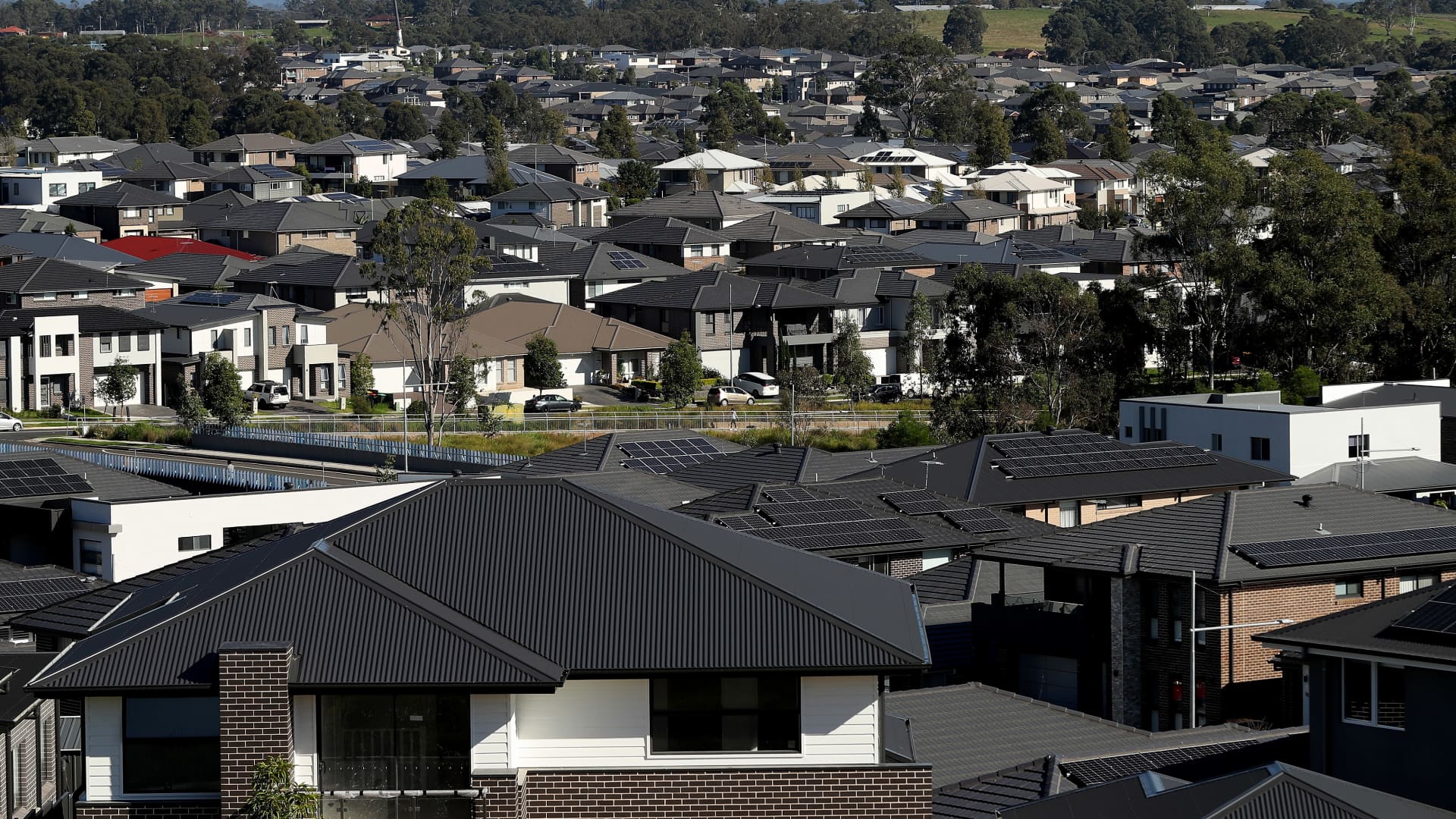
Interested in learning more about today’s sponsors or becoming a BiggerPockets partner yourself? Check out our sponsor page!

Note By BiggerPockets: These are opinions written by the author and do not necessarily represent the opinions of BiggerPockets.


Source link

How to Get Any Seller to Accept Your Offer in 24 Hours (or Less!) Read More »

Home buyers are canceling purchase contracts. What to know before you do

Home buyers are canceling purchase contracts. What to know before you do


Steve Pfost | Newsday | Getty Images

Amid higher interest rates and a softening housing market, home buyers are continuing to back out of purchase contracts at an elevated rate.

About 64,000 home-purchase agreements were canceled in August, according to a new report from Redfin. That’s equal to 15.2% of home contracts initiated during the month and similar to the 15.5% canceled in July. A year ago, the share was 12.1%.

If you’re considering joining the ranks of those who walk away from a deal in progress, it’s important to know whether it will cost you to do so. Or, if you haven’t yet signed a contract but are nearing that point, it’s worth determining if you can cancel at some point in a way that doesn’t result in forfeited money.

Your deposit may be at stake

Median home price as a percentage of income is up 46% since the start of the pandemic

Contingencies can help protect buyers

Given the financial risks of a broken contract, it makes sense to ensure the final purchase is contingent upon certain aspects of buying a house. Common contingencies relate to home inspection, appraisal and financing.

For example, if the inspection were to reveal problems with the house that are unacceptable to you, a home inspection contingency generally would mean you can walk away and get your deposit back. Or, if the appraisal were to fall short of the agreed-upon sale price or you cannot secure a mortgage at a rate or terms specified in the contract, you could back out without losing your money.

Be aware, though, that the process and conditions for being able to recoup your deposit differs from state to state, said Erin Sykes, chief economist for Nest Seekers International, a real estate brokerage.

More from Personal Finance:
Car buyers pay 10% above the sticker price, on average
62% of workers reduce savings amid economic worries
Here’s how to prepare for student loan forgiveness

For buyers, the softening market means entering into a contract with contingencies is more likely than it was just a few months ago.

“Buyers are putting contingencies back in [purchase agreements] … and not giving it all away to sellers like they did,” said Stephen Rinaldi, president and founder of Rinaldi Group, a mortgage broker.

There also can be affordability issues causing buyers to walk away, especially in new construction, said Al Bingham, a mortgage loan officer with Momentum Loans in Sandy, Utah.

Basically, with persisting supply chain issues affecting construction, new houses are taking longer to complete. This means that the current interest rate available to a buyer ahead of settlement may be higher now than it was before construction started.

Buyers “are willing to walk away even if they can qualify because the house payments have gone up,” Bingham said. “They just cannot afford it.”

After two years of surging home prices, rising interest rates have hit the brakes on a red-hot housing market. The average fixed rate on a 30-year mortgage was 6.7% as of Friday, up from about 3.3% in early January, according to Mortgage News Daily.

The difference a higher interest rate makes can be stark.

For example, on a $300,000 mortgage at 6.7% over 30 years, monthly payments for principal and interest only would be $1,935. That same loan at 3.3% would result in a payment of $1,313 (a savings of $622). Those amounts do not include other costs that often are wrapped into mortgage payments, including homeowners insurance, property taxes or private mortgage insurance.

“The market shifted really fast,” Rinaldi said. “It went from people offering $40,000 above asking price, waiving inspections, promising their first-born … to not so much, because rates increased so fast.”


Source link

Home buyers are canceling purchase contracts. What to know before you do Read More »