What the NAR Settlement Means for Real Estate Investors, According to Sources in the Industry

What the NAR Settlement Means for Real Estate Investors, According to Sources in the Industry


The National Association of Realtors (NAR) agreed to a settlement last week that will eliminate its rules on sales commissions. The deal, if approved by the federal court, is likely to shake up the real estate market and could potentially decrease housing prices across the country.

Anthony Panebianco, a real estate attorney at Davis Malm Attorneys, told BiggerPockets that the settlement is unsurprising, as a judgment would have likely led to the NAR’s bankruptcy.

“The elimination of the mandatory cooperative compensation model was predicted before this settlement and now is guaranteed,” he added.

The NAR agreed to pay $418 million in damages and implement new rules by July that will change how real estate brokers are compensated. One rule would prohibit brokers from offering compensation on the multiple listing service (MLS), which critics say led to brokers pushing more expensive properties on buyers. Another rule would require buyer-brokers to enter into a written agreement with their buyers.

“It has always been our goal to preserve consumer choice and protect our members to the greatest extent possible. This settlement achieves both of those goals,” Nykia Wright, interim CEO of NAR, said in a statement

An End to the Traditional Commission Model? 

The change to NAR rules essentially means the end of the standard 6% commission rate for brokers, and commissions are expected to be cut by as much as half.

In turn, this could open opportunities for alternative selling models. These could include an increase in models that already exist, such as flat fees and discount brokerages, or even completely new models, Nick Narodny, founder and CEO at real estate startup Aalto, told BiggerPockets. 

“They could be everything from subscription to flat just giving consumers more of a power of choice and the representation of buying,” he said.

With all the current issues facing the NAR, Panebianco said there would be traction if other groups were to try to step in and offer other models. 

“Now would be a good time if an entity was so inclined to come up and say we’re different than the NAR, and we will lobby on your behalf and be able to better predict what the future holds,” he explained.

Some brokers feel the news could improve the industry, as less experienced brokers are likely to leave. And the decoupling will also mean more transparency in an often complicated commission system.

“Real estate investors will benefit from only the savviest agents remaining in the industry,” Michael Martirena, founder of the Ivan and Mike Team with Compass in Miami, told BiggerPockets. 

Martirena said this will lead to a “collective leveling-up in terms of education, information, and client service,” as agents can help clients with no hidden costs. “The transparency will benefit investors as much as consumers,” he added. 

What This All Means for Real Estate Investors 

The NAR’s settlement isn’t the end of the compensation debate. While the NAR rules apply to just agency members, not all databases require membership. Other real estate companies, such as RE/MAX and Redfin, have gotten rid of requirements for agents to be part of the NAR in response to numerous lawsuits.

The Department of Justice (DOJ) is still continuing its investigation into the NAR, including its MLS, which it has questioned for stifling competition and potentially going against antitrust laws. In a statement of interest related to the commission lawsuit, the DOJ advocated for an end to cooperative compensation.

Narodny said he doesn’t see the DOJ allowing the settlement to stand. “They want commissions to be decoupled, not have the rules be changed,” he said. “I think we’ll see true change by this summer, and I think commission will be decoupled. This means buyers have to pay their own way, and potentially investors have to pay fees out-of-pocket.”

It’s widely believed that the changes will also help bring down the costs of financing or even overall home prices, which could be welcome news, as the market has been beset by record-high prices over the last few years. Some buyers may even opt to forgo an agent completely. 

Brokers are likely to get paid somehow, even if the price structure changes. While the elimination of buyer’s broker fees should be seen in the purchase price, “I’m skeptical of that being a reality,” said Panebianco. “The market sets the price, rather than the machinations of how the industry conducts a deal.”

Final Thoughts 

Still, industry experts are hopeful that in the long run, the NAR settlement will ultimately be a win for the real estate market.

“With the ability for buyers and investors to now favorably negotiate with their broker on commission fees as a result of the NAR settlement, we are likely to see an increase in the volume of deals, which has been generally on a decline for the past few years,” said Panebianco.

Ready to succeed in real estate investing? Create a free BiggerPockets account to learn about investment strategies; ask questions and get answers from our community of +2 million members; connect with investor-friendly agents; and so much more.

Note By BiggerPockets: These are opinions written by the author and do not necessarily represent the opinions of BiggerPockets.


Source link

What the NAR Settlement Means for Real Estate Investors, According to Sources in the Industry Read More »

February home sales spike 9.5% as supply improves

February home sales spike 9.5% as supply improves


Jeff Greenberg | Universal Images Group | Getty Images

Sales of existing homes surged 9.5% in February from January to 4.38 million units, on a seasonally adjusted annualized basis, according to the National Association of Realtors. Housing analysts had been expecting a slight drop.

Sales were down 3.3% year over year, but it was the largest monthly gain since February 2023. Sales surged the most in the West, up 19.4%, and the South, up 16.4%. Sales in the Northeast were unchanged.

“Additional housing supply is helping to satisfy market demand,” said Lawrence Yun, NAR’s chief economist. “Housing demand has been on a steady rise due to population and job growth, though the actual timing of purchases will be determined by prevailing mortgage rates and wider inventory choices.”

Inventory rose 10.3% year over year to 1.07 million homes for sale at the end of February. That represents a still low 2.9-month supply at the current sales pace.

Higher demand continued to push the median price higher, up 5.7% from the year before to $384,500 — the eighth straight month of annual gains. Competition was stiff, with 20% of homes selling above list price.

The sales count is based on closings, so contracts likely signed in December and January, when the 30-year fixed mortgage rate dropped to the mid 6% range. It is now over 7%, according to Mortgage News Daily.

First-time buyers, however, did not surge with overall sales. They represented just 26% of buyers in February, down from 28% in January. Roughly 40% is the historical norm. All-cash sales were at 33%, up from 28% the year before.

“The stock market, maybe that is helping, or the record-high home prices. People from expensive states like California are going to more affordable markets like Florida or Georgia and paying all cash,” Yun said, adding that consumers may be accepting a “new normal” for mortgage rates.

Don’t miss these stories from CNBC PRO:


Source link

February home sales spike 9.5% as supply improves Read More »

Buying in a Historic District Can Be a Gold Mine—But Here’s Why You Should Be Careful

Buying in a Historic District Can Be a Gold Mine—But Here’s Why You Should Be Careful


A recent CNBC survey based on cost per square foot revealed that the United States’ most expensive real estate market is San Francisco’s South of Market, which contains historic Victorian buildings surrounded by Beaux-Arts and neoclassical government buildings. On the other coast, in New York, Brooklyn’s most expensive real estate market is Brooklyn Heights, a leafy neighborhood of century-plus-old brownstones. 

Both have designated historical status, meaning their period architecture cannot be changed. However, not all older neighborhoods are historic. For investors looking to maximize equity appreciation, the key is buying an older home on the cusp of receiving the historic designation. 

Historic Districts Can Gain 20% Appreciation Per Year

There are more than 2,300 local historic districts in the United States, and new ones are being considered constantly. Every state has them, and they aren’t out of most investors’ price range. The government often offers grants, low-interest loans, and tax breaks to renovate homes in these areas. 

real estate analysis of Washington, D.C. by economist Donovan D. Rypkema showed historic districts can increase property values. Indeed, a 2011 study of Connecticut historic districts and property values found this designation could raise it almost 20% per year in some areas

The first step in becoming a historic district is to be designated a “landmark” status. Neighborhoods with historic churches and older buildings are particularly good candidates, as they are most likely listed in or eligible for listing in the National Register of Historic Places

Becoming landmarked is not fast or easy, but it’s a resource that investors often overlook. Once a neighborhood is afforded a historic designation, the older buildings attain prestige because they are immediately protected from developers. Preserving architectural gems can profoundly affect property values in cities with new, gleaming condo towers like New York. 

Crown Heights North, a gentrifying neighborhood in Brooklyn with a reputation for crime that is also filled with brownstones and old churches, was given historic status in 2011. All metrics point to a massive shift in not only property values, which occurred throughout Brooklyn but crucially, household income (the largest demographic earned below $20,000 annually in 2000, compared to $100,000 to $250,000 in 2021). Poverty had dropped to 14.8% compared to 18% citywide, while rents increased by 48.8% between 2006-2021.

Things to Be Aware Of When Buying an Older Home

If you’re buying a home in a landmarked designated or historic district, it’s likely older and needs renovation. There are a host of potential issues you could incur. Here are some considerations.

You might be entering into a restoration rather than a renovation

Buying in a historically designated neighborhood or a landmarked one means adhering to a strict code

Common stipulations for rehabbers include using wooden window casements that match the original ones that came with the home instead of model metal and vinyl ones. Exterior railings, gates, and doors will likely be replaced with like ones or restored to their previous condition. Ditto goes for moldings, motels, and fireplaces. However, mechanical walls, such as plumbing and electrical upgrades, will likely be unaffected and can be upgraded with modern materials. 

Homeowners insurance could cost more

Home insurance rates can be higher for a historic home due to the cost of building to historic specifications in the event of a total loss. Also, if the home is larger, with various outbuildings as part of the parcel, this will also increase the insurance cost.

Getting Financial Assistance for Your Renovations

The good news is that grants and loans can help investors with renovations. Your state Historic Preservation Office (SHPO) should be your first stop to learn about funding advantages. 

The National Trust for Historic Preservation’s Historic Tax Credit program (HTC) is also an invaluable resource. Historic preservation easements are also worth looking into, and if they apply, they can also bring additional tax benefits

A Historic Home Can Be a Good Investment for a Vacation Rental

If you own a historic home in a scenic part of the country or in a bustling downtown city neighborhood, consider a vacation rental business.

With cultural tourism (defined by the United Nations World Tourism Organization as “movements of persons for essentially cultural motivations such as study tours, performing arts and cultural tours, travel to festivals and other cultural events, visits to sites and monuments, travel to study nature, folklore or art, and pilgrimages”) accounting for 40% of tourism in some countries, rental sites AirbnbVRBO, and Joybird have sections dedicated to historic homes that appeal to travelers looking to avoid sterile corporate hotels in favor of a character-filled, welcoming stay. Marketing your home’s historical status and choosing tasteful interior designs will appeal tremendously to visitors. If you own a historic home, you could also get the advantage of state websites (here’s one example from Pennsylvania) promoting your rental to attract visitors.

Final Thoughts

Historic homes are character-filled and often located in the scenic or older parts of towns and cities where most people want to live. This results in rapid appreciation and high rental demand. Check with your city’s rental laws to ensure your home can accommodate guests.

Entering a historic home renovation requires time, patience, and experience when following the city’s guidelines. As an investor, you can be certain that if you maintain your property, it will likely increase in value far faster than other non-historic homes in the area.

Ready to succeed in real estate investing? Create a free BiggerPockets account to learn about investment strategies; ask questions and get answers from our community of +2 million members; connect with investor-friendly agents; and so much more.

Note By BiggerPockets: These are opinions written by the author and do not necessarily represent the opinions of BiggerPockets.


Source link

Buying in a Historic District Can Be a Gold Mine—But Here’s Why You Should Be Careful Read More »

Consumers are having a hard time deciding to buy into the housing market, says Invitation Homes CEO

Consumers are having a hard time deciding to buy into the housing market, says Invitation Homes CEO


Share

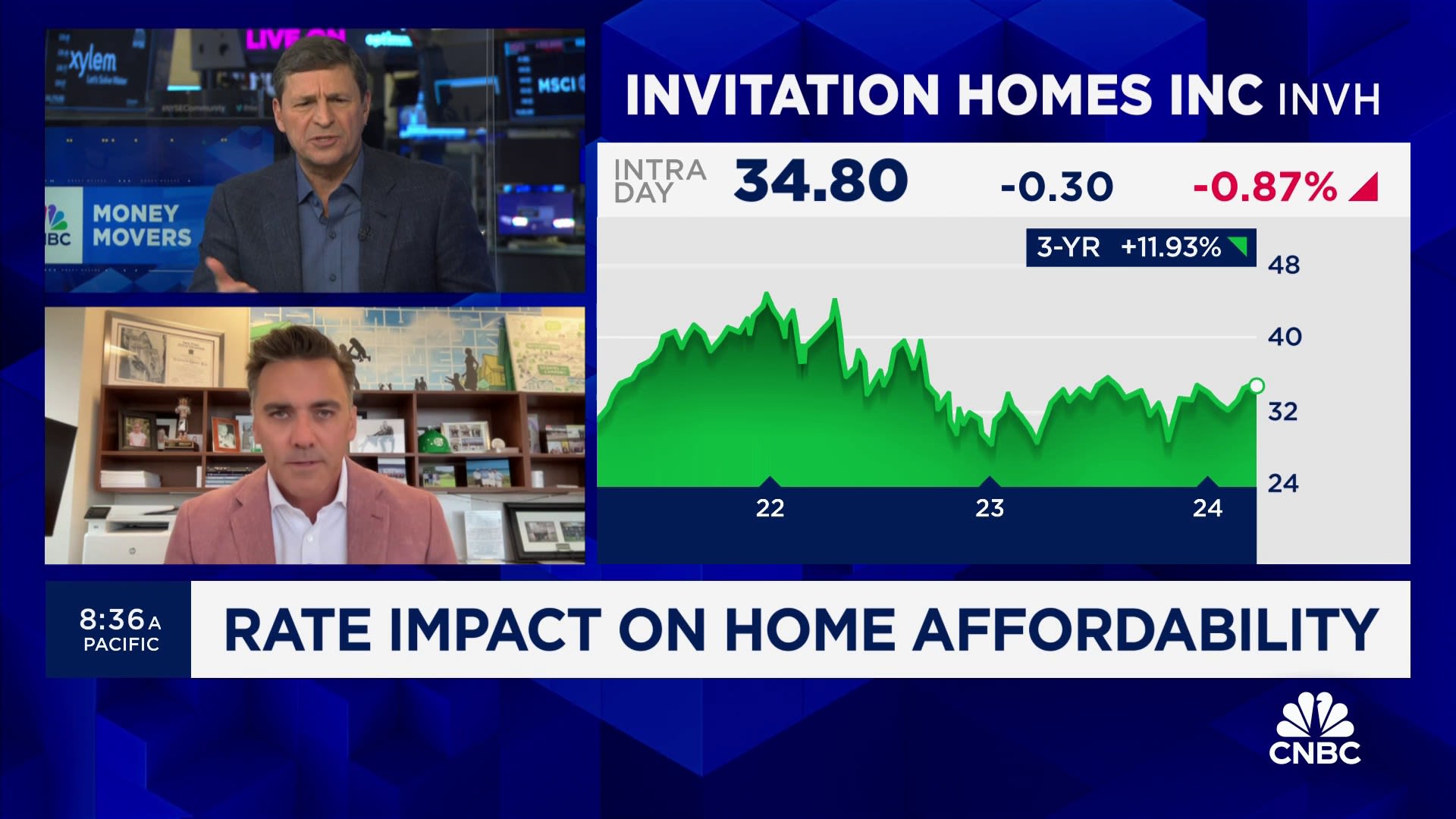
Invitation Homes CEO Dallas Tanner joins ‘Money Movers’ to discuss the state of the rental housing market and its impact on home affordability.

04:22

3 hours ago


Source link

Consumers are having a hard time deciding to buy into the housing market, says Invitation Homes CEO Read More »

NAR Settles for 8M, Buying and Selling Homes

NAR Settles for $418M, Buying and Selling Homes


A bombshell NAR settlement could bring wide-sweeping changes to the housing market. After a snowball of NAR lawsuits, the realtor association agreed to settle for a whopping $418 million and make critical changes to how real estate agent commissions are paid and how competition can be upheld. This significantly impacts anyone buying or selling a home and has life-changing effects for every real estate agent and realtor in the country. The New York Times’ Debra Kamin joins us to break the story.

Debra breaks down the enormous legal loss that NAR (National Association of Realtors) suffered last week and the impacts it will have on the housing market. First, we discuss the new agent commission rules, which may break the standard six percent fee that realtors are used to taking. These commissions are real estate agents’ livelihoods, and a new model that supports lower commissions could force many agents to leave the industry entirely.

We’ll also touch on the turbulent times NAR has faced recently, from sexual harassment scandals to changing leadership and, now, a massive settlement that could lose them more than half of their members. Will a new type of real estate agent form from the ashes of this century-old model? Or, could a brand-new way of buying and selling homes transform the housing market? Stay with us; we’ll give you the entire scoop.

Dave :

Hello investors. My name’s Dave Meyer and welcome to the BiggerPockets Podcast Network. Today we are covering a breaking news story. If you haven’t heard already, there have been a bunch of antitrust lawsuits lobby against one of the biggest trade organizations in the entire country, the National Association of Realtors. And just last week, NAR, the National Association of Realtors has settled these antitrust lawsuits and what was contained in those settlement really is the potential to change the entire real estate investing industry. And I know that might sound a little bit dramatic, but it is really true. This could really fundamentally shift the way that people buy and sell real estate. So today, in order to fully understand this super important topic, we’re going to bring on Debra Kamin, who is a journalist from the New York Times to discuss the most recent developments. Before we bring on Debra, I just want to acknowledge that this recent and unfolding story has created a lot of uncertainty and a lot of strong opinions about what might happen next, what should happen, whether this was the right thing to do or not. In today’s episode, what we’re focusing on is what we actually know because there’s a lot of speculation and we’re going to just have to wait and see how a lot of things unfold over the coming months. But our purpose here in bringing in Debra is not to say one way or another what should be happening, but instead to just say what has actually happened so we can all learn the facts and form our own opinions about what this means for the real estate industry. So with that said, let’s bring on Debra.

Debra, thank you so much for joining us today.

Debra :

Thank you for having me. It’s fun to be here.

Dave :

For our listeners who might not be real estate agents or familiar with the whole drama that’s been going on, can we just start with the basics and have you explain to us what the National Association of Realtors is in the first place and what is their significance to the real estate industry?

Debra :

Dave, such a good question and the word that I’ve been using this week as I’ve been talking about the fallout from the story, the words are invisible hand. Essentially the National Association of Realtors has been for a hundred years like an invisible hand that’s guiding the entire housing market because they are such a large and powerful trade organization. And because to buy or sell a home in the us, you basically have to be a member. Otherwise they make it incredibly difficult.

Dave :

And that’s for real estate agents who need to be members of the National Association of Realtors, right?

Debra :

Correct. Exactly, yes.

Dave :

And how do they make it difficult to buy or sell a house if you’re not a member?

Debra :

So there’s a couple ways and pretty much from the entire transaction, from getting the house on the market to physically getting into the house to show it to a buyer or a seller, to then even completing all the documentation that comes with a home sale NAR is involved from the get-go. The most important way that they’ve really practiced control over the market is through these things called multiple listing services or MLSs. These are just databases where homes are listed for sale. So if I am selling a home and I hire a real estate agent and I say, okay, let’s put this house on the market, they’re going to put it on something called the MLS. But in almost every city in the US the MLS is actually owned and operated by the local subsidiary of NAR. And in order to access that database and see the houses for sale, you have to be a member. So it’s basically if you’re not a member, you can’t see if the homes are even on the market. You can’t bring buyers to them. You can’t operate in this space as an agent.

Dave :

Okay. So NAR is this essential part of the real estate buying and selling industry right now, as you said, they are sort of this invisible hand over the last couple of years they’ve faced many lawsuits, but there’s been one in particular over the last few months that has been really important. Can you tell us about these antitrust lawsuits?

Debra :

Absolutely, and I want to be really clear, there’s one that was really important. There was one lawsuit that was, they lost in October, but the settlement that we’re talking about actually wraps all those lawsuits together and is a global settlement because all of these lawsuits have made the same accusation. NAR has set rules for how agents are paid for the work that they do for the commission that they receive, and even how that commission is communicated to them. And because they are so powerful and because they control so many aspects of the housing industry, there have been arguments against them that these rules are essentially anti-competitive. I don’t know if you know about the 6%, I don’t know how deep you want to get into this, but are we familiar with the 6% that people pay to buy and sell a home? Do you want me to dig into it for a sec? I think

Dave :

A lot of our listeners are, but let’s get into it because I think the details do really matter here.

Debra :

Yeah, so 6% is this number that when we’re talking about this settlement with NAR, everybody has been throwing it around 6% is essentially the standard fee that you almost always have to pay somewhere between five and 6% in America. If you are selling a home, this fee is not written anywhere. It is not set in stone, it is not required. And that has been n NAR’s argument. But because the way they’ve set up the rules and because there’s really been no way for agents to be competitive in real estate, everyone has essentially charged the same fee. When you sell a home and you pay 6% to your agent, that agent then will take half of that and give 3% to the buyer’s agent. If I’m selling my house, I pretty much just have to take on this additional cost of 6% of the sale price that I’m going to pay and commission to my agent, and then that agent’s going to go ahead and pay the buyer’s agent.

And in 2018, 2019, a group of home sellers in Missouri looked at the contracts that they’d signed with their real estate agents and realized that they did not know that they could have negotiated that fee. And in some cases they didn’t even know they were paying that fee until the money had already come out of the transaction and they thought we might have a, so they went and they got an attorney. And that spiraled into a class action lawsuit in Missouri that in October of last year, NAR lost and the loss was nobody was shocked by the loss more than NAR themselves. They never expected it. And since then it’s really been just like a domino effect. That brings us to where we are today.

Dave :

Thank you for explaining that. That was a great explanation of how this works and how we’ve arrived. At this point, I do want to ask a little bit about these contracts because I hear from real estate agents all the time and I know from my own personal experience that these commissions are technically negotiable. And so what is sort of the point here or why did the jury side with the plaintiffs here saying that there was actually this collusion to keep prices high when technically you are able to negotiate,

Debra :

So technically you are able to negotiate and that has been NA’s argument all along, but whether people actually are aware that they can negotiate and whether if they negotiate they are then put at some sort of disadvantage in the market is an entirely different conversation. The two pieces that were argued in court were not even really about the 6%. The first was this rule that NAR has that a seller agent can offer commission to a buyer’s agent. And by doing so, it has made commissions high. So if I’m an agent selling a house, when I’m telling my clients you need to pay commission, that commission needs to be big enough that I get my piece and the buyer’s agent gets their piece. So that has inflated these commissions up to 6% because half of it has to be split with the buyer agent. And there was actually a rule that NAR had that anybody who was a member of the organization had to follow that if I’m a real estate agent and I’m selling a house, I have to make an offer of commission on these databases where homes are listed to the buyer’s agents.

And basically what that means is buyer’s agents, if they’re taking customers around to see homes, can see before they even take people into the homes, how much they stand to make if they sell that home. So why would anyone offer less than 3% if they’re trying to sell a house, why would they say, Hey, come see this house. I’m only going to give you 2%. You’re not going to get any buyers to come buy this house that you’re trying to sell. And that has kept commissions inflated artificially. So that was the first thing the jury said, this is a conspiracy, this is price fixing. There’s no room for competition here because these rules have made it that everyone’s offering the same thing because otherwise they can’t compete. The other aspect of the argument was this idea that offers of commission are made on these databases in the first place because that means that only people who are in this organization and following these rules can sell homes. It keeps all other people who might offer different types of commission or might even sell houses differently if they’re not members of NAR. It keeps them out of the market because if you can’t access the MLS, you can’t access home listings. You can’t sell a home without accessing home listings. So those were the two pieces that actually came down and were discussed court.

Dave :

Alright, so now that we know the basics of these lawsuits and where the 6% commission rate came from, we’re all wondering what happens next? What do these changes mean for you? Whether you’re an investor, an agent, or just someone trying to buy a home? Deborah spells out the scenarios we may see right after the break.

Welcome back to bigger news. I’m here with Debra Kamin from the New York Times talking about the breaking in NAR settlement and what it means for the real estate industry as a whole. Thank you for explaining that. Debra. I know this is sort of a complicated process, but the details do really matter here. And for everyone listening, I know you probably have your own opinions on which way you would’ve cited if you agree with the jury that this is collusion or if you agree with the NAR that this is a perfectly fair practice. I totally understand this is a complicated topic, but today in our conversation with Debra, I want to focus on what might happen next because the jury’s already made a decision and so let’s look forward into how this might impact all of us in the real estate investing industry. So Debra, tell us a little bit about this settlement. We just heard about the judgment that was made back in October. What is the settlement that took place over the last week?

Debra :

Yeah, so Friday morning, we’re talking really early Friday morning like 1:00 AM Friday morning NAR. And the attorneys for the plaintiffs in these settlements decided to settle and it came for many people as a surprise when the verdict came down in October, NAR stance really was that this was a false verdict. There was no price fixing, there was no collusion. They were going to appeal, they were going to appeal, they were going to appeal. That was their line. What happened after that lawsuit is the floodgates essentially opened and all these other copycat suits started being filed and by the time we got to Friday, NAR was facing something like 20 different lawsuits all making the same accusations, and the pressure had really become insurmountable. So they decided to settle. The amount of the settlement is $418 million, which is a fair amount of money, but what’s more important is the rules that they’ve agreed to change as a result of the settlement.

And those include that sellers agents can no longer make these offers of commission to buyer’s agents using the databases. That’s the main thing. And there’s other rule that homes have to be entered into these databases that are controlled by nar. That rule has also changed. So what it’s done is really for the first time in a hundred years broken this hold that NAR has had over the real estate industry and allowed the possibility for competition to enter the market. And we all know that when competition enters the market, prices tend to go down because people can compete and offer the safe services for less or offer different types of services, and that’s what we’re going to see.

Dave :

And can you tell us a little bit just logistically how this new competition may play out and drive prices down?

Debra :

Yeah, absolutely. So there’s been a lot of questions people have said, how is it possible this is going to lower prices if all this means that now buyers are going to have to pay their own agents? And the reasoning behind it, every economist I’ve spoken to has said the same thing. When you sell a house and you sit with your agent and you set the price that you’re going to put the house on the market for, it’s a number you agree upon with your agents. Anyone who’s ever sold a house has gone through this and the agent says you’re going to pay commission. That amount of commission then gets baked into the home sale price so that if I’m selling a house that’s worth a million dollars or I want to take home a million dollars from the home sale, we tack on enough so that the commission can come out of that sale and I can still walk away with money.

So home prices have been elevated artificially according to the lawsuit because they have included this high commission rate for so long. So if those commission rates go down, the amount that’s baked into the home price is also going to go down, which is going to lower home prices across the board. It might just be one or two percentage points, but when you think incrementally about the size of the US housing market and the amount of money that Americans have traditionally been paying for commissions, it’s something like a hundred billion a year that Americans spend on home commissions alone, economists forecast that number is going to go down by like 20 to $50 billion. So think about that reduction into home prices across the board that will lower home prices. It will also make the cost of moving lower because the commissions involved with moving are lower, which might encourage people to move more often, which will put more fluidity into the housing market and really just give a bit of an injection to a housing market that is so stagnant right now because affordability is so dire for so many Americans.

Dave :

I get how commissions could get forced down or a downward pressure could be applied to the seller side commission. Right now, if you’re a seller, you’re like, Hey, I only want to offer 2% or I’m only going to work with an agent who offers for two or 3%, but the part of the puzzle here that’s confusing to me is the buyer side. So if sellers aren’t going to pay for a buyer’s agent, does that mean we’re going to see a complete shift to where buyers have to pay a commission or a flat fleet or somehow pay for the real estate agent that they presumably will use?

Debra :

Dave? It’s such a good question and it’s one of the big things that people are most concerned about with this settlement because for so many buyers, especially first time buyers, they are barely scraping together enough pennies just to have a down payment. So now think, oh my God, now I have to pay commission to my agent on top of this. How am I possibly going to afford this? It is highly problematic. That being said, what this is going to do is allow for there to be new models for how buyers work with agents to enter the market. The way that we buy and sell houses today in the US is radically different than it was 50 years ago. It used to be if you wanted to buy a house, you called a real estate agent, they picked you up in their Volvo, you drove around, you saw the houses that they knew that were on the market, you looked to ’em, that was it.

Now 99 to a hundred percent of home buyers are using sites like Zillow and Redfin look at the market themselves before they work with an agent. This doesn’t mean that buyers still don’t need agents. This is probably the most important financial transaction of someone’s life and there’s a very strong argument to be made for working with an expert, but it does mean that perhaps what the rate that we’re paying should shift or should evolve or should somehow represent a different type of compensation because the process is different. So we might see agents who are charging a flat fee or charging by the hour. We might see sites like Redfin and Zillow making it so you can look at home listings and then buy through those sites the same way we can now book travel through Expedia and Kayak when we used to have to go through a travel agent. There’s a lot of options here for the entire market to completely be restructured and recalibrated because this choke hold that NAR has really had, and I use that word carefully, it’s been broken for the first time.

Dave :

Deborah, are there any models from other countries or elsewhere that could be an example of what might play out here in terms of new models for agents and buyers working together that we may see here in the us?

Debra :

That’s a really good question, Dave. I’ll tell you what I do know, and I’m not an expert on international home buying by any means, and I don’t want to pretend that I am. I will tell you that real estate commissions in the US are among the highest in the developed world. It’s something like number three out of all countries. In most countries, they’re not 6%. There’s something closer between two and 3%. In a lot of countries, buyers don’t use agents. In some countries dual agency where an agent represents both people is much more common. There are pros and cons for that argument. Some people say it’s great because it saves money. Other people say you have one person working both sides of a negotiation which causes problems. So yeah, I think actually a really good way for real estate agents to think, oh my God, what’s the day after going to look like once they recover from the blow of this news is to look at other countries and see if there is a model that would apply. Obviously the entire economy in the US is different than other countries and our housing market is different. So it’s not a perfect comparison, but it would be a good place to start to get some ideas.

Dave :

Yeah, it’s super interesting to think about. I am still trying to wrap my head around it because it’s just so foreign from what I’ve experienced being in this industry for the last 15 years. I’m wondering if you think there’s an opportunity or one of the models may be fewer people using real estate agents, and I am a big proponent of people using real estate agents. I think they add a tremendous amount of value and it sort of worries me a little bit to think about, particularly like you said, first time home buyers trying to go it alone on what can be a complex and really financially intensive decision.

Debra :

I totally agree with you. I will say I have gotten a lot of angry emails over the past few days from real estate agents and there are a lot of really high emotions right now. Completely understandably. Part of the reason for that is that real estate agents have been very much left on their own to make their own money to survive financially and then also to deal with the fallout of this lawsuit without any sort of support or guidance. Most of them are not employees, they’re freelancers. Even if they work for brokerages, they have to split that commission with the brokerage they work for, but they don’t have the benefits of being a full-time employee or the security or the safety. And most of them have been paying dues to NAR for years loyally and then feel like after putting in all that money and all that time NAR went to court, they lost and now it’s the agents who are left seeing their livelihoods potentially halved or slashed, and then also being vilified by some people who are saying, well, hey, I don’t even need an agent in the first place.

What I definitely think will happen as a result of this ruling is we are going to see fewer agents in the marketplace. There are a lot of real estate agents in America, tons and tons. So many people during the pandemic especially went and got their real estate license because it’s not that difficult. It takes about 40 to 50 hours of certification and when the market is really hot, you can make a lot of money really quickly selling a home. Those agents, the ones who are only selling a home casually here and there probably will leave the market. The ones who are really good at their jobs, the ones who really do provide an extremely useful benefit to buyers and sellers will stick around, but we’re going to see probably a time of transition before it flattens out. And then the ones who stick around, they have to change how they are paid and that’s going to be painful for some of them.

Dave :

Absolutely. Yeah. I forget the exact data, but there’s some stat where it shows something like 20% of agents do 80% of the volume. So there’s about 1.5 million members of NAR and as of the last reading, the amount of inventory on the market in the United States is 900,000,

Debra :

Right? So imagine how competitive it is. This is why real estate agents are panicking understandably. There’s so many agents, there’s so few houses, and now they’ve just been told even if you do sell the house, you’re going to make less than you plan to make less than your entire financial structure was built around. This is really tough news. The good news is that if we do see fewer agents, the ones who stick around stand to be more successful once the dust settles from this, I hope that’s at least comforting. That

Dave :

Is the feedback I’ve gotten. I have a lot of close personal friends and professional friends who are real estate agents, and that does seem to be sort of the prevailing belief here is that there is going to be some short-term pain. I think that’s the unfortunate news for the real estate agent industry, but a lot of the people I know who have built successful businesses over the last 10 or 20 years feel that what this will likely do is eliminate a lot of the people who are part-time agents, and I actually even know a couple part-time agents who are like, yeah, I’m probably not going to renew my license and have sort of owned up to that. This is no longer going to be worth it to them. But the people who make this their profession and who do add tremendous value to this industry, and especially obviously to home buyers, but in our industry of real estate investors, they add a tremendous amount of value. I think a lot of the experienced people I’ve talked to have echoed what you said, Debra, is that they feel like this might actually be beneficial to them in the long run, but it’s going to be an uncertain period here for at least six months a year, and it maybe even a little bit longer. Alright, we have to take one more short break, but stick around because Debra’s going to give us her insights on the future of NAR right after this.

Welcome back everyone. I’m here with real estate reporter Debra Kamin. Let’s jump back in.

Debra :

One of the other criticisms of NAR over the past few months that I’ve heard is that they have not done their job as a trade organization of convincing people of the value that real estate agents bring. So many people now hearing about this verdict are saying, oh, well, I’m just going to not use an agent. And okay, fine. Obviously you can buy anything you want with or without an agent. This is one of the nice things about living in America that is part of the economy, but there is something to be said for being guided through the transaction NAR and their role as the largest most powerful trade organization in the US has put out some sort of materials about the value of real estate agents, but they’re not getting into the market. People who are buying and selling homes, the message is not resonating. And that’s a problem too for real estate agents, especially for those who are thinking, wait a minute, is my entire financial future now at risk because of this ruling that they lost in court? So there’s a lot of anger towards them, and I think it’s understandable. There was a lot of arrogance going into this case and they did not expect to lose.

Dave :

Well, they have been quite successful historically at sort of swatting down lawsuits because they do get sued quite a lot and they have, but well,

Debra :

I’ve spent a lot of time examining their financials and they spend a lot of money on lawyers,

Dave :

Aren’t they? One of the biggest trade lobby groups in the whole country,

Debra :

Dave, they are the largest political action committee in the country. So not only are they the largest trade organization in America, they are the largest political action committee, and that has been really, you just hit the nail on the head. That has been the key to much of their power because in addition to being a trade group, they give money to candidates who support their agenda and they spend money to fight candidates who don’t support their agenda. So they’ve been able to really maintain a lot of their power and influence through that avenue. Now, if they stand to lose as many members as is projected, and some of the projections are, they’re going to lose up to two thirds of their membership. That also means they’re going to lose a lot of their political donations, their members who fund their pac. So that means that the lobbying arm that’s pushing a lot of these agendas in Washington is going to be a lot weaker. So that’s the real fallout couple years from now that I have my eye on for what the real impact of this is going to be. It’s not just about commissions being baked into home prices.

Dave :

Wow. And Kailyn, our producer just sent me a note that the amount spent lobbying by NAR in 2023 was $52.4 million.

Debra :

That’s actually probably not even the number because that’s

Dave :

The number really, it’s

Debra :

Higher. Well, that is the number that they have officially spent through their own channels, but they also make a lot of donations to other groups who then filter that donation to other groups. And that in addition to NAR, you have to remember there’s the National Association of Realtors, but then at every state, there’s the California Association of Realtors then have had Association of Realtors, and then every state has its own small city groups. So there’s the San Diego Association of Realtors. Each of these groups also have political action committees and also raise money, and a lot of the funds are flowing back and forth and then being moved to nonprofits, and this is a project that I’ve been working on. It’s a story that we haven’t published yet, but I’ve been tracking their finances for quite some time to really see the size and scope of this machine of money coming from the realtor lobby and where it goes, and it’s monumental.

Dave :

Wow. Well, it really makes you wonder what the future of NAR is going to be if there’s a lot of dissatisfaction among its members. People are projecting such huge losses. Do you have any thoughts on how this might shake out for the organization itself?

Debra :

I don’t see a day where NAR is gone completely. I think that they a serve an extremely important role in the housing industry and the real estate industry, and they’ve been around for a very long time. There’s a lot of legacy and a lot of history, but I also cannot imagine a future where they have the same unchecked influence and sort of wild power that they had a year ago. They have been through so much over the past year, not just the lawsuits, but also the sexual harassment. Have we talked about that? Do we want to talk about the sexual harassment?

Dave :

I think we should because their organization I do. But yeah, so I know there’s been a lot of internal turmoil at NAR, but could you fill us in?

Debra :

Yeah, I mean, I enter the story at this point in many ways. When I became a real estate reporter at the New York Times, which was a little bit over a year ago, I had never heard of NAR. Most people who have not bought or sold a home or not directly involved with real estate investing have never heard of NAR. They just know that they have a realtor and they think realtor is a normal word. They don’t even know that realtor is a word that has been trademarked by NAR, and you cannot use the word unless you are a member. None of this was on my radar. So I started looking into them and I became aware of many allegations of extreme sexual harassment and bullying at the National Association of Realtors. Most of those allegations were directed against one man, Kenny Parcell, who was the president of the organization.

And at the times, I published an expose on these allegations last August, and that was really the moment that NAR entered the global stage in the conversation. A lot of people who read that story had never heard of them and did not know how powerful they were. Kenny Parcell resigned two days after the article ran, and there was a lot of uproar at the organization from staffers because not only had he allegedly been sexually harassing women, many women who had been whistleblowers were paid off. There had been lawsuits that had been quietly closed, and there were a lot of calls for the CEO to resign and for there to be other staffing changes. All of this was happening in the background when NAR went to court in October. So since that moment, they’re now on their third president in six months and they’re on their second CEO. There’ve been a lot of other resignations since then. So they’re having all of this turmoil with their leadership and all these legal challenges, and every single one of these events is like a cut, right? So you add up enough cuts, their power has really been blunted because of it, and their reputation has been blunted.

Dave :

Wow. Yeah. It sounds like we’re just sort of at the beginning. I know we’ve, A lot has already happened per your reporting and multiple leadership changes, multiple lawsuits, but I think this is going to be a story that continues to unfold, it sounds like for months on the NAR front and certainly on the commission front and how this all impacts real estate agents. So Debra, we’ll have to have you back hopefully sometime in the near future to fill us in on how this story continues to evolve.

Debra :

I’d be very happy to do so. Thank you.

Dave :

Thanks again for joining us, Debra. We appreciate it.

Debra :

Of course.

Dave :

Another big thanks to Debra for joining us for this breaking news episode. Now, I know that this is a very important and often controversial and sometimes emotional story that really impacts every corner of the real estate investing industry. I, myself, am still trying to think through all the implications of this settlement, and I do want to recognize that for real estate agents and people who work with them, this can be a difficult and maybe a frightening time right now, and we would love to hear from you. If you have some comments or thoughts on what this means for you and your industry, we would really appreciate your input. So if you’re watching this on YouTube, please comment in the comments below. We also have BiggerPockets forums about this, BiggerPockets blogs that you can comment on, because we want to hear from those of you who in our industry, that this impacts whether you’re a real estate investor, a real estate agent, or someone else in the real estate industry. Thank you all so much for listening, and we’ll see you again soon on the BiggerPockets Podcast Network on the Market was created by me, Dave Meyer and Kaylin Bennett. The show is produced by Kaylin Bennett, with editing by Exodus Media. Copywriting is by Calico content, and we want to extend a big thank you to everyone at BiggerPockets for making this show possible.


???????????????????????????????????????????????????????????????????????????????????????????????????

Help us reach new listeners on iTunes by leaving us a rating and review! It takes just 30 seconds and instructions can be found here. Thanks! We really appreciate it!


Interested in learning more about today’s sponsors or becoming a BiggerPockets partner yourself? Email [email protected].

Note By BiggerPockets: These are opinions written by the author and do not necessarily represent the opinions of BiggerPockets.


Source link

NAR Settles for $418M, Buying and Selling Homes Read More »

Judge orders Trump company to tell watchdog about appeal bonds

Judge orders Trump company to tell watchdog about appeal bonds


Former U.S. President Donald Trump attends the Trump Organization civil fraud trial, in New York State Supreme Court in the Manhattan borough of New York City, October 25, 2023.

Jeenah Moon | Reuters

A judge ordered Donald Trump‘s company Thursday to inform a court-appointed financial watchdog about any future efforts to obtain an appeal bond.

Judge Arthur Engoron’s order came three days after Trump’s lawyers said in a court filing it has been “impossible” for the former president to get such a bond for a civil fraud case he lost.

Trump was seeking the bond to prevent New York’s attorney general from collecting on a $454 million civil fraud judgment against him while he appeals the verdict in Manhattan Supreme Court.

His attorneys said more than 30 surety companies rejected Trump’s request for a bond.

Attorney General Letitia James can begin seizing Trump’s properties next Monday to collect the judgment unless the appeals court grants him a waiver, or unless he manages to secure a bond or puts up real estate as collateral for the court.

In his order Thursday, Engoron told the Trump Organization it must tell its financial overseer, Barbara Jones, “in advance, of any efforts to secure surety bonds.”

Justice Arthur Engoron sits with his clerk as he presides over the civil fraud trial of former President Donald Trump and his children at New York State Supreme Court on November 13, 2023 in New York City.

Curtis Means | Getty Images

The company must tell Jones about any claims the Trump Organization makes to obtain the bonds, any personal guarantees by Trump or other defendants, and any condition imposed on the company.

That level of disclosure would well exceed what Trump has disclosed about a $91.6 million appeal bond he recently received from a Chubb insurance subsidiary to secure a civil defamation judgment in favor of the writer E. Jean Carroll.

Jones, who is a retired federal judge, was appointed by Engoron as the financial monitor for the Trump Organization. The company has chafed under her oversight, complaining about her in filings with Engoron.

Engoron last month ruled that Jones would remain as the monitor for three years after finding that Trump, his two adult sons, his company and two executives were civilly liable for years of fraudulently inflating Trump’s asset values for financial gain.


Source link

Judge orders Trump company to tell watchdog about appeal bonds Read More »

The Federal Reserve Leaves Rates Untouched as Pressure Mounts on Inflation

The Federal Reserve Leaves Rates Untouched as Pressure Mounts on Inflation


With inflation hovering slightly north of 3%, the Federal Reserve’s meeting this week and its decision to leave interest rates where they are were seen by many as inevitable. Inflation has dropped dramatically since its post-pandemic high of 9.1% in 2022 after the Fed hiked up rates, bringing an overheated real estate market to a standstill.

However, it’s still proving a stubborn beast to tame, as the economy has remained resilient. Thus, leaving rates as they are—the federal funds rate is currently at 5.5%—is a hedge against inflation rising again should the Fed choose to lower rates later.

Is the Fed’s desired 2% inflation rate doable? How long can a straining real estate market, desperate for oxygen, hold out? Those questions have undoubtedly been on the Fed’s mind as it attempts to balance holding the line and stimulating the economy.

Low Inventory Has Played a Role

The lack of housing inventory has undoubtedly influenced the Fed’s decision to keep rates stagnant. Similar to what happened after the pandemic, lowering rates when there is little housing stock to go around is an explosive combination that causes sky-high price increases. Ditto for rent.

The lack of housing availability and affordability has seen many renters waiting on the sidelines for a break. The relatively low unemployment numbers—which have lingered below 4% for the longest period since the 1960s—have provided an uneasy equilibrium, allowing landlords who hold property financed at low interest rates to keep buildings rented at high rents while potential homeowners and investors stay put.

Dovetailing rate cuts with an impending building boom in Sun Belt cities that saw dramatic population growth could be a more pragmatic approach. Indeed, construction of new homes increased 5.9% last month from a year earlier, boosting builder confidence. 

A Balancing Act

The Fed’s challenge is to keep price growth bottled by leaving rates where they are without escalating unemployment, which would topple the economy into a recession. Although the Fed is supposed to be politically impartial, that would not be a good look in an election year.

Ironically, a contentious subject also tied to the election—immigration—could also play a role, as more workers put downward pressure on wage growth and thus slow inflation. 

“More people entering the country expands supply and demand,” Matthew Bush, U.S. economist at Guggenheim Investments, told NBC News, saying what most politicians would not. Immigrants, he contended, have a higher tendency to be in the labor force. This means “the expanding supply pool of available workers is greater than increased demand for more workers. That increases economic growth, and you have a greater capacity to produce new goods and services.” 

The Economy: A Hot Political Topic

There’s no doubt that inflation and the Fed rate cut decisions are hot political topics, especially during an election year. The Fed doesn’t want to be caught in the middle and certainly doesn’t want to be accused of influencing the election one way or another, which it would be seen to do if it cuts rates too late.

In his State of the Union address, President Biden alluded to making it easier to build affordable housing, and while tax credits and access to loans will help, lower interest rates will be a massive boost in that area. 

“Any political considerations align with their economic objectives,” Bush told NBC. “The only thing is they might not want to start the rate-cut cycle in the months before the election cycle, so they’d probably prefer to get started in June rather than September so it’s not too close to the election.”

Mortgages

Although rates on 30-year fixed-rate mortgages don’t match the Fed’s benchmark, other loans, particularly those many investors opt for, such as HELOCs and adjustable-rate mortgages, align with the Fed’s rates, usually mirroring them within two billing cycles. 

The average rate on a home equity loan was 8.59% as of March 20, according to Bankrate.com, while the average HELOC was 8.99%.

Final Thoughts 

For homebuyers and investors, high rates for the last two years have been painful, and while many people have tried to spin 7% to 8% rates as normal within a historical context, to see interest rates double within two years without increased wages softening the blow has put a massive dent into people’s financial lives. 

It seems like there will at least be some sort of rate cut before the end of the year, but it won’t be substantive. Yes, they will allow a little wiggle room for mortgage approvals but don’t dream of 3- 4% interest rates again—no matter who is sitting in the White House in January 2025.

Ready to succeed in real estate investing? Create a free BiggerPockets account to learn about investment strategies; ask questions and get answers from our community of +2 million members; connect with investor-friendly agents; and so much more.

Note By BiggerPockets: These are opinions written by the author and do not necessarily represent the opinions of BiggerPockets.


Source link

The Federal Reserve Leaves Rates Untouched as Pressure Mounts on Inflation Read More »

What the settlement on home-sale commissions means to you

What the settlement on home-sale commissions means to you


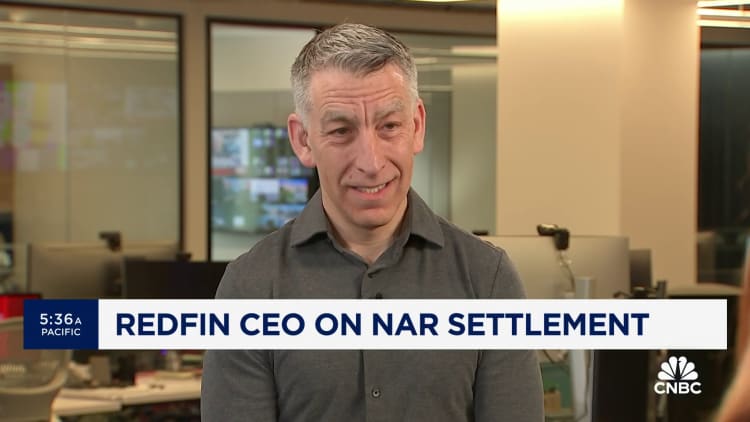
Redfin CEO reacts to NAR's $418 million commission lawsuits settlement

A landmark class-action lawsuit may change the way Americans buy and sell homes.

The National Association of Realtors agreed to a $418 million settlement last week in an antitrust lawsuit where a federal jury found the organization and several large real-estate brokerages had conspired to artificially inflate agent commissions on the sale and purchase of real estate. 

The NAR’s multiple listing service, or MLS, used at a local level across areas in the U.S., facilitated the compensation rates for both a buyer’s and seller’s agents.

At the time of listing a property, the home seller negotiated with the listing agent what the compensation would be for a buyer’s agent, which appeared on the MLS. However, if a seller was unaware they could negotiate, they were typically locked into paying the listed brokerage fee.

More from Personal Finance:
When (and if) you’ll get student loan forgiveness
The easiest way for newbies to start investing
FAFSA ‘fiasco’ may result in fewer students going to college

The proposed settlement would have the commission offer completely removed from the NAR’s system and home sellers will no longer be responsible for paying or offering commission for both the buyer and seller agents, said real estate attorney Claudia Cobreiro, the founder of Cobreiro Law in Coral Gables, Florida.

“The rule that has been the subject of litigation requires only that listing brokers communicate an offer of compensation,” the NAR wrote in a press release.

“Commissions remain negotiable, as they have been,” the organization wrote.

However, some of these changes may take time to materialize, experts say.

Settlement process ‘can take some time’

Redfin CEO on NAR settlement: People should have a voice in how much a real estate agent gets paid

What the settlement could mean for homebuyers

The settlement agreement doesn’t say that the buyer’s agent will not be paid nor that the buyer’s agent cannot charge fees.

“The big question here is who is going to pay for those services moving forward. Will it ultimately be a buyer that will have to get the buyer’s agent’s commission together, on top of closing costs and on top of down payment?” Cobreiro said.

While commission fees are negotiable between involved parties, knowing what cards you have on the table as a homebuyer will be more important now than before. Using an agent will still be a smart way to achieve that, experts say.

“A great local agent can give you a competitive advantage,” said Amanda Pendleton, a home trends expert at Zillow Group. That’s especially true as low-priced starter homes are expected to remain in demand, she said.

Here are two things to know about how the settlement could change the process of buying a home:

1. Buyers could be responsible for their agent fees: Historically, real estate commissions typically come out of the seller’s pocket, and are split between the buyer’s and seller’s agents.

As a result of the settlement, the seller will no longer be responsible for commission fees for a buyer’s agent. So this is a new potential charge buyers need to consider in their budget. Historically, if a buyer’s agent got half of a 5% or 6% commission, that equaled thousands of dollars.

For example: The median home sale price by the end of 2023 was $417,700, according to the Federal Reserve. That would mean commissions at a 5.37% rate — the 2023 average rate, according to Lending Tree — amount to roughly $22,430, about $11,215 of which might go to the buyer’s agent.

But bypassing an agent’s services may not lead to direct savings, especially for first-time buyers, experts say. You could put yourself at risk by leaving the homebuying process entirely to the seller and their agent, said Cobreiro.

Sometimes things show up in your home inspection report that merit a credit from the seller, but if you don’t have an agent, the seller’s agent may not volunteer that, said Cobreiro.

Doing so would be a breach of their fiduciary duty to the seller, and it affects their commission if the price of the property declines, she said.

“Signing the contract is the least of it; there’s so many things that happen throughout the transaction that really require the expertise and the navigation by someone who understands the process,” she said.

2. Buyers may be required to sign a contract early on: If buyers become responsible for their agent’s commission, you’re likely to see more agents asking buyers to sign a buyer-broker agreement upfront, before the agent starts helping them find a property.

Most brokerages have a buyer agency agreement, but it’s common for real estate agents to wait to present the contract.

“They want to win the person’s business, they don’t want to scare them with having to sign any contracts,” said Steven Nicastro, a former real estate agent who writes for Clever Real Estate.

Moving the contract talks to earlier in the process is a precaution to protect buyer’s agents in the market.

“That could lead to negotiations actually taking place at the first meeting between a buyer and the buyer’s agent,” Nicastro said.

Know you can negotiate the commission rate as well as the duration of the contract, which can span from three months to a year, Cobreiro said.


Source link

What the settlement on home-sale commissions means to you Read More »

The Rise of “15-Minute Cities,” and if Investors Should Cash In

The Rise of “15-Minute Cities,” and if Investors Should Cash In


The 15-minute city as a concept has been around for a while now. First introduced by the Colombian-French scientist Carlos Moreno and eventually implemented as an official urban planning policy by the City of Paris, the 15-minute city promises its residents access to amenities without the need for a car. 

The idea is that you should be able to go to work, do your grocery shopping, visit the local medical center, and pick up the kids from school, all within a 15-minute walking radius of where you live. This all sounds wonderful, but what matters from an investor’s point of view is whether there is demonstrable demand for it—and whether it will continue growing. 

So, are 15-minute cities worth factoring into your real estate investment decisions, or are they just a temporary fad?

Beyond Walkability: Why the 15-Minute City May Be a Useful Concept

Most real estate preference surveys focus on walkability as a growing demand factor. The National Association of Realtors (NAR) is the most robust source of data on the subject and has been running its Community and Transportation Survey every three years. The results of the latest one, completed in 2023, are actually pretty mixed if we take walkability as a stand-alone measure of a location’s attractiveness. 

In fact, only 48% of respondents rated walkability as a high priority if they were planning to move. Instead, people prioritized high-quality public schools in the area (62%), a short commute (61%), and having a large yard (56%) and a large house (54%). Note that the majority of those respondents (53%) were homeowners, and only 36% were renters. 

It’s not that being able to live in a walkable community doesn’t matter. It’s just that, for current homeowners, it doesn’t matter enough to move the needle in their decision-making.  

Does that mean that the 15-minute city idea is of no value to a real estate investor? Au contraire. In fact, it may be a more valuable tool for investors than surveys about walkability. 

What matters isn’t just walkability on its own but where and what people would be walking to. The 15-minute city concept is about more than building more sidewalks and bike lanes; its core principles are sustainability, solidarity, and citizen participation. 

In other words, it’s about people building meaningful connections and supporting each other within the community. This is quite a different setup from your typical suburban residential neighborhood, with a sidewalk for jogging. 

What Renters Want

Recent research that zooms in on renters’ preferences shows that their values increasingly align with this concept of a supportive, friendly neighborhood where people can connect. 

One in-depth survey of 1,500 renters in multifamily apartment units across the U.S. by a resident experience company called Venn found that the vast majority favor three things: 

1. The chance to live in a place with thriving local businesses (4 out of 5 respondents)

2. The ability to grow their social connections and socialize with neighbors (three-quarters of respondents)

3. Opportunities to volunteer in the local community (3 out of 4 respondents)

The Venn survey emphasizes that many landlords don’t understand what renters actually want, mistakenly assuming that they’re attracted to the latest smart home technologies and free subscriptions to services like Netflix. But these things factor very little into people’s decisions about where to rent—and even less into their decisions about whether to renew their lease. Instead, the survey found that renters who were satisfied with their local communities were twice as likely to renew their leases than those who were “amenity-rich” but didn’t feel like they belonged where they were.  

On a purely psychological level, this makes a lot of sense. Renters know that where they’ll be living likely won’t be their dream home. Most renters have to compromise a lot on space, furnishings, and even the type of housing they end up living in. No amount of Netflix will fix that. However, making friends and hanging out at a great local café may just take the edge off some of the downsides of the renting experience. 

The survey even found that people reacted more positively to apartment ads that showed communal spaces with people in them, as opposed to just images of empty apartments. 

Doing Your Neighborhood Research the Right Way

As is so often the case with doing successful market research as a real estate investor, the trick here is to switch on your nonlinear thinking. It’s not that walkability doesn’t matter to renters; it’s just that taken as an isolated factor, it’s not very useful. Instead, what pays off is assessing the whole neighborhood. Walkability is not a bad place to start this kind of assessment because highly walkable neighborhoods also tend to be the ones that have thriving businesses and communities. 

Antoine Bryant, Detroit’s director of planning and development, described growing up in a walkable Brooklyn neighborhood in an article about 15-minute cities: “I looked out the window, and across the street was a bodega, which is like a mini-grocery store. Fish market, dry cleaner, meat market, pizza, another dry cleaner, liquor store, hardware store and then another bodega.”

This is the sort of thing the modern renter wants. The success of cities like Portland, Oregon, Boston, and Baltimore is not just due to these places drastically improving walkability. It’s the whole urban regeneration package, with communities transformed by sustainable green spaces, thriving small businesses, and an overall friendly and inclusive environment. Not only do renters like this setup in theory, but they are also prepared to pay more for it.  

A cursory look at recent rental market trends in Portland, for example, shows that it really pays to do your research on a granular, neighborhood-by-neighborhood level. Don’t look at overall rent statistics. 

Portland’s average one-bedroom rents are showing a 4% annual increase. But look at the annual rent price increase for the popular King’s Hill Historic District (full of restaurants, cafés, daycare centers, etc.)—it’s a whopping 31%. Oh, and by the way, King’s Hill has a walkability score of 94. Food for thought?

Ready to succeed in real estate investing? Create a free BiggerPockets account to learn about investment strategies; ask questions and get answers from our community of +2 million members; connect with investor-friendly agents; and so much more.

Note By BiggerPockets: These are opinions written by the author and do not necessarily represent the opinions of BiggerPockets.


Source link

The Rise of “15-Minute Cities,” and if Investors Should Cash In Read More »

How interest rates have changed even as the Fed holds steady

How interest rates have changed even as the Fed holds steady


Hinterhaus Productions | Digitalvision | Getty Images

Savings accounts

Higher rates mean that consumers have to pay more to service their debt, but it also means that banks pay higher rewards to savers. It’s one of the silver linings to the current rate environment, said Ted Rossman, chief credit card analyst at Bankrate.

“There’s also been remarkable stability at the top of this market,” Rossman said. “The highest savings rate right now is 5.35%.”

That top rate is considerably higher than the national average for savings rates overall, which has been just below 0.6% for the past two months. But even that overall average is more than double its level of 0.23% 12 months ago.

Rossman added that plenty of high-yield savings accounts, mostly available online, are still paying close to or even above 5%. These kinds of accounts keep money easily accessible while earning solid returns and are great options for emergency savings.

Certificates of deposit

Interest rates on savings accounts are higher than they’ve been in decades, but there has been recent softening in returns on certificates of deposit, data from the U.S. Federal Deposit Insurance Corp. shows.

The average yield on a 12-month certificate in March 2024 was 1.81%, down slightly from its high in December and January, according to the FDIC.

Despite the dip, CDs are good savings vehicles that avoid risk but still provide a return if you’re willing to tie up your money for a set period of time, Rossman said. The current environment will likely remain good for savers until the Federal Reserve initiates its rate cuts.

“There’s been remarkable stability at the top of this market, even though we expect cuts are coming,” he said. “These shorter-term rates don’t tend to move until the Fed moves.”

Until then, savers should take full advantage.

Credit cards

The flip side to the positive environment for savers is the expensive credit card market: Consumers carrying balances on their cards face historically high rates. The average credit card rate has been well above 20% for the past 12 months and will continue to stay there for some time, Rossman said.

“Sometimes rates bounce around a little bit if offers come on and off the market,” Rossman said, but “we’ve plateaued since that last rate hike as of late July.”

The key for consumers to remember is that credit card debt is expensive, and that will still be true even after the rate cutting starts, he said.

“The Fed is not going to come to your rescue on credit card rates,” Rossman said. “Even if rates fell a couple of points in a couple of years, they’d still be high.”

His best advice for consumers is to prioritize paying off credit card debt, if possible with the help of a balance transfer card, which lets consumers carry balances from one credit card to another for a low fee and an extended period of no or low interest.

The Fed is not going to come to your rescue on credit card rates.

Ted Rossman

Senior industry analyst, Bankrate

Rossman added the offers from balance transfer cards continue to be very favorable with low fees and generous repayment windows.

“The balance transfer market has been remarkably stable and strong,” he said. “It speaks to a strong job market and the strong economy. People are paying these bills back,” despite the fact that more consumers, on average, are carrying more expensive debt.

Mortgage rates

“We think there’s a good chance that the average 30-year fixed rate mortgage could be around 6% by the end of the year,” Rossman said, which would be a much needed reprieve for a highly competitive housing market that is still undersupplied.

High mortgage rates have kept many sellers — who are locked into lower rates from years’ past — from putting their homes on the market. Lower rates could get them to list, Rossman said.

“The closer we get to 6% and then eventually into 5% territory, that gets some people off the fence and they list their home and then inventory improves,” he said. “Then that gives some some relief on the price side for would-be buyers.”

Don’t miss these stories from CNBC PRO:


Source link

How interest rates have changed even as the Fed holds steady Read More »