Home affordability initiatives need to come at the fiscal level, says MBS Lives’ Matthew Graham

Home affordability initiatives need to come at the fiscal level, says MBS Lives’ Matthew Graham


Share

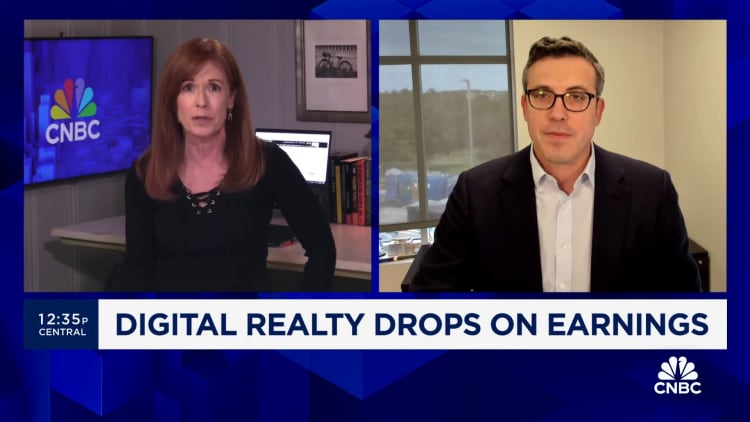
Matthew Graham, chief operating officer at Mortgage News Daily, and CNBC’s Diana Olick join ‘The Exchange’ to discuss mortgage rates correlating with the ten-year and pricing off mortgage-backed securities, mortgage rates hitting a 23-year high, and initiatives that could help home affordability without manipulating the broader financial market.


Source link

Home affordability initiatives need to come at the fiscal level, says MBS Lives’ Matthew Graham Read More »

How Best To Combat Anxiety In The Workplace

How Best To Combat Anxiety In The Workplace


Anxiety (a feeling of of unease, such as worry or fear, that can be mild or severe) can have serious effects on a person’s private and professional lives.

Research from the Health and Safety Executive found that in 2021 to to 2022, 1.8 million people in the UK suffered from a work-related illness, with 50% of those workers suffering from work-related stress, depression or anxiety. Half of all working days lost were due to these same mental health challenges.

Reduced team performance, high staff turnover and a bad company reputation are just a few of the business problems linked to anxiety in the workplace.

In this article, well-being coach, Vanessa Green, founder of wellbeing coaching service, Habit Heartbeat, shares how all workers can help combat this widespread mental health issue of anxiety to curate a happier and healthier workforce.

What Triggers Workplace Anxiety?

A large source of stress for employees is excessive workload, with 73% of workers reporting so.

Overall, the four most common triggers that Vanessa comes across are;

  1. Poor work-life balance. An individual can identify this in their own life if they have trouble disconnecting from work, neglecting their personal life, or feel guilty about taking time off.
  2. Poor communication. Identify this by paying attention to your communication with colleagues and superiors. If you consistently feel out of the loop, not being provided an adequate amount of feedback, or struggle to understand instructions this may contribute to this trigger.
  3. Excessive workload. Identify this by recognizing the feeling of being overwhelmed, working long hours, having trouble prioritizing tasks, and missing deadlines.
  4. Bullying or harassment. Experiencing belittling comments, discrimination, or any negative behavior from colleagues or superiors

How Can Leaders Foster A Positive Environment?

Employers have a duty of care to make sure their staff are not exposed to unnecessary risk. To create a more supportive and less anxiety-inducing work environment, here are 10 practical tips from Vanessa:

  • Open communication. Foster open and transparent communication with colleagues and superiors. Encourage team members to express their concerns, ideas, and feedback without fear of judgment or reprisal.
  • Promote work-life balance. Encourage a healthy work-life balance among team members. Avoid sending work-related emails or messages during non-working hours, and respect personal time.
  • Flexible schedules. If possible, offer flexible work arrangements, such as remote work or flexible hours, to accommodate employees’ individual needs and reduce commuting-related stress.
  • Training and development. Invest in training and professional development opportunities. This can boost confidence and reduce anxiety about skill gaps.
  • Mental health support. Promote mental health awareness and provide access to resources and encourage employees to seek help when needed.
  • Wellness programs. Consider implementing wellness programs that promote physical and mental health, such as yoga classes, mindfulness sessions, or fitness challenges.
  • Breaks and rest. Encourage regular breaks during the workday to allow employees to recharge. Avoid a culture that glorifies overworking or skipping breaks.
  • Promote inclusivity. Foster an inclusive workplace culture where diversity is celebrated, and all employees feel valued and respected. This can reduce anxiety related to discrimination or bias.
  • Time management. Encourage effective time management skills and provide tools or training to help employees prioritize tasks and manage their workloads.
  • Stress management resources. Share resources and techniques for managing stress, such as mindfulness exercises, relaxation techniques, or stress management workshops.

How Can Workers Take Care Of Their Own Needs In The Workplace?

Fear of stigma and discrimination around mental health challenges still exist. Here are Vanessa’s tips (for leaders and entrepreneurs, too) for communicating effectively with employers and colleagues on the topic of anxiety.

  • Understand your anxiety triggers, symptoms, and how they affect your work. This will help you articulate your needs more effectively.
  • Clearly state your needs, using “I” statements to express your feelings. For example, say, “I sometimes struggle with anxiety, and I’ve noticed it impacts my performance in meetings.”
  • Suggest actionable solutions that can help you manage your anxiety better. This proactive approach demonstrates your commitment to your job.
  • Share your successes. If you’ve implemented coping strategies that have been effective, share them to show your dedication to improving.
  • Ask for specific accommodations or support you need, such as flexible deadlines, reduced workload during high-stress periods
  • Request that your disclosure remains confidential, and discuss who needs to be aware of your situation.
  • If you face discrimination or your needs are not met, consult your HR department or reach out to higher management to address the issue formally.

Daily Strategies For Managing Anxiety

As a coach, Vanessa has worked with highly successful professionals who proactively manage workplace anxiety by adding strategies to their daily routines. These have allowed them to thrive in demanding environments while maintaining mental well-being. The strategies are:

  • Physical health. Regular exercise, a balanced diet, and adequate sleep are essential for managing anxiety. Successful professionals prioritize their physical health to boost resilience against stress.
  • Mindfulness and meditation. Successful professionals often incorporate mindfulness and meditation into their daily routines. These practices help them stay focused on the present moment, reduce stress, and manage anxiety.
  • Time Management. Effective time management is key to reducing workplace anxiety. Successful individuals prioritize tasks, set realistic goals, and break projects into manageable steps to prevent feeling overwhelmed.
  • Healthy work-life balance. Although not easy maintaining a healthy work-life balance is crucial. Successful professionals make time for their personal lives, hobbies, and relaxation, which helps them recharge and reduce workplace stress.
  • Goal setting. Setting clear and achievable goals provides a sense of direction and purpose. Professionals break down larger goals into smaller, actionable steps, making them less daunting and manageable.
  • Continuous learning. Successful individuals understand that learning and adapting are essential. They embrace challenges as opportunities to grow and develop new skills, which can reduce anxiety associated with change.
  • Seeking support. They are not afraid to seek support from mentors, coaches, or therapists when needed. Talking to someone can provide valuable perspectives and strategies for managing anxiety.
  • Self-care. They engage in self-care activities like reading, hobbies, or spending time with loved ones to relax and recharge. These activities help maintain emotional well-being.
  • Problem solving. Instead of dwelling on problems, successful professionals focus on finding solutions. They break challenges into manageable parts and brainstorm practical solutions.
  • Networking. Building a strong professional network can provide support, advice, and opportunities. Successful professionals leverage their networks to gain insights and reduce anxiety about career advancement.
  • Positive self-talk. They practice positive self-talk to challenge negative thoughts and beliefs. This helps build confidence and resilience in the face of anxiety-inducing situations.
  • Stress management techniques. They employ various stress management techniques such as deep breathing, progressive muscle relaxation, or journaling to calm their minds and bodies when anxiety strikes.
  • Setting boundaries. They establish clear boundaries to prevent overworking and maintain a healthy work-life balance. This includes setting limits on working hours and being assertive about personal time.
  • Delegation. They understand the importance of delegation and do not hesitate to assign tasks to others when appropriate. Delegating helps distribute the workload and reduce individual stress levels.

Not every strategy will work for every type of person, and trying to take on too many daily commitments could lead to more stress or anxiety.

For tailored coaching around this topic, contact Vanessa at Habit Heartbeat and connect with her on LinkedIn here.


Source link

How Best To Combat Anxiety In The Workplace Read More »

4 Economic Triggers That Could Send Us Into a Recession

4 Economic Triggers That Could Send Us Into a Recession


A 2024 recession looks a lot more likely than it did just a few months ago. While many Americans were hoping for a “soft landing,” that might not be what we get as the economy hits a breaking point. With the government only temporarily saved from a shutdown, auto workers going on strike for cost of living adjustments, student loans resuming, and oil prices skyrocketing as production slows down, we may be forced to enter into a recession.

On the flipside, GDP remains strong, Americans are still spending, and unemployment is historically low. While this could quickly change, it begs the question: is the American consumer stronger than high interest rates, rising prices, and the threat of an unknown future economy? We brought on the full On the Market panel to give us their take on where we’re heading and which economic threats could bring down the economy.

We’ll get into the nitty-gritty of the recent UAW strike that is putting a bottleneck on transportation, the government shutdown that risks millions going unpaid, student loan resumption that could force Americans to forgo optional spending, and an exacerbated oil price increase that is hurting the everyday American (and especially Californians).

Dave:
Hey everyone, and welcome to On The Market. I’m your host, Dave Meyer, joined by James, Henry and Kathy. Hey everyone, thank you all for joining us. We have an excellent show for you all today. We’re going to be talking about big elements that might be impacting the US economy in Q4. If you’ve been paying attention to this show or pretty much any financial news, you know that a lot of economists have been forecasting a recession that hasn’t yet come, at least officially. But today, me, James, Henry, and Kathy are each going to be going into one element of the US economy that could provide a potential drag on the US economy and send us into potentially a recession or could just impact the economy negatively.
We’re going to be talking about student loan repayments, the auto workers strike a potential government shutdown and higher oil prices. So if you are wondering if a recession’s going to come and what might actually be the catalyst for that to actually happen, this show is going to be a great one for you. But before we get into that, guys, have you seen the big news today about NAR, the National Association of Realtors?

James:
People are jumping ship.

Dave:
Yeah.

James:
They’re trying to get away from the NAR Gestapo.

Kathy:
Well, and there’s been some pretty bad press with sexual harassment and the top dog basically being let go for that, and now they want all the upper management to leave. So yeah, NAR’s been in the headlines for sure and not in a positive way.

James:
And now Redfin is leaving.

Dave:
Yes, yes they are.

Kathy:
I didn’t even think you could do that.

Dave:
I didn’t know that it was even possible. Yeah. Just so everyone knows, basically what happened, NAR, the National Association of Realtors, which is a big trade organization for real estate agents, has something like one and a half million members, one of the biggest lobbying groups in the entire country has been rocked by some scandals that Kathy just named for us over the course of the summer, the president resigned after I think multiple sexual harassment allegations and there’s been some follow on there and there’s been a lot of pressure for the brass to resign. And then what happened today was that Redfin, obviously we’ve had a lot of guests from Redfin on one of the big websites, one of the biggest brokerages or a big brokerage has left NAR. Again, I don’t even know what that essentially means, but it feels like a big thing because NAR is sort of this giant monolith that basically everyone has to pay their dues to and anyone who’s in the industry is sort of at the will and the whim of NAR and this feels like something significant. I don’t know what yet though.

James:
Well, yeah, and it comes down to what they came out with was they cited the sexual harassment and the policies by NAR, but then also I guess they had paid over $13 million in dues. So they think the fees are just too high.

Dave:
Wow.

James:
I think the world of the old is starting to change and people are starting to do business differently. I mean, in my opinion, Redfin’s always been its kind of own thing in itself, but now I think they figured out that NAR’s not as important as it was with the amount of technology and information out there that they can break ties and save themselves 13 million bucks in fees.

Dave:
And Redfin obviously is a big national presence because of their website. They produce great data by the way. But they are removing 1800 brokers, which is a big brokerage, but in the grand scheme of their 1.5 million members is not going to exactly break NAR’s bank by any means. But I think it’s more just a sign of the times. As James just said, it seems like years ago no one would’ve broken from NAR given their sort of stranglehold on power in the real estate industry.

Kathy:
Well, and the big question will be the MLS. How is that going to work? And I think that’s what Redfin’s figuring out, but they’ve been a tech company and they’ll probably figure it out. So it has been interesting to watch how the world changes and I’m actually surprised it’s taken this long. It’s like if you have to join a union because you have a certain job, but you don’t necessarily agree with the decisions the union is making, but you don’t have a choice and that’s what this has felt like. You just have to go along with NAR regardless if you agree. But in many ways they have fought hard for the real estate market. So without them, I don’t know, there could be a big effect on real estate. But I don’t think they’re going to disappear anytime soon. They’re still very, very strong.

Dave:
Definitely not, but it’s an interesting time because they are facing a bunch of other lawsuits that we’ve talked about on this show as part of some of those antitrust lawsuits and I mean they’re always getting sued, but it is definitely an interesting time for them. All right, well just wanted to get your opinions on that and we will certainly follow up when we know more about this. This story just broke, we’re recording this on October 2nd and it broke today. So as we learn more about this in any potential fallout, we’ll bring it up on another show, but just wanted to get your takes With that, we’re going to take a quick break and then come back with four potential drags on the US economy for Q4 of 2023.
All right guys, let’s talk about what’s going on in Q4. I actually saw something, we had a guest on the other day who told us that GDPNow, which is this tool that the Atlanta Fed puts out that tracks GDP in real time is at 5.9% for Q3, which is huge, which shows that as of right now at least the US economy, at least for Q3 of 2023 is not looking like any traditional definition of a recession. But with high interest rates slowly starting to take their tolls across different parts of the economy we wanted to look at what potential things could actually bring a recession or an economic slowdown to fruition. And so we each researched and brought one of those topics. And Kathy, we are going to start with you. What is the thing you think could start bringing down GDP at least a little bit, not necessarily into a recession, but could create a drag on the economy?

Kathy:
Well, it’s one that’s near and dear to my heart. My daughter had a bunch of her college friends over and they just graduated a couple of years ago and they’ve been enjoying life without paying those student loans and they were sitting around our dinner table just a couple nights ago saying, “Oh man, we have to start paying those loans.” And they were freaking out. So looking into it further, while there are 43 other million people in the same situation and $1.6 trillion in student loan debt, that’s now coming out of this forbearance situation of COVID basically saying you don’t have to make these payments now, people will, and there has been a lot of talk about how is that going to affect the economy.
My personal opinion, and this is just a high level, is we’ve been hearing from the Fed, just like you just said, GDP is so strong, the Fed is trying so hard to slow down the economy, hasn’t succeeded yet. So I see it as maybe this is what we’ve been talking about for a year and a half now, “Hey, let’s all stop spending maybe then we can get things under control.” This will help with that as more money goes to paying off debt, less money goes to restaurants and going to see Swifty concerts and so forth and just paying debt and that could potentially slow down the economy in a way that avoids further rate hikes. So we’ll see. I’m personally not too concerned about it, but I know that a lot of people are.

Dave:
Well, I heard that the average payment is something like $400 a month. I haven’t done the math, I should have before the show, but I’m curious what number of potential home buyers that would disqualify for the median home price in their area right now. Affordability is already at the lowest point. It’s been since 1985. If people are now getting $400 less that they could put towards a mortgage, I’m curious if Henry, James, you guys think that might erode demand even further than it has?

Henry:
I don’t.

Dave:
That’s all he’s got.

Henry:
I mean, but here’s why. It’s not like student loans just became a thing. They were a thing before and then there was a pause and then now there’ll be a thing again. So people were figuring out how to live and pay their student loan payments and get by just fine. Yes, the economy wasn’t a little better position then when it paused, but it wasn’t like a night and day difference. I think people are going to figure out how to continue to maintain their student loan payments. Now I think the average is 400, but for people with a higher education like doctors, it is like my sister’s a doctor and her student loan payment, it’s like a luxury house payment.

Dave:
The interest rates on especially graduate school loans are really high. It’s not easy to pay them off. Yeah.

Kathy:
Those poor doctors, I know, it’s in the hundreds of thousands in some cases of the debt that they owe.

Dave:
And honestly everyone’s like, “Oh, boohoo doctors, they do make a lot of money,” but it does take quite a long time for them to start earning the salary that they can pay that off. They do 10 years where they’re not making a huge amount of money and they’re paying those things. So yeah, it’s definitely a tough thing for people across and people who really get hurt by this are people who don’t finish. They take out loans to get a degree and then they don’t wind up actually finishing school and then they have debt without the increased potential, which is obviously a huge problem.

James:
Or they just Van Wilder it and just hang out for eight, 10 years.

Dave:
I could see you as doing that, James.

James:
I was in and out of college as fast as I could get so I could start making money. But that’s just another reason why you should buy your first house. We actually paid off all my wife’s student loan debt by buying a right deal value add and then refinancing it at a 4.75% rate, pulling the cash-out and wiping out all of our student debt. So one thing as you start racking up your student debt, also get your assets going because those assets can actually pay for those and you can substantially knock your interest rate down by consolidating it into your housing.

Dave:
That’s true. That’s a good point.

James:
It made a big difference. But one thing I did want to point out that was in one of the articles was it says each time a student loans debt income increases by 1%, the consumption declines 3.7%. So it could have an impact on people’s free flowing money, which we’ve been seeing for the last three years, where people are just buying whatever they want whenever they want, making Dave Ramsey sad. And so these are good things, right? They’re kind of putting us back in order. You have bills, you got to budget around those bills and spend money when you have the extra. And if you don’t have it, then you just got to either work harder or just wait until next month.

Kathy:
And like I said, who’s really going to get hurt by this is the festivals because I see my daughter going to these festivals, they’re like $800 for the weekend and they’re packed.

Dave:
What?

Kathy:
Oh yeah, festivals man. And then all the stuff that goes with it costs money.

Dave:
What kind of stuff, Kathy?

Kathy:
I won’t discuss here, but I imagine its things that I shouldn’t know about as a mother, but it’s time to pay your bills and maybe it’s a time to re-Look at the whole college process. Krista just told me my 24-year-old, she goes, man, I really wish I had waited to go to college when I knew what I wanted to study. She studied business but now she actually owns a business and wishes she was going and actually paid attention in those business classes. So I’ve never been a big fan of spending a couple of hundred thousand dollars on a country club for kids where most of the time they’re showing up half asleep or don’t show up at all and have this huge student debt. So if it was really about just the learning, the cost would be much, much lower. It’s the amount of money that’s gone into universities to attract students and make it so fancy. Any of us would love to go to college for four years just for the parties. You can get an education without spending that much money.

Dave:
I should say. There is a great episode of a BiggerPockets money podcast that I co-hosted and we had, I think his name was Preston Cooper on and he did this incredible analysis, he’s an economist, of both undergraduate and graduate school programs and which ones actually have a positive ROI because I think people get into this conversation with college is worth it, college is not worth it, but it really depends where you go, what you study, what you do with your degree, and he does this incredible quantitative analysis. If you’re interested, curious about going either undergraduate or graduate school, highly recommend you check it out to make sure that you are picking a school and a program that does return a positive ROI. Because for some programs, even if you do have to take on debt, it’s worth it. For other programs, it’s absolutely not worth it and so do your research and try and figure that out.

Henry:
I think to reiterate the point, a lot of us have been paying student loan debt for years. It’s not new to everybody. I think when we think of student loan debt, we think new graduates who are now paying student loan debt, but I’ve been paying student loan debt since I got out of college in 2006, so I figured out how to budget my life around having that debt and so not having it for a few months is not that much of an impact when it comes back. I think things that have more of an impact are the increased interest rates. So when these people are going out and buying cars, they cost way more now than it cost even a couple of years ago. Or people, the mortgage interest in the… What it costs to own a home is way more I think detrimental to the economy than your student loans coming back when people have been paying those forever.

Dave:
All right, well Kathy and James, as you were saying, maybe this will slow down consumer spending a little bit. I was thinking the same thing and then I opened the Wall Street Journal this morning and the headline was, Americans Still Spend Like There’s No Tomorrow: Concerts, trips and designer handbags are taking priority over saving for a home or rainy day. So I guess the YOLO economy lives on.

Kathy:
Yeah. Pay your bills, people

Dave:
Well. All right, Kathy, thank you for sharing that with us. Henry, you’re up next. What do you got?

Henry:
So my article is about the current auto worker strike. So the UAW or the United Auto Workers Union have gone on strike against the big three automakers, so that’s General Motors, Ford and Chrysler. And this is the first time they have striked this huge since 1936, so 87 years ago, and they’re hoping for similar results that they got all those years ago because that strike led to lots of labor organization and reform that they were looking for. And so within this strike, the UAW, they’re looking for a 40% salary increase for its members. They want cost of living adjustments, they’re looking for their pensions to return, they want pensions to come back and they want to get rid of this two-tiered wage system that they have in place of the pensions, I believe. So as of Friday, they have expanded the strike against General Motors and Ford and they basically said they’re not making enough progress even though General Motors and Ford said they were making significant progress.
And so I think part of the impact here is going to be obviously unemployment. There’s a ton of people who are not working, but when you also think about the broader impact that this will have, there are tons of other companies that are going to be impacted because you think of all the parts that are associated with the cars that are being made that we have to get from other companies. If production goes down, then sales will go down for them. It could lead to layoffs for the parts manufacturers or it could mean that we’ve got to go overseas to source parts and then we’re going to have to rely on foreign parts makers and foreign car companies sometime maybe even having to get more foreign cars inbound directly from overseas. So it could have a huge impact on the economy for not just the cars, but everybody that makes products or services that are tied to the vehicles depending on how long this actually goes on.
And if you also think about transportation companies and things that we rely on to transport our goods and services to us from all these other places, if we aren’t getting new vehicles on the road, these transportation companies could also be impacted, which could directly impact getting products to the stores that we buy from or directly to us. So I find it hard to believe they’re going to get everything that they’re asking for. 40% increase is a lot. You’re not going to get pensions back. I think it’s only, what, 13% of companies still have a pension program. I don’t see those coming back. And so I’m sure there’ll be some sort of settlement, but I don’t know that it will be, I guess you could say satisfactory for the UAW. So I think we could see some long-term impacts.

Dave:
Yeah, I’m interested to see what happens here because obviously a short-term strike is probably not going to be hugely impactful. I saw a estimate from Mark Zandi from Moody’s Analytics who was previously on the show. He said that if all 150 members of the UAW were to strike for six weeks, it would probably shave off an estimated 0.2% off GDP, which is actually pretty considerable when you consider that GDP is probably somewhere between 3 and 6% in the coming year. So 0.2% is actually a reasonable thing. We don’t know if that’s going to happen and maybe if it lasts longer than six weeks, but obviously the auto industry is a huge part of the American economy and it could have lasting impacts here.

James:
Yeah, I wonder if this is just the domino effect for all these… I mean to live in America now is a lot more expensive than it was before the pandemic and then we saw this with the UPS drivers, they got a massive increase when they held out. And now it seems like the auto unions are doing the same thing. They’re asking for a big number. I wonder if this is just going to be a constant domino effect going forward of going from auto to UPS and then what’s next. And we could just be seeing a giant reset, which isn’t a bad thing for the blue collared workers because they got to keep up with affordable… To live right now is much more expensive and you can’t do it on old wages. And so the rate growth, oh, the wage growth isn’t keeping up with the costs and so they got to solve it one way, shape or form.

Henry:
I kind of agree with you, James. I think you’re going to start to see more of this in other industries, but I think it seems to me like this is more like the UAW hedging their bets and trying to get paid because they see the EV trend coming and that’s going to… Both with technology, AI and EVs coming down the line it could mean less jobs because more technology replacing those jobs and it seems like they’re trying to kind of hedge their bets, get that 40% increase now, start getting more money now before the jobs start going away. Innovation is always going to rule and win and people are going to lose jobs. It’s happened. It happened with when we went from horses to cars. It happened when we went from radio to TV. It happened when we went from TV to internet, and now it’s happening from internet to AI. Jobs will change, but that always means new jobs open up. There will be more opportunities because of the technology. It’s just times change. This is what happens.

Kathy:
Absolutely. Automation is coming and then there’s the mandate to get to electric cars by what is it?What year? That they’re going to have to completely change the way that the auto industry works. I’ve heard rumors that a lot of these factories will just put their hands up and move to Mexico and then nobody has a job. So I know what it’s like to march the picket lines. It’s really hard on those workers. My heart goes out to those families who are marching and not getting paid and not really sure how it’s going to go. But I would have to agree with Henry that that whole industry is changing and a lot of it is federally mandated with the shift to electric.

James:
But what I don’t understand is it seems like most of these major automakers that are making electric cars are losing their shirts on these electric cars.

Kathy:
They are.

James:
So they’re hemorrhaging money and now they’re going to have to pay the employees more wages for a business that’s hemorrhaging money. And that typically doesn’t work out in the long run unless I guess they get their production cost under. So that’s what I’m more curious about, what happens? Do EV cars just become really, really expensive and then it’s going to offset all the other savings that you’re making or what happens to the union workers? I mean, I guess maybe they’re also hedging that robots are going to take their jobs at some point, but it will be interesting to see, put more bad debt into these cars.

Dave:
Yeah, I mean, I agree with you both that totally understand people wanting to get paid for their work and hope that they reach a good and fair outcome here. But one of the interesting consequences here, I was reading an article saying that from a business, not an individual worker perspective, but on a corporate level, this strike is just playing right into Tesla’s hands. They actually are profitable in making EVs, and so if the workers are successful, they obviously need the money to pay for their expenses and to live their lives, but it would potentially put their employers in a worse position longer term to compete with other companies like Tesla or EVs that are coming out of Japan or China or something like that. So it’s really interesting. Hopefully there’s a good outcome for both sides in the near future.
Let’s move on though to James. What is your issue that you think could potentially be a drag on the economy in the fourth quarter?

James:
So we have another one of these government shutdowns looming around. The news media loves the government shutdowns, because that’s all you hear about.

Kathy:
And it’s nothing new, it’s been going on for decades.

James:
No, it’s this ticking time bomb every time that we’re coming down the crunch wire. And what has happened is for the last three weeks, all we heard about was this government shutdown and now they have passed a 45-day extension to get to some sort of budget between all the politicians to get our spending under control. I guess there’s a couple of things that are kind of… With these government shutdowns there’s two things I’m always looking at is A first, is America ever going to get their spending under control? Because right now, I think for 2023, we’re running a $2 trillion deficit right now, and then our national debt is up to 33 trillion and we’re just spending too much money compared to everyone else and they need to address this. So what could happen is we have 45 days as a buffer right now for everyone to work out the details for the new budget that tells whether we need to increase it or we’re going to keep running these massive deficits or how do we cut costs and spending as well to reduce our deficit.
But we’re at this point where we’re spending so much there could be a longer shutdown. The last time this happened was in 2018 and the government was shut down for 35 days, which is the longest that’s ever happened. It’s only happened six times since 1990. So it does happen more than we think it does happen, but the last time was even longer. And I think it’s because the spending is so out of control that it’s harder for them to come to an agreement. Now what that can do is you hear government shut down. I know when I first would hear about it in the media, I thought the whole world was shut down and everything was going to blow up. But that’s typically everything still kind of works, right? But a lot of essential businesses start… People technically have to work for free or they got to show up for work at their necessity, but parks, recreations, all these things start kind of cooling off.
But what we have seen for investors according to CNN, is that the S&P typically falls about 0.7% every 30 days or after 90 days, it can be up to 2.8% of a drop. So there is impact with it being shut down. So if there is a government shutdown, we want it done quickly because it won’t have that last long impact. But if it drags out for 45 days, we could see some compression across investments. We could see some people losing some value on their stocks. It doesn’t hit real estate quite as hard from everything I’ve ever seen. But one thing that was brought to my attention too is what if it got strung out for longer than 45 days, could that affect Section 8 rent applications and new people coming into your properties? But I don’t know, for me the government shutdown’s always this doomsday loom and doom, I’d rather just have them figure out a good budget than threaten this shut down all the time. But-

Kathy:
Wishful thinking.

James:
… I do think it’s going to get shut down for a week or two because they can’t seem to figure stuff out and I don’t think it’s going to have that much impact.

Dave:
Well, yeah, in the aggregate it’s always kind of strange when you read about it always says stuff like the national parks are going to shut down, which I love a national park, but in the grant scheme of things, it’s not probably the most impactful thing, but it does obviously greatly impact the government workers who don’t get paid. There’s active duty service members who don’t get paid. I think people like TSA and all sorts of different government organizations aren’t getting paid. So that would be a really difficult situation for these people. Honestly, to no fault of their own. It’s because there’s all this gridlock in Washington. So that could obviously impact the personal finances of anyone who’s not getting paid, but could have this aggregate effect on demand in the economy. If people aren’t getting a paycheck, they’re probably not going to be spending as much as they normally would.

Kathy:
Yeah, I mean I was on the board of an HOA and it was, I don’t know, eight people and we couldn’t agree on anything. So how do you get 330 million people to agree on where money goes? If people really sat down and saw where the money’s going I think there would be a lot of shock and maybe there’d be more agreement in cutting spending, but nobody wants to have their budget cut. So it is a tough thing that’s been around for decades, but what’s really putting it in people’s faces is these higher interest rates because now most of the money is just going to pay the interest on the debt and doesn’t leave a lot leftover for all the other programs, and that’s just going to keep continuing if we can’t figure out how to cut the budget.
But again, how do you cut when our system is based on politicians getting elected and they don’t want to cut anything that would keep them from being elected. So I don’t know how to change it, but all I know is it’s been going in the wrong direction for a long time and every time we try to fix it, then boy, it’s just gridlock.

James:
If it gets stretched out, that last 45 day one was a lot more damaging, I believe, because it does affect… A big chunk of people aren’t going to get a paycheck for a month so if there’s a shutdown, it can affect 1.3 active duty service members and then 800,000 people that work with the Pentagon or that are Pentagon civilians and over 200,000 would be required to work without pay. So out of the 800,000, 200,000 still need to work anyways because they are deemed essential.

Dave:
Yeah, that would be the worst.

James:
Having to work for free?

Dave:
Yeah, I would be furious.

James:
I feel like that’s life of a real estate broker right now though. We’re just chasing a bunch of houses and not getting deals done.

Dave:
But it’s like these people are keeping the country safe. If you want them amotivated and pissed off about their employment situation-

James:
Exactly.

Dave:
… it’s not a good thing for anyone.

James:
No, pay your military, that’s for sure.

Dave:
Yeah, exactly.

James:
So it can definitely have some effect on some jobs. It could affect rentals as far as income goes, but it really I think comes down to how long is it going to be going on for? If they do 45 days, again, that’s going to be not great, but typically it lasts what on average, four to five days, maybe 10 so they can kind of get through it without too much damage. All right.

Dave:
Well we’re going to have to check back in on this in I guess 43 days because we just found out about this extension that we heard about and hopefully they’ll spend all 43 of those days negotiating in good faith. But something tells me that in 43 days we’re going to see something in the headline about another government shutdown, but we shall see.
All right, well for the last story, I am going to talk about higher oil prices. Oil prices, if you don’t pay attention to this or haven’t noticed at your local gas station, have been really volatile over the last couple of years. It was one of the major drivers of inflation from the middle of 2021. Then the Russian invasion of Ukraine sent it even higher and it really sort of helped inflation grow and peak at 9.1% and it’s come down a lot over the last year or so, and that’s helped inflation retreat, but now we’re seeing oil prices head in the other direction.
After Saudi Arabia made a decision to cut production of oil by 1 million barrels per day and after Russia also announced plan to cut its daily oil exports by 300,000 barrels, which basically just throws a wrench into the international energy market, which has already been sort of hectic over the last couple of years. And so oil prices, this is just another high expense I think particularly for businesses. Obviously this impacts everyday Americans at the gas pump and that hurts after years of inflation. But when you look at businesses that are choosing and looking to expand or build infrastructure or in our industry construction costs, this sort of thing, when you add now high oil prices to high cost of borrowing, the cost of building new things and innovating is really just going up across the board and it makes me sort of wonder how much investment we’ll see in infrastructures, new facilities, new factories from major businesses over the coming months if prices stay this high. Do you guys have any thoughts about how this might impact the economy?

Kathy:
The economy is totally dependent on energy and we’re still dependent on oil whether we like it or not. And that’s transportation. I mean, flights, everything costs… It takes energy to get it to you to create it, to make it. Even to make clean energy you need the dirty stuff. So we’ve been manipulated by the oil market. It is the gold of today. It gets manipulated. We have very little control over it. I know there was a big push to have more control of it over it and produce more oil here in the US and that got shut down. So I don’t know, maybe this will be a wake-up call that we do still rely on oil and we have it and perhaps should be producing it, but in the meantime, we’re very dependent on what OPEC does and right now that means higher prices.

James:
Gas is high on the West Coast. It’s like six bucks a gallon in California, 5.50 in Seattle. It’s expensive. And as far as an investor goes for flippers, you pay more right now because your trades people have to drive further to sites. People are spending more. It is really beating up our labor market. The cost of energy is probably keeping our costs up a good 10 to 15% across construction right now because guys, they don’t want to do the distance. Part of what we do on value add construction is stretching out and going to wherever the deal is not just one confined space, but the further people have to go out, the more expensive it is and then the further you go out, typically it’s worth less too. So it’s making it where you have to buy so much cheaper in those areas because it’s just expensive. I mean, it’s a real cost, like when your energy bill or a painter, if they’re paying double in transport, they’re going to charge it. And then the thing is, when gas comes down, we’re still going to be paying the same rates. So-

Dave:
Yeah, they’re not going down.

James:
It’s locking in the rates. That’s what I’m more worried about is we’re not going to see… It’s permanently setting our labor market high now.

Dave:
Yeah, they’re billing you 10 bucks per gallon, James.

James:
Yeah. And 30% too much on the rate.

Dave:
Well, it’ll be interesting to see. Obviously this will have impacts on investment and decisions, but it also makes me wonder if we’re going to start to see inflation start to tick back up, at least the non-core inflation, which does include energy prices. The Fed knows that this is a volatile metric and they tend to follow either the PCE or the core CPI. So this will probably not impact their decision-making all that much, but obviously inflation is really impacted by people’s expectations of inflation. And so when you start to see that headline number start to tick back up, it is not a good thing for the economy, even if it’s temporary and even if it’s just one of the more volatile elements of the bigger inflation basket,

Kathy:
Maybe it’ll allow people to work at home more. So it’s going to be harder to get people to commute into the office if it’s costing them so much. So maybe the work from home will come back.

Dave:
I’m doing my part.

Henry:
This show’s a bummer, guys. I mean, if you’re somebody and you’re like, man, I need a new car so that I can go to work, but I can’t get a new car because there’s a strike and I need a more fuel efficient car because gas is so expensive, I just couldn’t.

Dave:
I was going to take my new car to a national park.

Henry:
Yeah. But I can’t go to the national park because they’re [inaudible 00:34:48]. Bummer.

Kathy:
There are people who want us to be more negative. So here we are.

Dave:
Well, I think we’re trying to just do a show where we talk about some shock or some risks in the economy right now. But you’re right, Henry, this is a bummer. Maybe next week we’ll just do a blind optimism show and we’ll just talk about things that we’re super excited about.

James:
But if you look at all these topics, they all point to America needs to spend less money. You got to spend less money on fuel to be smarter. The transportation, you got to spend less money in disposable income because your student loan debts are coming to fruition. You’re going to have to spend less money on other things. You’re going to have spend more money on EV cars since they got to pay the labor workers even more. It’s just like you’re going to have to tighten your budget or $33 trillion needs to be tightened up. America needs to get on the Dave Ramsey program. I’m sorry.

Kathy:
Dave Ramsey for president. No debt. No debt.

James:
I don’t agree with him all the time, but I’m starting to agree with him more and more.

Dave:
All right. Well, what do you guys think? I mean of all this stuff combined as you said, James, what is your outlook for Q4? Do you think we’ll see a slowing of the economy or business as usual?

James:
I’ve been feeling it getting slower the last 30 to 60 days, and it is definitely. You can feel the capital getting locked up and eroded right now. It’s a real thing. People are looking for money more now. They’re not deploying it as much right now. The Fed is accomplishing their job and I think Q4 is not going to be good. It is going to be a bad cold winter for all of us as real estate investors.

Dave:
All right.

James:
There you go, Henry. More positivity your way.

Dave:
Henry’s just going to leave the show.

Kathy:
Henry’s like, I don’t even want to be here. I’m out.

Henry:
But I agree with you. I mean, I am feeling it here as well. Product is sitting on the market longer, and sure, some of it is a little bit of seasonality, but it really does feel like people are holding onto their dollars right now.

James:
Wait, Arkansas is finally cracking?

Henry:
Yeah. It’s finally, man, I’ve got nine houses on the market right now.

James:
Whoa. Oh, really?

Henry:
Yeah.

Kathy:
So I’ll bring some good news into our bad news show, and that is if all this bad news happens and we happen to go into recession and people are spending less, well then maybe rates will come down and you’ll be able to sell your homes.

Dave:
It’s true. It is this sort of perverse thing where you want the recession to happen, so we can just start a new economic cycle already.

James:
But then your equity savings account is gone.

Dave:
But I tend to agree, I don’t know if we’ll necessarily see GDP go negative in Q4 because as we said at the top of the show, if we’re starting from a place where Q3 is going to be in five handle, it takes a lot to erase 5% GDP growth, a lot. But I do think we might see it start to come down. Just today, I mean, the yield on a 10-year bond hit 4.7 today, which means it’s come back down a little bit, but it’s near there, which means rates are going to be in the upper sevens for mortgages, and it’s that mental thing. People were starting, in my opinion, to get used to the mid sixes, high sixes. But when you just see it’s marching up and up and up, it’s really hard to pull the trigger on something. So yeah, I think we’re finally going to start to see this decline that people have been forecasting. And I don’t think we’re going to bottom out in Q4, but it’s probably the beginning of the down slide.

Kathy:
Yeah, I think, like you said, it’s going to take a while, just like the stories that, oh my gosh, everybody’s going to sell their Airbnbs all at once. It’s scary headlines, but if anything, it would be good for the market. And same with this, the fed’s been trying to get job growth down and some of these things might help with that, and we might just be able to sit for a bit with no fear of the Fed raising rates. These high tenure treasury notes of 4.7 is that’s not a recession, that’s not recessionary. That’s a booming economy.

Dave:
Absolutely. Yeah. Well, is everyone depressed? Are you guys okay? Can we leave all on a good note now?

Henry:
I don’t know. Does somebody want to make an offer on a house in Arkansas?

James:
I’m feeling good. We might finally lock down our next Live-In Flip house, so even with the high rates.

Dave:
Nice.

Henry:
Does your wife know it’s a Live-In Flip, or does she just think it’s a house?

James:
It’s always a house that turns into a Live-In Flip, Henry. Yeah.

Dave:
Have you ever lived in a house you haven’t flipped?

James:
No. No, not at all. Every one has been sold.

Dave:
Wow. All right. Well, good for you.

Kathy:
I hope you enjoy it while you’re in it. I can’t wait for the party.

James:
Well, we’ll see. We have to get it first. The rates they are brutal when you put in the mortgage [inaudible 00:39:44].

Kathy:
I can’t even imagine.

Dave:
Yeah, it’s a lot. All right, well, thank you all. James, Kathy, Henry, appreciate you being here for sharing your research and your knowledge. We hope you all appreciated this episode. We strayed a little bit from real estate, but wanted to give you some thoughts on what’s going to happen throughout the rest of 2024. If you have any feedback for us on the show, you can always do that on YouTube or you can hit up any of us on Instagram where I am @thedatadeli. James, where are you?

James:
I’m @jdainflips on Instagram.

Dave:
Kathy?

Kathy:
@kathyfettke on Instagram and realwealth.com.

Dave:
And Henry?

Henry:
I’m @thehenrywashington on Instagram and seeyouattheclosingtable.com.

Dave:
All right, well thank you all so much for listening. We’ll see you next time. On The Market was created by me, Dave Meyer and Kaylin Bennett. The show is produced by Kaylin Bennett, with editing by Exodus Media. Copywriting is by Calico Content. And we want to extend a big thank you to everyone at BiggerPockets for making this show possible.


Help us reach new listeners on iTunes by leaving us a rating and review! It takes just 30 seconds and instructions can be found here. Thanks! We really appreciate it!

Interested in learning more about today’s sponsors or becoming a BiggerPockets partner yourself? Email [email protected].

Note By BiggerPockets: These are opinions written by the author and do not necessarily represent the opinions of BiggerPockets.


Source link

4 Economic Triggers That Could Send Us Into a Recession Read More »

Trump may seek to pause 0 million New York business fraud trial

Trump may seek to pause $250 million New York business fraud trial


Former President Donald Trump sits in the courtroom for the third day of his civil fraud trial in New York, Oct. 4, 2023.

Angela Weiss | AFP | Getty Images

Lawyers for Donald Trump may ask a New York appeals court to pause his ongoing $250 million business fraud trial and stay a judge’s order that could gut the former president’s company, lawyers said Thursday afternoon.

Trump’s attorney Christopher Kise told Manhattan Supreme Court Judge Arthur Engoron that as of Thursday he plans to seek a stay of the trial Engoron is presiding over, as well as a stay of the judge’s order related to dissolving Trump corporate entities.

But Kise said he did not want to reveal the scope of the appeal planned for Friday morning, upsetting a lawyer from the New York Attorney General’s Office.

The Attorney General’s lawyer, Andrew Amer, told Engoron that his office is entitled to 24-hour advance notice of such an appeal.

CNBC Politics

Read more of CNBC’s politics coverage:

Attorney General Letitia James in a lawsuit alleges that Trump, his adult sons, the Trump Organization, and company executives misstated the values of real estate properties to get better loan terms and tax advantages, grossly exaggerating Trump’s net worth as disclosed on financial statements.

The trial is dealing with six remaining claims in that suit.

Engoron last month issued a summary judgment finding that James had proven her top claim, that the defendants engaged in business fraud.

As part of that finding, which Trump’s lawyers are expected to ask an appeals court to block Friday, Engoron canceled business certificates held by the defendants.

Engoron in that ruling also ordered the appointment of an independent receiver to manage the dissolution of the canceled business entities.

On Thursday, the judge issued a series of orders to the defendants which appeared to begin clearing the way for a sell-off of the businesses.

Engoron also ordered the defendants to give an independent monitor for the Trump Organization notice of “the creation of a new entity to hold or acquire the assets” of the to-be-dissolved businesses.

Trump was present in court for the first 2½ days of the trial, which began Monday.

He left in the middle of proceedings Wednesday, after complaining that he was being taken away from his Republican presidential primary campaign because he was “stuck” in court.

Trump was not required to attend the trial on those days. But he may have to testify at some point in the trial, which is set to last until late December.


Source link

Trump may seek to pause $250 million New York business fraud trial Read More »

12 Strategies For Making Your Business’s Core Strengths Even Stronger

12 Strategies For Making Your Business’s Core Strengths Even Stronger


Any successful business has at least one thing that sets them apart from their competitors and that makes customers choose them over anyone else—their core strengths. Determining what those strengths are may require some reflection on the leader’s part or even some feedback from the team. However, once you’ve determined your core strengths, you’ll likely want to make them even stronger, as doing so will put your company at an even greater advantage over others in your space.

But what steps can you take to get there? Below, 12 business leaders from Young Entrepreneur Council offer their expertise and recommend just a few of the paths you can take toward improving your company’s core strengths and setting you, your team and your business apart from the competition.

1. Embrace Continuous Improvement

To bolster core strengths, embrace continuous improvement. Analyze strengths, gather feedback, train employees, foster innovation, optimize processes, collaborate strategically and amplify your strengths in marketing. Make this an integral part of a long-term strategy for sustained success. – Nic DeAngelo, Saint Investment – Real Estate Funds

2. Cut Out Wasted Time

Focus is essential. Put tactics into place that allow you to have a clear picture of what’s working versus what’s not working. Cut out the stuff that’s not working and put your energy toward your business’s strengths. This can be accomplished by tracking time or tracking specific ROI on products and services. It’s okay to let go. – Chase Williams, Market My Market

3. Thoroughly Document Your Processes

Document so well that you can give processes to entry-level positions. This frees up the time and energy for pushing the boundaries on your products or services. We have a review process that uncovers all issues in an accounting file. We have the process steps, reasons “why” and example outputs. It is now a task that can be completed by our junior consultants. – Marjorie Adams, Fourlane

4. Identify And Refine Your Unique Expertise

Identify key areas of expertise that give you an edge over others. This could be exceptional customer service, cutting-edge technology or unparalleled industry knowledge. Then you can analyze how you can further develop and refine them. Understanding your strengths provides you with a solid foundation, but it is through continuous growth and improvement that you can maximize their potential. – Kristin Kimberly Marquet, Marquet Media, LLC

5. Apply The 80/20 Rule

Apply the 80/20 rule and identify the 20% of the work or the clients that generate the most revenue. Think about discarding or lowering your efforts in the remaining 80% of your work that takes up your time but doesn’t yield results. Focus on your strengths and increase these types of tasks or put more resources into them. This will help you generate greater results faster. – Syed Balkhi, WPBeginner

6. Build A PR Strategy Around Your Strengths

Implementing an effective public relations strategy around your business’s core strengths can further strengthen brand recognition and credibility, raise brand awareness in new markets and solidify industry equity. When properly executed, good PR can help mold the industry narrative, grow consumer trust, sustain brand buzz, attract further investment, drive business valuations and improve sales. – Brian David Crane, Spread Great Ideas

7. Seek Feedback Wherever You Can

It’s essential to continuously seek feedback if you want to amplify your core strengths. Engage with your customers, team and peers regularly. Understand how your strengths benefit them and where improvements can be made. This proactive approach ensures that what sets you apart remains not only relevant but also continually refined, always pushing the boundaries of excellence. – Michelle Aran, Velvet Caviar

8. Work With A Business Coach

You can take your strengths and make them even stronger by working with a business coach. Reputable business coaches know how to take the best parts of people and ideas and guide them in the right direction. If you work with someone you know and trust, they can help you identify your strengths and prepare for new challenges waiting right around the corner. – John Turner, SeedProd LLC

9. Outsource Everything But Your Main Focus

To make your business strengths even stronger, you should outsource everything but your silver bullet. Stay lean on nonessential functions. Pour resources into your niche superpower. For example, if billing is a distraction, hire a firm to run it. Cut the fat so you can amplify your strengths. – Idan Waller, BlueThrone

10. Partner With Complementary Businesses

One way to enhance your core strengths as a business is to actively seek out strategic partnerships with complementary companies. Identify businesses that excel in areas where you seek improvement or growth. Collaborate to share knowledge, resources and expertise. This synergy can lead to mutual benefits, expanding your capabilities and making your core strengths even more formidable. – Andrew Saladino, Kitchen Cabinet Kings

11. Clearly Communicate With Your Team

As CEO, your job is to set the tone for the whole company. If you can identify what the core strength of your business is, communicating this clearly to the rest of the team will help everybody be on the same page. Just by communicating clearly, over and over, you can take what you see as a core strength and help it emanate throughout the entire business. – Kaitlyn Witman, Rainfactory

12. Double Down On Training Tools

If you want to supercharge your core strengths, double down on them. When we strategically align our training efforts with our strengths, we’re basically giving ourselves a turbo boost. Combine that with quality tools and you’ll get the perfect cocktail for not just enhancing your individual expertise but multiplying your business impact as well. – Abhijeet Kaldate, Astra WordPress Theme


Source link

12 Strategies For Making Your Business’s Core Strengths Even Stronger Read More »

From /Hour Factory Wages to SIX-FIGURE Real Estate Paychecks

From $16/Hour Factory Wages to SIX-FIGURE Real Estate Paychecks


Want a PRACTICAL guide to making six figures in real estate? What about a way to do it in a year or less? That’s precisely what Keith Everett did, trading his sixteen-dollar-an-hour factory job for the potential to make six figures by himself, wholesaling real estate. Keith dropped out of college to work, realizing he made as much at his job as his university professors. After working twelve to sixteen-hour shifts and receiving a ten-cent raise (seriously), Keith knew he needed a way out.

Keith purchased a twenty-dollar book on real estate investing and got his first deal soon after. He was flying high, thinking the rest would be easy until the money stopped flowing in, his car got repossessed, his bank account ran low, and his wife was forced to move away for a job that would support the family. This wasn’t Keith’s plan, but he quickly turned things around.

Now, Keith runs a real estate business that brings in not just six figures a year but six figures a MONTH. He’s done over 400 deals in the past seven years and went from factory worker to scrappy hustler to CEO. Keith walks through every book he read, course he attended, and skill he learned that took his wealth to the next level. If you follow his practical tips, you could end up right where he is.

Rob:
Welcome to the BiggerPockets Real Estate, show number 827.

Keith:
So before I actually was in real estate, I was working at a factory 12 to 16-hour shifts on the weekend, sacrificed that as a young kid, and 2000, what, ’14 I dropped out of college. So what happened was, so when I read the book in February of 2016, I started taking action in March. In March, I ended up getting the house under contract for $28,000. I closed on the property for 33,000. 30 days later, I did a joint venture with another guy. We split it 2,500, 2,500. I ended up quitting my job at the beginning of May.

Rob:
Today’s guest is Keith Everett, aka, the Real Estate Ditty here to condense all the wisdom of his seven years in real estate into 45 minutes of pure real estate gold for you. And I’m joined here by my co-host, my good friend, Henry Washington. How are you doing today, man?

Henry:
I am fantastic. As always, love doing shows with you and love getting to talk to this BP audience, man. So thank you so much.

Rob:
This is going to be a good one because we’re going to talk about what it means to not only take action, but how to optimize whatever machine that you’re building and continue to take action to eventually scale to massive amount of deals every single year. This is going to be a crazy story. What are some valuable strategies or insights that investors can take away from what we’re going to talk about today?

Henry:
Man, there’s all kinds of cool stuff. First thing I love hearing or seeing stories of practical application because we always hear you need to go get information and then you need to take action. But what does that really look like? What steps do you actually take? So I’m loving that we’re going to get some practical application for getting started from nowhere, hearing great information and then taking action. And I think a lot of people are going to get really some great value from this concept of the financial thermostat and what that means and how you use the financial thermostat to grow and scale your business.

Rob:
Could not agree more. Very inspiring for me, and I know it’ll be inspiring for everyone at home. So before we get into it, today’s quick, quick tip is brought to you by my co, co-host, Henry Washington.

Henry:
That’s right. Today’s quick tip is to go read a book.

Rob:
That’s a good one. That’s a good one.

Henry:
No, but in all seriousness, today’s quick tip is to read a book or get some information, but before you move on to the next chapter, at the end of every chapter, write down at least one actionable step that you will do before you move on to the next chapter. Again, information is just part of the puzzle. The real rubber hitting the road comes from you taking the action. So force yourself to do at least one step from every chapter. And by the end of that book, you will be so much further along in your business or in your journey than you were when you started.

Rob:
Basically, read the book, do what the book says, and results will come. Crazy, crazy concept. Well, let’s jump into it. So today we’re talking to Keith Everett. A little background for our listeners. He’s a 32-year-old real estate investor out of Huntsville, Alabama. Originally born in Dayton, Ohio, has been investing for seven years, has done over 400 real estate deals, which is crazy. Got his start by wholesaling, but is branching out to buy and hold. And he’s also a voracious reader. Excited to hear about some of the books that have helped you level up in real estate as we get into your story. Keith, welcome to the show.

Keith:
Hey man, I’m glad to be here. I appreciate it. Henry, what’s going on, my brother? And Rob, man, hey, Rob, man, you must be in Hawaii somewhere with that shirt, man. Where you at?

Rob:
Yeah, there it is. Listen, David Greene may not be here, but the comments on my shirts, they’ll always prevail. Did we miss anything in your intro, by the way? You got quite the story past here. It sounds like you’ve done some deals in the past.

Keith:
Man, absolutely not. Man, I think the biggest thing is I’ve been down here in Huntsville 14 years. I’m born originally in Dayton, Ohio. And man, I was just a kid, 18 years old, fresh out of high school, I came down to Alabama with $50 and a dream and it’s crazy where it went from now.

Rob:
Yeah. So tell us about that. Let’s do an intro chapter to your story, if you will. What did your life look like before real estate? What was your job income, family situation? Give us a few of those details.

Keith:
So before I actually was in real estate, I was a college kid. I went to college in 2009 and to be honest with you, I wasn’t really going for myself. And I tell anybody, if you’re doing anything for everybody else instead of yourself, you’re not going to finish. So I was a product to my own advice. I dropped out of college in 2014. Before that, I was working at a factory 12 to 16 hour shifts on the weekend. Sacrificed that as a young kid and 2000, what, 14 I dropped out of college. I got into a terrible car wreck, never went back.
One thing I remember when I was in college, and one of the other reasons why I dropped out is my teachers was making, what, 60K a year? I was making it at my job already, so I didn’t think it made sense for me to be in class making the same thing as my teacher. So I dropped out in 2016. That’s when I was introduced to real estate.

Rob:
Wow. And what were you studying, by the way?

Keith:
Oh, I was studying business logistics.

Rob:
Okay. Did that have anything to do with the factory job that you were working or completely different sector?

Keith:
Absolutely not. I don’t even know why I was studying that. I honestly don’t even know.

Henry:
It’s interesting. It sounds like it gave you a good enough business mind to realize, “If I’m studying business from people, I’m already making the same amount as, and maybe I’m not going to get the best business education that I’m looking for.”

Keith:
I was always a hustler man. Even when I was coming up. I got my first job my seventh grade year working at seventh grade summer, working at the Boys and Girls Club. I worked at daycares. I done work at corner stores. When I got in college, I’ve been security at the football stadium. I done work at Citi Trends store. I did everything. So it only made sense that I eventually ran into something because I was consistent on my money pursuit. So yeah.

Rob:
How old are you in seventh grade? Are you 14?

Keith:
I was 13.

Rob:
14, right?

Keith:
I just had turned 13 my seventh grade summer going to the eighth grade.

Rob:
Man, that’s crazy. And you got a job seventh, seventh, eighth grade?

Keith:
I worked at the Boys and Girls Club. My dad said I got to start paying my own cell phone bill. But guess what though? By the time I got 18, I was independent and I didn’t lean on anybody else. I put everything in my own hands.

Rob:
And tell me about college. You drop out after realizing that you’re making effectively what your teachers are making. How did life feel at that time? Was that something that once you made that realization, were you like, “Oh man, okay, I can do this.” Or was it scary?

Keith:
Well, I went through an identity crisis at the time. You know what I mean? I was scared to tell my parents that I dropped out because they was the reason why I was going in the first place, so I feel like if I would’ve told them, they would’ve felt like I let them down and I didn’t really want that to happen. Sometimes people say that people don’t believe in your dream, but I feel like that sometimes people give you advice, get a job and stay on your job because they don’t want to see you down and out.
They may not understand the risks that it take for you to get to the other side, but people just looking out for your best interest. But I was depressed. From 2014 to ’16, I was depressed. I didn’t know what I was going to do with my life. All I knew was college. I didn’t know anything about entrepreneurship until the end of 2015 I got a 10 cent raise on my job. I just had my son, and I feel like I had put in 12 to 16-hour shifts and y’all gave me a 10 cent raise. So what I did was I used to pray to God all the time on my breaks at work and I ran into Rich Dad, Poor Dad. That was the first book that I ever read before I even knew about real estate.
I read that book, I understood the difference between the asset and the liability, the simple principles like that. And then I unfollowed everything, all BS off Instagram. I followed all success and I ended up running into this guy named Nick Ruiz out in Milwaukee, and he had a webinar. At the time, I didn’t know what a webinar was. How would you like to make 10, 20,000 while working a job? And I’m like, “Whoa.” And not really using no money. I’m like, that’s me. I don’t really have that much money, but I’m down to at least try something new.
I got off his webinar and I ended up purchasing his book called Flip, and that was the next book I read, and that $20 book was the reason why I got off my job and it changed my whole life and my family’s life for the last seven years.

Rob:
Man, so let me just ask this because a 10-cent raise does not seem like much. What were you making hourly so that we understand how big of a raise that was.

Keith:
Man, like 16, $17 an hour. I was really making a majority of my funds off overtime. You know what I mean? So I always was a hard worker. But I found out I was working harder physically than mentally and that’s the wrong way to go. There’s a lot of people who work hard physically, but when I start working my brain, that’s when I really got further.

Rob:
Man, that is the best advice you could give.

Henry:
Man, that’s super cool. I want to ask one backtracking question real quick because you said you were a little intimidated to tell your parents that you had dropped out of school, and I know what that feeling is like because it was like my upbringing was the same. It was like I didn’t have a choice. You was going to college or you was going to be put out the house. And so the thought of having to tell my dad… I remember I told my dad I had dropped a class that put me less than full-time and he lost his marbles over that. So having to tell your parents that then to them seeing where you are now, how has that transition been for you and for them?

Keith:
Man, to be honest with you, I take care of them. I literally take care of my mom full time and I help out my dad. You know what I mean? And just seeing me speak on different stages, seeing me close so many deals, I mean, even my intermittent family, like my wife at one point, she had to take a job an hour and a half away just to support me on the journey that I said that I wanted to do. I ended up making everything happen. I moved her back here, her and my son got a house and she been by my side ever since.
So I always was a man of my word. Even when I was on the pursuit at the beginning, I didn’t go out. I wouldn’t go into clubs. I wasn’t partying. I don’t really believe in partying. I believe in celebrating. So I was just staying focused on the mission and I was looking to get what I was looking to get.

Rob:
I wanted to ask, you said that year, your wife where she moved an hour and a half away to work a part-time job? What do you mean by that? Was that a good opportunity for her and that was the main source of income for y’all or what was the reason for that?

Keith:
So what happened was, so when I read the book in February of 2016, I started taking action in March. In March, I ended up getting the house under contract for $28,000. I closed on the property for 33,000. 30 days later I did a joint venture with another guy. We split it 2,500, 2,500. I ended up quitting my job at the beginning of May. So when I quit my job, I did not once think that I wasn’t going to get a deal till four or five months down the line. I thought the first one came so quick, I’m like, “Oh, this is easy. I don’t need to work this job. This gave me a 10-cent raise.”
So I ran into some terrible financial situations where I got behind on everything. The wife, she took a job in Birmingham, Alabama, a full-time job with benefits and everything. Her and my son moved down there while I was on the mission trying to figure this thing out. And once I started figuring it out in 2017, I did like 40 deals, a couple hundred thousand, went back. They moved back up here, got us a house, and ever since then-

Henry:
I feel like you just breezed through that like that wasn’t a big deal. So let’s clarify for people. So what you’re saying is you went all in on this journey, your wife found this opportunity to go get full-time income, had to go ahead and take that because you weren’t making income yet. You found this book Flip by Nick Ruiz, and it’s really what catapulted you. So you bought the book in 2016, you started applying what you were learning and in 2017 you did… What was the result? You did how many deals?

Keith:
Yeah, we did 40 deals the first years. In 2016, I did only two deals. The second year I ended up getting my partner that I still have to this day. He’s more of the integrator, the marketing guy. I’m more of the sales type of guy. I like to talk to people and be in people’s faces. We combined everything together, but we ended up doing 40 deals our first year in partnership. We immediately took off. It wasn’t no lead up, it wasn’t no hard times. We immediately both got to it. He was working at the time. I was full time. So my wife was living in Birmingham in 2017, and it was a time that even my car got repoed, her car got repoed. She ended up getting hers back. I had to ride around the rental cars for a couple months in 2017 and I ended up buying me a 2005 Camry.
2018, we made over a million dollars. I was in a 2005 Camry. I was so focused that I don’t even think about buying nothing. You know what I mean? So I’m just that type of guy. When I’m on a mission, I don’t really look at what other people doing because anytime I ever done that, it throw me off.

Henry:
Well, first of all, I think it’s incredible that amount of progress is commendable and most people read something, they hear something of value, and then they take baby steps or they’re not quite sure what actions to take. Obviously, you had to take massive action to go from, I mean, let’s call it, you did two deals in 2016, 40 in 2017. Let’s call it 42 deals in two years, right? So how did you go from reading this book to it actually producing the results of 42 deals in two years? What steps were you taking?

Keith:
Man, I think the biggest thing was marketing. You know what I mean? At first, I started out putting out bandit signs and every time I got a deal, I always put money back into my marketing for my real estate company. So I went from doing bandit signs to handwriting direct mail letters. Once we was handwriting them, next thing you know we was able to purchase postcards from Yellow Letter HQ and now we was just doing direct mail. Our whole strategy was Bandit Signs, direct mail, and then we ran into a hedge fund company out of South Carolina.
Their name was Conrex, and we basically rolled them all the way to the top every time we get a deal. Back then, 2017, you had a hedge fund company, you was rolling, and that’s how we came up like that. So basically we had throw out the marketing and then we immediately hit them up and we wasn’t really dealing with too many other buyers because they had all the capital.

Henry:
Cool. So I’m going to add a few clarifying points here that I think you made that were super, duper important. You focused on your marketing, and I think that we’ve talked a lot in recent shows about off-market deals and about building a pipeline in lead flow. And really the key to off-market deals is about marketing. But what I liked that you said was every time you close the deal, you put money back into your marketing. And I think that that’s where a lot of investors go wrong is they may spend a little bit of money on marketing on the front side, maybe they get lucky and it gets them a deal, and then they’re not focused on how to go back and build out those marketing channels so that they support themselves, right? They’re going and they’re spending money on something else.
And so you were truly building your business, you were reinvesting in what got you that first deal so that you can repeat it. And then as far as when you say you rode that deal to the top, essentially what I think you’re saying is you got really good at marketing to find deals. You found a buyer and that buyer was this hedge fund. And so that gave you information. That information was, “We know what these hedge funds want to buy, we know where they want to buy, we know what they’re going to pay for these deals.” And so I assume that that helped you focus your marketing on what they wanted so that you were just rent… So you had your buyer on the front side, you just had to go find what they wanted and you were printing money. Am I accurate there?

Keith:
That’s exactly accurate. So instead of most of the times what most people do is they throw out the marketing and then once they get a deal, they go look for a buyer. We reverse engineered it. We found a buyer, got their criteria, and all we did was go find what they wanted. So it made it way more easier. And for us it was way more comfortable.

Henry:
100%. I love this. I did the same thing on a much smaller scale when I first got started, when I did wholesale deals. I didn’t know what people wanted to buy or how. I just wasn’t good at figuring out renovation costs. And so I went and found a partner who wasn’t a partner at the time, but I just knew he was a buyer and I used to take him on my appointments. So I would take my buyer to my appointments. He’d walk it with me, tell me how much a renovation would cost, and then I’d ask him, before I talked to the seller, “How much would you pay for this?” He’d give me a number, and now my job was just to go get into the contract for less than that, and that’s how I made my money. It is a rock solid strategy, man.

Rob:
Is that still a viable strategy for you and your business now, Henry? Or have you changed how you work that process?

Henry:
Yeah, no. Now, I don’t typically take my buyers with me, mostly because I’m the buyer. I buy everything now. When I was first getting started, I was doing some assignments trying to build up some capital. And I’ve gotten much better at now assessing what it’s going to cost to renovate a property. I’m pretty stingy, Rob. I like to keep all the stuff that I buy. So no, I don’t take my buyer with me yet.

Rob:
That’s amazing, Keith. I mean basically going from 16, 17 bucks an hour with the 10-cent raise and then making six figures your next year and then obviously exploding that. You took concrete action, you got concrete results. So you had this solid foundation and you’ve done your first deals. What did you do to level up to the next chapter?

Keith:
Man, that’s a good question. So October 2017, I went to my first ever real estate event in Phoenix, Arizona. Shout-out to Sean Terry. It was Flip the Freedom. At that time I was just trying to get in the room, I was looking to network, and the same time that I went out there and got the knowledge out there with Sean Terry, I met three guys. I already was communicating with them. We was already friends since 2016. A guy, Sal Shakir, Carlos Reyes, Alex Saenz, the All-In team and they took us in. After the event, we went down to a dinner with them and they said this one thing and I never will forget it because at the time me and my partner were stuck at 30 to 50 K month and I’m just like, “Man, how can we get the six figures a month? What would it take?” And they said, there’s one thing that was very simple, “Whatever you doing to get 30 to 50K, just double that.”

Rob:
Yeah.

Keith:
I said, “Wow, I had to come all the way out here for me to just hear, I just need to double my mark.”

Rob:
Ground-breaking advice.

Keith:
So once we doubled the marketing, 2018, that was our breakout year. We did our first six-figure month. In April of 2018, that was 154,000. After that, I’m going to be honest, fellas, I start going crazy. I start going to Miami. I thought I made it. I was having a good time, but what I didn’t realize is I wasn’t investing my money. So anytime that you’re making all that active income, of course, and you’re not really doing anything with it, I found myself having to start over and over and over again. You know what I mean? But unfortunately, in 2018, we did 109 deals. We started going to more real estate conference.
I always was in the room. I started reading more books. One of the biggest books to help me with finances was Secrets to the Millionaire Mind by T. Harv Eker. When I read that book right there, I learned about the financial thermostat and the reason why we was making six figures and always find ourself moving backwards is because my financial thermostat was only on around 10, 20K at the time. So no matter if I make 150,000 or anybody else, you’re going to go right back down to where your thermostat is set at and you’re going to have to try it over again.
So once I start understanding more money principles, that’s when I really start leveling up. That’s when I understood that we couldn’t do everything ourself. By the end of the year around November, that’s when we started the hiring process and everything took off from there.

Rob:
Okay. Explain the thermostat one more time for me. So you’re saying if you make $200,000, your thermostat is at $20,000 or how does that analogy work if you want to make more money? Do you have to raise or do you have to change some aspect of your mindset there?

Keith:
It’s kind of like when people hit the lottery and they go broke. They may give them a billion dollars, but their mind is not on a billion dollars. They can’t handle that. So you’re going to naturally go right back to what your mind can handle. In that case, let’s say I make 200,000 and my financial thermostat is only on handling $20,000, I’m going to do everything in my own power to blow that money and I’m only going to be back down to 10, 20,000 when my mind has said that. You know what I mean? So that’s what kept happening when I read that book Secret to a Millionaire Mind, they started talking about the money principles and how to put your money in different places, that’s when I leveled up. That’s when I was able to keep it and do a better job.

Rob:
Okay. So you leveled up your mind. You are bringing in quite the income. How did that impact you? Did you buy new cars and stuff? Was there any regrets with any of the purchases that you made at that time or were you just plowing forward the whole time?

Keith:
Man, you know what, I really didn’t do too much luxury because I always was the type of guy I liked to stay focused. While all this was happening, it was in 2018, and I was still around in a Toyota Camry. So that was a car I bought. I didn’t make payments on it, I paid four grand for it. And that car really took me to another level because I wasn’t really trying to… I really was staying focused on my goals. I didn’t want to go too luxury too quick. A lot of people, they make some money and they take that active income and go straight towards it.
But I waited until we got our team in place. We got our systems, our processes in place. We had an office in place. After that, that’s when I made my first luxury purchase.

Rob:
So you’re closing a bunch of deals, you’ve ascended, right? You’re figuring things out, your mindset is changing with your financial thermostat. How did that all impact you? I know you said that you had struggled to get the car, then you got the Camry. Did you ever go out and buy a new car? Did you have any regrets with any of the purchases that you made with that money?

Keith:
I’ll say this, man, with the first year of me doing two deals the second year of 42 and the third year, which is 2018, we did 109 deals that year, I only got two regrets, right? It’s two things I wish I would’ve paid a little bit more attention to. The first thing is I wasn’t putting any money away for taxes. 2018, I had a tax bill for 140,000, right? 140 grand because we made so much money. That didn’t feel that good because I didn’t buy no active… I’m sorry, passive income, no rental properties, no anything. I didn’t do anything with the money, but that’s when I learned that the more you take money out of account and put into your own pocket, the more you got to pay on taxes. And I wasn’t really writing anything off. So that was the first lesson.
The second lesson, this lesson actually, it kind of bit me in 2020, right? And this was the first time that since I was doing real estate that I actually did something for myself and I bought me a Dodge Hellcat that year. And with me having so much income, but my credit score was so low, it gave me a hard time to be able to get the vehicle. And I was embarrassed because the lady looking like, “You make all this money but you haven’t did anything with your credit?”
And they was giving me so hard time to get the car. I ended up having to drop like 32 grand down just to get the car. And that was one of the first times I was like, “Man, I got to do better.” You know what I mean? Life ain’t all about just having cash. Only thing I ever heard about credit was cut the credit cards up and don’t use them. But at that time I always remembered that feeling. And after that, that’s when I started working on my credit.
Basically, my first couple years it was kind of like I was having fun and just trying to build. But as time start going along, I start realizing what my why was. Again, I think a lot of times we forget why we started when we started making money, but we got to remember that a lot of the success we get is not really the goal. So I had to get back on track.

Henry:
I totally get that. And I think what might help some people too is because you talked about a couple of things is your credit wasn’t right and you started to build a team. And I think a lot of people talk about both of those things. But what are some actionable things that you did to start getting your credit right? And then when you say build a team, that means you started to hire people. How did you determine who you were going to hire? What was your first hire? What did your team look like when you were first getting started?

Keith:
I got you. So I’m going to start with the team first. I actually started doing that before the credit. So the first two hires that I made was somebody basically to take my spot. I didn’t really know who I really need to hire first. So I just hired two sales guys at the time. And when we hired these two guys in November of 2019, right, me and my partner was in our office one day and we both realized we were good at what we was doing, but we didn’t know how to teach people or train people. We paid for some mentorship.
We dropped 20 grand down, went back out to Phoenix and it was just like the whole weekend they basically was just teaching us exactly how to run a company, go from hustlers to CEOs. So we started learning about SOPs, we started learning how to train people for condition.

Rob:
What’s an SOP for everyone at home?

Keith:
Standard operating procedures. It’s basically like it’s showing you step-by-step, whether it’s just by numbers, one through 10, whether it’s a flow chart, whether it’s a video you record on exactly what a person specifically supposed to do in the position that they in with the company. So we start hiring sales guys. Next thing you know, we got a disposition manager to sell all the deals. Then we got a transaction coordinator in the office. Then we end up getting an admin assistant in the office.
So at this point, we got five, six sales guys. We got one disposition manager, we got a transaction coordinator, and then we got somebody to handle all the finances and everything like that. So we rocking and rolling at that time. I was going to say two books to help me too, because when it come to building a team, the first one was Traction by Gino Wickman. So Traction was teaching us exactly how to have our means in our company, how to have quarterly meetings. It was teaching us how to grade the people that’s in our company.
Can they perform the task? Are they willing to perform the task? Do they got the capacity to perform the task? And when we start evaluating our team members, that’s how we knew who to keep in our company and who we need to either switch positions or who we need to possibly even let go. So that was the thing. And then the second one was profit first. Go back to the tax thing that happened. What we started doing, we read the book Profit First. It teach you how to have multiple bank accounts for your business. So if I make $20,000, 10% of that may go into operating expense account. You may have some going into a tax account, you may have an owner’s compensation because most people don’t understand that it’s a different… It’s between owner’s compensation and a profit for your company.
Most people don’t understand the difference between that and that’s when we started getting smarter. We started becoming CEOs. So that was two big things for sure.

Rob:
Man, yeah. Okay. So it sounds like you’re starting to build everything. You are obviously making a lot more income, you’re figuring things out, but you still have that credit problem. Was there something specifically that you did there to fix that so that you could advance your own real estate investing?

Keith:
Absolutely, man. Definitely, man. Shout-out to my guy. His name is Bobby Richardson. He’s out of Montgomery, Alabama. He was the first guy that actually helped me out with the credit. We trade game with each other. The key thing was I have to help him with real estate and he helped me with credit. And that’s why it’s good to network with people because you never know who you’re going to need and who you can add value to and who can add value to you.
So my guy, Bobby, I wanted to pay him, but he was like, “You know what? I got you on a credit.” This guy know how to a business credit, personal credit, anything when it comes to it. And that was the guy that really helped me out and taught me how to stay 10% below my limits and everything like that. And it was just a lot of things and I just helped him with the real estate part. We basically just traded the game.

Rob:
Yeah, man. It’s kind of crazy how quickly if you have credit card debt and you have the ability to pay off the credit card debt, that’s always what I tell people first because the moment you slice your credit card utilization rate, your credit can go up 20, 30, 40 points. I mean, I have one credit card right now that I’m using for specifically to get the flips. It’s a 0% interest card and I’ll have it paid off in three months, but that one credit card has dropped my credit by 60 points or something like that. As someone who monitors my credit, I’m always like, “Well, dang, now I just want to pay it because I hate seeing such a drop.” So how long was it before you started seeing tangible results there?

Keith:
Oh man, I would say man, probably about… So Bobby started in July of 2021. It was like July. By that November around Thanksgiving, my score had went up probably like 80 points or something like that. You know what I mean? And to this day, man, he’s still the guy that helped me out with the credit. And then you got to think about it like this. We’re talking about a guy that started when I was 24, getting ready to turn 25 to a guy that’s now 32 years old.
My son was only probably about five, six months at the time. Now, I got married in 2021. So now I got a wife. My son is about to turn eight years old. So my mind is not even the same no more. The things that I’m looking forward to when I’m make money is not the same. I’m more thinking about what can I do with it rather than me thinking about, “Okay, let’s go have fun.” It’s two different ages, two different times in my life.

Rob:
Well, for anyone at home, do you think you could just give us a couple of quick tips? Quick tips for how to fix your credit or to improve your credit? Any tangible things that people can do right now?

Keith:
Yeah. The only thing I could tell you was what I was taught. You know what I mean? The first thing is to go back to the utilization. A lot of people say don’t go over 30%, but I say keep it below 10%. And then you got platforms like CreditStrong where you paying like $100 a month to build your credit. You got self.inc. I was only paying like $35 a month. You get your secure credit card and those two things help your credit just go up instantly. So I would definitely say the utilization, CreditStrong, and then I would get self.inc and I guarantee you that you’ll start a building.

Rob:
By the way, for anyone at home that doesn’t know what credit card utilization is, when you have multiple credit cards, the amount of credit that you have on each one is one giant pool of credit that you have. And the larger percentage of that credit that you use, that is your credit card utilization rate. The higher it is, the lower your credit is.

Keith:
Absolutely.

Rob:
Awesome, man. So you’re then fine tuning your machine, you get your credit fixed, and then you get to your next chapter, which as you put it, you’re going basically from hustler to CEO. What were the problems you started noticing and what changes did you make to fix those problems?

Keith:
Man, the biggest thing was just not understanding people all the way. You know what I mean? Not understanding how to set goals, not understanding people’s personality types. And I remember I read this book and it don’t got nothing to do with the people in my office, but it kind of does. I read The Five Love Languages, right? I was reading it because I always like to invest in my marriage just as much I try to invest in real estate or whether it’s time, whether it’s money. So one thing I learned from this book, Five Love Languages by Gary Chapman is that everybody got they own love languages. Right? And the reason I’m bringing it up when it comes to my team is I have to realize as a CEO, how can I get the best out of my folks?
And I had to realize that everybody in the office got his own language that I got to speak to him in. I had one guy, I might have to shoot him a prayer. I got another guy, I might go in his face like, “Come on, man. I know you said you wanted to make some money. You said you wanted to do it for your kids.” I might got somebody else. I might have to bring them in the office and sit them down and have a talk. Once I realized as the CEO how to get the best out of our people, that’s when I got the best results for our company.
So that was definitely a big key. So man, the second book is actually The 12 Week Year. And that book helped you reverse engineer setting your goals. You may have a goal, let’s say $100,000 in a year. This is speaking hypothetically. What is it going to take for you to get that $100,000 over the next 12 months? How much money do you need to make every single quarter? How much money do you need to make every single month down to every single week, down to every single day, down to the minutes that you working? And when I realized how to set my goals like that, we not only was doing it for ourselves, but when we was doing our quarterly meetings, we would actually set company goals by the principles that I learned in the book.
Another thing is in our company, we had a book club. Because imagine if we want to make, as a company, we want to make over a million dollars, what is going to really take for us to get that million? I can’t be the same person that I am January the 1st as I am December the 31st. And that’s as a company. So we started reading books in our company and that helped out as well. Once everybody got on the same page, we was reading Outwitting the Devil, of course, Traction, different type of sales books, whether it was… One of my favorite ones was The Way of the Wolf by Jordan Belfort. It was teaching the Straight Line sales process.
Objections by Jeb Blount. Because you already know in real estate, I mean we all know that if you can’t overcome objections, it’s going to be hard for you to be a master on those phones. And then there was other books like David Sandler, You Can’t Teach a Kid How to Ride a Bike at a Seminar and just match the process, man. That’s what got me this far so far.

Henry:
What I like about what you said about your company is you essentially learned through reading The Five Love Languages that you needed to talk to your employees differently. And I think that’s one of the things that you learned as a CEO. It’s one of the things that I’m learning right now because as we’re building out our team is that everybody is driven by something different. So as an operator, as a hustler, you are trying to figure out how to talk to the people you’re selling a product or service to. And as a CEO, you train other people to do that.
The skillset you’re now learning is how to talk to the people who are now doing the things that you were once doing. And so it’s a completely different mindset. And that’s a cool transition thinking about the five level languages in relation to how you treat your people and talk to your people. The other thing you said was getting the people in your team to read the books because it also helps you with training, right? It takes some of the pressure off of you as being the subject matter expert to do all the training when you can pass off some of that.
So it sounds like you were training your team to become great negotiators, and obviously, that’s your calling card, right? You’re good at talking to people, you’re good on the phone. So what helped you build that skill and how do you reinforce that skill in your people? Because it’s like you said earlier, building a business is finding somebody to replace you or repeat yourself. That’s an art form almost. So how did you do that?

Keith:
Yeah, man. I think that for one, I learned sales just from dealing with people. I never really had a sales job. I just knew that I could say certain things and it can affect people in certain different ways. So when I first started real estate, I just didn’t really have no fear and I just knew I had to do three things. I had to make friends, solve problems and add value. And every time to this day, if I get on the phone and I tell my team this, affirm yourself. I’m looking to make a friend. I’m looking to solve a problem. I’m looking to add value, so I understood that.
But then when I read The Way of the Wolf by Jordan Belfort, I learned the Straight Line sales process. I knew that I had to start creating me a script. So once I started creating the script, once I learned how to train on that script, that’s when the other salespeople in my company, that’s when everybody started going crazy. I’m a big advocate of going to car lots and getting people from car dealerships. I feel like they’re the best people when it comes to selling deals. If you can sell a car, you can sell a house. You know what I mean?
It’s that simple. I believe in getting people who even work, like in call centers and stuff like that. You don’t really got to be the best salesperson to get in the company as long as you willing to be coachable, as long as you willing to follow the process, then the results going to come from there?

Rob:
This is really amazing, man. I mean really such a good story for so many reasons. I think what I heard was so many things that you invested in yourself. It sounded like you read a lot of books. It sounds like you had coaching and mentorship. It sounds like you went to conferences. But the thing is, you can go to 80 conferences, you can spend a million dollars on mentorship, you can read every book in the library, but if you don’t actually do the things that are being taught in those specific avenues, nothing will happen. And at every turn of the point in your story, you are taking action in figuring out how to fix whatever situation you’re in. And so at the beginning of this show, you described life before real estate and you talked about this 10-cent raise, some disappointment and depression. I’m just curious, what does life look like for you right now?

Keith:
Well, I mean, I like what you just said because we was good at me and my partner was good at implementation. Every time we got the game, we make sure we implemented the game before we get more game. And I feel like a lot of people got so much different things they buy into so many different programs, you end up getting stuck because you don’t know which way you need to go. So as far as what life look like now, basically just running a real estate company. We got our education company and I’m traveling around the country, I’ve been speaking at different places and that’s what I’m doing. Just looking to build. Looking to build, getting into a lot of rental properties now, multifamily, new bill. I’m looking to get like Henry, man. I want to be selfish too. I want to hold everything.

Henry:
I love your story. I love that. It’s fun talking to people like you who are living proof that the things that we say over and over again, and I don’t mean we like BiggerPockets, but people who have success say over and over again like find a mentor, find a coach, get in the room, and then apply what you’re learning. This is what that looks like, folks. Real estate is cool because we don’t have to figure out if this works, right? With crypto, people are like, “Is this going to work?” We don’t really know. But with real estate, we know it works. These are proven methods. You just have to actually apply what you’re learning and hearing somebody come from where you were, 10-cent raise to where you are now, this is how you apply what you’re learning. So I’m super, duper proud of you.

Rob:
Amazing, man. Well, thanks for sharing your story. I think it’s going to change a lot of lives today. If people want to find out more about you, where can they go?

Keith:
Yeah, man. So I’m always dropping content on Instagram, Real Estate Ditty, D-I-T-T-Y. I’m on Twitter, the same thing. We got Threads now. So I guess Real Estate Ditty on Threads. Facebook, Keith Everett, Jr. And yeah, man, I’m always dropping content, man. I’m always giving value. And that’s it, man. I’m just giving value.

Rob:
Awesome, man. And what about you, Henry?

Henry:
Yeah. Best place to find me is Instagram, Twitter, all the places. I’m @thehenrywashington on Instagram and I teach people how to do that, buy and hold. So come on, man. I got you.

Rob:
Awesome. And then you can find me over on YouTube @robuilt, R-O-B-U-I-L-T. Instagram as well. I teach you how to do real estate, Airbnb and all the real estate entrepreneurship, life struggles, everything in between. And you can find me over on YouTube @robuilt if you want to learn how to do real estate and short-term rentals and everything in between. And by the way, there are a lot of us that know someone who’s doing the reading, who wants to get into real estate, but just needs a little nudge to take action. So do me a favor, go share this episode with that person because this is such an amazing encapsulation of what it means to take action and you can help change someone else’s life.
While you’re at it, if you want to share the message, leave us a five-star review on the Apple Podcast app or wherever you download your podcasts. Henry, Keith, thank you so much. Henry, thanks for filling in for our good friend, David here. I think we did a mighty, fine job. We will catch everyone on the next episode of BiggerPockets.


Help us reach new listeners on iTunes by leaving us a rating and review! It takes just 30 seconds and instructions can be found here. Thanks! We really appreciate it!

Interested in learning more about today’s sponsors or becoming a BiggerPockets partner yourself? Email [email protected].

Note By BiggerPockets: These are opinions written by the author and do not necessarily represent the opinions of BiggerPockets.


Source link

From $16/Hour Factory Wages to SIX-FIGURE Real Estate Paychecks Read More »

As mortgage rates normalize it will help both supply and demand: Mortgage Bankers Association CEO

As mortgage rates normalize it will help both supply and demand: Mortgage Bankers Association CEO


Share

Robert Broeksmit, Mortgage Bankers Association CEO, joins ‘Closing Bell Overtime’ to talk climbing mortgage rates and what they Federal Reserve can do to help.


Source link

As mortgage rates normalize it will help both supply and demand: Mortgage Bankers Association CEO Read More »

The Eight Smartest Questions You Can Ask A Potential Customer

The Eight Smartest Questions You Can Ask A Potential Customer


Converting a potential customer takes more than just rattling off the facts about your product or service. It often requires a personalized approach based on a genuine understanding of the customer’s needs.

To gain this understanding, you’ll need to ask the right questions during the sales process. Below, the business leaders of Young Entrepreneur Council share the eight most insightful questions you can ask a potential customer as well as how they will help you land that coveted sale.

1. What are your specific needs and goals?

This question allows the sales professional to gain an understanding of the customer’s unique requirements and objectives. In addition, the sales professional demonstrates their genuine interest in helping the customer find the best solution for their needs. – Eddie Lou, CodaPet

2. What makes you prefer a certain solution over its alternatives?

The smartest question a sales professional could ask a potential customer is, “What generally makes you prefer a solution over its alternatives”? An answer to this question will give you a clear idea about the expectations of your potential customers, enabling you to tailor your offerings accordingly to secure a sale. – Stephanie Wells, Formidable Forms

3. What outcome would you like to see in the next year or two?

One powerful way to give a salesperson context about the potential customer’s situation is to ask them what outcome they would like to see in the next year or two. This will often open up the conversation beyond the specific product or service being sold and help the salesperson understand what additional support or value they might offer down the line as well. – Nathalie Lussier, AccessAlly

4. What are the biggest limitations you’re facing with the product or service you’re currently using?

This question assumes that the prospect is already using something from one of your competitors. If it’s a startup or you’re introducing a new product, you can modify this to, “What’s your biggest challenge around X?”—with X being the issue your product addresses. – Kalin Kassabov, ProTexting

5. What does success look like after you’ve been using our product?

Use this question to guide your customer into visualizing success with the support of your product. Instead of guessing what they want or describing the benefits of your service, allow the customer to tell you exactly how your product can make an impact. – Nanxi Liu, Blaze.tech

6. Is there anything you’d like to change about what we offer?

The smartest question a sales professional could ask a potential customer is, “Is there anything that you’d like to change about what we offer?” This shows that you care about your customers and value their feedback. Plus, no matter how amazing your offer is, there’s always something that a customer doesn’t want or wants more. So, the answer to the question helps you figure out what that is. – Chris Klosowski, Easy Digital Downloads

7. How does our solution contribute to your top priority?

A powerful question to ask your prospects is, “How does our solution contribute to your top priority?” If it doesn’t, then follow up with, “Why is this still important?” These queries uncover your product’s relevance to their objectives. By learning if and how your offering aligns with their priorities, you can tailor your pitch effectively and improve conversion. – Devesh Dwivedi, Higher Valuation

8. Can you describe a scenario where our solution would not meet your expectations?

This question builds authenticity and trust while providing the sales professional with valuable insights they can use to understand and address the concerns of customers proactively. Eventually, it helps make a compelling case for the product or service, increasing the professional’s chances of making a sale. – Vikas Agrawal, Infobrandz


Source link

The Eight Smartest Questions You Can Ask A Potential Customer Read More »

From Parents’ Basement to Full-Time Investor and ,500/Month with ONE Rental

From Parents’ Basement to Full-Time Investor and $2,500/Month with ONE Rental


In just a few years, you can go from no cash flow or investing experience to owning a sizable real estate portfolio, with passive income flowing in and free rent, EVEN if you’re in your early to mid twenties. Not possible? Today’s guest would beg to differ.

Welcome back to the Real Estate Rookie podcast! Today, we’re chatting with investor Noah Sprimont, who has had quite the real estate journey to date. Noah became obsessed with the idea of reaching financial freedom through real estate while he and his now-fiancée were living with his parents. To fast-track his development, he not only immersed himself in BiggerPockets content but also took up several W2 jobs that would help him hone the skills he needed to become a successful investor. Laser-focused on making it in real estate, Noah dabbled in several real estate strategies before discovering the cash flow potential of short-term rentals.

If a bumpy start to your real estate journey has caused you to feel discouraged, you’ll want to hear how Noah was able to tackle his own feelings of self-doubt and fear of the unknown in this episode. You’ll also learn which skills can help you prepare for real estate investing, how to find flexible financing options for your deals, and what every rookie investor can bring to a partnership—regardless of the number in your bank account!

Ashley:
This is Real Estate Rookie episode 327.

Noah:
Three years ago, my fiance and I were living in my parent’s basement when we decided … that we wanted to buy a fixer-upper house. And fast-forward to today, we have a small portfolio of single family and multifamily properties. We have a mixed batch of short-term and long-term rentals. We self-manage everything together. I work in the business and she works full-time at her W2 job to kind of provide us with a secure paycheck while I’m able to risk the income we make from the business and continue to grow the business.

Ashley:
My name is Ashley Kehr, and I’m here with my co-host Tony J. Robinson.

Tony:
And welcome to the Real Estate Rookie Podcast where every week, twice a week, we bring you the inspiration, motivation and the stories you just really need to hear to kickstart your investing journey. And today we’ve got one of those really good stories to kind of give you that kick in the butt that you need to get started.

Ashley:
There is a super inspirational story that just touched mine and Tony’s hearts about our guest today. Noah going to BP Con in 2021, but Noah today is sharing how he rehabbed properties. He worked several different jobs that helped him a little bit understand construction for real estate, but not really. And he goes through how he was able to learn. He talks about his second property being with a partner, and of course, we love partnerships here. Make sure, if you haven’t already, visit biggerpockets.com/partnerships to see mine and Tony’s new book Real Estate Partnerships.

Tony:
Noah also shares a really interesting story, and you’re going to love hearing this about some creative ways to finance your real estate deals. Ash and I talk a lot about different strategies we’ve used, but I really love what he did, so you’ll really want to make sure to pay attention for that piece as well.

Ashley:
Noah, welcome to the show. Thank you so much for joining us today. Can you kind of get us started with how you got started in real estate and maybe even before that, what were you doing before real estate?

Noah:
So first, I just want to thank you guys for having me on. This podcast has been a huge inspiration to be over the years, so to be on here speaking, it’s really surreal. But yeah, a little bit about me. My name is Noah Sprimont. I’m 25 years old. I was born and raised in Dubuque, Iowa. Three years ago, my fiance and I were living in my parents’ basement when we decided that we wanted to buy a fixer-upper house. And fast-forward today, we have a small portfolio of single-family and multifamily properties. We have a mixed batch of short-term and long-term rentals. We self-manage everything together. I work in the business and she works full-time at her W2 job to kind of provide us with a secure paycheck while I’m able to risk the income we make from the business and continue to grow the business.

Ashley:
Noah, there is a lot I want to get into on that, but first of all, congratulations on being a real estate investor and actually taking that leap and growing your portfolio. What about when you were living in your parent’s basement, before you took those steps to start investing in real estate? What were you doing before that?

Noah:
So I mean, out of high school I was pretty frustrated. Most kids probably that can’t really find what they want to do and maybe feel indemnified for it. So I spent a lot of time probably watching YouTube videos and doing stuff like that. During those early days, I actually stumbled into some of the earlier BiggerPockets stuff a long time ago and would watch Brandon Turner talking about doing those things. So that’s really what kind of got the gears turning. I guess right before we lived in my parents’ basement, we rented a house with five other friends of ours, and we were the ones that kind of put the deal together. So that really kind of got us thinking about if we can get creative with our living arrangement, I guess we can potentially lower the cost, our monthly living expense.
And one thing led to another, we basically said, okay, if we can do that with a rental property, maybe we can do this with a house that we buy and own and instead of paying rent each month, we can be paying a mortgage down. Just from my parents’ basement, we moved into there after that rental house to start staving money and we really just started learning, talking with the bank and listening to more of the podcasts and stuff like that and talking with realtors, looking at houses and then really just pushing. We didn’t have a whole lot of money at the time, so we kind of felt like we were doing something that we shouldn’t be doing, but we just really kept pushing until we got into that first property.

Tony:
No, you talked a little bit about not knowing exactly what you wanted to do with your life, which is a super common feeling for a lot of people. I know Ash went to school for one thing, she’s doing something different. I switched my majors during my junior year of college, so I think everyone kind goes through that phase. But I guess once you were done with high school, what did you put yourself into from a work position? How did you decide how to spend your time, I guess?

Noah:
So yeah, out of high school, towards the end of high school, I was really money-motivated and I wanted to find somewhere where I could be just making more money and that led me to just hop on the internet and Google what’s the highest paying job for somebody that doesn’t have any experience and is under 18. And the first thing that popped up was concrete laborer. And I’m like, no emotion. I just didn’t think about it or anything. I googled concrete companies in Dubuque and I just started calling everybody asking if they had a spot open or if they could hire a kid like me. And the first few were like, you could come and sweep the shop once or twice a week for 10 bucks an hour or something. They really didn’t want to put me on because I was not old enough to operate equipment and stuff like that yet. And then the third one I called, I think they just looked right past it and were like, “Be here at 5:00 AM tomorrow morning and you got a job.”

Tony:
Nowhere.

Ashley:
I feel like that would happen today because I’ve been waiting for concrete to get poured forever, but my contractor keeps having trouble finding people he can’t get jobs done fast enough because he needs laborers. But what timeframe was this? How long ago was this when this happened?

Noah:
So I was probably a junior in high school, so it was like a year before I ended up graduating and was … I think I started in the summer in between two years and that’s how I was able to be there at 5:00 AM the next day.

Tony:
I just want to pause here for a second though because I think there’s a lesson for our rookies that are listening. So even though 99% of our audience is probably not a junior in high school, I think the lesson that we can take away from this is that A, if you want to find some skills that are relevant to being a real estate investor, just pick up the phone and start calling people. That’s a super just gritty way to get that job experience. But B, it’s like you can use this work experience to fuel your ambitions of being a real estate investor. There are a lot of people right now who aren’t in love with their day job. And if that’s the case and you’re not in a position to go into your real estate business full time, then why not transition into a line of work that will set you up to be a better real estate investor?
And that doesn’t necessarily mean becoming an agent. It’s like if you could pick up skills like concrete work … I guess no, did you do any other work that was related to real estate investing that kind of helps you build that confidence?

Noah:
So yeah, over the years since then I’ve worked in a few different construction trades, which really kind of hammered out the hard work aspect. But after the construction stuff, I ended up getting into some sales spots, which was really awesome. I kind of got the hard work thing figured out and then I wanted more out of life I guess, and seeing some of my friends with their more cleaner jobs, they didn’t have to get their hands dirty and I kind of wanted to get into that a little bit and started getting into … Well, I actually ended up getting my health insurance license and started working for a supplemental health insurance company, which we were selling supplemental health products door to door on the road. So I was basically on the road staying in hotels Monday through Thursday and I would be knocking on doors. And that kind of piled on top of the hard work, allowed me to get a lot better at that face-to-face interaction and talking with people and dealing with people. And now …

Ashley:
I bet there’s a lot of investors listening right now and be like, Hey, you want to come source deals for me. You already have that-

Tony:
That’s exactly what I’m thinking right now.

Ashley:
[inaudible 00:09:35].

Tony:
Yeah, exactly what I’m thinking right now. But I think Noah, you got into the point that I was making is that you did these different things, you took these different jobs obviously with the intention of putting food on the table, but also with this idea of like, okay, can these skills support me in this bigger vision? And the point that I was making earlier was that if you’re in a job right now that you don’t like, why not try and find a slightly different career path, still a day job, still a W2 job, but one that’s going to support you in being a better real estate investor. Can you go work for, like you said, a roofing company? Can you go work for your local HVAC company? Can you go work for, I don’t know, a flipper who needs help managing their projects or sourcing their deals? I would assume, Noah, that between all these different jobs you kind of took, some of those skills transferred over, some of the lessons you learned on those jobs transferred over. If you think back, what are some of those moments for you?

Noah:
So the wildest part about that is it kind of ended up giving me the skills I need, but I mean really during the time, I had no idea I was gaining those skills. I was really just ending up in these positions where I was chasing the money and then I was handed these things that I had to get over, getting over, knocking on the door, getting over a little bit of sweat and pain while at work. And over time, it’s crazy how it’s kind of all come together. And it definitely wasn’t planned by any means, but when I was handed those things that were probably a little difficult, I just kind of kept running at them and kept my head down and just kept doing what I thought I should do. And then when you finally kind of look up, you’ve gotten over those things that were once scary to you.

Ashley:
So, Noah, is there a certain principle that you live by that you follow is kind of how you lead your life?

Noah:
Yeah, Ashley, that’s a great question. After the concrete or in-between kind of some of that, I ended up working on a roofing construction job site and that was just a whole other ball game. In terms of hard work. I like to say when you’re doing concrete, you’re kind of lower. When you’re on the roof, you’re a lot closer to the sun, so it’s a little hotter up there. But totally different ballpark when it comes to the labor. I ended up working for my fiance’s mother’s boyfriend. He had ran this roofing company for a while, small company, just one crew. And basically he would pick up a few guys from jail every morning on work release. And it was basically me, him, two other guys that were probably facing some wild sentence and just had a little bit of time between now and their court date to work. And we would go around in rural Wisconsin actually and do these roofs.
And I really picked that up easily because I had done the concrete in the past, so I fit right in there and over time he would have these people coming and going. And eventually, one day this mom actually dropped off her son, he looked a little bit too young to be working with us, and I’m up on the roof working and the boss kind of yells down to this kid, the kid that probably shouldn’t have been there, and he starts yelling at him to pick up the shingles because stripping the shingles off the roof and this pile, it’s probably five or six foot tall, it’s like a huge pile of shingles. I’m just working away. And eventually, I’m just kind of wondering, it’s not being picked up. I look down the kid’s crying, he’s sitting there just kind of bawling his eyes out. And I look over at Ben and I’m just like, “What’s going on?” And he looks at me and he’s just like, “Noah, if you look at something you’ve never done in your life, it just is going to play games with your head. It just messes with your head.”
And he sent me down the ladder to go pick up that pile of shingles. And I kind of had a little bit of pride because he called me in to go do the job or whatever, and I climbed down the ladder and just start picking up those shingles as fast as I can like I always did, and the pile was gone in 10 minutes. If you just focus on it for a little bit and kind of ignore the big giant thing, it disappears. And it really, really kind of set into me that no matter what it is, if you come across something that’s just like making your mind spin, it’s probably just your mind playing games with you.
So you take that and apply it to a fixer-upper house, you get into this project that you probably thought you had no business in, and if you just do it one shingle at a time is kind of what I taught myself, pick it up one at a time, do the thing that you know can do and do your best at it eventually, on a rehab, it’s a list of items. That pile of shingles, it’s a pile of shingles, so you could connect it to one shingle is one item off that list. And over time, if you keep picking up shingles, keep crossing items off those lists, eventually you’re going to run out of shingles to pick up and you’re going to run out of things to do on that list and that’s when the deal’s going to be done and you can go to the bank and refinance it.

Ashley:
So, Noah was your first property, did you have to do a rehab for it?

Noah:
Yeah, so the first property we bought, I had a little bit of experience in construction, but I had really no experience in renovating a house. So we had done new construction mostly. And it sounds like those skills should be directly transferable, but I was pretty lost when I got into the first project.

Ashley:
Well, it seems like you did specialty skills too instead of general contractor. You had worked in the specialties. Yeah.

Noah:
Yeah. No, the first project we bought from my parents’ basement, we can go back to there, single-family fixer upper house, not really … It was on the MLS, but it probably shouldn’t have been a wholesaler had gotten ahold of it through a lady that was behind on her taxes and he just basically took the old MLS pictures and listed it. He never even visited the property, he just put it on the market. And I circled past it four or five times and eventually, it was like, this looks like it’s probably something that we could try. And the big problem with it was the sewage pipe was cracked, so the bank didn’t want to finance it, just resident-

Ashley:
And did you know that ahead of time? Did the wholesaler tell you that or that’s something you found out during an inspection?

Noah:
So yeah, I mean the pipe was visibly cracked in the basement. So during the walkthrough, I could see the crack and I kind of just was emotional probably about it and was like, “OH, I can fix that,” or “I’ll get that fixed, it’ll be easy.” And we just really kept pushing. But when the inspection came back or the appraisal came back for the bank, they classified it as C5 or something like that. It’s basically just out of the threshold to be resold on the secondary market for a mortgage or whatever.

Ashley:
Let’s talk about that real quick. So when you go and do bank financing, you have the inspection period from if you’re doing an FHA loan or maybe a construction loan, something like that. But if you’re doing just a conventional loan product, there isn’t really typically any kind of inspection. So what you’re talking about was done from the appraisal. So when the appraiser actually comes to the property, he’s classifying it, and that’s how the bank is deciding if they’re actually going to loan on the product too. So kind of talk about that process. Did you expect that that could even happen, that the bank wouldn’t loan on the property? And what loan product were you using?

Noah:
Yeah, so I really had no experience in this stuff, so I had really no idea what they were talking about when they came back to me with, we can’t finance this, it’s a C5. And the loan product we were using was just a standard residential owner-occupied loan. So in order to qualify and push it through, they really had to make sure that it was a livable residence. And we can kind of go into detail about how we got around that.

Ashley:
Yeah, yeah, let’s do that.

Tony:
I just want to call out one thing, Noah, because you said that the loan couldn’t get resold on the secondary market. Can you just explain what that means for folks that aren’t familiar with that?

Noah:
So I’m probably not the person to explain this, I’m just repeating what they kind of told me, but …

Ashley:
That’s perfect.

Noah:
Yeah, it’s to my understanding that these smaller banking institutions and credit unions are basically just making these mortgages and they’re selling them to larger institutions that use them as a vehicle to make an investor a return. So in order for them to be able to resell my mortgage, the risk has to be low enough for the investors that are on the other end of that deal to take it on.

Tony:
Yeah, great description though. And yeah, like you said, most of these banks, usually when you get a mortgage, the person who sold you that mortgage, they might service it for a month and then you’ll get a new loan servicer shortly there afterwards. So they’re just kind of originating that loan and then selling it off to someone else. So yeah, a lot of these banks do have guidelines that aren’t even necessarily their own banks, but it’s like, hey, if we want to be able to resell this, whether it’s a Fannie or a Freddie loan, there’s certain boxes they have to check to be able to push that loan off to someone else. Now there are some-

Ashley:
I found it really common that if you use a mortgage broker that it’s more likely to be resold than if you’re actually going to a smaller bank that will kind of keep it in-house too. I’ve had one loan that has changed four times. I got in 2017, and it’s changed four times. Different loan service.

Tony:
Just moving it around. But you made a good point, Ash. That’s what I was going to comment on is that sometimes the smaller banks, they’ll keep those loans in-house. Like the bank that I worked with in Shreveport when I first got started, they didn’t resell any of their mortgages, they kept it in-house. So depends on which bank you’re working with.

Ashley:
So knowing you couldn’t get the financing and how did you end up getting around that?

Noah:
So I was kind of told no. Really they basically just said, “No, we’re not going to finance this. Keep looking, sorry.” and I went to some of the investors from the local REI meetup that I attend and just asked them like, Hey, you told me to come to you when I had a question. I got a question. And I don’t know how to get this pushed through. I really think the house is a great deal and I really think I can make it work, but the bank won’t finance it.

Ashley:
Noah, did you put in any kind of earnest money when you got this property under contract that you were worried about losing if you didn’t make this deal go through?

Noah:
So I think it was like $500 in earnest money and earn. I wasn’t really even thinking about losing it because I was going to make it go through. So it never crossed my mind.

Ashley:
Yeah, that’s awesome mindset to have.

Noah:
But yeah, so my one friend ended up saying, well, what if you approached the bank and you said, here’s a contractor’s bid of all the items that need to be done to fix the house up to get it to a C4, so it’s livable and stuff. And then what if you took that money and just gave it to them, put it in escrow account, and said, if I don’t close on this house and fix these items to get it to a C4, you guys can take that money, execute it with this contractor and fix the house yourself. If I do fix it with my money and everything, you guys can just release those funds back to me.
So I went to the bank and asked them if they do that and they said, “Sure, yeah, get us the bid.” And being in the profession I was in previously, I had a lot of friends that were contractors. So I just called up one of my better friends and went to his house and sat down at his dinner table and we wrote out this nice long bid that … We were able to make the bid a lot smaller because I’ll say in quotations, “I had a lot of the materials already.” So we were able to make the bid look a lot smaller than it actually probably should have been that way I didn’t have to set aside too much money because I didn’t really have a lot of cash at the time.
So it was said and done. It was $900 to get it to be a C4. And I submitted the bid, the contractor’s bid with the bank, and I honestly don’t think they even looked at it. They said, okay, we’re good. It’s all good to go closing dates here. And that’s when I was just like, whoa, this is crazy.

Ashley:
So that big takeaway right there, don’t take no for an answer, find how to overcome that obstacle.

Tony:
But I think it’s also, and Ash, we talk about this a lot too, it’s just the flexibility you get when working with some of those smaller local banks. It’s like I couldn’t walk into Bank of America and offer that same deal and the teller would be like, yeah, I can make that work. But it’s like when you go to a smaller local bank, you have that. So, Noah, what happens next? You figure out the whole financing piece with this really creative strategy, what happens from there?

Noah:
So I would hate to gloss over this, but we actually ended up working seller credit into the deal and then the bank that we were working with offered a class to lower the, I think they call them the LLPAs. There were some little fees associated with the closing cost. So if I took this class, they would take $1,200 off or whatever. And then we got a $7,500 seller credit.

Ashley:
And what was that class about? What did you actually learn in it that they would take those closing fees off?

Noah:
It was just a 30-minute online class about homeownership. So it was basically-

Ashley:
$1,200 for 30 minutes?

Tony:
For 30 minutes.

Noah:
Yeah.

Ashley:
Yeah. And it was still about owning a home and how to be responsible and make your mortgage payment?

Noah:
Right. You got to have-

Tony:
I got to-

Noah:
Go ahead.

Tony:
No, I got to ask the question because I feel like every rookie listening to this is going to want to know what’s the name of this bank that you were working with?

Noah:
So this is Dupaco Credit Union, so they’re Rock Stars.

Tony:
Dupaco Credit Union. All right. Dupaco Credit Union just got put on the map by the Real Estate Rookie podcast. When I was a guest back on episode 10, I talked about the credit union that I used in Shreveport for my first deal, and I literally got a call a few days after my episode aired from the vice president of that bank. She was like, “Tony, I don’t know what you did or what you said, but my phone has not stopped ringing all week.” So there you go, man. We’ll do the same for that credit union.

Noah:
That’d be awesome.

Ashley:
So what happened next?

Noah:
Yeah, we got the house closed. It was the wildest day probably of my life during the time. Just shortly before we ended up closing on the house, we went and got a small personal loan to kind of stock up our cash pile, and it was only like $3,000. And then when we ended up closing on the property, having no experience going into a closing, I didn’t ask for a closing statement ahead of time or anything, or never really even got it. We didn’t really know how much money we had to come up with until we were there the day before and they showed us that number and it was $3,200. And it was so eyeopening for me to have spent so much time renting and everything like that to just put that small amount of money down, which isn’t getting thrown away anyways, it’s going into that loan and it’s a down payment and just have a mortgage payment the next month that’s smaller than my old rent payment. But yeah, from there-

Tony:
That’s amazing.

Noah:
From my parents’ basement, I was actually working as a motorcycle salesman at a Harley Davidson dealership, and I would get off at four or five o’clock and come straight to this. I would actually change in the bathroom there and then come straight to this property to renovate every night. And it was probably a long slow process because I had no experience with doing the sequence of events properly and stuff like that. So I’m bouncing around this house painting one wall and then painting the other wall and tearing some flooring out and just doing what I thought I had to do to get it up and running. And over a little bit of time, we kind of had it to the point where it wasn’t moving ready, but I was at work one day and my fiance just got tired of living in my parents’ basement and she just went around me and just started moving the stuff in and she’s like, “Yeah, we’re all moved in.”
And I got off work that day and we were all moved in, At the time, we had only renovated the main floor of the house, so the top floor had still sat looking like how it’s looked since probably the ’60s. So we moved right into the lower unit and continued to work our W2s and continued to kind of learn about real estate.

Ashley:
Noah was that your plan is to push off moving in so that you didn’t have to help move and that your girlfriend had to do it all?

Noah:
Honestly, it was totally against my wishes. I had to caulk some trim yet, and I knew that if she started moving stuff in, that that stuff would never ever get done. And to this day, I’m sitting in the unit right now and I can look around and the trim is not caulked and it kind of drives me nuts. And I bite her.

Ashley:
That is so true though. I am sitting in the cabin that I remodeled and I was like, “I’ve got to get stuff in here.” And so there are little things that are not done. The water isn’t hooked up to the fridge for the ice maker. I feel like that’s just never going to happen because the fridge is full of food, whatever little that … You are so right about that, once you move into the property, it’s like how much stuff is actually going to get done, those little tiny things. So let’s continue to talk about your real estate journey. So tell us about some of the other properties and experiences you have had as an investor.

Noah:
So yeah, from there I kind of knew I liked fixing houses and stuff like that. I really didn’t have a complete idea that it was what I was going to do. I had started attending the local REI meetup listening to more BiggerPockets podcasts, and eventually, one of the guys from the meetup kind of approached me and was like, “I got this deal I’m looking at, I really want to do it.” Another guy from the meetup brought it to him and he was just kind of telling me about it and asking me if I thought he should do it. And I just responded with, “I’m in, I want to be a part of this.” And it’s just a totally gutted duplex, $30,000 purchase price, and the roof had just been done and the previous owner had gutted it and packed it full of materials for the rehab.
So we’re looking at this really creative situation where we could potentially save a ton of money by using the materials that are already here and the purchase price worked out for the ARV, the after repair value. Basically, he approached me and he was going to do it himself. I told him I wanted to partner with him on it, which is kind of a little different how that went. But basically we kind of landed on him being the money and me being the labor. And I was kind of faced with this difficult decision. The only way that I was going to be able or be able to bring to the table what I needed to bring to the table was if I quit my W2 job and just went kind of full force into this deal to kind of get it done.

Ashley:
I was just going to say, Tony and I love talking about partnerships, so we definitely want to dive into that partnership. But before we go further into this partnership and what happened with this property as to what strategy are you turning these properties into? So your first house hack and then this one, are you doing short-term? Are you doing long-term rentals, midterm rentals?

Noah:
At the time, the short-term rental thing had never even crossed my mind, so it was entirely just going to be a long-term rental thing.

Ashley:
So with the first property, your house hacking, you turned that into a short-term rental?

Noah:
I started the second deal in the middle of renovations at this project, so we renovated the main floor, moved into it, and I had every intention to renovate the top floor until this friend of mine approached me with that next deal and asked, we kind of worked out the situation where I’d get half of the equity if I was the labor end of the deal, and then he brought the money or erased the capital. And I didn’t have to worry about any of the money. I was able to buy the materials I needed to do the rehab throughout the whole process, and that was his deal. And then, yeah, it’s a long four months of me. At the time I had a 1991 rusted-out S10 single-cab five-speed pickup that barely made it to the job site, and I had no tools. So I was actually borrowing tools from my money partner.
So he had tools because he was an HVAC technician, so he had all these regular tools that everybody really needs to do pretty much anything. And he loaned those out to me in a book bag. And basically, I had a few battery chargers and a book bag and a little tool bag that I would carry from my house to my truck bed to the job site. And then at the end of the day, I’d have to load all that back into my truck and then drive it all home. And took me four months. I was the only one that really worked on the project. We had licensed subs for the plumbing and electric, and throughout the process, it’s pretty funny, there was a auto shop right across the street from this property. And one of the days my truck didn’t start when I went to leave, so I actually went over to the auto shop, got some help, pushed it across the street and walked home. And got a ride to the job site the next day, worked all day and then went and paid for my truck bill and drove the truck home.

Ashley:
So while you’re doing this, this is where you also finish up the project at your house hack too. And so what made you decide to turn that into a short-term rental, and how did that kind of end up the numbers?

Noah:
The house hack project was still … the second floor was still just sitting pretty disgusting. And we ended up wrapping up the duplex with the money partner. And we had it all lined up with the bank from the get-go. So we basically told them, here’s what we’re going to do. Here’s what we’re going to come to you and try to refinance or finance because we did it all in cash, and then here’s the timeline. So since we did that ahead of time, it just worked out so magically. We hit the nail right on the head in terms of the timeline. Reached out to the bank, said, Hey, we need an appraisal. This place is all done and leases are signed and everything. And they triggered the appraisal. Two weeks later, the appraisal comes back at 130,000, which is a little bit beyond our expectations. We cashed out like 26 grand and split it.
And that at the time was the biggest payday I’d ever experienced in my entire life. So it was really mind-boggling and life-changing, and that’s kind of when I realized that I did that. And sure, $12,000 in four months might not seem like a lot to other people, but to me at the time, it was incredible. I walked away with a turnkey duplex that was cash flowing, close to a thousand dollars a month. And then, yeah, I got the $12,000 paycheck. I basically was like, “Yeah, this is definitely what I’m doing for the rest of my life.” So I took that 12K and now we’re indemnified or we have a bunch of money in our bank account. And that’s when I dove into the upper unit here and really just started renovating. There was kind of this mother-in-Law Kitchen up there. So that’s what really gave us the idea to put the kitchen back and kind of make it a second apartment. And there had already been a deck on the backside with a set of steps that went down. So we ended up-

Ashley:
You had your entrance so that they didn’t have to go the same way as you?

Noah:
Yeah. Yeah. And then it’s crazy. We had the big idea to make it a duplex. We thought, okay, it already is a duplex, but we ended up redoing all that stuff anyways, so I mean, basically all the plumbing, all the electric, we had to rebuild the deck and put a new door in and everything. And then we got that done. Actually, it was pretty interesting timing. I ended up going to the BP Con 2021 and I actually got a picture with you there, Tony, which was super cool.
You really inspired me. I was in the middle of renovating the unit. I think I had the idea to turn it into a long-term rental. And then BP Con in 2021 happened right before I was able to finish that unit. And I think you said, I don’t know, something about getting to X amount of short-term rentals in two years. And I was just like, “What if you can get to that? I can get to 10.”

Ashley:
I love this story right now. This is amazing. So that’s what you did.

Noah:
But yeah, no, it really inspired me. And if I think back on it, I mean, I was so excited to just get home and turn this into the coolest Airbnb ever and list it.

Ashley:
So did it work or did it ended up being a bad or good?

Noah:
Got home, went crazy, got super creative with the furniture and decoration budget and ended up listing it. I think the first month it did like 2,500 bucks in gross income.

Ashley:
And how much did you pay for this house again, and you were all, and with your rehab costs, everything, what was the total amount?

Noah:
So it was $107,000 purchase price.

Tony:
That’s insane.

Noah:
1800 square foot, single-family house with one car garage, and it had two HVAC systems before I got into it. So two furnaces, two ACs, two thermostats.

Ashley:
What’s your mortgage payment on that?

Noah:
I think it’s like 600 and something.

Tony:
No way.

Noah:
[inaudible 00:38:12]. Amazing.

Tony:
And that is insane.

Noah:
And then one of those three-point something interest rates.

Tony:
Yeah. No, dude. First, I appreciate that story, man. And I had no idea that our interaction had that impact on you, brother, but kudos to you man, for taking the action because Ash and I talk with tons of people at BP Con, and I can guarantee that the majority, unfortunately, probably don’t take action on what happens and what’s said there, but the fact that you came back home on fire pays dividends, man, 2,500 bucks on a $600 mortgage. Crazy. Crazy. Good man.

Ashley:
And let me ask you this, is there any kind of attraction near you? Why is your short-term rental doing so good?

Noah:
At the time there hadn’t been any in this area and really kind of asking. A lot of my friends, they were really like, “You’re crazy for that.” But just seeing kind of in bigger markets how they’ve been more successful and seeing other hosts like yourself have success, I was really willing to take the leap and have faith in the platform and the amount of people that actually visit that platform. There’s probably not a lot of tourist things for people to visit this city, but everybody wants … people have family and families get married and have birthdays, and they do all these things and everybody … I have this belief that if you don’t stay in Airbnbs, you just need to learn that you probably want to stay at Airbnbs or short-term rentals.
So over time, I just think more and more people will be converting from that hotel mindset to just the short-term rental mindset. And that’s pretty much kind of what I was focused on capitalizing on, was just people moving and wanting a better way to stay when they move around.

Ashley:
Well, that’s exactly to my short-term rentals. There is no attraction. There’s a ski resort maybe 30 minutes away. Niagara Falls is like an hour away, but there’s nothing centrally located right there. But the majority of our guests are coming for a wedding. We had grandparents stay for two months because they were visiting their grandkids for the summer, coming for the all-class reunion. A lot of it is just, there’s one tiny little rinky-dink hotel that has awful reviews, and there’s maybe three or four other short-term rentals, and some of them are just a bedroom or they’re not updated at all. So that’s just another opportunity there, just like you had Noah as to, there’s not a ton of options, and you can capitalize on that.

Noah:
We do got the field of dreams.

Ashley:
Oh really?

Noah:
That’s like a half.

Ashley:
Oh, cool. Yeah, that’s an attraction for sure.

Tony:
I don’t know what that is. I’m sorry. No, educate me. What’s the field of dreams?

Ashley:
Tony doesn’t know movies.

Noah:
So it’s a movie, a baseball movie that was shot really close to Dubuque in a city called Dyersville. And it was, I don’t know the exact year they released the movie, but it was before I think I was bored. And throughout my entire life, the place has been not that popular. And then just in the last few years, they started really dumping a lot of money into it and hosting Cubs games and all these games. And now I think even our city spends money on that whole operation because they bring people into Dubuque too, just because of all the … It’s really blowing up out there. I haven’t been out there to visit since they’ve kind of blown up. But yeah, I want to get out there.

Tony:
But it just goes to show, and this is something that I’ve been talking a lot about, is that I think the next shift in the short-term rental space is going after some of these kind of secondary and tertiary markets that maybe wouldn’t be your first guest at is like, Hey, here’s a good place to set up a short-term rental. So it seems like Dubuque could be one of those places, man. So you’re going to have people coming into Dubuque setting up short-term rentals and then going into that credit union that you talked about, man. So you’re building some of your own competition right now.

Ashley:
Okay. So, Noah, let’s kind of wrap up here with the rest of your portfolio. So you did the short-term rental, the second one that you did with your partnership, did that end up being short-term rental too?

Noah:
So that ended up just being a long-term rental.

Ashley:
Oh yeah, the flip, I’m sorry. Yeah. Yeah. So that was a flip. And then what have you done since then?

Noah:
Basically got the Airbnb going upstairs at the place that I live at, and then we had that place totally wrapped up in terms of renovations. So we were looking to refinance it and pull out some of that equity. So we went to the bank and told them we were ready to try to do a refi. And actually, it’s a funny story. Basically, the bank that we were banking at seeing us, they see two kids that are 20 years old at the time or 21, and they said, “There’s no way in that short amount of time that you improve the value this much.” And we said we wanted or said that we guessed it would appraise around $170,000. And I don’t know if anybody’s ever dealt with this, but I’ve never even heard of it. The bank, they didn’t necessarily say no, but they were just like, “It’s not going to appraise for that,” just over email, which being not that experienced was kind of like, okay. They said no. When we refinanced the second property, we did it with a different bank.
So at the time, I’m banking with two banks, I just went over to the other bank and said, Hey, this first place won’t refinance my loan. I think it’s worth $170,000. Would you guys like to refinance this project? They’re like, “Sweet, we’ll send an appraiser out.”

Tony:
I think what’s even crazy there though is that the first bank didn’t even want to send an appraisal to get the appraisal done because I mean, that’s business for the bank. At a minimum, they want to at least validate that, but now you just took your business somewhere else and was able to get what you needed there.

Noah:
For me, it was just confusing because it’s like I pay for the appraisal anyways. So moving forward, I only work with banks and people who are oriented like that. Okay, let’s not get emotional about it. Let’s just do the thing that we need to do. So anyways, this second bank sends the appraiser out and appraisal comes back at 190,000, which was a good amount more than what we anticipated on.

Tony:
Did you go back to that first bank and say, I told you so?

Noah:
No, no, but it’s funny because over time-

Tony:
I just would’ve emailed them the appraisal with no subject line, no nothing.

Noah:
That’s kind of funny because over time, I’ve actually ended up working back with that original bank for the last few projects, so. Yeah, anyways, we were able to cash out a lot more than we expected we would, which was another one of those moments where it really set into me that this is what I love to do and this is what I’m going to do. And it’s up to this point, it had given me more freedom than anything in my life, and although it had probably been harder than anything in my life, I felt compensated.

Ashley:
So, Noah, to end this here, what is some advice that you can give our listeners as far as maybe three things that they should be doing today to manage a rehab project or anything to do with the rehab? What do you think are the three most important things an investor should be doing today to make it a successful rehab?

Noah:
So number one, in my opinion, it has to be taking action. A lot of the time we want to sit on the sidelines or procrastinate. We might not even know we’re procrastinating just because we think we can’t do that laborious thing. I come across it so much where some of my investor friends are like, well, I have to wait to get this done because the grass needs to be mowed or something. And it’s like, just go do it. And especially when you’re trying to get started and you’re starting from not a lot of capital, even if it’s not your thing or you’re not good at it, it’s probably a little counterintuitive to a lot of the advice given out on the show, but I mean, a lot of the times you just have to go do it and get it done and then hope that someday that you’ll be able to pay people to do that monotonous task.
Another one would be, and I always told myself if I was ever asked this question by you guys, I would say this, you got to listen to this podcast. I mean, you got to consume as much information as you possibly can consume, especially when it’s free. In today’s day and age, there’s not a lot of people out there that are given out handouts, and I really feel like this platform, this podcast gives out a lot of handouts, and you got to take them when they’re given out. And the third one would be those phone calls are going to come in and everybody knows what I’m talking about, and they have their own version of whatever that phone call is. You got to stay positive when you get the bad news, you have to, and there’s going to be days where you want to sell it all, and it’ll be gone in a short amount of time if you just stay positive. So just keep in mind that in a short amount of time, I’ll be laughing that I wanted to sell everything.

Ashley:
Yeah, I feel the same way, is there are those difficult phone calls that you can get? And one thing I’ve learned is, okay, every rehab is baking in that extra 20% of overages, and I am expecting to spend that amount. So when something does happen or something comes up, it’s like, okay, yep, here’s the money, I have it set aside. This is what this money is for, because money can fix a lot of problems. So if you have your reserves in place, that makes me feel a lot better and I sleep better at night. And also I don’t get myself so worked up and emotional about, oh my God, why is this happening to me and want to sell everything? So that’s been a big help for me. And then if those things don’t happen, like, yay, I went $10,000 under budget. Yay, this is awesome. So that’s helped me a lot is having that money as set aside and having in my mindset that that money is to be spent on those things.

Noah:
Yeah, so another few great lessons I learned during that time was one of the projects I closed on was right in the middle of the coldest part of the year in this part of the country. And it was a really valuable lesson where I thought, I can tough this out, but it was probably -20 the day I closed, and I had a long rehab ahead of me that we had no heat and the house actually had no windows and no electric at the time. So there was a lot of days where basically I really had no choice but to stay moving.

Ashley:
Had layer up. I did a rehab on a four-unit, and I mean, it was probably 20 degrees out. It was cold, but not that cold at all. And I’m still in full Carhartt gear. I can’t imagine below 20 degrees. Oh, my gosh.

Tony:
My brain can’t even comprehend what negative 20 feels like. And I’m saying this as I’m sitting on the beach in California watching the waves crash.

Noah:
So it probably wasn’t actually that cold, but it felt like it was that cold. This was probably right around zero.

Ashley:
Yeah, with the wind chill and everything, I’m sure. Yeah.

Noah:
Yeah, yeah. No one day during that rehab, I’m just trying my hardest to get this project done and a little bit out of my comfort zone in terms of the level of rehab, and I was really trying to work as fast as I possibly could. I ended up breaking a window and a bathtub in the same day on one of those really, really cold days. And I am not going to lie, I sat down and I cried. I just curled up in a ball because I was cold. And the cool part about that cold is you can only sit down for so long. So I really kind of had to just get up and continue to move around. And that made me get up, push that window out, tear that tub out, and that night, I was able to get up and kind of get that stuff actually replaced before I went home. And I ended up going home probably at 10:00 PM that night, but kept me moving, kept me positive.

Tony:
I appreciate the transparency, brother. And you mentioned something I just want to highlight before we kind of wrap up here, but you talked about being a little bit outside of your comfort zone, and I think it’s a really important concept for our Ricky’s to understand is that all of us have some comfort zone that we live within, and the dangerous part is when we only stick with inside of that comfort zone. Now, you also don’t want to go too far out where you’re maybe overextending yourself to the point where it’s reckless, right? Or you’re kind of in that danger zone putting on too much to your plate, but just outside of your comfort zone is a growth zone. And that’s where you kind of want to try and focus, and that’s where you find growth and that’s where you get better, and that’s where you find success and that’s where you find just building new skills and all the things that are required to be successful.
So if you’re listening to this podcast and you feel like you haven’t stretched outside of your comfort zone in a while, it’s a sign that you might be stagnating a little bit. So appreciate you sharing that, Noah. Now I want to take us to our rookie request line before we let you go. If you guys are listening and you want to get your question featured on the podcast, head over to biggerpockets.com/reply and we just might use your question for the show.
So today’s question comes from Steven Rutherford, and Steven’s question is, for a proper bird, you have to buy the house 100% cash and pay 100% cash for the rehab and then do the refi, or can you do 20% down for the house and pay all cash for the rehab and then do a refi? So, Noah, what’s been your experience?

Noah:
So I actually read David Greene’s BRRRR book pretty early on, and I’m not going to lie, it kind of rubbed me wrong when he was really totting that the best way to do a BRRRR is to come up with all the cash ahead of time and do it that way and then finance it. Now, this might be just because I’m dealing with smaller banking institutions and credit unions, but I have never ran into any sort of issues with seasoning periods. So I see a lot more performance or success and putting the 20% down financing the house originally and then going back and refinancing it, that allows you to, instead of having to come up with all the cash for a hundred percent of the purchase price, you can maybe save the cash that you have and spend that on the rehab and then put 20% down and then the project’s probably going to take three to six months anyways if you’re a rookie.
So as long as you kind of chat that out with a bank beforehand and they know your intentions and you don’t work with a bank that won’t refinance in that short period of time, I don’t see why it’s not a better way to-

Tony:
Necessity.
And just to add to that, Noah, for everyone that’s listening, you can use whatever kind of debt you want for a BRRRR. What’s most important is that the spread between your purchase price and your rehab is big enough with your ARV. Even if you pay cash for a house, if you pay cash for a house and say you buy it and you’re all in for $100,000 for your purchase and your rehab, but the house is only going to appraise for $80,000, that’s still a failed BRRRR, right? But say that you use all debt and you’re only in for 40,000 and the house appraises for a hundred thousand, then you’ve got a decent spread there. So what’s most important is the spread and can you get your perch in the rehab done at a certain number.
Just one thing I want to clarify really quickly, Noah, you mentioned seasoning period. And I don’t think all of our rookies know what that is, but I’d say most of the banks that I work with, even the smaller ones, required some sort of seasoning. So basically what this is that when you purchase a home, typically, banks want to see that you’ve owned that property for at least six months before they’ll allow you to do a cash-out refinance. A lot of times you can just do a refinance where you’re changing the rate and not pulling any cash out. But if you want to do where you’re pulling equity out of your property, typically, they want to see six months. But Noah, you’re saying that some of these smaller banks that you’re working with, they don’t even hold you to that six month standard?

Noah:
Yeah, no, I’ve been pretty fortunate to been able to get in and out of a project where I financed it and then refinanced it within even four months. And the banker might say something about, that’s crazy, or you approved the value that much, and that’s when you can just fire back at him the list of items that are completed and maybe some before and after pictures and say, if you don’t want to refinance it, maybe I can take a walk down the street. They might want to. This is worth a lot more money now. But yeah, I don’t know. I kind of over time, and this might change, but I’ve always told myself the best bank is probably the next bank, and that’s kind of how I’ve been treated. The next bank always wants to win your business and get you over there. So worst-case scenario.
Like Tony said, I could piggyback off that a little bit. As long as your margins are there, it really doesn’t matter how you finance it or buy it and everything like that, as long as you have a great deal on your hands, you should be able to either A, borrow money to take that thing down or B, get the money from the bank or whatever. And if for whatever reason you’re kind of running into walls when it comes to that, your deal probably isn’t making the returns it probably should, and you might need to go back to the drawing board.

Ashley:
Yeah, it’s like the example, a lot of people do this with interest rates too. Like, oh, I’m not going to buy property, I don’t want to pay hard money, 12% interest. Well, if you have no other way to buy the property, isn’t it better to make $25,000 than nothing and making something off of it if can the deal still works? But if you’re like, Nope, I’m only going to do it if I get 30, but this interest rate is only going to make me 25,000. If this is your first deal and you are going to make some money instead of nothing and it’s still worthwhile, what doesn’t matter what interest rate you’re making, if you’re making what you want to make.
Well, Noah, thank you so much for taking the time today to come on the podcast. We really appreciated you sharing your journey and your story with us and giving us lots of advice. Can you let everyone know where they can reach out to you and find out some more information about you?

Noah:
Yeah, so I’m most active probably on Instagram at NoahSprimont. That’s N-O-A-H-S-P-R-I-M-O-N-T, no spaces. And then you can find me on Facebook and stuff like that. And yeah, if you ever have any questions about what we do, we are completely transparent even with all of our numbers and stuff, and we love to provide value in any way or shape or form that we can. So yeah, please feel free to ask, and yeah, I would love to chat.

Ashley:
Awesome, Noah, thank you so much. I’m Ashley at Wealth from Rentals and he’s Tony at Tony J. Robinson, and we will be back on Saturday with a rookie reply.


Help us reach new listeners on iTunes by leaving us a rating and review! It takes just 30 seconds and instructions can be found here. Thanks! We really appreciate it!

Interested in learning more about today’s sponsors or becoming a BiggerPockets partner yourself? Email [email protected].

Note By BiggerPockets: These are opinions written by the author and do not necessarily represent the opinions of BiggerPockets.


Source link

From Parents’ Basement to Full-Time Investor and $2,500/Month with ONE Rental Read More »

Japan’s property sector foreign investments soared 45%

Japan’s property sector foreign investments soared 45%


Vehicles travel along a highway past commercial and residential buildings in Tokyo, Japan, on Wednesday, Feb. 8, 2023.

Bloomberg | Bloomberg | Getty Images

Foreign investments into Japan’s real estate sector have been flourishing in the past year, buoyed by a weak Japanese yen as the country’s central bank maintains its ultra-loose monetary policy.

“It is a golden period of Japanese real estate,” Henry Chin, head of Asia-Pacific research at CBRE, told CNBC.

“Japan benefits from an ultra-loose monetary policy while global economies are in the tightening cycle,” he added, citing the level of transparency and “strong fundamentals” in the retail and multifamily sector to be a key factor. Multifamily properties are buildings or complexes that have more than one rentable unit unlike single-family properties with only a single space.

Boosting the demand for Japan’s property sector is the country’s favorable lending terms, where the loan-to-value ratio stands at 70% and the cost of lending hovers around 1%, Chin explained.

Foreign investor volume saw 100% increase in Q1 2023 on a year-on-year basis.

Koji Nato

LL’s Research Director of Capital Markets in Japan

And of course, a cheap Japanese yen.

The Bank of Japan’s monetary position to hold benchmark interest rates at -0.1% sets them apart from other major central banks, which have lifted rates in the last two years in efforts to tame spiraling inflation. Consequently, the yen has weakened more than 11% against the U.S. dollar this year so far. 

“Foreign investor volume saw 100% increase in Q1 2023 on a year-on-year basis,” JLL’s Research Director of Capital Markets in Japan, Koji Nato, told CNBC via e-mail.

Real estate deal activity in Japan has been among the strongest in the world this year, JLL said in a recent note, similarly attributing the robustness to the interest rate policy that “has been widely credited for keeping its real estate resilient.”

Foreign investors almost doubled their investment from a year ago to $2 billion in the first quarter of the year, the global real estate services company noted. 

According to latest data provided by CBRE, total foreign investments into Japan’s real estate market has risen 45% in the first half of 2023, compared to the same period last year.

Hotels or offices?

The solid rebound in Japan’s tourism sector following the ease in border restrictions has sparked a rise in hotel occupancies and hospitality investments, Knight Frank said in a recent September note. In July, Japan saw the highest number of foreign travelers since the Covid-19 pandemic.

“Given the limited availability of new hotel rooms in the foreseeable future, the upward trend in occupancy rates is anticipated to continue,” Knight Frank’s note continued. 

In addition, hospitality investments were given a sharp boost following the greenlighting of the construction of Japan’s integrated resorts in Osaka, which would mark the country’s first casino. The project is aimed at drawing both international tourist and domestic spending

The Japanese logistics sector has also experienced “impressive growth,” fueled by the strong performance of e-commerce, Knight Frank noted. The logistics sector encompasses distribution centers, warehouses and other spaces with storage facilities.

For CBRE’s Chin, the retail sector is seeing the strongest rental growth. Chin also elaborated that investors are looking at prime and secondary markets in Tokyo and Osaka where demand for leases is coming back, alongside the return of tourists.

Who are investing?


Source link

Japan’s property sector foreign investments soared 45% Read More »