David:
This is the BiggerPockets Podcast Show 756. What I like to do is zoom out a little bit, look at the big picture and ask myself which levers that I pull on make the biggest difference. Obviously, more rent per room makes sense when you’re trying to increase rent, but that’s a small lever. Adding another bedroom is bigger, even if that means that every bedroom goes from 600 to only 500, but you add another bedroom, you’re still adding more money. That’s the bigger lever. And once you’ve got this down, you want to look for properties that are easier to add units to, based on the floor plan they have, the size of the square footage, the setup of the actual property.
What’s up, everyone? It’s David Greene here with a Seeing Greene episode for you today. And guess what? I finally got my light right the whole time. There is hope for me. Hopefully, they let me keep my job. Today’s episode, if you’ve not heard one of these, is pretty cool. We take questions from you, the real estate investing community, the BiggerPockets audience, and I answer them for everyone to hear. And today’s show does not disappoint.
We talk about what to do when you are getting close to retirement. Should you sell your properties and live off of the profit or keep them? We get into if you should sell your primary residents to invest in real estate or not, how to think through partner structures and a full house hack review, all that and more on today’s show. But before we get into our first question, we’ve got a quick tip for your listening pleasure.
Many people on today’s show said, “Hey David, I know you have a loan company. Tell me how does this loan work?” Or, “Hey David, I know you’re real estate agent. What would my house be worth?” Look, if you’re one of those people that is stuck in analysis paralysis, I’m going to help you get out of the metaverse and into the lyrical verse of the real world.
Here’s what I want you to do. I want you to get on the phone, I want you to call a mortgage broker and I want you to say, “Hey, here’s how I’m running my own debt-to-income on my spreadsheet. Here’s what I think my payment would be. Is this accurate?” I want you to call a real estate agent and say, “Hey, I’ve got this property. I think it’s worth this much. I’m thinking about adding an ADU. What do you think it would be worth if I did? “And then I want you to see how that mortgage broker or how that real estate agent works through your problem.
If they’re bad, they won’t know what to tell you. If they’re good and they give you really good advice, that’s a name you want to save in your spreadsheet as a potential person to use. I think you should do this if you’re going to use a David Greene team agent, a One Brokerage loan officer, or anyone out there in the entire multiverse of real estate people. Make sure you’re working with the right person, okay?
So use this method of getting out of the metaverse. If you’re in a spreadsheet, you got your nose buried in Excel and you know that you need to network more, use this as your way to get out of analysis paralysis and into the game. It’s also a great way to vet the people that you might be working with and you gain knowledge in the process. This is a win-win-win, a triple dub.
All right, I’m glad you’re here with me and I hope you’re ready to learn something. We have a great show. Let’s get to our first question.
Michelle:
Good day there, David. I would like to understand the nuances with building out a separate little world unit within a house owned as single family. So for example, converting the basement into a one bed, one bath to rent out. So if I was to buy a property and make such a change when getting permits or later selling or refinancing, what are the considerations to avoid hiccups?
So someone I know, I won’t mention who in case their city representative is listening, spoke about leaving the stove out of the kitchen when refinancing. So I understand that a stove makes a kitchen as opposed to a wet bar, but I’d like clarification on why this really matters.
So my questions are who gets their knickers in a knot in this type of scenario and why? Do lenders see this as risky because the city could demand that the unit be removed? And secondly, is simply removing the stove when it comes time to refinance or sell the best solution? And would the supply to getting city permits as well to just leave the stove out of the plans? I mean, surely these folk aren’t that silly to know what’s going on. Thank you.
David:
Good day to you, Michelle, and thank you for coming on Seeing Greene. It’s nice to see you and your dog making a cameo. All right, let’s dig into your question here. There’s a couple angles that we need to look at when this is coming. What you’re talking about is converting a property from its current condition into a condition that is more conducive to landlords where you get more space to rent out or additional units to rent. And I believe what you’re asking here is if you are going to sell it or if you want to get financing for it, how do you limit the amount of hiccups that can come from this?
Part of this when it comes to lending standards is lenders aren’t going to let you refinance, and this becomes a problem when you go to sell because the new buyer has to finance this property, a two-unit property if it’s zoned for one unit, same as a three-unit property if it’s zoned for one or two units. So, lending guidelines do come into play if you ever want to sell the house or if you want to refinance it.
That doesn’t mean that adding square footage to a home is necessarily making it two units. There’s also a lot of workarounds to this. So for example, let’s say you have a basement. You finish the basement. It has a separate entrance, but you’re not allowed to have two kitchens in the property because it’s zoned for only one unit. Well, you’re operating as two units, but it’s zoned for one.
What some people will do is they’ll take the stove out of the house during the inspection or they’ll take it out of the house if they go to sell it because now it’s just a single family home that has a finished basement. And if that basement has a separate entrance, there’s nothing saying that it can’t. So what some landlords will do is they’ll take the space between the two units and they’ll insert a door with a lock that can’t be opened so that the tenants don’t have to worry about crossing into each other’s spaces. Then when they go to sell their house, they’ll just open the lock on that door.
Sometimes they’ll put stairs in and then take the stairs out when tenants are there. Then before they go to sell the house, they’ll put stairs in between the upstairs and the downstairs. So now the units are connected and it’s not two units. This is one of the ways that people get around these zoning regulations. And to my understanding, it’s actually legal to do that. As long as you can go between the two spaces, this is legal.
The stove thing that you brought up specifically has to do with when you’re only allowed to have one kitchen because you’re only allowed to have one unit. So what some investors do is they build like a small little kitchen area, but they either put a cooktop, burner stove type of a thing in there, or they put a stove in until it’s time to get it inspected or until they’re going to be selling the property. Then they take that out of there.
This happens at a lot of different locations and sometimes cities just don’t care. A lot of the times, cities realize we have such a housing shortage. We’re not going to crack down on people that are helping us to fix that. Other city inspectors might be different. I think where it comes up the most is with short-term rentals, if we’re being honest here, because those are so unpopular amongst neighbors. And these Karens call to complain so frequently that cities feel like, “Hey, we got to do something here because our constituents don’t want to see this.” That’s where you’re likely to get in trouble.
So that covers who’s getting their knickers in a knot. Now let’s talk about another workaround that people are using to get around some of the strict city zoning regulations, and those are ADUs. A lot of cities have to allow you to put accessory dwelling units into your property. Now, these are also called granny flats or ohana units if you’re in Hawaii. You could call them an in-law quarters. But ADU, I think is the predominant term you should describe when you add another dwelling unit to a property.
There is federal legislation in the works that has already taken place in some states like California where I live that prohibit cities from stopping you from adding ADUs to your property. So in California, it does not matter what city you’re in, you are allowed to have one ADU and one junior ADU.
Now, there are regulations about how big they can be, how they have to be set up. I believe the junior ADU has to be attached to the main house, and there’s a bunch of details that I’m not familiar with all of that. But this is a big way that investors get around when the city department or the code enforcement department comes in and tags you and says, “You can’t have this unit.” They pull up these ADU laws and then they go to the city planning division who ultimately supersedes the code enforcement most of the time, and they say, “This is an ADU, or I’ve changed it. So they can be an ADU.”
Sometimes you refer to these as boarding houses that I’ve run into problems before, and my good friend, Derek Sherrell, has saved me. He’s the ADU guy talking to the city on my behalf and getting them to agree to let me have the ADUs that were put in there. So if you run into this problem, looking up ADU laws, sharing that information, spreading it around to help other people is something that landlords can absolutely do to fight back against the neighbors that are mad that we have rental income coming from properties that are in their neighborhood.
Now, I can understand that not everybody likes a landlord. I also understand that some landlords do a bad job of being a landlord. They let their tenants be noisy. Their tenants park their cars in front of neighbors houses, that ticks them off and leads to complaints that’s being issued. It’s better if you’re a landlord if you’re considerate of the people around you to stop these problems, but you also have to understand you have rights too.
Just because it’s not popular to be a landlord does not mean it’s morally wrong. In fact, it’s one of the ways that we’re keeping housing costs lower by providing more supply where it’s desperately needed so that rents cannot keep going up and people can have the ability to live somewhere, have independence, have their own space, have some solitude, and not have to just rent a room from somebody because we’re creating more housing inventory by being creative.
So thank you for your question. I hope I covered every base that I could there, and I hope to see you in another one of my retreats. Nice to see you again, Michelle.
All right, our next question comes from Richie Tolentino from San Luis Obispo. What are your thoughts on selling our primary home to invest in out-of-state rentals focusing on short-term and long-term rentals? We would just lease where we currently live. If we do sell it, we have about 50K in liquid cash that we would like to invest out of state more specifically San Antonio. We just recently picked up your book regarding out-of-state investing. We’ll finish soon. We want to traditionally just start with single family rentals and move up from there.
Oh, Richie, I so wish that you came on. We could have kind of gone back and forth a little bit to do this in person. It’s a little risky to be selling your primary residence to start investing out-of-state, especially when you haven’t done that before, especially in an economy like this where I just don’t know what is going to happen. Who knows what’s going on by the time that whoever’s watching this is seeing the video?
But at the time we’re making it, what we’re seeing is the Fed has raised rates so quickly, so consistently, and so steeply, it’s throwing off what banks can even figure out what to do with money. So they’ve increased interest rates so fast that the bonds that banks bought, which were traditionally conservative decisions, have ended up looking like bad decisions and banks are going out of business because of this.
I don’t know how that’s going to affect the real estate market yet. I don’t know if there’s something that we can really point to and say, “Well, here’s where it did it in the past.” I know that we’ve raised interest rates before, but I’m not familiar with the history on if banks went out of business when they did that or if there was as much money floating around the economy as there is today when it happened.
I say all that to say, I’m hesitant to tell you to sell your primary residence and go buy a bunch of out-of-state properties when there’s this much uncertainty in the economy. If you’re going to make a move, I’d like it to be a simple, boring, eat-your-broccoli-type move. It’s not sexy, it’s not exciting, but it’s still solid, right? I’d rather see you sell your primary and buy another primary that would work as a house hack.
Could you sell your primary and buy a house with three or maybe four units, live in one of those units or rent out the other two or three, right? That would make you some money without having to take a lot of risk. You could also add equity to that property by buying it below market value and then by fixing it up and making it worth more when you add these units. Then at that point, you could convert that equity into cash through either a cash-out refinance or selling that property and invest out of estate, or you might just save yourself on your mortgage.
If you can save two grand a month by house hacking, that’s almost $25,000 a year. In two years, that’s the 50 grand that you have right now. You’ve doubled it. Now you’ve got a hundred grand and you could start investing out of estate. So if you got an incredible deal, it’s not a bad idea. I just don’t know about telling you to sell where you’re living and then start leasing because if something goes wrong with those properties that you bought out of state, now you just don’t own a home and you put yourself at the mercy of other landlords raising the rent on you.
See, what I’m trying to do is put people in control of their finances. I want us to own the real estate and be able to change the rents on the people renting from us. If you want to give them a break on rent, you have that opportunity. If you want to charge market rent, you have that opportunity. If market rent goes up, it benefits you because you have the opportunity in your control.
The minute you start leasing a house from somebody else, you’re giving up autonomy, and that makes me nervous. I don’t love that unless you already have several other homes that you could move into. So I appreciate that you’re reading out-of-state investing. I hope that you follow the stuff in there. At the same time, I just want to say, I don’t know if this is the right time to make a move that could actually affect your family the way that this one could. So think long and hard about that.
Please consider selling your home, buying another house that has opportunity to rent out additional spaces, maybe downsizing the area that you are living in, downsizing your own comfort to help your finances in the long term. Hope that helps, Richie.
All right. Our next video comes from Austin Hanse from St. Louis, Missouri.
Austin:
Hey, David. My name is Austin. I’m from where Josh Dorkin first invested in real estate here in St. Louis, Missouri. My question is related to structuring deals with partners. My goal for this year was to purchase one property with partners or a single partner, but the reason for this is I wanted to build up my portfolio quicker versus saving money than using it all to put 20% to 25% down and then repeating that process slowly over time.
So I don’t mind splitting the deals via equity instead of borrowing the debt, but my questions are related to how to structure the deal, such as should all the partners be in the mortgage? Is there a way to protect their interest by putting them on the title? Is it expected to start a new LLC with the partners or would you structure it with like a joint venture or limited partner agreement?
So really just any tips you would expect to see if you are structuring a deal with a partner or multiple partners. But yeah, any bit of information is helpful and much appreciated. Thank you, David.
David:
All right, Austin, so first off, I don’t structure my deals the way that you’re describing because I don’t like partners in a deal if I can avoid it. I just have never had good experiences with partners. It always sounds better going into it than when you’re in it.
Now, I should also say I’m only talking about residential real estate. I absolutely partner on bigger deals or multi-family real estate where syndications can make sense. I’ve mentioned before, Andrew Cushman is an amazing partner. I’ve done incredibly well with him and have a very good relationship. So this is only talking about single family residential, which is what I think you’re discussing.
There are several ways you could protect your investor. One is you can create an LLC and divvy up the ownership of that LLC however you see fit, giving them a smaller percentage of ownership in it than you, and then use that LLC to buy the property. That’s one method that you can use.
You can also buy the property in your name or all three of you, however many there is can be on the title and they are the ones that deliver the funds. There’s another way where you can buy a property in your own name and then you can put them as a second position lien holder so that if you ever don’t pay them back, they would be able to foreclose on the property, pay off the first position lien and keep whatever is left.
The last method is closer to what I use because I use debt, not equity. I don’t want to give up equity in the deal because I also give up autonomy in the deal. The minute that I make someone an equity partner, they get a say in the decisions that are made and they often have a different vision than me. It creates conflict, it creates strain on the relationship, or maybe they go through a divorce and they need money really bad. They want to sell. I want to hold.
You can see how if you’re not all moving in the same direction, this gets kind of messy versus if I have a debt partner, I just have to pay them money and it doesn’t matter what they want to do with the property. It also doesn’t matter how the property performs. If I make a bunch of bad decisions and the property doesn’t do well, that hurts my partners.
But if I structure it where I’m paying them debt, if I make a bunch of bad decisions, it only hurts me. They still get paid whatever we agreed to get paid, so I prefer to see it that way. These are the different ways you can structure it, but I do want to just say, I hear you saying you want to scale quicker. I’m glad to hear that you’re trying to do big things. I don’t know that this is the market or you’re at the time in your own investing journey where that makes the most sense.
I would rather see, rather than you scaling faster, I’d rather see you scaling safer. I’d rather see you house hack every single year. Instead of putting 25% down, put 5% down, maybe 10% down if you have to. Get yourself a property that you could live in and rent out some of the other units, get yourself a property you could live in and rent out the bedrooms. Make it a little less easy, a little less comfortable, but a little safer, and build a portfolio that way. You could buy a new primary residence every year for 10 years. In fact, you might even be able to do it indefinitely as a primary residence.
I think you could only have 10 rental properties, but there might not be a limit on conventional loans to buy a primary residence. Even if there was, you could still go to credit unions or other lending sources and you could get loans. It’s just much safer. You’re putting less money down, you’re getting a better interest rate. You’re not going to go as quickly. You’re not going to go as big, but you are going to go safer. And until you get a decent net worth behind you, a lot of reserves, I don’t think it makes sense to try to scale super fast.
Again, I don’t want to crush your dreams. If you think you got a way to make this work, you should go for it. I just want to tell you the minute that you started introducing all these variables, you have to find a property that cash flows. In this market, very hard to do. You have to now have a cash flow extra because you got to give away a portion of the deal to other people, makes it even harder.
Now you have all these partners that have their own opinion of how the property should be run. You have to get everyone’s approval before doing anything. Takes a lot more time, makes it even harder. Now, there’s the exit idea. When are we going to exit? Do I have to exit? What if they want their money for something else? Do you see what I’m saying? This is already a very difficult market and with every single variable you add, it gets exponentially harder.
This can be five times harder for you to try to scale quickly using other people’s money than if you just did it the safe and slow way of buying primary residences, turning them into house hacks, moving out, renting out the space you were living in. Boom, you’ve got a rental property that you paid 5% for, albeit 12 months ago and starting over with another property.
Just something to keep in mind, but thank you very much for your submission here at Seeing Greene. Love that you’re bringing this up. Love that you’re running it by me and keep me up to speed with how it goes.
All right, everyone, thank you for submitting your questions. We would not have a show if we didn’t have people like you submitting them. Make sure to like, comment, and subscribe to us on YouTube. More importantly, let me know what you think about today’s show, if you liked it, if you didn’t like it, what you wish was different. I want to see all the comments.
Also, let me know what do you think about my hair today? Do you think I should keep this hairstyle or should I go back to the old way?
In this segment of the show, I like to go through and read comments from previous episodes. Sometimes you guys say funny stuff. Sometimes you say insightful things, and if this is someone’s first time listening to a Seeing Greene, they get to hear what they’ve been missing out on this whole time.
All right, I’ll get into today’s comments. Comment number one comes from SHR. “Thank you for giving such great advice. Also, I’m curious why real estate appraisers work almost never mentioned for a side hustle or career path. Is there something wrong with it?” Ooh, this is a good question. This is why we have this segment of the show because you guys ask good questions in the comment section here.
That is a great point. I don’t often say that people should be a real estate appraiser. I also don’t say they should be a real estate home inspector when I’m talking about side hustles, but that doesn’t mean that they’re wrong. You can make this work. The reason that appraisers don’t get brought up as often as a legitimate side hustle is it takes a lot of time to get licensed and certified as a home appraiser.
You need a lot of hours behind the wheel, so to speak. I don’t know exactly what it is, but I wouldn’t be surprised if it was like 500 hours or something like that of what appraisers need experience looking at homes, looking at comps, sitting at a computer, comparing them. I think it can be a good job. In fact, a friend of mine has an appraisal company in the Bay Area and does very well. I’ve actually helped him with systemizing that company, so he hired his first people and he expanded it to do three times what he was doing after we talked. It was a really cool experience for me to get to see what that business looks like.
But it’s a lot of time. It’s a big investment. That’s almost like a career. You don’t want to put a lot of time into becoming a home appraiser if you’re not going to be doing it consistently. And then you have to make yourself available. A lot of people want side hustles that work around their schedule. That’s a thing that you kind of got to make your schedule work around that. When people need an appraisal done, they need one done.
Now, I’ll say in recent history, we’ve had a huge need for appraisers. In fact, escrows were slowed in closing because the lending company could not find an appraiser that was willing to go out there and look at the property, and then they started charging a lot more. When I first got into the business, an appraisal was like 300 or 400 bucks. It got up to $1,100, sometimes $1,600 or $1,700 to get an appraisal done because when there’s limited supply, there’s not a lot of appraisers out there, they can charge whatever they want.
But in a market like this, when there’s not as many transactions going on, I’d be surprised if appraisers were able to charge that much. They might be back down to $500, $600, $700 per appraisal. So just know if this is the road you’re going to go, you’re going to make a commitment up front. It’s not going to be a huge massive windfall, but it can grow into be a steady and lucrative business, so thank you for bringing that up, SHR. I appreciate that.
Our next comment comes from Matthew Ibolio. “I got to say I love BiggerPockets content. I’ve read four of your books already and listened to the Real Estate Rookie podcast. I love the short form content, but I would love to also see more of the numbers and visuals on the screen as you talk it out like you did with the expenses, but more with numbers and details.”
All right, we see that Matthew is a numbers guy. He wants to know what’s going on behind the scenes. Matthew, are you that guy that watches HGTV and loves it when they say purchase price, bing, $600,000. Rehab, bing, $150,000. Sales price, bing, $1 million. Therefore, the profit is $350,000.
Somebody out there is looking at my math right now when they’re actually deciding if I got that right because I can’t remember what I said as far as purchase price and rehab when I got to sales price. Maybe that’s why we don’t put numbers on the screen because all the stuff that I forgot that I was talking about would become clear. Just kidding.
Yeah, I’ll consider that, Matthew. That’s not bad at all. I know you guys like to see numbers. We try to get into that with the deal deep dive. A lot of investors don’t like to share their numbers. That’s just something that I’ve noticed in the past, but that is a good question.
All right. Our next comment comes from Seth Adams. Seth says, “I struck out when I was trying to buy my third property deal, I was trying to buy three properties in this third deal, but a week after I gave my $5,000 non-refundable deposit to a wholesaler, I finally realized during due diligence that this was a bad deal to okay at best, and that potential okay deal wasn’t worth the stress and time loss. I tried to negotiate, but still there was no budging.”
Yeah, that can suck, man. It’s better to lose five grand on a deal than lose a lot more on a bad deal. It’s also tricky when you’re buying from wholesalers. Now, everything with real estate for the last eight years has just gone up, up, up, up, up, okay? I’ve mentioned ad nauseam. This is because of all the money that was printed by the government and keeping rates really low. So the risk associated with real estate was much less, okay? The rules were in your favor.
I’ve used the NFL analogy that they changed the rules so that you can’t hit quarterbacks, you can’t touch wide receivers. That makes throwing the ball less risky. There’s going to be less interceptions. There’s going to be less drop passes, less incompletions. It makes more sense to throw the ball if that’s where they change the rules.
Well, that’s what happened with real estate investing. It made more sense to invest in real estate if they’re going to make the rules favor real estate. Well, some of that is starting to change, which means the risk is now coming back up, which means the riskiest ways of buying real estate are coming back up and unfortunately that’s often buying from wholesalers. You’re not getting guarantees, you’re not getting representation. They can say anything they want. They’re not licensed. They can tell you it’s a three bedroom and it’s really a two bedroom.
I once bought a house from a wholesaler who said it was 1,650 square feet. I ran all my numbers. This was a BRRRR. I actually got the price per square foot, absolutely correct. I did a great job on my own, but the reason that it appraised for much less was it wasn’t 1,650 square feet. It was actually an 1,150 square-foot house. The wholesaler claimed that it was 500 square feet bigger than it really was, and there was nothing I could do because wholesalers are not licensed. They cannot be held responsible to anyone. It’s the Wild West when you buy from one of those people, it’s like going to a flea market or buying sushi from a roadside stand. There’s no one to complain to. They weren’t going through the city. They didn’t have permits to be selling sushi. You bought at your own risk.
And we talk about wholesaling as the ability to have good deals. Not every wholesaler’s bad, but a lot of them are, okay? So I’m sorry to hear that. My advice, Matthew, would be to stick with traditional buying. Get an agent, get a contract that protects you. Do your due diligence. And if you don’t like it, get your $5,000 back as a refundable deposit so that you don’t have to lose that money. Sorry, man, but thank you for sharing that story.
All right, from Glenn Jay Susi, “The juice isn’t worth the squeeze.” I have to steal that one. I love it. Well, thank you, Glen. I guess that I said that on one of our previous episodes. And since it was probably seeing green, it would’ve been green juice, which would be green grapes I suppose. So that actually makes me think of my own head, a bald green grape, and I hope that this episode is worth the squeeze, so to speak.
If you guys do think this episode is worth the squeeze, please leave me a comment on YouTube. Also, wherever you’re listening to podcasts, it would mean a lot if you could give us a five-star review because other people are always trying to come up and take the top spot BiggerPockets has, and we don’t want that to happen. So go online, give us a review. Let everyone know what you think.
Also, to all our listeners, if you didn’t know today is St. Patrick’s Day when this is being recorded, and I realize this is not an Irish accent, it’s a Scottish one, and that’s because if I try to do an Irish accent, it comes out as Scottish. I can’t help it. However, thank you very much for listening to our show. I realize you could be doing other things. You could be at a pub celebrating in a way that will not put money in your pocket, but instead we’ll take it out. So I’m glad that you’re here. Thank you for supporting our show and let’s get on with that.
All right, our next question comes from Derek Vikas in Hermosa Beach.
Derek:
Hey, David. My name is Derek Vikas. I am from Hermosa Beach, California, longtime listener of BiggerPockets and big fan of the podcast. And all of the information that you guys put out. I was pretty successful on my first deal, and I think that’s mainly in part because of the podcast and all of the information that’s given, so thank you.
Right now I feel like I’m at a crossroads. I need your insight on how to pick a strategy to help scale my real estate portfolio. Listening and learning from you guys at BiggerPockets, I feel like I’ve learned about the different strategies on how to be successful in real estate, even in a down market. But with how kind of exciting and interesting all of them are, I feel like I’m being pulled in different directions and don’t know how to specifically focus on one strategy to pursue.
A little bit about myself, I’m 33 years old. I work a W-2 job, making about $200,000 a year with an opportunity to make $230,000 with overtime. I do have a pension, so I’m trying to stay as long as possible, so I get my medical benefits. I’m single. I don’t have a wife or kids, so I have very limited expenses and I’m able to save quite a bit.
In January of 2022, I purchased a duplex in Alameda, California for $1,030,000. I put about $90,000 into it, so after repair value is probably about 1.2 to 1.25, so I have a pretty decent amount of forced equity in there. I am thinking about either pulling out the money through a refi or HELOC and reinvesting potentially in a 450 square-foot unused space on that duplex to kind of create a junior ADU. Additionally, I have $180,000 of cash saved in a high yielding savings account.
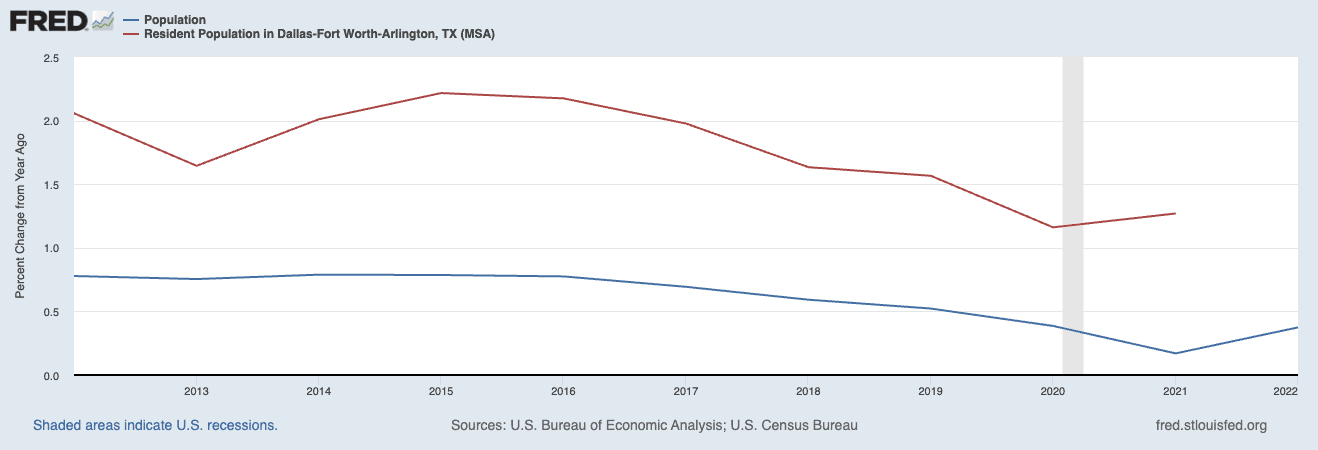
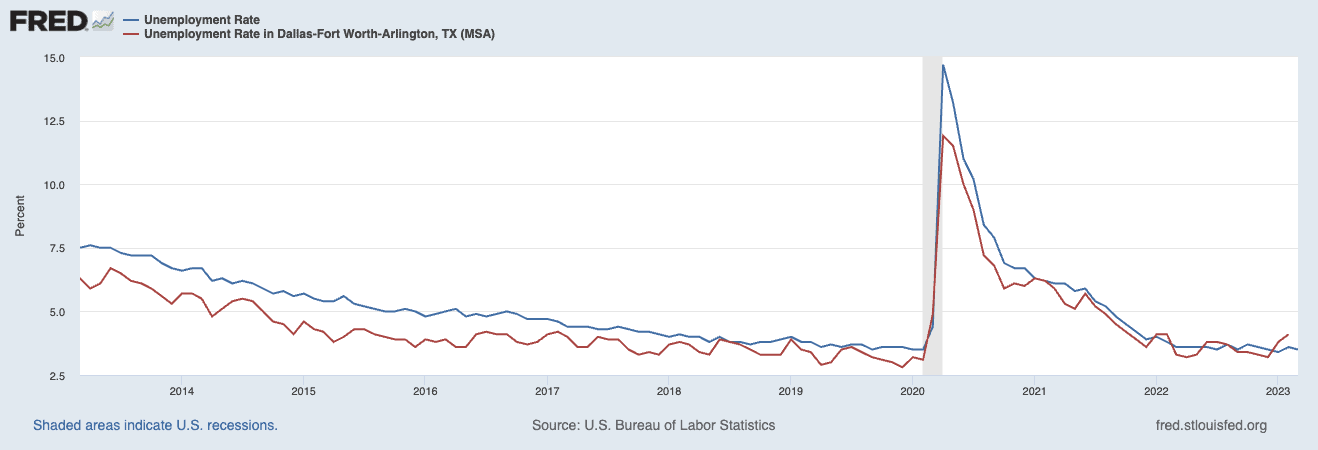
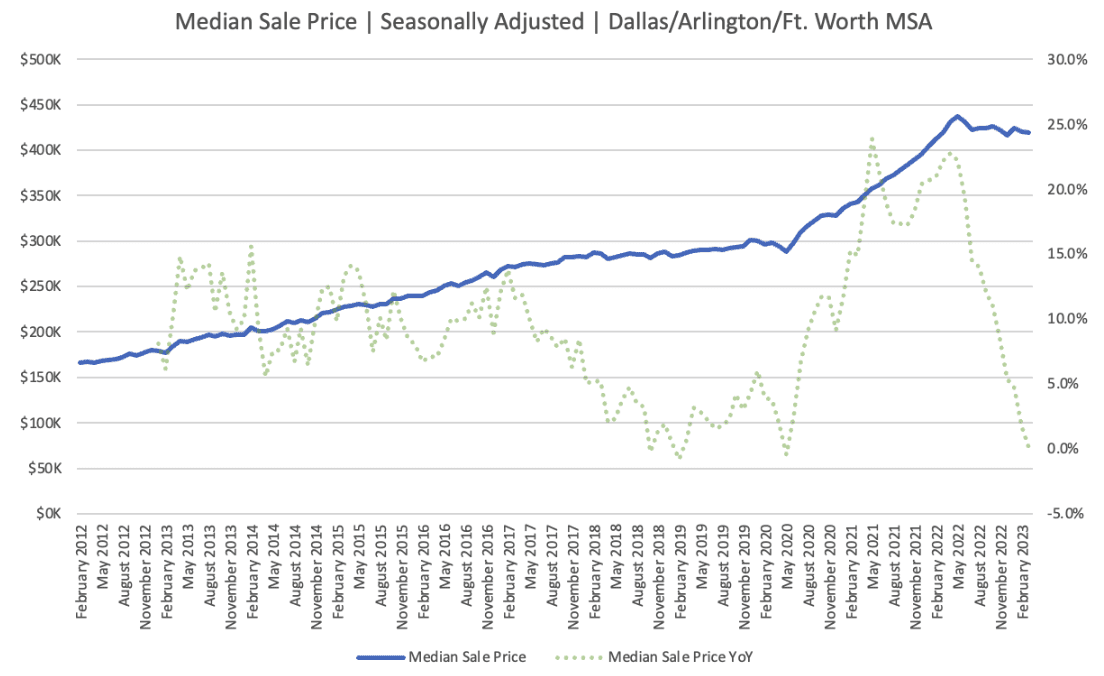
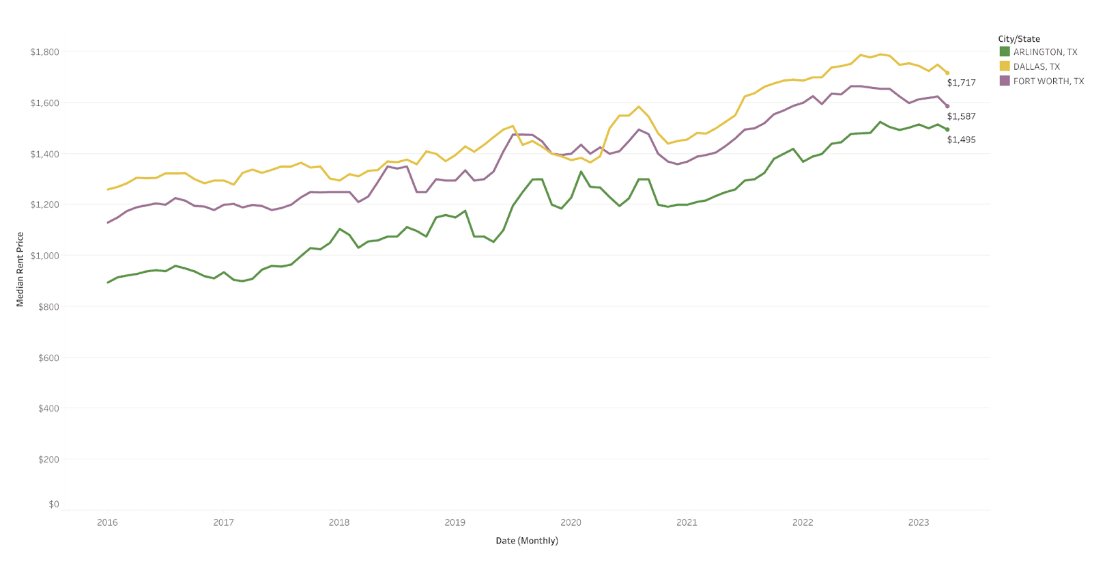
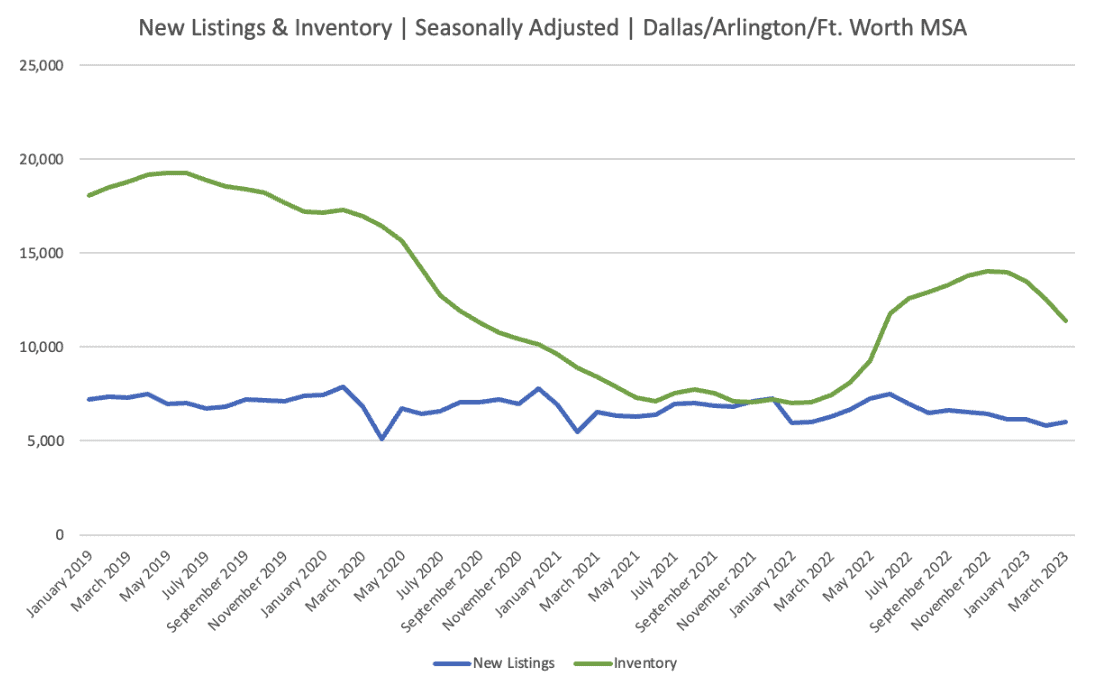
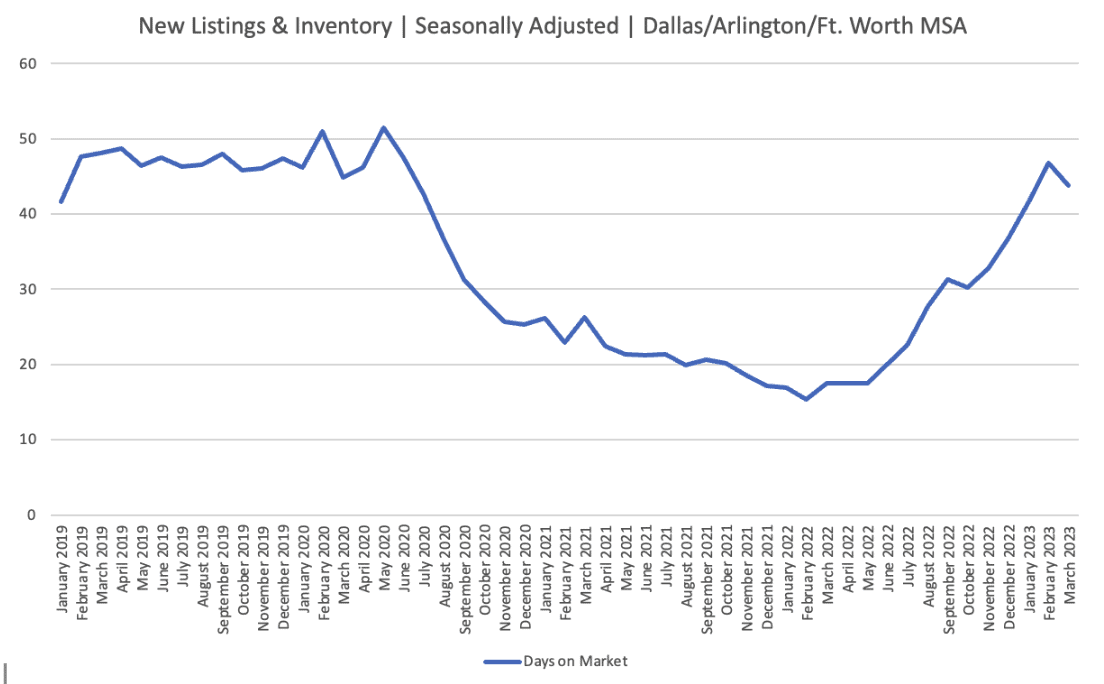
So I’m trying to figure out should I be patient, save more and try to invest in the LA market or go out of state. I have my eyes on Oklahoma or Northern Texas like Dallas Fort Worth area because right now, there’s so many different strategies like the BRRRR, midterm rental, short-term rentals, cash-out refi, 1031 exchanges. I don’t know how to focus on a specific strategy and just need your insight on basically how to best position myself for long-term success and wealth.
Thank you in advance for any sort of information or insight that you do provide. Once again, big fan. Thanks. Bye-bye.
David:
All right, Derek, thank you for the background on your finances. Let’s see if we can pick this thing apart, compartmentalize it and give you advice on each part. The first part, when it comes to pulling money out of your property that you have in Alameda via a HELOC or a cash-out refinance, you always want to talk to a mortgage broker to go over your options when it comes to that.
So please reach out to us at the One Brokerage and we can sit down and actually go over what your rate would be, how much equity you’re able to take out of it, how much your closing costs are going to be to make sure it would even make sense to do it, because sometimes you pull 30 or 40 grand out of a property but your closing costs were 20 or 25 grand, and it doesn’t make any sense to do that. So that’s one thing you always want to sit down and talk to someone about, not try to figure it out on your own.
As far as putting some of the money that you have saved … Well, no. First off, congratulations on having a great W-2 job. You’re clearly a valuable employee if you’re making that much money and doing good job saving that money. That is more than half the battle. So just you getting that part right, I want to commend you and I want everyone to hear that’s what it’s all about.
Now, let’s talk about what to do with that money. You’ve got 180 grand in the bank plus potentially some equity. I’m not a huge fan of building ADUs on properties. Now, I’ll tell you why, but before I do that, I’ll say if it was going to happen, it makes more sense to do it on a $1.2 million property in Alameda, and if you don’t know this, this is a small island right off of Oakland. Very desirable real estate in the Bay Area, low crime, much lower than the surrounding areas, good school scores. This is a place where everybody wants to live and there’s constricted supply. It’s a small island so they can’t build more real estate, so this area appreciates more than areas around it.
If you’re going to build an ADU, you want it to be in an area with constricted supply and you want it to be in an area with high price points. And I’ll explain why in a minute, but yes, you are in an area where this could work. But let me say why in general I don’t like it. It’s because you can’t finance the building of an ADU.
People always run the numbers on this and they say, “Well, I can build an ADU for $120,000. It’s going to add another $1,200, $1,500 to my rent. It makes sense to do this.” In this case, it’s probably going to be more like $2,200 to $2,600 a month is what I guess just for the area that you’re in, Derek. The problem is you can’t finance it, okay? So the 1% rule is what we look at when we’re trying to determine if a property’s going to cash flow. It makes much more sense when you’re financing it.
I don’t want to run through all the numbers right now, but if you were buying a property that’s going for 120 grand and that property’s going to rent for $1,200 a month and you’re putting 20% down, you’re putting 25 grand down to get the cash flow on that deal, not 120 grand down to get the cash flow on that deal.
ADUs become less valuable when they’re not already there when you have to build them from the ground up because you can’t finance them. You could have taken that same $120,000 and bought a $500,000 property somewhere else and got the whole house with an ADU that’s already built for the cost of building something that doesn’t always add more valuable to your real estate.
Now, I will also say like I did before, areas like Alameda, you’re more likely to get value out of it because the houses aren’t super big. You’re adding more square footage. This could work for you, Derek. It doesn’t work for everyone though. So I’m glad you told me where your property is. The thing you got to do is analyze, if I build an ADU, how much is it going to cost? I pulled that number of $120,000 out of thin air. I have no idea if that’s what your construction costs would be. Let’s just say it’s that. And look at how much rent you’re going to get for that property and determine the ROI on that investment. You want it to be pretty decent.
Then you’re going to have to say, if I spent 120 grand on this ADU that I can’t get back, how much equity would that add to my house? Now, I believe if you bought your house with the David Greene Team because we do service that area, you would’ve mentioned that, so I don’t think you used us.
So either contact one of our agents if you want us to represent you in the future or go to the agent that you used and have them run some comps and give you an idea of how much value that would add to the property itself. If it’s not significant and if it’s not giving you a really high return, it’s probably not the best use to build the ADU.
If it is going to add a lot of value to your home and it’s going to give you a solid return on your money, that I would consider going forward with that. Assuming that doesn’t work or it’s not a home run, just look at where you can spend that money somewhere else. Can you go buy a property that’s run down, beat up and it’s been sitting on the market forever listed at $600,000? Offer 500, put that same 120 grand down on that $500,000 house. Put another 40 grand into fixing it up, making it worth $620,000, $630,000. Do the forced equity thing like what you did on your Alameda property and end up with a property with two to three units that you can rent out individually to get more cash flow.
That’s probably a much better use than building a small structure completely from the ground up because you have to pay for the foundation, the plumbing to be run in there, the drainage to be run in there, the electricity to run in there. You have to go through the city. You have to get permits for everything. It’s going to take a really long time. Then you have to build the framing, the drywall, the roof, all the finishings. It’s very expensive to build real estate from the ground up.
I’m a much bigger fan of finishing real estate that has already been built, that already has a foundation, already has plumbing, already has electrical, already has framing. It’s just being used as a garage or a basement or something that’s not very helpful. So, hopefully that helps you keep us up to speed with what you end up doing.
All right, our next question comes from Kevin Sibillia in Raleigh, North Carolina. “Would it be better to sell a property and just enjoy the interest or better to hold and enjoy rental income? My wife is 49 and I’m 51. We will be fully retiring in eight years.”
All right, so by enjoying the interest, I assume you mean enjoy the profit. Problem with that is you’re going to pay taxes on that, Kevin, and I’m guessing if you’re 51 and your wife is 49, you’ve probably been holding it for a while, so your capital gains taxes are going to be significant. That’s going to suck, so I’d probably rather not see you have to pay these taxes.
Oh, I do see that you have, that you’ve said a total rental value is $1.5 million. You paid off a million and that your monthly income is $7,000. I like that. I think that that’s a pretty good number. I’d rather see you hold that property and let that grow over time as rents become more expensive, just like everything’s becoming more expensive.
Unless you think that we’re going into a huge crash and real estate’s going to be worth a lot less than you want to sell before that happens, it’s just hard for you to time that and it’s going to be harder for you to redeploy that capital if you’re retired. So I think you’re actually doing a pretty good job here, Kevin. I would make sure that you’re at a good rate. If you’re not at a good rate, that might change things a little bit.
But assuming you have a good interest rate, this property’s going up. Talk to a property manager or go on the BiggerPockets rent estimator and make sure you’re charging market rent for your property. There might be a chance you could bump that up from $7,000 a month to being more if you’re not at market rent. A lot of people make that mistake and they fall behind.
But I don’t see anything in what you’re saying here that says you need to make any big moves. You’ve got these three rentals in Raleigh, North Carolina, and then two in South Carolina. Those are great markets to own real estate. You’re going to have more and more people that are moving into those areas in the future. You’re actually in a super solid position. I wouldn’t worry about selling those at all. I think that those sound pretty good based on what I’m hearing right now.
But thank you for that question. I hope you feel a little bit better. If you’ve got some money sitting in the bank burning a hole in your pocket, submit another question and we’ll talk about where you could buy more or where you could spend that money.
All right. Our next question comes from Cristian Vences.
Cristian:
Hey, David. This is Cristian from Houston, Texas. I’m a full-time cybersecurity engineer and a part-time real estate sales agent. First of all, thank you for listening to my situation and questions. I have only positive reviews for the podcast in the BiggerPockets community. And listeners, if you haven’t read any of David’s books, then you are missing out, ha-ha.
Well anyways, for some context, I’m currently house hacking a duplex. I suspect I can rent out my side for $1,250 when I move out. I am planning on doing another house hack next summer with an FHA loan product. I added my fiancee’s and I’s income together and we roughly make $180,000 a year. And yes, I checked, she’s down for this.
But long story short, I estimate our max monthly debt potential to be $6,500. Working backwards from that, I expect to qualify at a max for a $650,000 loan amount at a 3.5% down payment, 7% interest rate, 1% PMI, a $2,400 annual interest premium, and in $19,500 annual tax bill. I do live in Houston, so I estimate 3% of value for taxes without homestead.
Here’s my crystal clear criteria. I want to house hack a new property, and this might seem weird, but my cash flow criteria is negative $1,250, meaning I just want to trade up my current rent into another property. The way I see it is that I’m renting my unit from myself for market rent. Now, that’s absolutely worst case scenario. Ideally, I want my cash flow from my new house hack to be a positive $1,250, but that doesn’t seem too realistic.
So here’s my questions. One, can you comment on my loan estimation calculation? And yes, I did include our current debts into it and I estimated that at a 56% DTI ratio. Two, what do you think about my crystal clear criteria? I know I did not include cash-on-cash return, but I’m 25 years old and I really see the value of getting a nice property with huge appreciation potential. Plus, I’m going in with 3.5% down. I’ll likely have a rather high cash-on-cash return if I pay my cards right.
Three, what are ways to supercharge cash flow from a house hack? Things that come to mind are rent by the room and short-term rentals. Four, what do you think about the risk of my house hack strategy? My current exit strategy is holding and renting. I see two main things that minimize my risk. One would be to add value through rehabbing a lot like the BRRRR method, and two would be to ensure I could rent out each individual unit for long term and still reach my criteria.
Five and lastly, can you talk about the FHA 203(k) loan product? I really envisioned this loan product to play a big role in my next house. Let me know if I’m being led astray. Thanks again, David. Looking forward to hearing your response. Listeners, you guys can find me on the BiggerPockets forums. My name is Cristian Vences. That’s Cristian without an H, and Vences spelled like fences, but with a V as in Victor. Peace.
David:
All right, thank you for that, Cristian. Let’s break this down into a couple different components. First off, can you comment on my loan estimation calculation? I see you’re one of those DIY people who likes to do everything yourself. But I’m just going to say it again. You’re better off talking to a mortgage breaker and letting the expert work this out. They’re already going to be doing the work of getting the loan for you.
They’re going to have to know every single thing about your financial situation and the calculations that you’ve done, and they’re going to send you loan disclosures that spell out all of this information in them. You’re better off just talking to them. That’s why I started a loan company so that we could do this kind of stuff for people.
So, get connected with the mortgage broker. I’d love to work with you. But if it’s not us, find somebody else and have them go over your loan calculation as part of their job. They’re going to be doing it anyways. It’s not extra work.
Number two, what do you think about my crystal clear criteria? I love that, and I also love that you’re thinking about how you can minimize risk. That is really smart. Getting crystal clear on what you’re looking for makes it easy so that when the right deal comes your way, you recognize it as the right deal. Much like dating. If you don’t know what you’re looking for in a spouse, then you don’t know who you’re supposed to be dating and you’ll fall for anything.
What are ways to supercharge cash flow from a house hack? Well, the way that most people approach it that I’ve seen is they just try to make up for volume what they lack in skill. What I mean by that is they’ll just start analyzing every single property they see. Look at this three bedroom house. Okay, the bedrooms rent for $600. Let me run through calculator. All right, look at this three bedroom house. The bedrooms rent for $625. Let me the run through calculator. And they do all the work over and over and over and they keep coming up with the same number that doesn’t work that good.
What I like to do is zoom out a little bit, look at the big picture and ask myself which levers that I pull on make the biggest difference, okay? So obviously, more rent per room makes sense when you’re trying to increase rent, but that’s a small lever. Going from $600 a month to $625 a month is not huge. Adding another bedroom is bigger. Even if that means that every bedroom goes from 600 to only 500 but you add another bedroom, you’re still adding more money. That’s the bigger lever.
So if you’re trying to house hack by renting by the room, what you want to do is look for houses that have more rooms. If you’re looking to house hack by the unit, you want to look for houses that have more units. And once you’ve got this down, you want to look for properties that are easier to add units to, based on the floor plan they have, the size of the square footage, the setup of the actual property. Does that make sense?
So you are looking at it the right way as far as ways to supercharge your cash flow. Make sure you identify what the big levers are and then try to get as many of those or pull as hard on that lever as you can as possible.
What do you think about the risk of my house hack strategy? I think house hacking is the least risky strategy of all of them. So people are going to be aggressive investing in real estate, I like to see them start being aggressive in a conservative asset class because that absolutely mitigates the risk. So I think you’re good there.
And lastly, can you talk about the FHA 203(k) loan product? Again, this is something you should be talking to a mortgage broker about, but I will give you a little bit of a background. The 203(k) loan product is an FHA loan that allows you to not only borrow 97%, no 96.5% of the purchase price, but also borrow 96.5% of the rehab of the property.
This is why everyone loves it because you put a low down payment on the house and then you put a low down payment on the loan for the materials and the labor and the construction that’s going to be done on the property. So it’s just low, low, low, all over the place. We got low prices. They’re crashing through the floor.
But like most things, it can be too good to be true. There’s not many contractors that want to work with the 203(k) loan product. So, they get paid by the lender and they have a lot of hoops they got to jump through. Usually, you have to get three different contractors to all give a bid on the house. The contractor has to agree to get paid at certain points. They’re going to have their bid scrutinized by the person who’s going to be lending the money on this. It’s a lot more paperwork for them to fill out, and they hate that.
Now, you might be able to get away with this at a market like now where there’s less houses being sold, depending on how hot your market is. If there’s still a lot of homes that are being sold, they’re going to have a very hard time finding a construction company that is willing to go through the hoops of a 203(k) loan. That’s just been my experience.
It’s often sold as gurus as a way of getting views on their videos, or they talk about this like super-secret thing that no one knows about, or you can borrow all the money for your rehab because they want to get attention, or they want you to pay them to take their course. In many cases, the juice just isn’t worth the squeeze.
Not trying to discourage you. I would talk to a couple contractors first and make sure this is something they’re open to. And if they are, talk to a mortgage broker about the 203(k) loan product, and I’d love for you to talk to us.
So, I hope I cut through some of the BS there, and I also hope I gave you the encouragement that you needed. I love how much you’re thinking about things. I love that you’re planning it all out, you’re anticipating problems. This is how investors should be thinking. So, best luck to you, Cristian. I hope that this works out.
All right, guys. That is our last question of the day. This is the end of our video, and I want to say, you’re awesome. Thank you. You’re amazing and we love you. I realize that you could be getting your real estate information from anywhere. So coming to us, watching Seeing Greene, listening to BiggerPockets means a ton. If you have time, check out another BiggerPockets video. If we don’t, we will see you next week.
And please follow me. I’m all over social media, @davidgreene24. My website is also davidgreene24.com. I would love to get to know you guys better. So, reach out. Let me know what you thought about the show and make sure you leave us a comment on YouTube. I will see you guys next week.
Help us reach new listeners on iTunes by leaving us a rating and review! It takes just 30 seconds and instructions can be found here. Thanks! We really appreciate it!