Blog

Your Merch Could Be a Marketing Goldmine. Stop Treating It Like a Cash Grab.


Opinions expressed by Entrepreneur contributors are their own.

Key Takeaways

  • Keep merch affordable and use it to reward customers, build goodwill and strengthen loyalty.
  • The real value of merch is turning happy customers into walking advertisements for your business.

I love merch.

A T-shirt from a cool bar in Key West. A hoodie from that hilarious restaurant in Austin. A baseball cap from that music venue in New York. I’ve been to all of those places. They sold all of those things. I loved the food, loved the experience, had a great time — and didn’t buy a single piece of merch. That’s right. I didn’t buy. It’s not that I didn’t want the shirt or hoodie or cap. I did. It’s that, after spending $100 on dinner or drinks, I really didn’t want to fork over another $80 for a hoodie.

Why do businesses do this? Why do they charge so much for their merch?

Of course there’s a cost. But it’s really not that much. I looked it up. You can too. There are plenty of companies online that sell corporate merchandise you can customize with your logo. And when you investigate, you’ll find that things like caps, hats, hoodies, glasses, mugs, golf shirts and T-shirts can cost anywhere from $5 to $15 per item. Yes, there are minimum orders. Yes, nicer materials and more elaborate designs cost more. But the basic merchandise itself isn’t particularly expensive. And yet the restaurant or bar selling these items with its logo will often charge you $25, $50, $60 — or even $80. Yes, that hilarious restaurant wanted $80 for a hoodie with its logo on it.

Is this really such a big profit generator? How many pieces of merchandise does a typical restaurant sell in a week? There never seems to be a huge demand. In fact, whenever I’ve finally broken down and bought something, the person behind the counter freezes like a deer in the headlights. “You want…what?” Or, “Hold on. Let me get the manager.” Or, “Uh…I think we may still have one or two in the back.” I don’t see a line of people waiting to buy this stuff. Are the profits really worth it?

And here’s the bigger problem: today’s customers are already feeling nickele- and-dimed when they eat out. They get penalized for using a credit card. They get turned away unless they meet a minimum purchase. They’re told to “wait until their full party arrives.” They get hit with forced gratuities, “health and wellness” charges, “sharing” charges, processing fees, delivery fees, cancellation fees and cake-cutting fees. And now you’re going to charge me $80 for a hoodie with your logo on it? To advertise your restaurant? C’mon.

A good restaurant or bar should make money from its food and drinks — not a T-shirt. And yet, people really do love good merch. It reminds them of happy times and places. It makes me smile when I stumble across that baseball cap I bought at a fun dive bar in Key West. I still get a little nostalgic whenever I use that coffee cup from that diner in Vegas. I get it. Merch is a fun souvenir.

I don’t want to discourage the practice. If you own a restaurant, bar or frankly any business with a following, you should absolutely have merch. But instead of overcharging customers for it—and potentially spoiling the good vibes they felt about your business — think about using merch differently.

For example, instead of putting all the profits in your pocket, how about sharing them with a charity? That customer who is grumbling about paying $80 for a hoodie might feel a little differently if they know their purchase is helping a good cause. They get a cool hoodie. They’re supporting a charity. And, in your own little way, so are you. And don’t be shy about promoting it. Accumulate the profits and present a giant check to the charity with a local photographer there. Turn the merch into a feel-good story. You don’t even have to lose money. Just share the profits.

Not so charitable? Fine. Use your merch as giveaways. Hold bingo nights. Quizzo nights. Foosball tournaments. Online contests. Give away a T-shirt or hat as a prize. Suddenly, that piece of merchandise isn’t just something sitting on a shelf. It’s part of the experience.

And speaking of online, use it for social media. How about a free drink for the person who posts a picture of themselves wearing your shirt? Or a free entrée for the person who posts a picture of themselves wearing your shirt from the farthest location possible? An extra side of fries for anything overseas.

You have recurring customers. Maybe you think, “Why give them anything extra? They’re already coming back.” Okay. How about a thank-you? A simple “We appreciate you.” You’ve got loyalty programs. You’re tracking your biggest and most frequent customers — and if you’re not, that’s another conversation. So reward them. Same goes for big checks. Party of five? $300 spend? $500? Throw in a piece of merch as a thank-you.

Or maybe, just maybe, sell it for a buck or two above cost. A T-shirt with a cool logo from the bar where you had a fantastic night, for $15? Sign me up. And I bet you’ll sell a lot more of them than you would at $50 or $80. People walk away thinking they got a deal. They did. And now they’re walking around town wearing your logo.

That’s the real value of merch.

Merch can be great for your business. But don’t abuse it. If you do it right, merch can help you make money, reward your customers, generate goodwill, create social content and spread your brand. But don’t do it off the backs of your customers. Use it to reward them. Use it to make them smile. Use it to grow your business.

Key Takeaways

  • Keep merch affordable and use it to reward customers, build goodwill and strengthen loyalty.
  • The real value of merch is turning happy customers into walking advertisements for your business.

I love merch.

A T-shirt from a cool bar in Key West. A hoodie from that hilarious restaurant in Austin. A baseball cap from that music venue in New York. I’ve been to all of those places. They sold all of those things. I loved the food, loved the experience, had a great time — and didn’t buy a single piece of merch. That’s right. I didn’t buy. It’s not that I didn’t want the shirt or hoodie or cap. I did. It’s that, after spending $100 on dinner or drinks, I really didn’t want to fork over another $80 for a hoodie.

Why do businesses do this? Why do they charge so much for their merch?


Source link

Your Merch Could Be a Marketing Goldmine. Stop Treating It Like a Cash Grab. Read More »

How Emotionally Resilient Leaders Build Stronger Companies

How Emotionally Resilient Leaders Build Stronger Companies


Opinions expressed by Entrepreneur contributors are their own.

Key Takeaways

  • Emotional resilience is not about pretending pressure does not exist. It is about facing reality, staying grounded, and leading with clarity when things get difficult.
  • For senior leaders, resilience becomes a strategic advantage because teams do not just listen to what leaders say; they watch how leaders respond when uncertainty, setbacks and hard decisions arrive.
  • When pressure arrives, resilient leaders pause, look at the facts, bring the right people to the table, communicate clearly and make the next best decision.

I used to think resilience meant being tough enough to handle anything. Over time, I learned that is only part of the story.

Real resilience is not pretending the hard days do not hurt. It is not acting like pressure does not exist. It is not walking into every room with all the answers and pretending you are never shaken.

Real resilience is the ability to face reality, stay grounded and keep moving with clarity.

For senior leaders, that matters more than most people realize. When you are leading a company, sitting in the boardroom, building a team, making decisions under pressure or trying to guide people through uncertainty, your emotional state does not stay private. It becomes part of the organization’s climate.

If you panic, people feel it. If you avoid hard conversations, people notice it. If you become defensive, people stop bringing you the truth. If you stay steady, honest and focused, people gain confidence.

That is why emotional resilience is not just a personal development topic. It is a leadership strategy.

What emotional resilience really means

Emotional resilience is the ability to absorb pressure without letting that pressure control your decisions, damage your relationships or weaken your judgment.

It is the ability to reset. That word matters.

Every leader will face setbacks. A key employee leaves. A deal falls apart. A board opportunity does not happen. A market changes. A strategy misses. A client walks away. A public mistake happens. A competitor moves faster. A new technology disrupts the business.

The question is not whether pressure will come. It will. The real question is: What kind of leader do you become when it does?

Some leaders react. Some leaders blame. Some leaders shut down. Some leaders try to control every detail because fear takes over.

Resilient leaders do something different. They pause. They look at the facts. They bring the right people to the table. They communicate clearly. They make the next best decision.

That does not mean they are emotionless. It means they are not led by emotion alone.

Self-awareness comes first

You cannot build emotional resilience if you do not understand yourself.

Senior leaders are often trained to focus outward: the market, the team, the numbers, the board, the customer, the opportunity. All of that matters. But if you never look inward, your blind spots start making decisions for you.

Self-awareness means knowing your triggers.

  • Do you get defensive when challenged?
  • Do you avoid conflict?
  • Do you over-control when you feel uncertain?
  • Do you move too fast when you feel pressure?
  • Do you isolate when things get difficult?

These patterns matter because leadership pressure does not create character as much as it reveals it. A simple practice I recommend is asking three questions before making an important decision under stress:

  1. What is the fact?
  2. What is the story I am telling myself?
  3. What decision aligns with my values, vision and mission?

That little pause can change everything. It separates reaction from leadership.

Emotional intelligence is not soft. It is strategic.

Some people still treat emotional intelligence like a soft skill. I disagree. Emotional intelligence is a leadership advantage.

It helps leaders read the room. It helps them understand what is not being said. It helps them communicate in a way that builds trust instead of fear. It helps them handle feedback without making people regret being honest.

At the senior level, technical skill and experience may get you into the room. Emotional intelligence often determines whether people trust you once you are there.

A resilient leader knows how to regulate emotion without ignoring it. They can say, “This is a difficult moment” without creating panic. They can admit, “I do not have all the answers yet” without losing authority. They can listen to hard feedback without attacking the messenger.

That is leadership maturity.

Build relationships before you need them

One of the biggest mistakes leaders make is trying to build support only when they are already in crisis. That does not work.

You need to build relationships before you need them — advisors, mentors, peers, board members, coaches, trusted voices and people who will tell you the truth even when it is uncomfortable.

I have always believed leaders should not build alone. The best leaders bring the right people to the table. Not because they are weak, but because they are wise enough to know they cannot see everything from one seat.

A strong support network gives you perspective. It helps you separate emotion from reality. It helps you see options you may have missed. It also reminds you that pressure does not have to be carried in isolation.

The higher you go in leadership, the easier it is to become surrounded by people who tell you what they think you want to hear. That is dangerous.

Resilient leaders build circles where truth can exist.

Learning agility keeps leaders moving

Emotional resilience also requires learning agility. What got you here may not get you there. That is a hard truth for many successful leaders. Past success can become a trap if it makes you believe you already know enough.

The strongest leaders stay coachable. They are willing to learn, unlearn and adjust. They do not see failure as an identity. They see it as information.

When something does not work, resilient leaders do not just ask, “Who caused this?” They ask better questions:

  • What did we miss?
  • What can we learn?
  • What needs to change?
  • What should we stop doing?
  • What should we do next?

That mindset keeps an organization moving forward instead of getting stuck in blame.

Well-being is leadership maintenance

Let me be direct: Burned-out leaders do not make their best decisions.

You cannot consistently lead with clarity if you are running on empty. Sleep, exercise, nutrition, recovery, family time, quiet time and time away from work are not luxuries. They are part of leadership maintenance.

Senior leaders often feel guilty stepping away. But the truth is, if you never recover, you eventually start leading from exhaustion. And when you lead from exhaustion, small problems feel bigger, patience gets shorter, communication gets weaker, and judgment suffers.

Taking care of yourself is not selfish. It is responsible.

Your team does not need a leader who is available every second but emotionally drained. They need a leader who is present, clear and capable of making sound decisions.

Create a culture where truth can travel fast

Resilience cannot live only at the top. It has to become part of the culture.

Organizations become more resilient when people can tell the truth quickly. Bad news should not have to fight its way through layers of fear. Mistakes should be addressed, not hidden. Failure should be studied, not used as a weapon.

That does not mean lowering standards. Accountability matters. Results matter. Performance matters. But accountability without psychological safety creates silence. And silence is expensive.

A resilient culture allows people to say:

  • This is not working.
  • We made a mistake.
  • I need help.
  • The customer is frustrated.
  • The strategy is not landing.
  • We need to adjust.

That kind of honesty gives leaders a chance to respond before small issues become major problems.

Train for pressure before the pressure arrives

Resilience is built before the crisis.

Companies should invest in leadership development that includes scenario planning, communication under pressure, conflict management, stress awareness and decision-making in uncertain conditions.

Too often, organizations train leaders on strategy but not on emotional pressure. That leaves leaders prepared for the plan but unprepared for the moment when the plan changes.

Senior leaders should be practicing questions like:

  • How do we communicate when the news is difficult?
  • How do we make decisions when information is incomplete?
  • How do we protect trust during change?
  • How do we respond when the first plan fails?
  • How do we keep values at the center when pressure rises?

These conversations strengthen leadership before it is tested.

Resilience is built in small moments

Emotional resilience is not built in one big moment. It is built in small moments that repeat.

  • It is built when you pause before reacting.
  • It is built when you ask for feedback.
  • It is built when you admit what you do not know.
  • It is built when you choose clarity over ego.
  • It is built when you rest instead of pretending you are invincible.
  • It is built when you bring the right people to the table.
  • It is built when your values, vision, mission, relationships and actions all point in the same direction.

That is what people remember. They may not remember every decision you made. But they will remember how you led when things were uncertain.

Senior leadership will always come with pressure. The higher the responsibility, the greater the weight. But pressure does not have to break a leader. It can refine one.

Emotional resilience gives leaders the ability to stay steady during the highs and the lows. It helps them make better decisions, build stronger relationships and create cultures where people can perform without fear controlling the room.

So here is my challenge: Look at one pressure you are carrying right now. Write down the facts. Write down the story you may be telling yourself. Then ask: Who needs to be at the table, what values should guide this decision, and what is the next right action?

That is resilience in practice. Not pretending it is easy. Leading through it anyway.


Source link

How Emotionally Resilient Leaders Build Stronger Companies Read More »

Her Time-Saving Product Hit ,000 in Sales in 36 Hours

Her Time-Saving Product Hit $10,000 in Sales in 36 Hours


Key Takeaways

  • Maria Cabral Menezes, 27, worked in finance at Citadel and JPMorgan before deciding to create a “dry shampoo for clothes.”
  • The product arose out of necessity: Menezes frequently found herself with clothes she wore once that were too clean to wash but not fresh enough to wear with confidence.
  • The Reset Spray, which retails for $29, hit $10,000 in sales less than 36 hours after its debut in early August.

Maria Cabral Menezes, 27, never set out to be an entrepreneur — let alone one behind a product that achieved $10,000 in sales in less than 36 hours. 

Menezes moved to the U.S. from Brazil to study at the University of Pennsylvania, where she majored in behavioral economics, retailing and international development. After graduating in 2021, she joined JPMorgan Chase as a global equities trader, then moved to Citadel as a trader after a year. 

“I came to the U.S. to go down the most typical finance path ever,” Menezes tells Entrepreneur in a new interview. “I was not meant to be an entrepreneur, at least I didn’t think I was.”

As a trader, Menezes encountered a pain point. When she traveled for conferences, she would try to rewear the same blazer two or three days in a row and not feel very confident that it was clean enough. She would also go to the gym in the morning and travel around for the rest of the day with sweaty clothes stuffed into a duffel bag. 

Then there was the chair. Menezes would tell her friends about the chair she had at home, piled up with clothes she had worn once. The clothes were too clean to wash, but not fresh enough to rewear and feel confident. She would end up paying to dry clean them. 

“I remember thinking, I wish there was something like a dry shampoo, but for your clothes,” Menezes says. “A spray that allows you to re-wear an item between washes so that you’re not constantly over-washing your clothes or over dry cleaning, which is not good for the actual clothing itself if you lightly wore it.”

Maria Cabral Menezes. Credit: WashWise

Creating a new product

Menezes started researching the market. She found that laundry companies mostly focused on detergent. They didn’t consider the 99% of the time when clothes were nowhere near the washing machine. 

That was the inspiration for Menezes’ brand, WashWise, and its hero product, the Reset Spray. The $29 product markets itself as “dry clean in a bottle” and a “dry shampoo for clothes.” It reduces wrinkles in fabric, cleanses and neutralizes odors in a way that is skin- and fabric-safe. The spray comes in two fragrances and two sizes, including a travel option. Menezes launched the product last month. 

“My goal is that when you take any piece of clothing out, you’re going to think, Is this dirty? Is this clean?” Menezes says. “And if it’s in between, we’re WashWising it.”

Though the Reset Spray was built with sustainability in mind, WashWise positions it more as a time-saving product. It’s selling convenience to consumers who travel, work out, wear synthetic fabrics or simply do not want to run a load of laundry after every light wear.

“We’re basically giving people time back,” she says.

Menezes believes that framing helps the product reach multiple audiences. The phrase “dry shampoo for clothes” may immediately register with women who already use dry shampoo, she says, but the use cases extend beyond that customer.

“It’s not just the woman who understands ‘dry shampoo for clothes,’” she says. “It’s also the Wall Street bro who sometimes has wrinkles in between meetings, or the college kid who is messy and doesn’t do laundry as much as they should.”

Menezes says the brand’s consumer research found that one bottle of product could replace up to $300 in dry-cleaning costs, six hours of laundry time and 110 gallons of water, although those results will depend on an individual consumer’s habits.

WashWise Reset Spray. Credit: Emu Haynes

How she developed the spray

Menezes started developing the product by first examining what a washing machine does for clothes so that she could copy it in a spray format. She was still working at Citadel last year when she came into contact with a chemist via LinkedIn. 

“I bounced the idea off of her, and we started really at home, putting all of these formulations together in my living room,” Menezes says. “Eventually we came up with a formulation we felt so confident about that we were ready to go speak to contract manufacturers.”

Menezes estimates the internal process involved 10 to 15 iterations. The eventual manufacturer made two minor reformulations, focused more on product preservation and scale than on the formula’s core function.

“By the time we went to them, we already had something that was proven in our own house,” she says.

The full path from meeting the chemist to the first production run took more than a year. It was not a straightforward process. Menezes initially explored a separate idea: a water-soluble bag for sweaty workout clothes that would dissolve in the wash and contain odor-neutralizing agents.

Then she identified an obvious flaw.

“When something is sweaty, it’s going to melt the bag before it ever gets to your home,” she says. “It was just such an oversight.”

She tabled that product, though Menezes says WashWise may eventually introduce another solution for handling especially sweaty clothing until it can be washed.

A finance mindset, applied to consumer products

The spray also presented a complex formulation challenge. Many ingredients used for odor neutralization can interfere with fragrance, Menezes says, while other components can work against wrinkle reduction or cleansing performance.

“The hardest part was finding ways in which we were learning enough about these ingredients to find innovative ingredients that work symbiotically,” she says.

Menezes left Citadel once she believed the product had legs and could be manufactured. She had worked on WashWise briefly alongside her full-time job but says the intensity of a finance career made a true side hustle unrealistic.

“The moment I hit all those checks and knew this was feasible, that’s when I decided to leave,” she says. She has worked on WashWise full-time since June of last year.

Before raising outside funding, Menezes says she invested between $50,000 and $70,000 of her own savings. WashWise raised $1.2 million from investors including Hims & Hers co-founder Jack Abraham, Oats Overnight founder Brian Tate, Sense founder Alex Jankowsky and FJ Labs in August. 

Menezes has not paid herself in more than a year, choosing instead to invest resources in hiring and customer acquisition.

“I see the value of every dollar I’m putting in,” she says. “I would rather put every dollar into something that has a huge multiplier effect.”

Her finance background has shaped how she operates the company. Menezes says her primary takeaway from Citadel is insisting on process: questioning why each task is done, if it can be improved and how it could function at a much larger scale.

“In order to survive in a place like Citadel, your process needs to be bulletproof,” she says. “There’s no, ‘We do this just because we do this.’”

The difference between startup life and finance 

The move from public-market investing to private-company building forced Menezes to get comfortable with uncertainty. In finance, she could measure results quickly and precisely. Market performance follows an investment decision. Startup choices, including hiring decisions, brand strategy and long-term partnerships, are less easy to evaluate.

“It’s taught me to be a lot more intuitive,” she says. “There’s less quantitative stuff to grasp onto.”

For Menezes, disciplined process and intuition are not opposites. She says that thoroughly examining routine decisions makes her better prepared when an unexpected decision requires speed and judgment.

“The moment something comes at me out of the blue and I have to make a fast decision, I feel like I’m the best prepared version of myself to make that decision,” she says. “I feel very confident in trusting myself.”

Building demand before checkout opened

WashWise’s launch in early August was more than a year in the making, but its early sales surge rested heavily on audience-building in the months before launch.

Rather than waiting to reveal a polished product, Menezes documented the company’s development across TikTok and Instagram. She posted packaging options, new boxes, formulation updates and questions for prospective customers. Her audience was relatively small, about 3,000 followers on Instagram and roughly 600 on TikTok at the time of this interview. However, followers were highly engaged.

“Anytime we wanted advice, we always went on social media to ask for it,” she says.

That approach gave early followers a sense of ownership. By the time WashWise launched, the product did not arrive as a surprise.

“If you’ve been a friend of mine and you’ve followed along, you probably know just as much of WashWise as myself, because I really tried to share it all,” Menezes says.

She also created a TikTok series called “Deglamorizing Founder Life,” in which she candidly discusses setbacks and difficult days. The posts gave her a way to build a founder-led brand without turning entrepreneurship into a polished highlight reel.

“Actually building is really hard,” she says. “So that’s one thing I’ve been doing. Whenever I have a rough day, and building is tough, I share that because I think it’s important too.”

A strategy that worked

That transparency ran against some conventional public-relations advice. Menezes says members of her PR team worried that building too visibly would remove an element of surprise from the eventual launch. She saw it differently.

“I’m like, no, I want people to see the journey because it means that once we turn the orders on, there’s a lot of demand already there,” she says.

The strategy appears to have worked. Menezes says WashWise built “a really, really big list of people who were ready to purchase” before launch.

More importantly, customers already understood the vocabulary. The company used phrases like “chair robe,” a reference to that chair full of once-worn clothes, and “dry shampoo for clothes” repeatedly enough that they became shorthand for the problem WashWise was trying to solve.

“We really owned words that hadn’t been out there as part of this new habit we’re trying to create,” she says.

The Reset Spray hit $10,000 in sales in less than two days after launching August 10. Menezes says that her goal is to make WashWise a household name and change people’s habits with the Reset Spray and other products she’s currently developing.

“Let’s do it once; let’s do it really well,” she says. “Let’s have all our marketing and all our focus on this one product, and then let’s do it again and keep repeating it.”

She added that the approach was similar to what Dyson does: Think outside the box, develop one product, really nail it, then move on.

“We’re giving it the time it needs to establish ourselves as innovators in the laundry space before going for the next one,” she says.


Source link

Her Time-Saving Product Hit $10,000 in Sales in 36 Hours Read More »

Your Online Presence Is Your First Impression — So Make It Good

Your Online Presence Is Your First Impression — So Make It Good


Opinions expressed by Entrepreneur contributors are their own.

Key Takeaways

  • Your online presence is your first impression, so to make sure it’s a good one, you have to know what your company looks like from a customer perspective.
  • Read the reviews about your business, search your name in the news, line up your listings in any directory you’re listed in and polish your Google Business Profile to make sure you look the best you can to current and potential customers.

Picture this. A future customer hears your name at a dinner party. Intrigued, they reach for their phone before dessert even arrives. In those quiet seconds, before they ever call you or step through your door, they form an opinion. And that opinion is built entirely from what the internet decides to show them.

Here is the thing most business owners miss: Your online presence is your first impression. It is the velvet rope, the front window, the handshake. So let me walk you through exactly how to see yourself the way the world does. This is the first half of my client assessment at Fix Your Search, and it starts long before I ever meet you in person.

1. Read your AI search overview first

Start here, because this is where your customers start. Type your business name into Google and study the AI-generated summary that appears at the very top. This little snapshot pulls from all over the web to describe you in a few tidy sentences. Read it slowly. Is it accurate? Is it flattering? Is it even you?

When I run this check for a client, I am hunting for inconsistent info. Old addresses. Old services. Occasionally a detail borrowed from a competitor who happens to share a similar name. Most people skim that overview and move on without a second click, so if it gets your name wrong, you’re out. My first job is always to feed those results better, giving true and real information about who you are.

2. Search your own name in the news

Next, go look in the news tab on Google for press. Type your name plus the word “news” and see what surfaces, and then click the news tab. What shows up? A glowing local feature can build instant trust. An unflattering story, even a dusty old one, can sit on page one for years like an uninvited guest.

Here is what I tell my clients, and it always surprises them: Silence is also a signal. When I search and find nothing at all, that emptiness whispers to customers that no one has thought you are worth mentioning. In a crowded market, that is a missed spotlight. So I help clients figure out whether they have a story worth telling and if not, I make sure we create one for them.

3. Read your reviews like a stranger would

Don’t just glance at your star rating. Sit down and actually read the reviews, one by one, as if you had never heard of your own business. Then pay attention to something even more revealing: how you respond.

When I do this for clients, the replies tell me everything. A business that answers happy reviews with warmth and handles criticism with grace is showing me it understands the customer. A business that ignores every comment or fires back defensively tells me something too. I also look for patterns. If three people mention slow service or a dozen adore the same team member by name, that is not noise. That is gold. 

Try this today: Read your last 20 reviews back to back. What story do they tell together?

4. Go where people talk behind your back

This is the layer almost nobody thinks to check, and it is my favorite. Search for your business inside Reddit threads, local Facebook groups, community forums and niche industry boards. This is the unfiltered stuff, the conversations happening without a review box in sight.

When I dig through these spots for a client, I find treasure and I also find trouble. Sometimes a glowing recommendation the owner never knew existed. Sometimes a frustrated post with a long chorus of agreement from unhappy customers beneath it. You cannot shape a reputation you cannot see, so I help clients find exactly where their name is being talked about.

5. Polish your Google Business Profile

Now for the workhorse. Pull up your Google Business Profile and inspect it with fresh eyes. Is it claimed and verified? Is your category correct? Are your hours, phone number, and website all current and clickable? Are your photos real, bright and genuinely you?

I am endlessly amazed by how often this basic stage is a mess. I have found clients quietly losing inquiries for months thanks to a wrong phone number nobody caught. And photos matter more than you would think. A profile with warm, well-lit images of your space, your team and your work will always outshine one wearing that lonely grey placeholder. This fix costs nothing but a little attention, and it is often the most powerful move I make.

6. Line up your listings everywhere else

Finally, play detective across the rest of the web. Compare your Google details against your website, your Yelp page, your Facebook profile, your Apple Maps entry and any directory that mentions you. You are looking for one thing: consistency.

When I audit this for clients, mismatched hours and clashing phone numbers are the usual culprits. Here is why it matters beyond tidiness. Google rewards businesses whose information agrees with itself, and it quietly distrusts the ones that contradict themselves. Inconsistency confuses customers and dents your rankings at the same time. It is tedious work, I will admit, but it is the foundation everything else stands on.

Your first impression is already happening

Long before anyone books, buys or walks in, they have already seen a version of you online. A cluttered, contradictory, silent presence hints that the experience inside might be more of the same. A clean, accurate, glowing one promises that you sweat the details, and that you will care about them too.

That promise is the whole game, and it is exactly what I help every client make. So do the search today. Look yourself up the way a curious stranger would, and be honest about what you find. 

Key Takeaways

  • Your online presence is your first impression, so to make sure it’s a good one, you have to know what your company looks like from a customer perspective.
  • Read the reviews about your business, search your name in the news, line up your listings in any directory you’re listed in and polish your Google Business Profile to make sure you look the best you can to current and potential customers.

Picture this. A future customer hears your name at a dinner party. Intrigued, they reach for their phone before dessert even arrives. In those quiet seconds, before they ever call you or step through your door, they form an opinion. And that opinion is built entirely from what the internet decides to show them.

Here is the thing most business owners miss: Your online presence is your first impression. It is the velvet rope, the front window, the handshake. So let me walk you through exactly how to see yourself the way the world does. This is the first half of my client assessment at Fix Your Search, and it starts long before I ever meet you in person.

1. Read your AI search overview first

Start here, because this is where your customers start. Type your business name into Google and study the AI-generated summary that appears at the very top. This little snapshot pulls from all over the web to describe you in a few tidy sentences. Read it slowly. Is it accurate? Is it flattering? Is it even you?


Source link

Your Online Presence Is Your First Impression — So Make It Good Read More »

How to Get Your Message Through When Attention Is Scarce

How to Get Your Message Through When Attention Is Scarce


Opinions expressed by Entrepreneur contributors are their own.

Key Takeaways

  • Businesses can’t assume people will read important information. Crucial details need to be made highly visible and communicated repeatedly across channels.
  • Use short paragraphs, prominent headlines, visual cues, repetition and verbal explanations to accommodate shorter attention spans and increasingly distracted readers.
  • Track what prospects repeatedly ask and A/B test messaging to improve how effectively information gets through.

“How much is the Strategy Session?”

“It’s $2,950.”

“Oh, I didn’t know that. It’s the first I’m hearing of it.”

It takes everything in us not to respond. It was in the email you received, in big orange letters, when you first reached out to us. And we discussed it during the Complimentary Consultation, when we explained exactly what the Strategy Session entails and what it costs.

At Ivy Coach, a leading college consultancy, we’ve been in business for three and a half decades. Increasingly, we’ve noticed something we never expected to become a business problem. Our prospective clients don’t read. And we’re not talking about the Privacy Policy or Terms & Conditions. We’re talking about the big stuff, the stuff practically waving at them.

These aren’t distracted teenagers, either. They’re their parents, highly educated adults who are perfectly capable of reading several paragraphs but increasingly seem unwilling to do so.

That raises an interesting question for any business. How do you communicate information that prospective clients genuinely need to know when people increasingly don’t consume the information you send them?

At Ivy Coach, we’ve adapted. Here are five things we now do.

1. Sandwich it

Tell them the fee. Explain the service. Tell them the fee again.

This is hardly revolutionary. Social psychologists have long studied the primacy and recency effects. People tend to remember what they encounter first and last and forget that which is sandwiched in the middle. So if something is important, we bookend it. Fee. Explanation. Fee.

Is it repetitive? Absolutely. Is it effective? More effective than assuming someone will remember something they may not have read in the first place.

2. Repeat yourself

Once upon a time, saying something once was sufficient. Then came email, where we could send a reminder. Now we send the reminder about the reminder.

A prospective client might receive the information in an email, hear it from a member of our team, see it on our website and then receive it again before making a decision. This can feel absurd. But the alternative is discovering after the fact that the prospective client genuinely never saw it.

3. Make important information impossible to miss

We used to believe that good information architecture meant making information easy to find. Now we believe that critical information should be difficult not to find.

That means larger type, shorter paragraphs, headlines and visual cues. We’re designing communications for scanning rather than reading. The goal isn’t to dumb down the information. Rather, it’s to make sure the information survives contact with an increasingly distracted reader.

4. Say it out loud

If reading is becoming optional, businesses have to communicate through other channels.

When prospective clients schedule Complimentary Consultations with us, after receiving a detailed email outlining our services, we no longer assume they’ve read anything.

There is something almost comically inefficient about explaining something verbally that was already explained perfectly well in writing. But if the written explanation wasn’t consumed, efficiency becomes irrelevant. The medium matters less than whether the message gets through.

5. A/B test it

If prospective clients aren’t reading, we need to know exactly what they are seeing. So we keep track. Literally.

When a prospective client asks, “How much is the Strategy Session?” we write it down. If enough people ask the same question, we know our messaging isn’t doing its job. We then test different ways of presenting the information and see what changes. Bigger type, different placement, even more repetition, different wording.

It’s a simple form of A/B testing, except our conversion metric is sometimes whether someone asks a question that was answered three or four times already. The point isn’t to blame the prospective client for not reading. Instead, it’s to recognize that if people consistently miss something, the responsibility is on us to communicate it even better. Well, unless we’ve answered it four times. At that point, we’ll consider sending the answer by carrier pigeon.

Did you even read this?

None of this is particularly complicated. In fact, it’s almost embarrassingly obvious. But it reflects a larger shift taking place across businesses. Communication is no longer simply about transmitting information. It’s about getting information through.

We live in an age of infinite information and diminishing attention. Increasingly, artificial intelligence is also sitting between people and the information itself, summarizing, filtering and answering questions before someone ever reaches the underlying source.

Businesses therefore have to rethink an assumption that has stood for centuries: If you provide people with important information, they will read it.

Or maybe they won’t. Which brings us to the obvious test of whether you actually read this editorial.

How much is Ivy Coach’s $2,950 Strategy Session, which is $2,950? If you have to scroll back up to check, don’t worry. You’re our target demographic.

Key Takeaways

  • Businesses can’t assume people will read important information. Crucial details need to be made highly visible and communicated repeatedly across channels.
  • Use short paragraphs, prominent headlines, visual cues, repetition and verbal explanations to accommodate shorter attention spans and increasingly distracted readers.
  • Track what prospects repeatedly ask and A/B test messaging to improve how effectively information gets through.

“How much is the Strategy Session?”

“It’s $2,950.”

“Oh, I didn’t know that. It’s the first I’m hearing of it.”


Source link

How to Get Your Message Through When Attention Is Scarce Read More »

Innovation Alone Won’t Make You Successful — Here’s Why

Innovation Alone Won’t Make You Successful — Here’s Why


Opinions expressed by Entrepreneur contributors are their own.

Key Takeaways

  • Innovation matters, but adaptability matters more.
  • Understanding your customers is a competitive advantage.
  • Long-term trust outlasts short-term growth.

When people think of the industries shaping the future of business, property management probably isn’t at the top of the list. Most entrepreneurs likely don’t think they have much to learn from the housing industry. But after two decades spent building software for landlords and property managers, I’ve found that it is one of the best places to learn what it really takes to build a lasting company. 

Housing is one of the most regulated, fragmented and emotionally charged industries in the U.S. Businesses are navigating an ever-changing mix of federal, state and local regulations, shifting economic conditions, evolving customer expectations and emerging technologies — all while earning and maintaining the trust of customers making high-stakes financial decisions every day. Success requires more than a great product or an innovative idea. It demands resilience, adaptability and a long-term commitment to solving real problems.

Building a business in this environment has taught me lessons that extend far beyond property management. Whether you’re building a SaaS platform, launching a consumer brand or growing a professional services firm, today’s business landscape is defined by one constant: change. The lessons I’ve learned from this industry are surprisingly universal. They’re not just about rental housing — they’re about building a business that can adapt, endure and grow no matter what comes next. 

1. Innovation matters, but adaptability matters more

Startup culture celebrates innovation — breakthrough ideas, disruptive products and companies that set out to transform an industry. Innovation is essential to entrepreneurship; it’s often what starts companies, creates opportunity and gets attention. But innovation alone doesn’t build a company that lasts — adaptability does. 

My software company wasn’t built around one disruptive idea. It was built on firsthand experience with a real-world problem I knew others were struggling with too. Over time, we’ve continued to evolve our software alongside our customers’ changing needs. We haven’t sustained growth for two decades because we were always the first to innovate — we’ve grown because we prioritize listening, learning and adapting. 

Property management, like many industries, is defined by constant change. We can’t always predict what’s coming next, but we can control how we respond when challenges arise. The Covid-19 pandemic was a powerful reminder that adaptability matters. Businesses across industries were forced to rethink how they operated, served customers and delivered value. For us, that meant rapidly developing new features and providing resources to help customers navigate changing rental regulations. The companies that adjusted quickly were best positioned to navigate uncertainty, while those unable to change struggled to keep pace.

On a less revolutionary scale, the same principle applies to day-to-day operations. Changing compliance requirements, evolving cybersecurity expectations and shifting customer needs all require the same approach: listen closely, understand the challenge and adapt. 

The lesson is simple: Innovation may help you get noticed, but adaptability helps you endure. The companies that build lasting advantages aren’t the ones constantly chasing the next big thing — they’re the ones continuing to evolve as the world around them changes.

2. Understanding your customers is a competitive advantage

It’s easy to get caught up in what competitors are doing or what new technology makes possible. I’ve learned that the best products are built by understanding the problems customers actually face. 

It starts with customer empathy. You have to understand the challenges your customers navigate, the decisions they make every day and the obstacles standing in their way. Building the right solution requires understanding their reality. Our product has evolved by staying close to our customers and responding to their changing needs. Every feature, improvement and update is guided by a simple principle: Does this create value for our customers? How can we make their jobs easier, more efficient and more successful? 

The key is to create meaningful opportunities for customers to share input — through one-on-one conversations, support interactions, surveys, social channels or other touchpoints where customers can share ideas, challenges and frustrations. The most important step? Turning those insights into action. Even as CEO, I regularly connect with customers who share feedback, suggest improvements and help us identify opportunities to build a better product. That’s market research you can’t get anywhere else.

In complex industries, the strongest competitive advantage comes from knowing your customers better than anyone else. Your customers should shape your strategy. 

3. Long-term trust outlasts short-term growth 

Markets fluctuate, regulations change and technology evolves. The companies that last are those that build relationships and credibility strong enough to weather the shifts.

In the housing industry, trust is everything. Property managers are responsible for people’s homes, financial transactions and sensitive personal information. In the grand scheme of things, the longest feature list or the most impressive marketing claims matters less than having a trusted partner they can rely on every day. 

Building trust takes time. It comes from consistently delivering value, supporting customers when new challenges arise and continuing to invest in their success long after the initial sale. A company can win new customers with a great product, but it retains them through reliability, transparency and results. This long-term vision has helped us build lasting relationships with our customers — many of our software clients have been users for years and years, a reflection of the trust we’ve earned by continuing to support their businesses through the ups and downs. 

Short-term growth can create momentum, but long-term trust creates staying power. When your customers have confidence in your team and your product, they’re more likely to continue growing with you through whatever comes next. 

Complexity creates opportunities

America’s housing challenges aren’t going away anytime soon, and neither is uncertainty in business. Successful entrepreneurs view complexity as an opportunity instead of an obstacle. The industries with the most complicated challenges are often the ones with the greatest need for thoughtful solutions and businesses ready to invest the time to understand them. 

Building a business in a complex industry has taught me that lasting success comes from embracing complexity. It requires staying curious, adapting when circumstances change and continuing to solve meaningful problems for the people you serve.

Key Takeaways

  • Innovation matters, but adaptability matters more.
  • Understanding your customers is a competitive advantage.
  • Long-term trust outlasts short-term growth.

When people think of the industries shaping the future of business, property management probably isn’t at the top of the list. Most entrepreneurs likely don’t think they have much to learn from the housing industry. But after two decades spent building software for landlords and property managers, I’ve found that it is one of the best places to learn what it really takes to build a lasting company. 

Housing is one of the most regulated, fragmented and emotionally charged industries in the U.S. Businesses are navigating an ever-changing mix of federal, state and local regulations, shifting economic conditions, evolving customer expectations and emerging technologies — all while earning and maintaining the trust of customers making high-stakes financial decisions every day. Success requires more than a great product or an innovative idea. It demands resilience, adaptability and a long-term commitment to solving real problems.

Building a business in this environment has taught me lessons that extend far beyond property management. Whether you’re building a SaaS platform, launching a consumer brand or growing a professional services firm, today’s business landscape is defined by one constant: change. The lessons I’ve learned from this industry are surprisingly universal. They’re not just about rental housing — they’re about building a business that can adapt, endure and grow no matter what comes next. 


Source link

Innovation Alone Won’t Make You Successful — Here’s Why Read More »

His Facebook Marketplace Find Led to a Business, 0K in Sales

His Facebook Marketplace Find Led to a Business, $150K in Sales


Key Takeaways

  • Flodstrom opted out of college to focus on making music and other art.
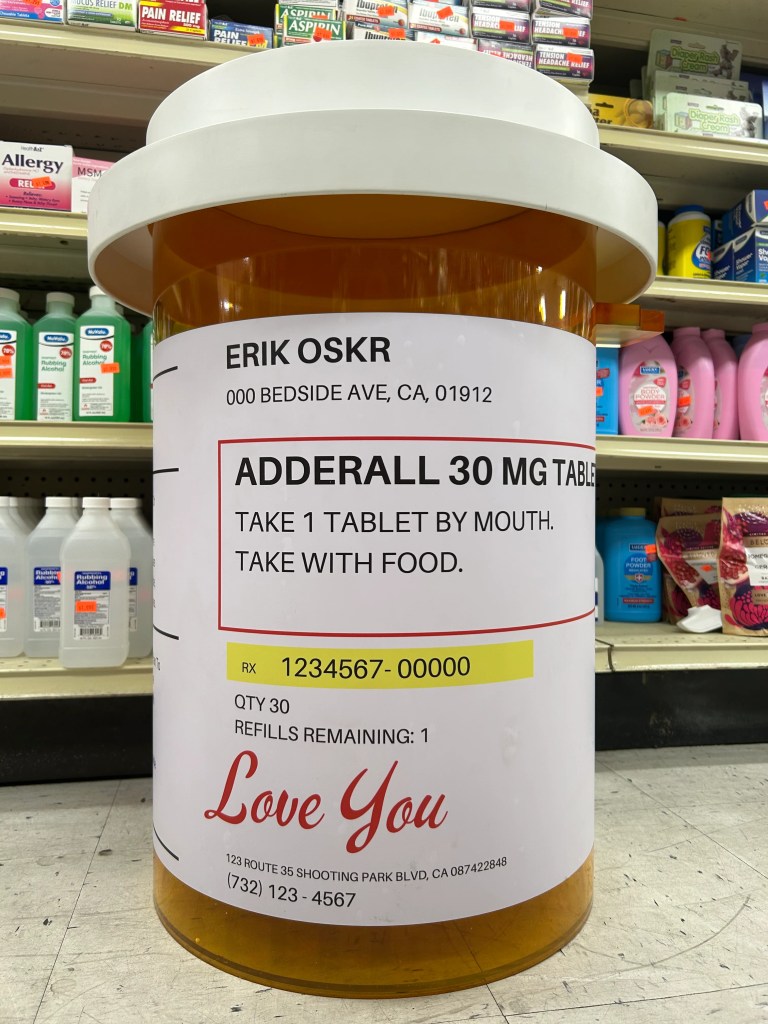
  • His pill bottle side table went viral on social media and led to a NO LOGO partnership.
  • Now, Flodstrom is leaning into the momentum and brainstorming additional products.

Growing up, Oskar Flodstrom always loved to draw and create. But he didn’t think being an artist was a realistic profession. He considered becoming an engineer, hoping it might give him a creative outlet. 

Image Credit: Courtesy of NO LOGO. Oskar Flodstrom.

“But then I found out what an engineer actually was, and it was kind of sad to me,” Flodstrom, 23 years old and based in Los Angeles, California, tells Entrepreneur. 

The pandemic interrupted Flodstrom’s senior year of high school. He decided against college; he didn’t have the money for it or think it would help him with his artistic pursuits. Inspired by the U.S. record producer and DJ then known as Kenny Beats, Flodstrom started making music. 

“There is something to be said about being a self-starter and having that courage,” Flodstrom says. “It doesn’t give you the immediate return on investment. People kind of think you’re an idiot for a bit.” 

Teaching swim lessons to pay the bills, making art on the side

Flodstrom taught swim lessons to pay the bills and worked on his art on the side.

One day, with little extra cash to decorate his apartment, he was scrolling Facebook Marketplace for free items. That’s when he stumbled upon a clear, rounded acrylic base — and thought he could use it to craft a piece of furniture. 

Flodstrom didn’t have a car at the time, so he took a bus to pick up the piece and lugged it back to his apartment. 

“ I didn’t touch it for months, honestly,” Flodstrom recalls. “It was just sitting there. I did kind of know I wanted to make it [in the shape of] a pill bottle. I was going to either use wood or something else for the top. I finally just used foam.” 

Bringing the Facebook Marketplace find to life: the pill bottle

He brought the pill bottle piece to life earlier this year. It didn’t cost much. The base from Facebook Marketplace was free, after all, and Flodstrom estimates he spent about $120 all-in for the rest of the materials: foam, paint, paper for the label. Flodstrom thinks his unassuming presence helped, too. 

“The Staples guy was pretty cool,” he says. “I don’t think I come off very presumptuous, so I think sometimes people want to help me, maybe. I got that label for like 12 bucks, printed big. Usually it’s supposed to be $30.”  

Image Credit: Courtesy of NO LOGO

Flodstrom considered putting the pill bottle table in the background of one of his music videos. But then he got the idea to capture the creative process on video and post it on social media, where he goes by Erik Oskr.

Flodstrom had posted videos featuring his work in the past, even selling a chair reminiscent of an avocado for about $500. He’d found the base for free outside, noting a lot of people in LA leave items on the street when they move.

The pill bottle table went viral and led to a collaboration

The pill bottle was an instant hit. Flodstrom’s video went viral this past June and caught the attention of NO LOGO, a company that works with founders and brands to manufacture products without building factories of their own. 

Flodstrom took NO LOGO up on its offer to make a free sample based on his photos and measurements. They agreed to change the material for the lid to make it more stable. The company also helped him set up a Shopify website. 

Image Credit: Courtesy of NO LOGO

When NO LOGO delivered the sample, Flodstrom was in between places, living out of a car he’d purchased. A company representative asked him if he’d do an interview about his creation, and he agreed, not thinking much would come of it.

He still didn’t know how well the pill bottle side table would sell. He hoped it might make enough money for him to get into an apartment. 

A slow start — then 1 million views per minute and 200 sales

With the sample made and ready to sell, Flodstrom began work on more videos to promote the piece on social media.

The process got off to a shaky start. Instagram AI flagged the video because the pill bottle had an “Adderall” label. Flodstrom thought day one would be big, netting at least 10 to 15 sales. Thirty-six hours later, only a couple of sales had trickled in.

“I was kind of panicking because the first couple of videos hadn’t done well,” he recalls. 

Flodstrom decided to get creative again and record a different use case for the pill bottle side table — as a laundry basket. 

“ I made that little video of me using it as a hamper,” Flodstrom says, “and I’ve still never seen Instagram do that, one million views per hour for like 10 hours straight. It was crazy. 200 sales. Still, I don’t think I’ve fully grasped it.” 

Image Credit: Courtesy of NO LOGO

The pill bottle piece grossed $150,000 in sales in 2 weeks

The product grossed $150,000 in sales within two weeks. Sales have remained relatively steady, typically between $1,500 and $4,000 a day, depending on ad push. Of that, NO LOGO takes a low cut to cover manufacturing costs, Flodstrom says. He estimates his margin is about five times larger. 

Now, Flodstrom looks forward to developing more products and scaling his business.

The young entrepreneur hasn’t changed his lifestyle drastically just yet, though at the time of this interview, he was days away from moving into his new place. Flodstrom wants to make sure his recent success isn’t just a flash in the pan. 

“ I don’t really want to be known as the pill bottle guy,” Flodstrom says. “I wanted that to be the start, but I have a bunch of cool ideas. A giant razor blade mirror that’s going to come out soon. A lava lamp out of a Sprite bottle. I just made a bong out of a milk jug.”

Additionally, he’s trying to keep the momentum up on social media, across TikTok, Instagram and YouTube, and take advantage of affiliate opportunities. He also intends to experiment with streaming, which has the potential to drive more revenue. 

Flodstrom doesn’t claim to have everything figured out, but he’s doing his best to build a real business around his art, which he’s never done before. 

“ I don’t feel like an artistic genius by any means,” Flodstrom says. “I still want to prove myself in that realm. So I don’t even know what to say most of the time. It feels like a fantasy. A daydream.”

Key Takeaways

  • Flodstrom opted out of college to focus on making music and other art.
  • His pill bottle side table went viral on social media and led to a NO LOGO partnership.
  • Now, Flodstrom is leaning into the momentum and brainstorming additional products.

Growing up, Oskar Flodstrom always loved to draw and create. But he didn’t think being an artist was a realistic profession. He considered becoming an engineer, hoping it might give him a creative outlet. 

Image Credit: Courtesy of NO LOGO. Oskar Flodstrom.

“But then I found out what an engineer actually was, and it was kind of sad to me,” Flodstrom, 23 years old and based in Los Angeles, California, tells Entrepreneur. 

The pandemic interrupted Flodstrom’s senior year of high school. He decided against college; he didn’t have the money for it or think it would help him with his artistic pursuits. Inspired by the U.S. record producer and DJ then known as Kenny Beats, Flodstrom started making music. 


Source link

His Facebook Marketplace Find Led to a Business, $150K in Sales Read More »

You Can’t Stay Out of a Controversy by Staying Quiet. Here’s How to Decide What Your Company Stands For Before You Have To.

You Can’t Stay Out of a Controversy by Staying Quiet. Here’s How to Decide What Your Company Stands For Before You Have To.


Opinions expressed by Entrepreneur contributors are their own.

Key Takeaways

  • Pressure-test your values before a crisis by walking leadership through realistic scenarios and asking what you actually believe, not what you would say.
  • Silence is a message too, so before staying quiet ask whether the issue affects your people, touches a value you’ve publicly claimed, or leaves someone else to define your position.

The media requests started arriving before we had answers.

Employees wanted to know where we stood. Reporters wanted a statement. Advocacy groups demanded clarity. Every hour that passed without a response seemed to create another headline waiting to be written.

This was 2017, and the country was reeling from the violence surrounding the Unite the Right rally in Charlottesville. As attention turned to the president’s response, pressure quickly spread beyond Washington. Companies whose CEOs served on the president’s business advisory councils suddenly found themselves under intense scrutiny.

At the time, I was leading communications for a CEO who sat on one of those councils. Almost overnight, our company became part of a national conversation we hadn’t anticipated.

Inside the company, every draft seemed to answer one question while creating another. If we spoke, what would it mean for our relationship with an administration that played an enormous role in our business? If we stayed silent, what would our employees conclude? Every revision tried to satisfy one more audience, account for one more risk and anticipate one more reaction. With every edit, the language became more polished and somehow less certain.

That’s when I realized something that has shaped the way I think about leadership ever since. The hardest part of a crisis isn’t finding the right words. It’s discovering whether you’ve already decided what you believe.

The organizations that moved decisively weren’t necessarily facing easier circumstances than we were. They had simply wrestled with those questions before the cameras showed up. Their values had already been translated into decisions. Conviction isn’t built in the spotlight. The spotlight reveals what’s already there.

Conviction starts before the crisis

One of the biggest misconceptions in leadership is that trust comes from getting everyone to agree with you. Stakeholders disagree with leaders every day. They disagree with strategy, hiring decisions, political positions, acquisitions and product launches. Yet many of those same leaders retain credibility because people understand what they stand for.

The organizations that struggle are usually the ones trying to decide what they believe while the world is waiting for an answer.

That’s why I encourage leadership teams to pressure-test their values before they’re forced to defend them. During an executive offsite or strategy session, identify a handful of realistic scenarios that could put your organization under public pressure. Then resist the temptation to begin with messaging.

Instead, ask a more fundamental question: What do we actually believe? If the answers around the table aren’t consistent, you’ve identified work that needs to happen long before a crisis arrives.

Silence is still a decision

Many leaders assume that saying nothing allows them to avoid risk.

Sometimes that’s true. But when an issue directly affects your employees, your customers or your business, silence becomes a message in itself. In the absence of a clear position, people will interpret your silence through the lens of what they already believe about your organization, or they’ll allow someone else to define your position for you.

Before deciding not to engage, ask yourself three questions:

  • Does this issue affect our people?
  • Does it touch one of the values we’ve publicly claimed?
  • If someone else defines our position for us, are we comfortable living with that version?

If the answer to any of those questions gives you pause, silence deserves just as much scrutiny as a public statement.

Consistency matters more than agreement

I’ve watched organizations navigate remarkably similar controversies with dramatically different outcomes. In many cases, the deciding factor wasn’t the position they took. It was the consistency with which they took it.

Stakeholders are quick to spot patterns. When leaders communicate one set of values internally and another externally, people notice. When values appear in recruiting materials but disappear during difficult moments, people notice that too. If decisions seem to shift based on the audience or the news cycle, credibility begins to erode.

One exercise I recommend is looking backward instead of forward. Pull together the last five or 10 significant decisions your organization has made and read them as if you were seeing them for the first time. Do they tell a coherent story about what your organization stands for?

Your stakeholders have already answered that question. This exercise gives leadership the opportunity to compare its answer with theirs.

Help people understand how you think

One lesson I’ve learned over the years is that leaders spend tremendous energy communicating decisions and far less explaining how they reached them.

When people understand the principles that guide your decisions in ordinary moments, they’re much more likely to trust your judgment in extraordinary ones. They may disagree with your conclusion, but they’ll have confidence that it came from careful thought rather than convenience.

Don’t wait until a crisis to explain how your organization makes decisions. Build that habit into your everyday leadership. When employees understand the reasoning behind promotions, strategic shifts, difficult tradeoffs and even disappointing news, they’re learning something much bigger than the outcome. They’re learning how you think.

Trust is built one decision at a time. Every difficult conversation, every promotion, every public statement and every moment where your values are tested becomes another data point people use to decide who you are as a leader.

Every leader hopes they won’t be defined by a single difficult moment. In my experience, those moments don’t define us nearly as much as they reveal us. Long before the headlines appear, before the media calls begin and before the pressure mounts, we’ve already been deciding what kind of leaders we’re going to be. The crisis gives everyone else the chance to see it.

Key Takeaways

  • Pressure-test your values before a crisis by walking leadership through realistic scenarios and asking what you actually believe, not what you would say.
  • Silence is a message too, so before staying quiet ask whether the issue affects your people, touches a value you’ve publicly claimed, or leaves someone else to define your position.

The media requests started arriving before we had answers.

Employees wanted to know where we stood. Reporters wanted a statement. Advocacy groups demanded clarity. Every hour that passed without a response seemed to create another headline waiting to be written.

This was 2017, and the country was reeling from the violence surrounding the Unite the Right rally in Charlottesville. As attention turned to the president’s response, pressure quickly spread beyond Washington. Companies whose CEOs served on the president’s business advisory councils suddenly found themselves under intense scrutiny.


Source link

You Can’t Stay Out of a Controversy by Staying Quiet. Here’s How to Decide What Your Company Stands For Before You Have To. Read More »

Why Silence Destroys More Family Wealth Than Taxes Ever Will

Why Silence Destroys More Family Wealth Than Taxes Ever Will


Opinions expressed by Entrepreneur contributors are their own.

Key Takeaways

  • Half of all owners will exit their business because of death, disability, divorce, distress or disagreement. 
  • Business owners nationwide have not done a good job of preparing their families for an exit. 
  • A regular cadence of family meetings combined with good documentation can prevent family strife. 

Every business owner has a plan — or at least they think they do. They know where the important documents are stored, which child has expressed interest in the business, and what they want to happen if they retire, become disabled or pass away. The problem is that knowing isn’t the same thing as documenting, and when a crisis occurs, your family doesn’t get access to what’s in your head. They get access only to what’s in writing. 

I’ve talked with thousands of business owners and their advisors throughout my career, and one truth recurs: families rarely struggle because they lack love for one another. They struggle because they lack clarity. When a founder’s wishes are undocumented, spouses are left making impossible decisions. Children are left interpreting intentions. Advisors are forced to fill in gaps. At the very moment a family should focus on supporting one another, they are instead trying to answer questions that should have been resolved years earlier. 

The result is often confusion, conflict and damaged relationships. That’s why one of the greatest gifts a business owner can leave their family isn’t wealth — it’s clarity. A written legacy plan provides direction during moments of uncertainty and helps families move forward with confidence rather than guesswork. 

Half of owners will experience one of the 5Ds 

One of the biggest mistakes business owners make is assuming they have more time. They tell themselves they’ll create a plan after the next acquisition, after the next growth phase, or after they finally slow down. The reality is that life doesn’t always cooperate with those timelines. 

At the Exit Planning Institute® (EPI), we often talk about the 5Ds: Death, Disability, Divorce, Distress, and Disagreement. These events account for roughly half of all business exits and often arrive unexpectedly. They don’t care whether your succession plan is complete, whether your children are prepared, or whether you’ve had the difficult conversations. They simply arrive, forcing families to make major decisions under emotional and financial pressure. 

That’s why planning cannot wait until you’re approaching retirement. A legacy plan is not an end-of-career exercise. It’s a business and family responsibility that should begin now. When one of the 5Ds occurs, your family shouldn’t have to become detectives searching for clues about what you would have wanted. The answers should already exist in a written plan that reflects your values, intentions, and priorities. 

Start with values, not assets 

We have a warehouse that is a multi-use space, and it offers a helpful example of how legacy can be understood. 

In one area, we have a museum of sorts: memorabilia from generations of Snider family entrepreneurs. We’ve also documented 21 years of EPI. Additionally, we have a classic car collection that my son loves. 

Since I own a business with my dad and entrepreneurship is so central to my family’s history, from the outside, you might think that my children will simply inherit everything. But my son knows better. He knows that legacy must be earned. So, I made a deal with him.  

I told him that if he cleans that warehouse every time I think it needs cleaning, he’ll get the stuff inside it one day. Perhaps the lesson was too easily learned: the next week, without me asking, I found him in there during hour three of mopping the floors. 

He doesn’t take for granted that wealth is inherited. 

When families begin talking about legacy, they often start in the wrong place. The conversation immediately turns to ownership percentages, inheritance structures, and financial distributions. While those issues are important, they are not foundational. 

The first conversation should be about values. 

What does your family stand for? What principles guided the creation of your business and wealth? What responsibilities come with ownership? What kind of impact do you hope future generations will make? 

Families who establish clarity around values make better decisions when a crisis hits. They understand that wealth is not simply a resource to consume but a tool to create opportunity, strengthen relationships, and contribute to something larger than themselves. Wealth without context often creates entitlement. Wealth paired with values creates stewardship. 

This is why many successful family enterprises create written family values statements. These documents become a decision-making framework for future generations, helping them navigate opportunities and challenges long after the founder is gone. Markets will change, and circumstances will evolve. But clearly articulated values provide a compass that remains remarkably durable over time. 

Create a cadence of family conversations 

A single family meeting is not a family governance system. Yet many business owners treat communication as a one-time event rather than an ongoing process. 

The strongest family enterprises I’ve encountered establish a regular cadence of conversations long before ownership transitions become necessary. Some families gather quarterly. Others hold annual family meetings. The schedule itself matters less than the commitment to creating space for honest dialogue.  

These conversations shouldn’t focus exclusively on succession planning. They should explore family values, business performance, ownership responsibilities, philanthropic goals and long-term aspirations. Family members need opportunities to ask questions, voice concerns, and better understand both the opportunities and responsibilities associated with family wealth. 

Perhaps most importantly, these meetings help build trust. When communication occurs consistently over time, difficult decisions become easier because family members understand how those decisions are being made. Transparency creates confidence. Silence creates assumptions. And assumptions have a way of turning into conflict. 

I’ve often said that silence destroys more family wealth than taxes ever will. Families that communicate effectively don’t eliminate disagreement, but they create a framework for navigating it constructively. That may be one of the most valuable forms of legacy planning a family can undertake. 

A documented plan, in three areas 

At EPI, we recommend that business owners plan in three areas: personal, financial, and business. 

And even if there aren’t any children working in the business, a family should still have a window into all three of those areas. 

According to our research in the 2023 State of Owner Readiness Report, 39% of business owners plan to transfer the ownership of their business to their family. 

However, only 53% of families are aware of both the managerial and ownership transition plans. Worse yet, 27% of owners have fewer than one family meeting a year regarding the business, or none at all. 

That means a business built with the intention of selling to a third party or transitioning via an Employee Stock Ownership Plan may transition to family instead in a time of crisis. Or the opposite. Either way, a written plan, based on family conversations, is key. 

Here’s what must be included, at the very least: 

  • Family Values and Legacy Statement: The principles that informed decision-making and the impact you hope your family will have. 
  • Personal Financial Plan: Documented will, estate plan, and inheritance instructions, with account numbers and locations. 
  • Business Transition Plan: How will the business transition, and why? Include a succession plan that accounts for whether each family member will experience ownership, leadership, or inheritance.  

These items should not be surprising to anyone in the family. Issues of fairness vs. equality should be worked out in advance and widely known. In addition, those plans should be revisited as family dynamics change, family members develop new skills and interests in the business, and wealth changes. 

Most families will have robust discussions during these planning sessions, if not outright disagreements. You may benefit from having an advisor lead these proceedings, acting as an independent third party that has the company’s and family’s best interests at heart. 

Key Takeaways

  • Half of all owners will exit their business because of death, disability, divorce, distress or disagreement. 
  • Business owners nationwide have not done a good job of preparing their families for an exit. 
  • A regular cadence of family meetings combined with good documentation can prevent family strife. 

Every business owner has a plan — or at least they think they do. They know where the important documents are stored, which child has expressed interest in the business, and what they want to happen if they retire, become disabled or pass away. The problem is that knowing isn’t the same thing as documenting, and when a crisis occurs, your family doesn’t get access to what’s in your head. They get access only to what’s in writing. 

I’ve talked with thousands of business owners and their advisors throughout my career, and one truth recurs: families rarely struggle because they lack love for one another. They struggle because they lack clarity. When a founder’s wishes are undocumented, spouses are left making impossible decisions. Children are left interpreting intentions. Advisors are forced to fill in gaps. At the very moment a family should focus on supporting one another, they are instead trying to answer questions that should have been resolved years earlier. 

The result is often confusion, conflict and damaged relationships. That’s why one of the greatest gifts a business owner can leave their family isn’t wealth — it’s clarity. A written legacy plan provides direction during moments of uncertainty and helps families move forward with confidence rather than guesswork. 


Source link

Why Silence Destroys More Family Wealth Than Taxes Ever Will Read More »

11 Ways to Run Your Business While Traveling

11 Ways to Run Your Business While Traveling


Opinions expressed by Entrepreneur contributors are their own.

Key Takeaways

  • Running a business while traveling is about finding the right balance. You need systems, a reliable team and technology that keep things moving, but you also need the discipline to know when to unplug.
  • 11 key strategies help me stay productive without turning every vacation into another week at the office.
  • The real freedom isn’t being able to work from anywhere — it’s building a business that doesn’t need your attention everywhere.

Running a business while traveling sounds great in theory, but I’ve learned that it only works when you build the right systems around it.

Over the years, I’ve managed my businesses from different countries, sometimes while traveling with my family and sometimes while combining a trip with meetings or events.

Along the way, I’ve figured out what actually helps me stay productive without turning every vacation into another week at the office. Here are the strategies that work best for me.

1. Use AI agents to keep your business running

I’ve started using AI agents more actively in my businesses, and one of the biggest benefits I’ve noticed is how much easier they make it to step away from routine work. I can use them to organize information, monitor workflows, handle repetitive administrative tasks and deal with smaller processes that previously required someone’s constant attention. That becomes particularly valuable when I’m traveling, because I don’t want to open my laptop every hour just to check that everything is moving.

According to EverMind, most UK and Ireland C-suite leaders using AI agents report saving between three and 10 hours per week. For me, that’s the real value of AI agents: not replacing my involvement in the business, but reducing the number of small things that require it. When I only have a few hours to work during a trip, I’d rather spend them making decisions, talking to key people and solving problems that actually need me.

2. Create marketing content with AI while traveling

I’ve found that one of the harder things to maintain while traveling is a consistent flow of marketing content, particularly video. I don’t want every trip to involve filming equipment, long editing sessions or coordinating with a creative team just to keep my businesses visible online.

This is another area where I’ve started relying more on AI. I can take an idea, script or content I already have and use AI tools to turn it into something usable without being tied to my normal setup. According to PixVerse, 63% of video marketers have already used AI video tools to help create or edit marketing videos. I can use an AI video generator, for example, to experiment with social clips, promotional videos or different creative concepts directly from my laptop.

I still want the ideas and marketing strategy to come from me and my team, but AI makes the production side much more flexible — which is exactly what I need when I’m working from a hotel, airport or somewhere halfway around the world.

3. Use AI to improve and repurpose written content

The same approach works with written content. When I’m traveling, I rarely want to spend several hours staring at a blank document when I already have articles, posts and other material that can be turned into something new. I use AI to help me repurpose a longer article into LinkedIn posts, email content or shorter pieces, as well as to edit and improve drafts I’ve already written.

This is becoming a practical way for marketers to get more from the content they already have. According to WriterNinja, 39% of marketers using AI for content creation already use it to repurpose marketing content.

For me, AI solves another practical problem as well: English isn’t my native language. One of the easiest ways for me to create something while traveling is simply to press the microphone button in the AI assistant I’m using and talk through my thoughts as they come. Instead of worrying about perfect English or sentence structure, I can focus on the idea and let AI help me shape it into clear, polished writing afterward. It makes creating and repurposing content on the road much faster while still keeping the ideas and perspective genuinely mine.

4. Build a team that can handle hands-on work without you

One of the businesses I manage while traveling is surprisingly physical. I’ve built a network of microsites that generate leads for local construction services, from bathroom renovations and window installation to flooring, basement cleanouts and other hands-on jobs. When a lead comes in, my customer service team qualifies the customer and passes the job down to the local construction crews I work with, so I can focus on lead generation, marketing and managing the operation from wherever I happen to be.

I started exploring this model after watching the cost of skilled manual work rise in Bulgaria, where I live. While more people are attracted to careers that can be done behind a laptop, there is still plenty of work that simply cannot be moved online — you can’t renovate a bathroom, install a floor or replace a window over Zoom. The shortage of people willing and qualified to do this work can create an interesting opportunity for entrepreneurs who know how to connect local demand with reliable crews.

The same pressure is visible in the U.S. According to R&J, the construction industry needs to attract an estimated 349,000 net new workers in 2026 just to meet demand for construction services, with another 456,000 needed in 2027. The lesson I’ve learned is that running a business remotely doesn’t mean the business itself has to be digital. If you can build the systems for generating leads, handling customers and dispatching dependable teams, even a very hands-on local service business can be managed while you travel.

5. Keep a professional workspace without being tied to one location

Not every great vacation destination is a great place to work. I’ve traveled to places where finding a quiet, professional environment was surprisingly difficult. The few coffee shops available might be packed with families and screaming children or groups having beers in the middle of the day — not exactly the environment you want when you need three hours of uninterrupted work.

That’s why I now consider the availability of reliable coworking spaces when choosing where to stay. Coffee shops are fine for answering emails or handling a few simple tasks, but when I need to concentrate, take calls or make important decisions, I want somewhere that actually feels like an office.

According to Winston Tower, 45% of workers rate their productivity as excellent in a coworking environment, compared with just 27% when working from home. You can imagine that working from a hotel lobby, hotel room or coffee shop would be even worse than working from home. A little research before booking your destination can therefore make a big difference: Check the coworking spaces and flexible offices nearby, their opening hours and reviews.

Traveling gives you the freedom to work from almost anywhere, but that doesn’t mean you should try to work from everywhere. Just make sure there are a few good coworking spaces nearby.

6. Optimize your transportation when traveling

One thing I’ve learned from traveling is that the best way to get around changes completely from one country to another. In parts of Southeast Asia, for example, private drivers can be affordable enough that I hire the same driver for most or even all of my stay. He meets me at the airport, takes me to the hotel and is available when I need to move around, saving me the hassle of constantly arranging transportation. In Spain, I do almost the opposite: high-speed trains make traveling between major cities so convenient that a car often makes little sense.

New York taught me that timing matters just as much as the type of transportation you choose. Traffic can change dramatically depending on the hour, so I try to plan meetings and transfers around peak periods rather than automatically jumping into a car. According to BCS, during New York’s evening rush hour, driving 10 kilometers takes about 31 minutes, with an average speed of only around 19 km/h.

When I travel, I research not only whether trains, public transit, taxis or private drivers make the most sense, but also when I should use them. Saving 30 minutes here and an hour there adds up quickly when you’re trying to run a business at the same time.

7. Choose destinations that help you recharge

The way I travel has changed as I’ve gotten older and taken on more responsibility as a business owner. In my twenties, a good trip might have meant nightlife, parties and trying to squeeze as much as possible into every day. Today, I’m much more interested in coming back from a trip feeling better than when I left.

Especially during the winter, I like destinations with good spas and wellness facilities, where I can structure my day around three things: focused work first, a workout at the gym afterward and finally, recovery in a warm pool, sauna or spa. Apparently, I’m not alone in making that shift. According to Carbon Wellness, 56% of travelers say their number one motivation for leisure travel is to rest and recharge.

When you’re running a business while traveling, that balance becomes even more valuable. I can still get several productive hours of work done, but instead of ending the day exhausted after sightseeing and nightlife, I use the rest of the trip to exercise, recover and actually switch off.

8. Turn downtime into learning time

I used to listen to far more podcasts than I do today, with my listening probably peaking during the Covid years. Now I’m more selective about both what I listen to and when. Traveling creates some of the best opportunities: If I’m driving alone, doing a relatively easy workout or simply have an hour to myself while my family is somewhere else in the hotel or spa, I’ll often put on a business or entrepreneurship podcast. I use that time to hear how other founders think, discover new strategies or get a different perspective on something I’m already working on.

And this habit is common among other entrepreneurs: According to Castos, 43% of business owners and executives surveyed said podcasts were their primary source of information. I don’t feel the need to consume business content every free minute anymore, but podcasts are an easy way to turn some of the natural downtime that comes with traveling into useful learning without opening a laptop.

9. Let data tell you when your business needs attention

One of the biggest mistakes I can make while traveling is constantly checking whether everything is okay back home. I don’t want to spend half my trip messaging my team to ask how many leads came in, how campaigns are performing or whether sales are moving in the right direction. Instead, I prefer having the important numbers available in dashboards so I can quickly see what is happening and only step in when something actually needs my attention.

According to Magnific, 76% of firms say having sales data available in real time is very or extremely important for decision-making and business performance. For businesses with larger volumes of constantly changing information, real-time data infrastructure can take this further, allowing tools and dashboards to update as new activity happens rather than relying on yesterday’s reports. The better visibility I have into my businesses, the less I need to micromanage them — and that becomes especially valuable when I’m traveling.

10. Combine business travel with leisure

Whenever possible, I try to give my trips more than one purpose. If there’s an interesting conference in Spain, Thailand or Vietnam, for example, that can become the starting point for a longer trip. I’ll attend the event, arrange meetings with clients or business partners who happen to be in the region, and then leave several days for actually enjoying the destination.

I also sometimes do the reverse: Once I know where I want to travel, I look through my network to see whether there are clients, partners or worthwhile industry events nearby. This approach has become common enough to have its own name — “bleisure” travel.

According to Nobl Travel, 36% of global travelers plan to extend a business trip to enjoy leisure time before or after their work obligations. For me, combining the two makes the economics of traveling better, but more importantly, it turns a single trip into an opportunity to strengthen business relationships while still having a real vacation.

11. Create a “minimum viable workday”

When I’m traveling, I don’t try to recreate my normal workday in a hotel room, but I’ve also learned that completely switching off isn’t always realistic when you run a business. According to Tailor Brands, 85% of small business owners continue working in some capacity while on vacation. I’m usually part of that majority. I create what I call a “minimum viable workday.”

I identify the two or three things that genuinely need me and focus only on those. The key is cutting everything around the actual work. According to WPX, employees spend around 60% of their time on “work about work,” such as communicating about tasks, searching for information and chasing updates. When I’m traveling, I try to eliminate as much of that as possible. I handle the important decisions, solve anything urgent and then close the laptop — the business keeps moving, but I still get to enjoy the trip.

Running a business while traveling is ultimately about finding the right balance. You need systems, a reliable team and technology that keep things moving without your constant involvement, but you also need the discipline to know when to close the laptop. I’ve learned to focus on the work that genuinely needs me, automate or delegate the rest, and plan my trips in ways that make both working and relaxing easier. Do that well, and travel doesn’t have to interrupt your business — it can simply become part of how you run it.


Source link

11 Ways to Run Your Business While Traveling Read More »