Blog

The world is growing old at a rapid pace. Here are ways to invest

The world is growing old at a rapid pace. Here are ways to invest


Source link

The world is growing old at a rapid pace. Here are ways to invest Read More »

Passive Income (W/o the Properties!) by Investing in REITs

Passive Income (W/o the Properties!) by Investing in REITs


REITs have long been a passive income generator for many who don’t want to deal with the trash, toilets, and tenants that come with rental property investing. No 2 AM phone calls, no listings, no showings, and no sales. With REITs (real estate investment trusts) you simply click a button, buy a share in the company, and wait for your passive income (dividends) to flow into your account. Seems pretty sweet right? Matt Argersinger from The Motley Fool agrees.

Matt isn’t your typical stock investor. He’s owned multiple rental properties and has even house hacked and put in some serious sweat equity. He knows that leverage and forced appreciation are huge wealth builders in the realm of real estate, but still chooses to invest in REITs instead of rentals. Why? Matt is focused more on creating passive income—as in TRULY passive income—no tenant surprises or maintenance calls to make. Matt wants to research, invest, and let his net worth grow, all while still receiving real estate-generated cash flow.

Maybe you’re skeptical. How can passive investing be so easy? If you’re brand new to REITs, Matt does a phenomenal job at explaining what they are, how they work, which types to buy, and what you can do to get started investing today. Regardless of your knowledge of the stock market, if you like income-producing real estate, this episode is for you.

David:
This is the BiggerPockets podcast show 639.

Matt:
REITs are one of the ultimate parts of the stock market where historical performance is a good indicator of future results, even though, of course, we were trained to believe that that could never be the case, but real estate in general is such a steady business. If you think about most REITs, most commercial REITs, they’ve got leases that they’ve signed with tenants that run not your typical rental lease, which is six months, a year, or maybe two years, right? In the commercial world, lease is run five years, seven years, 10 years, even 15 years.

David:
What’s up, everyone? This is David Greene, your host of the BiggerPockets Real Estate podcast. Joining me today is the man himself, Henry Washington, as we interview the Motley Fool’s Matt Argersinger. We talk macroeconomics. We talk real estate investment trusts. We talk stock trading, and we talk how to make it all work together. Henry, first off, how are you? Second off, what were your favorite parts of today’s show?

Henry:
I am doing very well. Thank you for asking, sir. Man, the show was great. Some of my favorite parts of the show where I just liked hearing the perspective of somebody who mainly invests in the stock market, but does own some traditional real estate. You can ask those questions that only somebody who does both would know, right? What’s your favorite strategy? Why one versus the other? What do you like about one versus the other? We have a little bit of a conversation about how he enjoys both of those investment vehicles.
We learn a lot about REITs, and what I really liked and what I really enjoyed was being able to hear how to start not just understanding REITs, but how to start researching them for yourself, and what key metrics to look for when you’re researching them so that if this is something you want to get into, you have a starting point for understanding these things and how to research and understand what’s the best one for you.

David:
This is not a typical Seeing Greene episode. We’re not taking questions from different BiggerPockets members. We’re actually diving deep into a spinoff of what we typically get into. I think a REIT is if a real estate investor and a stock investor had a baby, this is what you’d end up with. It’s definitely a different alternative to invest in real estate, but without the time commitment, without the effort commitment, and getting your feet wet. I think that there’s a place in a lot of people’s portfolios for this.
Henry, you shared a little bit about how you’re venturing into some other investment vehicles, and this is something you’re considering. Is there anything you can share about how you’re venturing out of just traditional real estate investing into other stuff?

Henry:
Absolutely. For me, I am diversifying my investment portfolio. My baby, my bread and butter is always going to be real estate. I’m always going to have most of my net worth tied up in real estate, like physical real estate in some form or fashion, but trying to do as much research as I can about other investment platforms and investment vehicles, and so being able to just spend the last 45 minutes learning from a professional around what real estate investment trusts are, and how to research them and understand them has been super helpful.
So, as the market is shifting, and as we’re producing income from the real estate, I’m just trying to find what are some of the best strategies in order to help get an even higher return on that investment. I like the stock market for some of the same reasons that I like real estate. I mean, we talked a little bit about it. Dividends are phenomenal, right? We get into real estate. A lot of us got into real estate to create passive income. Well, a dividend from a stock is truly passive. You don’t have to do any work to get that paycheck every quarter or every year, depending on the payout schedule of that dividend.
So when you start buying some of these stocks that pay dividends, and you get that truly passive income, it really feels good. You get some of those same warm fuzzies from real estate, and so I really enjoyed this conversation.

David:
If you’re worried about not getting a Seeing Greene episode this week, don’t worry, in a few weeks, we’ll be back with fresh Seeing Greene episodes for you in the traditional style. We just wanted to make sure that we were able to bring Matt in, and get some access to all the knowledge that he’s got. This was a really fun interview, also very insightful. I learned quite a bit more than what I had known before we had it. I think you could say the same, Henry.
Before we bring in Matt, today’s quick tip is check me out on the Motley Fool Money podcast. Just search for David Greene Motley Fool, and you should be able to find an interview where Chris Hill interviews me. We talk macroeconomics. We talk real estate investing, and it’s cool because you get to hear someone who’s not a real estate investor asking a bunch of questions that we hear all the time. You might just find out that you know more about real estate investing than you thought when you get around other people who don’t know it as well.
Check that out, and then let me know in the YouTube comments what you think about how I did. Henry, any last words before we bring in Matt?

Henry:
Yeah, man. Just get ready for some great information. Turn your brain onto the idea of the stock market. I know a lot of real estate Truists are just like, “Yes, real estate, I get the best returns. There are so many other ways to make money,” but try to go into this episode with an open mind, and maybe you’ll learn something that peaks your interest, and you start investing in something that in 10 years you’ll look back and be glad you did.

David:
All right. Let’s bring in Matt. Matt Argersinger, welcome to the BiggerPockets Real Estate podcast.

Matt:
Hey, happy to be here.

David:
I am glad that you’re here. So for those that aren’t familiar with your company and yourself, would you mind giving us a little background on yourself?

Matt:
Sure. Wow. I’m almost embarrassed to say this, but I joined the Motley Fool about 15 years ago, which makes me in full years a dinosaur at the company. I’ve spent most of the 15 years working on the investing side of the company on our various investing services, and spent a lot of time with David Gardner on a lot of his services, and spent some time with him on his podcast and things like that. But for the most part, I’ve been a stock market investor, a real estate investor, and those are my areas of focus at the company, and spent some time on Motley Fool Money podcast as well with Chris Hill on occasion. Love talking to him and talking about investment ideas.
That’s the quick background. I live in Washington D.C. with my wife and a three-year-old son who’s growing way too fast.

David:
I was just on the Motley Fool podcast being interviewed by Chris Hill. I don’t know what show number it is, but if you guys Google David Greene Motley Fool, you should be able to find that episode. We talked about macroeconomics. We talked about trends to look for in real estate. He’s a very smart gentleman. I’m sure that you are too. Also, how old were you when you started at Motley Fool? You look like you could not have worked there 15 years.

Matt:
Oh, well, I was a few years out of school. I’m maybe… Well, I’ll take that as a compliment.

David:
You were that like Doogie Howser. You look like you were 13 years old at a corporate job.

Matt:
No, I’ve just got this… The Zoom or the camera sometimes enhances your image. I just put that to max, so it makes me look 10 years younger.

David:
That is… I came from a background in law enforcement. That was our crew to solving every crime, as you just say, enhance, enhance, and then the camera footage becomes better and better. I would highly recommend anyone having any difficulty in life, the answer is just enhance.

Matt:
Enhance.

David:
All right. How about your own investing portfolio? Can you tell us a little bit about what it looks like, and what you’re interested in?

Matt:
Sure. Well, in addition to being a dinosaur at the Motley Fool, my portfolio tends to be a lot more, I’d say, conservative maybe than the average Motley Fool analyst. In my portfolio, you’ll find a lot of dividend companies. You’ll find a lot of real estate investment trusts, REITs. I like the companies that are profitable, good asset quality, predictable cash flows to the extent that they can pay out dividends, and buy back shares. Not to say I don’t have some companies like Amazon or Alphabet or others that are on the faster growth end of the thing, but that tends to be my focus.
Up to 20%, 25% of my portfolio tends to be in REITs. It’s just because I like that. I like the real estate sector. The historical performance of REITs has been incredible. You invest in an area of the market that not only delivers you great income, but also is much less volatile than the overall market. I tend to lean heavily into that. I like to say I’m, well, a relatively young guy running an old man’s portfolio.

David:
Not bad at all. So for those that are listening that aren’t familiar with what a REIT is, would you mind breaking that down?

Matt:
Sure. Real estate investment trust, they’ve been around for a while. I think Congress commissioned them in the 1960s, early 1960s. The way to think of them is a mutual fund of real estate. They trade in the public markets. You can buy and sell them in your brokerage account. But generally, what you’re buying with a REIT is a company that owns and operates probably a dozen, few dozen or maybe hundreds of properties. You can invest, for example, in an apartment REIT that owns apartment buildings. You can invest in an office REIT.
Wouldn’t recommend that these days, but that owns lots of office buildings. You can invest in hotel REITs, self-storage REITs. There’s just… If you think about real estate as an asset class, you can really invest in many of the different categories underneath that huge sector to include data centers and cell phone towers and various alternative categories of real estate. The brilliance of… I mentioned the historical returns. So if you go back to the early ’70s, so roughly 50 years since the National Association of REITs has been tracking REITs, they’ve delivered about a 13% average annual return, which I think might surprise a lot of people.
That’s about a percentage point higher than the overall stock market measured by the S&P 500 over that same timeframe. It might not seem like a lot, but 1% per year over 50 odd years can really add up in your portfolio. Not only do you get an asset class that’s relatively less risky with more predictable cash flows, high really asset based that pays out generous dividends. You get really outperformance on a total return basis. I love the asset class a lot. I wish more investors would check out REITs. I’ve made them a pretty big part of my portfolio.

David:
How would you describe the difference between a REIT and maybe a syndication where people are pulling their money together to buy a single?

Matt:
Sure. Well, they’re actually similar in a lot of ways, but with a REIT, if you’re looking at a publicly-traded REIT, again, you’re looking at a fairly large enterprise company that’s probably got dozens, again, if not hundreds of properties. With a syndicated pool, or maybe what’s popularly called crowdfunded real estate these days, you’re looking at probably a single asset, private run by a sponsor or an operator that you’re investing alongside with. That can be compelling too. Generally, those are only reserved for… Most of those deals are reserved for accredited investors, and so as a…
Most investors in the market don’t have access to those, but they do have access to REITs of course. I like that asset class as well. It’s something that’s taken off, I guess, over the last decade with the JOBS Act and the various acts that have come out of that. It’s become an interesting way for an investor to get exposure to single asset deals, which I like. You can use a crowdfunding platform, for example, to invest in an office building in Chicago, or an apartment building in Los Angeles, even though you might be on the east coast.
That wasn’t really possible as a real estate investor just 15 years ago. You had to have the right connections. You had to have a lot of money. Nowadays with crowdfunding and syndicated investments, you can invest in those right away. I think if you’re a credited investor, and you have some means, you have to realize that the investment minimums on those can be high like 25,000, 50,000, maybe even $100,000. You got to have some cash, but they can be certainly good deals.

David:
That’s a great description there. I’m curious in your own personal situation. I know you have a couple rental properties, I believe, in the east coast. Why move more of your capital towards publicly-traded REITs as opposed to just getting more rental properties yourself?

Matt:
That’s a great question. Well, I think that comes down to how badly do you want to be a landlord, and to deal with all the issues that come along with that. So if I look back at my own experience, my wife and I, we bought a rowhouse in Washington D.C. shortly after we got married. One of the reasons we did that is because your typical rowhouse in D.C. is actually a duplex. It comes with what they’re called English basement apartments. It’s unique to D.C. and some other cities. You essentially live in the top, or live in the bottom if you want, and you can rent out one of the units.
We couldn’t afford to live in the Capitol Hill neighborhood of D.C. at the time, but we found a way to do it by essentially buying this property, and hacking it up where they… The young people call it these days you’re house hacking. We didn’t know we were doing that at the time. We just bought a duplex, and renting out the other side. It’s a funny story. But one day, my wife happened to be reading an article in the New York Times, I think. This is going back to 2009, and there was an article about a company called Air, Bed, and Breakfast, which of course now we know as Airbnb.
But at the time, I think people called it Air, Bed, and Breakfast. She said, “Wow. instead of doing a full-time rental with our rental unit, we could try this Airbnb thing.” At the time, I think we were one of three units in all of Capitol Hill, in the Capitol neighborhood of D.C. that was doing Airbnb. It was crazy. We listed it, and I think it was like $50 a night. It was really cheap at the time. We booked 100 days in a week. We were like, “This is unbeliev… It’s mind blowing.” Nowadays, if I look at Capitol Hill though, there’s probably, I’m not going to joke, 500 Airbnbs in the neighborhood of this house.
Anyway, so that was our big first step into like, “Wow. Real estate’s a thing.” This was a house we wanted to live in, and just help pay our mortgage. But now, it’s like, “Well, this is interesting to us,” so we made two additional investments later on, bought two more properties, very similar with additional units, did the same thing. Now, we were our own landlords. We were our own property managers. That can be really tough, especially nowadays if I think if I have a kid, and we live outside of D.C. The 2:00 phone call about a toilet not working, or the heat’s gone off, or the AC’s gone off, that has happened multiple times throughout our life is not a joke.
If you’re not a person who wants to deal with those kind of issues, REITs or these private deals are fantastic. Just invest in the equity. Don’t deal with all the headaches.

Henry:
What’s funny is you’ve got this stock portfolio, and then the conservative real estate portfolio as you call it. I would say I’m the exact opposite. I have a healthy real estate portfolio and a very conservative stock portfolio, but it’s super cool to be chit-chatting with you. Because as I was doing my research to ramp up on starting to get into investing in the stock market, investing in some REITs, when I first got started, I read a lot of Motley Fool articles. This is super cool, full sucker stuff for me.
Tell me a little bit about… With you being invested in REITs and other performing assets in the stock market, and having actual physical real estate, there are some other ancillary benefits to real estate. Do you recommend people diversify like you have across both platforms, because you get some of these other benefits from a tax perspective, or you get leverage and appreciation and that kind of a thing, or do you just wish you were all in one, and not the other, now that you’ve seen both?

Matt:
That’s a great question. I think as I’ve gotten older, and your time gets mortified, especially with family, I’m probably in a situation now where I would’ve loved to have sold all our physical real estate properties at the height of this recent market. Missed that badly, of course. But no, I love the question, because there are certainly advantages and disadvantages of both. As you mentioned, with the direct real estate ownership, you actually own the properties yourselves. You’ve got the leverage working for you, so you’ve got…
Assuming you put 20% down or whatever your equity is, you’re generally getting five to one leverage. You can’t get five to one leverage in the stock market, as we know, love to. You get that leverage, but then you also get, of course, the tax benefits, which means you can write off depreciation, which is a big expense. You can write off your operating costs. The real awesome advantage of physical real estate is that generally, they’re run at a loss, right? Anyone who owns real estate probably knows this, but you don’t really make too much money.
You make good cash flow though. But in terms of taxes, you’re almost breaking even in a lot of cases, because when you add in your mortgage costs, your other operating costs, and then you add a depreciation, which is not a… It’s not a cash expense, but it’s a real expense. Generally, in terms of Uncle Sam, you’re pretty much netting zero, even though you’re netting, hopefully, some cash flow, actual cash flow. Then like you said, you also can… If you’re in a market… I’ve been in D.C. for the last 10 years or other markets.
My gosh, if you were investing in Austin, Texas the last 10 years, or name your awesome Sunbelt market like Miami, Tampa, you’ve seen real estate just appreciate double digits a year for years in this incredible bull market we’ve had. On a leverage position, you’re growing the asset value as well. You’re getting cash flow, so direct ownership is awesome if you’re willing to put up with the headaches. I just think as I do get a little older, I’m thinking to myself, “How nice would it be not to have to deal with tenants anymore, not have to file complicated taxes, and literally just have equity and a bunch of different real estate assets, and securities, and collect dividends and distributions, and call it a day?”
I like the fact that we’re diversified, but I certainly… My thinking is definitely evolving as I get older.

Henry:
Yeah, man. It’s always interesting when I talk to people who are more invested in the stock market versus real estate. I always like to try to learn as much as I can about why they’re pouring their money more into one than the other, because everybody’s got that FOMO like, “What should I be looking at coming forward?”

David:
I have a thought on that that I don’t think gets shared enough in our space, because I know there’s some die hard real estate investors that are hearing this, and they’re going, “That 13% return sounds okay, but I got 19%. I’m sticking with what I have.” It was… It hit me like… Maybe everyone else has already thought about this, but it just hit me how few people are thinking this way, that your ROI with traditional real estate investments, long-term rental, short-term rentals, anything is it includes more than just your money.
Your ROI measures money in versus money out. But with real estate investing, there is time. There is risk. There is elbow grease. There is frustration. There is failure. Those of us that love it just assume, “Of course, this is a part of the game,” but there’s other people that don’t love this, that aren’t in love with that. There’s people that make very good money in a medical sales job, or they’re a doctor. They’re a lawyer. They have a great opportunity to earn money, but it requires a lot of their focus. They actually lose money when they invest in real estate, because the return they’re getting takes so much of their time that they’re taking it away from a place they could make more money.
It’s something I realized that a lot of real estate investors don’t understand why people invest in stocks, or in REITs, or in syndications, but it’s because you’re getting a pure ROI. It’s not your time also going into it. Matt, is that a part of your journey that you had a bit of an epiphany with that same concept?

Matt:
It’s a fantastic point. I mean, there’s a lot of things that go into direct real estate ownership that you just don’t measure. Like you said, I mean, you don’t measure the time, even though you can try to, but you don’t really… You don’t measure the time, sometimes the stress, those little trips that you have to take to buy something really quick for the tenant or to fix something. It’s good and bad in a lot of ways. The return on time is not great, and you’re not really measuring the full return that you’re getting from the commitment you’re putting into an actual real estate property, but then you also get…
There’s that cliche sweat equity, which does come into play. I mean, I think of the fact that my… Gosh, YouTube has been a godsend over the last 15 years, but doing things like replacing a kitchen, doing drywall work, learning how to paint fast. I mean, there’s a lot of things you learn, and avoid having to pay a contractor some really expensive amount of money, or, especially these days, trying to find a contractor is just a nightmare. What’s wonderful is real estate, I feel like it’s an entryway point, right? For people who don’t have…
I’m not an engineer. I’m certainly not a doctor. I’m not a scientist. I’m not a software coder. Gosh, I wish I’d done that, but… Real estate was a way for me to enter an asset class, even as a person who didn’t know anything. You can get in there. You can buy properties. You can learn how to do things. There’s some pain involved, but you can make good money if you’re willing to put in the hours, and learn how to do things effectively, and be your own property manager.
It’s not for everyone. Trust me, I love the idea of just not having to deal with hassles, and having a stock portfolio or private equity portfolio that just doesn’t require any of my time. I’m a complete passive investor, but it can be a wonderful way, I think, if you’re someone who just has a lot of maybe soft skills, but you want to get into an investment where you can really lever up and get some nice exposure to do real estate.

Henry:
Let’s talk about a little bit of the elephant in the room, right? 2021, everybody was a genius in real estate and in the stock market, right? Everybody was making money. It was a big party. Now, things are a little different, right? You’ve got the stock markets down. Real estate is changing, definitely changing. The environment is changing. So as someone who has money in both places, how are you maybe changing directions, or are you not changing directions, and why?
I’m like, “How are you preparing for this economic climate as it’s fastly evolving around us?”

Matt:
Great question. Definitely a different world than we were in a year ago. I think, it goes back to, I think, what David asked about earlier, which was the comparing the private syndications to REITs. What’s amazing about, I think, the stock market is that prices and valuations get reflected pretty quickly. A lot of the great REITs that I follow, many that I own, I’ve already been beaten down 30%, 40% to the point where some of their valuations look the best that they’ve looked at in seven, eight, nine years. I’m excited about that.
What I’m seeing on the private side, though, is that you’ve got a lot of stubborn operators who aren’t willing to mark down the value of their real estate, or they’re not willing to underwrite lower exit values for their properties. That happens in private equity, right? It’s not exposed. It’s not repriced every day, just like real estate. Real real estate isn’t repriced every day. Thank goodness, but we know the times are tough. We know interest rates have gone up. We know there’s inflation fears, and so the value of those assets has certainly come down.
You’re already seeing that in a lot of markets, right? What I love about REITs, public REITs is that a lot of those valuations have come down so much though. I’m seeing a ton of opportunity that I didn’t see a year ago. For example, one of my favorite REITs I’m looking at is one called Alexandria Real Estate Equities, ticker ARE. It’s the leading life sciences REITs. Some of their biggest tenants are big drug developers, biotech companies, hospital systems. A year ago, they’re trading probably close to 30 times funds from operations, which is the equivalent PE for REITs, so 30 times, right?
Flash forward to today, they’re at 18 times FFO. That makes me pretty excited. I feel like I’m getting a pretty good value in them. That’s very typical of a lot of REITs right now. The dislocation has happened in the public markets. So if you’re a public market investor, you can take advantage of those. Not so much I think in the real estate side, where in the direct real estate side, where mortgage rates have risen, borrowing costs are a lot higher. It’s harder to get in, or on the private side where, I think, valuations have not adjusted as much.

David:
So as you’re considering investing into a REIT, let’s say someone hears this, and they’re like, “I like that passive income.” This wasn’t mentioned, but I do think that it’s worth considering that these are professional real estate investors that are analyzing these deals at a very high level, that do it all the time, that can put on their little nerd goggles, and look at something that your mom and pop investor, or your short-term rental investor, they just don’t have angles to see. If you’re looking for a safer investment, obviously, there’s nothing guaranteed, but in many ways, a REIT could be a better option than just wandering out and trying it on your own.
What are some things that you’re looking for within an individual REIT?

Matt:
Great question. I think REITs are one of the ultimate parts of the stock market where historical performance is a good indicator of future results, even though, of course, we were trained to believe that that could never be the case, but real estate in general is such a steady business. If you think about most REITs, most commercial REITs, they’ve got leases that they’ve signed with tenants that run not your typical rental lease, which is six months, a year, or maybe two years, right? In the commercial world, leases run five years, seven years, 10 years, even 15 years.
So imagine your REIT, you own property, and you’ve got a tenant there that’s signed a lease for the next 10 years. You have amazing cash flow visibility into that. Also, a great thing is that those leases often come with price escalators, annual price escalators from 3%. Some are linked to CPIs, so they’re even inflation linked. You have an asset that’s incredibly predictable in terms of cash flow. One of the things I look at with REIT is how has this REIT performed historically? Has it delivered a nice total return to investors?
The other thing you can look at is the management team behind the REIT. Unlike a lot of the other sectors of the economy, in REITs, it’s not atypical to find a management team that’s been there for 20, 25 years, or a CEO that’s been with the company since he left college, and is still with the company. If you have a management team in place that’s delivered great returns to shareholders, they’re still involved in the business, because it’s not a business that really gets disrupted like your typical technology stock or software company.
If you have a REIT with a great 10, 15, 20-year track record, it’s highly likely it’s probably going to have a pretty good track record going forward. Then with REITs, one attractive things of course is the dividend. That’s why, I think, most investors think of REITs is because they pay nice dividends, but you need to take a look at the payout ratio, and understand what kind of earnings power the REIT has, where it’s fund from operations, which is the cash flow of the REIT.
Make sure that payout ratio is say… Below 70% is a good threshold. So, if you’ve got a REIT with a good track record, good management team, payout ratio is reasonable, good chance. That’s a good investment opportunity right there.

David:
Well, something you were talking about that I was thinking was a lot of the people that are doing really well, let’s say the short-term rental space. Let’s take Scottsdale Arizona or the Smokey Mountains in Tennessee, really popular areas. If you bought your place in 2019, 2020, you probably paid half of what those are now. Your interest rate was half of what it is now. Those people are crushing it. They’re doing amazing. If you’re trying to get into that market today, it is incredibly difficult, and you’re not going to get the same return.
So with the REIT, part of what’s cool, it would be like buying into someone else’s Scottsdale short-term rental at 2018 or 2019 numbers, right? A lot of those deals that they’ve bought over the years, you are now jumping into that incredible opportunity and the cash flows that they’re receiving, versus trying to get into the market that’s more difficult now. Any thoughts on that?

Matt:
I think that’s a great point. I mean, what your question reminded me of there’s a REIT called Invitation Homes, and the tickers INVH. They fo-

David:
Is that Blackstones?

Matt:
Well, originally, it was owned by Blackstone. It was founded by Blackstones, spun out several years ago. They specialized in single family rentals in a lot of hot markets. Their stock price is down, I want to say, 25% from its high. In a way, if I’m buying invitation homes today, I’m getting exposure to this massive single family rental market at probably, like you said, 2017, 2018 prices, where as an individual, if I go out and try to buy a house in one of those markets, good luck. It’s a lot more expensive and hard to do.

Henry:
Can you talk a little bit about… I don’t know if the right word is mindset, but let me frame it up for you. Then you’ll see where I’m going. As a traditional real estate investor, when we’re buying a property, we’re looking to get it at a good price, where we’re going to get some cash flow, and then hopefully we get some appreciation. But the goal typically for most buy and hold investors is to get in, and then we hold that thing for as long as possible, and reap the benefits for as long as possible. When we’re talking about REITs, how should somebody who may be traditionally looking at owning property who might be interested in now looking into some of these REITs, what’s the mindset you should have as you go into trying to buy into a REIT?
Because with stocks, you can try to buy low, sell high in a month, or you can try to hold it for the long term. You can buy because you like the dividend payouts, and you’re buying for cash flow. What’s that mindset you should have when you’re looking at a REIT versus traditional real estate?

Matt:
It’s hard to do, but if you could have the same mindset that you do with a traditional house or property, that’s the way to go, right? I look at my portfolio. There’s several REITs I’ve owned for over 10 years. That’s because, hey, I like the company. I like the assets. They pay me a nice dividend. That’s grown over time. Why would I sell, right? It’s tempting to go into the stock market, especially for those who haven’t been in the stock market to just go in, buy a bunch, maybe watch the REITs go up 10%, and you’re thinking, “Oh, I’m a genius. I’m going to sell right now, lock in that profit, and I’m good to go.”
The reason I like REITs, especially to have that sort of slower mindset, is because you are buying into something that’s paying you a dividend. By the way, if you can reinvest that dividend, you can grow your stake in that REIT over time, really tax efficiently, and even boost your dividends that way. One of the really underappreciated things about REITs is that because they’re forced to pay out 90% of their pre-tax income as dividends, that way they don’t pay federal taxes.
A lot of investors think that’s a disadvantage, because a REIT can’t retain earnings. It has to always issue new equity or issue debt because it needs to-

David:
I believe isn’t it like 90% of the earnings have to be reissued? Is that right?

Matt:
90% pre-tax has to be paid out as dividends. What I love about that though is it forces REIT managers to be really conscious about the capital they have at the company, and not to do anything silly with shareholder capital. That’s not the case for your typical company that you might have a CEO at a software company or e-commerce company. They’re getting cash. They’re making money, and they’re like, “Well, we’re going to start all these newfangled projects. We’re going to go buy this other company. We’re going to buy the competitor.”
Oftentimes, they end up wasting a lot of shareholder capital. Whereas with a REIT, I get the dividend income myself. I can make the best decision as an investor, what to do with the capital. On the other hand, the CEO of the REIT, the board of the REIT has to make the best decision as well, because they’re paying out, like I said, 90% of their pre-tax income. So in a way, REITs are the ultimate long-term hold investment. I think if you find a good one or two, buy, hold, reinvest the dividends, and you feel pretty good in a bunch of years.

Henry:
I love that, man. I was wanting you to reiterate that for people, because we have… Especially new stock market investors, we get into this idea of trading. The word trading in the stock market tend to be this synonymous thing. That’s absolutely not how you should look at it if you’re going to invest in something that you’re hoping produces a long-term return, especially now, right? I’ve had to just delete the apps, the broker apps off my phone. I don’t want to… I’m buying stocks for the long term, and so you get into this roller coaster of emotions.
It’s best to just have a strategy, whatever that strategy is, as long as it’s an educated strategy, and then you’ve got to force yourself to stick to it. I find it harder to force myself to stick to that strategy when it comes to investing in the stock market, investing in REITs than I do with my traditional real estate, and mostly because they’ve gamified this investing with the apps on your phone, and there’s the bright colors, and it’s super cool. I’ve got to just delete it, set it and forget it, and try not to pay attention to the news.

Matt:
I mean, I think real estate investors should have the best mindset, because you’re used to holding assets that aren’t repriced every day. You’re not trading any out of real estate, so of course.

David:
What’s your thoughts on that, Matt? That’s something I… My thoughts are a lot of people get into day trading. They get sucked into making money through real estate, because it feels good to the ego to be able to say, “This stock went up. This share went up. I did good today.” It gives you that feeling of progress that you did well, but overall to me, it’s bad for your wealth building, because you’re not focused on being productive. You’re looking at something your money already did.
Then when it goes poorly, it impacts you emotionally, and you feel like crap. Now, you don’t want to go work hard to get more money. Are you of the mindset that it’s better to find a way to make investing as boring as possible, and just let it do its thing, or do you think that there’s a place for the people that are micromanaging their individual portfolios?

Matt:
I don’t want to say… I don’t want to make investing in the stock markets sound boring. It can be fun. I mean, I think the most joy I have investing is just learning about a new company, learning about a new REIT, learning about a new industry. If I like it getting some skin in the game, I think that’s exciting. But where you should treat stock investing is watching paint dry, is generally just… That’s the approach you want to take with the stock market, and dividend paying companies and REITs allow you to do that, I think, unlike a lot of other stocks. Because talking about the gamification of it, I might feel good if the stock I own is up 10%, but to me, it’s almost better.
It’s like, “I love when I get the quarterly dividend check.” That’s my ego boost. I’m like, “Oh yeah. This company just wrote me a check.” By the way, sometimes, when they raise the dividend, I’m like, “Oh, I just got a pay raise. This company just gave me a pay raise.” It’s fun to see that cascade, and then the quarterly cash you’re getting from these stocks and REITs to go up over time. It might seem like watching paint dry, but it can be incredibly lucrative.

David:
I think that’s the key is when the check comes in, you can get your excitement from that, right? As a real estate investor, when the cash flow comes in, get excited. Don’t check the price of the house on Zillow three times a day. Did it go up? Did it go… Oh, it went down. This is horrible.

Henry:
My zestimate is crashing.

David:
I saw that.

Matt:
Why is Redfin 5% less than zestimate? Really?

David:
Yeah, and you’re emailing Redfin requesting a new appraisal on your house, because it’s not as high as Zillows is or something. I noticed this with a lot of the crypto investors. There’s some really sad stories of when it tanked recently. Suicides happening, people… horrific, horribly sad stories that people put their identity in their net worth through an asset class that is so volatile. They thought they were a real millionaire, because these assets went up to million. Then when they went down, they absolutely tanked.
I guess that’s what I’m getting at is if you let a rising asset price or your portfolio going up in value make you feel good, you are exposing yourself to the downside where it can also make you feel bad. If you can detach from the outcome, and just say, “Here’s the fundamentals. I’m going to continue to invest based on the research that I did.” I like what you said. Do a lot of research on the paint color. Then once you put it on, just let it dry. Just let it be dry.

Henry:
Watching paint dry can be fun. You get the… It looks different in different lights. You want to let it dry, and see if the color looks [crosstalk 00:38:30] going to look like.

David:
That’s your Arkansas show in there, brother.

Henry:
Oh, sorry. Sorry. Excuse me. We don’t have a lot to do here, so you go down to the Home Depot.

David:
It’s much slower pace over there. I remember when I visited Arkansas, they were really proud of the Bill Clinton library the fact that Derek Fisher was from there. One other thing, what was it? It was Dillard’s. It has their headquarters there. Everyone is very proud of those three things.

Henry:
Yes. We also have Walmart headquartered here, and so you all probably bought something from there recently, so you’re welcome.

David:
[crosstalk 00:38:58].

Matt:
No, I love the point, David, just because what a lot of investors don’t appreciate, especially newer investors, is the downside hurts a lot more than the upside, and various psychologists have written things. I think, Jason Zweig has written about this in the past, but it’s just… I think, losing money on a stock hurts three times as much as the euphoria from gaining 10% on the stock. I mean, especially in crypto, I mean, my goodness, I’m not a crypto investor. I’ve had fun staying poor the last few years, I guess, but it’s an incredibly volatile space.
Now, a lot of these DeFi projects and stuff, you’re layering on leverage to what is already an extremely volatile asset. That’s just… In my boring, old real estate world, you just can’t do that. But man, it can be treacherous.

David:
So when it comes to looking for specific information about REITs, do you have some favorite resources? Is the Motley Fool a good place to go? Is there other places that you recommend people look these up?

Matt:
Sure. If you go to fool.com, there’s a whole… We have real estate as a whole sector there. There’s free articles every day coming out, talking about various REITs or real estate companies. I think one of the best things you can do if you… Go to fool.com. I should do that first, I guess. But second, if you go to a lot of these company’s websites, I mean, just go to… Let’s use an example. Realty Income’s website, ticker O, it’s probably the most well known REIT out there. It’s one of the largest ones. You go to their website.
There’s a huge… There’s great investor relations segment of their website that has presentations that has transcripts from conference calls, and earnings press releases. It has so much great information, and so you can really get to know a company just based on its investing relations site. I think that’s get it right from the source. There’s always usually a section on the dividend history, and how long they paid the dividend, and what the current yield is, and things like that. That’s all. It’s all useful stuff. I don’t know if this is a good opportunity for me to do this or not, but I will go ahead and do it.
There’s a service I run at the Motley Fool called Real Estate Winners. I don’t love the name, so you guys can tell me what you think of the name. Let’s call it Real Estate Winners. When you’re trying to start a service, you have to do a trademark search, and figure out what names you can actually use. That was one name we could use, so we took it. Anyway, so with Real Estate Winners, it’s mostly a REIT-based investing service. It’s a subscription. What we do is we come out with one or two new REIT ideas a month along with a bunch of other content.
If you go to reits.fool.com right now, you can get a nice 20% or 25% discount off the annual subscription fee. We, of course, are publishing research all the time on that service and new ideas as well, so that’s a great… I have to get that plug in.

Henry:
Can you go a layer deeper for us and for those like-

Matt:
Sure.

Henry:
I mean, I love… No, even how simple it sounds like, “You want to know something about somebody. Go to their website.” I get that. But for those of us who are just… There’s just a lot of people who are intimidated by the stock market, and then doing this individual research, because the information’s not all in one consolidated place. So if I’m researching REITs, and I’m going to these websites, what are two to three key metrics I should be looking for at these websites?

Matt:
I think look at a… This is a little bit of an insider metric, but funds from operations, I’ve mentioned it a few times. It’s commonly known as FFO. That is basically the key earnings metric that’s for REITs, because like we talked about with real estate, depreciation’s a major expense. So when your average company reports earnings, it’s usually depreciations in there, but most companies don’t have a lot of depreciation because they’re not asset heavy. They’re not very capital intensive, but REITs, of course, own real estate, and real estate is an asset that you can depreciate over time.
FFO, it takes earnings. It takes out the depreciation adjusts for some other expenses. That gives you good underlying way of looking at a REIT. Has the FFO… What is the FFO per share? What is the price to FFO per share? Has the FFO grown over time? That tells you how REITs earnings are doing. I think looking at the balance sheet is good too. I think something like your debt to EBITDA, for example, with REITs, something that’s… Try to find a REIT that’s say trading for less than seven or eight times debt to EBIDA, gives you good indication that the balance sheet’s probably fine, and the REIT’s not going to run to any financial issues.
Then the other one I mentioned, I think, earlier is the payout ratio. Especially if you’re a dividend focused investor like I am, you want to make sure that the dividend is both sustainable and can be grown over time. If the dividend per share is, say, 70% of the FFO per share, generally, that dividend is going to be fine. If it’s above that number, if it’s above 70%, you have to be a little worried that the dividend could either be cut, or that it could had trouble growing that dividend over time.
I think those are three metrics, and they’re very easy to find. Again, if you go to a REIT’s investor relations website, usually, the earnings release will have those metrics at the very top, and you can figure it out.

David:
What are some things you’ve seen in a REIT where they’ve gone wrong, where it did not perform well, or maybe people might have lost money?

Matt:
Well, one of the big traps that I think investors will get into is there’s a whole class of REITs called mortgage REITs. There are REITs that aren’t backed by real property or assets. There are simply REITs that invest in securities, commercial-backed securities, mortgage securities, or they lend. They do a lot of lending to commercial real estate or residential mortgage borrowers. What’s attractive about those is the yields can be really high. For example, one REIT that comes to mind right now is Armour Residential REIT.
I think the ticker’s ARR, but if you look at that, it has a 16.5% yield on it right now. As a novice investor, I’m thinking to myself, “Whoa, 16.5% dividend yield, dude, sign me up.” But then you look at the long term total returns of that REIT, and they’re abysmal. That’s because essentially what’s happened is the mortgage REIT has not made as much income as it’s paid out in dividends, and so the value of the equity of the company is just steadily declined, and that’s very typical. One of the things I wanted to mention on the show was just that if you’re looking at REITs, pay attention to equity REITs, not mortgage REITs.
Mortgage REITs are a whole different class. They’re much more difficult to analyze. But if you look at equity REITs, you know that the REIT is backed by real estate, and it makes all of its income essentially from real estate operations like rents or other things. That’s one red flag to look for.

David:
Is the play on a mortgage REIT that over time, the amortization schedule starts to favor the company, because the majority of the payments are interests in the beginning? Is that why they’re set up that way?

Matt:
In a way, but a lot of those REITs, they’re not run that way, unfortunately. I like where you’re going there, but no, a lot of these REITs, unfortunately, they’re trading in and out of these securities all the time. They’re buying and selling them. They’re buying them and levering them up in a lot of cases, which is why they can pay out those incredible yields. I have yet to come across a mortgage REIT that I can confidently say, “Yes, this is a…” Even some of the best ones in the industry, that would be like… Starwood’s got a mortgage REIT. Blackstone’s got a couple mortgage REITs, I think.
I’m not going to bet against Starwood Property Trust or Blackstone, but again, even there, the REITs have underperformed over time versus your typical equity REIT. It’s a really different process. I just avoid this space altogether, because why play in a playground that’s tough when I can play in a sandbox that has great opportunities?

Henry:
Yeah, man, as somebody who, again, owns property, is invested in REITs, we talked a lot about how to research some of these REITs. So if I’m a real estate investor now looking to get into REITs, should I focus on looking at REITs that are involved in asset classes that I know, or should I just be looking for opportunity in a REIT like a REIT that’s trading lower than it traditionally has now, and jumping in? Because there’s SPG who’s more commercial, or there’s REITs that do with storage, and there’s REITs that do with single families, like you talked about earlier. So, give us some framework around that.

Matt:
Sure. I’d be very simple. I wouldn’t try to go in, and try to guess which REIT is trading at a low valuation, or which might be the best opportunity. I mean, one easy way to start, if you want, just to dip your toe in would be there’s the Vanguard Real Estate ETF, the ticker’s VNQ. I want to say it’s 95% REITs, and it has some other real estate holdings. That’s a great… It’s got a nice track record. It’s delivered about 9% return since inception over 16 years. The only disadvantage with an ETF generally, including VNQ, is that they’re market cap weighted.
So if you look at it, you’re buying into that what you think is a very diversified ETF, but you’re actually getting tons of exposure to data centers and cell phone tower REITs, which are they happen to be the largest REITs. You’re not getting a lot of diversification in other areas of the market, like you said, self storage or office or apartments. So, my approach when someone asks me like, “How do I start a REIT portfolio?” I would simply go out to the market, again, looking at REITs that have outperformed or delivered nice returns over time.
I would just get a basket in… I’d buy an apartment REIT. I’d buy a hospitality REIT. I’d buy a self-storage REIT, an industrial REIT, which there are many now, and buy a data center REIT as well. So if you got six or seven REITs that you can invest in, it’s a pretty good basket. You can feel confident that I’m not going to try it. I can’t really time when a particular REIT or a particular real estate sector’s going to do well, but at least I get good exposure broadly to the sector.
One area that I’m a little concerned about, two areas probably, but one mainly is office used to be one of the biggest parts of the real estate sector as you can imagine. It’s more than any other part of the market. I think since COVID, it’s the one with the biggest uncertainties, right? There’s just tens of millions of square feet of empty office space right now in a lot of places. That’s either got to be replaced, or it’s got to be sold at bargain prices. A lot of those office REITs are it’s going to be a struggle, I think, for a while.
That might be one area of the REIT market I would avoid. The other one might be traditional retail. Even though I think a lot of those are trading, it’s just really fire sale prices, so you might get some opportunity there.

David:
With your position on the overall macroeconomic situation that the country’s in, I guess I was thinking when you were talking about mortgage back REITs, I don’t know this, but my intuition would tell me that there’s so much capital that has been infused into the market, and these hedge funds like Blackstone have to find something to do with it that they’re like, “Hey, let’s go buy a bunch of paper, because we can get a higher return on it than what we can raise the money at.” Rates were very low. There was tons of capital.
I don’t know this for sure. There’s probably a lot more complication than I’m aware of, but in general, you make decisions that you wouldn’t normally make when there’s so much money, and you have to invest it somewhere. Do you think that some of those asset classes are at risk if we see quantitative tightening take place, or if we have a bit of a reset, and that’s why you’re more towards the equity-based REITs?

Matt:
No, it’s a very good point. I think, as we get higher interest rates and quantitative tightening, I think of course, unfortunately, you’re not going to see the Blackstones of the world go down, obviously, because, like you said, even today, they can borrow rates that are obscene. What you’re seeing, and what I’m already seeing is that you’re seeing a struggle at the smaller operator level. I look at a lot of private equity, real estate companies that are small. They own several properties, or they own maybe 500 apartment units, very small.
They’re the ones who are really taking the brunt, because they can’t borrow at the ridiculously low rates that some of the big institutions can. In a lot of cases, they’re getting high interest rate construction loans, or high interest rate mezzanine loans or bridge loans, trying to do a single development in a city or town, or they’re trying to recapitalize something. You’re going to see the stress there first as always with the smaller players, and you’re seeing that.
With the big REITs, the nice thing about REITs in general right now is REITs have some of the best balance sheets they’ve had in years. They learn their lesson from the GFC 12, 13 years ago when REITs were a lot more leveraged, so a lot of equity.

David:
[crosstalk 00:52:09] financial crisis.

Matt:
Correct. It’s great financial crisis. I shouldn’t assume that people know what that acronym means.

Henry:
I did that.

David:
I was actually shooting from the hip there. I had no idea.

Matt:
No, you nailed it. You nailed it. Great. They learned a lot of lessons back then, and I think they entered this latest crisis with COVID, and now this tightening cycle in much better shape. I’ve a little worry about some of the mostly larger REITs out there in the public space. The smaller private operators are the ones where there’s probably going to be stress.

David:
That makes a lot of sense actually. When it comes to investing strategies with… I mean, obviously, we’ve got a lot of money in circulation, but we also have really high rates. We have a lot of inflation with regular household goods. Things are changing in a pretty quick pace. What’s your thoughts on… Are you leaning more towards defensive-minded strategies where you’re trying to retain wealth you’ve built, or are there opportunities that you think where you can go be aggressive and increase your wealth?

Matt:
Great question. I tend to think steady Eddy through most cycles, right? I mean, don’t change your strategy too much based on what’s happening in the macroeconomy. But I mean, I would say certainly compared to last year, I feel like there were probably more opportunities in the market today, so I am feeling a little more aggressive. I am playing a little offense. I mean, I’m of the mind, how you guys land, but I’m on the mind that we’re probably in a situation where inflation is just about to peak. You’re already seeing a lot of commodity prices roll over.
You’re seeing rents start to flatten out. Housing prices are definitely probably going to come down. We’re probably at that… In terms of the inflation boogeyman, maybe that nightmare is coming to an end. Now, there’s other risks to the economy. We could have a recession. Energy prices are still high. There’s Ukraine, Russia. There’s still supply chains. I mean, there’s just a lot out there right now. But last fall, it was really difficult to find opportunities in the market, and even taking a five-year view, I felt pretty…
My opportunity set was empty. My opportunity set’s fairly good right now, especially if you’re taking the three, four, five-year time horizon. I’d say yeah. I mean, I’m never the guy who jumps in an, dives in and says, “This is the bottom end. We should be buy… I’m buying stocks hand over fist.” But certainly, we’re in the spaces. I look at dividend paying companies’ REITs. I’m seeing some pretty good opportunities.

Henry:
So with real estate, like physical real estate, one of the benefits that we enjoy is the ability to leverage your assets to either reinvest, and go, and buy other assets. Are there ways to do that with REITs specifically or with stocks? What are some other ancillary benefits other than just dividends that a REIT might provide you?

Matt:
Well, I mean, you certainly can’t get to leverage, of course, that you can with direct real estate ownership. With REITs, the benefit is you are… I mean, a, you’re getting a dividend that’s not double taxed, so you’re getting a dividend straight from the companies without them having paid federal income taxes on it. Now, the downside of course is that with REIT dividends, you’re usually paying at your marginal tax rate. It’s not the preferred capital gains rate. REIT dividends are generally not qualified, which is something that a lot of people don’t know.
That’s a downside and a good side though, because generally, you’re getting a higher dividend anyway, even though you’re paying a little bit higher taxes. But no, I think with… You have to remember with REITs, even though as an equity investor in REITs, you’re not getting a lot of those leverage/depreciation/tax advantages bonus, the operators of the real estate are, so the companies you’re investing in are getting those benefits, and it’s resulting in good cash flow and good earnings to you after all those benefits have factored in.

Henry:
That’s a perspective.

Matt:
Right. They’re taking leverage on their side, right? I mean, oftentimes with REITs, just like we take mortgages and houses, they’ve got loans outstanding on their properties, right? So, they are getting leverage returns. What’s fantastic about that is when a REIT signs a new lease, or that lease goes up, or that rent goes up 3%, they’re getting a leverage return on that, and getting that to you. Real estate’s great for turning small returns into great returns using leverage. Even with a REIT, you get it indirectly.

Henry:
Man, I like that perspective. I’ve always… Well, I shouldn’t say I’ve always. Well, since I’ve been building a stock portfolio, REITs have always been interesting to me. I’ve owned a few. I’ve since sold out of them, because I’ve changed my strategy. But what I do like is… I recently had a question from someone who was considering buying a property that essentially was going to break even, or even lose a little bit on the cash flow, but they were still willing to try to purchase this property in order to get in the game.
They were wondering, “Was that the right thing to do or the best strategy?” My thought there was that’s more somebody who probably has some cash on hand, because you’re going to be losing cash every month if you’re not getting cash flow. So, being able to leverage somebody else’s investment in your asset is probably a better use of the money than going ahead and buying something that’s going to be losing. We, at that point, were thinking about like, “Well, you can leverage somebody who has a fund that’s in the asset class.”
But now talking to you, it’s being able to put that into some sort of REIT as well is probably not a bad idea. All that to say, if you’re scared to get in the market, or if you can’t time the market just right right now to buy something, and you’re considering buying something that’s going to… You’re worried about it’s going to lose money. This could be a great option for you to try to research and understand, “Can you buy into a REIT that maybe isn’t trading as it used to?”
You’re taking advantage of somebody else who is a professional investor and who has bought at the right time, and you get a piece of that. I love that perspective.

Matt:
I totally agree with that. I mean, again, as long as you’re investing capital you don’t need right now, and you have a long enough time horizon, it’s a great place to put capital. I certainly… I wouldn’t be the one to rush out just to try to buy a property that was cashflow losing, just because I want to get one. It’s FOMO or whatever you want to say. I would say the REIT would win the battle for me there.

David:
All right. Well, this has been fantastic. I’m having a really good time here. We’re going to move on to the last segment of our show.

Speaker 4:
Famous four.

David:
This is going to be a modified one just for you, Matt. Henry and I will take turns firing questions off at you. Question number one, what is your favorite stock or equity-related book?

Matt:
I don’t know if it’s my absolute favorite, but since it’s appropriate to the topic, there’s a book called Investing in REITs. It’s one of those watching paint dry titles, but Investing in REITs by Ralph Block, who used to be a member of the Motley Fool. Unfortunately, he’s passed away several years ago, but it’s considered the primer on investing in REITs. It’s very easy to read. It’s an awesome…. It can really educate you about the market. I’ve read the book three times actually.
I have a book that’s my version is just scribbled with notes, because there’s just so many good insights that I always go back to. Investing in REITs would be the book.

Henry:
So with this question for real estate investors typically ask what’s your favorite investment book, and everybody always says Rich Dad Poor Dad. What’s the Rich Dad Poor Dad of the stock market world? Is it MONEY Master the Game? What’s that book?

Matt:
Oh gosh.

David:
The Intelligent Investor.

Matt:
I’ve never read it, so it could be. I’m sure you’ve gotten this one, but the Roger Lowenstein biography of Warren Buffet. I think it’s called The Making of An American Capitalist. It’s not so about the stock market. I mean, of course, it’s about Warren Buffet, so it’s about the stock market, but that is probably one of my favorite stock market books. I do love Rich Dad Poor Dad, though. I mean, just to go back to that one, I definitely read that one, and despite whatever Robert Kiyosaki’s become today, I think he wrote one of the best books out there for real estate investors.

Henry:
That’s a fact. All right. Sorry for the deviation. Question number two, what is your favorite focus stock podcast and or episode?

Matt:
Oh gosh. Chris Hill would kill me if I didn’t say Motley Fool Money, right? But okay, that’s boring. I think the Patrick O’Shaughnessy Colossus, family of podcasts, especially he’s investing the best podcast. I go to that pretty often. I think that’s probably my go-to.

Henry:
Awesome. What hobby or skillset do you need to be in the stock market?

Matt:
I think ultimately, you have to have two things. I think you have to be curious, curious about businesses, curious about finances, and then I think you need to have patience, which is so hard. I don’t have it all the time, but I think if you’re a patient person, that’s absolutely the key. You have to have the right emotional mindset to not care what happens in the stock market every day or every month or even every year. It’s just really just investing in great companies, holding them, and being very patient.

David:
All right. In your opinion, what sets apart successful investors from those who give up, fail, or never get started?

Matt:
I think my last answer to the other question might. I’d probably feel the same way. It comes down to emotional fortitude more than anything else. I think that’s what… It’s not who’s smarter, or, I think, who does better research or who’s more diligent. It really comes down to just your emotional fortitude.

Henry:
All right, so where can people find out more about you?

Matt:
All right. Well, you can go to fool.com. I’m also a regular guest on our Motley Fool Money podcast and radio show with Chris Hill. But if you’re interested in really taking a big step into real estate investing in the stock market, you can go to reits.fool.com, and that will give you subscription access to the service I work on called Real Estate Winners. I think there’s a discount there of 25% off the normal price. So if you’re really interested, go to reits.fool.com. Fool.com is just a great place to start, of course, with a whole bunch of free articles on real estate investing, so start there.

David:
Fantastic. Thank you very much for this, Matt. This has been insightful, even a little profound that I would say, and most importantly fun. I can tell that you are a full-time podcaster for a job because you did a great job. We appreciate you being here.

Matt:
Oh, thanks David. Thanks, Henry.

Henry:
Thank you very much.

Matt:
Great time.

David:
This is David Greene for Henry the fifth, wonder of Arkansas, Washington signing off.


Help us reach new listeners on iTunes by leaving us a rating and review! It takes just 30 seconds and instructions can be found here. Thanks! We really appreciate it!


Interested in learning more about today’s sponsors or becoming a BiggerPockets partner yourself? Check out our sponsor page!

Note By BiggerPockets: These are opinions written by the author and do not necessarily represent the opinions of BiggerPockets.


Source link

Passive Income (W/o the Properties!) by Investing in REITs Read More »

The Federal Reserve’s inflation fight and the U.S. housing market

The Federal Reserve’s inflation fight and the U.S. housing market


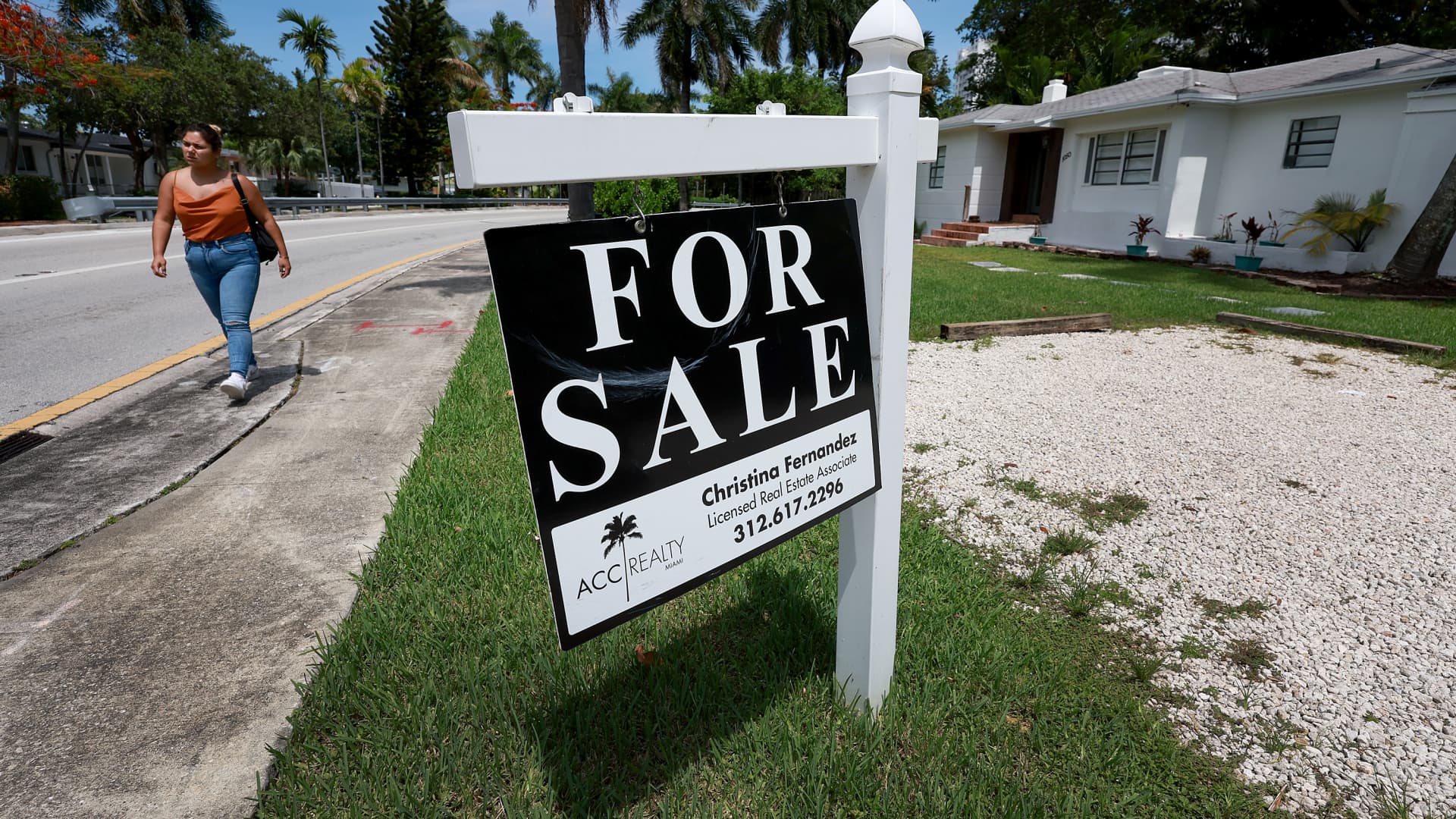
The Covid-19 pandemic caused chaos in the U.S. housing market, with prices skyrocketing, inventories dwindling and intense bidding wars.

Then came record inflation, which drove the price of everything higher.

The U.S. Federal Reserve, though, is waging an intense fight against rising prices, using interest rates as its primary weapon.

A side effect of raising interest rates, though, is higher mortgage rates.

What’s more, the Fed now owns $2.7 trillion of mortgage bonds, part of its plan to prop up the financial system when Covid first started. And it began selling them in June.

So what does the Fed’s fight against inflation mean for the red-hot housing market? Watch the video above to find out more about how the Fed’s interest rate tools affect the housing market, and how the Fed plans to unload the trillions of dollars worth of mortgage debt on its balance sheet.


Source link

The Federal Reserve’s inflation fight and the U.S. housing market Read More »

Is a Cash-Out Refinance Taxable?

Is a Cash-Out Refinance Taxable?


15% ROI”,”imageURL”:”https:\/\/www.biggerpockets.com\/blog\/wp-content\/uploads\/2021\/05\/large_Extra_large_logo-1.jpg”,”imageAlt”:””,”title”:”SFR, MF & New Builds!”,”body”:”Invest in the best markets to maximize Cash Flow, Appreciation & Equity with a team of professional investors!”,”linkURL”:”https:\/\/renttoretirement.com\/”,”linkTitle”:”Contact us to learn more!”,”id”:”60b8f8de7b0c5″,”impressionCount”:”185746″,”dailyImpressionCount”:0,”impressionLimit”:”350000″,”dailyImpressionLimit”:”1040″},{“sponsor”:”Azibo”,”description”:”Smart landlords use Azibo”,”imageURL”:”https:\/\/www.biggerpockets.com\/blog\/wp-content\/uploads\/2021\/11\/Logo-512×512-1.png”,”imageAlt”:””,”title”:”One-stop-shop for landlords”,”body”:”Rent collection, banking, bill pay and access to competitive loans and insurance – all free for landlords.”,”linkURL”:”https:\/\/www.azibo.com\/biggerpockets\/?utm_source=biggerpockets&utm_campaign=biggerpock ets&utm_medium=affiliate&utm_content=blog”,”linkTitle”:”Get started, it\u2019s free”,”id”:”618d372984d4f”,”impressionCount”:”257305″,”dailyImpressionCount”:0,”impressionLimit”:”300000″,”dailyImpressionLimit”:0},{“sponsor”:”The Entrust Group”,”description”:”Self-Directed IRAs”,”imageURL”:”https:\/\/www.biggerpockets.com\/blog\/wp-content\/uploads\/2021\/11\/TEG-Logo-512×512-1.png”,”imageAlt”:””,”title”:”Spring Into investing”,”body”:”Using your retirement funds. Get your step-by-step guide and learn how to use an old 401(k) or existing IRA to invest in real estate.\r\n”,”linkURL”:”https:\/\/www.theentrustgroup.com\/real-estate-ira-report-bp-awareness-lp?utm_campaign=5%20Steps%20to%20Investing%20in%20Real%20Estate%20with%20a%20SDIRA%20Report&utm_source=Bigger_Pockets&utm_medium=April_2022_Blog_Ads”,”linkTitle”:”Get Your Free Download”,”id”:”61952968628d5″,”impressionCount”:”393552″,”dailyImpressionCount”:0,”impressionLimit”:”600000″,”dailyImpressionLimit”:0},{“sponsor”:”Steadily”,”description”:”Best-Rated Landlord Insurance\r\n”,”imageURL”:”https:\/\/www.biggerpockets.com\/blog\/wp-content\/uploads\/2021\/11\/STEADILY.png”,”imageAlt”:””,”title”:”Fast, Affordable Landlord Insurance”,”body”:”Affordable insurance for rental properties of all kinds, including fix n\u2019 flip. Multi-property discounts available. \r\n”,”linkURL”:”https:\/\/bit.ly\/3FUfGgE”,”linkTitle”:”Get a free quote today”,”id”:”61a51c5a6182e”,”impressionCount”:”146726″,”dailyImpressionCount”:0,”impressionLimit”:”390000″,”dailyImpressionLimit”:”3250″},{“sponsor”:”Guaranteed Rate”,”description”:”One-Stop Mortgage Lender”,”imageURL”:”https:\/\/www.biggerpockets.com\/blog\/wp-content\/uploads\/2022\/01\/927596_CB_BiggerPockets-January-2022-Assets-512×512-1.png”,”imageAlt”:””,”title”:”$1,440 Mortgage Savings*”,”body”:”Whether you\u2019re buying new or cash-out refinancing to upscale the old \u2013 get started today and we\u2019ll help you save!\r\n\r\n”,”linkURL”:”https:\/\/www.rate.com\/biggerpockets?adtrk=|display|corporatebenefits|biggerpockets|july2022_blog||||||||||&utm_source=corporatebenefits&utm_medium=display&utm_campaign=biggerpockets&utm_content=july2022-blog “,”linkTitle”:”Buy or Cash-Out Refi”,”id”:”61ccd6a886805″,”impressionCount”:”88939″,”dailyImpressionCount”:0,”impressionLimit”:”200000″,”dailyImpressionLimit”:”2222″},{“sponsor”:”Roofstock”,”description”:”Real estate investing”,”imageURL”:”https:\/\/www.biggerpockets.com\/blog\/wp-content\/uploads\/2022\/02\/roofstock1644.jpeg”,”imageAlt”:””,”title”:”SFR Marketplace”,”body”:”Build wealth through single-family rental (SFR) investing. Roofstock makes it radically accessible.\r\n\r\n”,”linkURL”:”https:\/\/www.roofstock.com\/bp”,”linkTitle”:”Visit the Marketplace”,”id”:”6217d101980a8″,”impressionCount”:”131697″,”dailyImpressionCount”:0,”impressionLimit”:”490000″,”dailyImpressionLimit”:”1633″},{“sponsor”:”Roofstock One”,”description”:”Meet the SFR asset class”,”imageURL”:”https:\/\/www.biggerpockets.com\/blog\/wp-content\/uploads\/2022\/02\/MicrosoftTeams-image-2.png”,”imageAlt”:””,”title”:”Expand your portfolio”,”body”:”Accredited investors: Access investments in the single-family rental (SFR) sector\u2014no property management required. “,”linkURL”:”https:\/\/www.roofstock.com\/one?utm_campaign=BiggerPockets-Podcast&utm_source=sponsorships&utm_medium=podcast”,”linkTitle”:”Explore Roofstock One”,”id”:”6217fa9c588dd”,”impressionCount”:”137109″,”dailyImpressionCount”:0,”impressionLimit”:”490000″,”dailyImpressionLimit”:”1633″},{“sponsor”:”Stessa, a Roofstock company”,”description”:”Keep your houses in order”,”imageURL”:”https:\/\/www.biggerpockets.com\/blog\/wp-content\/uploads\/2022\/02\/MicrosoftTeams-image-3.png”,”imageAlt”:””,”title”:”Track properties for free”,”body”:”Manage and report on your investment properties with asset management software purpose-built for real estate investors.”,”linkURL”:”https:\/\/www.stessa.com\/bp”,”linkTitle”:”Claim your free account”,”id”:”6217fa9c6258f”,”impressionCount”:”145806″,”dailyImpressionCount”:0,”impressionLimit”:”490000″,”dailyImpressionLimit”:”1633″},{“sponsor”:”BAM Capital”,”description”:”Multifamily Syndicator\r\n\r\n”,”imageURL”:”https:\/\/www.biggerpockets.com\/blog\/wp-content\/uploads\/2022\/02\/Bigger-Pockets-Forum-Ad-Logo-512×512-2.png”,”imageAlt”:””,”title”:”$100M FUND III NOW OPEN”,”body”:”Earn truly passive income with known assets in an award-winning market. Confidently targeting 2.0x-2.5x MOIC.\r\n\r\n\r\n”,”linkURL”:”https:\/\/capital.thebamcompanies.com\/offerings\/?utm_source=bigger-pockets&utm_medium=paid-ad&utm_campaign=bigger-pockets-blog-feb-2022&utm_content=fund-iii-now-open”,”linkTitle”:”Learn more”,”id”:”621d250b8f6bd”,”impressionCount”:”114899″,”dailyImpressionCount”:0,”impressionLimit”:”150000″,”dailyImpressionLimit”:”2500″},{“sponsor”:”Concreit Real Estate Investing”,”description”:”Easy property investing”,”imageURL”:”https:\/\/www.biggerpockets.com\/blog\/wp-content\/uploads\/2022\/03\/concreit-app-icon-512×512-1.png”,”imageAlt”:””,”title”:”Supercharge your wealth “,”body”:”Join over 30,000 smart investors & Invest in tomorrow with a fully managed & transparent private real estate portfolio.”,”linkURL”:”https:\/\/concreit.com\/biggerpockets?utm_source=biggerpockets&utm_medium=cpm&utm_campaign=blog-biggerpockets-2022-mar”,”linkTitle”:”Put Concreit to work for you”,”id”:”621e45494174c”,”impressionCount”:”97291″,”dailyImpressionCount”:0,”impressionLimit”:”100000″,”dailyImpressionLimit”:”3225″},{“sponsor”:”Walker & Dunlop”,”description”:” Apartment lending. Simplified.”,”imageURL”:”https:\/\/www.biggerpockets.com\/blog\/wp-content\/uploads\/2022\/03\/WDStacked512.jpg”,”imageAlt”:””,”title”:”Multifamily Property Financing”,”body”:”Are you leaving money on the table? Get the Insider\u0027s Guide.”,”linkURL”:”https:\/\/explore.walkerdunlop.com\/sbl-financing-guide-bp-blog-ad”,”linkTitle”:”Download Now.”,”id”:”6232000fc6ed3″,”impressionCount”:”114801″,”dailyImpressionCount”:0,”impressionLimit”:”200000″,”dailyImpressionLimit”:”6500″},{“sponsor”:”SimpliSafe Home Security”,”description”:”Trusted by 4M+ Americans”,”imageURL”:”https:\/\/www.biggerpockets.com\/blog\/wp-content\/uploads\/2022\/03\/SS-Logo-.png”,”imageAlt”:””,”title”:”Security that saves you $”,”body”:”24\/7 protection against break-ins, floods, and fires. SimpliSafe users may even save up to 15%\r\non home insurance.”,”linkURL”:”https:\/\/simplisafe.com\/pockets?utm_medium=podcast&utm_source=biggerpockets&utm_campa ign=2022_blogpost”,”linkTitle”:”Protect your asset today!”,”id”:”624347af8d01a”,”impressionCount”:”85177″,”dailyImpressionCount”:0,”impressionLimit”:”200000″,”dailyImpressionLimit”:”2222″},{“sponsor”:”Delta Build Services, Inc.”,”description”:”New Construction in SWFL!”,”imageURL”:”https:\/\/www.biggerpockets.com\/blog\/wp-content\/uploads\/2022\/04\/Image-4-14-22-at-11.59-AM.jpg”,”imageAlt”:””,”title”:”Build To Rent”,”body”:”Tired of the Money Pits and aging \u201cturnkey\u201d properties? Invest with confidence, Build To\r\nRent is the way to go!”,”linkURL”:”https:\/\/deltabuildservicesinc.com\/floor-plans-elevations”,”linkTitle”:”Look at our floor plans!”,”id”:”6258570a45e3e”,”impressionCount”:”75862″,”dailyImpressionCount”:0,”impressionLimit”:”160000″,”dailyImpressionLimit”:”2163″},{“sponsor”:”RentRedi”,”description”:”Choose The Right Tenant”,”imageURL”:”https:\/\/www.biggerpockets.com\/blog\/wp-content\/uploads\/2022\/05\/rentredi-logo-512×512-1.png”,”imageAlt”:””,”title”:”Best App for Rentals”,”body”:”Protect your rental property investment. Find & screen tenants: get full credit, criminal, and eviction reports.”,”linkURL”:”http:\/\/www.rentredi.com\/?utm_source=biggerpockets&utm_medium=paid&utm_campaign=BP_Blog.05.02.22&utm_content=button&utm_term=findtenants”,”linkTitle”:”Get Started Today!”,”id”:”62740e9d48a85″,”impressionCount”:”59910″,”dailyImpressionCount”:0,”impressionLimit”:”150000″,”dailyImpressionLimit”:”5556″},{“sponsor”:”Masterworks”,”description”:”Invest in blue-chip art.”,”imageURL”:”https:\/\/www.biggerpockets.com\/blog\/wp-content\/uploads\/2022\/05\/logo_monogram-01-1.png”,”imageAlt”:””,”title”:”Where to invest $100k?”,”body”:”Where to invest 100k? Bloomberg experts overwhelmingly recommend art. Sound crazy? It outpaced the S&P 500 by 164% from \u201895 to \u201821.”,”linkURL”:”https:\/\/www.masterworks.io\/?utm_source=biggerpockets&utm_medium=newsletter&utm_campaign=5-17-22&utm_term=Bigger+Pockets+Readers&utm_content=blog+100k”,”linkTitle”:”Learn more here”,”id”:”627d206a826c5″,”impressionCount”:”49428″,”dailyImpressionCount”:0,”impressionLimit”:”50000″,”dailyImpressionLimit”:”1064″},{“sponsor”:”PadSplit”,”description”:”Co-Living Marketplace”,”imageURL”:”https:\/\/www.biggerpockets.com\/blog\/wp-content\/uploads\/2022\/05\/Picture1.jpg”,”imageAlt”:””,”title”:”Double your cash flow”,”body”:”Join hundreds of investors on the largest co-living marketplace. Improve your return and help the housing shortage.”,”linkURL”:”http:\/\/www.padsplit.com\/biggerpockets?utm_campaign=H-Host_Content&utm_source=Biggerpockets&utm_medium=referral&utm_content=bp_blog&utm_term=hyperlink-landing_page”,”linkTitle”:”Get a Free Consultation!”,”id”:”628e464abfe5f”,”impressionCount”:”43148″,”dailyImpressionCount”:0,”impressionLimit”:”50000″,”dailyImpressionLimit”:”1667″},{“sponsor”:”Guaranteed Rate”,”description”:”One-Stop Mortgage Lender”,”imageURL”:”https:\/\/www.biggerpockets.com\/blog\/wp-content\/uploads\/2022\/06\/GR-512×512-1.png”,”imageAlt”:””,”title”:”$1,440 Mortgage Savings”,”body”:”Whether you\u2019re buying new or cash-out refinancing to upscale the old \u2013 get started today and we\u2019ll help you save!”,”linkURL”:”https:\/\/www.rate.com\/biggerpockets?adtrk=|display|corporatebenefits|biggerpockets|july2022_blog||||||||||&utm_source=corporatebenefits&utm_medium=display&utm_campaign=biggerpockets&utm_content=july2022-blog%20%20%20″,”linkTitle”:”Buy or Cash-Out Refi”,”id”:”62ba1bfaae3fd”,”impressionCount”:”16119″,”dailyImpressionCount”:0,”impressionLimit”:”70000″,”dailyImpressionLimit”:”761″},{“sponsor”:”Avail”,”description”:”#1 Tool for Landlords”,”imageURL”:”https:\/\/www.biggerpockets.com\/blog\/wp-content\/uploads\/2022\/06\/512×512-Logo.png”,”imageAlt”:””,”title”:”Hassle-Free Landlording”,”body”:”One tool for all your rental management needs — find & screen tenants, sign leases, collect rent, and more.”,”linkURL”:”https:\/\/www.avail.co\/?ref=biggerpockets&source= biggerpockets&utm_medium=blog+forum+ad&utm _campaign=homepage&utm_channel=sponsorshi p &utm_content=biggerpockets+blog+ad+fy23+1h”,”linkTitle”:”Start for FREE Today”,”id”:”62bc8a7c568d3″,”impressionCount”:”17692″,”dailyImpressionCount”:0,”impressionLimit”:”200000″,”dailyImpressionLimit”:”1087″},{“sponsor”:”Steadily”,”description”:”Easy landlord insurance”,”imageURL”:”https:\/\/www.biggerpockets.com\/blog\/wp-content\/uploads\/2022\/06\/facebook-business-page-picture.png”,”imageAlt”:””,”title”:”Rated 4.8 Out of 5 Stars”,”body”:”Quotes online in minutes. Single-family, fix n\u2019 flips, short-term rentals, and more. Great prices and discounts.”,”linkURL”:”http:\/\/www.steadily.com\/?utm_source=blog&utm_medium=ad&utm_campaign=biggerpockets “,”linkTitle”:”Get a Quote”,”id”:”62bdc3f8a48b4″,”impressionCount”:”18577″,”dailyImpressionCount”:0,”impressionLimit”:”200000″,”dailyImpressionLimit”:”1627″},{“sponsor”:”MoFin Lending”,”description”:”Direct Hard Money Lender”,”imageURL”:”https:\/\/www.biggerpockets.com\/blog\/wp-content\/uploads\/2022\/06\/mf-logo@05x.png”,”imageAlt”:””,”title”:”Flip, Rehab & Rental Loans”,”body”:”Fast funding for your next flip, BRRRR, or rental with MoFin! Close quickly, low rates\/fees,\r\nsimple process!”,”linkURL”:”https:\/\/mofinloans.com\/scenario-builder?utm_source=biggerpockets&utm_medium=cpc&utm_campaign=bp_blog_july2022″,”linkTitle”:”Get a Quote-EASILY!”,”id”:”62be4cadcfe65″,”impressionCount”:”21573″,”dailyImpressionCount”:0,”impressionLimit”:”100000″,”dailyImpressionLimit”:”3334″},{“sponsor”:”REI Nation”,”description”:”Premier Turnkey Investing”,”imageURL”:”https:\/\/www.biggerpockets.com\/blog\/wp-content\/uploads\/2022\/07\/REI-Nation-Updated-Logo.png”,”imageAlt”:””,”title”:”Fearful of Today\u2019s Market?”,”body”:”Don\u2019t be! REI Nation is your experienced partner to weather today\u2019s economic conditions and come out on top.”,”linkURL”:”https:\/\/hubs.ly\/Q01gKqxt0 “,”linkTitle”:”Get to know us”,”id”:”62d04e6b05177″,”impressionCount”:”6538″,”dailyImpressionCount”:0,”impressionLimit”:”195000″,”dailyImpressionLimit”:”6360″}])” class=”sm:grid sm:grid-cols-2 sm:gap-8 lg:block”>


Source link

Is a Cash-Out Refinance Taxable? Read More »

The ‘Halftime Report’ investment committee weighs in on investing in REITs

The ‘Halftime Report’ investment committee weighs in on investing in REITs


Share

CNBC’s ‘Halftime Report’ investment committee, Brenda Vingiello, Jason Snipe, Josh Brown and Jim Lebenthal, discuss whether or not traders should invest in REITs.

03:14

Thu, Jul 21 20221:14 PM EDT


Source link

The ‘Halftime Report’ investment committee weighs in on investing in REITs Read More »

How Should You Invest in Short-Term Rentals Through a Recession?

How Should You Invest in Short-Term Rentals Through a Recession?


15% ROI”,”imageURL”:”https:\/\/www.biggerpockets.com\/blog\/wp-content\/uploads\/2021\/05\/large_Extra_large_logo-1.jpg”,”imageAlt”:””,”title”:”SFR, MF & New Builds!”,”body”:”Invest in the best markets to maximize Cash Flow, Appreciation & Equity with a team of professional investors!”,”linkURL”:”https:\/\/renttoretirement.com\/”,”linkTitle”:”Contact us to learn more!”,”id”:”60b8f8de7b0c5″,”impressionCount”:”185099″,”dailyImpressionCount”:”76″,”impressionLimit”:”350000″,”dailyImpressionLimit”:”1040″},{“sponsor”:”Azibo”,”description”:”Smart landlords use Azibo”,”imageURL”:”https:\/\/www.biggerpockets.com\/blog\/wp-content\/uploads\/2021\/11\/Logo-512×512-1.png”,”imageAlt”:””,”title”:”One-stop-shop for landlords”,”body”:”Rent collection, banking, bill pay and access to competitive loans and insurance – all free for landlords.”,”linkURL”:”https:\/\/www.azibo.com\/biggerpockets\/?utm_source=biggerpockets&utm_campaign=biggerpock ets&utm_medium=affiliate&utm_content=blog”,”linkTitle”:”Get started, it\u2019s free”,”id”:”618d372984d4f”,”impressionCount”:”256887″,”dailyImpressionCount”:”43″,”impressionLimit”:”300000″,”dailyImpressionLimit”:0},{“sponsor”:”The Entrust Group”,”description”:”Self-Directed IRAs”,”imageURL”:”https:\/\/www.biggerpockets.com\/blog\/wp-content\/uploads\/2021\/11\/TEG-Logo-512×512-1.png”,”imageAlt”:””,”title”:”Spring Into investing”,”body”:”Using your retirement funds. Get your step-by-step guide and learn how to use an old 401(k) or existing IRA to invest in real estate.\r\n”,”linkURL”:”https:\/\/www.theentrustgroup.com\/real-estate-ira-report-bp-awareness-lp?utm_campaign=5%20Steps%20to%20Investing%20in%20Real%20Estate%20with%20a%20SDIRA%20Report&utm_source=Bigger_Pockets&utm_medium=April_2022_Blog_Ads”,”linkTitle”:”Get Your Free Download”,”id”:”61952968628d5″,”impressionCount”:”393164″,”dailyImpressionCount”:”28″,”impressionLimit”:”600000″,”dailyImpressionLimit”:0},{“sponsor”:”Steadily”,”description”:”Best-Rated Landlord Insurance\r\n”,”imageURL”:”https:\/\/www.biggerpockets.com\/blog\/wp-content\/uploads\/2021\/11\/STEADILY.png”,”imageAlt”:””,”title”:”Fast, Affordable Landlord Insurance”,”body”:”Affordable insurance for rental properties of all kinds, including fix n\u2019 flip. Multi-property discounts available. \r\n”,”linkURL”:”https:\/\/bit.ly\/3FUfGgE”,”linkTitle”:”Get a free quote today”,”id”:”61a51c5a6182e”,”impressionCount”:”146330″,”dailyImpressionCount”:”45″,”impressionLimit”:”390000″,”dailyImpressionLimit”:”3250″},{“sponsor”:”Guaranteed Rate”,”description”:”One-Stop Mortgage Lender”,”imageURL”:”https:\/\/www.biggerpockets.com\/blog\/wp-content\/uploads\/2022\/01\/927596_CB_BiggerPockets-January-2022-Assets-512×512-1.png”,”imageAlt”:””,”title”:”$1,440 Mortgage Savings*”,”body”:”Whether you\u2019re buying new or cash-out refinancing to upscale the old \u2013 get started today and we\u2019ll help you save!\r\n\r\n”,”linkURL”:”https:\/\/www.rate.com\/biggerpockets?adtrk=|display|corporatebenefits|biggerpockets|july2022_blog||||||||||&utm_source=corporatebenefits&utm_medium=display&utm_campaign=biggerpockets&utm_content=july2022-blog “,”linkTitle”:”Buy or Cash-Out Refi”,”id”:”61ccd6a886805″,”impressionCount”:”88644″,”dailyImpressionCount”:”36″,”impressionLimit”:”200000″,”dailyImpressionLimit”:”2222″},{“sponsor”:”Roofstock”,”description”:”Real estate investing”,”imageURL”:”https:\/\/www.biggerpockets.com\/blog\/wp-content\/uploads\/2022\/02\/roofstock1644.jpeg”,”imageAlt”:””,”title”:”SFR Marketplace”,”body”:”Build wealth through single-family rental (SFR) investing. Roofstock makes it radically accessible.\r\n\r\n”,”linkURL”:”https:\/\/www.roofstock.com\/bp”,”linkTitle”:”Visit the Marketplace”,”id”:”6217d101980a8″,”impressionCount”:”131335″,”dailyImpressionCount”:”32″,”impressionLimit”:”490000″,”dailyImpressionLimit”:”1633″},{“sponsor”:”Roofstock One”,”description”:”Meet the SFR asset class”,”imageURL”:”https:\/\/www.biggerpockets.com\/blog\/wp-content\/uploads\/2022\/02\/MicrosoftTeams-image-2.png”,”imageAlt”:””,”title”:”Expand your portfolio”,”body”:”Accredited investors: Access investments in the single-family rental (SFR) sector\u2014no property management required. “,”linkURL”:”https:\/\/www.roofstock.com\/one?utm_campaign=BiggerPockets-Podcast&utm_source=sponsorships&utm_medium=podcast”,”linkTitle”:”Explore Roofstock One”,”id”:”6217fa9c588dd”,”impressionCount”:”136769″,”dailyImpressionCount”:”43″,”impressionLimit”:”490000″,”dailyImpressionLimit”:”1633″},{“sponsor”:”Stessa, a Roofstock company”,”description”:”Keep your houses in order”,”imageURL”:”https:\/\/www.biggerpockets.com\/blog\/wp-content\/uploads\/2022\/02\/MicrosoftTeams-image-3.png”,”imageAlt”:””,”title”:”Track properties for free”,”body”:”Manage and report on your investment properties with asset management software purpose-built for real estate investors.”,”linkURL”:”https:\/\/www.stessa.com\/bp”,”linkTitle”:”Claim your free account”,”id”:”6217fa9c6258f”,”impressionCount”:”145431″,”dailyImpressionCount”:”46″,”impressionLimit”:”490000″,”dailyImpressionLimit”:”1633″},{“sponsor”:”BAM Capital”,”description”:”Multifamily Syndicator\r\n\r\n”,”imageURL”:”https:\/\/www.biggerpockets.com\/blog\/wp-content\/uploads\/2022\/02\/Bigger-Pockets-Forum-Ad-Logo-512×512-2.png”,”imageAlt”:””,”title”:”$100M FUND III NOW OPEN”,”body”:”Earn truly passive income with known assets in an award-winning market. Confidently targeting 2.0x-2.5x MOIC.\r\n\r\n\r\n”,”linkURL”:”https:\/\/capital.thebamcompanies.com\/offerings\/?utm_source=bigger-pockets&utm_medium=paid-ad&utm_campaign=bigger-pockets-blog-feb-2022&utm_content=fund-iii-now-open”,”linkTitle”:”Learn more”,”id”:”621d250b8f6bd”,”impressionCount”:”114680″,”dailyImpressionCount”:”20″,”impressionLimit”:”150000″,”dailyImpressionLimit”:”2500″},{“sponsor”:”Concreit Real Estate Investing”,”description”:”Easy property investing”,”imageURL”:”https:\/\/www.biggerpockets.com\/blog\/wp-content\/uploads\/2022\/03\/concreit-app-icon-512×512-1.png”,”imageAlt”:””,”title”:”Supercharge your wealth “,”body”:”Join over 30,000 smart investors & Invest in tomorrow with a fully managed & transparent private real estate portfolio.”,”linkURL”:”https:\/\/concreit.com\/biggerpockets?utm_source=biggerpockets&utm_medium=cpm&utm_campaign=blog-biggerpockets-2022-mar”,”linkTitle”:”Put Concreit to work for you”,”id”:”621e45494174c”,”impressionCount”:”97053″,”dailyImpressionCount”:”30″,”impressionLimit”:”100000″,”dailyImpressionLimit”:”3225″},{“sponsor”:”Walker & Dunlop”,”description”:” Apartment lending. Simplified.”,”imageURL”:”https:\/\/www.biggerpockets.com\/blog\/wp-content\/uploads\/2022\/03\/WDStacked512.jpg”,”imageAlt”:””,”title”:”Multifamily Property Financing”,”body”:”Are you leaving money on the table? Get the Insider\u0027s Guide.”,”linkURL”:”https:\/\/explore.walkerdunlop.com\/sbl-financing-guide-bp-blog-ad”,”linkTitle”:”Download Now.”,”id”:”6232000fc6ed3″,”impressionCount”:”114562″,”dailyImpressionCount”:”23″,”impressionLimit”:”200000″,”dailyImpressionLimit”:”6500″},{“sponsor”:”SimpliSafe Home Security”,”description”:”Trusted by 4M+ Americans”,”imageURL”:”https:\/\/www.biggerpockets.com\/blog\/wp-content\/uploads\/2022\/03\/SS-Logo-.png”,”imageAlt”:””,”title”:”Security that saves you $”,”body”:”24\/7 protection against break-ins, floods, and fires. SimpliSafe users may even save up to 15%\r\non home insurance.”,”linkURL”:”https:\/\/simplisafe.com\/pockets?utm_medium=podcast&utm_source=biggerpockets&utm_campa ign=2022_blogpost”,”linkTitle”:”Protect your asset today!”,”id”:”624347af8d01a”,”impressionCount”:”84920″,”dailyImpressionCount”:”24″,”impressionLimit”:”200000″,”dailyImpressionLimit”:”2222″},{“sponsor”:”Delta Build Services, Inc.”,”description”:”New Construction in SWFL!”,”imageURL”:”https:\/\/www.biggerpockets.com\/blog\/wp-content\/uploads\/2022\/04\/Image-4-14-22-at-11.59-AM.jpg”,”imageAlt”:””,”title”:”Build To Rent”,”body”:”Tired of the Money Pits and aging \u201cturnkey\u201d properties? Invest with confidence, Build To\r\nRent is the way to go!”,”linkURL”:”https:\/\/deltabuildservicesinc.com\/floor-plans-elevations”,”linkTitle”:”Look at our floor plans!”,”id”:”6258570a45e3e”,”impressionCount”:”75589″,”dailyImpressionCount”:”39″,”impressionLimit”:”160000″,”dailyImpressionLimit”:”2163″},{“sponsor”:”RentRedi”,”description”:”Choose The Right Tenant”,”imageURL”:”https:\/\/www.biggerpockets.com\/blog\/wp-content\/uploads\/2022\/05\/rentredi-logo-512×512-1.png”,”imageAlt”:””,”title”:”Best App for Rentals”,”body”:”Protect your rental property investment. Find & screen tenants: get full credit, criminal, and eviction reports.”,”linkURL”:”http:\/\/www.rentredi.com\/?utm_source=biggerpockets&utm_medium=paid&utm_campaign=BP_Blog.05.02.22&utm_content=button&utm_term=findtenants”,”linkTitle”:”Get Started Today!”,”id”:”62740e9d48a85″,”impressionCount”:”59632″,”dailyImpressionCount”:”31″,”impressionLimit”:”150000″,”dailyImpressionLimit”:”5556″},{“sponsor”:”Masterworks”,”description”:”Invest in blue-chip art.”,”imageURL”:”https:\/\/www.biggerpockets.com\/blog\/wp-content\/uploads\/2022\/05\/logo_monogram-01-1.png”,”imageAlt”:””,”title”:”Where to invest $100k?”,”body”:”Where to invest 100k? Bloomberg experts overwhelmingly recommend art. Sound crazy? It outpaced the S&P 500 by 164% from \u201895 to \u201821.”,”linkURL”:”https:\/\/www.masterworks.io\/?utm_source=biggerpockets&utm_medium=newsletter&utm_campaign=5-17-22&utm_term=Bigger+Pockets+Readers&utm_content=blog+100k”,”linkTitle”:”Learn more here”,”id”:”627d206a826c5″,”impressionCount”:”49150″,”dailyImpressionCount”:”39″,”impressionLimit”:”50000″,”dailyImpressionLimit”:”1064″},{“sponsor”:”PadSplit”,”description”:”Co-Living Marketplace”,”imageURL”:”https:\/\/www.biggerpockets.com\/blog\/wp-content\/uploads\/2022\/05\/Picture1.jpg”,”imageAlt”:””,”title”:”Double your cash flow”,”body”:”Join hundreds of investors on the largest co-living marketplace. Improve your return and help the housing shortage.”,”linkURL”:”http:\/\/www.padsplit.com\/biggerpockets?utm_campaign=H-Host_Content&utm_source=Biggerpockets&utm_medium=referral&utm_content=bp_blog&utm_term=hyperlink-landing_page”,”linkTitle”:”Get a Free Consultation!”,”id”:”628e464abfe5f”,”impressionCount”:”42819″,”dailyImpressionCount”:”43″,”impressionLimit”:”50000″,”dailyImpressionLimit”:”1667″},{“sponsor”:”Guaranteed Rate”,”description”:”One-Stop Mortgage Lender”,”imageURL”:”https:\/\/www.biggerpockets.com\/blog\/wp-content\/uploads\/2022\/06\/GR-512×512-1.png”,”imageAlt”:””,”title”:”$1,440 Mortgage Savings”,”body”:”Whether you\u2019re buying new or cash-out refinancing to upscale the old \u2013 get started today and we\u2019ll help you save!”,”linkURL”:”https:\/\/www.rate.com\/biggerpockets?adtrk=|display|corporatebenefits|biggerpockets|july2022_blog||||||||||&utm_source=corporatebenefits&utm_medium=display&utm_campaign=biggerpockets&utm_content=july2022-blog%20%20%20″,”linkTitle”:”Buy or Cash-Out Refi”,”id”:”62ba1bfaae3fd”,”impressionCount”:”15889″,”dailyImpressionCount”:”31″,”impressionLimit”:”70000″,”dailyImpressionLimit”:”761″},{“sponsor”:”Avail”,”description”:”#1 Tool for Landlords”,”imageURL”:”https:\/\/www.biggerpockets.com\/blog\/wp-content\/uploads\/2022\/06\/512×512-Logo.png”,”imageAlt”:””,”title”:”Hassle-Free Landlording”,”body”:”One tool for all your rental management needs — find & screen tenants, sign leases, collect rent, and more.”,”linkURL”:”https:\/\/www.avail.co\/?ref=biggerpockets&source= biggerpockets&utm_medium=blog+forum+ad&utm _campaign=homepage&utm_channel=sponsorshi p &utm_content=biggerpockets+blog+ad+fy23+1h”,”linkTitle”:”Start for FREE Today”,”id”:”62bc8a7c568d3″,”impressionCount”:”17414″,”dailyImpressionCount”:”34″,”impressionLimit”:”200000″,”dailyImpressionLimit”:”1087″},{“sponsor”:”Steadily”,”description”:”Easy landlord insurance”,”imageURL”:”https:\/\/www.biggerpockets.com\/blog\/wp-content\/uploads\/2022\/06\/facebook-business-page-picture.png”,”imageAlt”:””,”title”:”Rated 4.8 Out of 5 Stars”,”body”:”Quotes online in minutes. Single-family, fix n\u2019 flips, short-term rentals, and more. Great prices and discounts.”,”linkURL”:”http:\/\/www.steadily.com\/?utm_source=blog&utm_medium=ad&utm_campaign=biggerpockets “,”linkTitle”:”Get a Quote”,”id”:”62bdc3f8a48b4″,”impressionCount”:”18342″,”dailyImpressionCount”:”37″,”impressionLimit”:”200000″,”dailyImpressionLimit”:”1627″},{“sponsor”:”MoFin Lending”,”description”:”Direct Hard Money Lender”,”imageURL”:”https:\/\/www.biggerpockets.com\/blog\/wp-content\/uploads\/2022\/06\/mf-logo@05x.png”,”imageAlt”:””,”title”:”Flip, Rehab & Rental Loans”,”body”:”Fast funding for your next flip, BRRRR, or rental with MoFin! Close quickly, low rates\/fees,\r\nsimple process!”,”linkURL”:”https:\/\/mofinloans.com\/scenario-builder?utm_source=biggerpockets&utm_medium=cpc&utm_campaign=bp_blog_july2022″,”linkTitle”:”Get a Quote-EASILY!”,”id”:”62be4cadcfe65″,”impressionCount”:”21336″,”dailyImpressionCount”:”32″,”impressionLimit”:”100000″,”dailyImpressionLimit”:”3334″},{“sponsor”:”REI Nation”,”description”:”Premier Turnkey Investing”,”imageURL”:”https:\/\/www.biggerpockets.com\/blog\/wp-content\/uploads\/2022\/07\/REI-Nation-Updated-Logo.png”,”imageAlt”:””,”title”:”Fearful of Today\u2019s Market?”,”body”:”Don\u2019t be! REI Nation is your experienced partner to weather today\u2019s economic conditions and come out on top.”,”linkURL”:”https:\/\/hubs.ly\/Q01gKqxt0 “,”linkTitle”:”Get to know us”,”id”:”62d04e6b05177″,”impressionCount”:”6048″,”dailyImpressionCount”:”71″,”impressionLimit”:”195000″,”dailyImpressionLimit”:”6360″}])” class=”sm:grid sm:grid-cols-2 sm:gap-8 lg:block”>


Source link

How Should You Invest in Short-Term Rentals Through a Recession? Read More »

Fifth Wall closes 0 million climate fund to decarbonize global real estate

Fifth Wall closes $500 million climate fund to decarbonize global real estate


Share

CNBC’s Diana Olick joins Power Lunch to report that Fifth Wall, a venture capital firm focused on real estate technology, announced commitments of half a billion dollars to close its inaugural Climate Fund. It is the largest private fund formed specifically to decarbonize the real estate industry, according to the firm.

01:46

Thu, Jul 21 20227:24 PM EDT


Source link

Fifth Wall closes $500 million climate fund to decarbonize global real estate Read More »

How to Avoid High Tenant Turnover Costs

How to Avoid High Tenant Turnover Costs


15% ROI”,”imageURL”:”https:\/\/www.biggerpockets.com\/blog\/wp-content\/uploads\/2021\/05\/large_Extra_large_logo-1.jpg”,”imageAlt”:””,”title”:”SFR, MF & New Builds!”,”body”:”Invest in the best markets to maximize Cash Flow, Appreciation & Equity with a team of professional investors!”,”linkURL”:”https:\/\/renttoretirement.com\/”,”linkTitle”:”Contact us to learn more!”,”id”:”60b8f8de7b0c5″,”impressionCount”:”184440″,”dailyImpressionCount”:”955″,”impressionLimit”:”350000″,”dailyImpressionLimit”:”1040″},{“sponsor”:”Azibo”,”description”:”Smart landlords use Azibo”,”imageURL”:”https:\/\/www.biggerpockets.com\/blog\/wp-content\/uploads\/2021\/11\/Logo-512×512-1.png”,”imageAlt”:””,”title”:”One-stop-shop for landlords”,”body”:”Rent collection, banking, bill pay and access to competitive loans and insurance – all free for landlords.”,”linkURL”:”https:\/\/www.azibo.com\/biggerpockets\/?utm_source=biggerpockets&utm_campaign=biggerpock ets&utm_medium=affiliate&utm_content=blog”,”linkTitle”:”Get started, it\u2019s free”,”id”:”618d372984d4f”,”impressionCount”:”255966″,”dailyImpressionCount”:”547″,”impressionLimit”:”300000″,”dailyImpressionLimit”:0},{“sponsor”:”The Entrust Group”,”description”:”Self-Directed IRAs”,”imageURL”:”https:\/\/www.biggerpockets.com\/blog\/wp-content\/uploads\/2021\/11\/TEG-Logo-512×512-1.png”,”imageAlt”:””,”title”:”Spring Into investing”,”body”:”Using your retirement funds. Get your step-by-step guide and learn how to use an old 401(k) or existing IRA to invest in real estate.\r\n”,”linkURL”:”https:\/\/www.theentrustgroup.com\/real-estate-ira-report-bp-awareness-lp?utm_campaign=5%20Steps%20to%20Investing%20in%20Real%20Estate%20with%20a%20SDIRA%20Report&utm_source=Bigger_Pockets&utm_medium=April_2022_Blog_Ads”,”linkTitle”:”Get Your Free Download”,”id”:”61952968628d5″,”impressionCount”:”392288″,”dailyImpressionCount”:”517″,”impressionLimit”:”600000″,”dailyImpressionLimit”:0},{“sponsor”:”Steadily”,”description”:”Best-Rated Landlord Insurance\r\n”,”imageURL”:”https:\/\/www.biggerpockets.com\/blog\/wp-content\/uploads\/2021\/11\/STEADILY.png”,”imageAlt”:””,”title”:”Fast, Affordable Landlord Insurance”,”body”:”Affordable insurance for rental properties of all kinds, including fix n\u2019 flip. Multi-property discounts available. \r\n”,”linkURL”:”https:\/\/bit.ly\/3FUfGgE”,”linkTitle”:”Get a free quote today”,”id”:”61a51c5a6182e”,”impressionCount”:”145911″,”dailyImpressionCount”:”643″,”impressionLimit”:”390000″,”dailyImpressionLimit”:”3250″},{“sponsor”:”Guaranteed Rate”,”description”:”One-Stop Mortgage Lender”,”imageURL”:”https:\/\/www.biggerpockets.com\/blog\/wp-content\/uploads\/2022\/01\/927596_CB_BiggerPockets-January-2022-Assets-512×512-1.png”,”imageAlt”:””,”title”:”$1,440 Mortgage Savings*”,”body”:”Whether you\u2019re buying new or cash-out refinancing to upscale the old \u2013 get started today and we\u2019ll help you save!\r\n\r\n”,”linkURL”:”https:\/\/www.rate.com\/biggerpockets?adtrk=|display|corporatebenefits|biggerpockets|july2022_blog||||||||||&utm_source=corporatebenefits&utm_medium=display&utm_campaign=biggerpockets&utm_content=july2022-blog “,”linkTitle”:”Buy or Cash-Out Refi”,”id”:”61ccd6a886805″,”impressionCount”:”88349″,”dailyImpressionCount”:”449″,”impressionLimit”:”200000″,”dailyImpressionLimit”:”2222″},{“sponsor”:”Roofstock”,”description”:”Real estate investing”,”imageURL”:”https:\/\/www.biggerpockets.com\/blog\/wp-content\/uploads\/2022\/02\/roofstock1644.jpeg”,”imageAlt”:””,”title”:”SFR Marketplace”,”body”:”Build wealth through single-family rental (SFR) investing. Roofstock makes it radically accessible.\r\n\r\n”,”linkURL”:”https:\/\/www.roofstock.com\/bp”,”linkTitle”:”Visit the Marketplace”,”id”:”6217d101980a8″,”impressionCount”:”131008″,”dailyImpressionCount”:”453″,”impressionLimit”:”490000″,”dailyImpressionLimit”:”1633″},{“sponsor”:”Roofstock One”,”description”:”Meet the SFR asset class”,”imageURL”:”https:\/\/www.biggerpockets.com\/blog\/wp-content\/uploads\/2022\/02\/MicrosoftTeams-image-2.png”,”imageAlt”:””,”title”:”Expand your portfolio”,”body”:”Accredited investors: Access investments in the single-family rental (SFR) sector\u2014no property management required. “,”linkURL”:”https:\/\/www.roofstock.com\/one?utm_campaign=BiggerPockets-Podcast&utm_source=sponsorships&utm_medium=podcast”,”linkTitle”:”Explore Roofstock One”,”id”:”6217fa9c588dd”,”impressionCount”:”136438″,”dailyImpressionCount”:”485″,”impressionLimit”:”490000″,”dailyImpressionLimit”:”1633″},{“sponsor”:”Stessa, a Roofstock company”,”description”:”Keep your houses in order”,”imageURL”:”https:\/\/www.biggerpockets.com\/blog\/wp-content\/uploads\/2022\/02\/MicrosoftTeams-image-3.png”,”imageAlt”:””,”title”:”Track properties for free”,”body”:”Manage and report on your investment properties with asset management software purpose-built for real estate investors.”,”linkURL”:”https:\/\/www.stessa.com\/bp”,”linkTitle”:”Claim your free account”,”id”:”6217fa9c6258f”,”impressionCount”:”145081″,”dailyImpressionCount”:”501″,”impressionLimit”:”490000″,”dailyImpressionLimit”:”1633″},{“sponsor”:”BAM Capital”,”description”:”Multifamily Syndicator\r\n\r\n”,”imageURL”:”https:\/\/www.biggerpockets.com\/blog\/wp-content\/uploads\/2022\/02\/Bigger-Pockets-Forum-Ad-Logo-512×512-2.png”,”imageAlt”:””,”title”:”$100M FUND III NOW OPEN”,”body”:”Earn truly passive income with known assets in an award-winning market. Confidently targeting 2.0x-2.5x MOIC.\r\n\r\n\r\n”,”linkURL”:”https:\/\/capital.thebamcompanies.com\/offerings\/?utm_source=bigger-pockets&utm_medium=paid-ad&utm_campaign=bigger-pockets-blog-feb-2022&utm_content=fund-iii-now-open”,”linkTitle”:”Learn more”,”id”:”621d250b8f6bd”,”impressionCount”:”114442″,”dailyImpressionCount”:”315″,”impressionLimit”:”150000″,”dailyImpressionLimit”:”2500″},{“sponsor”:”Concreit Real Estate Investing”,”description”:”Easy property investing”,”imageURL”:”https:\/\/www.biggerpockets.com\/blog\/wp-content\/uploads\/2022\/03\/concreit-app-icon-512×512-1.png”,”imageAlt”:””,”title”:”Supercharge your wealth “,”body”:”Join over 30,000 smart investors & Invest in tomorrow with a fully managed & transparent private real estate portfolio.”,”linkURL”:”https:\/\/concreit.com\/biggerpockets?utm_source=biggerpockets&utm_medium=cpm&utm_campaign=blog-biggerpockets-2022-mar”,”linkTitle”:”Put Concreit to work for you”,”id”:”621e45494174c”,”impressionCount”:”96819″,”dailyImpressionCount”:”323″,”impressionLimit”:”100000″,”dailyImpressionLimit”:”3225″},{“sponsor”:”Walker & Dunlop”,”description”:” Apartment lending. Simplified.”,”imageURL”:”https:\/\/www.biggerpockets.com\/blog\/wp-content\/uploads\/2022\/03\/WDStacked512.jpg”,”imageAlt”:””,”title”:”Multifamily Property Financing”,”body”:”Are you leaving money on the table? Get the Insider\u0027s Guide.”,”linkURL”:”https:\/\/explore.walkerdunlop.com\/sbl-financing-guide-bp-blog-ad”,”linkTitle”:”Download Now.”,”id”:”6232000fc6ed3″,”impressionCount”:”114316″,”dailyImpressionCount”:”370″,”impressionLimit”:”200000″,”dailyImpressionLimit”:”6500″},{“sponsor”:”SimpliSafe Home Security”,”description”:”Trusted by 4M+ Americans”,”imageURL”:”https:\/\/www.biggerpockets.com\/blog\/wp-content\/uploads\/2022\/03\/SS-Logo-.png”,”imageAlt”:””,”title”:”Security that saves you $”,”body”:”24\/7 protection against break-ins, floods, and fires. SimpliSafe users may even save up to 15%\r\non home insurance.”,”linkURL”:”https:\/\/simplisafe.com\/pockets?utm_medium=podcast&utm_source=biggerpockets&utm_campa ign=2022_blogpost”,”linkTitle”:”Protect your asset today!”,”id”:”624347af8d01a”,”impressionCount”:”84685″,”dailyImpressionCount”:”379″,”impressionLimit”:”200000″,”dailyImpressionLimit”:”2222″},{“sponsor”:”Delta Build Services, Inc.”,”description”:”New Construction in SWFL!”,”imageURL”:”https:\/\/www.biggerpockets.com\/blog\/wp-content\/uploads\/2022\/04\/Image-4-14-22-at-11.59-AM.jpg”,”imageAlt”:””,”title”:”Build To Rent”,”body”:”Tired of the Money Pits and aging \u201cturnkey\u201d properties? Invest with confidence, Build To\r\nRent is the way to go!”,”linkURL”:”https:\/\/deltabuildservicesinc.com\/floor-plans-elevations”,”linkTitle”:”Look at our floor plans!”,”id”:”6258570a45e3e”,”impressionCount”:”75314″,”dailyImpressionCount”:”387″,”impressionLimit”:”160000″,”dailyImpressionLimit”:”2163″},{“sponsor”:”RentRedi”,”description”:”Choose The Right Tenant”,”imageURL”:”https:\/\/www.biggerpockets.com\/blog\/wp-content\/uploads\/2022\/05\/rentredi-logo-512×512-1.png”,”imageAlt”:””,”title”:”Best App for Rentals”,”body”:”Protect your rental property investment. Find & screen tenants: get full credit, criminal, and eviction reports.”,”linkURL”:”http:\/\/www.rentredi.com\/?utm_source=biggerpockets&utm_medium=paid&utm_campaign=BP_Blog.05.02.22&utm_content=button&utm_term=findtenants”,”linkTitle”:”Get Started Today!”,”id”:”62740e9d48a85″,”impressionCount”:”59355″,”dailyImpressionCount”:”399″,”impressionLimit”:”150000″,”dailyImpressionLimit”:”5556″},{“sponsor”:”Masterworks”,”description”:”Invest in blue-chip art.”,”imageURL”:”https:\/\/www.biggerpockets.com\/blog\/wp-content\/uploads\/2022\/05\/logo_monogram-01-1.png”,”imageAlt”:””,”title”:”Where to invest $100k?”,”body”:”Where to invest 100k? Bloomberg experts overwhelmingly recommend art. Sound crazy? It outpaced the S&P 500 by 164% from \u201895 to \u201821.”,”linkURL”:”https:\/\/www.masterworks.io\/?utm_source=biggerpockets&utm_medium=newsletter&utm_campaign=5-17-22&utm_term=Bigger+Pockets+Readers&utm_content=blog+100k”,”linkTitle”:”Learn more here”,”id”:”627d206a826c5″,”impressionCount”:”48853″,”dailyImpressionCount”:”464″,”impressionLimit”:”50000″,”dailyImpressionLimit”:”1064″},{“sponsor”:”PadSplit”,”description”:”Co-Living Marketplace”,”imageURL”:”https:\/\/www.biggerpockets.com\/blog\/wp-content\/uploads\/2022\/05\/Picture1.jpg”,”imageAlt”:””,”title”:”Double your cash flow”,”body”:”Join hundreds of investors on the largest co-living marketplace. Improve your return and help the housing shortage.”,”linkURL”:”http:\/\/www.padsplit.com\/biggerpockets?utm_campaign=H-Host_Content&utm_source=Biggerpockets&utm_medium=referral&utm_content=bp_blog&utm_term=hyperlink-landing_page”,”linkTitle”:”Get a Free Consultation!”,”id”:”628e464abfe5f”,”impressionCount”:”42500″,”dailyImpressionCount”:”434″,”impressionLimit”:”50000″,”dailyImpressionLimit”:”1667″},{“sponsor”:”Guaranteed Rate”,”description”:”One-Stop Mortgage Lender”,”imageURL”:”https:\/\/www.biggerpockets.com\/blog\/wp-content\/uploads\/2022\/06\/GR-512×512-1.png”,”imageAlt”:””,”title”:”$1,440 Mortgage Savings”,”body”:”Whether you\u2019re buying new or cash-out refinancing to upscale the old \u2013 get started today and we\u2019ll help you save!”,”linkURL”:”https:\/\/www.rate.com\/biggerpockets?adtrk=|display|corporatebenefits|biggerpockets|july2022_blog||||||||||&utm_source=corporatebenefits&utm_medium=display&utm_campaign=biggerpockets&utm_content=july2022-blog%20%20%20″,”linkTitle”:”Buy or Cash-Out Refi”,”id”:”62ba1bfaae3fd”,”impressionCount”:”15628″,”dailyImpressionCount”:”336″,”impressionLimit”:”70000″,”dailyImpressionLimit”:”761″},{“sponsor”:”Avail”,”description”:”#1 Tool for Landlords”,”imageURL”:”https:\/\/www.biggerpockets.com\/blog\/wp-content\/uploads\/2022\/06\/512×512-Logo.png”,”imageAlt”:””,”title”:”Hassle-Free Landlording”,”body”:”One tool for all your rental management needs — find & screen tenants, sign leases, collect rent, and more.”,”linkURL”:”https:\/\/www.avail.co\/?ref=biggerpockets&source= biggerpockets&utm_medium=blog+forum+ad&utm _campaign=homepage&utm_channel=sponsorshi p &utm_content=biggerpockets+blog+ad+fy23+1h”,”linkTitle”:”Start for FREE Today”,”id”:”62bc8a7c568d3″,”impressionCount”:”17124″,”dailyImpressionCount”:”343″,”impressionLimit”:”200000″,”dailyImpressionLimit”:”1087″},{“sponsor”:”Steadily”,”description”:”Easy landlord insurance”,”imageURL”:”https:\/\/www.biggerpockets.com\/blog\/wp-content\/uploads\/2022\/06\/facebook-business-page-picture.png”,”imageAlt”:””,”title”:”Rated 4.8 Out of 5 Stars”,”body”:”Quotes online in minutes. Single-family, fix n\u2019 flips, short-term rentals, and more. Great prices and discounts.”,”linkURL”:”http:\/\/www.steadily.com\/?utm_source=blog&utm_medium=ad&utm_campaign=biggerpockets “,”linkTitle”:”Get a Quote”,”id”:”62bdc3f8a48b4″,”impressionCount”:”18058″,”dailyImpressionCount”:”330″,”impressionLimit”:”200000″,”dailyImpressionLimit”:”1627″},{“sponsor”:”MoFin Lending”,”description”:”Direct Hard Money Lender”,”imageURL”:”https:\/\/www.biggerpockets.com\/blog\/wp-content\/uploads\/2022\/06\/mf-logo@05x.png”,”imageAlt”:””,”title”:”Flip, Rehab & Rental Loans”,”body”:”Fast funding for your next flip, BRRRR, or rental with MoFin! Close quickly, low rates\/fees,\r\nsimple process!”,”linkURL”:”https:\/\/mofinloans.com\/scenario-builder?utm_source=biggerpockets&utm_medium=cpc&utm_campaign=bp_blog_july2022″,”linkTitle”:”Get a Quote-EASILY!”,”id”:”62be4cadcfe65″,”impressionCount”:”21026″,”dailyImpressionCount”:”345″,”impressionLimit”:”100000″,”dailyImpressionLimit”:”3334″},{“sponsor”:”REI Nation”,”description”:”Premier Turnkey Investing”,”imageURL”:”https:\/\/www.biggerpockets.com\/blog\/wp-content\/uploads\/2022\/07\/REI-Nation-Updated-Logo.png”,”imageAlt”:””,”title”:”Fearful of Today\u2019s Market?”,”body”:”Don\u2019t be! REI Nation is your experienced partner to weather today\u2019s economic conditions and come out on top.”,”linkURL”:”https:\/\/hubs.ly\/Q01gKqxt0 “,”linkTitle”:”Get to know us”,”id”:”62d04e6b05177″,”impressionCount”:”5400″,”dailyImpressionCount”:”707″,”impressionLimit”:”195000″,”dailyImpressionLimit”:”6360″}])” class=”sm:grid sm:grid-cols-2 sm:gap-8 lg:block”>


Source link

How to Avoid High Tenant Turnover Costs Read More »

Trump should have been charged with crimes, former NY prosecutor says

Trump should have been charged with crimes, former NY prosecutor says


Former President Donald Trump

Jonathan Ernst | Reuters

A former special New York prosecutor who quit a criminal investigation of ex-President Donald Trump after his boss declined to lodge charges at the time said that if Trump “had been Joe Blow from Kokomo, we would have indicted without a big debate.”

“I believe that Donald Trump, in fact, was guilty and, second, that there was sufficient evidence as a matter of law to have sustained a guilty verdict if we went forward,” said Mark Pomerantz, the former special prosecutor in the Manhattan District Attorney’s Office, in a new interview.

“My view is that it is toxic to have people believe that the criminal justice system is unable to hold people accountable if those people have huge financial and political influence,” Pomerantz said.

“The rule of law is supposed to extend to the rich and poor alike, to the vulnerable, to the powerful,” he added.

Pomerantz made the comments on the podcast, “Why Wasn’t Donald Trump Criminally Prosecuted in New York? What Happened and Why?” hosted by Columbia University Law School Professor John Coffee Jr.

Manhattan Federal District Court Judge Jed Rakoff participated in the interview.

The interview, released Thursday, was Pomerantz’s first since he and Carey Dunne, a second prosecutor with whom he had been spearheading the criminal probe of Trump, resigned from the Manhattan District Attorney’s Office in February over the decision by DA Alvin Bragg Jr. not to seek a grand jury indictment of Trump for the moment.

“You know, I believed very deeply in the notion that it’s a government of laws and not men, and that means the rule of law is for everybody,” Pomerantz said.

“And I was utterly convinced that if the defendant had not been Donald Trump or the putative defendant, if it had been Joe Blow from Kokomo, we would have indicted without a big debate,” he said.

“You don’t give fabricated financial statements to banks to get loans without running the risk that you’re going to get charged with a crime,” Pomerantz added.

The DA’s office was known to be investigating Trump and his company, the Trump Organization, for possible crimes related to the suspected practice of reporting different valuations for the same real estate assets, depending on the circumstances, in order to maximize financial benefits in the form of tax breaks, insurance premium reductions and the value of loans.

New York state Attorney General Letitia James’s office is conducting a civil investigation of the Trump Organization for the same issues.

“We anticipated the ability to elicit testimony that those loans would not have been made, except for the fact that Donald Trump gave the banks personal financial statements and attested to their accuracy,” Pomerantz said in the interview.

Trump and his lawyers have denied he and the company committed wrongdoing.

Trump’s attorney, Ronald Fischetti, did not immediately respond Thursday to a request for comment. But Fischetti previously has told CNBC that he was “surprised” and “disappointed” by similar comments that have become public from Pomerantz, a former law partner of his.

Bragg’s office, which did not immediately return a request for comment, has said that the probe is ongoing.

The investigation of Trump started under then-DA Cyrus Vance Jr.

Vance in January 2021 enlisted Pomerantz, who at the time was retired from private legal practice, to work on the probe. Pomerantz is the former chief of the criminal division of the U.S. Attorney’s Office for the Southern District of New York, the federal prosecutor’s office in Manhattan.

“I thought to myself, ‘What could be more dramatic, more exciting, more complicated than the investigation of a former president, somebody who had millions of supporters and also millions of people who hated this guts?’ ” Pomerantz said in the podcast interview.

“I also thought the investigation could use some focus and maybe I could make a difference. So I agreed to get involved and then went to work,” he said.

CNBC Politics

Read more of CNBC’s politics coverage:

Last year, Vance’s office obtained a 15-count indictment against the Trump Organization and its chief financial officer, Allen Weisselberg, on charges related to an alleged scheme to illegally avoid taxes on compensation to the CFO and other executives of the company since 2005. That criminal case is pending and the defendants have pleaded not guilty.

Bragg in January succeeded Vance, who had declined to run for reelection in 2021.

More than a month later, Pomerantz and Dunne resigned after Bragg paused their probe, advising them that he had doubts about indicting Trump.

“We weren’t told the case would be closed,” Pomerantz said on the podcast. “We were told the investigation would continue. And what we were told explicitly is that an indictment would not be authorized on the current state of the record.

“Now, inevitably, that leads to the question, well, what’s going to change? Was there a reasonable likelihood that things would change?” Pomerantz said. “And there wasn’t a reasonable expectation that the facts were going to change in any big way in the foreseeable future.

“I thought the case should have gone forward, and I didn’t want to be passively staying as part of an effort that I did not understand or believe would lead to a different result in the future,” he said.

Pomerantz wrote Bragg a scathing resignation letter, which became public in March.

In it, the lawyer said that he and his team had no doubt that Trump “committed crimes,” and that he feared Bragg’s decision not to prosecute at the time “means that Mr. Trump will not be held fully accountable for his crimes.”

“People are charged with that crime, I venture to say, every day of every week somewhere in the United States,” Pomerantz said in the podcast interview, referring to the use of fabricated financial statements.

“I thought it was essential to charge the case to vindicate the rule of law,” he said. “People can quantify the risk of loss differently. You know, could we have lost the case? Of course, we could have lost the case. But I believe very deeply that sometimes it’s better to bring a case and risk losing it than not to bring the case at all.”

Pomerantz said he was “very disheartened” after he resigned to see allegations that Bragg “must have been corrupt” to decide not to seek charges against Trump.

“That’s ridiculous. There was utterly nothing to suggest any form of corruption here. It was an honest decision — a decision I deeply disagreed with,” Pomerantz said.

“But the fact that you have people questioning the integrity of the district attorney for having made the decision he made is a reflection of the fact that it is a decision that, in my view, caused people to lose some confidence in the broad applicability of the rule of law.”


Source link

Trump should have been charged with crimes, former NY prosecutor says Read More »

Give Up “Regular” Rental Property Investing in 2022

Give Up “Regular” Rental Property Investing in 2022


Rental property investing is a great way to make cash flow, or so it seemed in the pre-2022 world. Interest rates are rising, home prices have skyrocketed, and rent can’t keep pace with this market. Brian Davila saw this in his portfolio and knew he needed to do something about it. Buying “traditional” rental properties wasn’t going to cut it, especially when the monthly cash flow was a measly few hundred dollars. How many houses would it take to grant him a life of financial freedom?

To most people, Brian Davila looks spoiled for choice. He’s a young guy, doing forty or so flips per year, bringing in big active and passive income checks. If you think that Brian can’t relate to the average investor, you’re wrong. Brain immigrated to the United States at just six years old, dropped out of high school in the ninth grade, and had his first child at nineteen. He was working at Las Vegas day clubs making ten dollars an hour before he decided to become a real estate agent.

After cold calling hundreds of sellers a week, Brian was able to grow his clientele and eventually become a top agent. The only problem? He had no time for his family. He made the switch to start flipping and buying long-term rentals but had to pivot once again to a different strategy that would make him more cash flow even as home prices rise. Brian knows what it takes to become very successful in real estate in a short amount of time, and if Brian can do it, anyone can.

David:
This is the BiggerPockets’ podcast show 638.

Brian:
Something people don’t talk about is, as you start to make more money, you start understanding that your time is more valuable. So I’m like, “Okay, I’m spending all this time on this rental, that’s pretty much making me nothing.” I get the appreciation, but there’s no cash flow at all. There’s no money being made. But with short term rental, I can get the appreciation, I could get the cash flow, I could get all the same benefits, but more. So, that’s what made me decide to switch to short-term rentals. And I’m actually not going to buy any more long term rentals. I’m still going to go hard with short term rentals, but I’m just going to have to probably pivot markets.

David:
What’s going on everyone? This is David Greene, your host of the BiggerPockets’ Real Estate Podcast, the best real estate investing podcast in the world. Here today with my beautiful co-host, Rob Abasolo. Rob, so glad you could join me today.

Rob:
How you doing man? I feel like it’s been a while since we’ve been back on the mic.

David:
That’s exactly right, and that’s funny that you just… Because the minute you said, it’s been a while, I thought about that song. I just got back from a three state tour. I was in Michigan for a conference that we were invited to, because the mortgage company is one of the top producers in the country right now. So, we got invited out there to learn how to grow that business by United Wholesale Mortgage, which is a huge… They basically rival Quicken Loans for the biggest people that do loans.

Rob:
They serviced a couple of mine.

David:
Yeah. And then, I flew out to Florida, and I looked at some investment property, and I put one under contract, and I got a couple more that we’re waiting to hear. And then, I flew to Tennessee, and I was out in the Smokey Mountains area, looking at cabins. And I bought several of those, or put them under contract. Haven’t closed on them yet. So, I’m all happy, because I’m happiest when I’m buying real estate. And I don’t always get to do it, because of responsibilities that I have with BiggerPockets and the companies that I’m running. But once you get to actually go put stuff under contract, that’s when this becomes the most fun.

Rob:
Oh yeah, man. You’re a bit of a busy boy. I’m actually doing a little tour myself at the moment.

David:
Care to share?

Rob:
Yes, I would like to share, actually. I’m currently setting up appointments at all the gyms at a 15 minute radius. So, we’ve got Orange Theory, on deck. We’ve got CrossFit, on deck. We’ve got Equinox, Lifetime Fitness, and then this rock climbing gym. So, we’re going to go and work out at each one of them, and then make our commitment to be fit hopefully in the next two weeks.

David:
Comfitment.

Rob:
Comfitment. Yeah, that’s right. I like it.

David:
Well, that’s awesome. And now, when I was on that trip, you actually texted me pictures of our property we bought together, that I did not reply to, which unfortunately is probably something you have to deal with a lot.

Rob:
That’s right. You ghosted, man. I was like, “Huh? How dare he? How dare thy David Green?” Which is a reference everyone will get.

David:
Yes, they’ll understand that letter better later.

Rob:
We could put the Airbnb in the show notes, if anybody wants to check that out.

David:
No, we should put it on social media somewhere. Do you think we should put on Instagram or YouTube? What do you think we should do with that?

Rob:
Yeah. Click the link in our bio. How about that? We’ll have it up at the top of our bio.

David:
We will share those pictures so you can see what it looked like before, if you watch some of our YouTube videos. And then, you can see what it looked like after. Looking at these pictures, I’m sure Rob did stellar. The few that I did look at, looked really good. So, I’m excited to see more of those. And people can book it.

Rob:
Exactly. It’s the ultimate glow up man. I think when we bought that property, we knew it was a special architectural home, but the furniture was a little lackluster. And we’ve gone in, we’ve done our thing. We worked with the interior designer. We took out all the weird teal blue colors, and curtains, and paintings. And we spent a lot of money to get this thing up and running. But as I said, from the very beginning, I didn’t want to put hubcaps on a Ferrari. So, we might have gone over budget, just a hair. I’m scared to report back to you on that, but it’s going to be totally worth it in the end.

David:
Oh, I knew that was going to be coming. You did it in a public forum, so I couldn’t get [crosstalk 00:04:02]-

Rob:
I know. You [crosstalk 00:04:03].

David:
… because we’re on a podcast. That was smart. All right, well we’re not going to go too much longer here. Today’s episode is simply put, fantastic. Rob and I interview Brian Davila, who works with Ryan Pineda, who we interviewed on episode 6/16. And Brian has a fantastic story.
Moving here from Puerto Rico at six years old, not speaking any English. Having to learn the language, then working in Vegas in the bar and club industry as a young man, not liking it, not liking the hours he had to work. Having a child, and realizing I want to be able to drop my kid off at school, when I can’t, where I have to work at somebody else’s world. Becoming an agent, becoming a top producing real estate agent, then moving out of that, and into flipping houses. Then taking profits from flipping, and buying long term rentals. Then, getting into short term rentals. This is an amazing story, but even better, fantastic interview, where you are going to learn a ton. Rob, anything you want to add about that, before we get to the quick tip and then bring in Brian?

Rob:
I think this one’s particularly inspiring, because imagine getting into being a realtor, and then clocking how much he was making, and putting up on the board from a salary perspective, which was a dream amount. If you could make this much money, it’s the dream. And then, he was like, “You know what? I’m not fulfilled. I’m going to go and do something completely different.” And then, he went and started a flipping business, and now he’s flipping 40 houses a year. And it’s just, it’s really cool. It’s really cool, because he’s actually doing even better flipping homes and doing the BRRRR, and even doing what we call the BRRRRster. And so yeah, he drops a lot of great knowledge on us, and also turns the mic around onto us, and even asks us a couple of curve ball questions too.

David:
He sure does. So, in today’s episode, we are going to share what goes on behind the curtain with real estate agent, strategies that you can use if you’re an agent. Or even more important, if you’re working with an agent, what you need to know about what they’re doing. How to tell how good your agent is, or how to spot a bad one. We then get into flipping, how to manage rehab projects, how to make sure you’re not losing money on deals from some of the examples that Brian did lose some money. And then, how he scaled to where he is. And then, we get into short term rentals, where you could be buying, and then some real estate overall strategy and philosophy at the end, that you don’t want to miss. Where Brian basically was like, “Hey, I’m going to ask you guys some questions, because I finally got you tied down.”
So, this episode does go a little bit longer, but please listen all the way to the end, because this is fantastic information that typically only gets shared within the elite inner circles of people that own a lot of real estate. And you’re not going to hear it very often. So, I’m very proud of how this show came out. I hope you guys like it. Before we bring in Brian, I’m going to introduce today’s quick tip, which is going to be put simply, consider being a real estate professional, according to the tax code. You can save so much money and income if you’re making it through real estate activities. And if you are classified as a full-time real estate professional, if you’d like to talk to one of my tax strategists, that helps me with my own stuff, you can email me. I’m happy to connect you. Rob may have somebody as well.
But you’re bleeding money in taxes that you don’t have to be if you’re a real estate professional. So, look up what that would take. Talk to a CPA, ask them that question. Consider making money in different ways so that you can save it. And you won’t be upset that you did. Rob any last words?

Rob:
Yeah. You know what? We actually… Not us, but Brian Davila was actually on the Real Estate Rookie podcast on episode 113. So, if you like his good attitude, and the knowledge that he brings, go give a download to that episode as well.

David:
All right. Let’s bring in Brian. Brian Davila, welcome to the BiggerPockets podcast. How are you my friend?

Brian:
I am so excited and nervous. It’s amazing right now.

David:
It’s the perfect cocktail. Excitement mixed with nervousness. That’s what makes life worth living. A lot of people don’t know this, but my cohost here, Rob Abasolo, he is actually what the Dos Equis man’s avatar was based off of, was Rob’s life. He’s taught me that specific thing. He’s like, “David, you have to be like me. I love to dance. And I’m from the mountains. And life is lived best when it is a mix of excitement and nervousness together.”

Rob:
I don’t podcast often, but when I do it’s on the BiggerPockets podcast.

David:
That’s right. So, before we get into your story, I’d like to hear, can you give us a big picture, of what’s your portfolio look like? What business are you doing? Just tell us how your real estate success has worked out. And then, we’ll work backwards from there.

Brian:
All right. So, I guess right now I am flipping houses in Southern California. I also wholesale. I also have a small portfolio of Airbnbs. I think I’m up to eight right now. And then, I have 11 long term rentals. I think last year I broke seven figures, just flipping and wholesaling. And yeah, I’m mostly using the BRRRR strategy on [crosstalk 00:08:34] rentals.

David:
Wow. So, you’re using the BRRR strategy on your long term, and probably some of your short term. And then, you’ve got some short term rentals. So, you’ve got something for both Rob and I to jump in with, with some expertise.

Brian:
And some curve balls.

David:
This is going to be an interesting story. You’ve done-

Brian:
And I was a realtor. I’m still technically a realtor, but I don’t sell real estate.

David:
So, you’re just like me, 10 years backwards. You’ve got the same hair-

Rob:
And I’m currently becoming a realtor. So, we’re all this weird trio right now. Yeah, I signed up for the exam, and-

David:
You didn’t tell me that?

Rob:
I think I did. You just, you didn’t listen. You weren’t listening to me.

David:
That’s probably true. I feel like you’re, “Yeah, dad, I’m going to be going to your Alma Mater.” And I just like had no idea. That was the case.

Rob:
I’m really hoping I can pass without studying, because I was a realtor 10 years ago, actually.

Brian:
Great strategy.

Rob:
I’m hoping that my BiggerPockets, fanaticism, listening to all the episodes over the years, have prepped me to just go in blind.

David:
Well, I think honestly the hardest part about being a realtor is passing the test. As most of us know from working with different realtors, the bar is not very high. There’s people that have realtors that forget that they even have their license. So, that’s cool. What makes you want to get your real estate license?

Brian:
Oh, well I think I’ll jump into that when I tell my story, but I needed to make a career change, so decided to become a realtor.

Rob:
And what were you doing before that? Just so we know.

Brian:
So before I became a realtor, I used to work at the Palms Casino, as a bar back. And then, I used to work at the same time at a day club, at the MGM Grand in Las Vegas.

David:
And for people like me, who don’t go to Las Vegas, what is a day club?

Brian:
A day club is pretty much, people start drinking at 10:00 AM, and they will black out by 5:00 PM, and then they get kicked out at 6:00 PM.

David:
So, it’s the farm system too? Alcohol anonymous basically.

Rob:
So, you’re evicting people from the bar, basically. So you-

Brian:
Yeah, pretty much I’m a landlord.

David:
Right on. Now, I want to hear about your story. How on earth did you go from working at a day club and bar backing, to being a real estate tycoon?

Brian:
So, that’s a great word, tycoon, because I’ll bring that up later too. But so, I guess I’ll go a little bit far back. I was born in Puerto Rico, moved to Las Vegas when I was six years old, grew up with a single mom. And I pretty much dropped out of high school in the ninth grade, decided that high school was not for me, and started working, and had my first child when I was 19 years old. And pretty much worked two jobs, two or three jobs until I was 25 years old. And it was my son’s first week of school, and my manager at the time wouldn’t allow me to take the day off. And I decided that I didn’t want to work for anyone else ever again. So, I got my real estate license. And as soon as I sold my first house, I quit my jobs. So, it’s a quick journey into real estate.

David:
So, that’s why you got your real estate license as you, this was my way out. So, were you just passionate about real estate? Was there something about that specifically that caught your attention?

Brian:
So, I’ll tell you a little bit of the story. So, I always knew I didn’t want to work for someone else, but I didn’t know what to do. So, I had a great idea that me and my friend were going to start a barbershop. And it was failing, literally failing. We had barbers leaving, we were past due on rent. The landlord was meeting with us, and pretty much telling us to leave. And I was sitting there one day, pretty much just soaking in all the failure. And this guy came in, he was driving a nice car. It was a Mazda. And at the time I used to drive a beat up Dodge Intrepid.
So, he had a Mazda, he had a big Nixon watch. And I’m like, “Man, this guy’s balling.” And I was like, “Hey bro, what do you do?” And he was like, “Hey, I’m in real estate.” And I was like, “How much do people in real estate make?” He was like, “I make 50,000 a year.” I was like, “You make 50,000 a year, and you only have to work one job?” He was like, “Yeah.” So I was like, “All right, well I’ve got to get into real estate then.”

David:
All right. And so, obviously getting your license is the most obvious way to do that, because that’s what you’re seeing on TV. And so, you get your license. And then, how many houses did you sell as an agent?

Brian:
Through my career, I sold somewhere around a 100 or 200 houses. I got up to being a top producer. I used to sell a lot of houses before I stopped being a listing agent.

David:
And what was your strategy there, for how you were getting so many clients?

Brian:
All right. So, I think 2015, I got my license. And then, I was introduced to the godfather of realtor training, Mike Ferry. And Mike Ferry, for those that don’t know, he is a coach that teaches people how to cold call. So, I used to watch his YouTube videos. They were the best movie of all time, even though they’re super dry and boring. I would literally wake up at four o’clock in the morning, I would throw on some Mike Ferry, and I would work out. And then, I would get dressed up in a full suit, and start cold calling at six or 7:00 AM in the morning. And I would freaking cold call until I couldn’t cold call anymore.

Rob:
Who would you cold call, just out of curiosity?

Brian:
So, most realtors call expired listings. So, those are listings that were listed on the market, and the contract with the listing agent expired. So, the home came off the market. And then, I would call those people. I would call for sale by owners. I would call notices of default. So yeah, pretty much those three lists are who I would cold call.

Rob:
Oh, awesome. I was actually talking to Brian a couple of weeks ago, and I gave him a really lofty goal of what I wanted to sell in my first year as a realtor. And Brian was like, “Well, maybe not quite that for a first year.” I was like, “No, we’ve got this.” So yeah, you’re very knowledgeable in this regard. And I’m curious, did you do it? Have you arrived, and were you able to go to the dealership, and get the keys to that dream Mazda, you always wanted?

Brian:
So, funny story. So, I was in real estate school, and my teacher was a very motivational guy, and he gave this big speech on how not to be cheap, how you could achieve your dreams, how you could do anything you set your mind to. And before I even sold a house, he gave that speech, and I got up mid speech, went and bought a BMW, and came back to class, and showed him that I bought a fancy car, because I was going to need it as a realtor.

Rob:
So, you established yourself, you became a realtor, you sold a 100, 200 houses. You got the dream BMW. So, it was going well, obviously. So, why did you leave being a realtor? I think a lot of people don’t ever even reach that number. I’m sure it’s a very small percentage of real estate agents. So, what was the motivation behind that?

Brian:
So, I believe it was 2017, the end of the year. And I sold around 50 houses that year, and I did it all with a TC, a transaction coordinator, and I wasn’t happy. I, for sure, was not happy. I made a lot of money, probably made half a million dollars net. I didn’t have this big team. I had a free office, so I was very profitable. But I literally was miserable, because I was just trading my time for money. That was my plan. Like, hey, work double, work as much as possible. And that’s how I’m going to make more money.
And on new year’s I remember everybody was going over their numbers for the year. I was one of the highest or the highest agent. And then, I was like, “Okay, what’s my goal next year? Is it to sell a 100 houses?” Because I just sold 50, and that was terrible for me personally. So, I decided, I can’t keep doing this. I’m going to get burnt out. So, I needed to make a pivot. I was watching some guy named Ryan Panada on Facebook, that was before Instagram. And he was talking about-

Rob:
Sorry, Ryan who? I think I’ve heard of that guy.

Brian:
Yeah. He’s not that popular. But he was talking about how he would make $20,000 every transaction he did. And I was averaging five, $6,000 on some houses. And yeah, I decided, hey, if this guy can do it, I need to start doing whatever he’s doing, because he’s making twice as much, and he’s not working on the weekends, and he’s not working past five. So, that was the start of me transitioning to a real estate investor.

Rob:
Yeah. And also, just a quick plug here. If anyone hasn’t listened to our episode that we did with Ryan Pineda, he was actually on episode 616. So, go check that out, if you want to learn more about digital real estate in the NFT space. But I want to backtrack here a little bit, Brian. Did you say that you were making five to $6,000 per flip, or did I mishear you?

Brian:
Yeah. Five to $6,000 a flip, but then I would have some higher transactions, because since I was working with notices of default. Some of them, I would end up getting paid more for re-listing it. So, those were helping my income go up higher. I was never flipping the house myself, but I was helping investors buy them.

Rob:
Because I always thought, when you’re flipping a house, you’re hoping for at least anywhere from 20,000 plus. So, is five or $6,000 a very scary profit margin, considering that anything that goes wrong could effectively wipe out that profit? Or what was your process for determining if a deal was worth it?

Brian:
Well, yeah, that was five to 6,000 as a realtor, not as a flipper.

Rob:
Got it. Okay.

Brian:
As a flipper, I usually want to make now, $50,000 or more on every flip.

Rob:
So, is that just from trial and error? Have you made less, and learned things a hard way? Or what’s the decision process for drawing that hard line in the sand that says, “I’ve got to make $50,000 a flip”?

Brian:
Yeah. So, when I first started, I wanted to make 20, because I thought that was a lot of money. And then, I realized that quickly that $20,000 could turn into negative $5,000. So, $50,000 is a very safe number to make up for any repairs that may came up, or if we need to make a price adjustment. Especially right now, in today’s market, we’re definitely seeing a lot more price adjustments. So $50,000 is a minimum right now.

Rob:
And about how many houses are you flipping right now, as it stands every year.

Brian:
Last year I did, I think it was 45.

David:
And then, what are you doing with the real estate business that you developed, when you built that book of business over those years?

Brian:
So, I probably did the worst possible thing. I just let it die. I completely just stopped working with buyers and sellers, because I’m a guy that I’m all in. Whenever I do anything, I’m a 100% in. I am never like, I’m doing this and then I’m doing this also. I try to be focused on one or two things max, at a time. So, I completely let my realtor business die.

David:
I don’t think that’s that uncommon. I think when we’re talking about it now, we’re like, “Oh, why didn’t you sell it, or why didn’t you get a referral system?” But the reality is, it’s complete chaos when you’re selling that many houses. Every day, you’re tethered to your phone, your emotions are spiking and plummeting, nonstop. It’s exhausting. You’re not thinking, how do I smooth out this crazy rollercoaster? You’re like, “I just want to get off of this one, and offer something different.” So, I don’t think that’s that uncommon.

Brian:
And even like, I had a friend reach out to me two weeks ago, to list their house. And I was like, “You know what? I haven’t listed a house in a couple years. I’ll help you.” And just even trying to set up the staging was so annoying, that I was just like, “Man, this is exactly why I quit this,” because it’s so annoying to have to ask someone else for permission, and then negotiate things. Where, when you’re the seller, you’re like, “Hey, this is the plan. Boom, boom, boom, let’s get it done.” But when you’re a realtor, you have to negotiate with the seller.

David:
Oh, you have to talk to your client. You have to think about how they feel. If you know the answer, you have to wait for them to get to the point where they believe the answer was their idea. And it takes a lot of time, a lot of emotional energy. And I’m sure the state you’re in now, you recognize time and emotional energy can turn into money-

Brian:
A 100%.

David:
… in the right environment. And this is one of the reasons I think this is a side note. We won’t go too far. This is one of the reasons I think there are very few good realtors out there, because when you get to the top of this pinnacle and you’re the good realtor, you don’t want to do it anymore. You’re like, “This is such a struggle. This is such a burden. Can I get out of this thing, and own a brokerage, or move into something different?” And that’s what you did. And that’s one of the reasons people are very frustrated, there are no good real estate agents. But just the way that industry is set up, is incredibly taxing to go through for the long term. Do you have any comments on that before we move into the direction you took your business?

Brian:
So, I remember one of my last transactions, I was helping an expired listing, sell her house. And let’s say, she expired at, let’s just say 345. I ended up getting her house in escrow for 365. So, I got it in an escrow, more than what it expired at. And then, I remember the home inspection came, and the buyers wanted a $300 credit for a hot water heater, a water heater, and she refused to pay the $300. And I was like, “Lady, I just got you $20,000 more than what you were going to get, and you won’t pay this $300?”
And the tough part about being a realtor, again is like, I can’t do anything without her. So, if she doesn’t do it, then I have to talk to the buyer’s agent. And then, if the buyer doesn’t want to fix the water heater, then we’re just at stalemate. So, it was just very emotional. There was a lot of things that… Again, the time, most realtors, they have to take calls past 17:00. Most realtors have to work on the weekend. Most realtors are, I feel, underpaid to, be honest. Most people feel realtors are overpaid. I feel like they’re underpaid. The good ones.

David:
Well, that’s also because when you’re working with an agent, you’re thinking, “All they did was A, B and C, and they got this big commission. They’re overpaid.” You’re not thinking about the other 98% of clients that constantly talk to you, and don’t ever sell their house, or don’t ever buy a house, or switch and buy a different house. Or oops, I can’t get the loan. I thought there’s a million things that go wrong. We close on very few of the properties we’re actually working with.

Brian:
Yep. And that’s a great point where, yeah, I got paid maybe $10,000 on this listing, but what about the listings that didn’t sell? Or what about those buyers I drove around for four weeks, and they decided to not buy a house. What happened to all that time? So, I do think realtors are underpaid, and I know that their commissions are going down. When I first started, it was 3% commission. And now on the MLS, I rarely ever see a 3% commission. I see 2%, starting to see a 1%. So, that’s why I decided to switch.

David:
That’s exactly right. So be kind to your friendly neighborhood, realtor. And Rob, welcome to the complete chaos that you’re going to be willingly entering into. This is like one of those dirty jobs, you’re like, “I’m the CEO of a company, and I’m really good, and I’m going to step down, and I’m going to clean the toilets just to see what it’s like.”

Brian:
Yeah. Rob’s going to be hosting open houses.

Rob:
There’s a little bit more to it than that, but we can save it for its own BiggerPockets podcast.

David:
Realtors are needed basically. In this industry, you need agents. Because what you’re talking about, are people spending half a million dollars, $700,000. A lot of money on a thing that they’ve never bought before, or bought eight years ago. Or you’re dealing with a person who’s selling a house that could be worth $400,000, but they’ve never done this. And so, this is the first time they’ve actually been involved in a business transaction maybe in their life, and it’s a huge one. So, realtors are needed. It’s just, there’s so many of us. That’s, I think, what the problem is. It’s very hard to find one that’s experienced.

Brian:
Well, what I think is going to happen… I guess this could be the last point on realtors. But now that the market shifted… David, I want to hear your opinion too. All these part-time agents, or these agents who were just listing stuff on the MLS, and the houses were selling over price, that’s not going to happen anymore. I think now you’re going to see agent have to hold open houses. They’re going to have to learn how to negotiate. They’re going to have to follow up on buyer appointments. Because with the market shifting, I think the strong realtors are going to make a living. And then, the ones who are doing this part-time, it’s going to be tough.

David:
Yeah. There’s a really good point there. And this is good for people to hear that don’t work in the realtor space, so they understand the conversations that we have. What I was just telling my team is, for the first time since I got my license, the entire time I’ve had a license, we are able to go negotiate for buyers to where they feel like they actually won and they could be happy with their deal. I have not had it be this way from the minute I got my license, until now. It’s who is going to pay more than the other nine buyers that are all trying to get that house. And the person who had the cahonies to go in there and do that, made a lot of money, because the prices just kept going up so fast, the rents kept going up so fast.
And now, that we’ve had this interest rate hike, you’re seeing some of the sellers had 99% of the leverage, and buyers had 1%. And it’s tilting closer to being in the middle, which is healthy. This is needed. We have needed this to happen for so long, while people have been complaining about how hard it is to get a house. It’s because there have been too much competition. And now, we’re at a point where I’m still buying houses, and I’m writing offers under asking price on a lot of this. You’re seeing houses have been on the market, 30, 60, 90 days. That was never the case, man. If it was on there for 14 days, we’re like, “Whoa, what’s wrong with this one?” Did it already fall out of escrow?

Rob:
It must be in a sinkhole.

David:
Yeah, exactly. I don’t want it if it’s been on the market 14 days, something’s wrong with it. So, I think this is helpful. And now the realtor, you have matters. It used to just be, if they could get an offer filled out, and you could put a high price, you could get in contract, and you figured out escrow on your own. Well, now you need realtors that have skills of actually talking to listing agents, and figuring out how motivated is that seller? I’m constantly, when I’m buying houses, I’m coaching the realtors that license in those states, this is the question I need you to ask. And if they respond this way, that tells us this. If they respond that way, that tells us that. Rob and I, he saw a little bit of that when we bought the Scottsdale house, because it had been on the market a long time. And as a buyer, we had a little bit of leverage, which hadn’t been the case for very long.
So, I do agree with you that right now, if you’re a good realtor, you actually have the ability to help your client, to represent your client. And if you’re a good listing agent, it matters. It used to just be, “Oh, I’ll sell your house for 1%, because I throw it on the MLS, and it gets multiple offers.” And as you know, Brian, most sellers have no idea the money they leave on the table. They never will know. You tell them their house is worth 450. You put it up there. And if they get offers at 460, they think they won. But they could have got 510 if they had gone with a different realtor that knew more. And no one will ever know, especially with all the bad agents that are discounting their commissions.

Brian:
A 100%.

Rob:
Yeah. And if you’re looking to sharpen your skills, be sure to go to store.biggerpockets.com, and pick up a copy of David Green’s newest book, Skill.

David:
Yeah. Thank you.

Rob:
David didn’t pay me to say that, but David’s a great writer. You guys should go pick up his book.

David:
Now that Rob’s getting his real estate license, you might actually have to read it, and tell me what you thought. That’s it. Yeah. BiggerPockets [crosstalk 00:29:40]-

Rob:
Hey, I read your other book, so I will. You know I will.

David:
Yeah, you did. You’re a good friend actually. You’re not even a realtor, you’re reading those books. So, that one was biggerpockets.com/sold. And this one is slash skill. Those are written for real estate agents, because they need to be better. But you got out of that, and you got into the investing world, where most of our listeners are living their life now. So, what it sounds like is, you went from making money selling houses, to making money flipping houses, and then you invest that money into long-term and short-term rentals. Does that sum up what you got going on?

Brian:
Yep. A 100%. I don’t know how you guessed that, but yeah, you’re right on the dot.

Rob:
Wow. That was really just all a guess, huh?

David:
Yeah. Well, yes, but I’ve done this for as long as I have you. I can see all of the angles that he would’ve tried and said, “Nope, that doesn’t work, and this is where you’re going to end up.” So, tell us what were some of the challenges you had when you switched from being an agent who sold houses, to a flipper that had to manage projects, and put properties under contract?

Brian:
Some of my problems when I first started off is, I’m not the most detail oriented guy. I am a visionary. I am like, let’s conquer the world. So, I bought two houses immediately. I bought one house with a tenant, without knowing the eviction laws in California. So, that was a terrible idea. And the second house I bought, I straight up eyeballed it. I was like, “Man, this is going to cost $30,000. It ended up costing $75,000, for the rehab. So, I definitely took some lumps. I try to be very optimistic on a lot of my first flips. I bought a house on a major street in California, and I’m like, “Man, I’ll make this house so nice. This huge highway in front of the house is not going to matter.” But yeah, no, it did matter. It definitely mattered. So yeah, I think for me just understanding the small details of the rehab, and then understanding comps when you’re flipping, was some big problems for me.

Rob:
Yeah. I think it’s pretty clear that you’re good at what you’ve done here. The first couple of mistakes that you talked about, that makes a lot of sense. I’m curious, now that you have really developed your business, you’re up to about 40 a year now, do you still make mistakes? What does the mistake look like to this current version of yourself, versus what you just described?

Brian:
That’s a great question. So again, I am not the most detail oriented guy. And sometimes, I’ll buy too many houses. So, I have a house right now sitting in 29 Palms. It’s been sitting there for 60 days, untouched. So, sometimes I’ll buy too many. Right now, because the market changed… So, let’s just say I bought a house in January, and if I’ve had it sitting for this long, now the valleys are actually going down. So, I messed up by buying too many houses, and not having someone to immediately start the rehab. Also in California, if the city gets involved, or something like that happens, that could also be a huge problem.

Rob:
From a regulation standpoint or from inspections, what do you mean there?

Brian:
So, let’s just say the city just happens to see us maybe painting. In some cities, they can stop work and then make you pull permits. Or let’s say, I’ve had this happen where I’m flipping a house in LA… And this is a crazy story. So, I was flipping a house in Azusa. On the tax records, the house says 1100 square feet. And then, when you sell a house in Azusa, there’s something called the presale inspection, you could wave it. So, I waved it when I bought the house. But when you’re selling it to a traditional buyer, you have to go through that inspection. So, they come out and they say, “Hey, Brian, this house originally was 700 square feet.” And I’m like, “Well, the tax records say 1100 square feet.” And they’re like, “Oh yeah, because there is an illegal addition here. So, this needs to be torn down.” And I’m like, “Oh, crap.” So, that extremely affects the ARV of the house. So, there’s still problems that come up, even with… I’m like 300 transactions in, there’s still problems that come up.

David:
Yeah, California is really good at making you not enjoy real estate. I will say that. However, this is a trend I noticed with real estate, is that the markets that have the most difficulty, like what we described, also have the highest upside.

Brian:
Oh, 100%.

David:
The ones that are the most easy to do business, tend to have its hardest to own and manage it, make money once you’ve got it. So, one thing I’ve learned in my old age is, you can’t ever isolate the good from the bad. They’re going to come as as a group. Especially hosting the podcast, because you hear all the frustrations of everyone trying to do what we do. So, for the last five years, everybody has wanted to be in real estate. They’re seeing these amazing returns. It’s very similar to the crypto market. I want to be in crypto. Millionaires are being made in crypto in a month. You’re seeing people’s networks literally go over a million dollars from one or two purchases they made in crypto, similar to real estate.

Rob:
Back in the day. A little different now.

David:
Well that’s what I was getting to. So, everybody runs in, because they see this is hot, I can make a lot of money, really easy. I want to be in real estate. I want to be in crypto. And then, you see the difficulties getting something in contract. What made it a great market, also makes it very hard to succeed in that market, when it comes to real estate. Now, we see the market slowing down. You actually can get in there in a lot of these places. I’m getting stuff in contract, I couldn’t get in contract before. However, everyone’s afraid it’s going to crash, and nobody wants to be buying. Interest rates went up. Now, they’re all salty and bitter about the fact that the loans are more expensive, but that’s the only thing making it so that you can actually get the deal.
And to the crypto example, that just crashed, I don’t know what… By the time people listen to this, maybe it’s doubled again. That’s what it’s like. But what I’m getting at is, the things that make it appealing to you, that you can make money very fast in crypto, are also, you could lose money very fast in crypto. It wasn’t really ever real money. I could make good money in real estate. It’s hard to do it. And then, the things that are scary, oh, rates went up, we might be hitting a recession. We might be having a crash in prices. Those are the same things that make it possible to make money.
So, one of the best pieces of advice I can give to people, is quit trying to isolate the good from the bad. It’s, what mix of good and bad, or pros and cons, are you willing to work with in the market that you’re going to invest in. Those barriers to entry, which are bad, are literally what create the opportunity. Have you noticed that, Brian? Because you’re not very old, but you’ve done a lot of deals. You’re very experienced for the time that you’ve been doing this. Have you come across a similar perspective with your own businesses that you’re operating?

Brian:
Yeah. My perspective is that, I’ve made millions of dollars flipping houses. Are there going to be some tough transactions? Yes. Does California suck? Yes. But it’s better than… I used to work 10:00 PM to 06:00 AM, cleaning floors and bars for $10 an hour. It’s not nearly as bad as that. So, if I have to talk to the city a couple of times, oh well, boohoo. So, I do make it sound tough, but it’s actually relatively a lot easier than 99% of the jobs that pay minimum wage.

David:
And that’s my point. It’s easy to say, “Oh, the city can come in. They see you painting, and they can stop you.” And they will. In California, you are not allowed to change your floors. You’re not allowed to change a lighting fixture. Technically, you’re supposed to get permits in almost every county for very small things like that, even painting. And sometimes you get popped, and you do have to go through this process, but no one mentions, well I made 150,000 in equity over a year and a half. And that’s also part of California. Rob, what do you think. You’ve done a lot of different real estate.

Rob:
I think it’s very funny, because obviously I’ve got a lot of students, and I’ll have a lot of students that reach out, and they’re like, “Man, I just, I can’t believe you invest in California. I would never invest there, man. That’s crazy.” And I’m like, “Well, I’m willing to deal with the crazy, because the profits are crazy.” And so, I think there’s always going to be regulation, and there’s always money to be made for those that are willing to stick through the regulation. It’s not fun. It’s tough. I’ll be honest, I painted my house in California five years ago, and I found out you had to get a permit. And I was like, “Well, [inaudible 00:38:35].” And I was outside all day on that corner, just looking around, just getting in my head about it, as my guy was painting my house. I was like, “Hurry. Hurry. Finish the front.”
But now, I absolutely recognize I’m like, it’s just, you have to do it, because the actual financial downfall, or the repercussion I guess, is pretty big, and it’s never worth losing the money. So, I think nowadays, I’ve really changed my model a lot. I think glamping is a really big example of this, where when we started, we were putting tents out on land and everything. But as we try to scale our glamping business from the five units that we had to a 100 units, the only way we can really do that, is by going through intense, and I mean intense regulation, and going to city halls, and working with civil engineers, and spending 50, 60, $70,000 to do it. But I know that because we’re the only people that are willing to do it, there’s a lot of money to be made on that.
So for me, it’s taken a little bit of time, because I don’t really like spending a lot of time on the red tape, but it’s the only way to be profitable, I think, in these days, is to just be willing to bite the bullet on that stuff.

David:
I was thinking it would be funny to make a skit or a video. You see these movies where someone wants to rob a bank. So, they call the police, and they report a robbery on the other side of town, and all the cops go over there. Then quick, go rob the bank. You do something like that with the city in California. You’re like, “Hey, the guy at 123 Main Street over there, has an illegal bathroom demolition being done.” And then, all the inspectors are driving over there to try to catch him. And you’re like, “Now, now, now.” And your painters come in, and your flooring guys come in. And everyone’s scrambling to get the windows replaced in the house. And then, they all jump in a van, and vanish before anybody could find out.

Rob:
It’s the Ocean’s 11, of real estate.

David:
Yes. And Brian, are you in Vegas, or are you in California, working with Ryan in Vegas?

Brian:
So, I actually moved to California, but I do all my business now in California, in San Bernardino County.

David:
So, this is an awesome segue into once you’re flipping these houses, you’re making this money, but like you said, you’re visionary. You’ve got the big picture in place, which you know means owning real estate long term. What type of properties are you buying? What’s your buy box look like? What’s your strategy when it comes to owning real estate?

Brian:
So, another lesson in real estate is what works this year, doesn’t mean it’s going to work next year. So, what has worked for me the last two years, could have just changed today, because I got an email from my Airbnb manager that San Bernardino just passed a new ordinance. We still got to see if this is a 100% going through. But for my understanding, it is that every person can only own two Airbnbs in San Bernardino County. So, my plan was to get up to 20 in San Bernardino. And from my understanding now, that’s not going to be possible. But typically, now I’m trying to buy Airbnbs somewhere between 50 to 70% of market value, get all my money back out of it, using the BRRRR strategy, and just keep recycling my money like that. My goal was to get up to 20, because I figured if I get up to 20, I should net around half a million dollars of passive income, but that’s my dream. I’m going to see how I’m going to have to pivot moving forward now.

Rob:
So, we call that the BRRRRster, the BRRRR into the STR. And I think we’ve chatted about this, but what was your intention for getting into short term rentals? Because it’s obviously a really big pivot from, well, A, BRRRRs and flips. But is it because you like the profitability of it, or was there some other reason that you decided to break into the Airbnb world?

Brian:
So, Tony Robinson from the BiggerPockets Rookie Show, he actually was the one who introduced me to short term rentals. I’ve always heard about them, but actually seeing him do it in my backyard, just motivated me to actually take the leap, and get into it. But with my long term rentals, what I’ve noticed is, I was making 300 to $500 a month net on passive income. But one repair would come up, and that would just wipe out the cash flow.
And then, something people don’t talk about is, as you start to make more money, you start understanding that your time is more valuable. So I’m like, okay, I’m spending all this time on this rental, that’s pretty much making me nothing. I get the appreciation, but there’s no cash flow at all. There’s no money being made. But with short term rental, I can get the appreciation. I could get the cash flow. I could get all the same benefits, but more. So, that’s what made me decide to switch to short term rentals. And I’m actually not going to buy any more long term rentals. I’m still going to go hard with short term rentals, but I’m just going to have to probably pivot markets.

Rob:
Well, welcome to the dark side, my friend.

David:
We’ve known for a long time that this was too good to be true. I remember saying a year ago, “I don’t know literally one short term rental investor that is losing money.” This is impossible that every single deal could work out so well, and people think you so good. And now we’re starting to see some of that correction, that’s coming mostly in the form of regulation. And that is what is so scary, because when you run your numbers on the calculator, and you do everything you’re supposed to do, and you know this is a good deal. And then after you buy it, the entire situation changes, that you couldn’t have predicted, you can get hurt pretty easily.
So, what’s your guys’ thoughts on just your experience with the different cities? Because now all of us are short term rental investors. I don’t only buy that, but I’m buying it now, and I never really did before. With, if some of these properties that are bought are going to be grandfathered in, or what people should be looking for when they’re doing their due diligence, as far as regulation from individual municipalities?

Rob:
Personally, I think, that you want to diversify. That to me, a lot of people are like, “What are you doing to mitigate this?” And I’m like, “I diversify.” I’ve got 15, 16 units right now, and most of them aren’t in the same city. There’s a couple in Joshua Tree, Los Angeles, Scottsdale. I’ve got some in Texas, and Tennessee, and Virginia, and Wisconsin. So for me, I understand that diversifying protects me a little bit more, simply because if something happens in one city, all of my eggs aren’t in one basket. Which, that’s not always the case. There are definitely cities that I heavy up in a little bit more. But I think the more you’re diversified, it’s a little easier to at least have time to strategize, and think about how to move forward. Whereas, if all of your portfolio was in a spot, and then something like this regulation you’re talking about, Brian, happens, it’s really tough to strategize with a clear head, because you’re like, “This is my entire business.” It’s really tough.

David:
So, what’s your plan? Are you going to go to different area, cities?

Brian:
So, what my plan moving forward is, I’m going to go home and cry tonight. And then, after I’ve done crying, because I have eight short term rentals, so I’m way above the two. I’m going to start looking into other markets, like Robert said, and I’m going to have to pivot. I’m probably going to have to… I’ve been looking at Florida and other markets, but pretty much I’m going to have to pivot. But I want to ask Robert also, I’ve heard that the revenue is down, even in Tennessee and other markets, that the revenue is down on short term rentals. Why is that? Can you give me some feedback on that?

Rob:
Yeah, definitely. So right now, I actually just did a whole video on this, if everybody wants to check it out on the channel. It’s about the new Airbnb redesign, and effectively Airbnb shifted the design of their website to be less in the control of the traveler. It used to be like, “Oh, I’m going to go to Joshua Tree, and I’m going to pick a place.” Now, Airbnb really wants you to say, “Oh, I don’t know. I’m going to go to Airbnb’s website, and just choose a place that they serve up to me.”
And so, Airbnb has curated all of these different categories, and the most aesthetically pleasing listings, based off of an AI algorithm. And so, it entices people to try something new. So, I think a lot of people are blaming that right now for a loss in bookings, because they’re like, “Ever since the new redesign happened, we’ve lost our bookings. We’re not getting nearly the same amount of bookings.”
Here’s what I think. I think that we’re just going back to typical seasonality. If we talk about Joshua Tree, for example, if you looked at your portfolio over the last year or two years, you might have had an 80, 90, 100% occupancy like me. My tiny house, Casa Conejo, I was booked a 100%, never missed a day. And now I’m looking at it, and there are a lot of openings on there. And as much as I want to get nervous about it, it’s just, I think that we’re recalibrating. Not post pandemic, but as the dust settles on the pandemic, and people no longer are itching to just travel anywhere, and book Joshua Tree, or book these places. A lot of people are going internationally.
And so, I think it’s coming at a time where people are no longer traveling super close to them. They want to just get on a plane. They want to go internationally. But at the same time, I think there’s a few economic conditions as well. Gas is what it is. It’s double what it was. Or maybe it was like 50%, a few months ago, above what it was a year ago. And that’s also causing people to be very cautious about not driving, and spending an extra 400 bucks on gas.
So, I think there’s just a little bit of the perfect storm right now. But ultimately, I’m chalking a lot of this up to, we’re just going back to standard seasonality in the desert markets. Like Scottsdale right now, is really slow. We were hoping to be fully booked, but it’s the summer, it’s 110 degrees there right now. Who’s traveling there? So, I don’t think it’s the end of times or anything, but we just have to ride out. If you’re in the summer, if you’re in a desert, it’s hot in the summer. So, you just got to understand that. Probably not going to get a lot of bookings until September, October, November.

Brian:
So, interest rates went up yesterday. I think they’re at 6.8. Bookings are down. What’s the best strategy, you guys think, moving forward?

Rob:
In real estate, or in short-term rentals specifically?

Brian:
I would say in rentals.

David:
I think something we all should keep in mind is that, like I said earlier, short term rentals when they first got started, many industries are like this. If you made a website, anytime in the early 2000s or late 90s, you did well. If you could make computer networking happen, you guys aren’t really old enough to remember that, everybody was rich. There’s this phase when new technological advances come in, that if you’re competent, you crush it. There’s no competition. It’s an elevator ride up. We’ve seen that with short term rentals. If you owned one in an area people wanted to visit, we saw people totally prefer staying in a house versus a hotel. The experience is way better for the person visiting. That short term mental industry exploded. VRBO, Airbnb, everyone did well.
It’s now plateauing. I don’t think it’s crashing. I think it’s hitting what the homeostasis of this market should look like, which is that you have to compete with other people for the bookings. This is how business works. If you make a tennis shoe, there’s other companies making tennis shoes, that are trying to make a better looking shoe than yours. And that’s why they’re all competing for what athlete’s going to wear their shoe. You don’t just start a shoe company, and you’re done, and people buy shoes for the rest of the time. You make them, you have to constantly be innovating and improving.
So now, if someone’s going to visit a market, say somewhere in Tennessee or Joshua Tree, they have options. They can go on Airbnb, and look at all the different places. And there’s so many investors in those spaces, that it’s getting to the point where there’s more possible listings than there are people that want to visit them. So, you’re seeing the better ones are going to be picked.
Now, this doesn’t scare me, because I was planning for this the entire time. This is how business is supposed to work. You shouldn’t just buy a three bedroom, two bathroom, throw it up on Airbnb, and be making 10 grand a month, which is what people have been doing a lot of the time. You have to have the best listing, the best area. And I think the ratings are starting to become a thing now. If you’ve been doing this five years, and you’ve got five years worth of reviews that are all positive, and then David Greene steps in, and I get in, and I’ve been in it for two months, I’m not going to get the book of business that you are. You’re going to show up higher in the algorithm, and you deserve to. You’ve got a stronger business. I’m just getting into it.
So, I think investors need to be aware that that elevator ride up is coming to a slow, with both rates increasing, and the saturation of other people getting into these markets. So, I think you have to tread more carefully, but that shouldn’t shock people. No one should hear this and go, “Oh, it’s over. I can’t make money in short term rentals.” No, you can’t make easy money, like what you could make. Rob?

Rob:
I’m not going to say I’m relieved, because I like making more money when possible, obviously. But I think for me, short term rentals were always insane returns. Most of my portfolio was getting between, I don’t know, 40 to a 100% cash on cash, which is, don’t look at that and go for that. That’s a lot harder these days. But it was always outperforming the long-term stuff for me. And I’m actually not really slowing down on my end, because now, we might be equalizing the returns a bit, and maybe it’s not 40, 50%. Maybe it goes down to a 20, or a 25%. But to me, I’m looking at this like, well, okay, not only is the return going down, but it might be the only place where I can get a return for a while. And so for me, I’m still investing in short-term rentals. But I’m being a lot more strategic about picking my place. So, I’m going back to sniper mode, as David put it.

David:
And maybe taking a longer term approach. I keep going back to this. When I’m buying a lot, I think I just put eight short-term rentals under contract in the last three days. And when I’m looking at the numbers, I’m saying, “Okay, that’s what I want to hit. It may take three years to get to that point, because I need time to build up the reviews of this property.” I think, one of them I’m buying is already been a short term rental with great reviews, and I’m inheriting those. So, now that if you own that short term rental, and you’ve got three solid years of great reviews, that property’s worth more to sell to someone else, because they’re bringing… I think we’re starting to look at these homes as businesses. We’re evaluating, if you were to go in and buy a business, these are all the things you’d be evaluating. Like what Elon Musk is doing with Twitter. He’s like, “Well, how many of these accounts are real? How many of these are bots? I have to evaluate what I’m actually getting.”
And I like this being a part of real estate, because this is what real estate investing is, is you’re buying a property. But what you’re really buying is a business. You’re buying an income stream. And we tend to look at it like I’m buying a house, the same as if I were to live in it. And now, those lines are being more clearly drawn. And I like seeing the industry go that direction. I noticed, Brian, you smiled at that. Did you have a comment on that, in that direction?

Brian:
A little bit. And I also have a selfish question that I want to ask you guys, but I don’t know if you want to finish what you were saying first.

Rob:
I like this. No, you’re tossing it back to us. I’m like, “Ooh, I’m being interviewed.”

Brian:
Yeah. Because I see David as the godfather of real estate. So, do you think that crypto and NFTs are going to disrupt or change the real estate market?

Rob:
I’m going to make you an offer you can’t refuse. I’ll sell you one Bitcoin for $8,000.

David:
Actually, my pet peeve is when people talk about disruption, disruption, and it’s like this pretty cool thing, that they want to make it sound like they’re this rebel, revolutionary. No, that doesn’t happen at all. I think it will affect the way that the transaction occurs. The principal’s going to stay the same. I think that blockchain, NFTs… I think when we interviewed Ryan, he talked about it. He and I are a 100% locked in with how we see the future.
Real estate’s becoming so expensive, so difficult to buy. And the tax benefits are so strong, that if the laws stay the way they are in the IRS code, corporations are going to figure this out. Like, ooh, instead of paying the corporate tax rate, which will probably get bumped up at some point, from 21% to 28, we can just go invest that money into real estate. Right after depreciation, we can own the building we’re in. We can write that off. We can buy other people’s buildings. I don’t know. Ford can buy Chevy’s headquarters, and Chevy can pay rent to Ford. And Ford gets all the tax benefits if they had cash.
I think you’ll see this happening a lot more, which means that big players buy up more real estate. What that means is, the little guy’s got to huddle together, and go and make a group to go take on the big guy, which will happen through the form of an NFT. So, I think you’ll see more of, hey, we’re going to go buy, like the property Rob and I bought, someone could turn that into an NFT. So a portion of it, they could make 20 pieces of it. Everybody owns one 20th of it. You benefit, you buy into our NFT, and you get a piece of the upside as it goes up. And if you decide you want out, it’s like a stock. You sell it for more than what you bought it for. Somebody else buys into it. They get the tax benefits now, depending on how much is left, and you take your money, go put it somewhere else.
So, I think the way the transaction happens, NFTs, crypto, that could change it. But the fundamental principle of how real estate works, no. It’s going to stay the same way that it is. I’m mostly watching what the tax code does. I’m looking to see if they go after real estate investors and say, “These guys, they need to pay their fair share. We need to quit letting them have cost segregation studies and depreciation. They don’t need to write off the house.” If that changes, real estate becomes inherently less valuable, at least as a business. But absent that, no, I don’t think it’s going to be any different. What do you think Rob?

Rob:
Well, the question is, do I think that NFTs and crypto is going to disrupt?

David:
Disrupt.

Rob:
So, I don’t know. I think after listening to Ryan Pineda’s episode, and getting into the NFT, I’m relatively convinced that the big shake up, obviously it’s going to come from the crypto and the NFT side of things, but I think it’s just moving real estate out of the dinosaur age. And technology’s really going to shift how real estate works, in the, how instant it can become through the blockchain and through NFTs, and how quickly you can liquidate. So, I think that’s really where the disruption is going to come, versus buying a piece of land in the metaverse, and becoming a… Out of building a house in the metaverse, and then people can pay you, and you make money that way.
I don’t know about that yet. I think that’s all stuff that’s certainly going to come, but I think it’s the blockchain, and the contract, and the instant ability to move and transfer your assets, that’s where I think the real disruption’s going to come. And I do think in the next five years, it’ll be pretty significant. I always say that being very good at real estate is being a master of transfer. And that’s what we’re going to see in the next couple of years, is how good are you at transferring your stuff around? And instead of having to pay money in taxes, you’re transferring money to properties that can effectively help you avoid your taxes. So, the better you are at transferring, the more wealthy you’ll become.

Brian:
Love it.

David:
What do you think? Anything you want to push back on there, Brian?

Brian:
I’ve heard people say, “Oh, later on, if I want to buy your house, I could just send you crypto. And it’s on the blockchain, and we don’t need a title company, and all that stuff.” But I think people don’t really fully understand what escrow and title does. It’s not just transfer money. They want to make sure the title’s clean. They want to make sure if David sells the house, what if David’s married, and she’s not on title? What happens to her? What if David inherited the house? So, there’s so much. So, I’m not like a big believer in the crypto and NFT thing. But since you guys are the leaders of the real estate investment world, I wanted to get your guys’ opinion.

Rob:
But I think, even just diving into that though, I think with the title company stuff, it’s yes, obviously they’re checking if the title is clean. But that record is public effectively on the blockchain, and through the cryptocurrency world or whatever. So, I think it’s not that it’s not checking that. It’s just that it’s a lot faster to check who actually owns it, and the line of ownership on it. So again, it’s not necessarily removing the function that exists. We need title companies, but what we really need, and we don’t know what we really need, are faster title companies, and things that can be instant, and the ability to close on a house on a Saturday at noon. I think that’s the bigger disruption that I see.

David:
This is a really good topic. And maybe, Brian, we should do a BiggerPockets YouTube thing. I’ll wrap up with this before we go into the Deal Deep Dive, now that you’ve taken over our show, which is awesome. This is the Brian Davila taking over episode.

Rob:
I love it. I really do. This is great.

David:
The best way to understand real estate at a general level is, it is a store of money or value. It’s a way to put money as you understand money, which is money itself is just a store of value. And we see this, because as inflation’s going, whatever you thought money was worth, is less than what it used to be. It’s very difficult to understand that a $100 is never a $100. It’s always moving. It’s becoming $97 and $92, and then $78. And actual cash in the bank is a terrible way to store energy. It bleeds, it loses value, just like a car that you bought, that becomes worth less the more that you drive it. Real estate is a safer place to store energy, as far as currency goes, when energy as in purchasing power.
So, these technologies will make it easier, or more efficient, or faster to do that. But as real estate becomes a stronger storage of value, which is what all of these technological improvements we’re describing are making happen. The people that have more of that energy, the wealthier corporations and individuals, are going to own more of the real estate. And that is why I’m out here banging the drums, shouting from the rooftops, telling everyone I can hear, they’re not building houses fast enough. You have to buy this while there’s opportunity. Now, that doesn’t mean buy it tomorrow, because I understand we’re entering into a soft spot. We could be going into recession. Different people are in different financial situations, where they don’t all… Maybe their job is shaky. But in general, it’s going to become harder, and harder, and harder to buy real estate. The more that what you’re describing, Brian, happens. That’s what no one recognizes. “Oh, this is awesome. There’s podcasts where I can learn all about how to invest in real estate.” Yep. And everyone else is listening to it too. And they’re competing with you to get those houses.
I remember when I wrote my first book for BiggerPockets, which was long distance real estate investing, there was hatred and vitriol coming at me from the older school investors. Like, “You’re going to make people lose a lot of money by telling them to buy in another state. They’re going to get hammered. They don’t know what they’re doing.” They didn’t understand that technology had improved to the point that you could do it much more safely than you could before. The problem is, everyone now does it. Five years ago, 10 years ago, people were not buying real estate out of state. Now everyone is. And what it did was, it creates more competition.
So, I’ll wrap this up by saying, as real estate becomes easier to purchase, as this information gets out there so that you feel safer, as financing becomes smoother, everyone else is getting that too, and they’re all competing over limited resources. There’s not a lot of houses. And then, there’s definitely not more land being built. The most prime land is what it is, and you’re not going to be able to make any more of that.
So, I always have a sense of urgency, that the easier this becomes, the more my competition’s going to go out there and buy those houses. And you have to take it with more seriousness. Where before, 50, 60 years ago, real estate was a secret. Nobody was real estate investing, unless you were that one guy in town that knew how to do it, and you happen to have a mentee.
So, while we get very excited about technological improvements in real estate, I’m also like, that scares me. Because that means people that are not as smart, not as experienced, they can get an education in six months to a year that used to take 10 years to learn. So, you’ve got to keep doing what you’re doing. You’ve got to keep making money in your business. You’ve got to keep buying real estate. You have to take a long term approach. You have to keep money in going reserves. Now’s not the time to take your foot off the gas and say, “Ah, the market’s going to completely crash.” I’ve been hearing this for so long. It will probably slow down. It is slowing down. I think this is healthy. We’ve needed to slow down. But crypto’s not going to replace real estate, if that’s what anybody’s worrying about.

Rob:
No. Yeah, definitely not.

David:
All right. Well, this has been a very long episode, mostly because Brian did such a good job of wrestling the microphones away from us, and-

Rob:
He’s thrown the curve ball to us.

David:
You’re like the guy in the movie that takes the gun away from the bad guy, and then points it back at them. I was like, that’s exactly what happened there. Great job. We are going to move into the world famous deal deep dive. In this segment of the show, we dive deep into one particular deal that you’ve done. Do you have one in mind, Brian, that we can dive into?

Brian:
I think I’ll go over my first deal. So, I remember after two years of being a real estate investor… I’m sorry. After two years of being a real estate agent, I finally got pre-approved, and I was so excited to buy a house. And I was looking for a couple of months, and I never pulled the trigger on anything. And then, I remember it was the 4th of July. And I remember it was night, and I could hear fireworks going off in the background. And I was on the MLS, and I found a little house in Las Vegas. I saw it was listed for 225,000, and it had a pool. It was in a nice area. I knew the area was good. And I knew that it had a pool, and it was just like really good real estate. So I was like, “You know what? I’m just going to buy this house because I know it’s in a good area, and I just need to buy a house. I’ve been thinking about this for years and I haven’t done it. I’m just going to put an offer in.”
I put an offer in, got it accepted. And I immediately started freaking out. I was like, “What if I can’t make this payment? What if I have to file bankruptcy? This payment’s going to be $1,200. How am I going to be able to afford this? Will this even cash flow?” So, got the offer accepted within an hour, on the 4th of July, I couldn’t sleep that night. And I ended up going on YouTube, and searching how to calculate rents. And I came across a show called BiggerPockets. That’s literally the first time I came across BiggerPockets. And after staying up all night, and watching the videos on how to calculate rent, and how to calculate how much you make on a rental, I decided to move forward and buy that house.
And I say, you’re never going to get rich on your first deal, but you’ll get rich because you did your first deal. And I’m super grateful that I ended up buying that house, and coming across BiggerPockets, it completely changed my life. So, if you guys are being a little bit gun shy, sometimes you got to go out there, and just make some mistakes, and pull the trigger on something.

Rob:
And just out of curiosity, how did you fund that deal?

Brian:
Just a regular conventional loan. So, regular. I was going to use it as a second home. So, I ended up actually buying it, and then moving my mom into it, and using it as a second home. And then, I eventually rented it out, and I still own it today. And I think it’s doubled in price.

David:
Okay. We’re going to fire questions at you. Rapid fire. And now we know, preface it, this wasn’t the best deal you ever did, but it led to the better deal, so that’s valuable. Question number one, what kind of property is it?

Brian:
It is a single family house with a pool. It’s a two-two with an office. So, now it’s a three-two.

Rob:
Okay, usually we ask how we found it, but I think you said you found it on the MLS, is that right?

Brian:
Yep. I went on the MLS, and put in an offer.

David:
All right. And what was that offer? How much did you buy it for?

Brian:
I ended up buying the house for, I believe, 225,000.

Rob:
And how did you negotiate it?

Brian:
I think I was so scared to negotiate. I think I offered list price, but I asked for a home warranty.

David:
Okay. That’s a total realtor move right there. This was your realtor days as, I could tell. That’s funny. You talked about how you funded it. What did you end up doing with it? Was this a flip? Was this a BRRR deal?

Brian:
So, I let my mom move into it, because her house was upside down. So, I ended up helping her short sell her house. And then, I ended up turning it into a long-term rental. And I’m trying to turn it now into a short-term rental.

Rob:
And what was the outcome?

Brian:
The outcome is, I became a multi-millionaire through real estate investing, because I bought that first deal.

Rob:
Ooh, that’s good. I like that. And what lessons did you learn from this deal?

Brian:
I learned that it’s better to swing and miss, than to just let balls keep going past you.

David:
That’s awesome. It’s how you become better at baseball, right? Was that a baseball metaphor, because you work with Ryan, or did that just happen to happen naturally?

Brian:
No, it was because I remember Warren Buffet talked about the baseball analogy. Just wait for the right ball, and swing. So, I keep that in mind.

David:
There you go. And on this deal, who was the hero on your team?

Brian:
The hero on my team, honestly, was myself, because my wife told me not to buy it. Everyone was telling me not to buy it, because everyone at the time thought that real estate was overpriced. But now that house is worth 500,000 and I bought it for 225,000. So honestly, last lesson, when I started my wife, my mom, no one supported me. Nobody was like, “Yeah, let’s go out and do this together.” I had to do it on my own. So, if you don’t have that support, it’s okay. Lean on BiggerPockets, and go out there and buy your first deal.

Rob:
You know what I really love about that though, a lot of people say, “It’s really hard to become a millionaire, and how can you do that with real estate?” And if you buy a $225,000 house, and it appreciates to $500,000 plus, in however many years, three, four, five. That you’re a quarter of the way there. You do that four more times, and you’re a millionaire. It’s really achievable, if you just break down the numbers, and put together a plan to get there.

Brian:
A 100%.

David:
All right. That was our Deal Deep Dive. Remember, you could do more deals with the help of BiggerPockets tools and resources, which you can find on the main page of the website, just hover over tools. We are going to move to the last segment of the show. Brian, this is our world famous, Famous Four.

Speaker 4:
Famous Four.

David:
You’ve, no doubt, heard other people answer these questions. Now, we’re going to be firing them at you. Question number one, what is your favorite real estate book?

Brian:
My favorite real estate book is Flip Your Future by Ryan Pineda. And it’s not because I know Ryan, but it’s because he gives you literally everything you need to know about flipping houses, and it’s a very short read.

Rob:
Awesome. Question number two, favorite business book?

Brian:
Right now, I like a $100M Offers by Alex Hormozi.

David:
I just heard about him for the first time. He popped up on my YouTube. I think that it was his interview with Ryan, that got him in front of me. Is he a real estate guy, or a business guy?

Brian:
Business.

Rob:
I think business, mostly. Question number three, when you’re not out BRRRstering into eight Airbnbs, and flipping 40 houses a year, what are some of your hobbies?

Brian:
So, I do work with Ryan at Future Flipper, so we teach people how to flip houses. And then, I also just hang out with my kids. I like to take my kids to the beach, and really just enjoy spending time with them while they’re young.

David:
In your opinion, what sets apart successful investors from those who give up, fail, or never get started?

Brian:
I think that successful investors have to have an appetite for risk. This is a risky business. You can make a lot of money flipping houses, or buying rentals. You could also lose money. So, you have to have an appetite for risk.

Rob:
A 100% agree. And lastly here, Brian, can you tell us where people can find out more about you on the internet?

Brian:
If somebody wants to follow my journey, the best place is Instagram. So, it’s thebriandavila, and I have a couple of imposters that made fake pages, but you just have to make sure the spelling of the, and Brian Davila is correct.

Rob:
We talk about that, probably every single episode. What about you, David? What can people find out more about you?

David:
I’m at davidgreene24 at TikTok. I’m David Greene Official, and on YouTube, I’m David Greene Real Estate. I think I probably have the most boring handles in the entire ecosystem of real estate educators. Would you say so, Brian?

Brian:
I would say, throw a, “the” in front of it, and it’s going to look awesome.

David:
That’s exactly right.

Rob:
I told you, if you add thy before thy David Green, that is much cooler.

David:
This is why I love Rob, because Brandon would do the same stuff. He came up with beardy Brandon, because that’s funny. Rob’s laughing just hearing that name. That that’s funny. Thy David Green.

Rob:
I love it.

David:
Well, Brian, we appreciate you being here. This has been a very good episode, and I also appreciate you turning it around on us, and letting us answer. Did you have any last words or last statements you’d like to make before we get out of here?

Brian:
Last couple of statements. If you’re listening to this, believe in yourself. No matter where you’re at, you could change your life. If you take daily consistent action, surround yourself with the right people, listen to the right podcast. I struggled with drug addiction. I struggled with a bunch of other problems, and I was able to come through that. So, no matter where you’re at, you could change your life. And thank you, David and Robert, you guys are impacting people’s lives more than you could imagine. So, thank you guys.

Rob:
For sure. And just to end with a little good news here, Brian. During this podcast, I did a little bit of research on the San Bernardino ordinance. And it says that all existing permit holders will be grandfathered in. So, as long as you got your permits, my friend, you are going to be okay.

Brian:
Nice.

Rob:
And that’s it. That’s it. I usually get a little nervous ending with something, because David’s always like, “Hey, you got any last words?” After our guests say something really beautiful and profound, and I get to end with some good news. So, thanks for your time, dude. We appreciate it.

Brian:
Thank you, guys. Appreciate it.

David:
This is David Greene for Rob, King James Version Abasolo, signing off.


Help us reach new listeners on iTunes by leaving us a rating and review! It takes just 30 seconds and instructions can be found here. Thanks! We really appreciate it!
Interested in learning more about today’s sponsors or becoming a BiggerPockets partner yourself? Check out our sponsor page!

Note By BiggerPockets: These are opinions written by the author and do not necessarily represent the opinions of BiggerPockets.


Source link

Give Up “Regular” Rental Property Investing in 2022 Read More »